MBN
PRESENTATION
Tim Miller
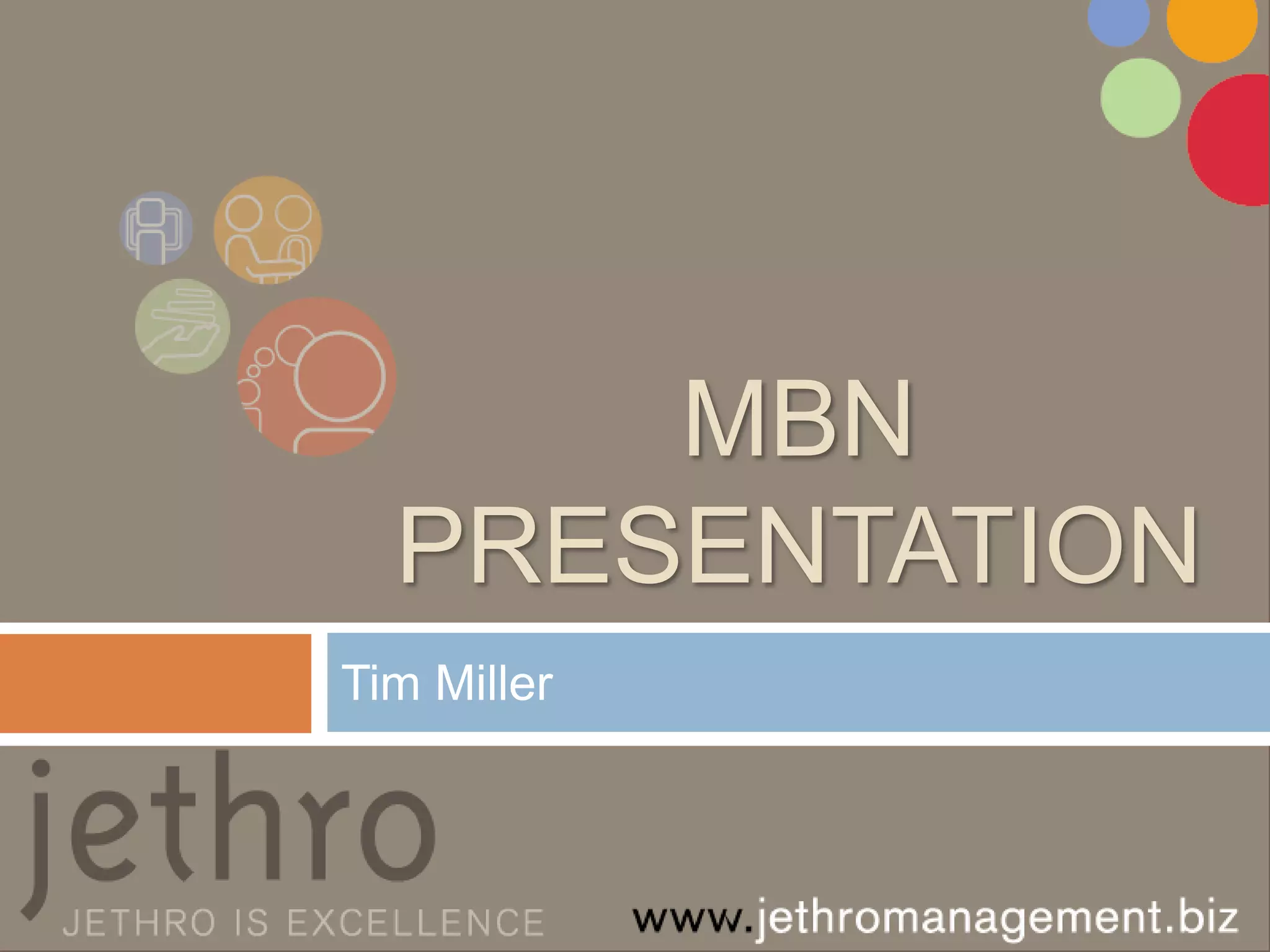
Your Data is Important
1970’s
banking
done in
person at
branch
1980’s
banking via
ATM
terminals
1990s
phone
banking
2000’s
internet
banking
2010’s multi
device
access
(mobile,
tablet, pc)
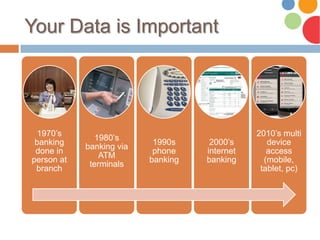
Storage v Access
 Which is more important to you?
 Where your data is being stored
 Getting access to your data when you need it
What, How, Why
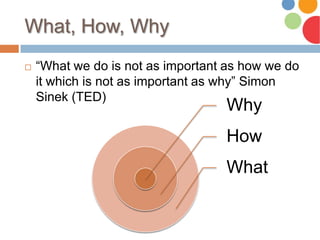
 “What we do is not as important as how we do
it which is not as important as why” Simon
Sinek (TED)
Why
How
What
Law of Diffusion of Innovation
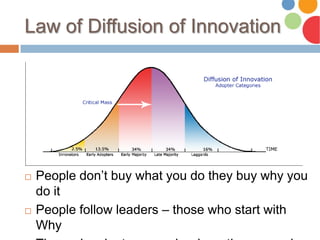
 People don’t buy what you do they buy why you
do it
 People follow leaders – those who start with
Why
Use of Smartphones in
Australia
 Mobile Smartphones Usage in Australia
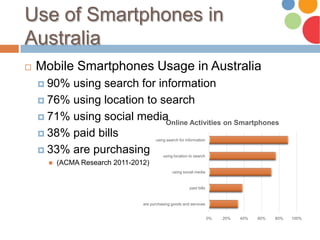
 90% using search for information
 76% using location to search
 71% using social media
 38% paid bills
 33% are purchasing
 (ACMA Research 2011-2012)
0% 20% 40% 60% 80% 100%
are purchasing goods and services
paid bills
using social media
using location to search
using search for information
Online Activities on Smartphones
Work Life Balance
 Balancing work time with other needs, data
access is now not limited to cubicle time of 9-5
 Microsoft’s vision in the 80s was “A PC in
every home”
 Today it is “A continuous cloud service for
every person every device and every
business” Kevin Turner - Microsoft COO, WPC10
 There is an average of 4.7 devices per person
 This translates to more effective use of time
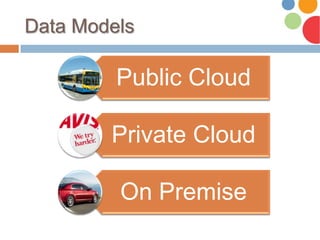
Data Models
Public Cloud
Private Cloud
On Premise
Driving Down Cost of Business
 Total Cost of Ownership
 Most people have a car that is their 2nd most
expensive asset – and it sits idle 23 hours a day
 Mobile workforces
 Multi device access from any location
 Common user experience across each space /
device
 Seamless transition between locations
 BYOD
 Do you know how to take advantage of this in
the most cost effective way for your business?
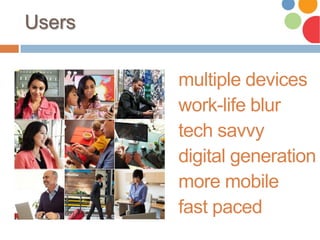
work-life blur
more mobile
tech savvy
multiple devices
digital generation
fast paced
Users
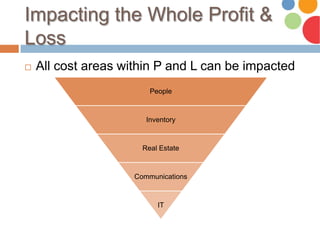
Impacting the Whole Profit &
Loss
 All cost areas within P and L can be impacted
People
Inventory
Real Estate
Communications
IT
Australian Companies Using
Cloud
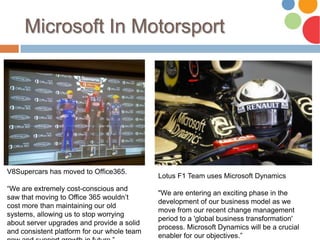
Microsoft In Motorsport
V8Supercars has moved to Office365.
“We are extremely cost-conscious and
saw that moving to Office 365 wouldn’t
cost more than maintaining our old
systems, allowing us to stop worrying
about server upgrades and provide a solid
and consistent platform for our whole team
Lotus F1 Team uses Microsoft Dynamics
"We are entering an exciting phase in the
development of our business model as we
move from our recent change management
period to a 'global business transformation'
process. Microsoft Dynamics will be a crucial
enabler for our objectives.”
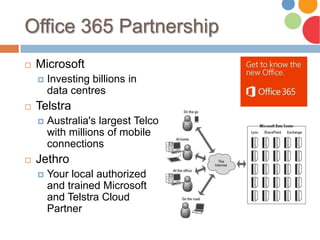
Office 365 Partnership
 Microsoft
 Investing billions in
data centres
 Telstra
 Australia's largest Telco
with millions of mobile
connections
 Jethro
 Your local authorized
and trained Microsoft
and Telstra Cloud
Partner
Why are you in Business?
 We are early adopters
 We are innovators
 We partner with our clients to align their
technology needs to their business goals
 We drive down the costs of doing business for
our customers – essentially lowering the cost
to theirs (or increasing profits)
 We want to help you do the same
QUESTIONS

Case for Office 365 for Small Business

  • 1.
  • 2.
    Your Data isImportant 1970’s banking done in person at branch 1980’s banking via ATM terminals 1990s phone banking 2000’s internet banking 2010’s multi device access (mobile, tablet, pc)
  • 3.
    Storage v Access Which is more important to you?  Where your data is being stored  Getting access to your data when you need it
  • 4.
    What, How, Why “What we do is not as important as how we do it which is not as important as why” Simon Sinek (TED) Why How What
  • 5.
    Law of Diffusionof Innovation  People don’t buy what you do they buy why you do it  People follow leaders – those who start with Why
  • 6.
    Use of Smartphonesin Australia  Mobile Smartphones Usage in Australia  90% using search for information  76% using location to search  71% using social media  38% paid bills  33% are purchasing  (ACMA Research 2011-2012) 0% 20% 40% 60% 80% 100% are purchasing goods and services paid bills using social media using location to search using search for information Online Activities on Smartphones
  • 7.
    Work Life Balance Balancing work time with other needs, data access is now not limited to cubicle time of 9-5  Microsoft’s vision in the 80s was “A PC in every home”  Today it is “A continuous cloud service for every person every device and every business” Kevin Turner - Microsoft COO, WPC10  There is an average of 4.7 devices per person  This translates to more effective use of time
  • 8.
  • 9.
    Driving Down Costof Business  Total Cost of Ownership  Most people have a car that is their 2nd most expensive asset – and it sits idle 23 hours a day  Mobile workforces  Multi device access from any location  Common user experience across each space / device  Seamless transition between locations  BYOD  Do you know how to take advantage of this in the most cost effective way for your business?
  • 10.
    work-life blur more mobile techsavvy multiple devices digital generation fast paced Users
  • 11.
    Impacting the WholeProfit & Loss  All cost areas within P and L can be impacted People Inventory Real Estate Communications IT
  • 12.
  • 13.
    Microsoft In Motorsport V8Supercarshas moved to Office365. “We are extremely cost-conscious and saw that moving to Office 365 wouldn’t cost more than maintaining our old systems, allowing us to stop worrying about server upgrades and provide a solid and consistent platform for our whole team Lotus F1 Team uses Microsoft Dynamics "We are entering an exciting phase in the development of our business model as we move from our recent change management period to a 'global business transformation' process. Microsoft Dynamics will be a crucial enabler for our objectives.”
  • 14.
    Office 365 Partnership Microsoft  Investing billions in data centres  Telstra  Australia's largest Telco with millions of mobile connections  Jethro  Your local authorized and trained Microsoft and Telstra Cloud Partner
  • 15.
    Why are youin Business?  We are early adopters  We are innovators  We partner with our clients to align their technology needs to their business goals  We drive down the costs of doing business for our customers – essentially lowering the cost to theirs (or increasing profits)  We want to help you do the same
  • 16.

Editor's Notes

  • #11 People now have broad access to consumer devices at home and this leads to higher user expectations of technology at work. The digital generation now entering the work place raises these expectations to a whole new level – a generation that has grown up completely fluent in the language of digital technology and they have dramatically different expectations about the tools they should be able to use at work. These tech savvy people are also increasingly mobile, and operate in a fast paced environment. Coupled with ubiquitous connectivity this erodes the lines between people’s life and work. As that line gets blurred, people’s individual technology preferences and their workstyles have an increasing impact on how they get their work done and what allows them to be most productive.As a result, people increasingly want a say regarding what technology they use to get their job done – this is the trend called Consumerization of IT. Microsoft, believe consumerization of IT is great as it unleashes people’s productivity and passion and has the opportunity to drive innovation and competitive advantage. They believe there is a power in saying “Yes” to people and their technology requests, and embracing consumerization of IT in a responsible way. Key Messages:Proliferation of consumer devices and digital generation entering work-force lead to higher user expectations of technology at work.Ubiquitous connectivity and fast paced nature of the modern business erodes the line between people’s personal and professional life. As a result, people’s individual workstyles are increasingly important part of how things get done.People increasingly have final say in what technology they use to get job done – this is the trend called Consumerization of IT.We, Microsoft, believe consumerization of IT is great as it unleashes people’s productivity and passion and has the opportunity to drive innovation and competitive advantage. We believe there is a power in saying “Yes” to people and their technology requests, and embracing consumerization of IT in a responsible way. BYOD (= Bring Your Own Device, people bring and use their own PC/ tablet/ phone) to work; use social networking at work and for work.Talk Track:Device proliferation, with people having broad access to consumer devices at home, leads to higher user expectations of technology at work. Digital generation entering the work place raises these expectations to a whole new level – a generation that has grown up completely fluent in the language of digital technology—from texting, instant messaging, and blogs to Facebook, YouTube, and Twitter—has dramatically different expectations about the tools they should be able to use at work. These tech savvy people are also increasingly mobile, and operate in a fast paced environment. The dynamic environment, along with ubiquitous connectivity erodes the lines between people’s life and work. As the line between people’s life and work gets blurred, people’s individual technology preferences and workstyles have an increasing impact on how they get their work done and what allows them to be most productive.As a result, people increasingly want a say regarding what technology they use to get their job done – this is the trend called Consumerization of IT. Examples of Consumerization of IT: BYOD (= Bring Your Own Device, people bring and use their own PC/ slate/ phone) to work; use social networking at work and for work.)Consumerization of IT is great, as it unleashes people’s productivity and passion, innovation and competitive advantage. We, Microsoft, believe there is a power in saying “Yes” to peopleand their technology requests in a responsible way, and our goal at Microsoft is to partner with you in IT to enable you to embrace these trends but also ensure the environment remains secure and well managed.But embracing Consumerization of IT is not easy for companies, and it represents some key challenges (Segway to the next slide).
  • #16 So why are you in business? Why do your customers choose you over your competitors?We are in business because:We are early adoptersWe are innovatorsWe partner with our clients to align their technology needs to their business goalsWe drive down the costs of doing business for our customers – essentially lowering the cost to theirs (or increasing profits)