Perception
The ability to see, hear, or become aware of something through
the senses.
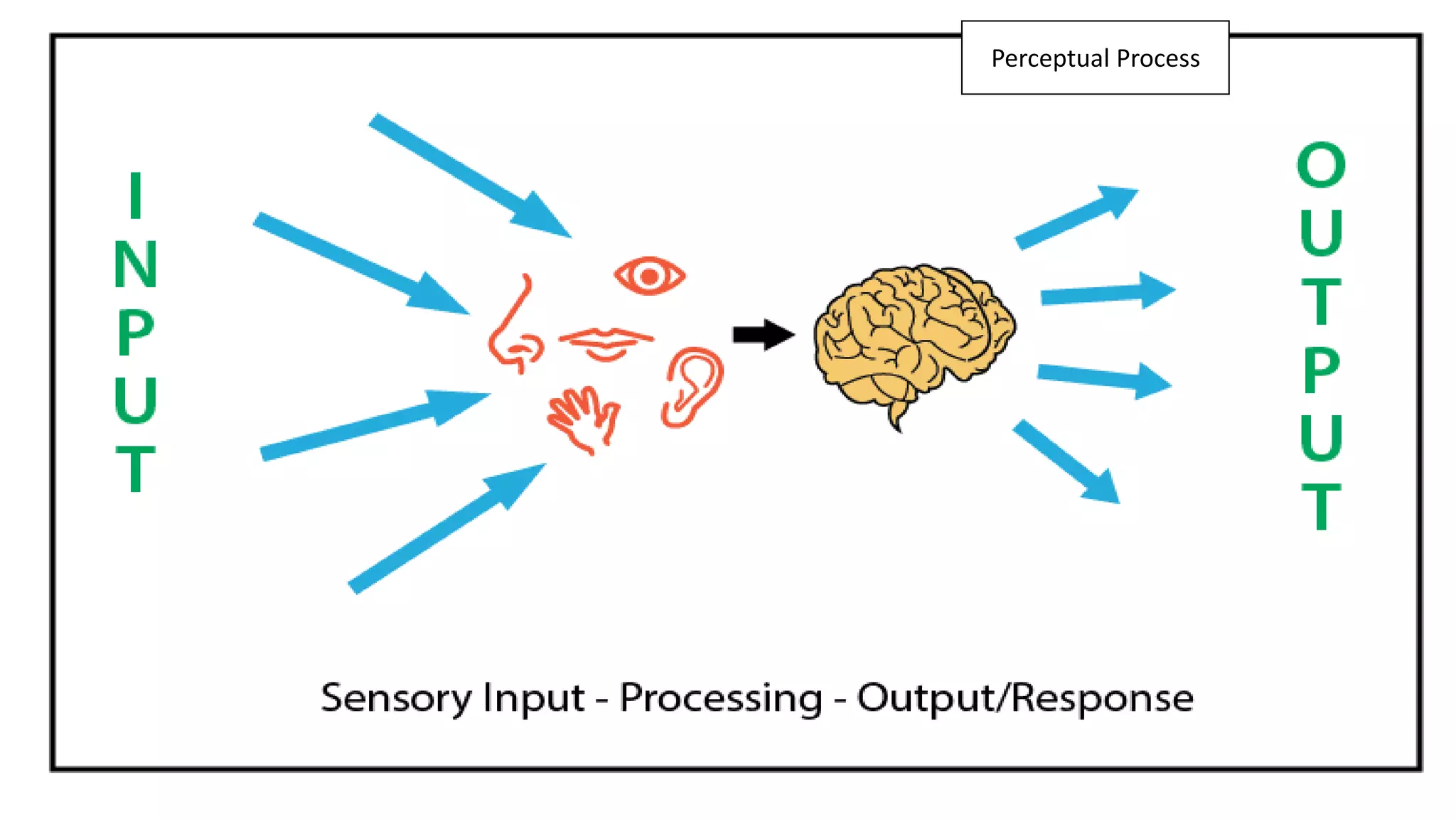
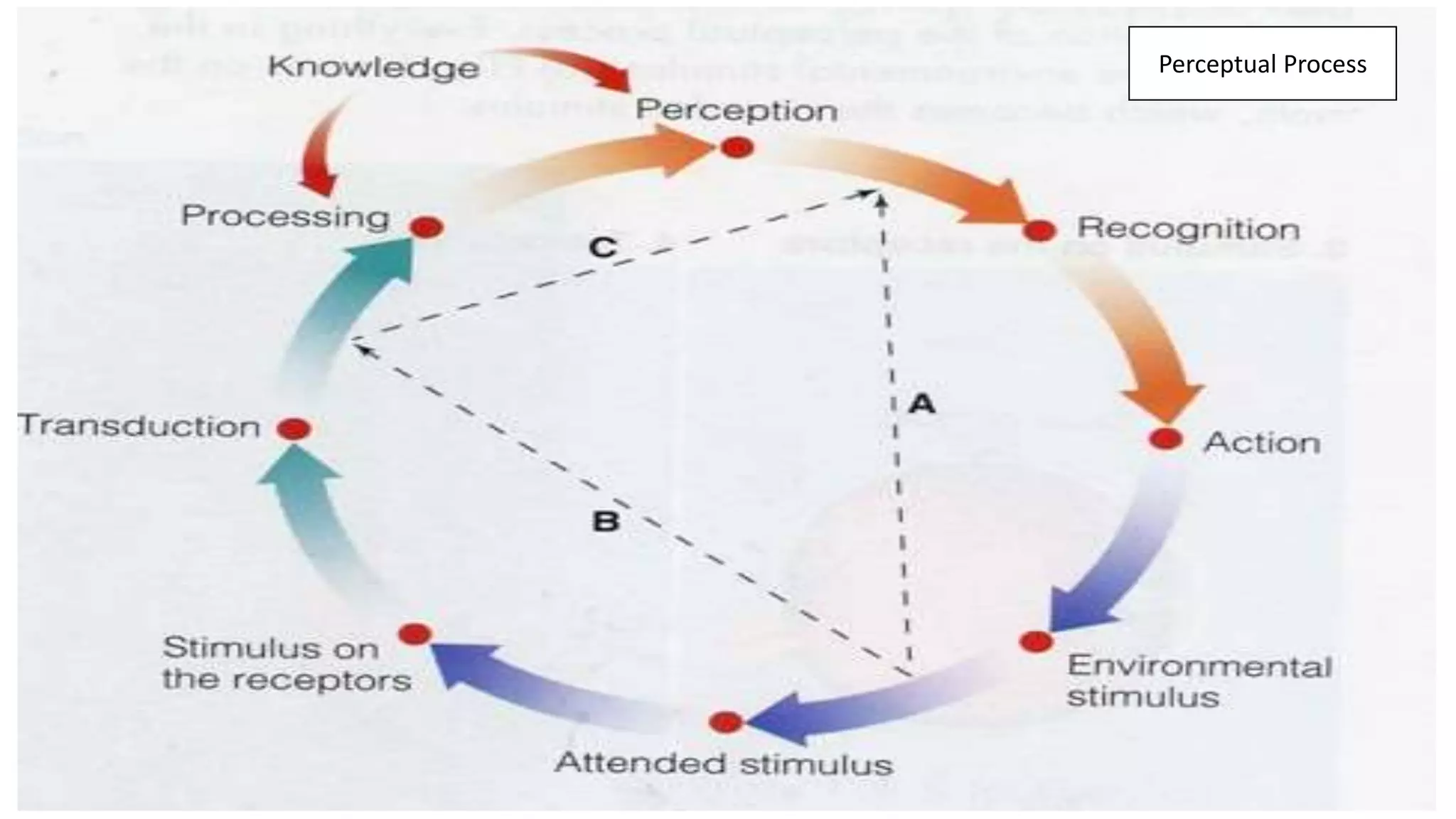
Perceptual Process
Perceptual Process
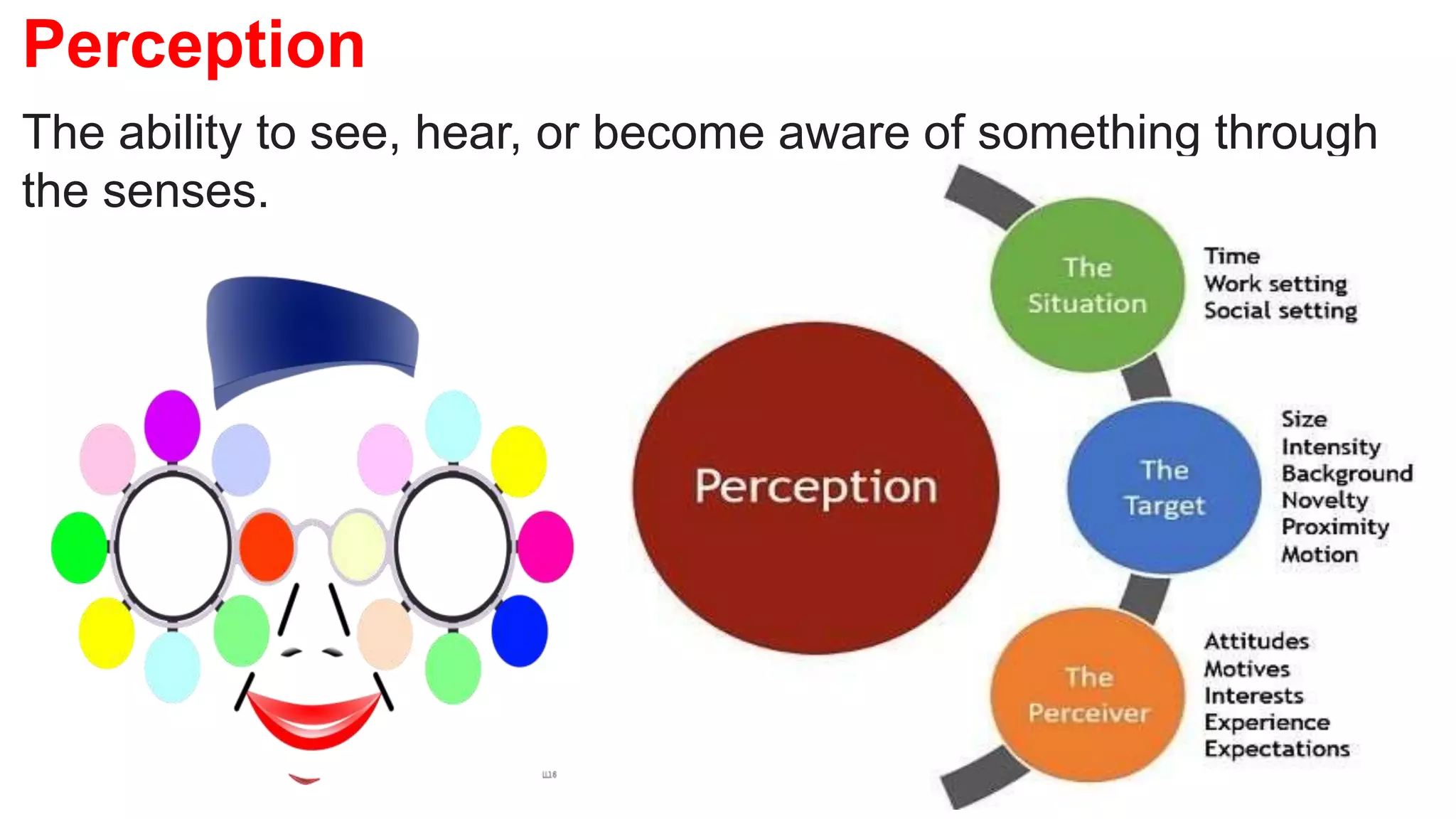
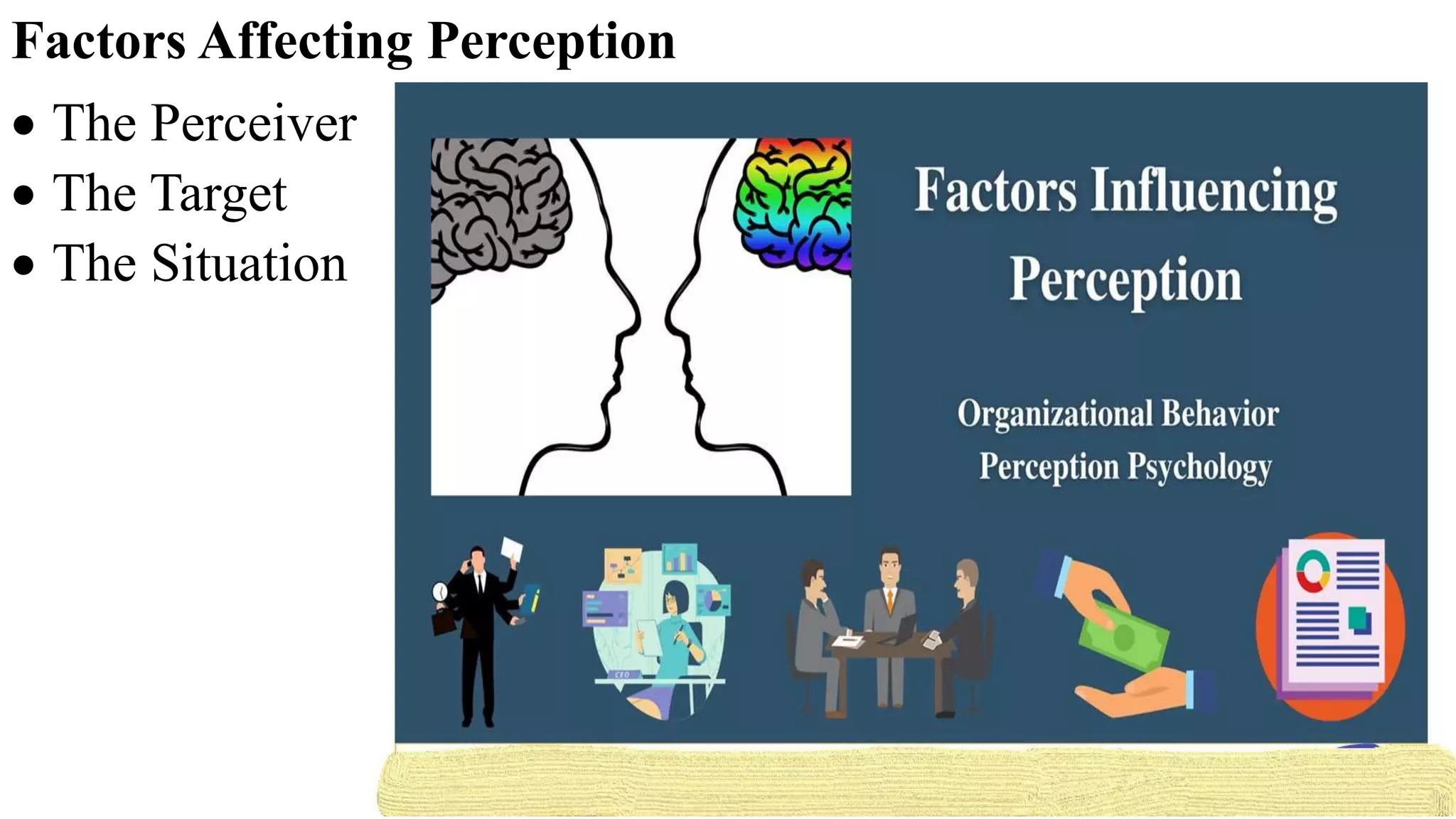
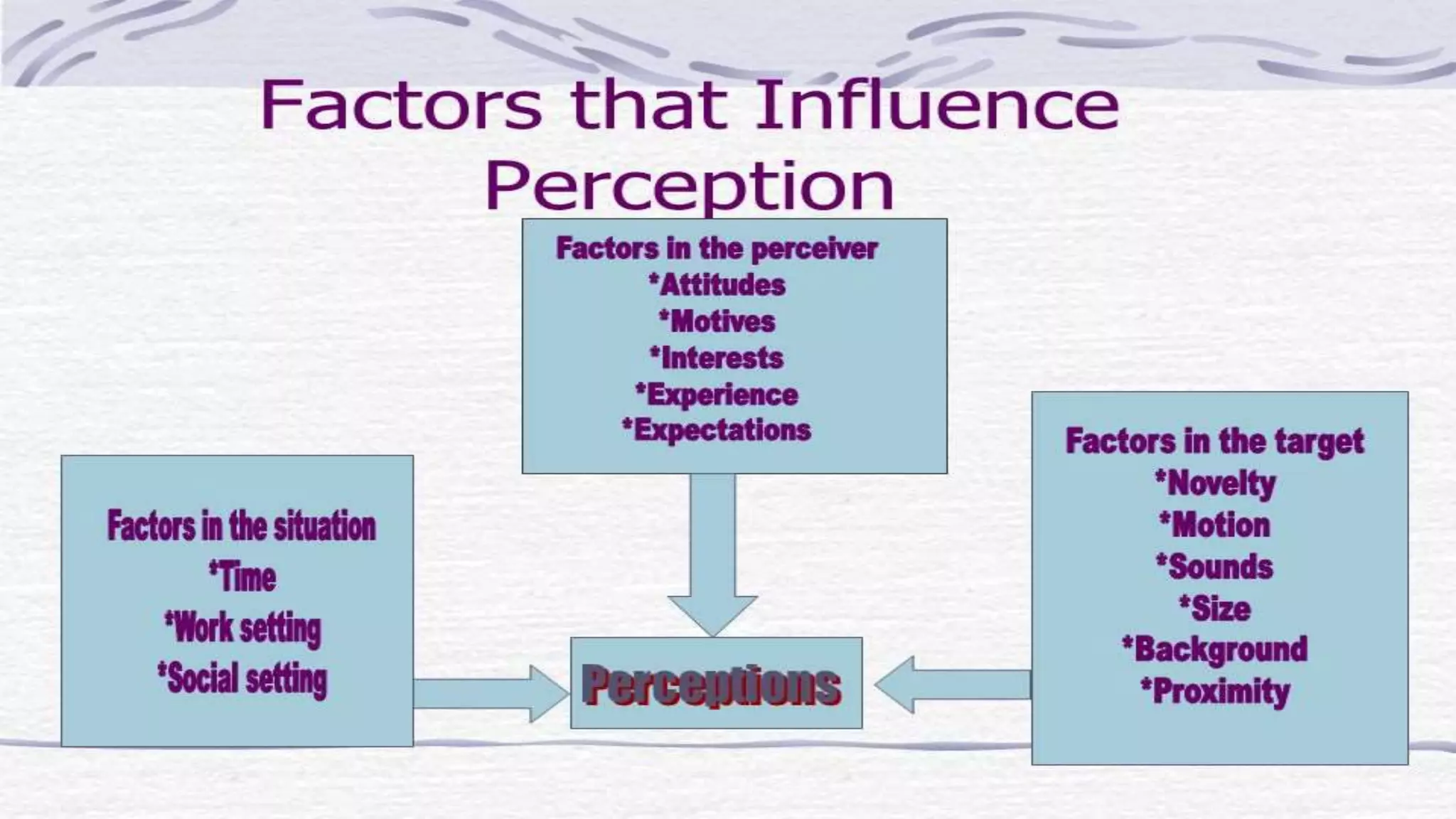
Factors Affecting Perception
 The Perceiver
 The Target
 The Situation
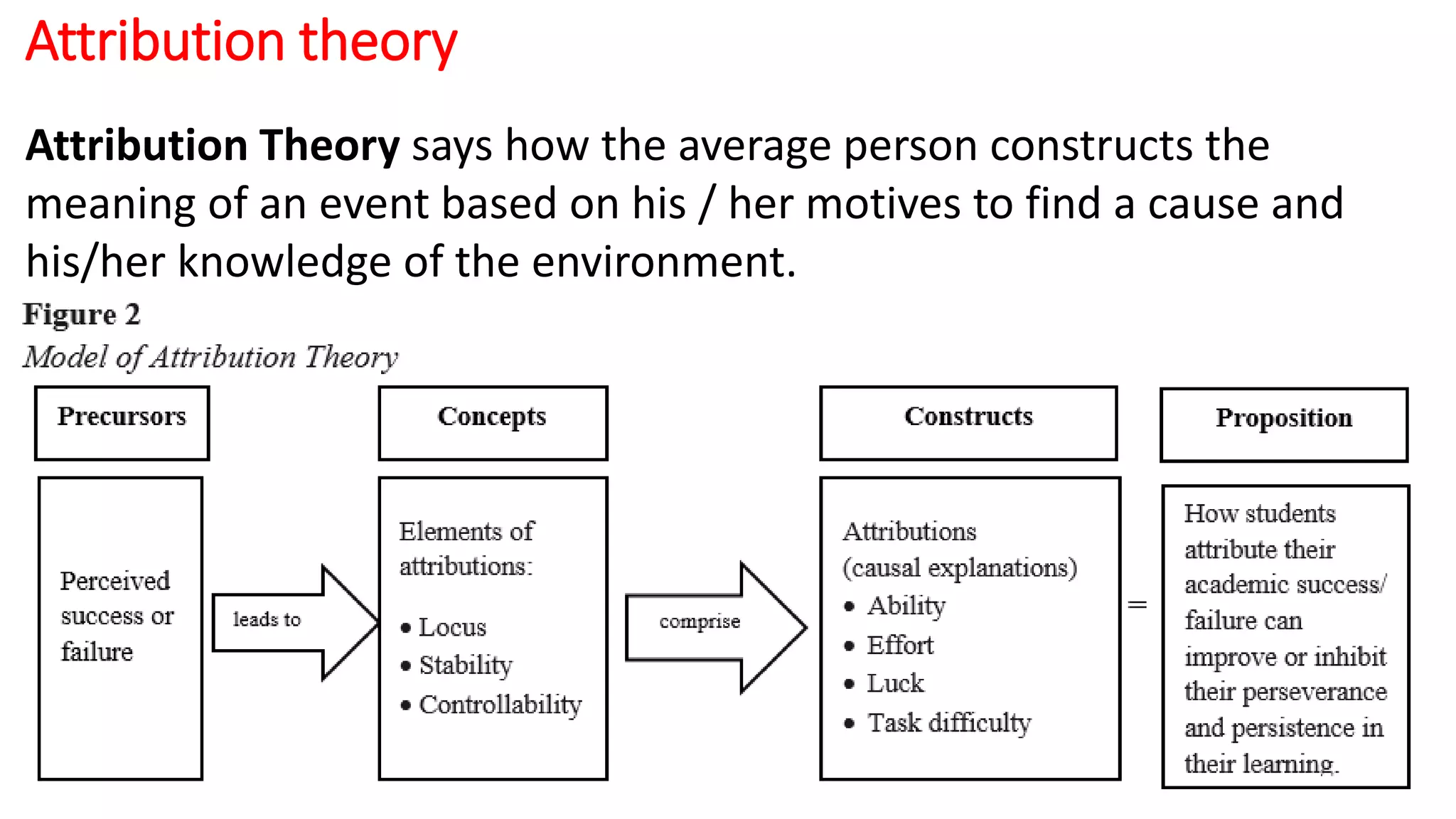
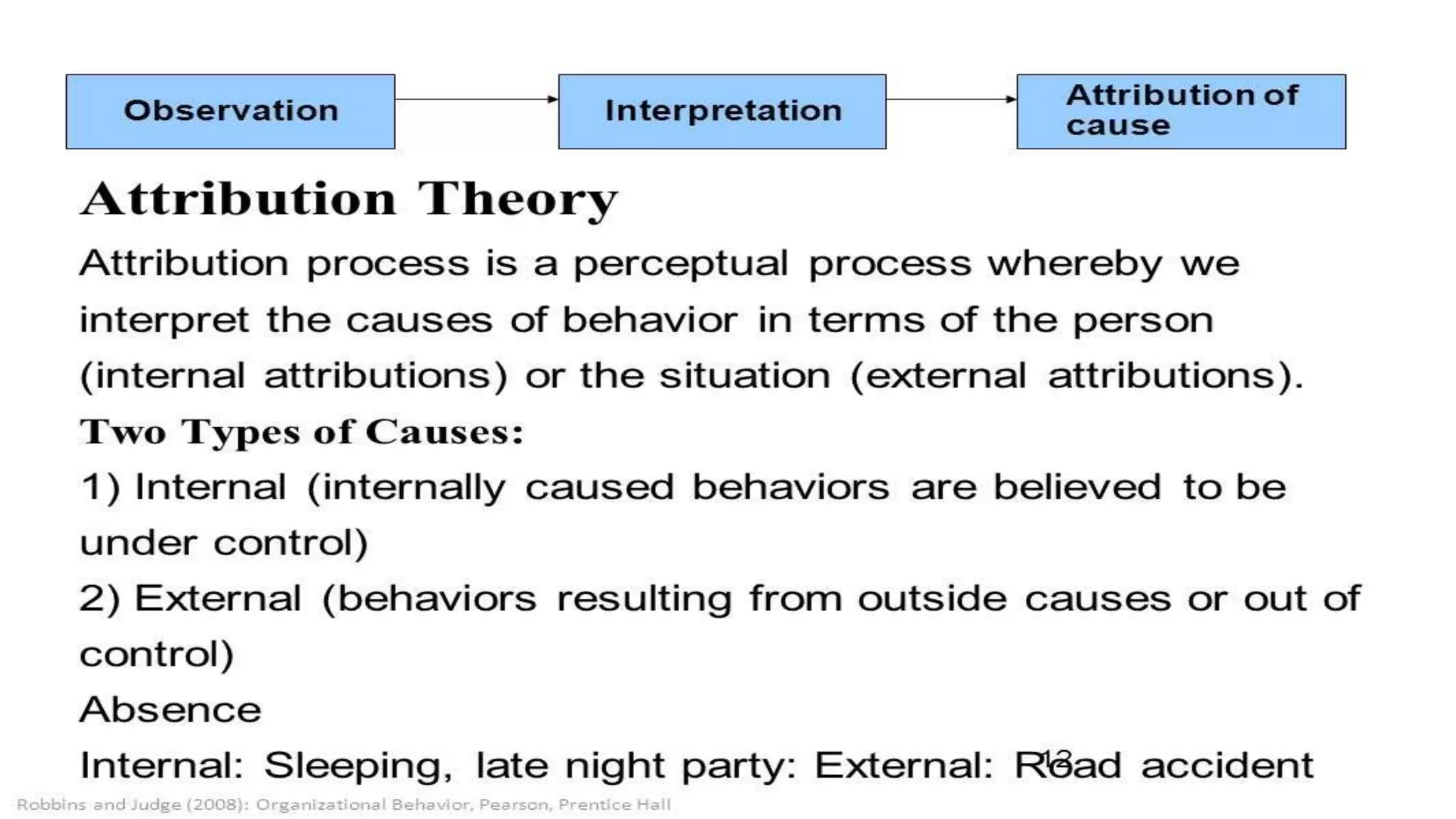
Attribution theory
Attribution Theory says how the average person constructs the
meaning of an event based on his / her motives to find a cause and
his/her knowledge of the environment.
Attribution error is basically concerned with making mistakes
while understanding the situation and showing certain
behaviour. Since individuals are not perfect, they show different
behaviour in the same situation. It results in perceptual
difference among individuals.
Attribution Error
Types of Attribution Error
There are three types of attribution error described below.
1. Fundamental Attribution Error
2. Self Serving Bias
3. Other Perceptual Errors
a. Selective Perception
b. Halo Effect
c. Contrast Effect
d. Stereotyping
e. Projection
f. Primary and Regency Effect
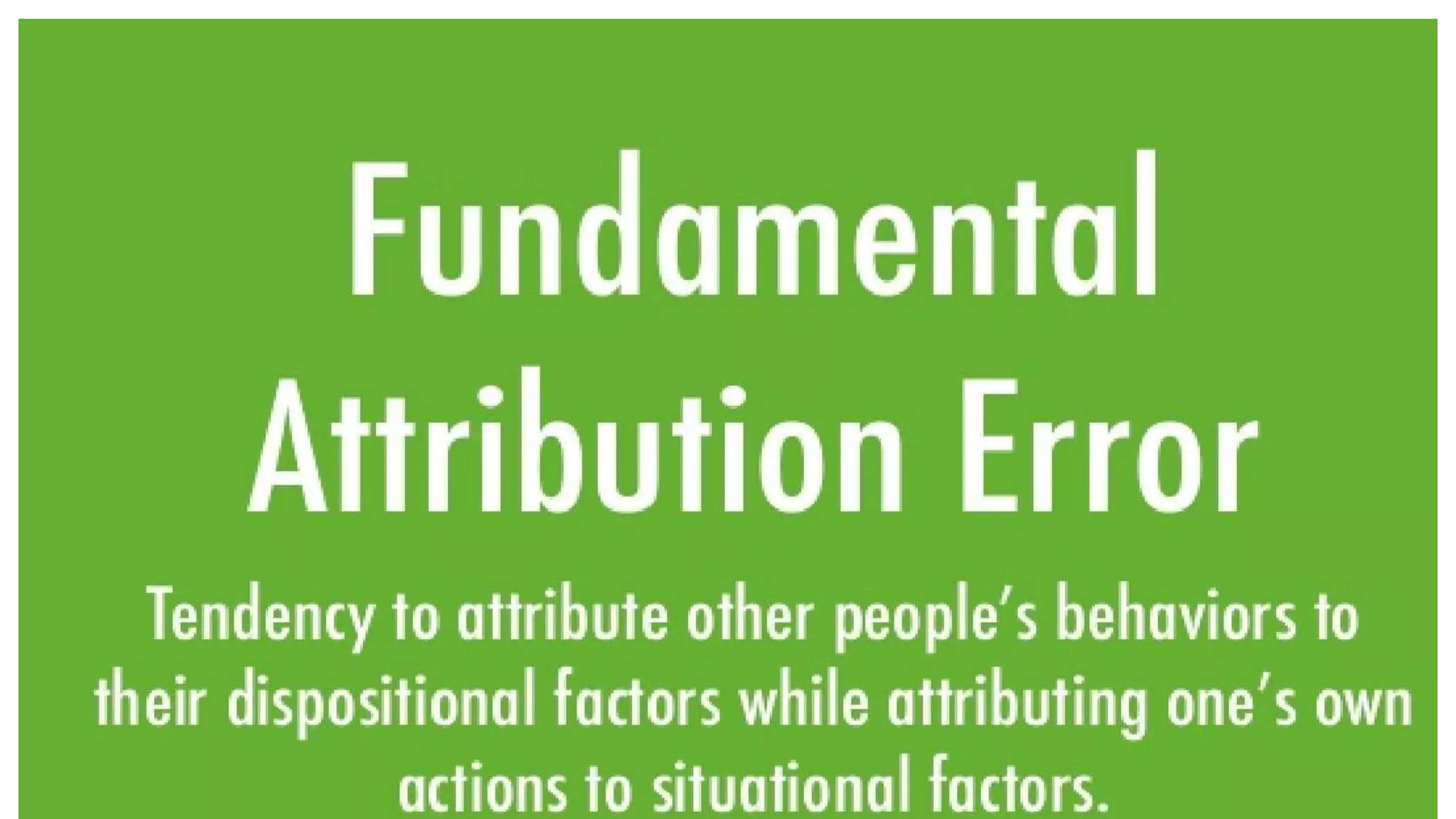
1) Fundamental Attribution Error
The Fundamental Attribution Error concerns the judgment made
focusing internal factors rather than external factors. Here,
people underestimate the influence of external factors and
overestimate the influence of internal factors while judging
others. It is popular among individualistic culture.
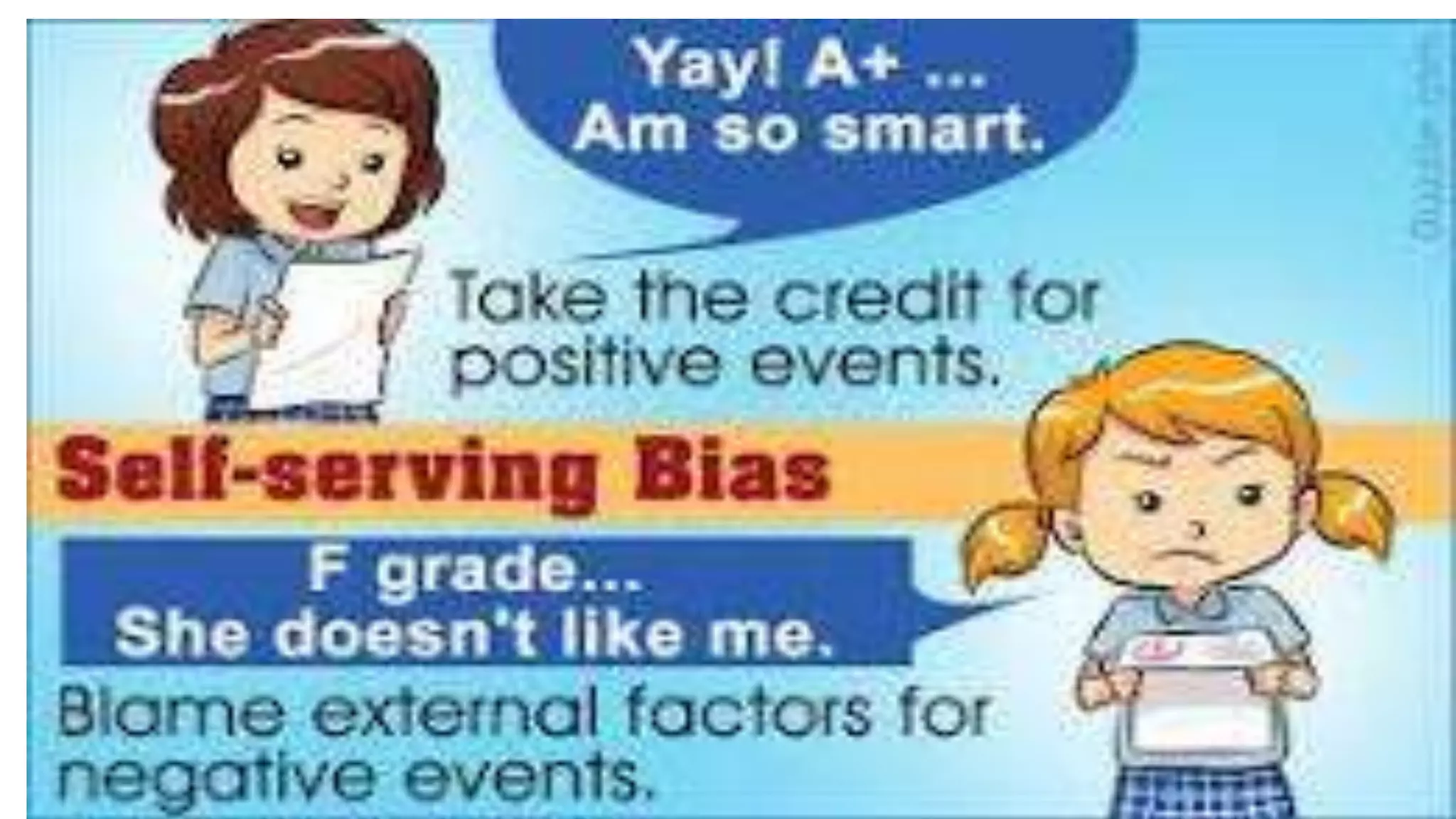
Self Serving Bias
The self-serving bias describes when we attribute positive
events and successes to our own character or actions, but
blame negative results to external factors unrelated to our
character.
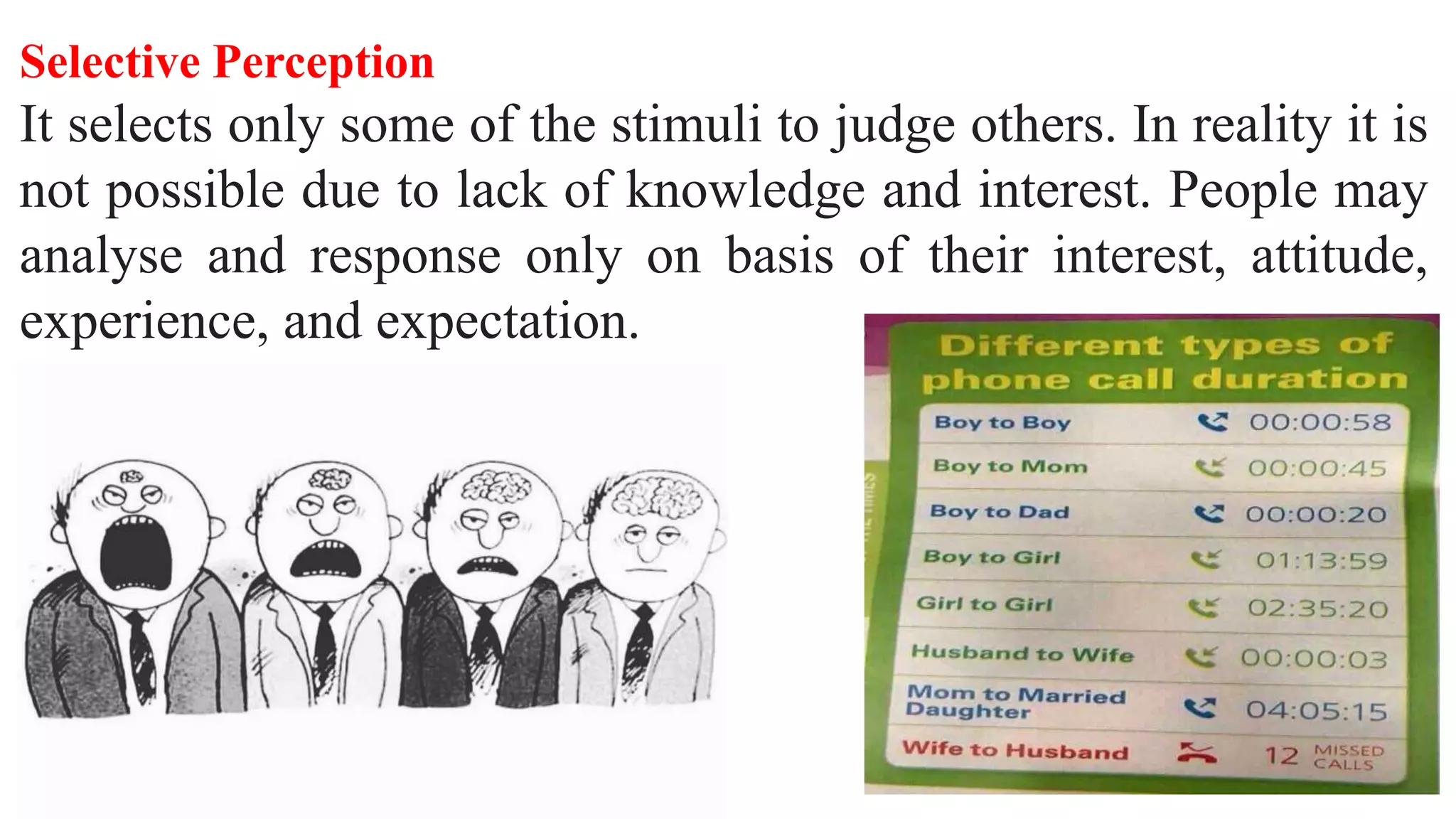
Selective Perception
It selects only some of the stimuli to judge others. In reality it is
not possible due to lack of knowledge and interest. People may
analyse and response only on basis of their interest, attitude,
experience, and expectation.
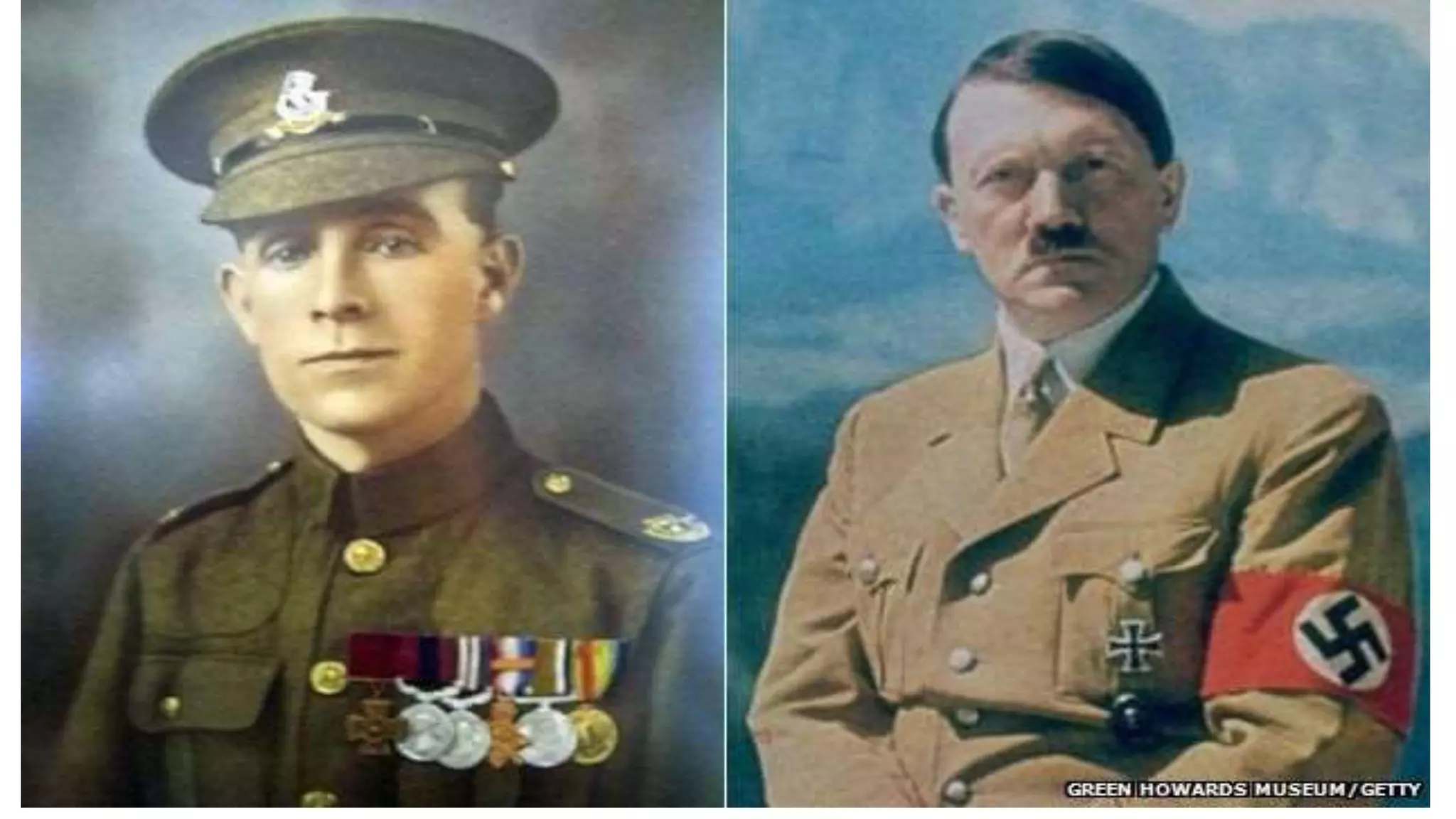
Halo Effect
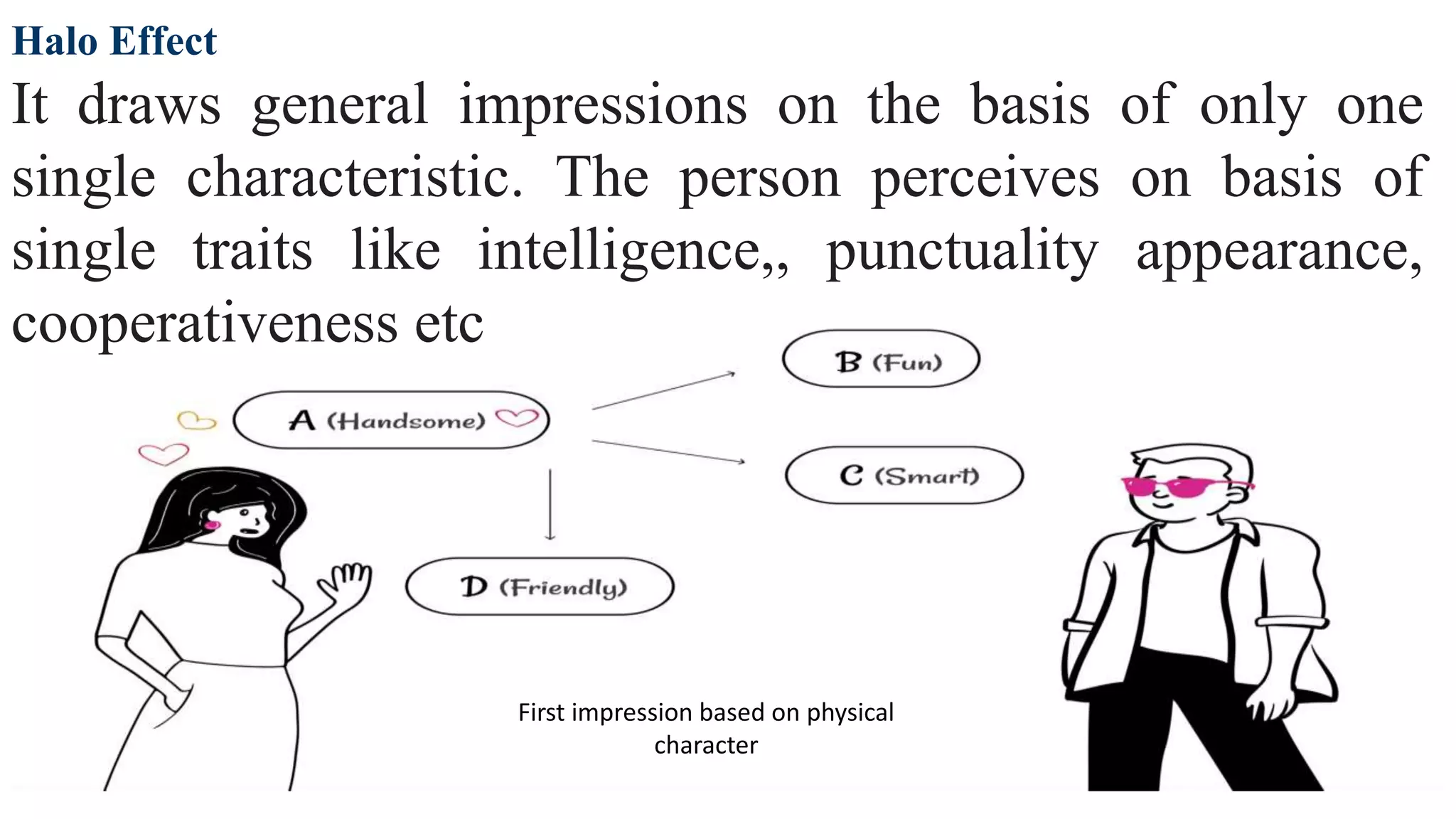
It draws general impressions on the basis of only one
single characteristic. The person perceives on basis of
single traits like intelligence,, punctuality appearance,
cooperativeness etc
First impression based on physical
character
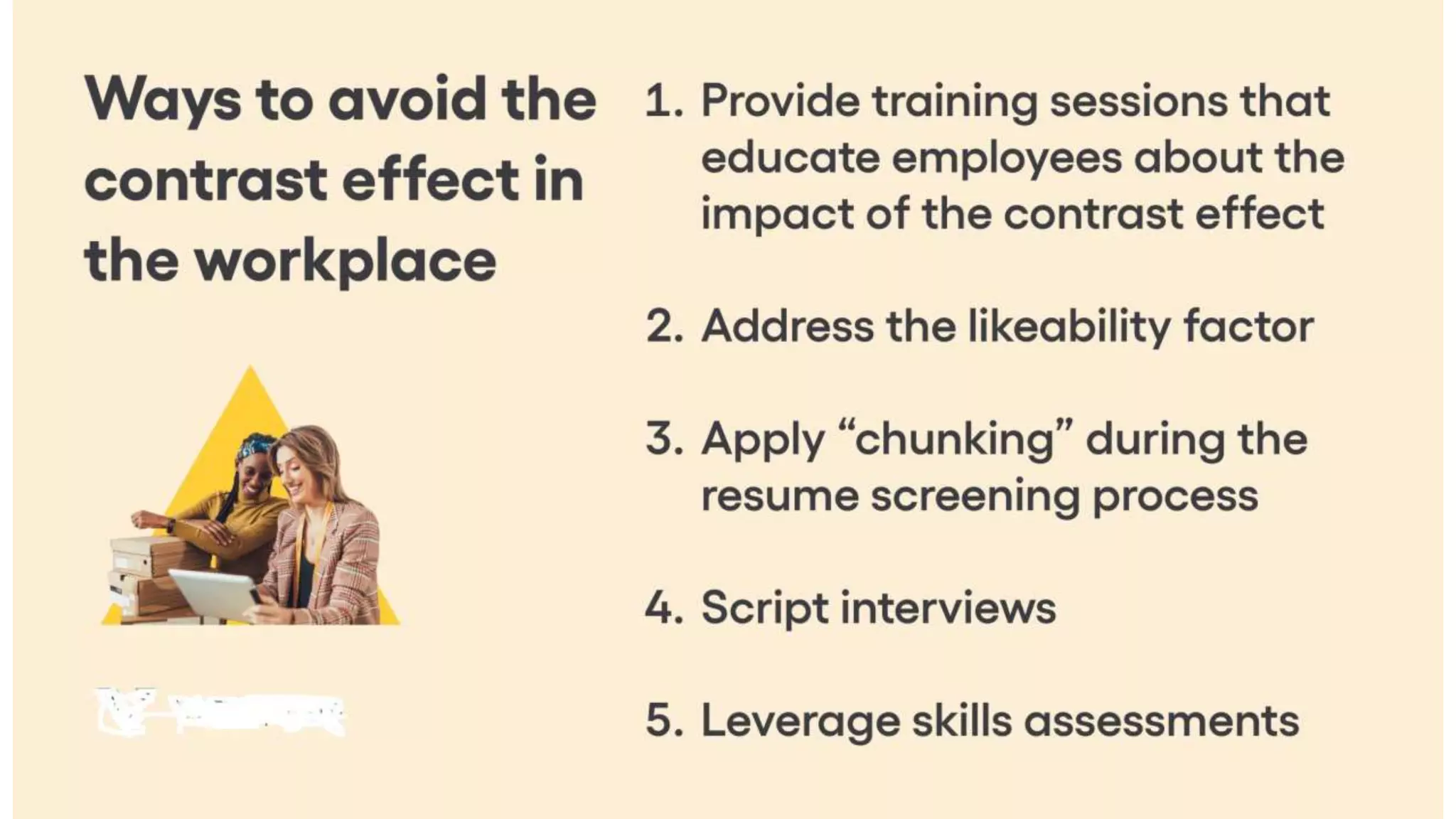
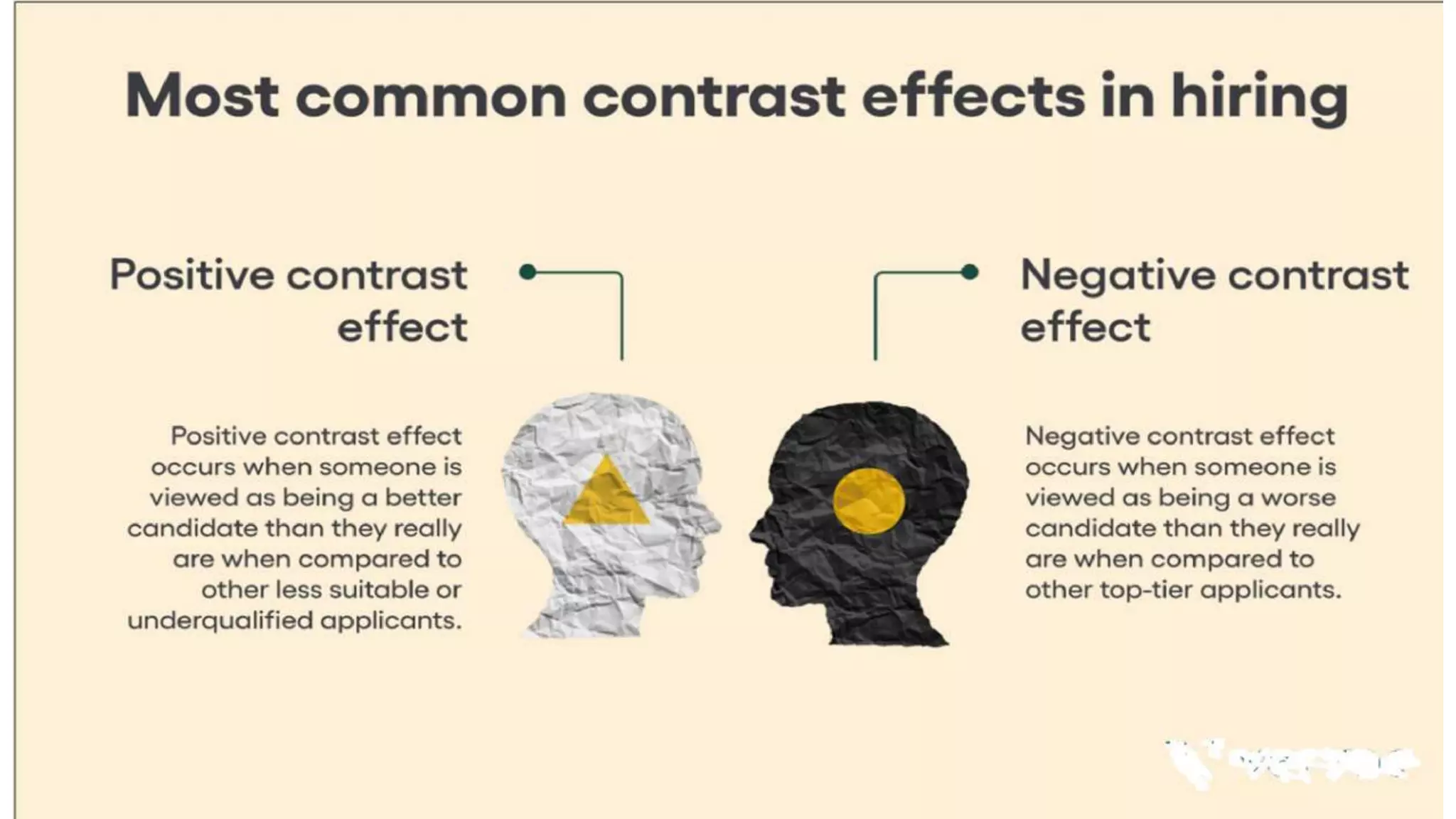
Contrast Effect
It is the process of evaluating or comparing other people on the
basis of other people who are recently encountered. Here, person
efficiency is evaluated by comparing efficiency and traits of
recently faced candidates by evaluators. It is used generally in
taking interviews with new applicants.
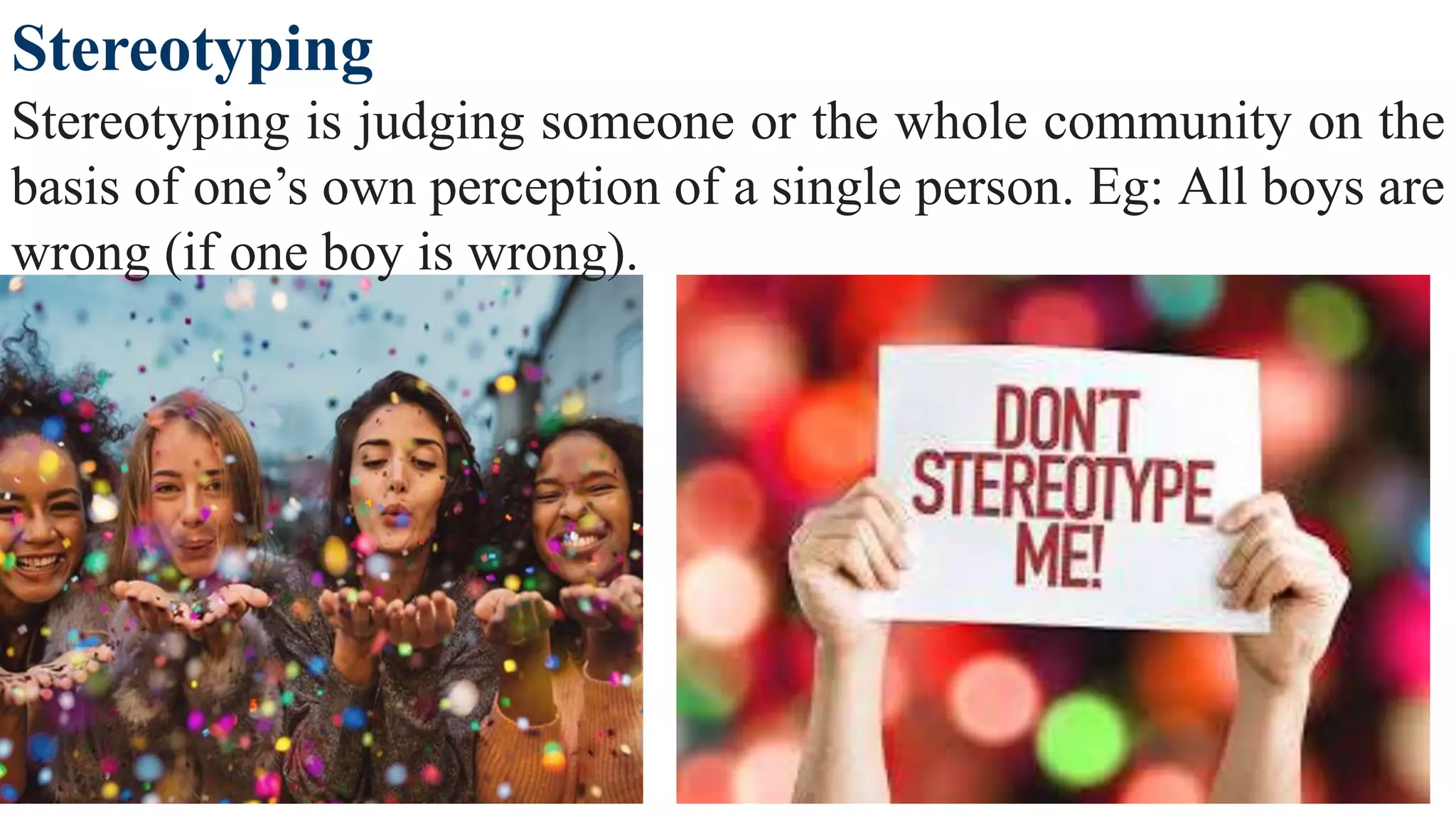
Stereotyping
Stereotyping is judging someone or the whole community on the
basis of one’s own perception of a single person. Eg: All boys are
wrong (if one boy is wrong).
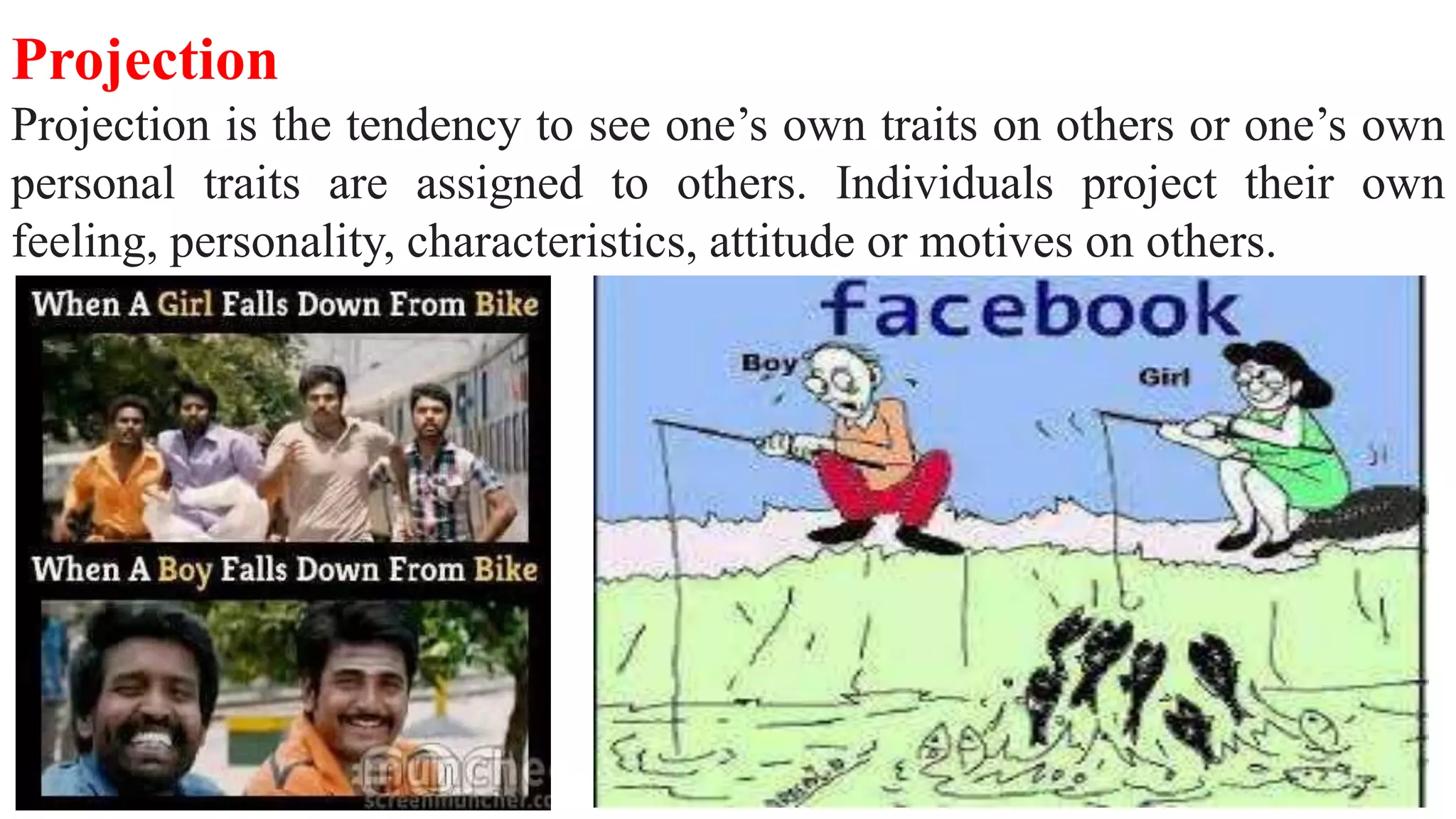
Projection
Projection is the tendency to see one’s own traits on others or one’s own
personal traits are assigned to others. Individuals project their own
feeling, personality, characteristics, attitude or motives on others.
Rukmini wrote first love letter to
Shree Krishna and the last …?
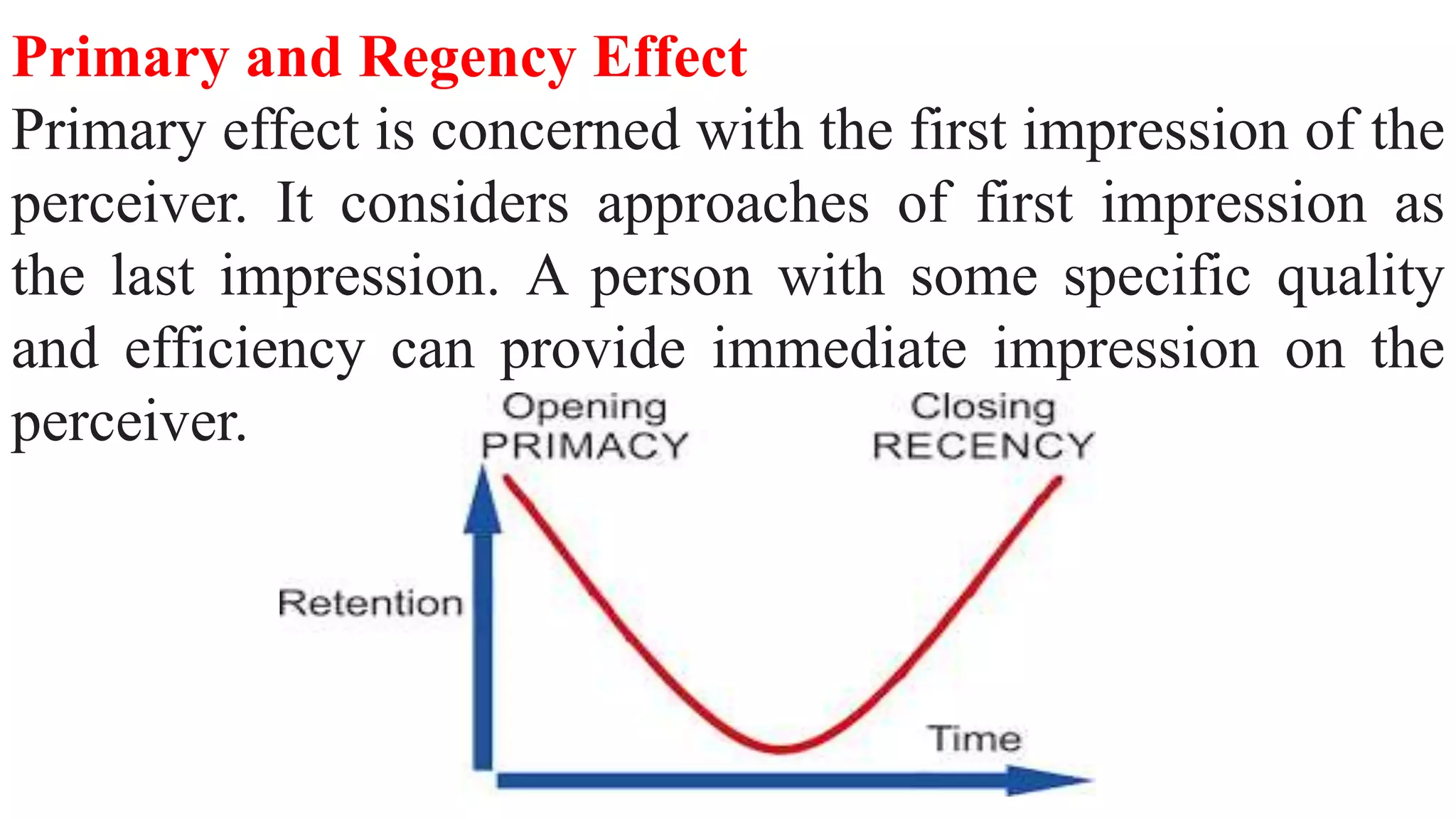
Primary and Regency Effect
Primary effect is concerned with the first impression of the
perceiver. It considers approaches of first impression as
the last impression. A person with some specific quality
and efficiency can provide immediate impression on the
perceiver.
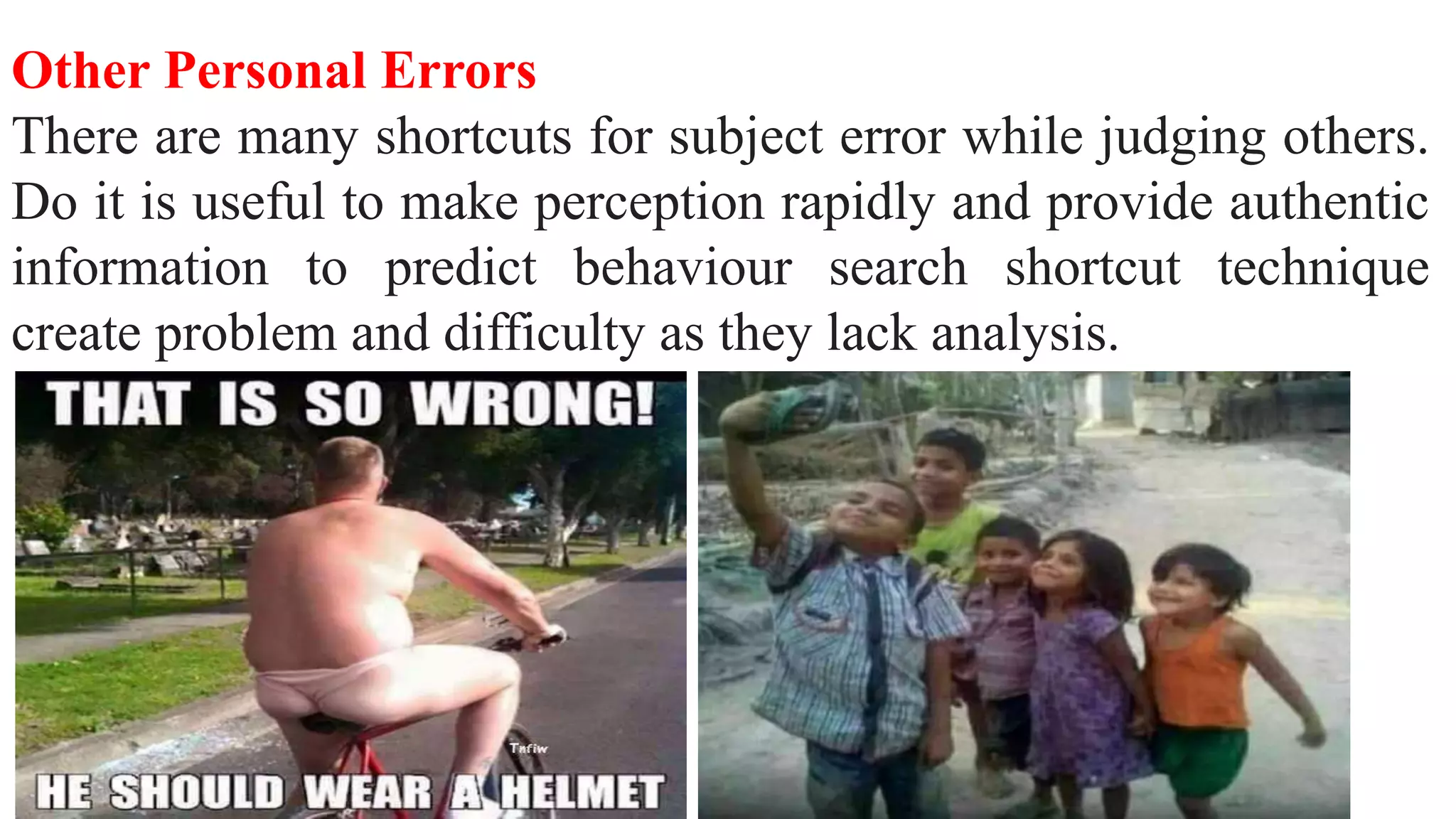
Other Personal Errors
There are many shortcuts for subject error while judging others.
Do it is useful to make perception rapidly and provide authentic
information to predict behaviour search shortcut technique
create problem and difficulty as they lack analysis.
Attribution Theory basically looks at how people make sense of
their world; what cause and effect inferences they make about the
behaviours of others and of themselves
Concept and principles of learning
Learning is basically psychological in nature and a few definitions offered
by psychologists are given below:
1. Gates: Learning is modification of behaviour through experience.
2. Skinner: Learning is a process of progressive behaviour adaptation.
3. Crow and Crow: Learning involves the acquisition of habits,
knowledge, and attitude.
Principles of Learning
Readiness- degree of willingness
Exercise – repeating helps to remember
Effect – happy mood will be effective
Primacy – first impression is last impression
Recency – recently learned will be effective
Intensity – intensely learn not by force
Freedom – free learning not by pressure
Intensely
taken photo
of apple
farming in
Mustang
cognitive learning theory
Cognition refers to an individual’s thoughts, knowledge of
interpretations, understandings, or ideas about himself, and his
environment
social learning
also called observational learning, stresses the
ability of an individual to learn by observing what
happens to other people

2. Perception & learning.pptx

  • 1.
    Perception The ability tosee, hear, or become aware of something through the senses.
  • 4.
  • 5.
  • 6.
    Factors Affecting Perception The Perceiver  The Target  The Situation
  • 8.
    Attribution theory Attribution Theorysays how the average person constructs the meaning of an event based on his / her motives to find a cause and his/her knowledge of the environment.
  • 10.
    Attribution error isbasically concerned with making mistakes while understanding the situation and showing certain behaviour. Since individuals are not perfect, they show different behaviour in the same situation. It results in perceptual difference among individuals. Attribution Error
  • 11.
    Types of AttributionError There are three types of attribution error described below. 1. Fundamental Attribution Error 2. Self Serving Bias 3. Other Perceptual Errors a. Selective Perception b. Halo Effect c. Contrast Effect d. Stereotyping e. Projection f. Primary and Regency Effect
  • 12.
    1) Fundamental AttributionError The Fundamental Attribution Error concerns the judgment made focusing internal factors rather than external factors. Here, people underestimate the influence of external factors and overestimate the influence of internal factors while judging others. It is popular among individualistic culture.
  • 16.
    Self Serving Bias Theself-serving bias describes when we attribute positive events and successes to our own character or actions, but blame negative results to external factors unrelated to our character.
  • 18.
    Selective Perception It selectsonly some of the stimuli to judge others. In reality it is not possible due to lack of knowledge and interest. People may analyse and response only on basis of their interest, attitude, experience, and expectation.
  • 19.
    Halo Effect It drawsgeneral impressions on the basis of only one single characteristic. The person perceives on basis of single traits like intelligence,, punctuality appearance, cooperativeness etc First impression based on physical character
  • 20.
    Contrast Effect It isthe process of evaluating or comparing other people on the basis of other people who are recently encountered. Here, person efficiency is evaluated by comparing efficiency and traits of recently faced candidates by evaluators. It is used generally in taking interviews with new applicants.
  • 23.
    Stereotyping Stereotyping is judgingsomeone or the whole community on the basis of one’s own perception of a single person. Eg: All boys are wrong (if one boy is wrong).
  • 24.
    Projection Projection is thetendency to see one’s own traits on others or one’s own personal traits are assigned to others. Individuals project their own feeling, personality, characteristics, attitude or motives on others.
  • 25.
    Rukmini wrote firstlove letter to Shree Krishna and the last …?
  • 26.
    Primary and RegencyEffect Primary effect is concerned with the first impression of the perceiver. It considers approaches of first impression as the last impression. A person with some specific quality and efficiency can provide immediate impression on the perceiver.
  • 27.
    Other Personal Errors Thereare many shortcuts for subject error while judging others. Do it is useful to make perception rapidly and provide authentic information to predict behaviour search shortcut technique create problem and difficulty as they lack analysis.
  • 28.
    Attribution Theory basicallylooks at how people make sense of their world; what cause and effect inferences they make about the behaviours of others and of themselves Concept and principles of learning Learning is basically psychological in nature and a few definitions offered by psychologists are given below: 1. Gates: Learning is modification of behaviour through experience. 2. Skinner: Learning is a process of progressive behaviour adaptation. 3. Crow and Crow: Learning involves the acquisition of habits, knowledge, and attitude.
  • 31.
    Principles of Learning Readiness-degree of willingness Exercise – repeating helps to remember Effect – happy mood will be effective Primacy – first impression is last impression Recency – recently learned will be effective Intensity – intensely learn not by force Freedom – free learning not by pressure
  • 32.
  • 34.
    cognitive learning theory Cognitionrefers to an individual’s thoughts, knowledge of interpretations, understandings, or ideas about himself, and his environment
  • 37.
    social learning also calledobservational learning, stresses the ability of an individual to learn by observing what happens to other people