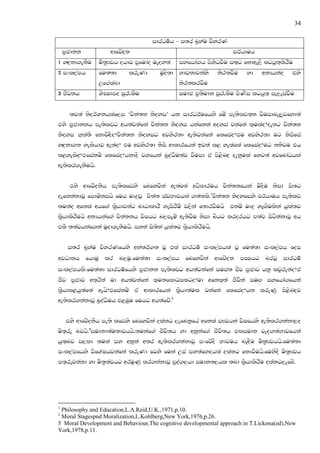
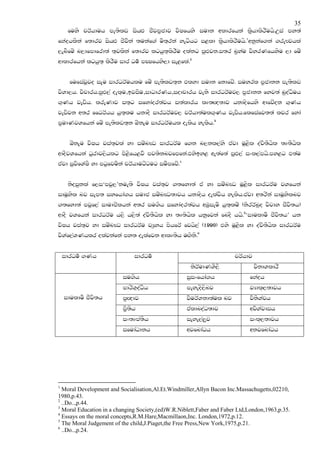
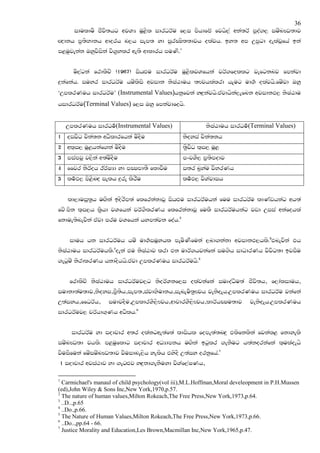
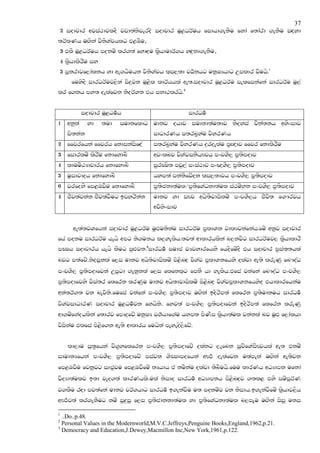
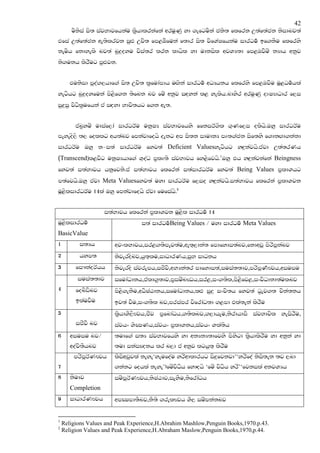
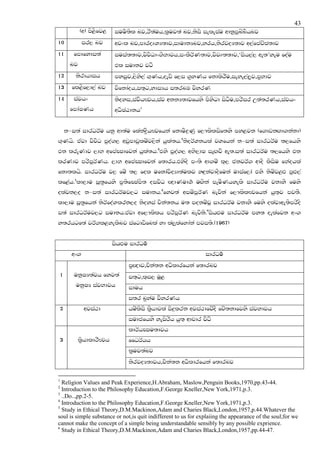
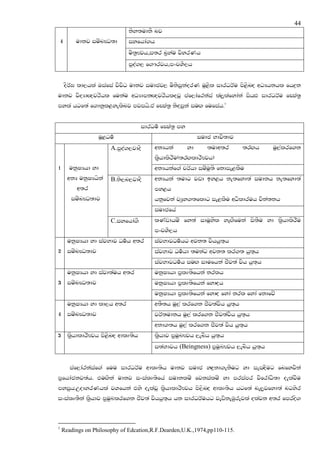
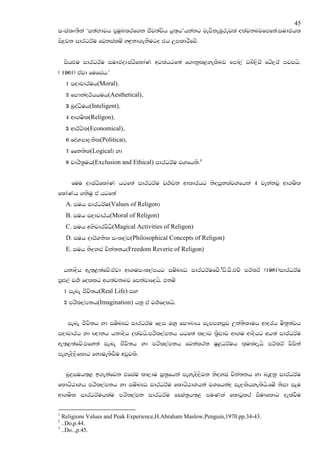
1. The document introduces the concept of the "Miracle of Instruction" in Buddhism. It explains that the Buddha believed in using reasoned discourse to convince people rather than miracles or supernatural feats.
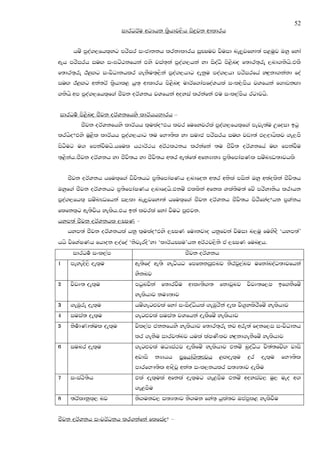
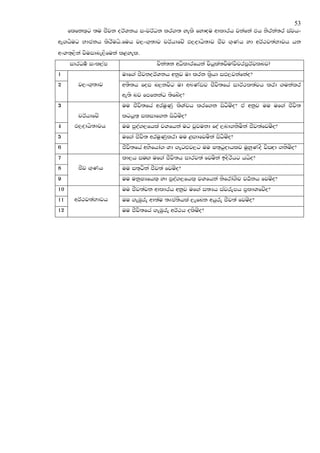
2. It provides examples from Buddhist scriptures where the Buddha uses logical arguments and implications to explain his teachings. These include giving teachings in scriptures, using logical and nomological implications, diversifying thought, and coinciding different aspects.
3. The summary emphasizes that the Buddha's teachings as contained in the Tipitaka can be understood through rational discussion and consultation with learned preceptors, without requiring belief in miracles. The "Miracle of Instruction" thus refers to the power of reasoned discourse