Pre-vet club Mon Nov 11, 2013
Dr. Bartlett
Pre-vet club
Monday Nov 11, 2013
Dr. Paul Bartlett
"Government and Corporate
Vet Practice, Student Debt
and the Future of Food
Animal Medicine"

https://www.google.com/search?site=imghp&tbm=isch&source=hp&biw=1024&bih=653&q=food+for+thought&oq=Food+for+t
&gs_l=img.1.0.0l10.10320.12279.0.14156.10.10.0.0.0.0.113.684.9j1.10.0....0...1ac.1.27.img..0.10.684.9uBbbYzif0#facrc=_&imgdii=_&imgrc=iuGiacGLvqlWqM%3A%3BqBjBEnrjQ-tRAM%3Bhttp%253A%252F%252Fbrandingvaluenow.com%252Fwp-

1

content%252Fuploads%252F2007%252F07%252Fepa1313l.jpg%3Bhttp%253A%252F%252Fzandbelt.wordpress.com%252F2013%252F05%252F19%252Fdealing-with-a-rare-disease-such-asrelapsing-polychondritis-food-for-thought%252F%3B400%3B390
Introduction
• Paul C. Bartlett DVM, MPH, PhD
– BA – Zoology. U. of Wisconsin
– Madison
– Masters of Public Health (Epidemiology)
• U. of Minnesota – Mpls.

– DVM – U. of Missouri

2
Introduction
– Epidemic Intelligence Service – Centers for Disease control
and Prevention
– Board certifications
• Am. Col. Vet. Prev. Med.
• Am. Co.. Vet Prev. Med. – Epidemiology Specialty

– PhD – Ohio State U. – Columbus

• Contact information:
– 171 Food Safety Building

884-2016 Office

– Bartlett@cvm.msu.edu
• Email is the best method of contact

• Research:
–

Antimicrobial resistance, dairy epidemiology, foodborne
outbreaks, surveillance programs, norovirus, C. difficile,
Vancomycin-resistant Enterococci, MRSA, food safety, Shiga
Toxin E. coli, bovine leukemia virus, others.
3
Introduction
• Teaching
– Veterinary Public Health, Zoonotic Diseases, Epidemiology,
foodborne disease control, outbreak investigation, surveillance
programs,
– DVM Students
•
•
•
•
•
•
•

VM 544 (this course)
VM 533 (Vet Epi)
VM 532 - VIPS
LCS 678 – Gov and Corp Vet Practice Clerkship (The field trips)
LCS 690 – Vet Public Health Practice Clerkship
LCS 691 – Vet Public Health Research Clerkship
LCS 613 – Special Problems Clerkship

– MS in Food Safety
• VM 830, VM 831, VM 832, VM 821, VM 817

– Masters of Public Health program at MSU
• HM 803, HM64 – Epidemiology and Public Health

4
Some disjointed observations
first – then discussion

5
High Debt and Falling Demand
Trap New Vets NY Times Feb 23, 2013
• http://www.nytimes.com/2013/02/24/business/high-debt-andfalling-demand-trap-newveterinarians.html?pagewanted=all&_r=0

6
Associated Graphic:
Decreasing visits to the veterinarian
Decreasing number of U.S. pets
Increasing number of new veterinarians each year
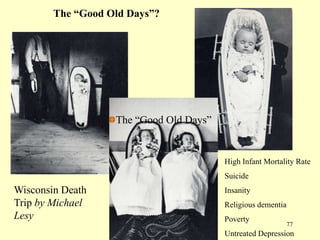
Increasing avg. debt load per vet
Decreasing avg vet starting salary

http://www.nytimes.com/interactive/2013/02/24/business/Veteri
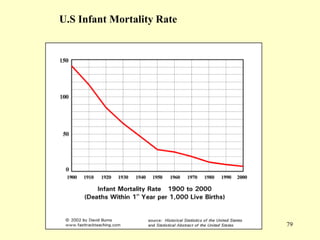
narian-Squeeze.html?ref=business

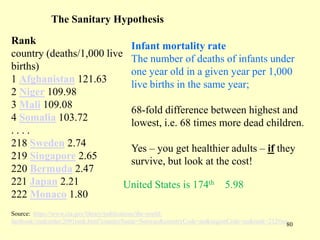
7
Executive summary of the 2013 US
Veterinary Workforce Study
• JAVMA 242 (11):1507 June 1, 2013

• http://avmajournals.avma.org/doi/pdf/10.24
60/javma.242.11.1507
“The recent National Research Council report found little
evidence of workforce shortages in most fields of
veterinary medicine and expressed concern that the
profession is confronted with an unsustainable economic
future owing to the large number of veterinarians being
trained and the high debt levels of new graduates.”
8
Study IDs Excess Capacity in
Veterinary Workforce
• JAVMA June 1, 2013
• 11 to 14% underutilization projected
through 2025
• “The demand for veterinary service in 2012
was sufficient to fully employ just 78,950 of
the 90,200 currently working in clinical and
nonclinical settings.”
9
But . . .
• Are other professions hit just as hard?
– Lawyers? Physicians? Professors?

10
Some thoughts about food
animal vet practice

11
Consolidating Food Industry
• The old agrarian agricultural system is disappearing.
• Today: Industrial Model (2009)
–
–
–
–
–
–

The top ten food retailers sell > 75% of food
The top four beef packers process >80% of beef
The top ten chicken companies produce 79% of the chicken
The top 50 dairy cooperatives produce 79% of the milk
The top 60 egg companies produce 85% of the eggs.
The top 20 pork producers produce 50% of the pork
• 2% of producers produce more than 80%

Source: Charlie Arnot - What food producers really want. International Conference on the Use of Antimicrobials
in Cattle Production. May 27 - 29, 2009 Kansas State University.

12
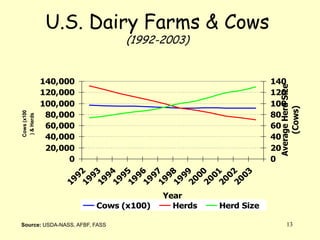
U.S. Dairy Farms & Cows
140
120
100
80
60
40
20
0

Average Herd Size
(Cows)

140,000
120,000
100,000
80,000
60,000
40,000
20,000
0

19
92
19
93
19
94
19
95
19
96
19
97
19
98
19
99
20
00
20
01
20
02
20
03

Cows (x100
) & Herds

(1992-2003)

Cows (x100)
Source: USDA-NASS, AFBF, FASS

Year
Herds

Herd Size
13
Idaho dairy vets vs. Wisconsin
dairy vets
• Sorry – I can‟t find the reference
• Idaho dairies were much bigger than
Wisconsin dairies, and had many more
cows per vets than did Wisconsin.
• Idaho (not Wisconsin) represents the future
of the industry.

14
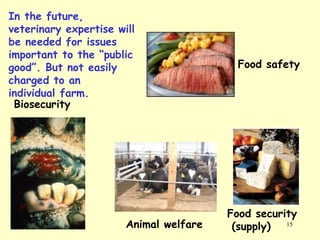
In the future,
veterinary expertise will
be needed for issues
important to the “public
good”. But not easily
charged to an
individual farm.
Biosecurity

Animal welfare

Food safety

Food security
(supply) 15
What role will future veterinarians play in
food animal medicine? – Bartlett‟s opinion
It may be very different from the private practice situation that we
now see.

As the food industry consolidates and becomes more vertically
integrated, veterinarians may need skills in food safety issues to
enable them to work up and down the food chain rather than only
being involved at the production unit (farm). “Food Systems
Approach”
Food animal veterinarians may more likely be employed by a large
company or by a regulatory agency – rather than working in private
practice.

16
Physical hazards of food animal
vet practice
• My Dad‟s classmates

17
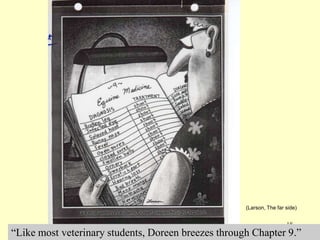
(Larson, The far side)

18

“Like most veterinary students, Doreen breezes through Chapter 9.”
What is Preventive Medicine?
• Preventive not “preventative” medicine
– And there are no “preventative drugs” to give to animals
so they won‟t get sick.

• What is “preventive medicine”?
-Objective of clinical medicine = “cure the sick
individual animal or person”
-Objective of preventive medicine “solve the
disease problem”
- The River Story

19
Veterinarians in Public Practice
• Public practice is corporate or government practice.
• It is unlikely that public health veterinarians will saturate the
public health “market”.
• Historically there have been plenty of jobs given:
– the relative sizes of the two professions
– The rapid and successful movement of veterinarians into
the interdisciplinary areas.
• The MDCH has about 9 DVMs and only about 2 MDs.

• But - Public employment may be considerably reduced in
future years if government continues to shrink.
– However, private practice may be tough too.
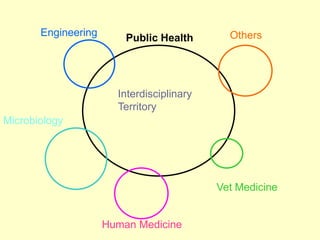
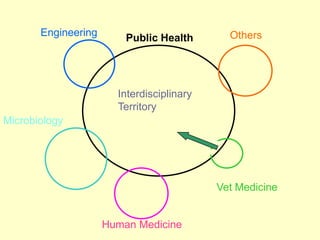
Engineering

Public Health

Others

Interdisciplinary
Territory
Microbiology

Vet Medicine

Human Medicine
Engineering

Public Health

Others

Interdisciplinary
Territory
Microbiology

Vet Medicine

Human Medicine
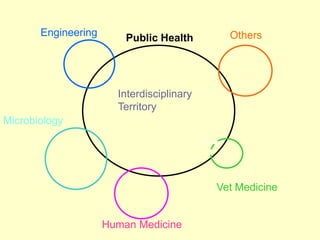
Engineering

Public Health

Others

Interdisciplinary
Territory
Microbiology

Vet Medicine

Human Medicine
Veterinarians in Public Health

• Why do DVMs fare so well in public health ?
– Excellent public health and epi courses?

• Our students learn Medicine
– Basic medical sciences (Pharm, Tox, Anatomy, Physiol,
Micro, Path, etc.)
– They are fluent in the language of “Medicine”.
• Can understand a (human) patient‟s chart.

– Disease diagnosis and treatment
– Aseptic technique/hygiene
• Mostly learned in surgery

– Disease transmission and disease control
– Vets are taught a population perspective.
• More so than are physicians.

– Disease surveillance, outbreak investigation, etc.

• We are taught to be problem solving generalists.
Why the Increased interest of students wanting to
specialize in public practice?
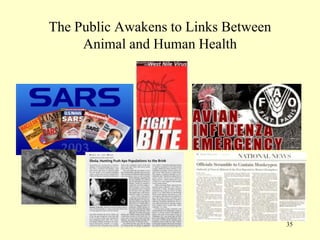
• Recent news events
– BSE, FMD, Bovine TB, E. coli, SARS, Monkey Pox, H5N1
Avian influenza, 2009 – H1N1, foreign animal disease,
Salmonella, frequent food recalls.
– Biodefense (most „Priority pathogens” are zoonotic).
• Life Style
– 40 hr wks, not “on call”, stable salary, no business
responsibilities, less economic risk, vacation days, sick leave,
holidays, health plan, etc. Salaries have improved relative to
private practice.
• Job opportunities
– U.S.is/was re-building our public health infrastructure after
about 50 years of disrepair.
– Maybe private practice has become less attractive. (Corporate
practices, student debt, disappearing middle class,
diminishing disposable income for pets, etc.)
Examples of Vet Public Practice Jobs
• Public health departments (federal, state or local)
• USDA (Vet Services, Food Safety Insp. Serv., Animal Care,
Fish and Wildlife)
• FDA, DHS, EPA, CDC, NIH, USPHS
• Local Animal Control
• Uniformed Services (US Army, USAF, USPHS)
• International organizations
• Private industry (pharmaceutical, vaccine, animal feed, food
industries, medical device)
• Specialties: Risk commun., food safety, zoonosis control,
disaster preparedness, occupational health, teaching & research,
epidemiology, environmental health, animal control
• Note: Many public practice vets do some private practice on the
26
side.
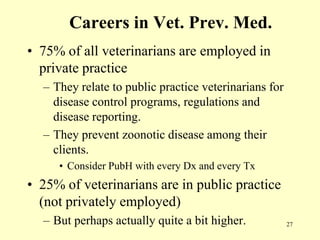
Careers in Vet. Prev. Med.
• 75% of all veterinarians are employed in
private practice
– They relate to public practice veterinarians for
disease control programs, regulations and
disease reporting.
– They prevent zoonotic disease among their
clients.
• Consider PubH with every Dx and every Tx

• 25% of veterinarians are in public practice
(not privately employed)
– But perhaps actually quite a bit higher.

27
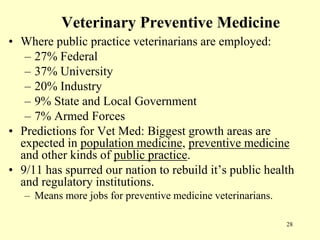
Veterinary Preventive Medicine
• Where public practice veterinarians are employed:
– 27% Federal
– 37% University
– 20% Industry
– 9% State and Local Government
– 7% Armed Forces
• Predictions for Vet Med: Biggest growth areas are
expected in population medicine, preventive medicine
and other kinds of public practice.
• 9/11 has spurred our nation to rebuild it‟s public health
and regulatory institutions.
– Means more jobs for preventive medicine veterinarians.
28
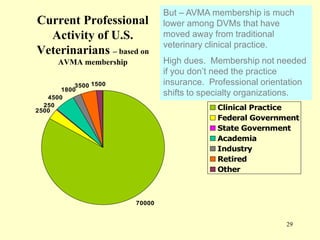
Current Professional
Activity of U.S.
Veterinarians – based on

But – AVMA membership is much
lower among DVMs that have
moved away from traditional
veterinary clinical practice.
High dues. Membership not needed
if you don’t need the practice
insurance. Professional orientation
shifts to specialty organizations.

AVMA membership
3500 1500
1800
4500
250
2500

Clinical Practice
Federal Government
State Government
Academia
Industry
Retired
Other

70000

29
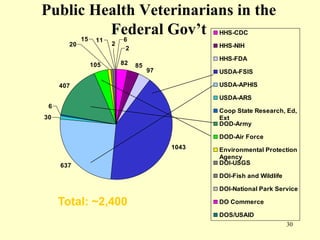
Public Health Veterinarians in the
Federal Gov’t
HHS-CDC

20

15

11

105

2

6
2

82

HHS-NIH
HHS-FDA
85

97

USDA-FSIS
USDA-APHIS

407

USDA-ARS
6

Coop State Research, Ed,
Ext
DOD-Army

30

DOD-Air Force
1043
637

Environmental Protection
Agency
DOI-USGS
DOI-Fish and Wildlife
DOI-National Park Service

Total: ~2,400

DO Commerce
DOS/USAID

30
Veterinarians at CDC
As of September 2003
3
6
11

6

18

State Health Departments
Reproductive Health
Health Statistics

7

4

Occupational Safety &
Health
AIDS/STD
Emerging Infectious
Diseases
Immunizations
Environmental Health

36

Global Health, Lab Safety,
Terrorism Preparedness

Total: ~82
31
• Federal public service loan repayment plan
http://www.finaid.org/loans/publicservice.phtml
• "The College Cost Reduction and Access Act of 2007
established a new public service loan forgiveness program.
This program discharges any remaining debt after 10 years
of full-time employment in public service. The borrower
must have made 120 payments as part of the Direct Loan
program in order to obtain this benefit. This is for federal
stafford (subsidized and unsubsidized) loans.
• The 10 years must be in local, state or federal government
(or some NGOs)

32
Federal Loan Forgiveness
• Diane Batten batten@msu.edu, MSU Financial Aid
• The 10 years do not need to be consecutive.
• Pay 10% of your salary for 10 years and you are
done! No taxes on the amount forgiven.
– So the total amount you owe becomes irrelevant. This
encourages some students to go ahead and get a second
(dual) degree.

• But will they cut the program in the future?

33
Veterinary Preventive Medicine
• Career limitations for DVMs are largely self imposed:
– The human medicine community welcomes us as part of the
preventive medicine team.

• Summary:
– Keep an open mind about public practice.
• Never say “never”.

– If you are interested in public practice, plan your clerkship
years of vet school wisely.
– Make an appt to talk to me sometime.

34
The Public Awakens to Links Between
Animal and Human Health

35
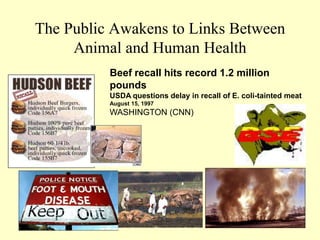
The Public Awakens to Links Between
Animal and Human Health
Beef recall hits record 1.2 million
pounds
USDA questions delay in recall of E. coli-tainted meat
August 15, 1997

WASHINGTON (CNN)

36
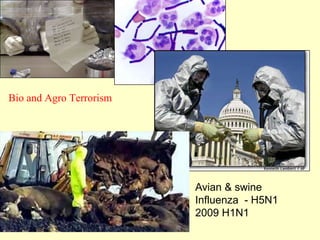
Bio and Agro Terrorism

Avian & swine
Influenza - H5N1
2009 H1N1
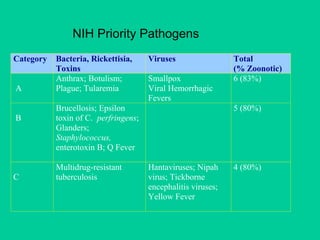
NIH Priority Pathogens
Category

A

B

C

Bacteria, Rickettisia,
Toxins
Anthrax; Botulism;
Plague; Tularemia

Viruses
Smallpox
Viral Hemorrhagic
Fevers

Brucellosis; Epsilon
toxin of C. perfringens;
Glanders;
Staphylococcus,
enterotoxin B; Q Fever
Multidrug-resistant
tuberculosis

Total
(% Zoonotic)
6 (83%)

5 (80%)

Hantaviruses; Nipah
virus; Tickborne
encephalitis viruses;
Yellow Fever

4 (80%)
The Future looks good for Applied Veterinary Public
Health Research and Disease Control of Emerging
Infectious Diseases

39
Public Health, Food Safety and
Food Animal Medicine
• Where will veterinarians fit in?

40
Corporate and Government Veterinary
Practice Clerkship (LCS 678)
• “The Field Trip” Clerkship
– Field trips every day (except for one).

• It is the “sampler plate” of veterinary public
practice.
• Offered in spring 5 of your 3rd or 4th year.
• Addresses the breadth of the veterinary
profession.
Corporate and Government Veterinary Practice
Clerkship (LCS 678)
• It is experiential learning.
– No nasty quizzes or exams.
– Lets you walk around in someone else‟s shoes for a
while to:
• Learn about their job, and
• See if you could imagine yourself in their job.

– You will meet about 60 veterinarians employed in
many aspects of veterinary public practice
Corporate and Government Veterinary Practice
Clerkship (LCS 678)

• Gets you out of the ivory tower and into the
real world.
• Transportation provided (MSU motor pool
mini-vans).
• Designed for students:
– Students heading into public practice
– undecided about their career path and looking
for ideas.
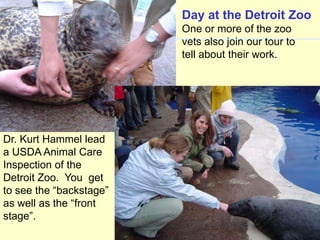
Day at the Detroit Zoo
One or more of the zoo
vets also join our tour to
tell about their work.

Dr. Kurt Hammel lead
a USDA Animal Care
Inspection of the
Detroit Zoo. You get
to see the “backstage”
as well as the “front
stage”.
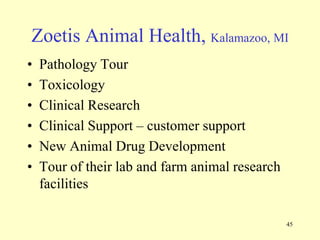
Zoetis Animal Health, Kalamazoo, MI
•
•
•
•
•
•

Pathology Tour
Toxicology
Clinical Research
Clinical Support – customer support
New Animal Drug Development
Tour of their lab and farm animal research
facilities
45
Wright-Patterson Air Force Base – Meeting with lots of Army
and Air Force Veterinarians
A visit to the Air Force Museum before
heading back to MSU
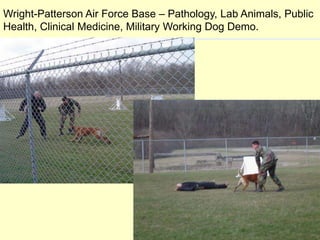
Wright-Patterson Air Force Base – Pathology, Lab Animals, Public
Health, Clinical Medicine, Military Working Dog Demo.
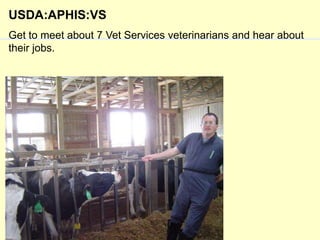
USDA:APHIS:VS
Get to meet about 7 Vet Services veterinarians and hear about
their jobs.
MPI – Contract Research Laboratory
(Just E. of Kalamazoo)
• Great tour
• Pathology and Clinical Pathology
• Laboratory Development
• Toxicology
• Microbiology
• Research Design, Animal Studies

50
CDC and DHS
• Conference calls with Power Points slides
and lots of questions.
– With three clerkship alumni who now work for
CDC

51
Detroit Border Inspection
• USDA:APHIS:VS – Ambassador Bridge
International Port (Import/Export work)
• Detroit Metro Airport
– CDC Quarantine Station
– USDA inspection procedures
• Beagle Brigade demonstration
• X-ray surveillance of luggage for food items
• View confiscated materials

– Wildlife prohibited substances
• Ivory, hunting trophies, etc.
52
Dow Chemical
• Pathology tour
• Occupational and environmental
epidemiology tour
• Aquatic laboratory tour
• Laboratory Animal
• Toxicology tour
53
FDA – Detroit Office
•
•
•
•

Meet 3 or 4 FDA veterinarians
Food Safety
Animal and human drugs
Antimicrobial resistance field work
Inspect Detroit Animal Control while we
are downtown.
54
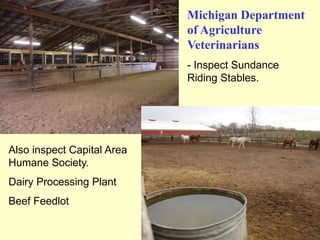
Michigan Department
of Agriculture
Veterinarians
- Inspect Sundance
Riding Stables.

Also inspect Capital Area
Humane Society.
Dairy Processing Plant

Beef Feedlot
Michigan Department of Community
Health
• Meet with about seven MDCH veterinarians
at the Office of Public Health Preparedness
(OPHP) incident command center.
–
–
–
–

Avian Influenza
Communicable Disease Surveillance
Chronic Disease
Environmental Health

• Tour the MDCH laboratories
56
Packerland and Michigan Turkey
Producers
USDA:FSIS Meat Inspection

• Maybe your last chance to see where meat
comes from.
FSIS-led tour of a turkey plant and a beef plant

57
International Veterinary Medicine
• The one day “at home”
• A role-playing table-top exercise regarding
international animal disease control.
• International Veterinary Medicine
Opportunities.

58
Summary of Corporate and Government
Veterinary Practice Clerkship (LCS 678)

• See the real world and learn about possible
specializations!
• Meet about 60 public practice veterinarians
– Contacts for future clerkships, summer jobs, etc.

• Good experience for if you are applying for a
public practice job someday.
• Always lots of fun!
• Spring 5 in your 3rd or 4th year.

59
LCS 690 and 691
LCS 690 – Public Health Field Experience
LCS 691 – Public Health Research Experience
• LCS 691 requires a summary paper.

Can do any of about 100 different things with
these clerkships.
A graded “Public Health Field Experience”
looks better on your transcripts than does a
pass/fail “Externship”.
60
LCS 690 and 691
• Provides you the flexibility you need to get the
education you want.
• Usually about 20 students per year enroll, all at
different times.
• Can take LCS 690 twice and LCS 691 once.
• Students working on an MPH or MS in Food
Safety can count this as their practicum.

61
Most Popular Uses for LCS 690/691
• Centers for Disease Control Senior Epidemiology Elective
• USDA:APHIS:VS veterinarians in Michigan
• Animal control offices, humane soc. or spay/neuter programs like
CSnip
• Michigan Department of Community Health
• USDA:FSIS food safety inspection
• U.S. Army or Air Force; FDA, DHS, other agencies
• Michigan Department of Agriculture, Animal Industries
Veterinarians
• Mich. DNR or various wildlife programs
• Other state‟s agriculture or health departments
• International programs
• Plus many more (Dr. Bartlett can send you a complete list of
possibilities)
62
• Industries: Zoetis, Dow Chem., MPI, other
LCS 690 and 691
• You set up these experiences yourself (with my help as
needed).
– That‟s part of the whole experience. You can‟t just
show up on the first day and ask where you are
supposed to go! (That‟s only happened once!)
– You can sign up for these clerkships before your plans
are solidified as to what specifically you will do.
– Complete and sign Bartlett‟s 1-page form
• It very much helps your job application to an agency if you
can demonstrate that you know what the job entails. LCS
690 is how you get that experience!
• Essentially no min or max, and I‟ll always let you drop or
add.
63
Dual Degrees (General): DVM, MPH or
DVM, MS in Food Safety
• Never have to take DVM and masters courses
in the same semester
– but some students do this to save money via block
tuition.

• Admission and courses are generally easier
than vet school.
• Get at least a start on the 2nd degree early when
it does the most good for job applications
64
It’s all about “Double Dipping”
• Starting your masters now can mean about 1/3 off MPH
or 1/3 off MS in Food Safety.
• If you stay in public practice, you‟ll probably want a
master‟s eventually.
• Get your field experience/practicum project done when
you are a CVM student.
– It is harder to do a practicum when you are working full time.
– As a ckerkship or as part of summer Food Animal Fellow or
NIH program (Drs. Grooms and Vilma Yuzbasiyan-Gurkan)

• Public vet practice is getting more competitive, and a
masters degree helps you compete early in your career.
65
But – you might want to wait
• You may fall in love with private practice
– You may want to wait on a masters until you
are sure you want to move into public practice.

• You may want to concentrate on one degree
at a time to “get your money‟s worth”.
• You may need your summers to recover
your sanity.
• And it is expensive on top of the DVM.

66
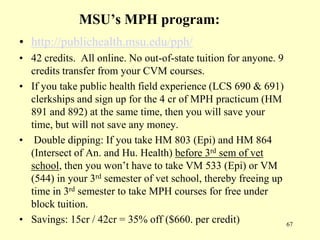
MSU’s MPH program:
• http://publichealth.msu.edu/pph/
• 42 credits. All online. No out-of-state tuition for anyone. 9
credits transfer from your CVM courses.
• If you take public health field experience (LCS 690 & 691)
clerkships and sign up for the 4 cr of MPH practicum (HM
891 and 892) at the same time, then you will save your
time, but will not save any money.
• Double dipping: If you take HM 803 (Epi) and HM 864
(Intersect of An. and Hu. Health) before 3rd sem of vet
school, then you won‟t have to take VM 533 (Epi) or VM
(544) in your 3rd semester of vet school, thereby freeing up
time in 3rd semester to take MPH courses for free under
block tuition.
• Savings: 15cr / 42cr = 35% off ($660. per credit)
67
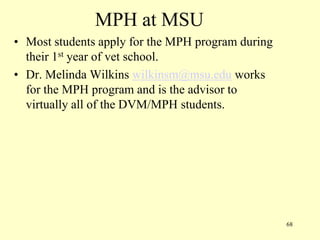
MPH at MSU
• Most students apply for the MPH program during
their 1st year of vet school.
• Dr. Melinda Wilkins wilkinsm@msu.edu works
for the MPH program and is the advisor to
virtually all of the DVM/MPH students.

68
What if you are not accepted into vet
school on your first attempt?
• An MPH degree can be a good move
– It gives you a chance to pull up your GPA.
– It strengthens your application to vet school
– It adds value to your DVM if you eventually
get one.
– It leads to a viable career if you never get your
DVM.
• It is not a dead end like taking courses outside of a
degree program. “Life-long education”
69
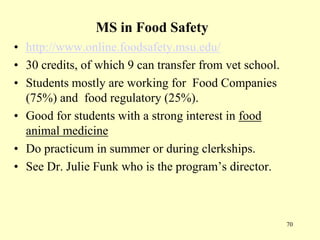
MS in Food Safety
• http://www.online.foodsafety.msu.edu/
• 30 credits, of which 9 can transfer from vet school.
• Students mostly are working for Food Companies
(75%) and food regulatory (25%).
• Good for students with a strong interest in food
animal medicine
• Do practicum in summer or during clerkships.
• See Dr. Julie Funk who is the program‟s director.

70
The History of Preventive
Medicine
How do we usually measure the
“Success” of an animal species?
Population

71
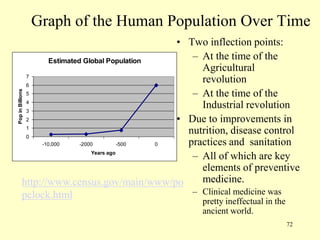
Graph of the Human Population Over Time

Pop in Billions

• Two inflection points:
– At the time of the
Estimated Global Population
Agricultural
7
revolution
6
5
– At the time of the
4
Industrial revolution
3
2
• Due to improvements in
1
nutrition, disease control
0
practices and sanitation
-10,000
-2000
-500
0
Years ago
– All of which are key
elements of preventive
medicine.
http://www.census.gov/main/www/po
– Clinical medicine was
pclock.html
pretty ineffectual in the
ancient world.

72
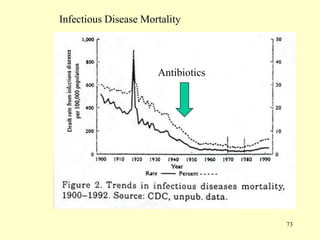
Infectious Disease Mortality

Antibiotics

73
Preventive Medicine
• The major health improvements in our civilization
were made before the advent of antibiotics or
much effectiveness of individual (curative)
clinical medicine.
• Epidemic disease has largely been controlled
through preventive medicine by:
– Sanitation and hygiene (food hygiene, pest control,
vector control, reservoir control, etc.)
– Good nutrition (food animal medicine helps makes food
plentiful and affordable)
– Disease control measures (education, food safety,
isolation/quarantine, vaccination, eradication, control of
animal disease reservoirs.)
74
Summary - Preventive Medicine
• The increase in the human lifespan is
mainly due to preventive medicine.
– Perhaps your garbage collector contributes
more to your health than your physician.

• The natural state of mankind is disease and
squalor.
– It is preventive medicine that freed us from this
desperate situation.
– Epidemic disease quickly returns when
preventive medicine infrastructure breaks
down.
75
Wisconsin Death Trip by Michael Lesy
Life in the “good old days” was not that good.
Uncontrolled infectious disease greatly diminished the
quality of life.
• Life was very stressful.
– Quarantine signs on doors of houses.
– Limited movement (public gatherings rare, meat
purchased cautiously, restaurants rare)
• Stress is when your children die,
– not when you can‟t find a parking place at the mall.

• Last 100 years in the U.S. is an aberration from the
normal stressful human existence of desperate poverty
and squalor.
76
• True stress is not having any choices.
The “Good Old Days”?

The “Good Old Days”

High Infant Mortality Rate
Suicide

Wisconsin Death
Trip by Michael
Lesy

Insanity
Religious dementia
Poverty

77

Untreated Depression
One more word about stress
• I‟m not saying we don‟t have stress now
days.
• I‟m saying we should have incredible
respect for the stresses endured by our
ancestors
– And be inspired by their perseverance
– And encouraged that our bodies and minds
were made to survive stressful situations.

78
U.S Infant Mortality Rate

79
The Sanitary Hypothesis
Rank
Infant mortality rate
country (deaths/1,000 live The number of deaths of infants under
births)
one year old in a given year per 1,000
1 Afghanistan 121.63
live births in the same year;
2 Niger 109.98
3 Mali 109.08
68-fold difference between highest and
4 Somalia 103.72
lowest, i.e. 68 times more dead children.
....
218 Sweden 2.74
Yes – you get healthier adults – if they
219 Singapore 2.65
survive, but look at the cost!
220 Bermuda 2.47
221 Japan 2.21
United States is 174th 5.98
222 Monaco 1.80
Source: https://www.cia.gov/library/publications/the-worldfactbook//rankorder/2091rank.html?countryName=Norway&countryCode=no&regionCode=eu&rank=212#no
80
In Conclusion
Disease and Squalor has been controlled
by:
“Public Health Infrastructure”
Sewers, clean water, garbage disposal, pest control
(dog pounds), health department disease control,
dairy and meat inspection, pharmaceutical
licensure, vector control, reservoir control, etc.
Veterinarians participate in all these activities.

81
I hope I didn’t “oversell” my message.
• You can still be a good person even if you decide to specialize in
something other than public health.
• Keep in mind that all veterinarians practice public health in some
aspects of their work.
• There are many worthwhile specialties in veterinary medicine.
• Each professor states their best case to get you interested in their
specialty.
– But we all realize that veterinarians are needed in many
different areas.

82
Paul Bartlett, DVM, MPH, PhD
Professor
College of Veterinary Medicine

bartlett@cvm.msu.edu

83

11/11/13 Meeting

  • 1.
    Pre-vet club MonNov 11, 2013 Dr. Bartlett Pre-vet club Monday Nov 11, 2013 Dr. Paul Bartlett "Government and Corporate Vet Practice, Student Debt and the Future of Food Animal Medicine" https://www.google.com/search?site=imghp&tbm=isch&source=hp&biw=1024&bih=653&q=food+for+thought&oq=Food+for+t &gs_l=img.1.0.0l10.10320.12279.0.14156.10.10.0.0.0.0.113.684.9j1.10.0....0...1ac.1.27.img..0.10.684.9uBbbYzif0#facrc=_&imgdii=_&imgrc=iuGiacGLvqlWqM%3A%3BqBjBEnrjQ-tRAM%3Bhttp%253A%252F%252Fbrandingvaluenow.com%252Fwp- 1 content%252Fuploads%252F2007%252F07%252Fepa1313l.jpg%3Bhttp%253A%252F%252Fzandbelt.wordpress.com%252F2013%252F05%252F19%252Fdealing-with-a-rare-disease-such-asrelapsing-polychondritis-food-for-thought%252F%3B400%3B390
  • 2.
    Introduction • Paul C.Bartlett DVM, MPH, PhD – BA – Zoology. U. of Wisconsin – Madison – Masters of Public Health (Epidemiology) • U. of Minnesota – Mpls. – DVM – U. of Missouri 2
  • 3.
    Introduction – Epidemic IntelligenceService – Centers for Disease control and Prevention – Board certifications • Am. Col. Vet. Prev. Med. • Am. Co.. Vet Prev. Med. – Epidemiology Specialty – PhD – Ohio State U. – Columbus • Contact information: – 171 Food Safety Building 884-2016 Office – Bartlett@cvm.msu.edu • Email is the best method of contact • Research: – Antimicrobial resistance, dairy epidemiology, foodborne outbreaks, surveillance programs, norovirus, C. difficile, Vancomycin-resistant Enterococci, MRSA, food safety, Shiga Toxin E. coli, bovine leukemia virus, others. 3
  • 4.
    Introduction • Teaching – VeterinaryPublic Health, Zoonotic Diseases, Epidemiology, foodborne disease control, outbreak investigation, surveillance programs, – DVM Students • • • • • • • VM 544 (this course) VM 533 (Vet Epi) VM 532 - VIPS LCS 678 – Gov and Corp Vet Practice Clerkship (The field trips) LCS 690 – Vet Public Health Practice Clerkship LCS 691 – Vet Public Health Research Clerkship LCS 613 – Special Problems Clerkship – MS in Food Safety • VM 830, VM 831, VM 832, VM 821, VM 817 – Masters of Public Health program at MSU • HM 803, HM64 – Epidemiology and Public Health 4
  • 5.
  • 6.
    High Debt andFalling Demand Trap New Vets NY Times Feb 23, 2013 • http://www.nytimes.com/2013/02/24/business/high-debt-andfalling-demand-trap-newveterinarians.html?pagewanted=all&_r=0 6
  • 7.
    Associated Graphic: Decreasing visitsto the veterinarian Decreasing number of U.S. pets Increasing number of new veterinarians each year Increasing avg. debt load per vet Decreasing avg vet starting salary http://www.nytimes.com/interactive/2013/02/24/business/Veteri narian-Squeeze.html?ref=business 7
  • 8.
    Executive summary ofthe 2013 US Veterinary Workforce Study • JAVMA 242 (11):1507 June 1, 2013 • http://avmajournals.avma.org/doi/pdf/10.24 60/javma.242.11.1507 “The recent National Research Council report found little evidence of workforce shortages in most fields of veterinary medicine and expressed concern that the profession is confronted with an unsustainable economic future owing to the large number of veterinarians being trained and the high debt levels of new graduates.” 8
  • 9.
    Study IDs ExcessCapacity in Veterinary Workforce • JAVMA June 1, 2013 • 11 to 14% underutilization projected through 2025 • “The demand for veterinary service in 2012 was sufficient to fully employ just 78,950 of the 90,200 currently working in clinical and nonclinical settings.” 9
  • 10.
    But . .. • Are other professions hit just as hard? – Lawyers? Physicians? Professors? 10
  • 11.
    Some thoughts aboutfood animal vet practice 11
  • 12.
    Consolidating Food Industry •The old agrarian agricultural system is disappearing. • Today: Industrial Model (2009) – – – – – – The top ten food retailers sell > 75% of food The top four beef packers process >80% of beef The top ten chicken companies produce 79% of the chicken The top 50 dairy cooperatives produce 79% of the milk The top 60 egg companies produce 85% of the eggs. The top 20 pork producers produce 50% of the pork • 2% of producers produce more than 80% Source: Charlie Arnot - What food producers really want. International Conference on the Use of Antimicrobials in Cattle Production. May 27 - 29, 2009 Kansas State University. 12
  • 13.
    U.S. Dairy Farms& Cows 140 120 100 80 60 40 20 0 Average Herd Size (Cows) 140,000 120,000 100,000 80,000 60,000 40,000 20,000 0 19 92 19 93 19 94 19 95 19 96 19 97 19 98 19 99 20 00 20 01 20 02 20 03 Cows (x100 ) & Herds (1992-2003) Cows (x100) Source: USDA-NASS, AFBF, FASS Year Herds Herd Size 13
  • 14.
    Idaho dairy vetsvs. Wisconsin dairy vets • Sorry – I can‟t find the reference • Idaho dairies were much bigger than Wisconsin dairies, and had many more cows per vets than did Wisconsin. • Idaho (not Wisconsin) represents the future of the industry. 14
  • 15.
    In the future, veterinaryexpertise will be needed for issues important to the “public good”. But not easily charged to an individual farm. Biosecurity Animal welfare Food safety Food security (supply) 15
  • 16.
    What role willfuture veterinarians play in food animal medicine? – Bartlett‟s opinion It may be very different from the private practice situation that we now see. As the food industry consolidates and becomes more vertically integrated, veterinarians may need skills in food safety issues to enable them to work up and down the food chain rather than only being involved at the production unit (farm). “Food Systems Approach” Food animal veterinarians may more likely be employed by a large company or by a regulatory agency – rather than working in private practice. 16
  • 17.
    Physical hazards offood animal vet practice • My Dad‟s classmates 17
  • 18.
    (Larson, The farside) 18 “Like most veterinary students, Doreen breezes through Chapter 9.”
  • 19.
    What is PreventiveMedicine? • Preventive not “preventative” medicine – And there are no “preventative drugs” to give to animals so they won‟t get sick. • What is “preventive medicine”? -Objective of clinical medicine = “cure the sick individual animal or person” -Objective of preventive medicine “solve the disease problem” - The River Story 19
  • 20.
    Veterinarians in PublicPractice • Public practice is corporate or government practice. • It is unlikely that public health veterinarians will saturate the public health “market”. • Historically there have been plenty of jobs given: – the relative sizes of the two professions – The rapid and successful movement of veterinarians into the interdisciplinary areas. • The MDCH has about 9 DVMs and only about 2 MDs. • But - Public employment may be considerably reduced in future years if government continues to shrink. – However, private practice may be tough too.
  • 21.
  • 22.
  • 23.
  • 24.
    Veterinarians in PublicHealth • Why do DVMs fare so well in public health ? – Excellent public health and epi courses? • Our students learn Medicine – Basic medical sciences (Pharm, Tox, Anatomy, Physiol, Micro, Path, etc.) – They are fluent in the language of “Medicine”. • Can understand a (human) patient‟s chart. – Disease diagnosis and treatment – Aseptic technique/hygiene • Mostly learned in surgery – Disease transmission and disease control – Vets are taught a population perspective. • More so than are physicians. – Disease surveillance, outbreak investigation, etc. • We are taught to be problem solving generalists.
  • 25.
    Why the Increasedinterest of students wanting to specialize in public practice? • Recent news events – BSE, FMD, Bovine TB, E. coli, SARS, Monkey Pox, H5N1 Avian influenza, 2009 – H1N1, foreign animal disease, Salmonella, frequent food recalls. – Biodefense (most „Priority pathogens” are zoonotic). • Life Style – 40 hr wks, not “on call”, stable salary, no business responsibilities, less economic risk, vacation days, sick leave, holidays, health plan, etc. Salaries have improved relative to private practice. • Job opportunities – U.S.is/was re-building our public health infrastructure after about 50 years of disrepair. – Maybe private practice has become less attractive. (Corporate practices, student debt, disappearing middle class, diminishing disposable income for pets, etc.)
  • 26.
    Examples of VetPublic Practice Jobs • Public health departments (federal, state or local) • USDA (Vet Services, Food Safety Insp. Serv., Animal Care, Fish and Wildlife) • FDA, DHS, EPA, CDC, NIH, USPHS • Local Animal Control • Uniformed Services (US Army, USAF, USPHS) • International organizations • Private industry (pharmaceutical, vaccine, animal feed, food industries, medical device) • Specialties: Risk commun., food safety, zoonosis control, disaster preparedness, occupational health, teaching & research, epidemiology, environmental health, animal control • Note: Many public practice vets do some private practice on the 26 side.
  • 27.
    Careers in Vet.Prev. Med. • 75% of all veterinarians are employed in private practice – They relate to public practice veterinarians for disease control programs, regulations and disease reporting. – They prevent zoonotic disease among their clients. • Consider PubH with every Dx and every Tx • 25% of veterinarians are in public practice (not privately employed) – But perhaps actually quite a bit higher. 27
  • 28.
    Veterinary Preventive Medicine •Where public practice veterinarians are employed: – 27% Federal – 37% University – 20% Industry – 9% State and Local Government – 7% Armed Forces • Predictions for Vet Med: Biggest growth areas are expected in population medicine, preventive medicine and other kinds of public practice. • 9/11 has spurred our nation to rebuild it‟s public health and regulatory institutions. – Means more jobs for preventive medicine veterinarians. 28
  • 29.
    Current Professional Activity ofU.S. Veterinarians – based on But – AVMA membership is much lower among DVMs that have moved away from traditional veterinary clinical practice. High dues. Membership not needed if you don’t need the practice insurance. Professional orientation shifts to specialty organizations. AVMA membership 3500 1500 1800 4500 250 2500 Clinical Practice Federal Government State Government Academia Industry Retired Other 70000 29
  • 30.
    Public Health Veterinariansin the Federal Gov’t HHS-CDC 20 15 11 105 2 6 2 82 HHS-NIH HHS-FDA 85 97 USDA-FSIS USDA-APHIS 407 USDA-ARS 6 Coop State Research, Ed, Ext DOD-Army 30 DOD-Air Force 1043 637 Environmental Protection Agency DOI-USGS DOI-Fish and Wildlife DOI-National Park Service Total: ~2,400 DO Commerce DOS/USAID 30
  • 31.
    Veterinarians at CDC Asof September 2003 3 6 11 6 18 State Health Departments Reproductive Health Health Statistics 7 4 Occupational Safety & Health AIDS/STD Emerging Infectious Diseases Immunizations Environmental Health 36 Global Health, Lab Safety, Terrorism Preparedness Total: ~82 31
  • 32.
    • Federal publicservice loan repayment plan http://www.finaid.org/loans/publicservice.phtml • "The College Cost Reduction and Access Act of 2007 established a new public service loan forgiveness program. This program discharges any remaining debt after 10 years of full-time employment in public service. The borrower must have made 120 payments as part of the Direct Loan program in order to obtain this benefit. This is for federal stafford (subsidized and unsubsidized) loans. • The 10 years must be in local, state or federal government (or some NGOs) 32
  • 33.
    Federal Loan Forgiveness •Diane Batten batten@msu.edu, MSU Financial Aid • The 10 years do not need to be consecutive. • Pay 10% of your salary for 10 years and you are done! No taxes on the amount forgiven. – So the total amount you owe becomes irrelevant. This encourages some students to go ahead and get a second (dual) degree. • But will they cut the program in the future? 33
  • 34.
    Veterinary Preventive Medicine •Career limitations for DVMs are largely self imposed: – The human medicine community welcomes us as part of the preventive medicine team. • Summary: – Keep an open mind about public practice. • Never say “never”. – If you are interested in public practice, plan your clerkship years of vet school wisely. – Make an appt to talk to me sometime. 34
  • 35.
    The Public Awakensto Links Between Animal and Human Health 35
  • 36.
    The Public Awakensto Links Between Animal and Human Health Beef recall hits record 1.2 million pounds USDA questions delay in recall of E. coli-tainted meat August 15, 1997 WASHINGTON (CNN) 36
  • 37.
    Bio and AgroTerrorism Avian & swine Influenza - H5N1 2009 H1N1
  • 38.
    NIH Priority Pathogens Category A B C Bacteria,Rickettisia, Toxins Anthrax; Botulism; Plague; Tularemia Viruses Smallpox Viral Hemorrhagic Fevers Brucellosis; Epsilon toxin of C. perfringens; Glanders; Staphylococcus, enterotoxin B; Q Fever Multidrug-resistant tuberculosis Total (% Zoonotic) 6 (83%) 5 (80%) Hantaviruses; Nipah virus; Tickborne encephalitis viruses; Yellow Fever 4 (80%)
  • 39.
    The Future looksgood for Applied Veterinary Public Health Research and Disease Control of Emerging Infectious Diseases 39
  • 40.
    Public Health, FoodSafety and Food Animal Medicine • Where will veterinarians fit in? 40
  • 41.
    Corporate and GovernmentVeterinary Practice Clerkship (LCS 678) • “The Field Trip” Clerkship – Field trips every day (except for one). • It is the “sampler plate” of veterinary public practice. • Offered in spring 5 of your 3rd or 4th year. • Addresses the breadth of the veterinary profession.
  • 42.
    Corporate and GovernmentVeterinary Practice Clerkship (LCS 678) • It is experiential learning. – No nasty quizzes or exams. – Lets you walk around in someone else‟s shoes for a while to: • Learn about their job, and • See if you could imagine yourself in their job. – You will meet about 60 veterinarians employed in many aspects of veterinary public practice
  • 43.
    Corporate and GovernmentVeterinary Practice Clerkship (LCS 678) • Gets you out of the ivory tower and into the real world. • Transportation provided (MSU motor pool mini-vans). • Designed for students: – Students heading into public practice – undecided about their career path and looking for ideas.
  • 44.
    Day at theDetroit Zoo One or more of the zoo vets also join our tour to tell about their work. Dr. Kurt Hammel lead a USDA Animal Care Inspection of the Detroit Zoo. You get to see the “backstage” as well as the “front stage”.
  • 45.
    Zoetis Animal Health,Kalamazoo, MI • • • • • • Pathology Tour Toxicology Clinical Research Clinical Support – customer support New Animal Drug Development Tour of their lab and farm animal research facilities 45
  • 46.
    Wright-Patterson Air ForceBase – Meeting with lots of Army and Air Force Veterinarians
  • 47.
    A visit tothe Air Force Museum before heading back to MSU
  • 48.
    Wright-Patterson Air ForceBase – Pathology, Lab Animals, Public Health, Clinical Medicine, Military Working Dog Demo.
  • 49.
    USDA:APHIS:VS Get to meetabout 7 Vet Services veterinarians and hear about their jobs.
  • 50.
    MPI – ContractResearch Laboratory (Just E. of Kalamazoo) • Great tour • Pathology and Clinical Pathology • Laboratory Development • Toxicology • Microbiology • Research Design, Animal Studies 50
  • 51.
    CDC and DHS •Conference calls with Power Points slides and lots of questions. – With three clerkship alumni who now work for CDC 51
  • 52.
    Detroit Border Inspection •USDA:APHIS:VS – Ambassador Bridge International Port (Import/Export work) • Detroit Metro Airport – CDC Quarantine Station – USDA inspection procedures • Beagle Brigade demonstration • X-ray surveillance of luggage for food items • View confiscated materials – Wildlife prohibited substances • Ivory, hunting trophies, etc. 52
  • 53.
    Dow Chemical • Pathologytour • Occupational and environmental epidemiology tour • Aquatic laboratory tour • Laboratory Animal • Toxicology tour 53
  • 54.
    FDA – DetroitOffice • • • • Meet 3 or 4 FDA veterinarians Food Safety Animal and human drugs Antimicrobial resistance field work Inspect Detroit Animal Control while we are downtown. 54
  • 55.
    Michigan Department of Agriculture Veterinarians -Inspect Sundance Riding Stables. Also inspect Capital Area Humane Society. Dairy Processing Plant Beef Feedlot
  • 56.
    Michigan Department ofCommunity Health • Meet with about seven MDCH veterinarians at the Office of Public Health Preparedness (OPHP) incident command center. – – – – Avian Influenza Communicable Disease Surveillance Chronic Disease Environmental Health • Tour the MDCH laboratories 56
  • 57.
    Packerland and MichiganTurkey Producers USDA:FSIS Meat Inspection • Maybe your last chance to see where meat comes from. FSIS-led tour of a turkey plant and a beef plant 57
  • 58.
    International Veterinary Medicine •The one day “at home” • A role-playing table-top exercise regarding international animal disease control. • International Veterinary Medicine Opportunities. 58
  • 59.
    Summary of Corporateand Government Veterinary Practice Clerkship (LCS 678) • See the real world and learn about possible specializations! • Meet about 60 public practice veterinarians – Contacts for future clerkships, summer jobs, etc. • Good experience for if you are applying for a public practice job someday. • Always lots of fun! • Spring 5 in your 3rd or 4th year. 59
  • 60.
    LCS 690 and691 LCS 690 – Public Health Field Experience LCS 691 – Public Health Research Experience • LCS 691 requires a summary paper. Can do any of about 100 different things with these clerkships. A graded “Public Health Field Experience” looks better on your transcripts than does a pass/fail “Externship”. 60
  • 61.
    LCS 690 and691 • Provides you the flexibility you need to get the education you want. • Usually about 20 students per year enroll, all at different times. • Can take LCS 690 twice and LCS 691 once. • Students working on an MPH or MS in Food Safety can count this as their practicum. 61
  • 62.
    Most Popular Usesfor LCS 690/691 • Centers for Disease Control Senior Epidemiology Elective • USDA:APHIS:VS veterinarians in Michigan • Animal control offices, humane soc. or spay/neuter programs like CSnip • Michigan Department of Community Health • USDA:FSIS food safety inspection • U.S. Army or Air Force; FDA, DHS, other agencies • Michigan Department of Agriculture, Animal Industries Veterinarians • Mich. DNR or various wildlife programs • Other state‟s agriculture or health departments • International programs • Plus many more (Dr. Bartlett can send you a complete list of possibilities) 62 • Industries: Zoetis, Dow Chem., MPI, other
  • 63.
    LCS 690 and691 • You set up these experiences yourself (with my help as needed). – That‟s part of the whole experience. You can‟t just show up on the first day and ask where you are supposed to go! (That‟s only happened once!) – You can sign up for these clerkships before your plans are solidified as to what specifically you will do. – Complete and sign Bartlett‟s 1-page form • It very much helps your job application to an agency if you can demonstrate that you know what the job entails. LCS 690 is how you get that experience! • Essentially no min or max, and I‟ll always let you drop or add. 63
  • 64.
    Dual Degrees (General):DVM, MPH or DVM, MS in Food Safety • Never have to take DVM and masters courses in the same semester – but some students do this to save money via block tuition. • Admission and courses are generally easier than vet school. • Get at least a start on the 2nd degree early when it does the most good for job applications 64
  • 65.
    It’s all about“Double Dipping” • Starting your masters now can mean about 1/3 off MPH or 1/3 off MS in Food Safety. • If you stay in public practice, you‟ll probably want a master‟s eventually. • Get your field experience/practicum project done when you are a CVM student. – It is harder to do a practicum when you are working full time. – As a ckerkship or as part of summer Food Animal Fellow or NIH program (Drs. Grooms and Vilma Yuzbasiyan-Gurkan) • Public vet practice is getting more competitive, and a masters degree helps you compete early in your career. 65
  • 66.
    But – youmight want to wait • You may fall in love with private practice – You may want to wait on a masters until you are sure you want to move into public practice. • You may want to concentrate on one degree at a time to “get your money‟s worth”. • You may need your summers to recover your sanity. • And it is expensive on top of the DVM. 66
  • 67.
    MSU’s MPH program: •http://publichealth.msu.edu/pph/ • 42 credits. All online. No out-of-state tuition for anyone. 9 credits transfer from your CVM courses. • If you take public health field experience (LCS 690 & 691) clerkships and sign up for the 4 cr of MPH practicum (HM 891 and 892) at the same time, then you will save your time, but will not save any money. • Double dipping: If you take HM 803 (Epi) and HM 864 (Intersect of An. and Hu. Health) before 3rd sem of vet school, then you won‟t have to take VM 533 (Epi) or VM (544) in your 3rd semester of vet school, thereby freeing up time in 3rd semester to take MPH courses for free under block tuition. • Savings: 15cr / 42cr = 35% off ($660. per credit) 67
  • 68.
    MPH at MSU •Most students apply for the MPH program during their 1st year of vet school. • Dr. Melinda Wilkins wilkinsm@msu.edu works for the MPH program and is the advisor to virtually all of the DVM/MPH students. 68
  • 69.
    What if youare not accepted into vet school on your first attempt? • An MPH degree can be a good move – It gives you a chance to pull up your GPA. – It strengthens your application to vet school – It adds value to your DVM if you eventually get one. – It leads to a viable career if you never get your DVM. • It is not a dead end like taking courses outside of a degree program. “Life-long education” 69
  • 70.
    MS in FoodSafety • http://www.online.foodsafety.msu.edu/ • 30 credits, of which 9 can transfer from vet school. • Students mostly are working for Food Companies (75%) and food regulatory (25%). • Good for students with a strong interest in food animal medicine • Do practicum in summer or during clerkships. • See Dr. Julie Funk who is the program‟s director. 70
  • 71.
    The History ofPreventive Medicine How do we usually measure the “Success” of an animal species? Population 71
  • 72.
    Graph of theHuman Population Over Time Pop in Billions • Two inflection points: – At the time of the Estimated Global Population Agricultural 7 revolution 6 5 – At the time of the 4 Industrial revolution 3 2 • Due to improvements in 1 nutrition, disease control 0 practices and sanitation -10,000 -2000 -500 0 Years ago – All of which are key elements of preventive medicine. http://www.census.gov/main/www/po – Clinical medicine was pclock.html pretty ineffectual in the ancient world. 72
  • 73.
  • 74.
    Preventive Medicine • Themajor health improvements in our civilization were made before the advent of antibiotics or much effectiveness of individual (curative) clinical medicine. • Epidemic disease has largely been controlled through preventive medicine by: – Sanitation and hygiene (food hygiene, pest control, vector control, reservoir control, etc.) – Good nutrition (food animal medicine helps makes food plentiful and affordable) – Disease control measures (education, food safety, isolation/quarantine, vaccination, eradication, control of animal disease reservoirs.) 74
  • 75.
    Summary - PreventiveMedicine • The increase in the human lifespan is mainly due to preventive medicine. – Perhaps your garbage collector contributes more to your health than your physician. • The natural state of mankind is disease and squalor. – It is preventive medicine that freed us from this desperate situation. – Epidemic disease quickly returns when preventive medicine infrastructure breaks down. 75
  • 76.
    Wisconsin Death Tripby Michael Lesy Life in the “good old days” was not that good. Uncontrolled infectious disease greatly diminished the quality of life. • Life was very stressful. – Quarantine signs on doors of houses. – Limited movement (public gatherings rare, meat purchased cautiously, restaurants rare) • Stress is when your children die, – not when you can‟t find a parking place at the mall. • Last 100 years in the U.S. is an aberration from the normal stressful human existence of desperate poverty and squalor. 76 • True stress is not having any choices.
  • 77.
    The “Good OldDays”? The “Good Old Days” High Infant Mortality Rate Suicide Wisconsin Death Trip by Michael Lesy Insanity Religious dementia Poverty 77 Untreated Depression
  • 78.
    One more wordabout stress • I‟m not saying we don‟t have stress now days. • I‟m saying we should have incredible respect for the stresses endured by our ancestors – And be inspired by their perseverance – And encouraged that our bodies and minds were made to survive stressful situations. 78
  • 79.
  • 80.
    The Sanitary Hypothesis Rank Infantmortality rate country (deaths/1,000 live The number of deaths of infants under births) one year old in a given year per 1,000 1 Afghanistan 121.63 live births in the same year; 2 Niger 109.98 3 Mali 109.08 68-fold difference between highest and 4 Somalia 103.72 lowest, i.e. 68 times more dead children. .... 218 Sweden 2.74 Yes – you get healthier adults – if they 219 Singapore 2.65 survive, but look at the cost! 220 Bermuda 2.47 221 Japan 2.21 United States is 174th 5.98 222 Monaco 1.80 Source: https://www.cia.gov/library/publications/the-worldfactbook//rankorder/2091rank.html?countryName=Norway&countryCode=no&regionCode=eu&rank=212#no 80
  • 81.
    In Conclusion Disease andSqualor has been controlled by: “Public Health Infrastructure” Sewers, clean water, garbage disposal, pest control (dog pounds), health department disease control, dairy and meat inspection, pharmaceutical licensure, vector control, reservoir control, etc. Veterinarians participate in all these activities. 81
  • 82.
    I hope Ididn’t “oversell” my message. • You can still be a good person even if you decide to specialize in something other than public health. • Keep in mind that all veterinarians practice public health in some aspects of their work. • There are many worthwhile specialties in veterinary medicine. • Each professor states their best case to get you interested in their specialty. – But we all realize that veterinarians are needed in many different areas. 82
  • 83.
    Paul Bartlett, DVM,MPH, PhD Professor College of Veterinary Medicine bartlett@cvm.msu.edu 83