


EBT Connect Basic Certification
Why EBT?
© 2015 EBT, Inc.
1
Learning Objectives
• Discuss the need for EBT.
• Describe how EBT works.
• Identify the skills and process of
EBT Basics.
• Describe the role of the EBT Connect
Provider.
2
Why EBT?
3
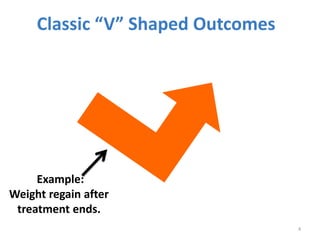
Classic “V” Shaped Outcomes
Example:
Weight regain after
treatment ends.
4
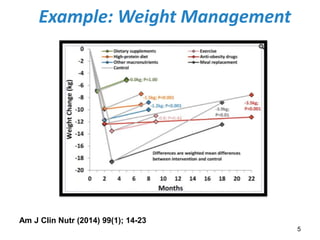
Example: Weight Management
5
Am J Clin Nutr (2014) 99(1); 14-23
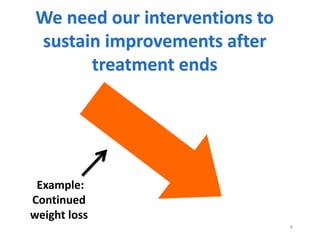
We need our interventions to
sustain improvements after
treatment ends
Example:
Continued
weight loss
6
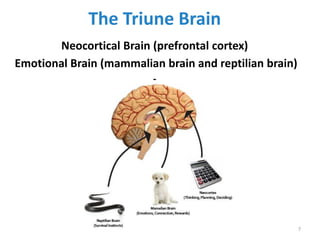
The Triune Brain
Neocortical Brain (prefrontal cortex)
Emotional Brain (mammalian brain and reptilian brain)
-
7
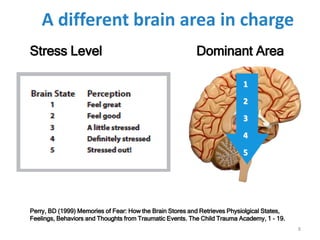
Stress Level Dominant Area
Perry, BD (1999) Memories of Fear: How the Brain Stores and Retrieves Physiolgical States,
Feelings, Behaviors and Thoughts from Traumatic Events. The Child Trauma Academy, 1 - 19.
A different brain area in charge
1
2
3
4
5
8
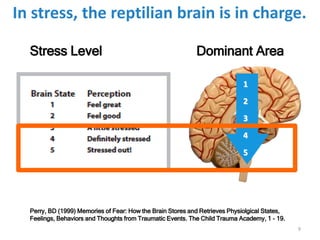
Stress Level Dominant Area
Perry, BD (1999) Memories of Fear: How the Brain Stores and Retrieves Physiolgical States,
Feelings, Behaviors and Thoughts from Traumatic Events. The Child Trauma Academy, 1 - 19.
In stress, the reptilian brain is in charge.
1
2
3
4
5
9
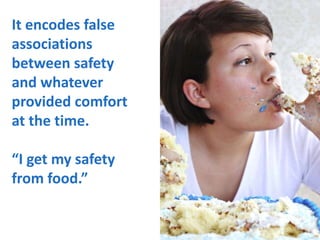
It encodes false
associations
between safety
and whatever
provided comfort
at the time.
“I get my safety
from food.”
10
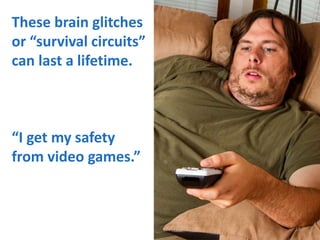
These brain glitches
or “survival circuits”
can last a lifetime.
“I get my safety
from video games.”
11
If it’s not one
excess, then it is
another.
“I get my safety
from drinking.”
12
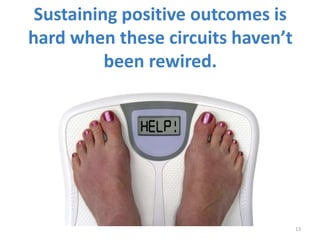
Sustaining positive outcomes is
hard when these circuits haven’t
been rewired.
13
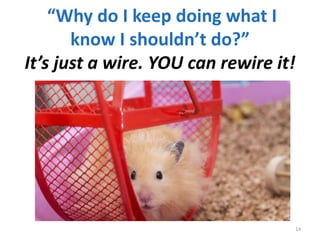
“Why do I keep doing what I
know I shouldn’t do?”
It’s just a wire. YOU can rewire it!
14
How can we help?
15
It takes a team!
16
A New Tool: EBT Connect
The tools and support
tools to rewire!
17

1 2 Why EBT?

  • 1.
    EBT Connect BasicCertification Why EBT? © 2015 EBT, Inc. 1
  • 2.
    Learning Objectives • Discussthe need for EBT. • Describe how EBT works. • Identify the skills and process of EBT Basics. • Describe the role of the EBT Connect Provider. 2
  • 3.
  • 4.
    Classic “V” ShapedOutcomes Example: Weight regain after treatment ends. 4
  • 5.
    Example: Weight Management 5 AmJ Clin Nutr (2014) 99(1); 14-23
  • 6.
    We need ourinterventions to sustain improvements after treatment ends Example: Continued weight loss 6
  • 7.
    The Triune Brain NeocorticalBrain (prefrontal cortex) Emotional Brain (mammalian brain and reptilian brain) - 7
  • 8.
    Stress Level DominantArea Perry, BD (1999) Memories of Fear: How the Brain Stores and Retrieves Physiolgical States, Feelings, Behaviors and Thoughts from Traumatic Events. The Child Trauma Academy, 1 - 19. A different brain area in charge 1 2 3 4 5 8
  • 9.
    Stress Level DominantArea Perry, BD (1999) Memories of Fear: How the Brain Stores and Retrieves Physiolgical States, Feelings, Behaviors and Thoughts from Traumatic Events. The Child Trauma Academy, 1 - 19. In stress, the reptilian brain is in charge. 1 2 3 4 5 9
  • 10.
    It encodes false associations betweensafety and whatever provided comfort at the time. “I get my safety from food.” 10
  • 11.
    These brain glitches or“survival circuits” can last a lifetime. “I get my safety from video games.” 11
  • 12.
    If it’s notone excess, then it is another. “I get my safety from drinking.” 12
  • 13.
    Sustaining positive outcomesis hard when these circuits haven’t been rewired. 13
  • 14.
    “Why do Ikeep doing what I know I shouldn’t do?” It’s just a wire. YOU can rewire it! 14
  • 15.
    How can wehelp? 15
  • 16.
    It takes ateam! 16
  • 17.
    A New Tool:EBT Connect The tools and support tools to rewire! 17