Portfóliobibliodigital
   What is SPAM?
   An e-mail is considered SPAM if…
   Just allow the cancellation of the messages?
   And a warning like "This message can not be considered
    SPAM“?
   What's wrong with SPAM?
   SPAM is not the same as the mail advertising?

   Reject SPAM is not a form of censorship?
   By raising some questions to clarify the
    readers about what is SPAM and how to act
    before him.

   Demonstrate that the spread of SPAM is a
    wrong attitude.
   This term is used regularly to describe unsolicited
    email sent in bulk.

   A message is an unsolicited email message sent to
    someone who did not give their consent to receive
    it.

   A message sent in bulk is a message of identical
    content sent to a large number of recipients.
An e-mail is considered spam if:
   has not been requested by the recipient and
   has      been     forwarded       by      weight.
    Messages of first contact, requests for quotes
    and job applications are examples of unsolicited
    messages, but are not SPAM (assuming they are
    not sent in bulk).


    Subscription newsletters, mailing lists and
    customer communications are examples of
    messages sent in bulk, but are not SPAM
    (assuming there is consent of the recipients).
   It is not because of allowing the recipient to
    cancel the receipt of messages that the spam
    stops being SPAM. Messages sent in bulk
    always requires consent of recipients.
   These warnings are completely absurd. Now, the
    fashion in Portugal is to put something like this in
    SPAM: “This email is intended solely to inform
    potential customers and can not be considered
    SPAM. “

    passing: “The email could not be considered as SPAM
    include a form of the receptor to be removed from
    the list.”

    to the hilarious: “We are against spam, if you do not
    wish to receive this newsletter, click here.”

    The only good thing is that these warnings allow us
    to easily identify these messages as SPAM same.
   Sending SPAM is an unethical practice that constitutes an attack
    on freedom of users to email and the Internet in general. Unlike
    unsolicited advertising paper that we received in mailboxes
    physical (and can even refuse with a simple sticker), the sending
    of SPAM has a negligible cost to anyone who sends him, but
    have high costs to the recipient:

   Users spend a lot of time to identify the spam in your mailbox,
    which decreases their productivity.

   Users can easily lose legitimate messages in the middle of SPAM
    or blocked by the increasingly aggressive anti-spam filters.
   The networks are clogged by spam (more than
    90% of all e-mail), which requires the e-mail
    providers to spend more time and resources.
    Costs that will be seen on the end users
    (through price increase or degradation of
    service quality).

   SPAM is a major means to spread viruses and
    trojans that affect the safety of all Internet
    users.
SPAM
 is an attack on freedom of users, as obliges
them to consult messages that never asked to
                     receive.
  It's as if people were forced to flee into the
   house all the vendors and only after they
   show the product they sell is that people
             could ask them to leave.
   In Portugal, unfortunately, the SPAM is legal
    provided it is sent to legal persons.

   However, although it may be legal, it is still
    unethical and justice.

   Furthermore, the sending of SPAM constitutes
    breach of the rules of the overwhelming majority
    of ISP (although many ISPs are diligent in some
    sense to enforce the rules themselves and others
    to condone the sending of SPAM).
   Não, o custo do correio postal não-solicitado
    é suportado pelo remetente, enquanto, que o
    custo do correio electrónico não-solicitado
    enviado em massa é suportado sobretudo
    pelo destinatário.

   No caso do correio postal não-solicitado, os
    custos que lhe estão associados são, desde
    logo, um factor que contribui para a sua
    limitação. Além disso, em Portugal, qualquer
    pessoa pode muito facilmente recusar a
    publicidade na caixa de correio postal,
    colocando um autocolante a indicar que não
    pretende publicidade.
   Not at all. Freedom of speech gives people
    the right to express themselves freely, but it
    gives them the right to compel others to
    listen to them, that's what spammers do.

   Who wants to advertise their products must
    support itself costs of advertising and use
    the proper channels, instead of letting the
    expense and inconvenience to recipients.
   Note: When you forward a message, please:
    1. Erase my name, and address.
    2. Delete the address of the friends before
    resubmitting.
    3. Forward as a blind copy (Bcc: or Bcc :) to
    your recipients.
    Acting always like that, we hinder the spread
    of viruses, spam and banners
   After reading this lesson should have been
    clear about:
   What is SPAM;
   How to proceed;
   What is SPAM that is wrong;
   SPAM is not the same as the mail
    advertising and Reject SPAM is not a form of
    censorship.
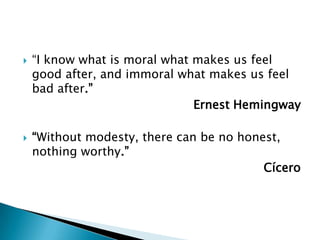
   “I know what is moral what makes us feel
    good after, and immoral what makes us feel
    bad after.”
                               Ernest Hemingway

   “Without modesty, there can be no honest,
    nothing worthy.”
                                          Cícero
What is spam

What is spam

  • 1.
  • 2.
    What is SPAM?  An e-mail is considered SPAM if…  Just allow the cancellation of the messages?  And a warning like "This message can not be considered SPAM“?  What's wrong with SPAM?  SPAM is not the same as the mail advertising?  Reject SPAM is not a form of censorship?
  • 3.
    By raising some questions to clarify the readers about what is SPAM and how to act before him.  Demonstrate that the spread of SPAM is a wrong attitude.
  • 4.
    This term is used regularly to describe unsolicited email sent in bulk.  A message is an unsolicited email message sent to someone who did not give their consent to receive it.  A message sent in bulk is a message of identical content sent to a large number of recipients.
  • 5.
    An e-mail isconsidered spam if:  has not been requested by the recipient and  has been forwarded by weight. Messages of first contact, requests for quotes and job applications are examples of unsolicited messages, but are not SPAM (assuming they are not sent in bulk). Subscription newsletters, mailing lists and customer communications are examples of messages sent in bulk, but are not SPAM (assuming there is consent of the recipients).
  • 6.
    It is not because of allowing the recipient to cancel the receipt of messages that the spam stops being SPAM. Messages sent in bulk always requires consent of recipients.
  • 7.
    These warnings are completely absurd. Now, the fashion in Portugal is to put something like this in SPAM: “This email is intended solely to inform potential customers and can not be considered SPAM. “ passing: “The email could not be considered as SPAM include a form of the receptor to be removed from the list.” to the hilarious: “We are against spam, if you do not wish to receive this newsletter, click here.” The only good thing is that these warnings allow us to easily identify these messages as SPAM same.
  • 8.
    Sending SPAM is an unethical practice that constitutes an attack on freedom of users to email and the Internet in general. Unlike unsolicited advertising paper that we received in mailboxes physical (and can even refuse with a simple sticker), the sending of SPAM has a negligible cost to anyone who sends him, but have high costs to the recipient:  Users spend a lot of time to identify the spam in your mailbox, which decreases their productivity.  Users can easily lose legitimate messages in the middle of SPAM or blocked by the increasingly aggressive anti-spam filters.
  • 9.
    The networks are clogged by spam (more than 90% of all e-mail), which requires the e-mail providers to spend more time and resources. Costs that will be seen on the end users (through price increase or degradation of service quality).  SPAM is a major means to spread viruses and trojans that affect the safety of all Internet users.
  • 10.
    SPAM is anattack on freedom of users, as obliges them to consult messages that never asked to receive. It's as if people were forced to flee into the house all the vendors and only after they show the product they sell is that people could ask them to leave.
  • 11.
    In Portugal, unfortunately, the SPAM is legal provided it is sent to legal persons.  However, although it may be legal, it is still unethical and justice.  Furthermore, the sending of SPAM constitutes breach of the rules of the overwhelming majority of ISP (although many ISPs are diligent in some sense to enforce the rules themselves and others to condone the sending of SPAM).
  • 12.
    Não, o custo do correio postal não-solicitado é suportado pelo remetente, enquanto, que o custo do correio electrónico não-solicitado enviado em massa é suportado sobretudo pelo destinatário.  No caso do correio postal não-solicitado, os custos que lhe estão associados são, desde logo, um factor que contribui para a sua limitação. Além disso, em Portugal, qualquer pessoa pode muito facilmente recusar a publicidade na caixa de correio postal, colocando um autocolante a indicar que não pretende publicidade.
  • 13.
    Not at all. Freedom of speech gives people the right to express themselves freely, but it gives them the right to compel others to listen to them, that's what spammers do.  Who wants to advertise their products must support itself costs of advertising and use the proper channels, instead of letting the expense and inconvenience to recipients.
  • 14.
    Note: When you forward a message, please: 1. Erase my name, and address. 2. Delete the address of the friends before resubmitting. 3. Forward as a blind copy (Bcc: or Bcc :) to your recipients. Acting always like that, we hinder the spread of viruses, spam and banners
  • 15.
    After reading this lesson should have been clear about:  What is SPAM;  How to proceed;  What is SPAM that is wrong;  SPAM is not the same as the mail advertising and Reject SPAM is not a form of censorship.
  • 16.
    “I know what is moral what makes us feel good after, and immoral what makes us feel bad after.” Ernest Hemingway  “Without modesty, there can be no honest, nothing worthy.” Cícero