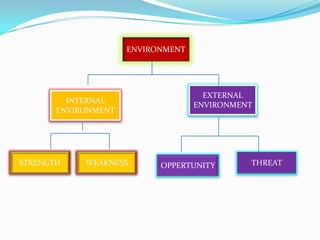
STRATEGIC MANAGEMENT What is Strategic Management?Strategic management is the set of managerial decision and action that determines the long-run performance of a corporation. It includes environmental scanning (both external and internal), strategy formulation (strategic or long range planning), strategy implementation, and evaluation and control. The study of strategic management therefore emphasizes the monitoring and evaluating of external opportunities and threats in lights of a corporation’s strengths and weaknesses.
Strategic management is defined as dynamic process of formulation implication and control of strategies to realize the organization strategic intent Dynamic- Means changing  process which is not static or mechanistic process .Strategic management is continual evolving iterative process which is repeated over the time as situation demands Importance of Strategic Management:- 1. To the shape the Future of business2. Effective strategic idea3. Mangers and employer are innovative and creative4. Its decentralized the Management5. Its helps to increase the productivity6. To Makes discipline7. To Make control
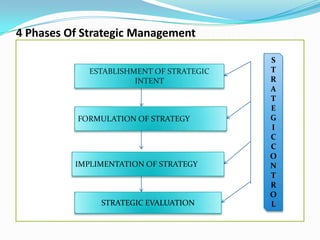
4 Phases Of Strategic Management STRATEGIC  CONTROLESTABLISHMENT OF STRATEGIC INTENT FORMULATION OF STRATEGY  IMPLIMENTATION OF STRATEGY STRATEGIC EVALUATION
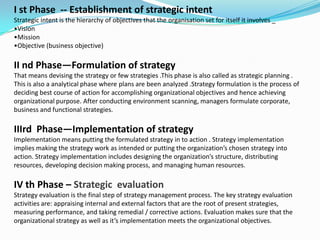
I st Phase  -- Establishment of strategic intent Strategic intent is the hierarchy of objectives that the organisation set for itself it involves _Vision
Mission
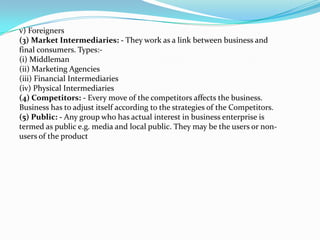
Objective (business objective) II nd Phase—Formulation of strategy  That means devising the strategy or few strategies .This phase is also called as strategic planning . This is also a analytical phase where plans are been analyzed .Strategy formulation is the process of deciding best course of action for accomplishing organizational objectives and hence achieving organizational purpose. After conducting environment scanning, managers formulate corporate, business and functional strategies.IIIrd  Phase—Implementation of strategy Implementation means putting the formulated strategy in to action . Strategy implementation implies making the strategy work as intended or putting the organization’s chosen strategy into action. Strategy implementation includes designing the organization’s structure, distributing resources, developing decision making process, and managing human resources.IV th Phase – Strategic  evaluation Strategy evaluation is the final step of strategy management process. The key strategy evaluation activities are: appraising internal and external factors that are the root of present strategies, measuring performance, and taking remedial / corrective actions. Evaluation makes sure that the organizational strategy as well as it’s implementation meets the organizational objectives.
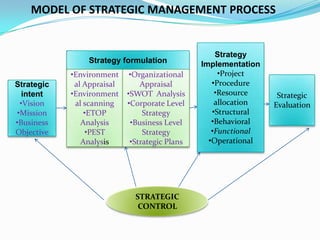
MODEL OF STRATEGIC MANAGEMENT PROCESS Strategy ImplementationProject
Procedure
Resource allocation
Structural
Behavioral
Functional
Operational  Strategy formulation Environmental Appraisal
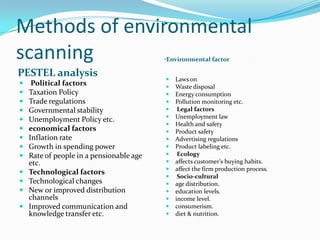
Environmental scanning
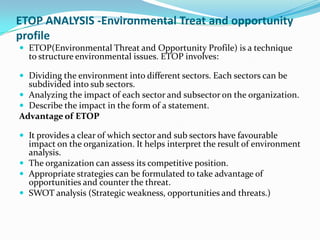
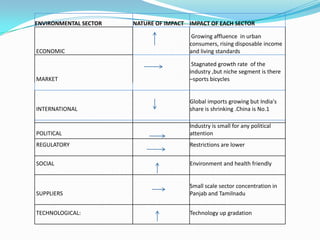
ETOP Analysis
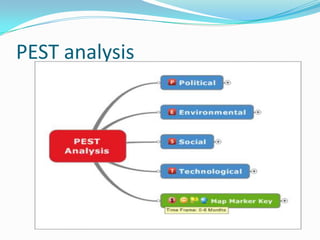
PEST Analysis
Organizational Appraisal
SWOT  Analysis
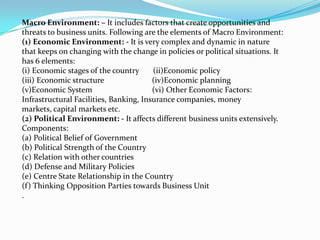
Corporate Level Strategy
Business Level Strategy
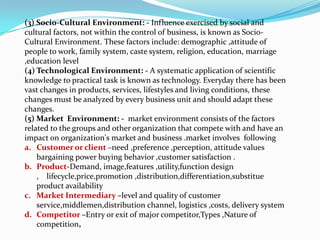
Strategic PlansStrategicEvaluation Strategic intent Vision
Mission
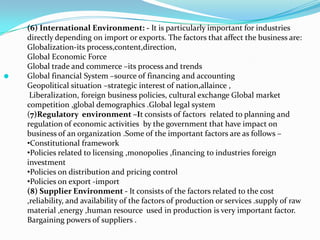
BusinessObjective STRATEGIC CONTROL
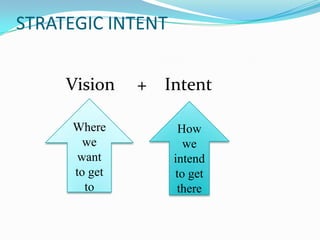
STRATEGIC INTENT Vision     +    IntentWhere we want   to get toHow we intend to get there
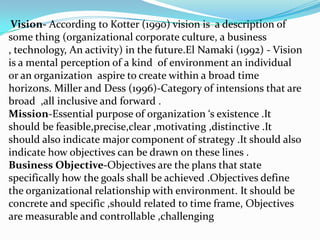
Vision- According to Kotter (1990) vision is  a description of some thing (organizational corporate culture, a business , technology, An activity) in the future.El Namaki (1992) - Vision is a mental perception of a kind  of environment an individual or an organization  aspire to create within a broad time horizons. Miller and Dess (1996)-Category of intensions that are broad  ,all inclusive and forward . Mission-Essential purpose of organization ‘s existence .It should be feasible,precise,clear ,motivating ,distinctive .It should also indicate major component of strategy .It should also indicate how objectives can be drawn on these lines .Business Objective-Objectives are the plans that state specifically how the goals shall be achieved .Objectives define the organizational relationship with environment. It should be concrete and specific ,should related to time frame, Objectives are measurable and controllable ,challenging

Strategic management

  • 1.
    STRATEGIC MANAGEMENT Whatis Strategic Management?Strategic management is the set of managerial decision and action that determines the long-run performance of a corporation. It includes environmental scanning (both external and internal), strategy formulation (strategic or long range planning), strategy implementation, and evaluation and control. The study of strategic management therefore emphasizes the monitoring and evaluating of external opportunities and threats in lights of a corporation’s strengths and weaknesses.
  • 2.
    Strategic management isdefined as dynamic process of formulation implication and control of strategies to realize the organization strategic intent Dynamic- Means changing process which is not static or mechanistic process .Strategic management is continual evolving iterative process which is repeated over the time as situation demands Importance of Strategic Management:- 1. To the shape the Future of business2. Effective strategic idea3. Mangers and employer are innovative and creative4. Its decentralized the Management5. Its helps to increase the productivity6. To Makes discipline7. To Make control
  • 3.
    4 Phases OfStrategic Management STRATEGIC CONTROLESTABLISHMENT OF STRATEGIC INTENT FORMULATION OF STRATEGY IMPLIMENTATION OF STRATEGY STRATEGIC EVALUATION
  • 4.
    I st Phase -- Establishment of strategic intent Strategic intent is the hierarchy of objectives that the organisation set for itself it involves _Vision
  • 5.
  • 6.
    Objective (business objective)II nd Phase—Formulation of strategy That means devising the strategy or few strategies .This phase is also called as strategic planning . This is also a analytical phase where plans are been analyzed .Strategy formulation is the process of deciding best course of action for accomplishing organizational objectives and hence achieving organizational purpose. After conducting environment scanning, managers formulate corporate, business and functional strategies.IIIrd Phase—Implementation of strategy Implementation means putting the formulated strategy in to action . Strategy implementation implies making the strategy work as intended or putting the organization’s chosen strategy into action. Strategy implementation includes designing the organization’s structure, distributing resources, developing decision making process, and managing human resources.IV th Phase – Strategic evaluation Strategy evaluation is the final step of strategy management process. The key strategy evaluation activities are: appraising internal and external factors that are the root of present strategies, measuring performance, and taking remedial / corrective actions. Evaluation makes sure that the organizational strategy as well as it’s implementation meets the organizational objectives.
  • 7.
    MODEL OF STRATEGICMANAGEMENT PROCESS Strategy ImplementationProject
  • 8.
  • 9.
  • 10.
  • 11.
  • 12.
  • 13.
    Operational Strategyformulation Environmental Appraisal
  • 14.
  • 15.
  • 16.
  • 17.
  • 18.
  • 19.
  • 20.
  • 21.
  • 22.
  • 23.
  • 24.
    STRATEGIC INTENT Vision + IntentWhere we want to get toHow we intend to get there
  • 25.
    Vision- According toKotter (1990) vision is a description of some thing (organizational corporate culture, a business , technology, An activity) in the future.El Namaki (1992) - Vision is a mental perception of a kind of environment an individual or an organization aspire to create within a broad time horizons. Miller and Dess (1996)-Category of intensions that are broad ,all inclusive and forward . Mission-Essential purpose of organization ‘s existence .It should be feasible,precise,clear ,motivating ,distinctive .It should also indicate major component of strategy .It should also indicate how objectives can be drawn on these lines .Business Objective-Objectives are the plans that state specifically how the goals shall be achieved .Objectives define the organizational relationship with environment. It should be concrete and specific ,should related to time frame, Objectives are measurable and controllable ,challenging