Findings from QA activities
Siobhan O’Callaghan
Senior QA Advisor
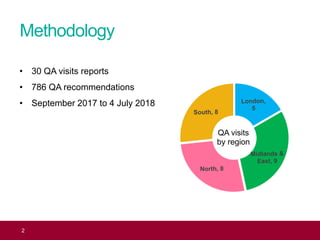
Methodology
• 30 QA visits reports
• 786 QA recommendations
• September 2017 to 4 July 2018
2
QA visits
by region
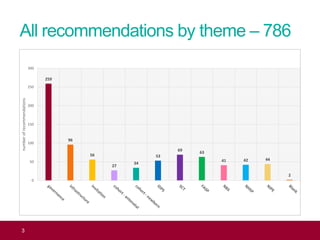
All recommendations by theme – 786
3
259
96
56
27
34
53
69
63
41 42 44
2
0
50
100
150
200
250
300
numberofrecommendations
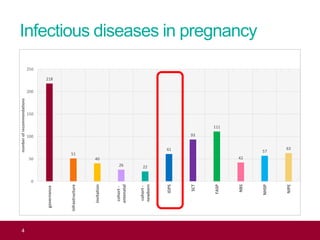
Infectious diseases in pregnancy
4
218
51
40
26 22
61
93
111
42
57
63
0
50
100
150
200
250
governance
infrastructure
invitation
cohort-
antenatal
cohort-
newborn
IDPS
SCT
FASP
NBS
NHSP
NIPE
numberofrecommendations
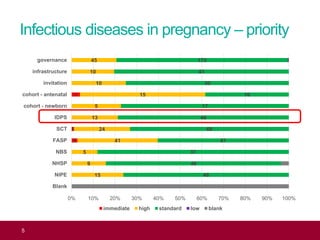
Infectious diseases in pregnancy – priority
3
1
1
15
9
5
41
24
13
5
15
10
10
45
48
46
37
67
68
48
17
10
30
41
172
0% 10% 20% 30% 40% 50% 60% 70% 80% 90% 100%
Blank
NIPE
NHSP
NBS
FASP
SCT
IDPS
cohort - newborn
cohort - antenatal
invitation
infrastructure
governance
immediate high standard low blank
5
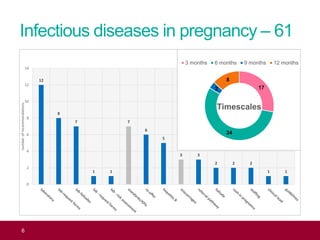
Infectious diseases in pregnancy – 61
6
12
8
7
1 1
7
6
5
3 3
2 2 2
1 1
0
2
4
6
8
10
12
14
numberofrecommendations
17
34
2
8
Timescales
3 months 6 months 9 months 12 months
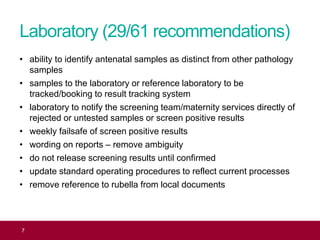
Laboratory (29/61 recommendations)
• ability to identify antenatal samples as distinct from other pathology
samples
• samples to the laboratory or reference laboratory to be
tracked/booking to result tracking system
• laboratory to notify the screening team/maternity services directly of
rejected or untested samples or screen positive results
• weekly failsafe of screen positive results
• wording on reports – remove ambiguity
• do not release screening results until confirmed
• update standard operating procedures to reflect current processes
• remove reference to rubella from local documents
7
Laboratory (29/61 recommendations)
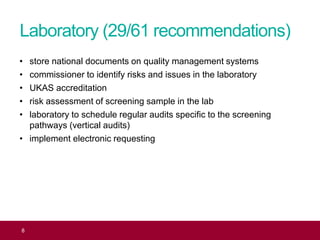
• store national documents on quality management systems
• commissioner to identify risks and issues in the laboratory
• UKAS accreditation
• risk assessment of screening sample in the lab
• laboratory to schedule regular audits specific to the screening
pathways (vertical audits)
• implement electronic requesting
8
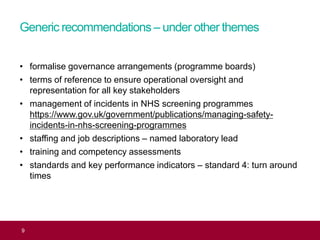
Generic recommendations– under other themes
• formalise governance arrangements (programme boards)
• terms of reference to ensure operational oversight and
representation for all key stakeholders
• management of incidents in NHS screening programmes
https://www.gov.uk/government/publications/managing-safety-
incidents-in-nhs-screening-programmes
• staffing and job descriptions – named laboratory lead
• training and competency assessments
• standards and key performance indicators – standard 4: turn around
times
9

10. Siobhan O'callaghan findings from QA activities

  • 1.
    Findings from QAactivities Siobhan O’Callaghan Senior QA Advisor
  • 2.
    Methodology • 30 QAvisits reports • 786 QA recommendations • September 2017 to 4 July 2018 2 QA visits by region
  • 3.
    All recommendations bytheme – 786 3 259 96 56 27 34 53 69 63 41 42 44 2 0 50 100 150 200 250 300 numberofrecommendations
  • 4.
    Infectious diseases inpregnancy 4 218 51 40 26 22 61 93 111 42 57 63 0 50 100 150 200 250 governance infrastructure invitation cohort- antenatal cohort- newborn IDPS SCT FASP NBS NHSP NIPE numberofrecommendations
  • 5.
    Infectious diseases inpregnancy – priority 3 1 1 15 9 5 41 24 13 5 15 10 10 45 48 46 37 67 68 48 17 10 30 41 172 0% 10% 20% 30% 40% 50% 60% 70% 80% 90% 100% Blank NIPE NHSP NBS FASP SCT IDPS cohort - newborn cohort - antenatal invitation infrastructure governance immediate high standard low blank 5
  • 6.
    Infectious diseases inpregnancy – 61 6 12 8 7 1 1 7 6 5 3 3 2 2 2 1 1 0 2 4 6 8 10 12 14 numberofrecommendations 17 34 2 8 Timescales 3 months 6 months 9 months 12 months
  • 7.
    Laboratory (29/61 recommendations) •ability to identify antenatal samples as distinct from other pathology samples • samples to the laboratory or reference laboratory to be tracked/booking to result tracking system • laboratory to notify the screening team/maternity services directly of rejected or untested samples or screen positive results • weekly failsafe of screen positive results • wording on reports – remove ambiguity • do not release screening results until confirmed • update standard operating procedures to reflect current processes • remove reference to rubella from local documents 7
  • 8.
    Laboratory (29/61 recommendations) •store national documents on quality management systems • commissioner to identify risks and issues in the laboratory • UKAS accreditation • risk assessment of screening sample in the lab • laboratory to schedule regular audits specific to the screening pathways (vertical audits) • implement electronic requesting 8
  • 9.
    Generic recommendations– underother themes • formalise governance arrangements (programme boards) • terms of reference to ensure operational oversight and representation for all key stakeholders • management of incidents in NHS screening programmes https://www.gov.uk/government/publications/managing-safety- incidents-in-nhs-screening-programmes • staffing and job descriptions – named laboratory lead • training and competency assessments • standards and key performance indicators – standard 4: turn around times 9