O N E O F T H E N A T I O N ’ S H I G H E S T P R I O R I T Y
S P A C E P R O G R A M S
Space Based Infrared System, USA
Introduction
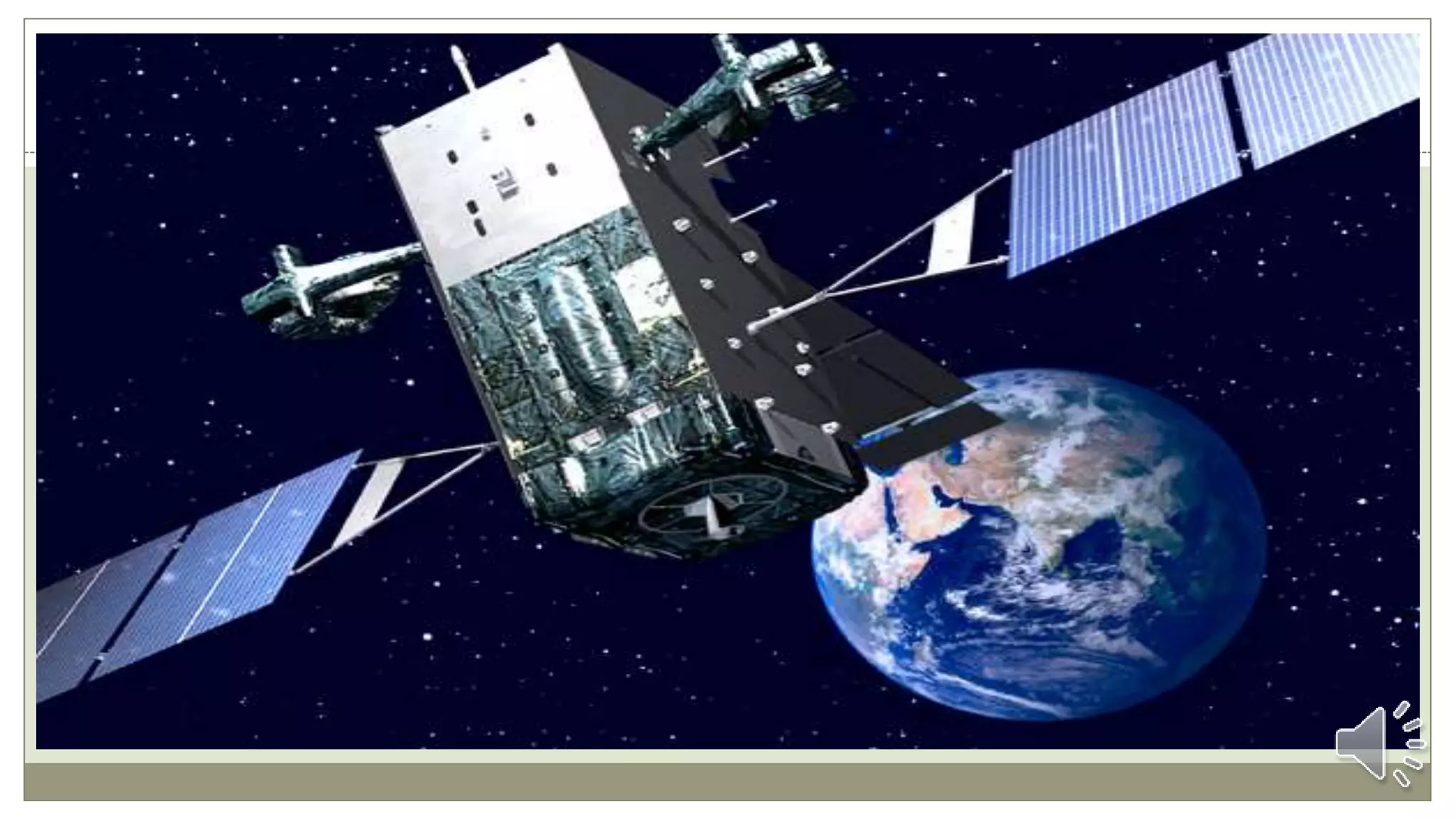
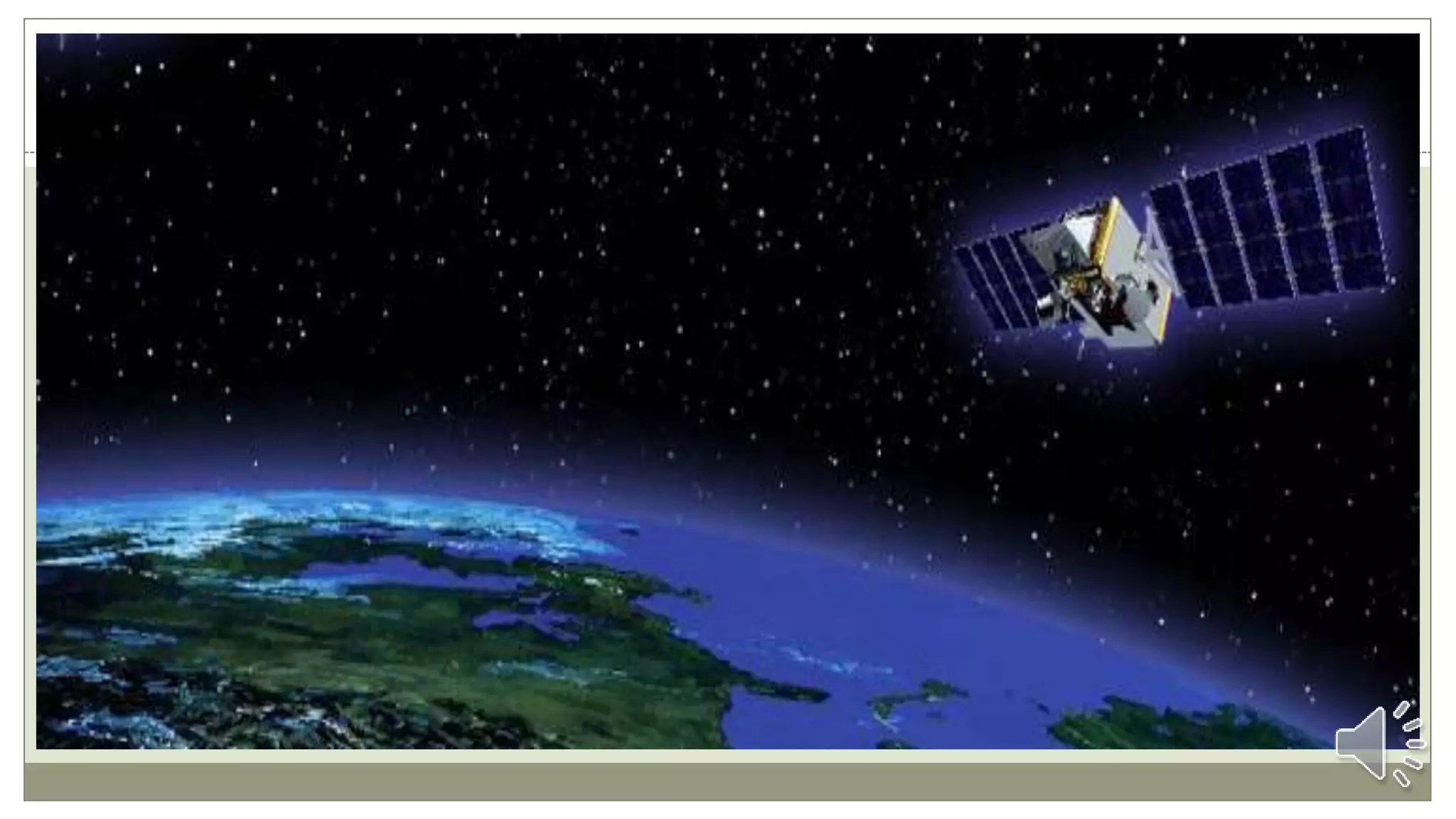
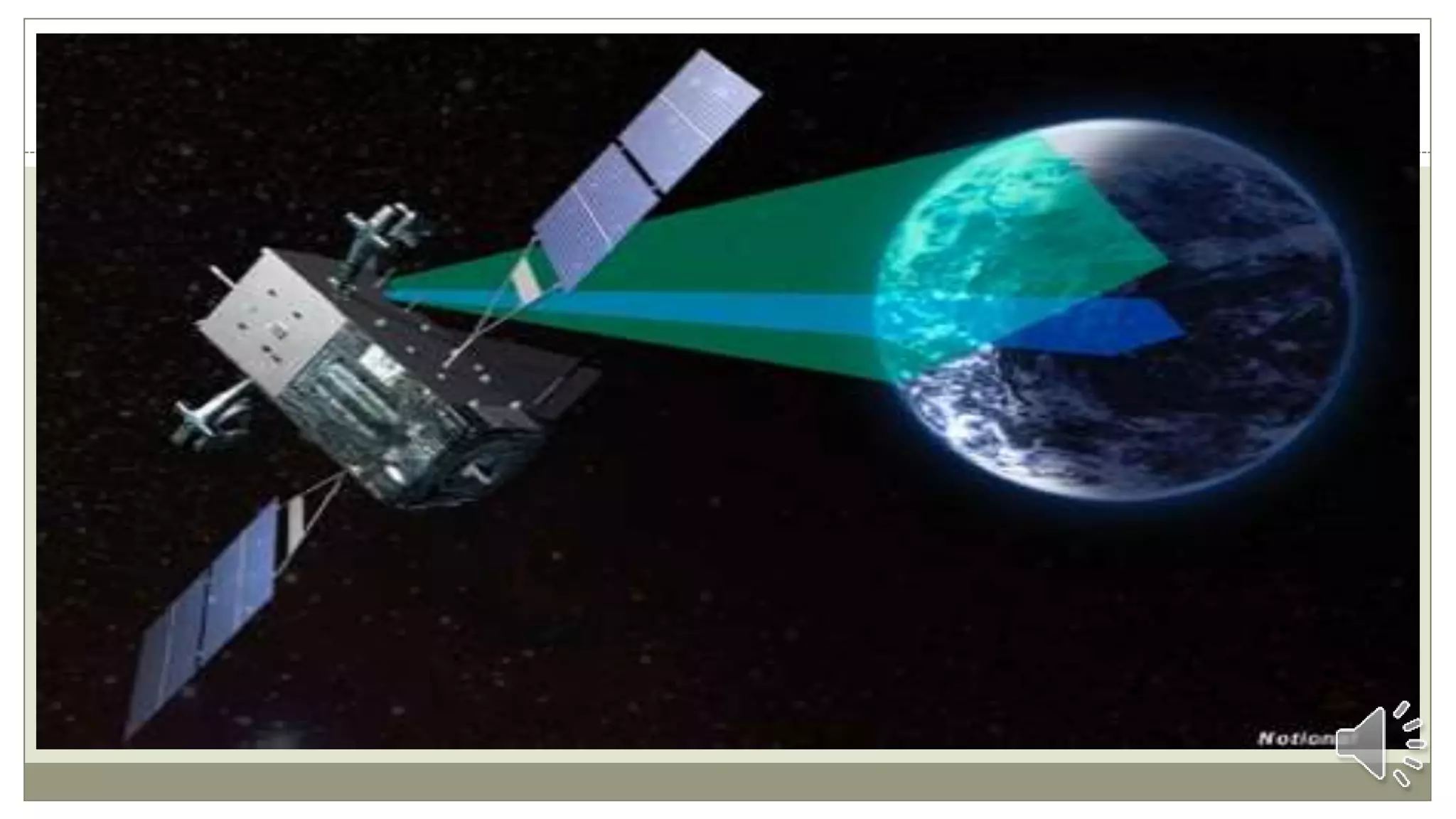
 Lockheed Martin's space based infrared system (SBIRS) is an early warning defense
satellite system being developed for the US Air Force Space Command (AFSPC).
 SBIRS is an integrated system of systems that will include satellites in geosynchronous
orbit (GEO), sensors hosted on satellites in highly elliptical orbit (HEO), and ground-
based data processing and control.
 SBIRS High will replace the Defense Support Program satellites and is intended primarily
to provide enhanced strategic and theater ballistic missile warning capabilities.
 The Mission Control Station (MCS) receives data from all SBIRS sensors and generates
launch reports that include missile type, missile launch point, time, azimuth and
predicted missile impact point.
Architecture
 SBIRS’ multi-mission, single-platform optimization is the key to its revolutionary capability
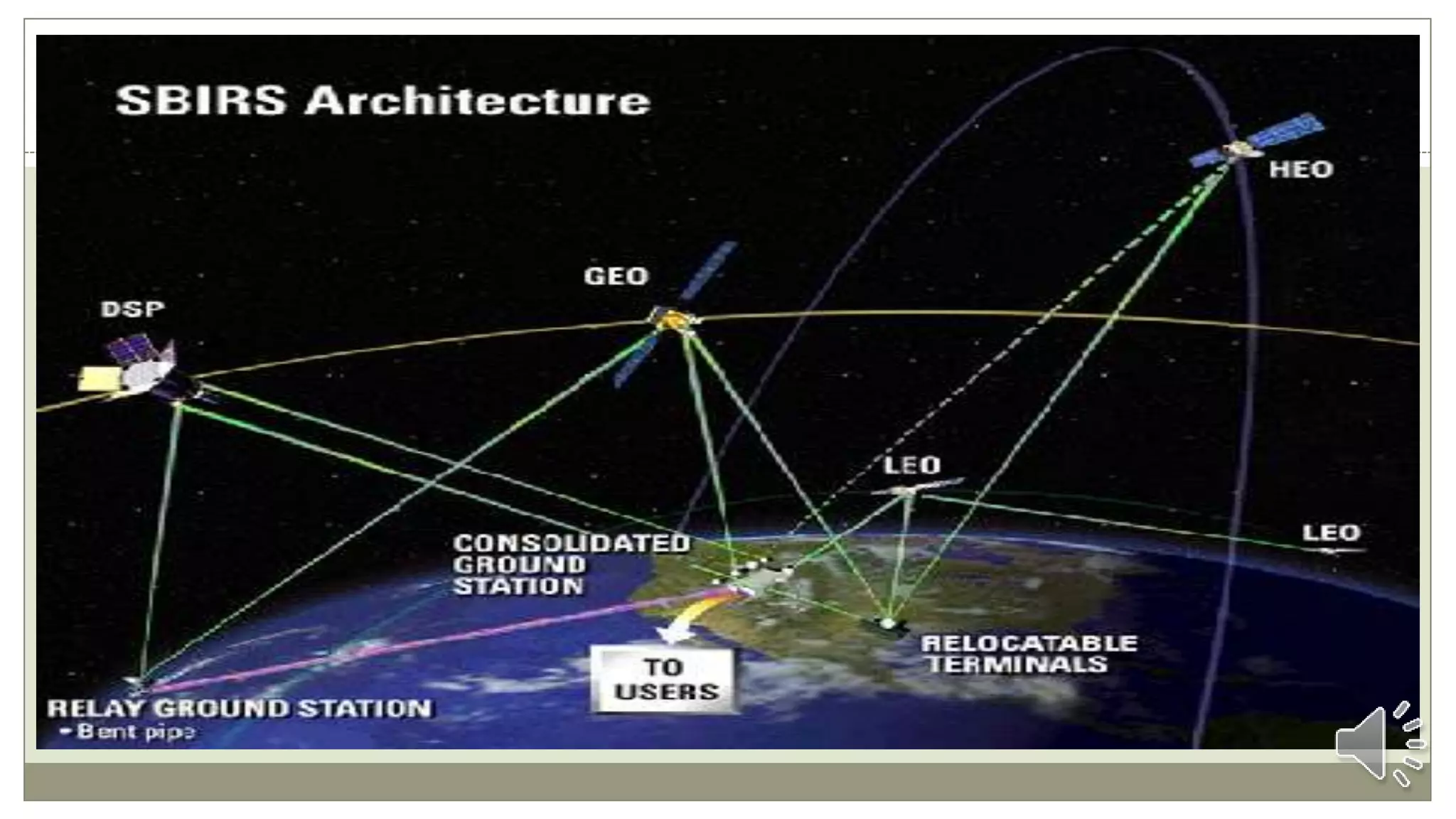
 The SBIRS architecture consists of hosted sensor payloads in Highly Elliptical Orbit (HEO),
dedicated Geosynchronous Earth Orbiting (GEO) satellites, and the associated ground
infrastructure to receive, process, and deliver the infrared information to key decision makers.
 The GEO satellite is equipped with secure communication networks, global positioning system
(GPS) receiver with selective availability anti-spoof module (SAASM), RH-32 radiation-
hardened single board computers and solar flyer attitude control, which is stabilized in three
axes.
 There is a distinction between SBIRS-High, and SBIRS-Low, in that satellites at GEO or HEO
are a part of the SBIRS-High system. Satellites in LEO are a part of the SBIRS-Low system.
Mission Details
 Missile Warning : SBIRS will provide reliable, unambiguous, timely and accurate warning
for theater and strategic missile launches to the President of the United States, the Secretary of
Defense, Combatant Commanders, and other users.
 Missile Defense : The system will deliver critical information supporting the effective
operation of missile defense systems against national and theater threats.
 Technical Intelligence : SBIRS will provide the ability to characterize infrared (IR) event
signatures, phenomenology, and threat performance data for strategic and operational
combatant commanders, the intelligence community, and others.
 Battlespace Awareness : The SBIRS constellation will deliver comprehensive infrared data
to Combatant Commanders, Joint Task Force Commanders and other users to help characterize
battlespace conditions supporting force protection, strike planning and other missions.
Payloads
 The satellite is equipped with around 1,000lb of infrared sensors equipped with short
Schmidt camera and agile precision pointing and control.
 The payloads are also equipped with spacecraft subsystems and a pointing and control
assembly (PCA). Data captured by the payload systems is transmitted to the mission
control station at a rate of 100mbps.
 The HEO payloads are hosted in Molniya orbit to assist theatre surveillance missions.
 GaAs solar arrays, which produce approximately 2.8kW, are also fitted to the satellites.
Ground Segment
 The ground segment of SBIRS consists primarily of the Mission Control Station (MCS)
at Buckley AFB, Aurora, Colorado, and the Mission Control Station Backup (MCSB) at
Schriever AFB, Colorado Springs, Colorado. In addition, Joint Tactical Ground
Stations (JTAGS) provide deployable downlinks for SBIRS data.
 The Mission Control Station (MCS) receives data from all SBIRS sensors for further
processing and manages the SBIRS constellation.
 MCS software generates launch reports that gives thread details.
 Air Force Space Command operators review these launch reports and release them to
strategic, tactical, and technical intelligence users around the world.
References
 http://www.airforce-technology.com/projects/space-based-infrared-system-sbirs/
 http://www.lockheedmartin.co.in/us/products/sbirs.html
 http://en.wikipedia.org/wiki/Space-Based_Infrared_System
 http://www.northropgrumman.com/Capabilities/SBIRS/Pages/default.aspx
 http://missilethreat.com/defense-systems/space-based-infrared-system-sbirs/
 http://www.lockheedmartin.com/content/dam/lockheed/data/space/documents/sbirs/1
_SBIRSInformationalBrochure.pdf
Thank You

Space based infrared system(sbirs), usa one of the nation’s highest priority space programs

  • 1.
    O N EO F T H E N A T I O N ’ S H I G H E S T P R I O R I T Y S P A C E P R O G R A M S Space Based Infrared System, USA
  • 3.
    Introduction  Lockheed Martin'sspace based infrared system (SBIRS) is an early warning defense satellite system being developed for the US Air Force Space Command (AFSPC).  SBIRS is an integrated system of systems that will include satellites in geosynchronous orbit (GEO), sensors hosted on satellites in highly elliptical orbit (HEO), and ground- based data processing and control.  SBIRS High will replace the Defense Support Program satellites and is intended primarily to provide enhanced strategic and theater ballistic missile warning capabilities.  The Mission Control Station (MCS) receives data from all SBIRS sensors and generates launch reports that include missile type, missile launch point, time, azimuth and predicted missile impact point.
  • 5.
    Architecture  SBIRS’ multi-mission,single-platform optimization is the key to its revolutionary capability  The SBIRS architecture consists of hosted sensor payloads in Highly Elliptical Orbit (HEO), dedicated Geosynchronous Earth Orbiting (GEO) satellites, and the associated ground infrastructure to receive, process, and deliver the infrared information to key decision makers.  The GEO satellite is equipped with secure communication networks, global positioning system (GPS) receiver with selective availability anti-spoof module (SAASM), RH-32 radiation- hardened single board computers and solar flyer attitude control, which is stabilized in three axes.  There is a distinction between SBIRS-High, and SBIRS-Low, in that satellites at GEO or HEO are a part of the SBIRS-High system. Satellites in LEO are a part of the SBIRS-Low system.
  • 7.
    Mission Details  MissileWarning : SBIRS will provide reliable, unambiguous, timely and accurate warning for theater and strategic missile launches to the President of the United States, the Secretary of Defense, Combatant Commanders, and other users.  Missile Defense : The system will deliver critical information supporting the effective operation of missile defense systems against national and theater threats.  Technical Intelligence : SBIRS will provide the ability to characterize infrared (IR) event signatures, phenomenology, and threat performance data for strategic and operational combatant commanders, the intelligence community, and others.  Battlespace Awareness : The SBIRS constellation will deliver comprehensive infrared data to Combatant Commanders, Joint Task Force Commanders and other users to help characterize battlespace conditions supporting force protection, strike planning and other missions.
  • 9.
    Payloads  The satelliteis equipped with around 1,000lb of infrared sensors equipped with short Schmidt camera and agile precision pointing and control.  The payloads are also equipped with spacecraft subsystems and a pointing and control assembly (PCA). Data captured by the payload systems is transmitted to the mission control station at a rate of 100mbps.  The HEO payloads are hosted in Molniya orbit to assist theatre surveillance missions.  GaAs solar arrays, which produce approximately 2.8kW, are also fitted to the satellites.
  • 11.
    Ground Segment  Theground segment of SBIRS consists primarily of the Mission Control Station (MCS) at Buckley AFB, Aurora, Colorado, and the Mission Control Station Backup (MCSB) at Schriever AFB, Colorado Springs, Colorado. In addition, Joint Tactical Ground Stations (JTAGS) provide deployable downlinks for SBIRS data.  The Mission Control Station (MCS) receives data from all SBIRS sensors for further processing and manages the SBIRS constellation.  MCS software generates launch reports that gives thread details.  Air Force Space Command operators review these launch reports and release them to strategic, tactical, and technical intelligence users around the world.
  • 12.
    References  http://www.airforce-technology.com/projects/space-based-infrared-system-sbirs/  http://www.lockheedmartin.co.in/us/products/sbirs.html http://en.wikipedia.org/wiki/Space-Based_Infrared_System  http://www.northropgrumman.com/Capabilities/SBIRS/Pages/default.aspx  http://missilethreat.com/defense-systems/space-based-infrared-system-sbirs/  http://www.lockheedmartin.com/content/dam/lockheed/data/space/documents/sbirs/1 _SBIRSInformationalBrochure.pdf
  • 13.