What you need to know about Eye TrackingHarry Brignull
Blog: 90 percent of everythingCompany: Madgex
Before we start, a story…
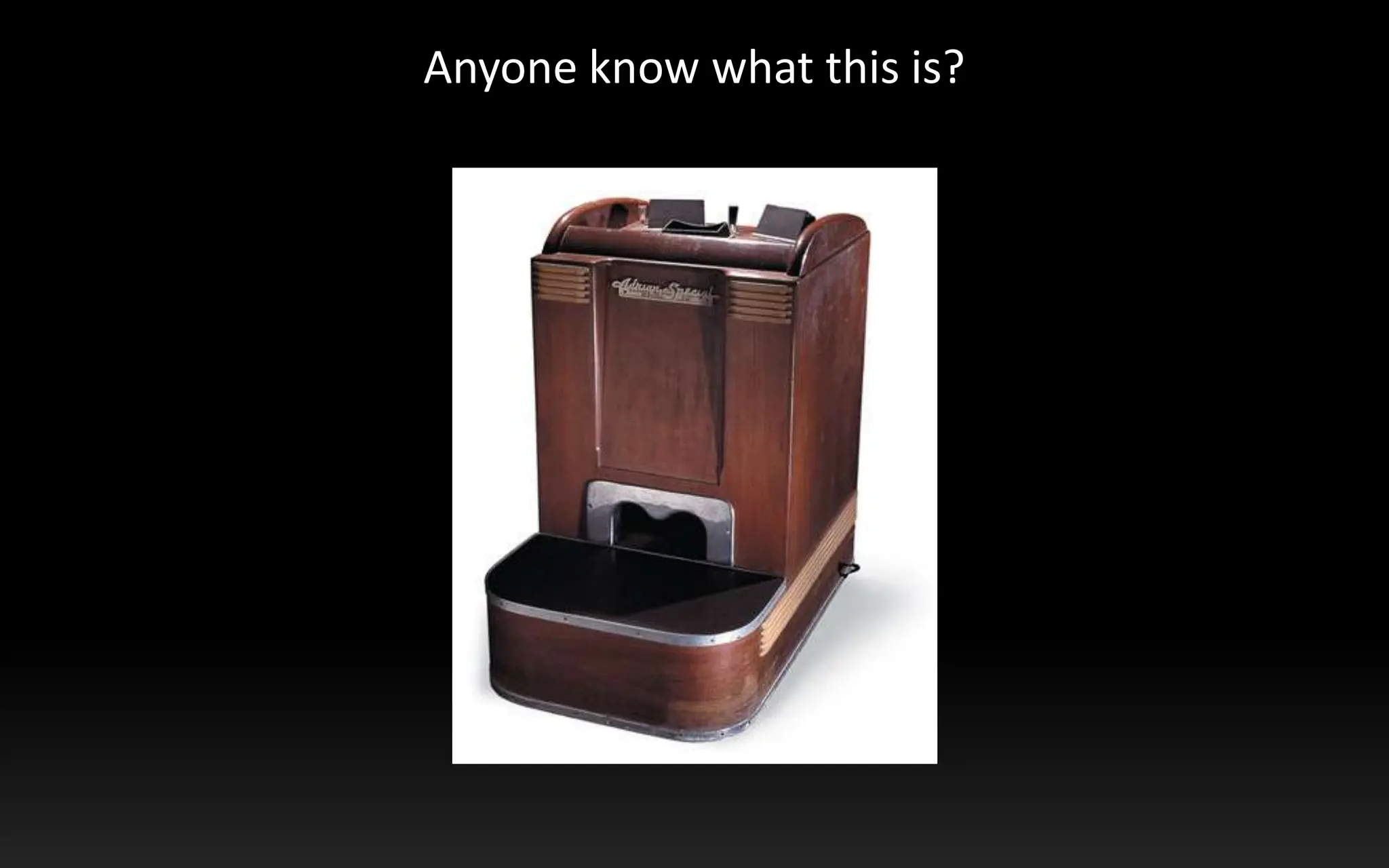
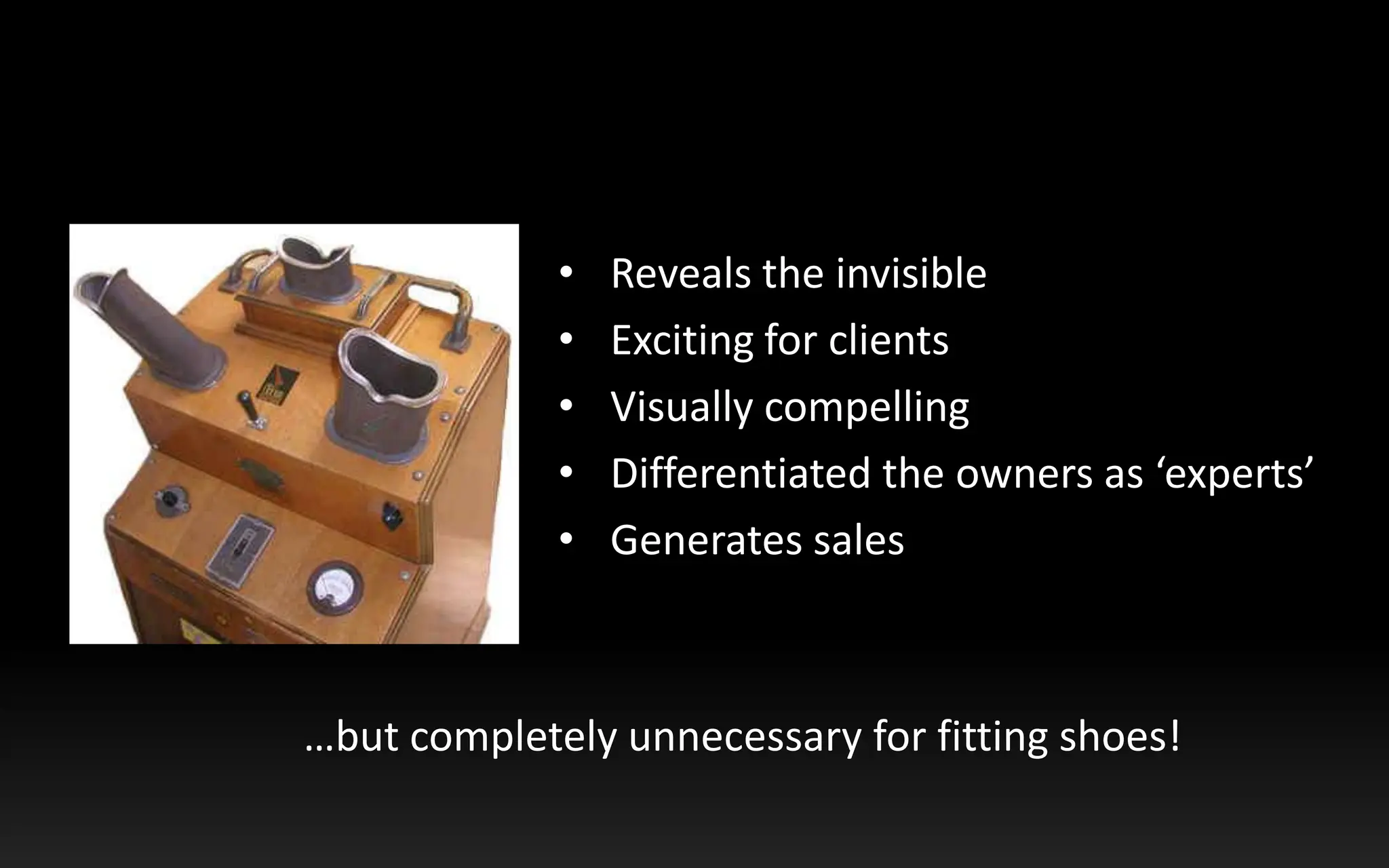
Anyone know what this is?
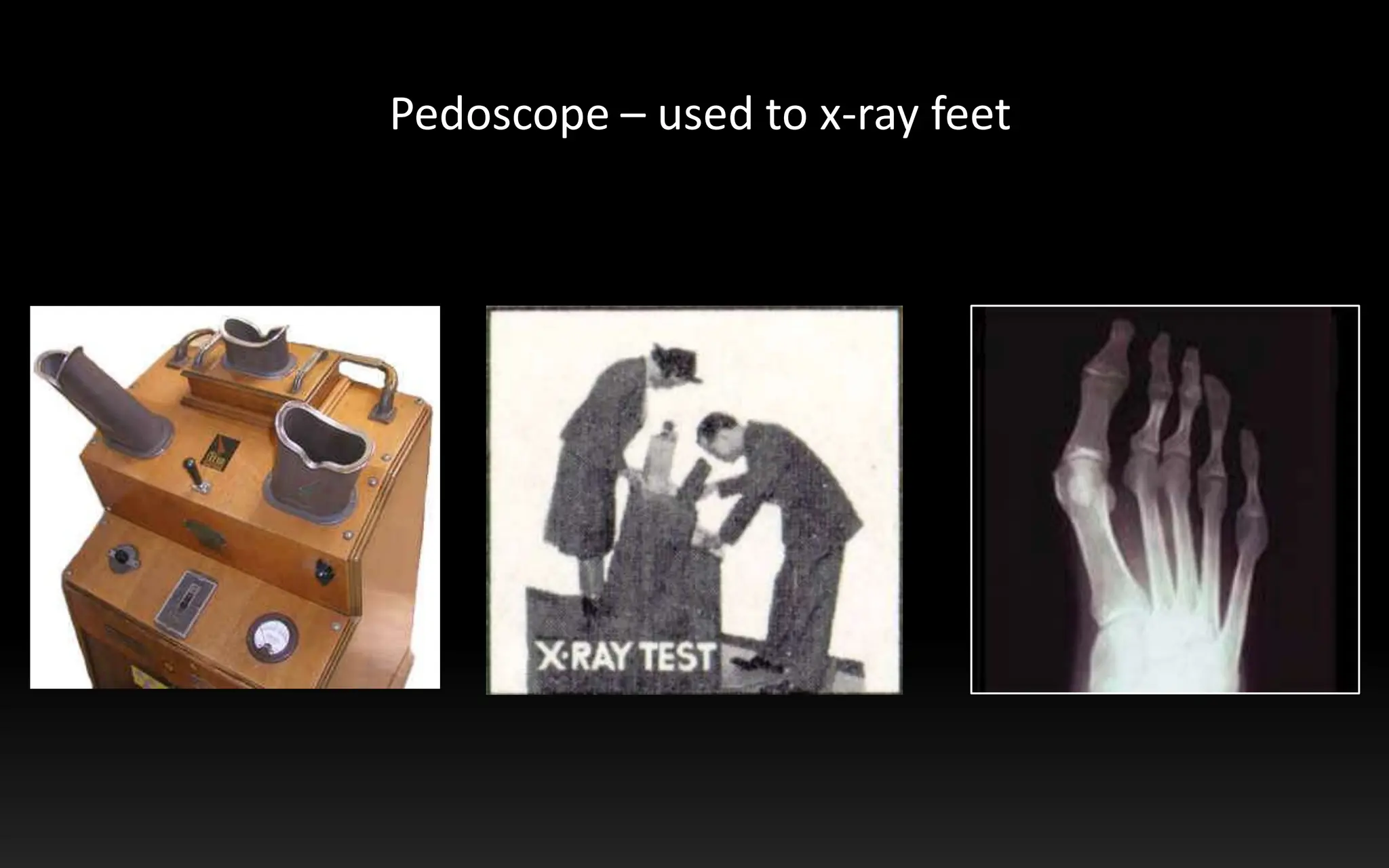
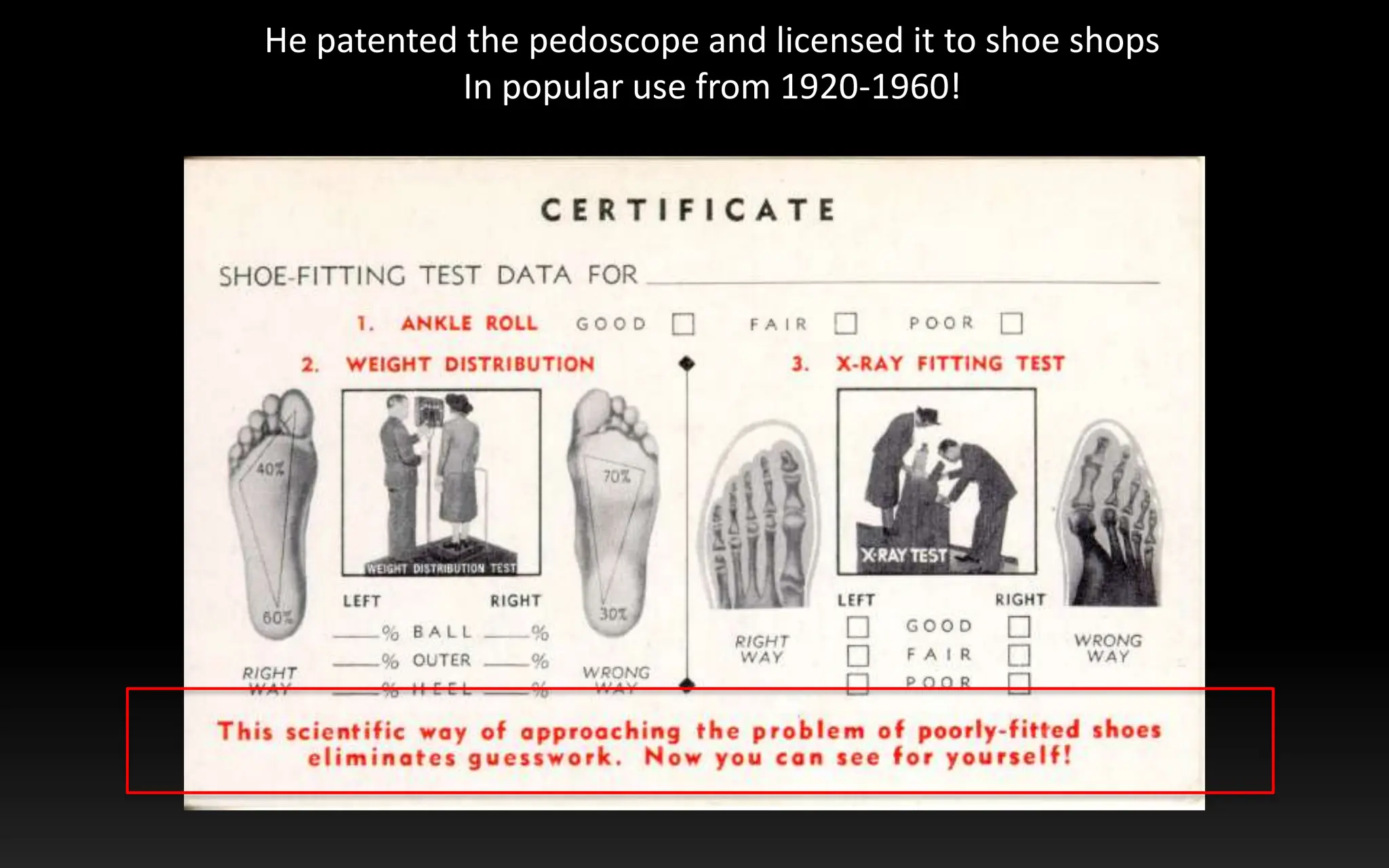
Pedoscope – used to x-ray feet
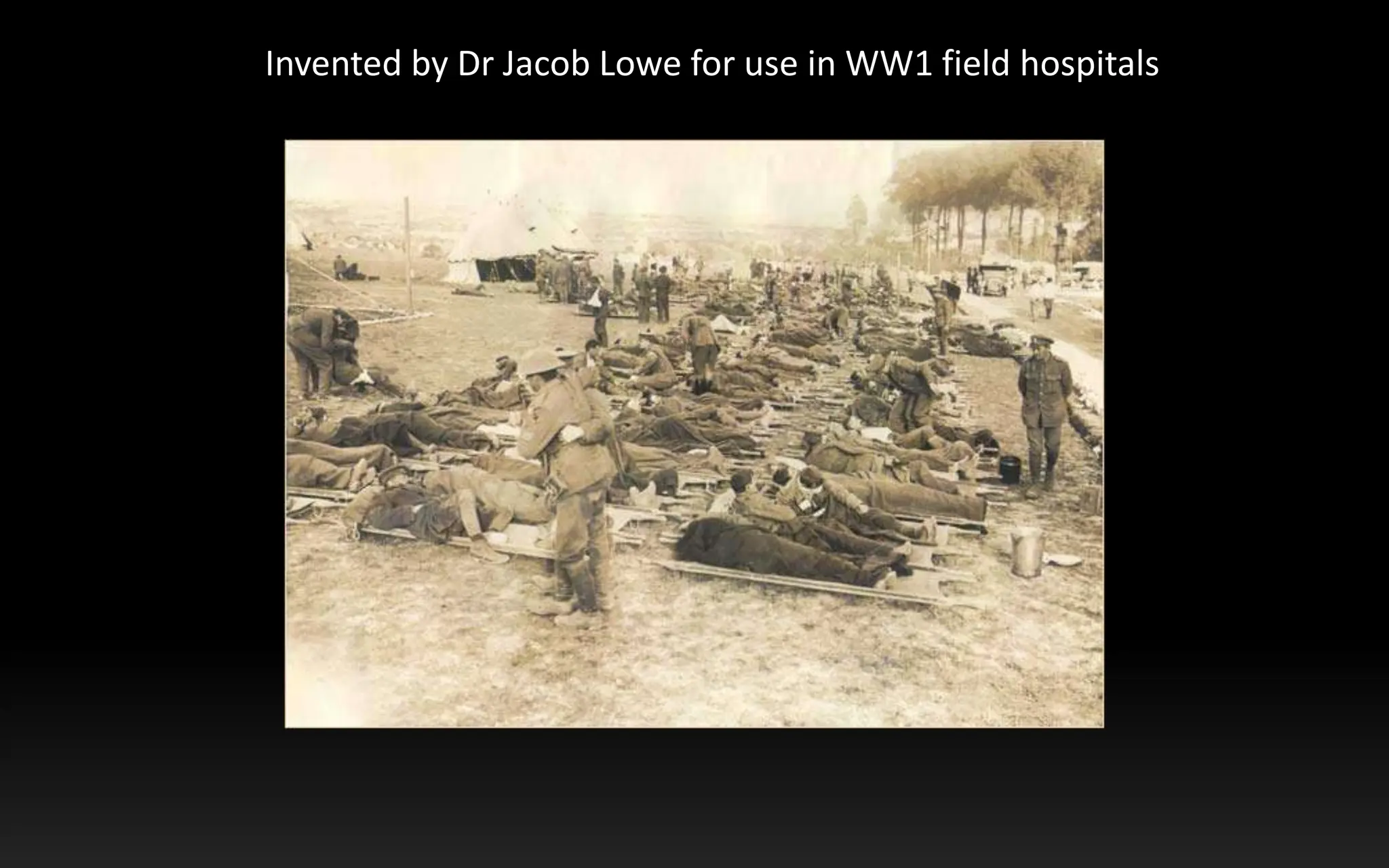
Invented by Dr Jacob Lowe for use in WW1 field hospitals
sHe patented the pedoscope and licensed it to shoe shopsIn popular use from 1920-1960!
Reveals the invisibleExciting for clientsVisually compellingDifferentiated the owners as ‘experts’Generates sales…but completely unnecessary for fitting shoes!
Image credit: Tobii.com
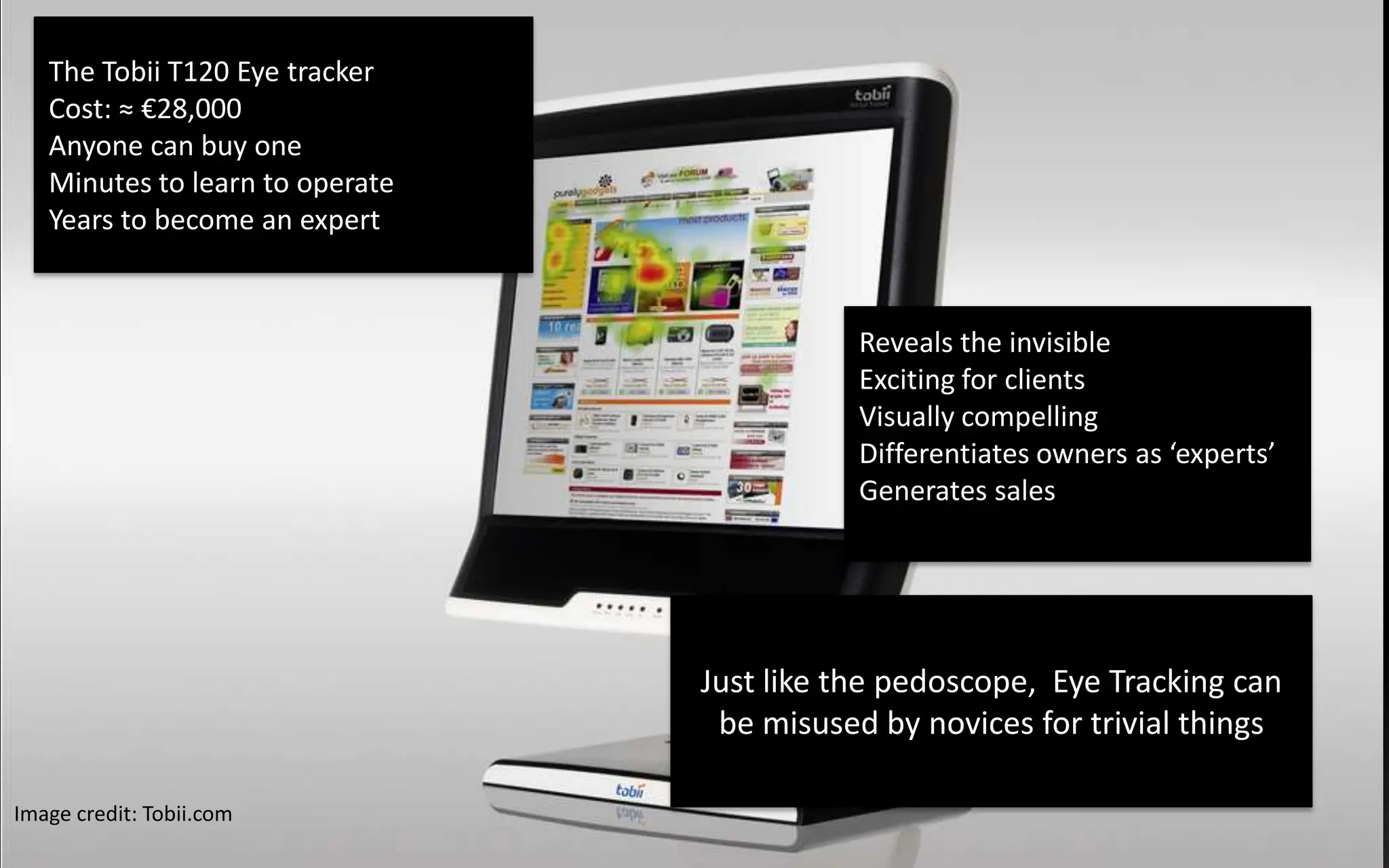
The Tobii T120 Eye trackerCost: ≈ €28,000Anyone can buy oneMinutes to learn to operateYears to become an expertImage credit: Tobii.com
The Tobii T120 Eye trackerCost: ≈ €28,000Anyone can buy oneMinutes to learn to operateYears to become an expertReveals the invisibleExciting for clientsVisually compellingDifferentiates owners as ‘experts’Generates salesImage credit: Tobii.com
The Tobii T120 Eye trackerCost: ≈ €28,000Anyone can buy oneMinutes to learn to operateYears to become an expertReveals the invisibleExciting for clientsVisually compellingDifferentiates owners as ‘experts’Generates salesJust like the pedoscope,  Eye Tracking can be misused by novices for trivial thingsImage credit: Tobii.com
4 common misconceptions
Misconception 1Eye tracking allows you to see what people are thinking
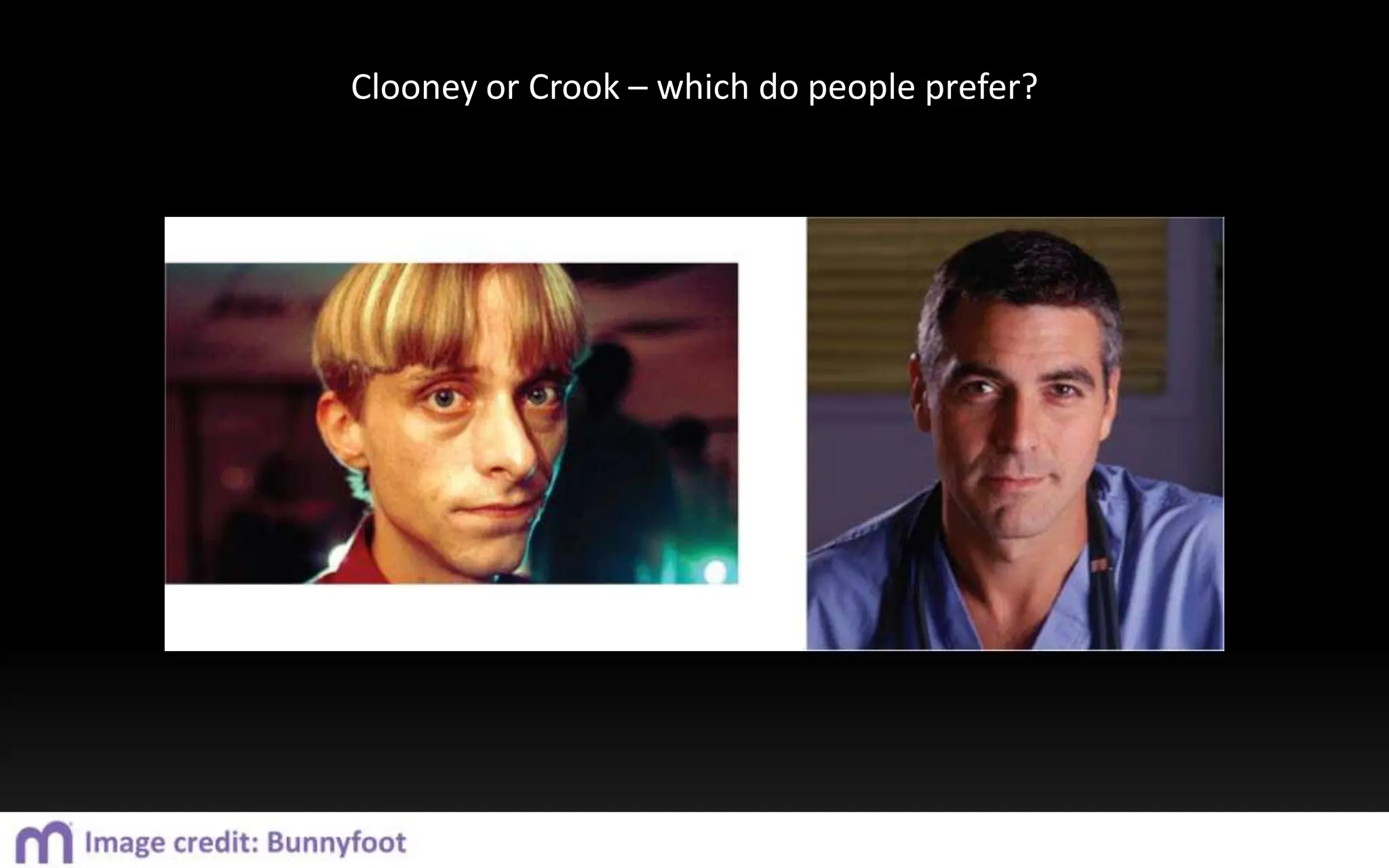
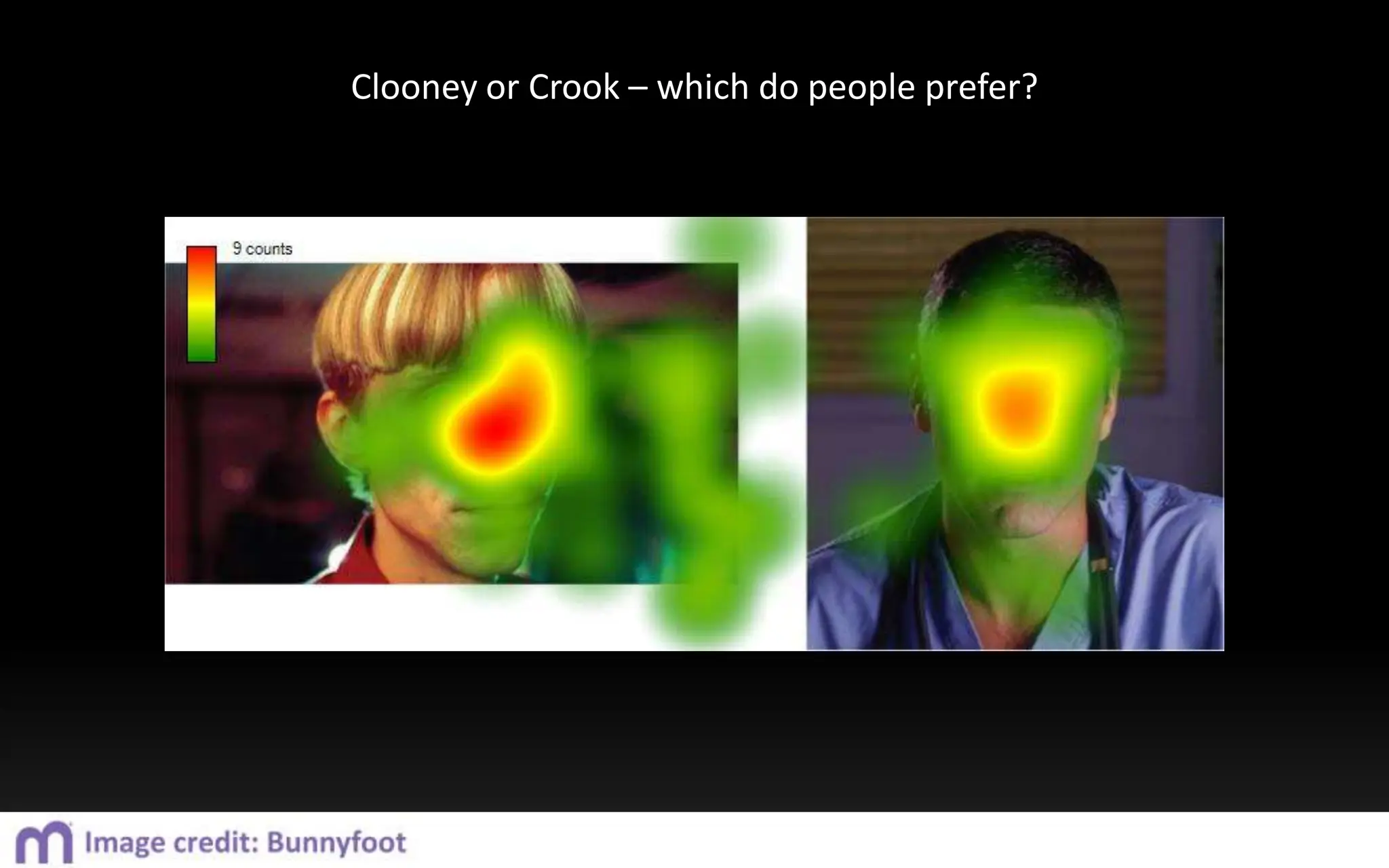
Clooney or Crook – which do people prefer?
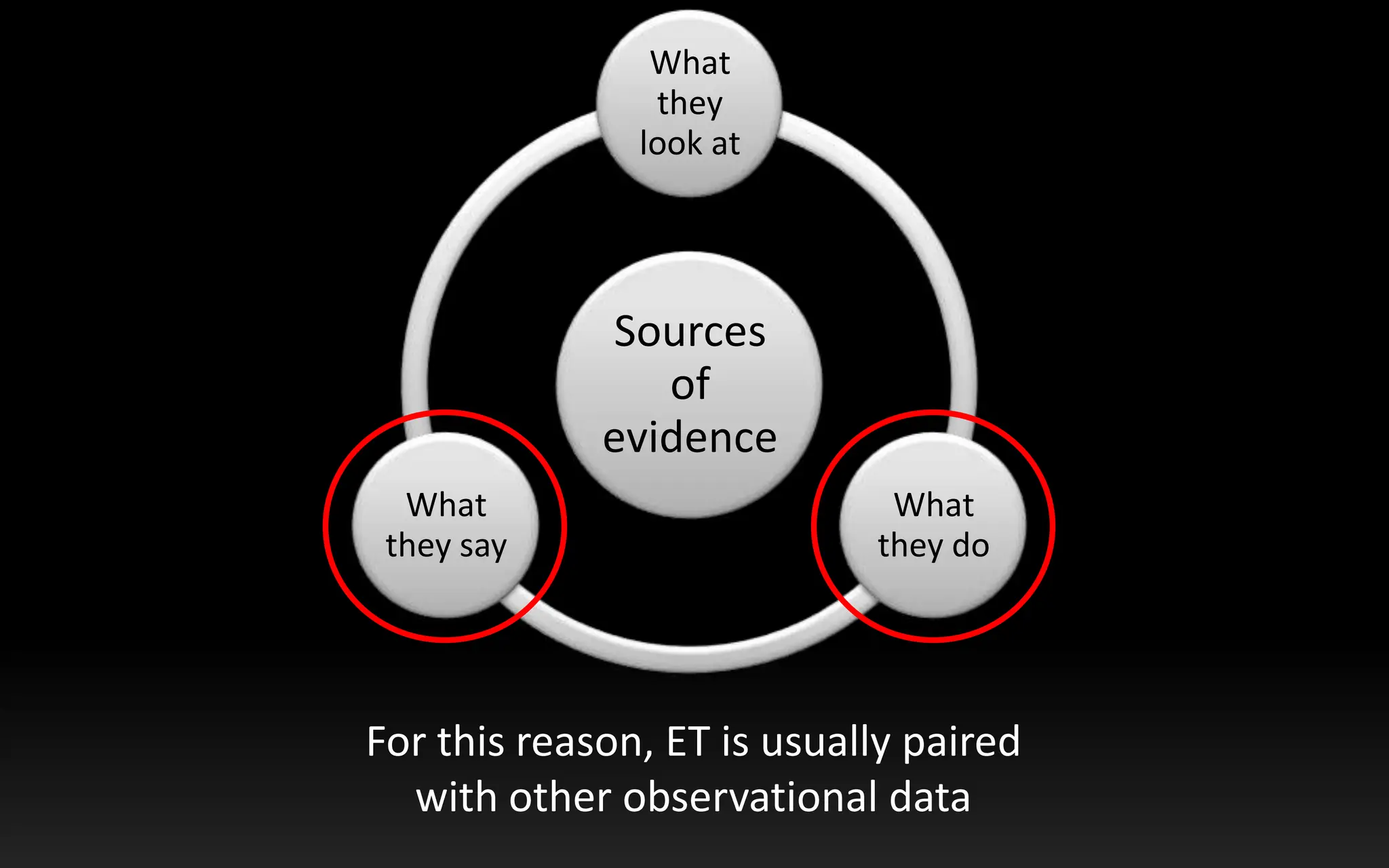
	Eye tracking gives you evidence of what people look at. 	This data alone does not tell you whether they like it, understand it or want it!
For this reason, ET is usually paired with other observational data
Caveat: Eye tracking is more useful for some tasks than others
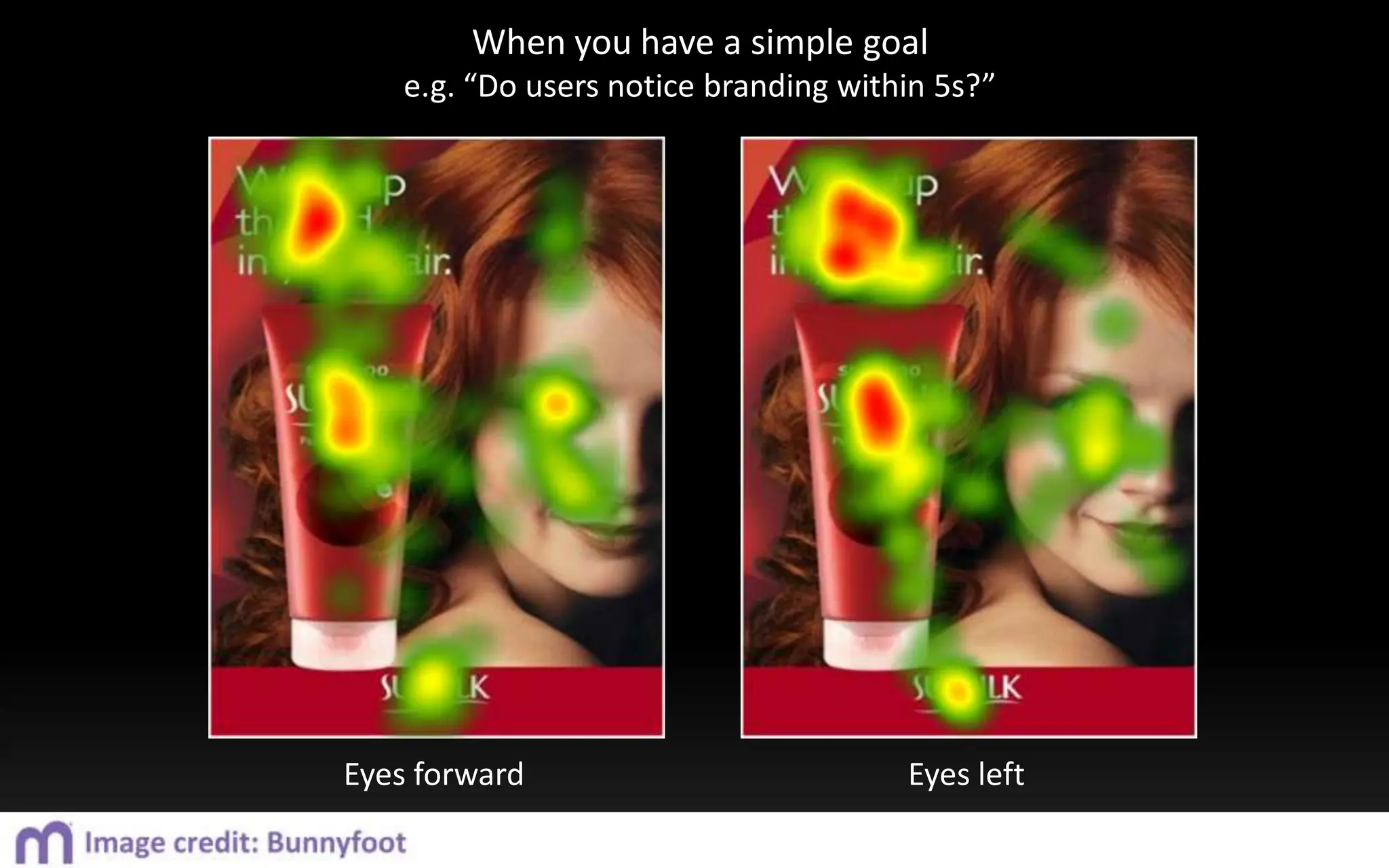
When you have a simple goal e.g. “Do users notice branding within 5s?”Eyes forwardEyes left
If only web design were this simple! Web pages serve many different functions - for many different people- doing different things- in their own chosen ways.
Misconception 2If there’s no ‘heat’, users didn’t see it
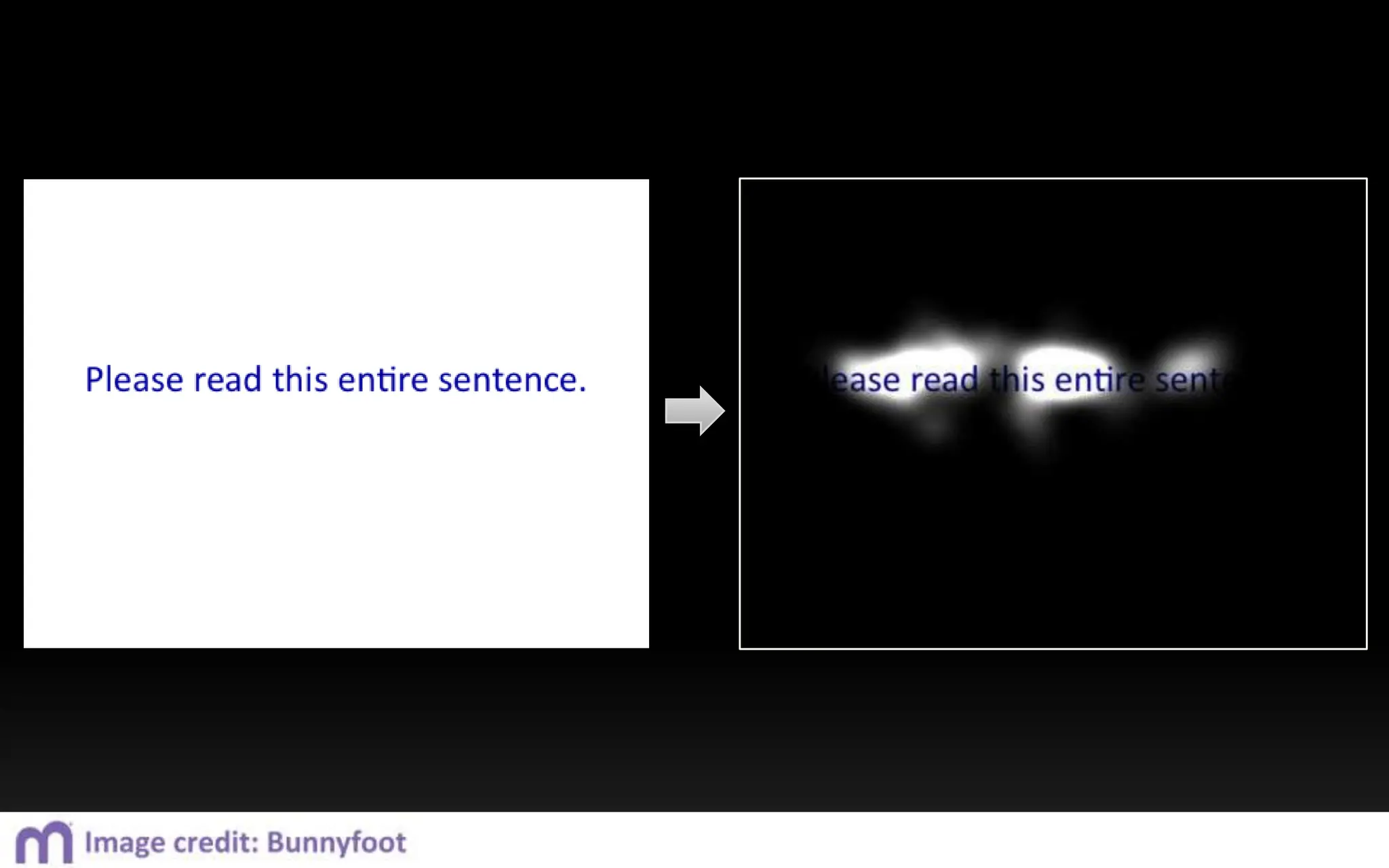
	Just because there’s no ‘heat’, doesn’t mean people didn’t see it.	Users can pick up information through peripheral vision!
Misconception 3Eye tracking is scientific, by definition
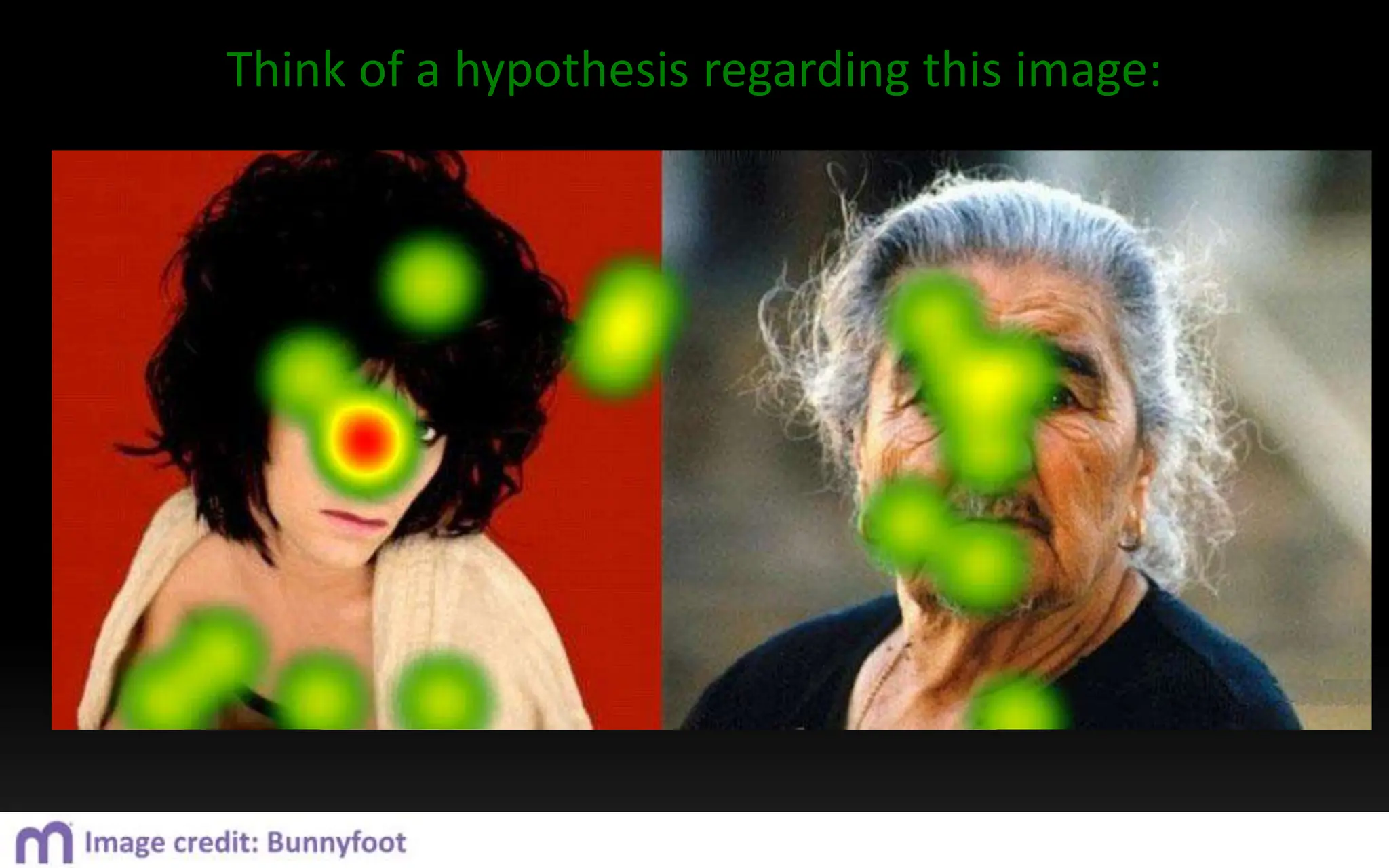
Think of a hypothesis regarding this image:Let’s a an initial analysis
Congratulations, you’ve done your first piece of qualitative eye tracking research!
You know what it reminds me of?
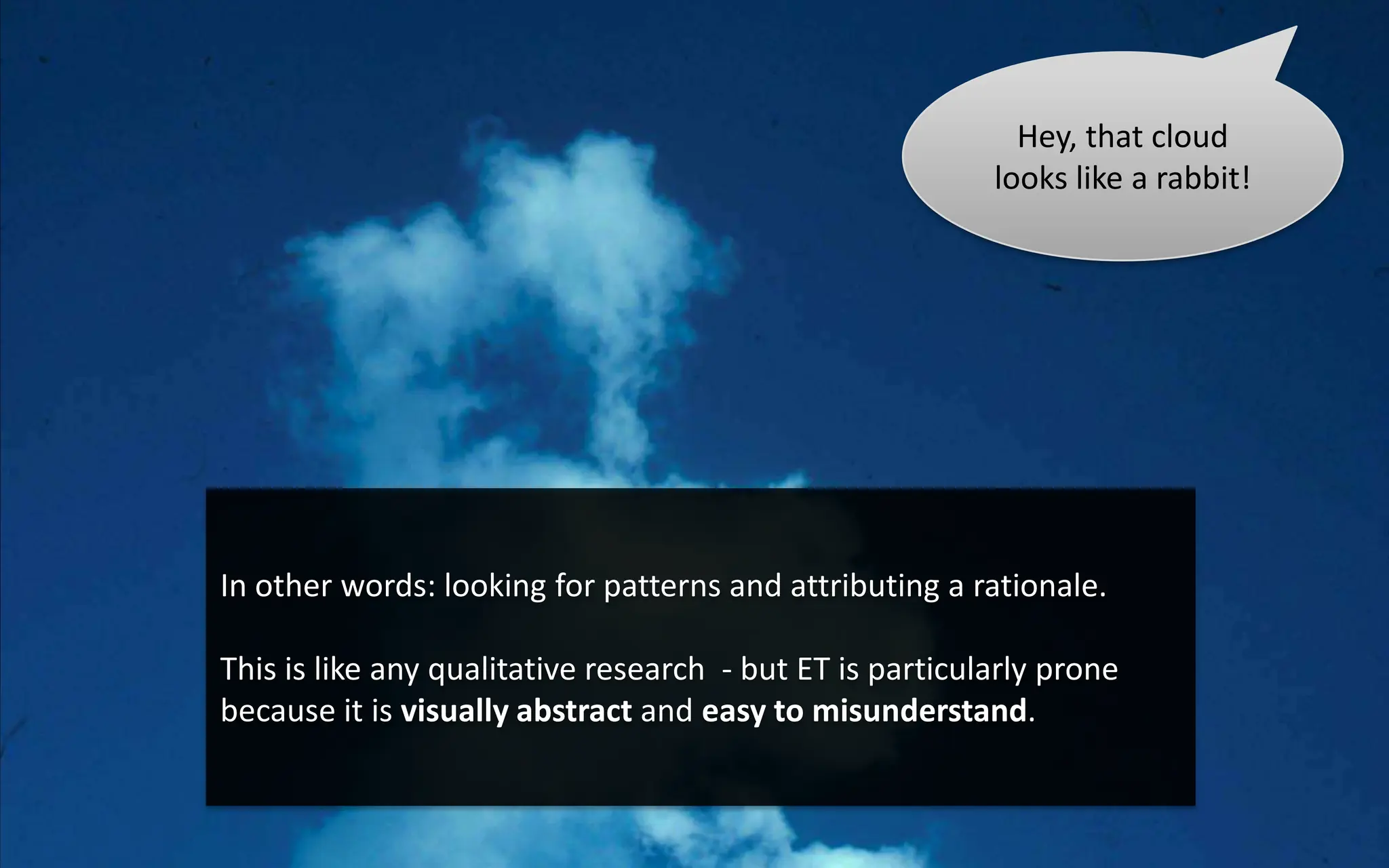
Hey, that cloud looks like a rabbit!
Hey, that cloud looks like a rabbit!In other words: looking for patterns and attributing a rationale. This is like any qualitative research  - but ET is particularly prone because it is visually abstract and easy to misunderstand.
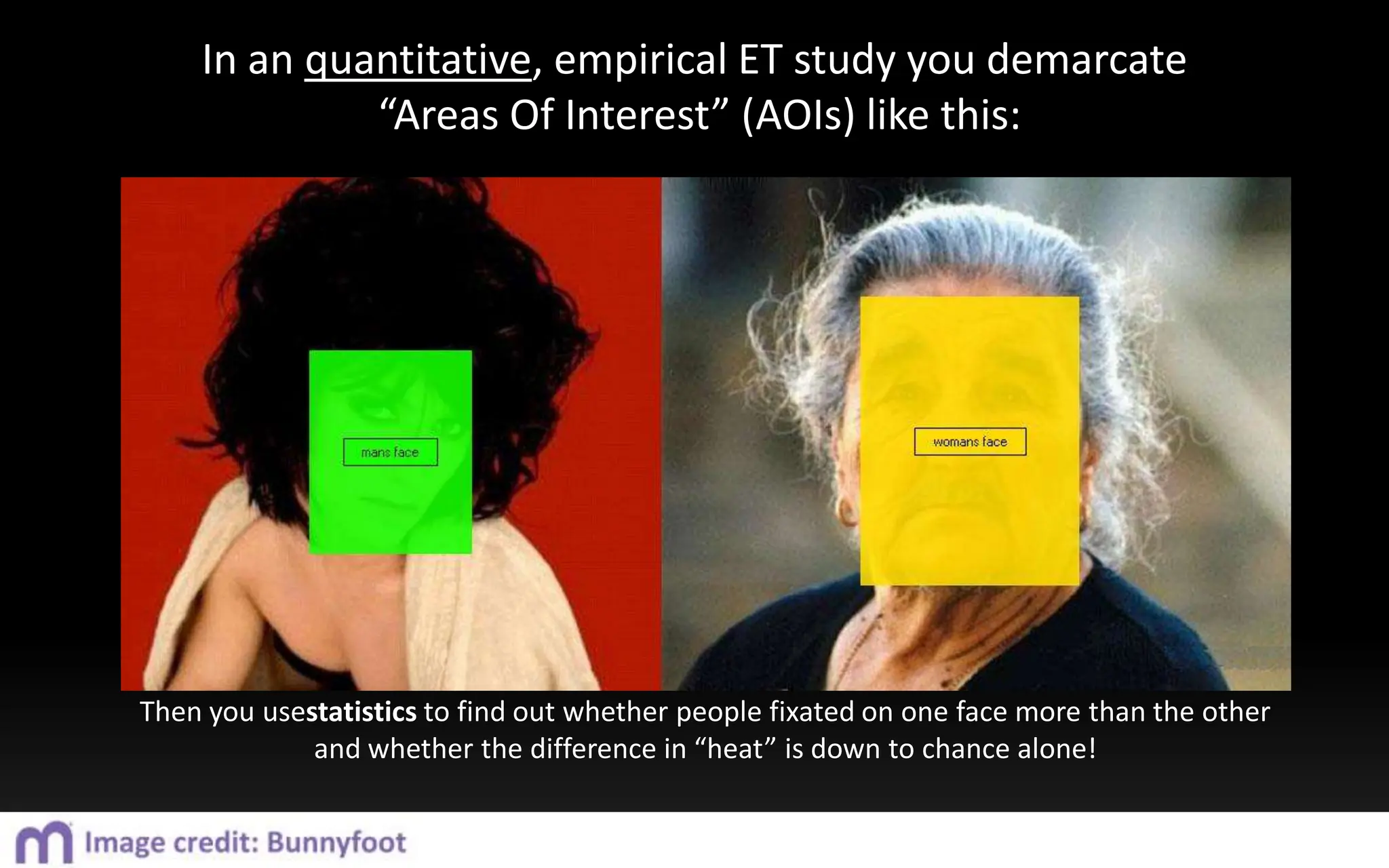
In an quantitative, empirical ET study you demarcate “Areas Of Interest” (AOIs) like this:Then you usestatistics to find out whether people fixated on one face more than the otherand whether the difference in “heat” is down to chance alone!
Misconception 4Heatmaps are generalisable
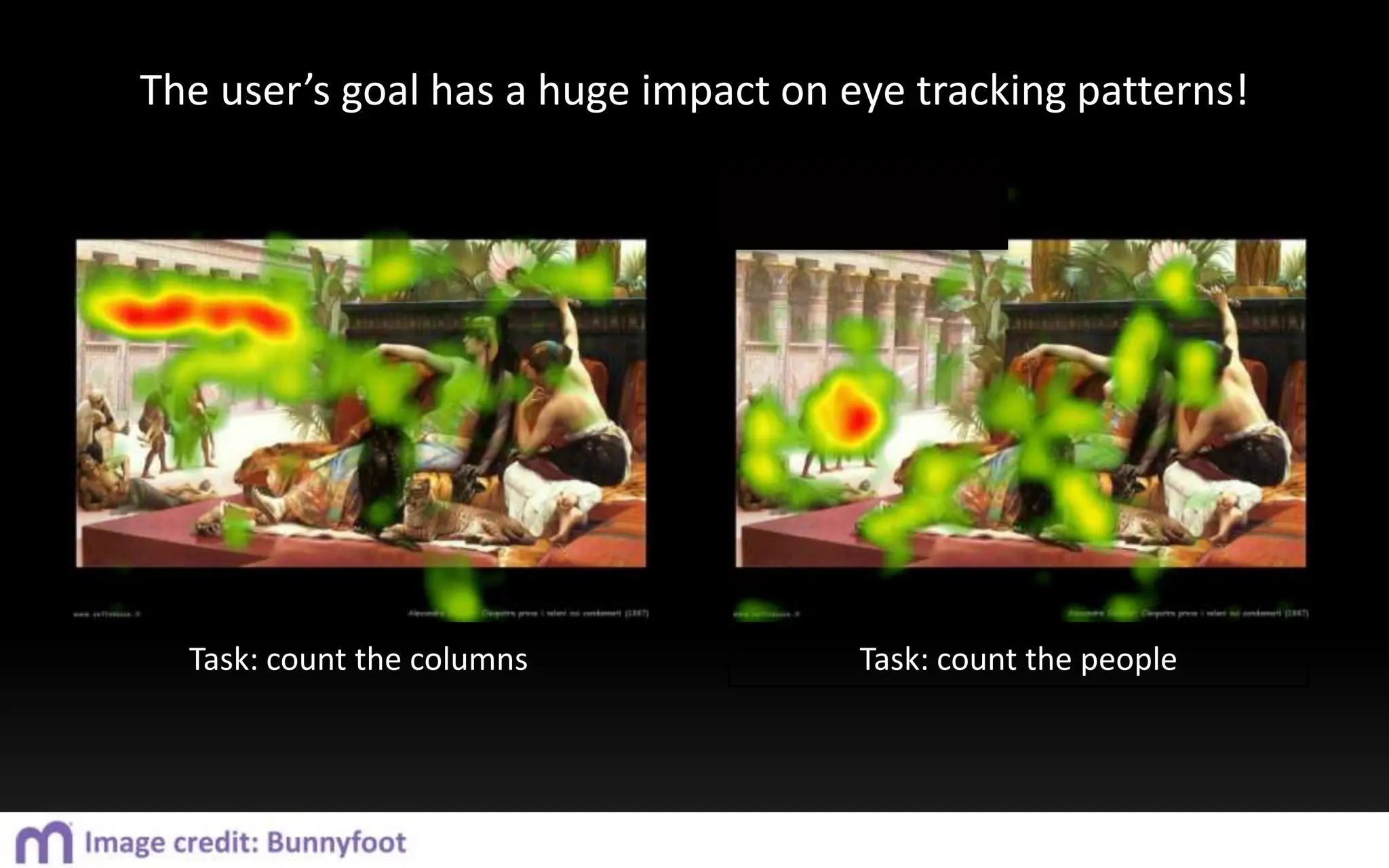
The user’s goal has a huge impact on eye tracking patterns!Task: count the columnsTask: count the people
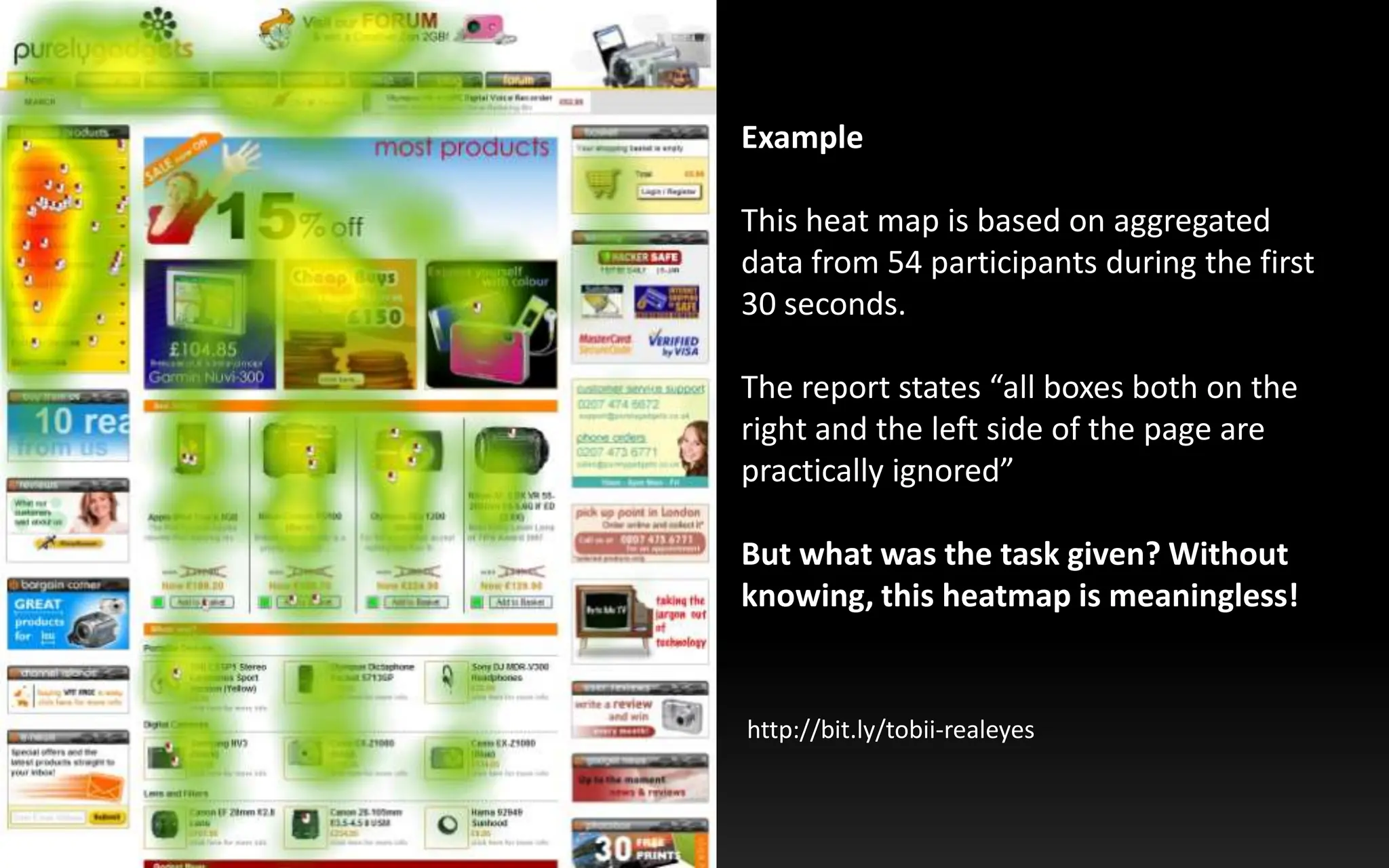
ExampleThis heat map is based on aggregated data from 54 participants during the first 30 seconds.The report states “all boxes both on the right and the left side of the page are practically ignored”But what was the task given? Without knowing, this heatmap is meaningless! http://bit.ly/tobii-realeyes
Conclusions
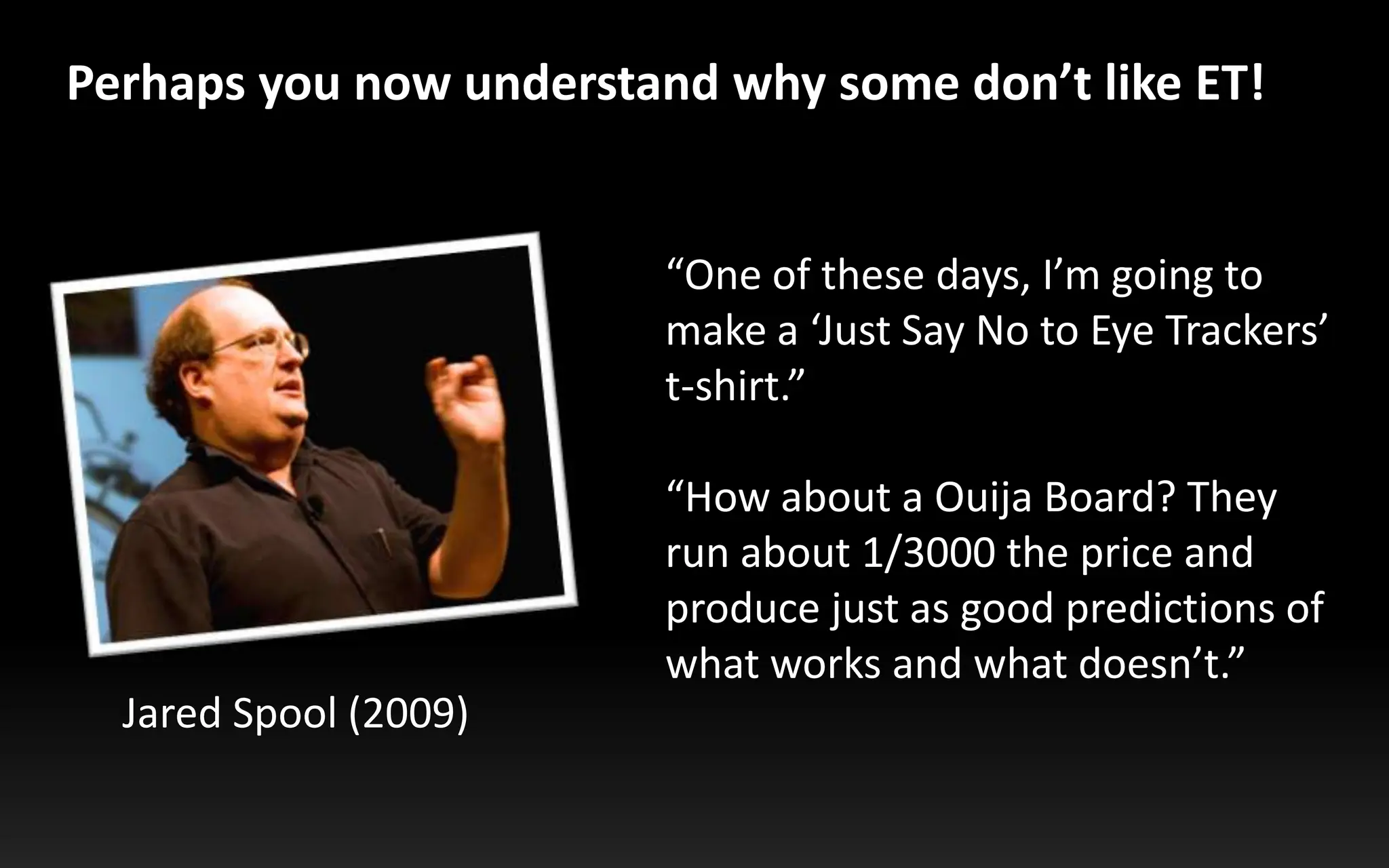
	Perhaps you now understand why some don’t like ET!“One of these days, I’m going to make a ‘Just Say No to Eye Trackers’ t-shirt.”“How about a Ouija Board? They run about 1/3000 the price and produce just as good predictions of what works and what doesn’t.”Jared Spool (2009)
ET advocates have been slow to respond to these criticismsThere’s a fissure growing between advocates and opponents
The killer question:Is ET any more effective at improving design than conventional methods like think-aloud?
We just don’t know!Where are the flagship case studies?ROI Examples? Findings that could not have been uncovered through other means?
Quite an inconclusive conclusion – but that’s the current state  of the industry, folks!
Huge Thanks  toAaron Young & Rebecca Gill of BunnyfootJames Breeze of Objective Digital Harry Brignulltwitter.com/harrybr90percentofeverything.com
What you need to know about Eye Tracking (New version)

  • 1.
    What you needto know about Eye TrackingHarry Brignull
  • 2.
    Blog: 90 percentof everythingCompany: Madgex
  • 3.
  • 4.
  • 5.
    Pedoscope – usedto x-ray feet
  • 6.
    Invented by DrJacob Lowe for use in WW1 field hospitals
  • 7.
    sHe patented thepedoscope and licensed it to shoe shopsIn popular use from 1920-1960!
  • 8.
    sHe patented thepedoscope and licensed it to shoe shopsIn popular use from 1920-1960!
  • 9.
    Reveals the invisibleExcitingfor clientsVisually compellingDifferentiated the owners as ‘experts’Generates sales…but completely unnecessary for fitting shoes!
  • 10.
  • 11.
    The Tobii T120Eye trackerCost: ≈ €28,000Anyone can buy oneMinutes to learn to operateYears to become an expertImage credit: Tobii.com
  • 12.
    The Tobii T120Eye trackerCost: ≈ €28,000Anyone can buy oneMinutes to learn to operateYears to become an expertReveals the invisibleExciting for clientsVisually compellingDifferentiates owners as ‘experts’Generates salesImage credit: Tobii.com
  • 13.
    The Tobii T120Eye trackerCost: ≈ €28,000Anyone can buy oneMinutes to learn to operateYears to become an expertReveals the invisibleExciting for clientsVisually compellingDifferentiates owners as ‘experts’Generates salesJust like the pedoscope, Eye Tracking can be misused by novices for trivial thingsImage credit: Tobii.com
  • 14.
  • 15.
    Misconception 1Eye trackingallows you to see what people are thinking
  • 16.
    Clooney or Crook– which do people prefer?
  • 17.
    Clooney or Crook– which do people prefer?
  • 18.
    Eye tracking givesyou evidence of what people look at. This data alone does not tell you whether they like it, understand it or want it!
  • 19.
    For this reason,ET is usually paired with other observational data
  • 20.
    Caveat: Eye trackingis more useful for some tasks than others
  • 21.
    When you havea simple goal e.g. “Do users notice branding within 5s?”Eyes forwardEyes left
  • 22.
    When you havea simple goal e.g. “Do users notice branding within 5s?”Eyes forwardEyes left
  • 23.
    If only webdesign were this simple! Web pages serve many different functions - for many different people- doing different things- in their own chosen ways.
  • 24.
    Misconception 2If there’sno ‘heat’, users didn’t see it
  • 27.
    Just because there’sno ‘heat’, doesn’t mean people didn’t see it. Users can pick up information through peripheral vision!
  • 28.
    Misconception 3Eye trackingis scientific, by definition
  • 29.
    Think of ahypothesis regarding this image:Let’s a an initial analysis
  • 30.
    Think of ahypothesis regarding this image:Let’s a an initial analysis
  • 31.
    Congratulations, you’ve doneyour first piece of qualitative eye tracking research!
  • 32.
    You know whatit reminds me of?
  • 34.
    Hey, that cloudlooks like a rabbit!
  • 35.
    Hey, that cloudlooks like a rabbit!In other words: looking for patterns and attributing a rationale. This is like any qualitative research - but ET is particularly prone because it is visually abstract and easy to misunderstand.
  • 36.
    In an quantitative,empirical ET study you demarcate “Areas Of Interest” (AOIs) like this:Then you usestatistics to find out whether people fixated on one face more than the otherand whether the difference in “heat” is down to chance alone!
  • 37.
  • 39.
    The user’s goalhas a huge impact on eye tracking patterns!Task: count the columnsTask: count the people
  • 40.
    ExampleThis heat mapis based on aggregated data from 54 participants during the first 30 seconds.The report states “all boxes both on the right and the left side of the page are practically ignored”But what was the task given? Without knowing, this heatmap is meaningless! http://bit.ly/tobii-realeyes
  • 41.
  • 42.
    Perhaps you nowunderstand why some don’t like ET!“One of these days, I’m going to make a ‘Just Say No to Eye Trackers’ t-shirt.”“How about a Ouija Board? They run about 1/3000 the price and produce just as good predictions of what works and what doesn’t.”Jared Spool (2009)
  • 43.
    ET advocates havebeen slow to respond to these criticismsThere’s a fissure growing between advocates and opponents
  • 44.
    The killer question:IsET any more effective at improving design than conventional methods like think-aloud?
  • 45.
    We just don’tknow!Where are the flagship case studies?ROI Examples? Findings that could not have been uncovered through other means?
  • 46.
    Quite an inconclusiveconclusion – but that’s the current state of the industry, folks!
  • 47.
    Huge Thanks toAaron Young & Rebecca Gill of BunnyfootJames Breeze of Objective Digital Harry Brignulltwitter.com/harrybr90percentofeverything.com

Editor's Notes

  • #2 The purpose of this talk is to tell you just enough about eye tracking so that next time your sitting through a presentation from a consultant, instead of sitting there in awe, you know what questions to ask and you’re able to critically evaluate whether the design implications are valid and worth paying attention to.
  • #3 I’m Harry BrignullI’m a user experience consultantThis is my blog: 90percentofeverything.comThis is the company I work for: Madgex.comWe make digital recruitment websites.You may not have heard of us because our software is whitelabel – our clients rebadge it with their own brandingHowever it’s possible you’ve used our sites without realizing. We power about 150 job boards In Europe, catering for about 2 million job-seekers per weekAs the UX lead at Madgex, I’m the person who’s responsible for making sure that they’re happy and satisfied.
  • #5 http://www.orau.org/ptp/collection/shoefittingfluor/shoe.htm – image credit
  • #6 http://www.orau.org/ptp/collection/shoefittingfluor/shoe.htm – image credit
  • #7 Allowed doctors to diagnose foot injuries without requiring soldiers to remove their boots
  • #8 http://www.youtube.com/watch?v=wbMN6jueU1A&feature=player_embedded
  • #9 http://www.youtube.com/watch?v=wbMN6jueU1A&feature=player_embedded
  • #11 Eye tracking is probably the most MISUNDERSTOOD and ABUSED research methods in the field of user experience.The purpose of this talk is to give you a heads up, so you don’t get taken in.
  • #12 Eye tracking is probably the most MISUNDERSTOOD and ABUSED research methods in the field of user experience.The purpose of this talk is to give you a heads up, so you don’t get taken in.
  • #13 Eye tracking is probably the most MISUNDERSTOOD and ABUSED research methods in the field of user experience.The purpose of this talk is to give you a heads up, so you don’t get taken in.
  • #14 Eye tracking is probably the most MISUNDERSTOOD and ABUSED research methods in the field of user experience.The purpose of this talk is to give you a heads up, so you don’t get taken in.
  • #19 Our eyes move around in a combination of saccades and fixation.We don’t realise it but our eyes are continuously flicking from one place to another within our field of vision. These rapid movements are called saccades. Fixations occur when eye settles on something for 200 ms. (definitions of exact duration vary).
  • #34 Image credit: Richard Carlsonhttp://www.pals.iastate.edu/carlson
  • #35 Image credit: Richard Carlsonhttp://www.pals.iastate.edu/carlson
  • #36 Image credit: Richard Carlsonhttp://www.pals.iastate.edu/carlson
  • #43 Jared Spool Ouija Board Quote: http://www.mail-archive.com/discuss@lists.interactiondesigners.com/msg16874.html