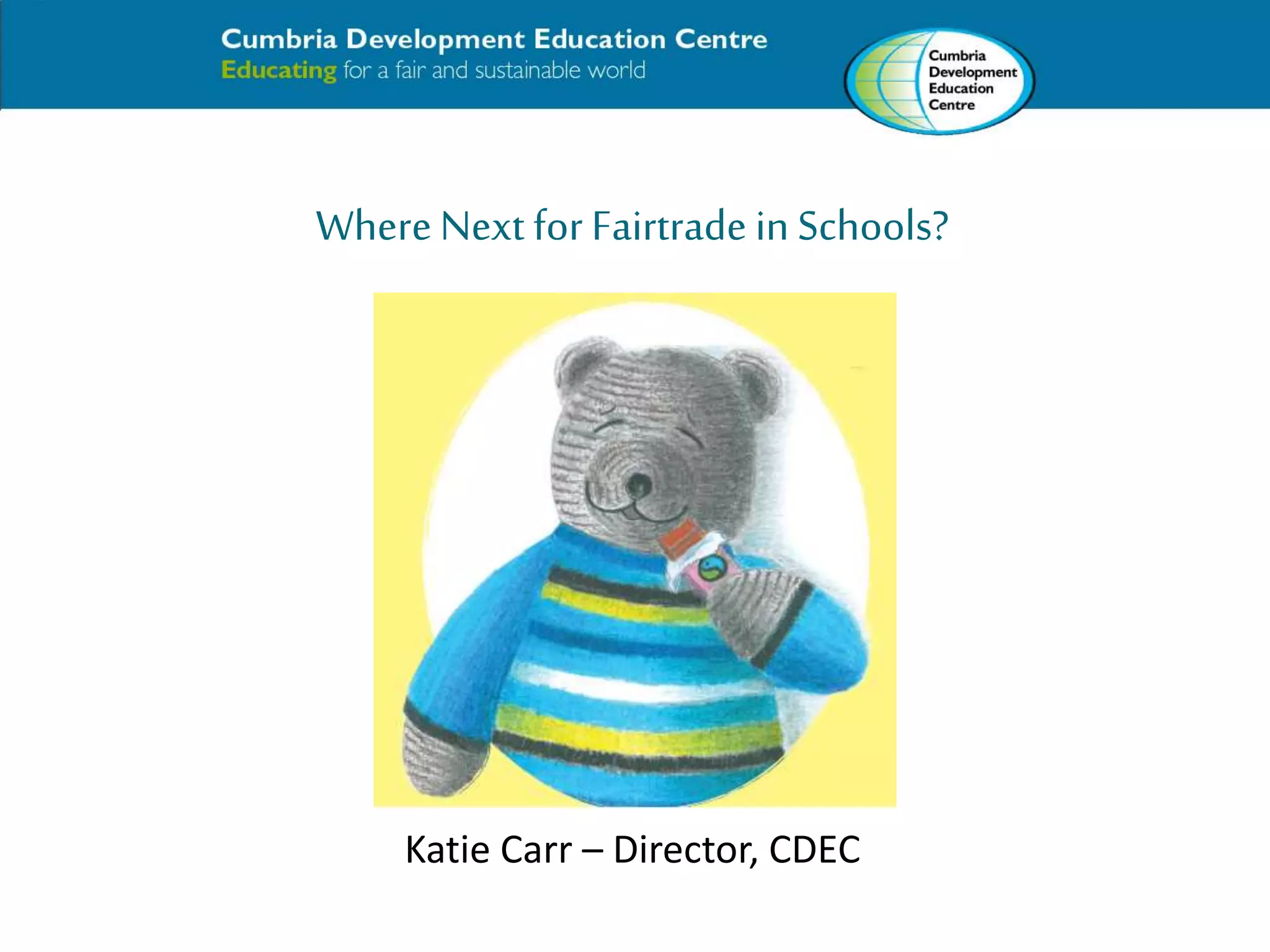
Where Next for Fairtrade in Schools? 
Katie Carr – Director, CDEC
Aims: 
• To introduce CDEC, what we do, who we are, our 
values 
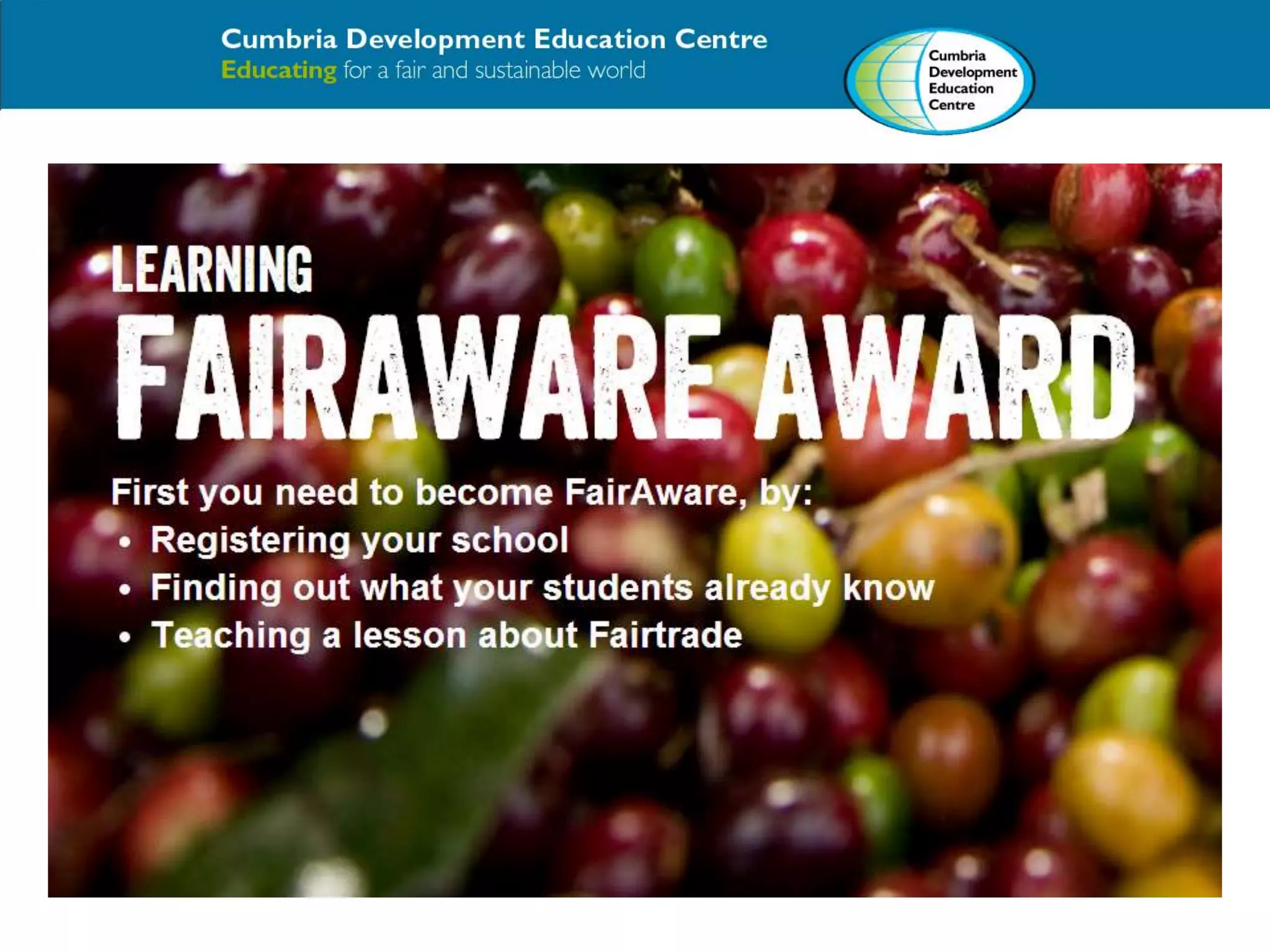
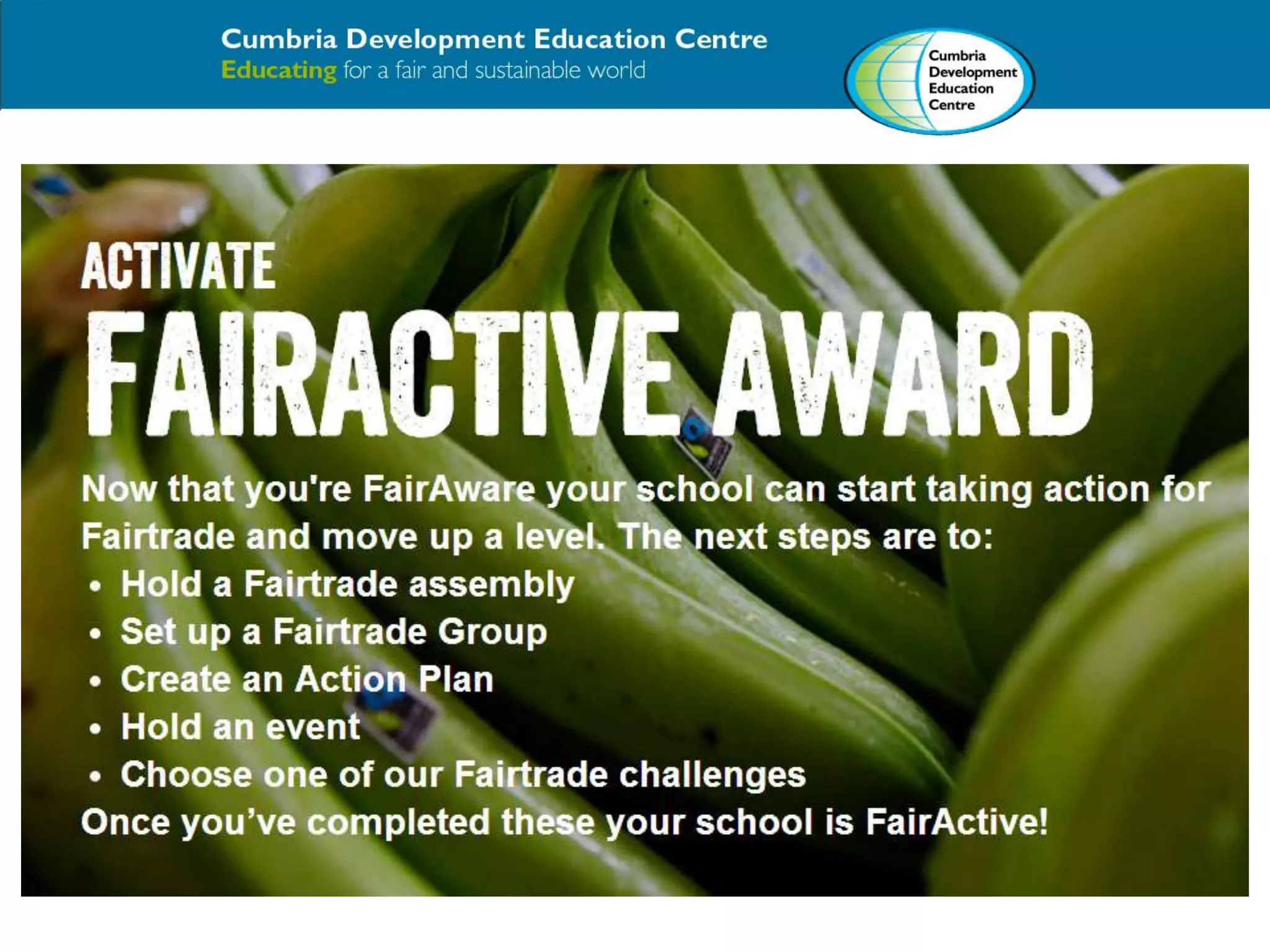
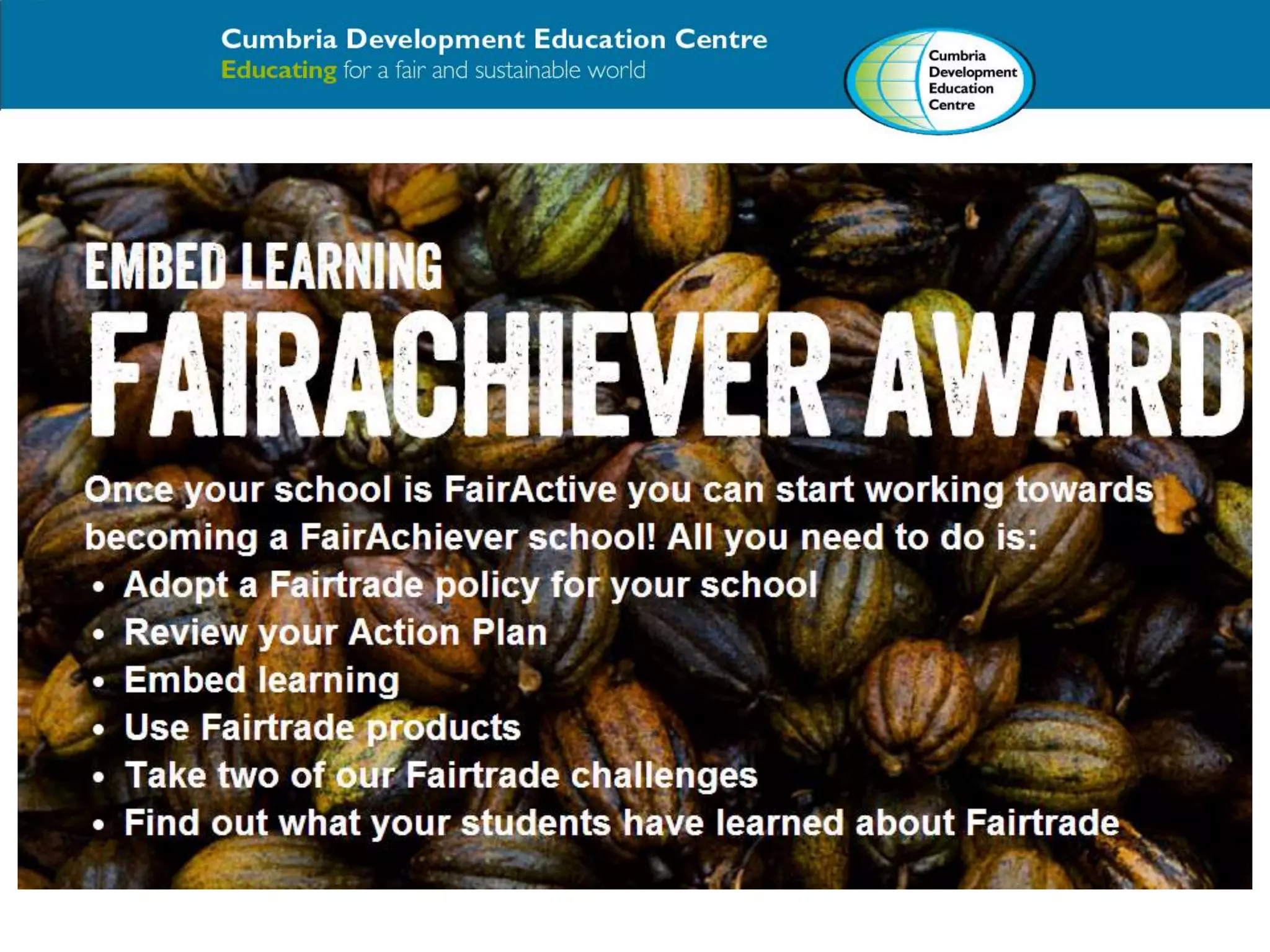
• To update audience on the recent changes to the 
FT schools award 
• To introduce ‘The World from our Doorstep’ as an 
example of engaging very young children in 
learning about FT 
• To explore ‘where next’ in terms of ‘beyond logo 
recognition’
About CDEC 
Our vision is for young people to have the 
skills and confidence to be able to face the 
challenges of today, to develop understanding 
and respect other people and places, and to 
make informed choices that have a positive 
impact on society and the world around them.
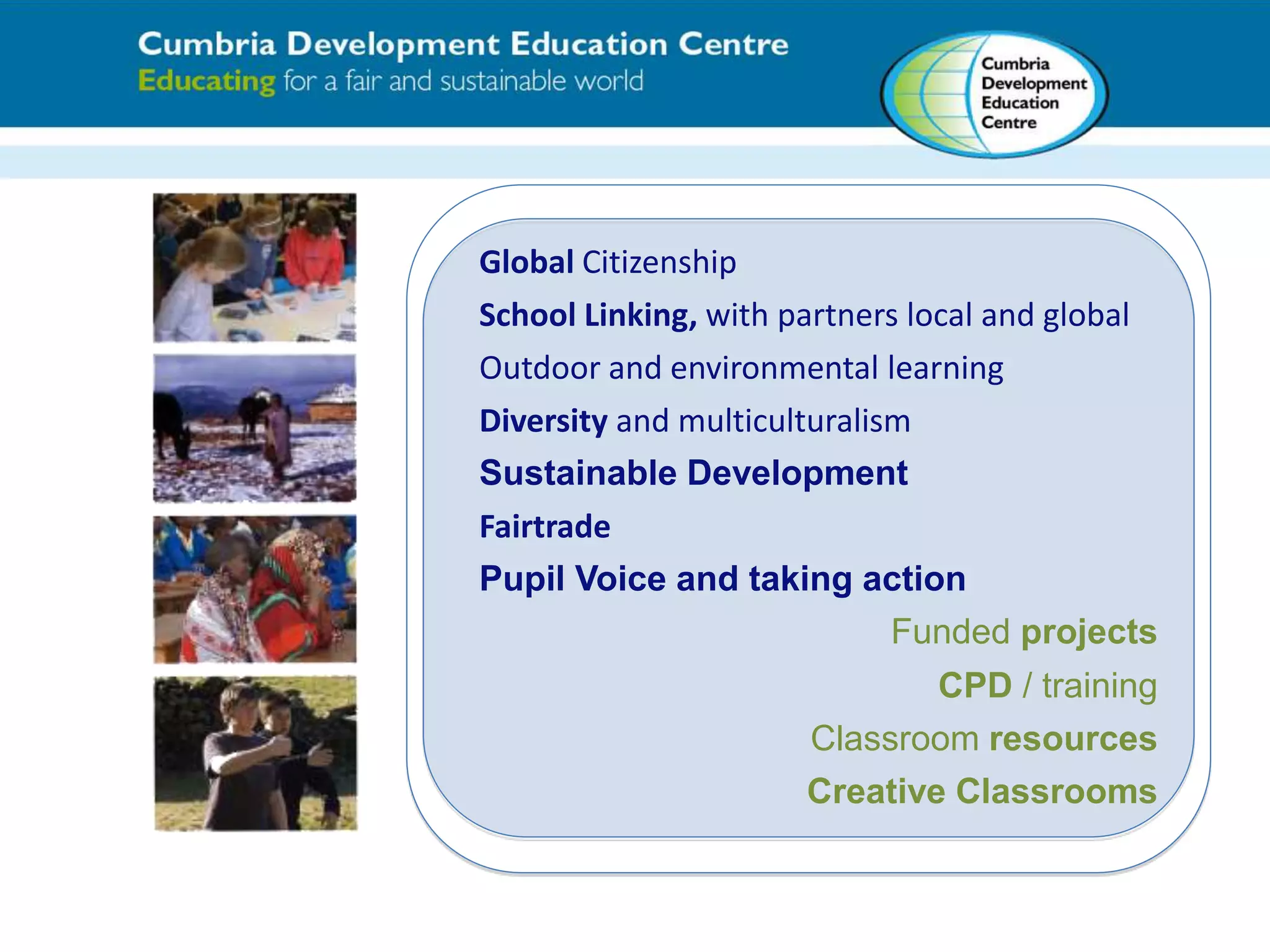
Global Citizenship 
School Linking, with partners local and global 
Outdoor and environmental learning 
Diversity and multiculturalism 
Sustainable Development 
Fairtrade 
Pupil Voice and taking action 
Funded projects 
CPD / training 
Classroom resources 
Creative Classrooms
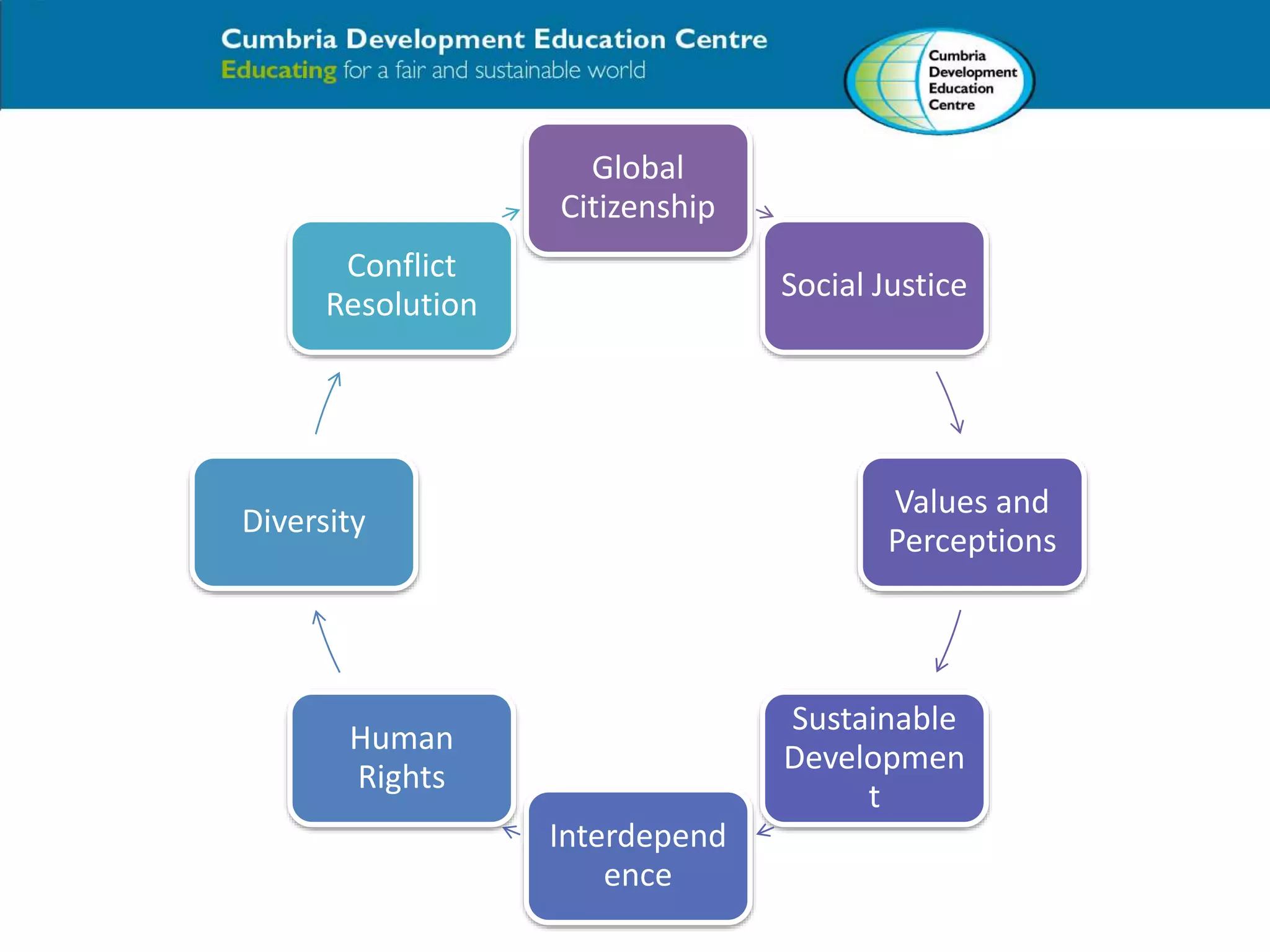
Global 
Citizenship 
Social Justice 
Values and 
Perceptions 
Sustainable 
Developmen 
t 
Interdepend 
ence 
Conflict 
Resolution 
Diversity 
Human 
Rights
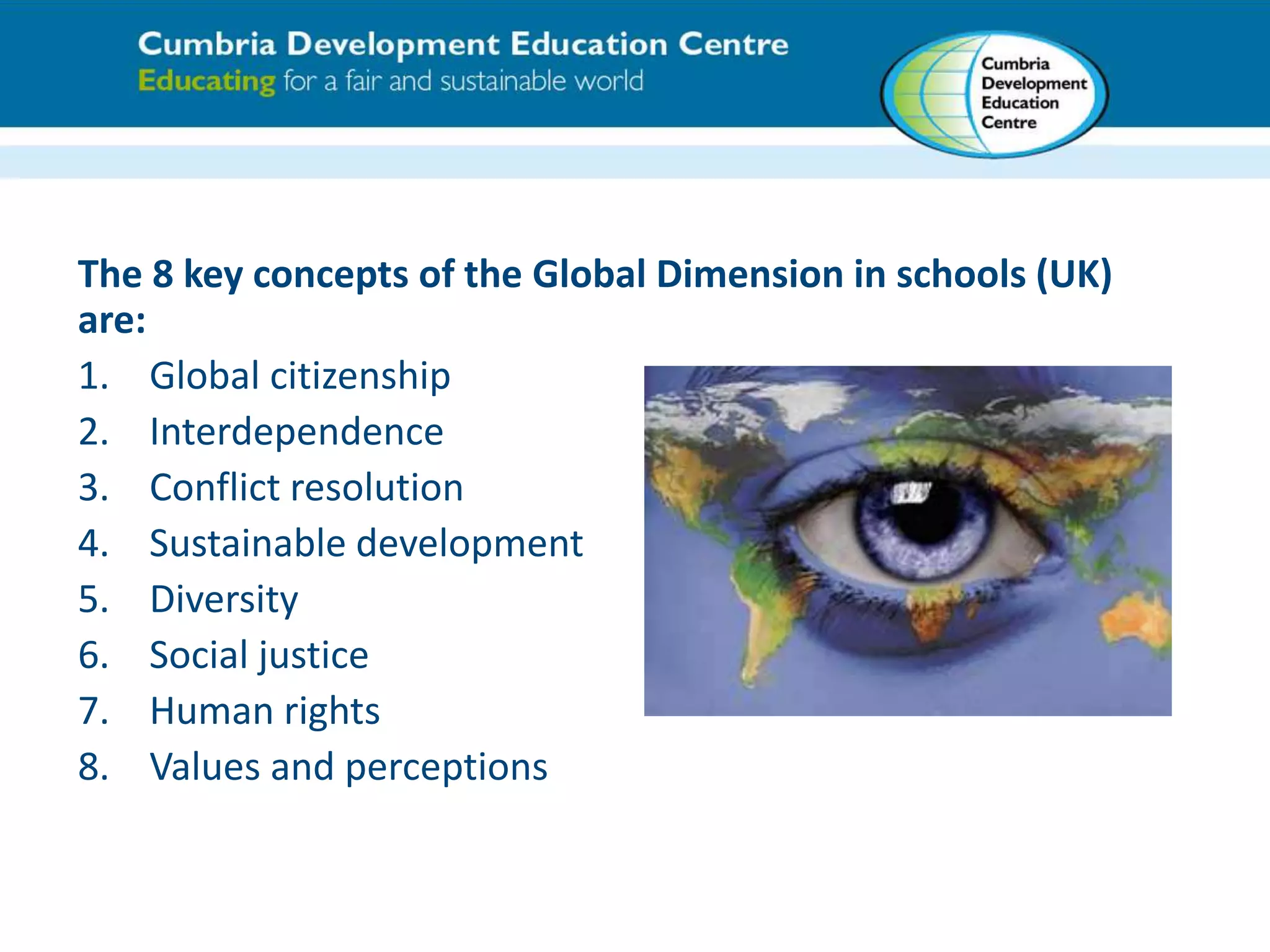
The 8 key concepts of the Global Dimension in schools (UK) 
are: 
1. Global citizenship 
2. Interdependence 
3. Conflict resolution 
4. Sustainable development 
5. Diversity 
6. Social justice 
7. Human rights 
8. Values and perceptions
• Teachers and learners can develop their knowledge 
of global issues, and of Fairtrade as a solution 
• Not just about learning ‘about’, children are 
encouraged to get involved and take action... 
• ...and understand that their small steps can really 
make a difference to people’s lives
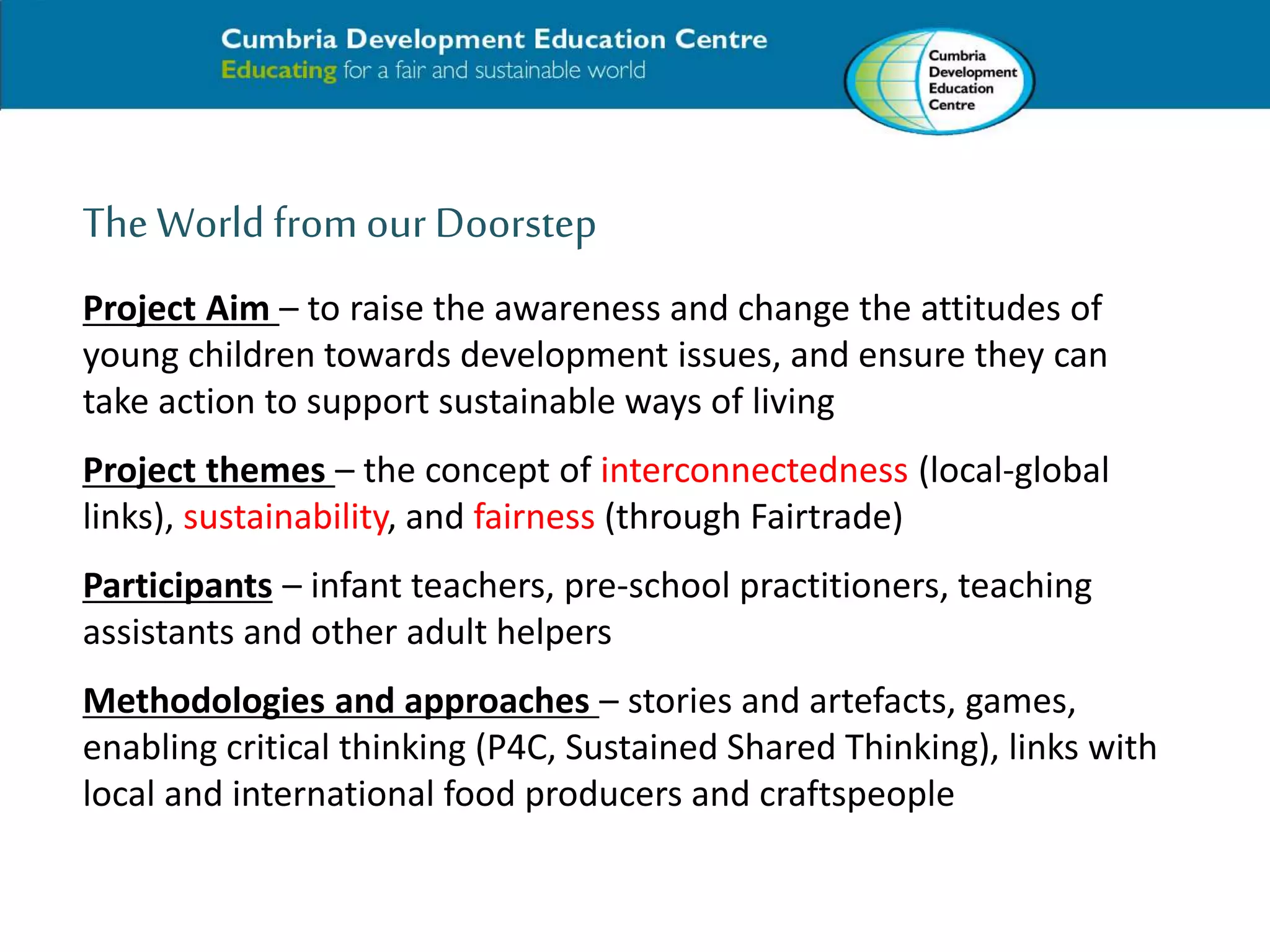
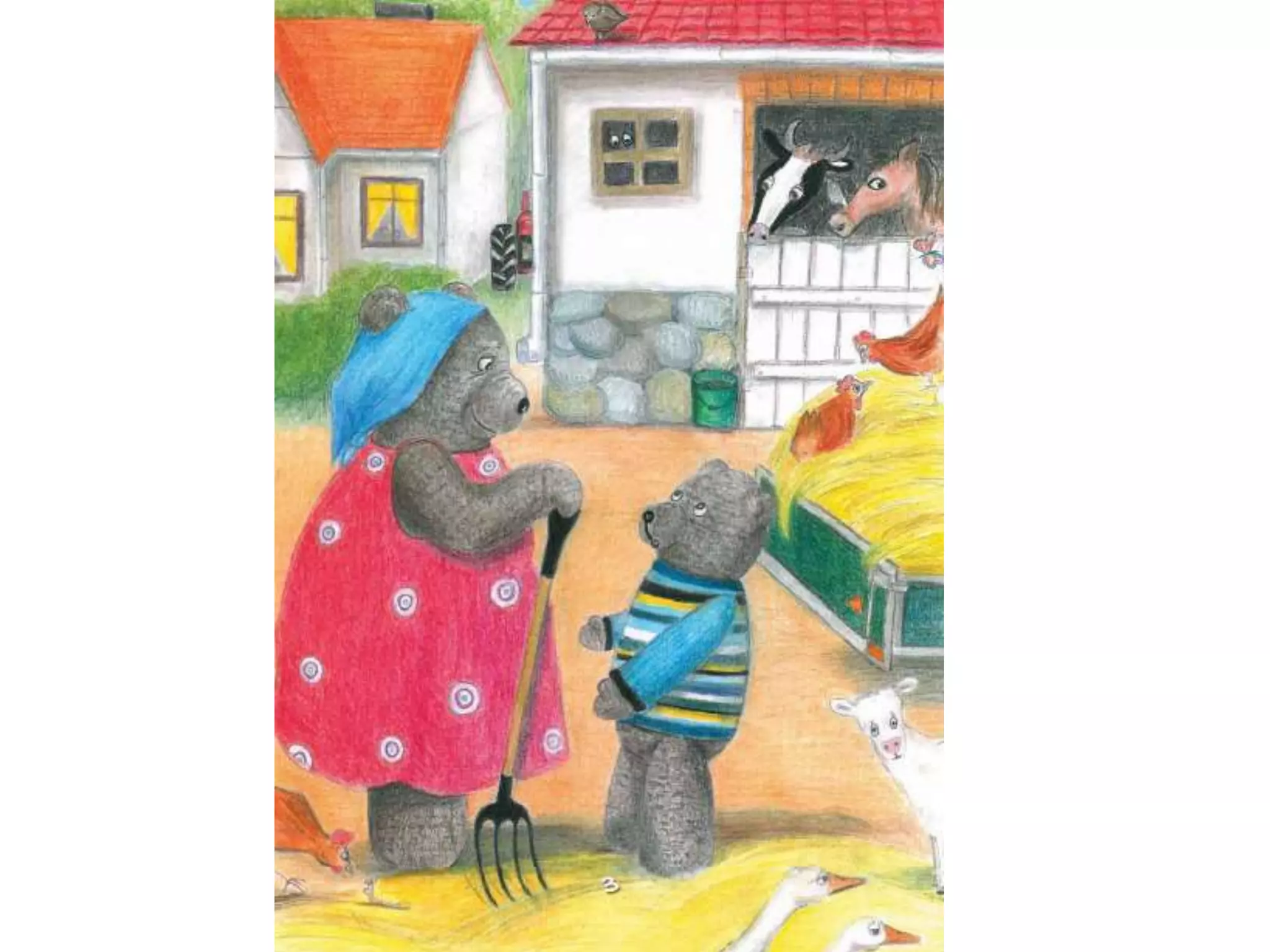
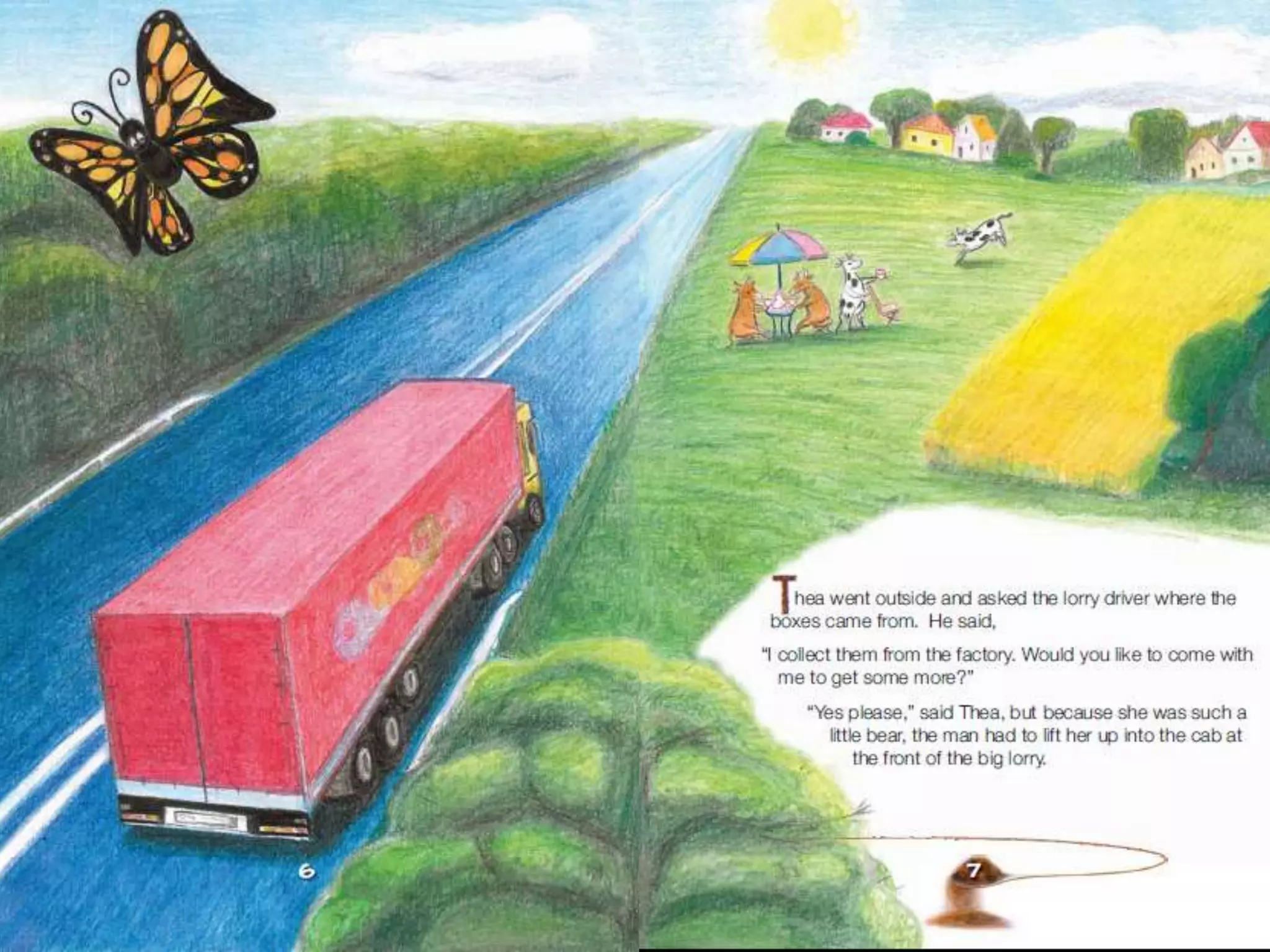
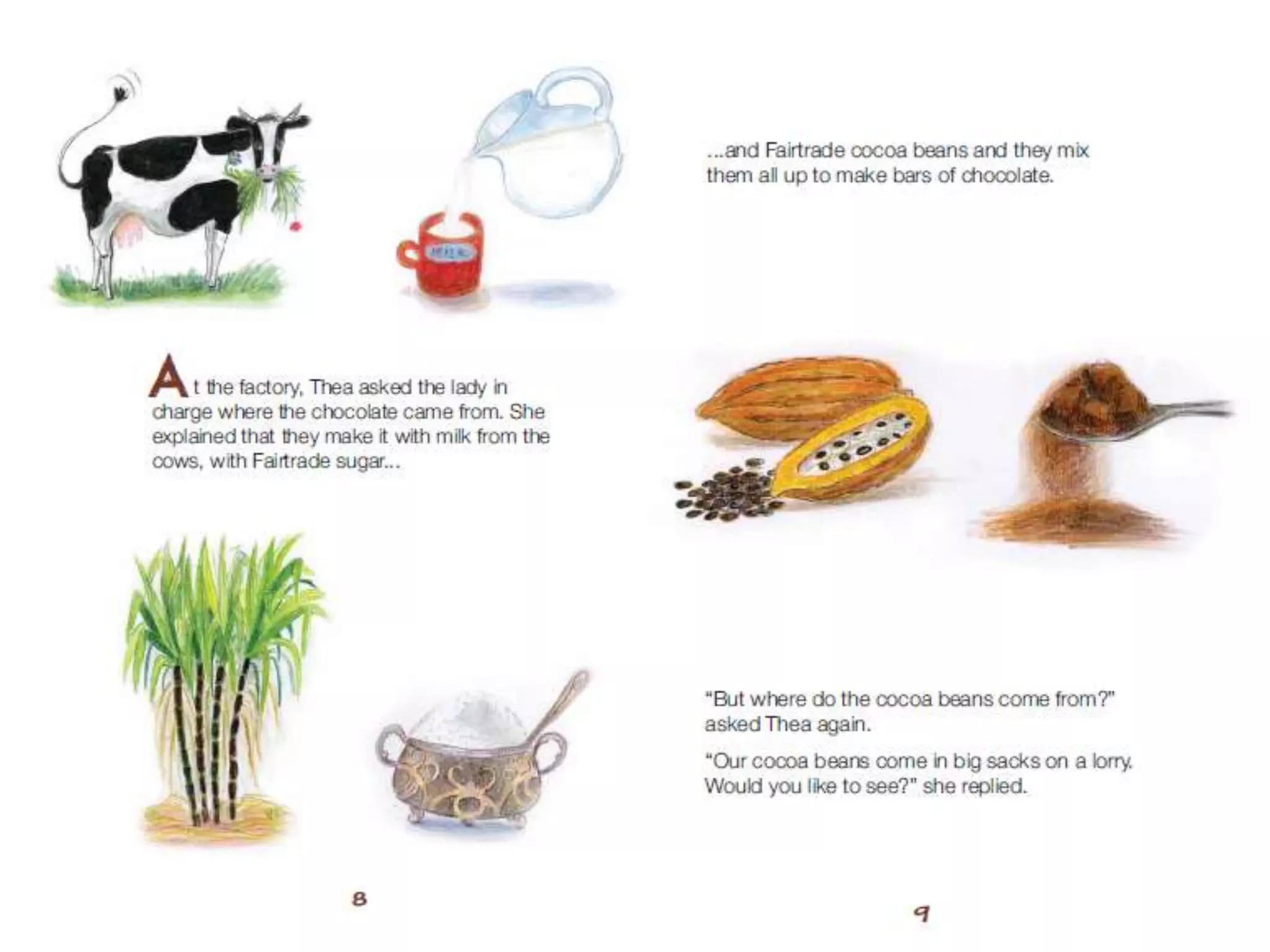
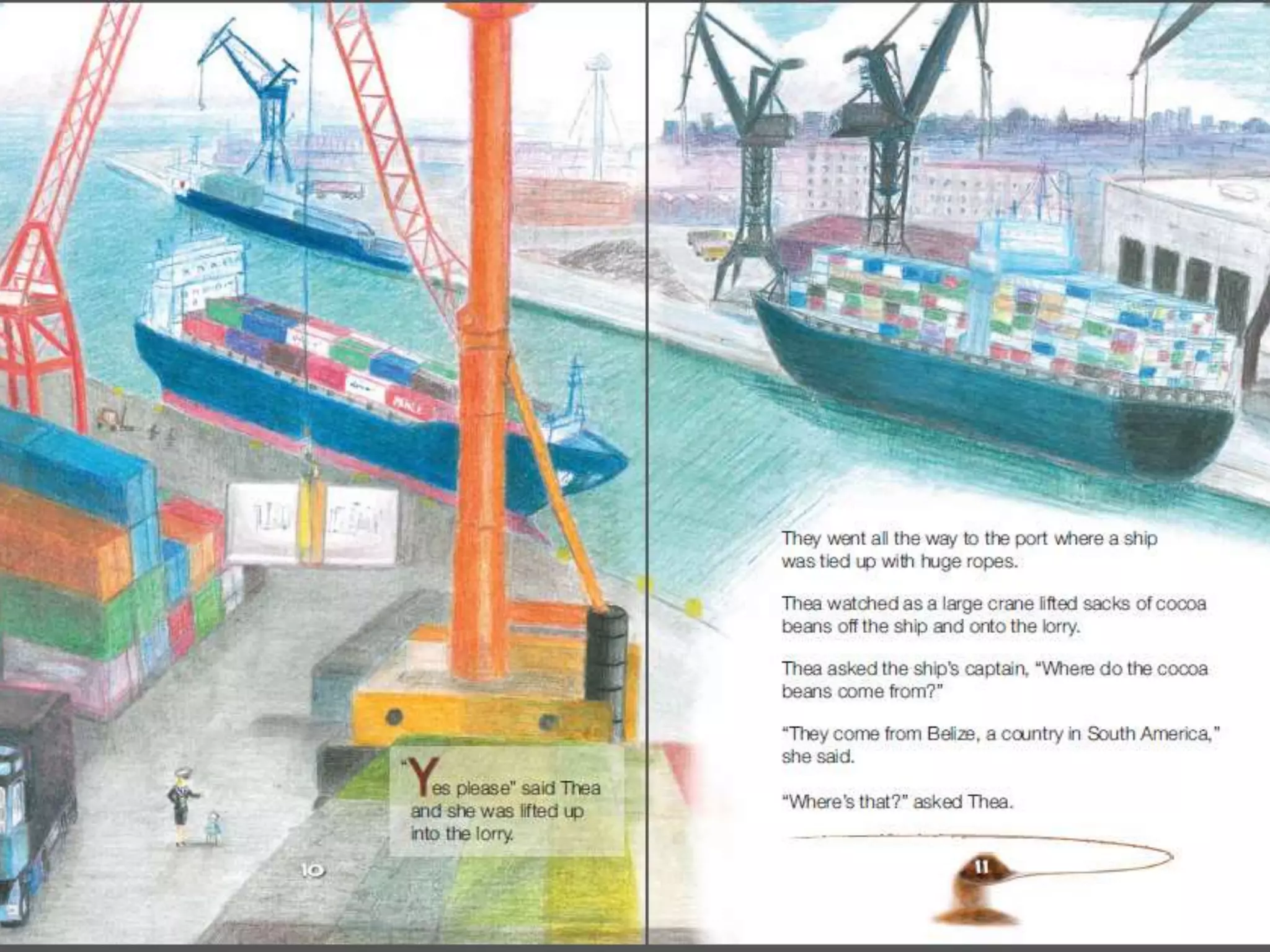
The World from our Doorstep 
Project Aim – to raise the awareness and change the attitudes of 
young children towards development issues, and ensure they can 
take action to support sustainable ways of living 
Project themes – the concept of interconnectedness (local-global 
links), sustainability, and fairness (through Fairtrade) 
Participants – infant teachers, pre-school practitioners, teaching 
assistants and other adult helpers 
Methodologies and approaches – stories and artefacts, games, 
enabling critical thinking (P4C, Sustained Shared Thinking), links with 
local and international food producers and craftspeople
Plus / Minus / Interesting
Thank you! 
katie@cdec.org.uk 
www.cdec.org.uk
Where Next for Fairtrade in Schools?

Where Next for Fairtrade in Schools?

  • 1.
    Where Next forFairtrade in Schools? Katie Carr – Director, CDEC
  • 2.
    Aims: • Tointroduce CDEC, what we do, who we are, our values • To update audience on the recent changes to the FT schools award • To introduce ‘The World from our Doorstep’ as an example of engaging very young children in learning about FT • To explore ‘where next’ in terms of ‘beyond logo recognition’
  • 3.
    About CDEC Ourvision is for young people to have the skills and confidence to be able to face the challenges of today, to develop understanding and respect other people and places, and to make informed choices that have a positive impact on society and the world around them.
  • 4.
    Global Citizenship SchoolLinking, with partners local and global Outdoor and environmental learning Diversity and multiculturalism Sustainable Development Fairtrade Pupil Voice and taking action Funded projects CPD / training Classroom resources Creative Classrooms
  • 5.
    Global Citizenship SocialJustice Values and Perceptions Sustainable Developmen t Interdepend ence Conflict Resolution Diversity Human Rights
  • 6.
    The 8 keyconcepts of the Global Dimension in schools (UK) are: 1. Global citizenship 2. Interdependence 3. Conflict resolution 4. Sustainable development 5. Diversity 6. Social justice 7. Human rights 8. Values and perceptions
  • 8.
    • Teachers andlearners can develop their knowledge of global issues, and of Fairtrade as a solution • Not just about learning ‘about’, children are encouraged to get involved and take action... • ...and understand that their small steps can really make a difference to people’s lives
  • 12.
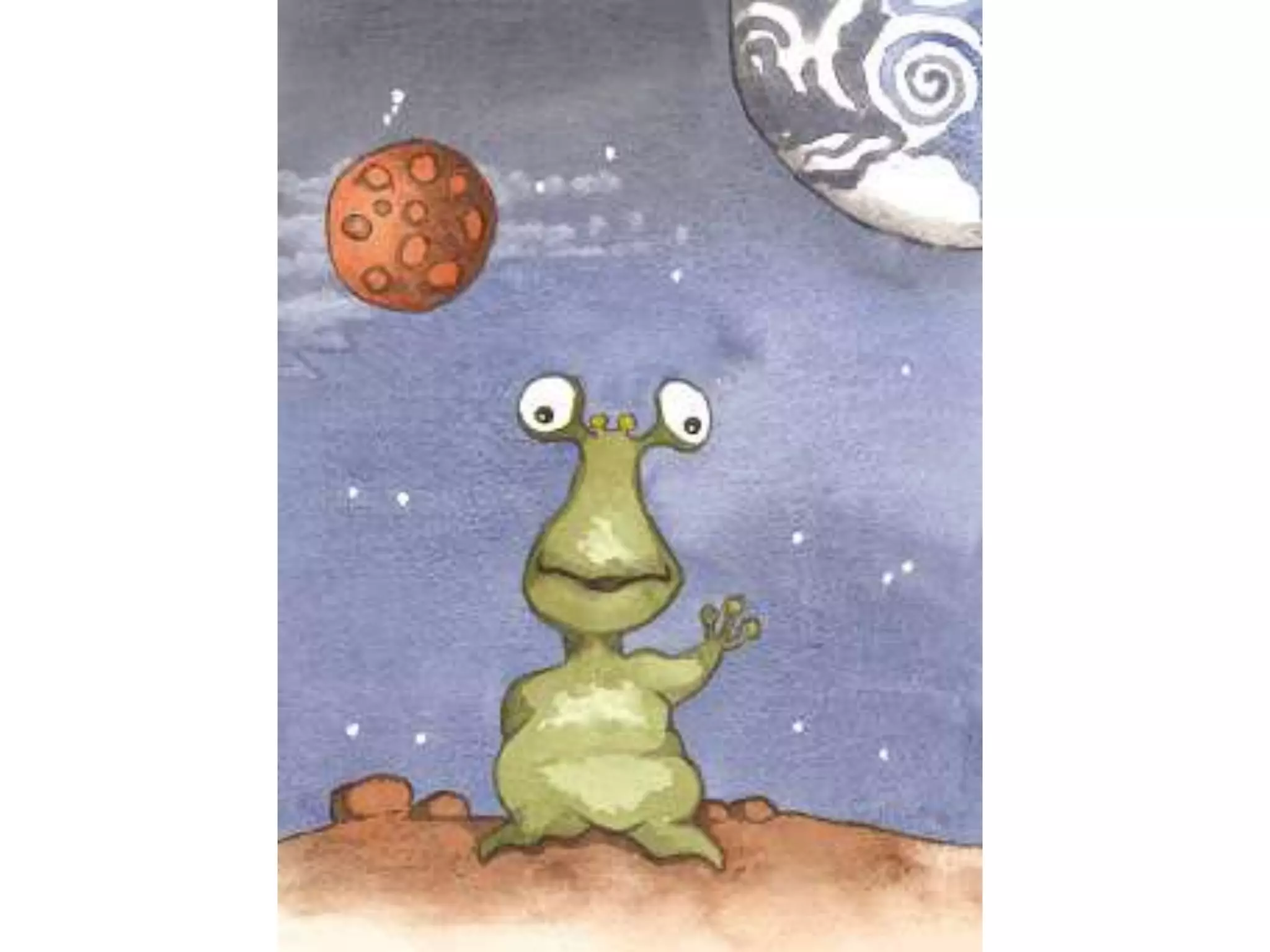
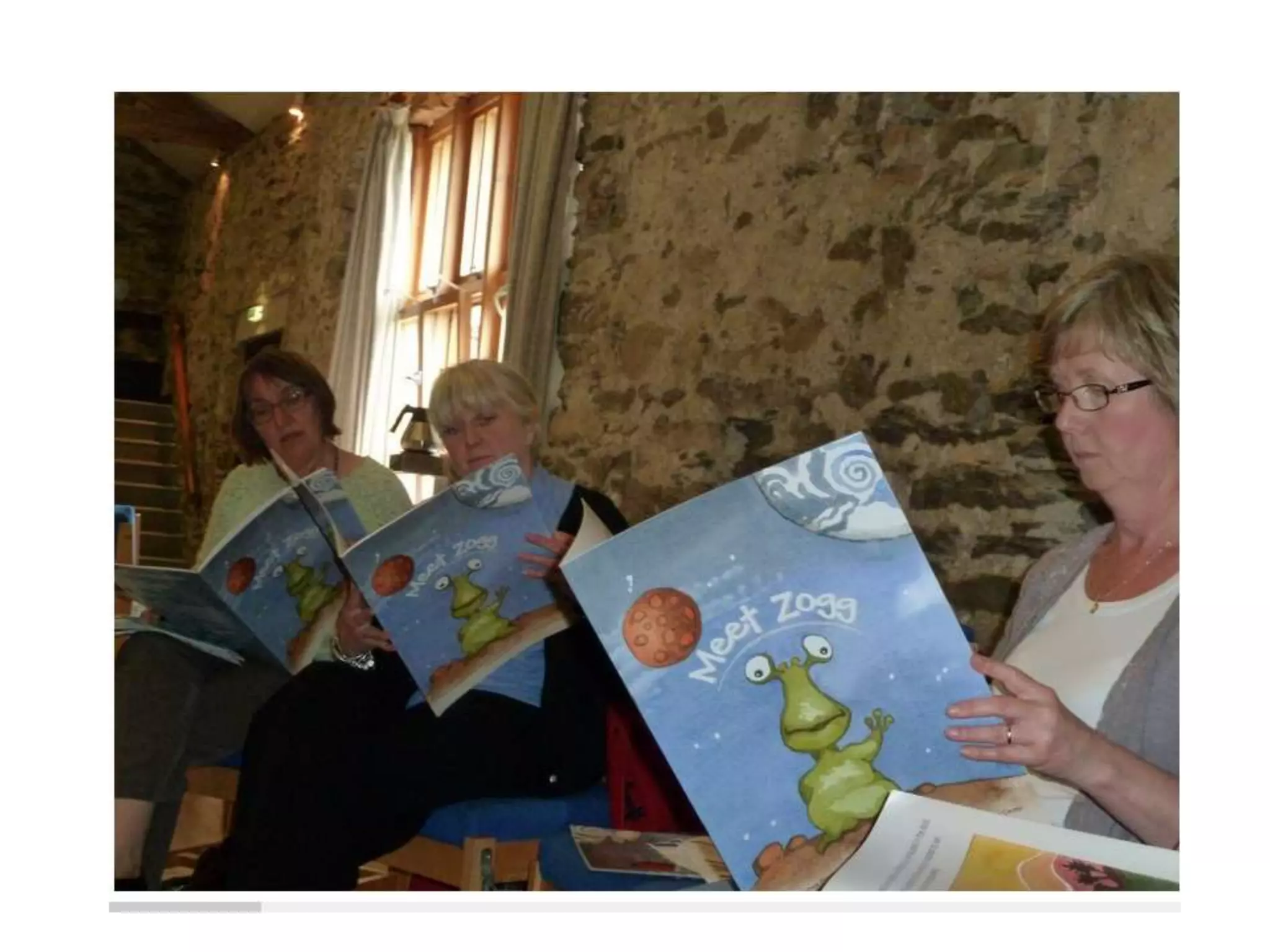
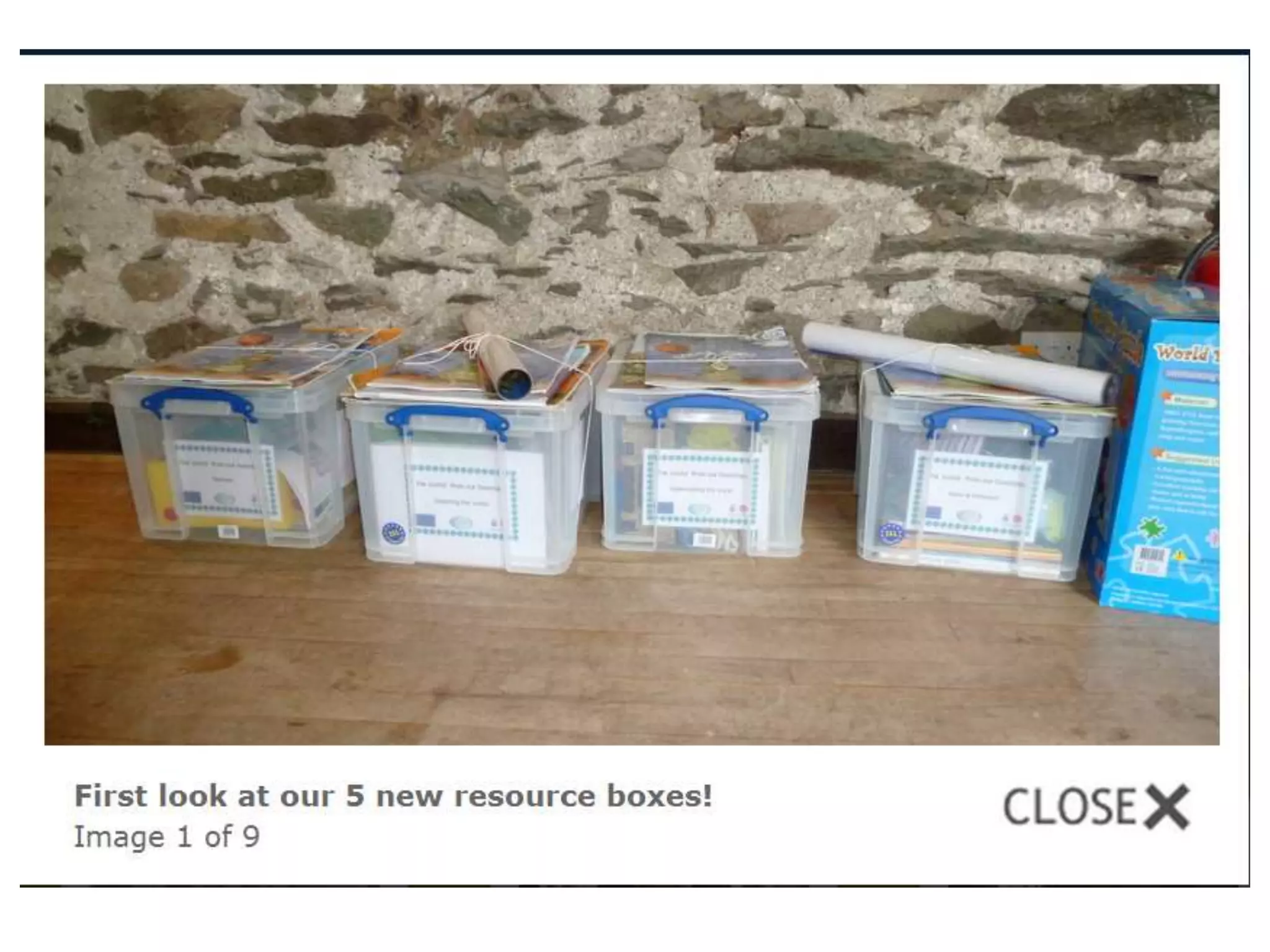
    The World fromour Doorstep Project Aim – to raise the awareness and change the attitudes of young children towards development issues, and ensure they can take action to support sustainable ways of living Project themes – the concept of interconnectedness (local-global links), sustainability, and fairness (through Fairtrade) Participants – infant teachers, pre-school practitioners, teaching assistants and other adult helpers Methodologies and approaches – stories and artefacts, games, enabling critical thinking (P4C, Sustained Shared Thinking), links with local and international food producers and craftspeople
  • 23.
    Plus / Minus/ Interesting
  • 24.

Editor's Notes

  • #6 We will be working with 16 schools and EY settings in Cumbria, plus another 20ish in Bulgaria, Poland and Cyprus. One of the main challenges, in our experience, for teachers and practitioners delivering learning around these project themes is lack of confidence around exactly what i started this session talking about, that is, the complex nature of sustainability. So we have developed an introductory set of activities which we call the Practitioner Audit. The purpose of the audit is not to ‘test’ people’s knowledge, but to introduce the project themes, to present them as ‘contestable knowledge’ – what I mean by that is there aren’t necessarily any right or wrong answers.
  • #13 We will be working with 16 schools and EY settings in Cumbria, plus another 20ish in Bulgaria, Poland and Cyprus. One of the main challenges, in our experience, for teachers and practitioners delivering learning around these project themes is lack of confidence around exactly what i started this session talking about, that is, the complex nature of sustainability. So we have developed an introductory set of activities which we call the Practitioner Audit. The purpose of the audit is not to ‘test’ people’s knowledge, but to introduce the project themes, to present them as ‘contestable knowledge’ – what I mean by that is there aren’t necessarily any right or wrong answers.
  • #25 Sum up – open for questions to both of us.