



What is DevOps?
WE HEAR A LOT ABOUT IT, BUT ARE WE SURE WE ALL REALLY
UNDERSTAND WHAT IT’S ABOUT?
The name may be
new(ish), but the
problems aren’t
BELIEVE IT OR NOT, WE CAN’T SOLVE THEM ALL YET, EVEN THOUGH
WE’VE GOT A NEW LABEL FOR OUR APPROACH!
DevOps isn’t a job role
YOU CAN’T DO THIS BY EMPLOYING A DEVOPS ENGINEER OR
MAKING A TEAM COMBINING DEVS AND OPS.
Not one size fits all
NO STRICT RULES AND NO BEST PRACTICE FOR A SET OF TOOLS TO
USE.
CAMS
CULTURE. AUTOMATION. MEASUREMENT. SHARING.
Involve all the
stakeholders
PROTIP: FOR MANY PROJECTS THAT’LL INCLUDE MOST SECTIONS OF
THE BUSINESS, AND YOU NEED THEIR BUY-IN.
Work together from day
one
IF OPS PEOPLE AREN’T INVOLVED UNTIL DEVS ARE READY TO
DEPLOY, YOU’RE ASKING FOR TROUBLE.
Get everyone talking about…
What is the scale of the system?
How secure does it need to be?
When does the business need it deployed?
What does success look like and how do you monitor?
Requirements for backups and high availability.
Futures. What is the roadmap for upgrades likely to look like?
Support load. Include your helpdesk.
Focus on entire systems
NOT SILOS OR SPECIFIC WORK CENTRES. TRY TO INCREASE ENTIRE
SYSTEM FLOW. NEVER PASS KNOWN DEFECTS DOWNSTREAM.
(THE FIRST WAY)
Practice makes perfect
IF YOU’RE STRUGGLING TO DO DEPLOYMENTS, TRY DOING THEM
MORE FREQUENTLY, NOT LESS.
You don’t have to do 10
releases a day
ALTHOUGH DEVOPS SHOULD REDUCE THE COST AND RISK OF DOING
SO, AND YOU GET CUSTOMER FEEDBACK QUICKER.
Reduce WIP and time to
value
IDENTIFY BOTTLENECKS AND RUTHLESSLY REMOVE THEM.
Automate all that you
can
MAKE EVERYTHING REPRODUCIBLE – SUCCESS AND FAILURE.
Tools can help
BUT DON’T LET A PARTICULAR TOOL LEAD YOU DOWN A PATH IF IT’S
NOT RIGHT.
Use tooling across Dev & Ops for…
Version control.
Automating builds and deployment.
Tracking bugs.
Configuring consistent infrastructure platform across tiers.
Continuous integration.
Integrated testing.
Develop code and
config hand in hand
…BUT KEEP THEM SEPARATE. INFRASTRUCTURE AS CODE.
Avoid configuration in a
GUI
EVEN WITH A GOOD RUNBOOK, IF YOU RELY ON PEOPLE DOING
THINGS MANUALLY THEY WILL MAKE MISTAKES.
Feedback loops for
everything
MAKE SUCCESS/FAILURE OF EVERY FUNCTION VISIBLE TO EVERYONE.
RAPID ITERATION SHORTENS AND AMPLIFIES FEEDBACK LOOPS.
(THE SECOND WAY)
Test continuously
DON’T MAKE TESTING A PHASE THAT YOU PASS THROUGH AND SIGN
OFF AS DONE.
Troubleshoot in the
open
USE COLLABORATIVE TOOLS, SUCH AS IM, AND BE VERBOSE AS YOU
WORK ON PROBLEMS. GOAL: MINIMIZE MTTR.
Experiment continually
TAKE RISKS. FAIL QUICKLY. LEARN FROM FAILURES AND IMPROVE
RESILIENCE OF THE SYSTEM. REWARD RISK TAKING.
(THE THIRD WAY)
Are your improvements
really improvements?
SOMETHING MAY BE FASTER/BETTER/MORE SECURE, BUT IS IT
REALLY ADVANCING THE GOAL?
To DevOps, or not to
DevOps
WEB/MOBILE APPS? CLOUD BASED? MISSION CRITICAL? LIFE
CRITICAL?
So what is DevOps
really?
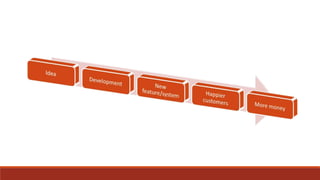
ESSENTIALLY IT’S JUST ABOUT STREAMLINING AND CONTINUALLY
IMPROVING FLOW OF THE VALUE STREAM
What is DevOps?

What is DevOps?

  • 1.
    What is DevOps? WEHEAR A LOT ABOUT IT, BUT ARE WE SURE WE ALL REALLY UNDERSTAND WHAT IT’S ABOUT?
  • 2.
    The name maybe new(ish), but the problems aren’t BELIEVE IT OR NOT, WE CAN’T SOLVE THEM ALL YET, EVEN THOUGH WE’VE GOT A NEW LABEL FOR OUR APPROACH!
  • 4.
    DevOps isn’t ajob role YOU CAN’T DO THIS BY EMPLOYING A DEVOPS ENGINEER OR MAKING A TEAM COMBINING DEVS AND OPS.
  • 5.
    Not one sizefits all NO STRICT RULES AND NO BEST PRACTICE FOR A SET OF TOOLS TO USE.
  • 6.
  • 7.
    Involve all the stakeholders PROTIP:FOR MANY PROJECTS THAT’LL INCLUDE MOST SECTIONS OF THE BUSINESS, AND YOU NEED THEIR BUY-IN.
  • 8.
    Work together fromday one IF OPS PEOPLE AREN’T INVOLVED UNTIL DEVS ARE READY TO DEPLOY, YOU’RE ASKING FOR TROUBLE.
  • 9.
    Get everyone talkingabout… What is the scale of the system? How secure does it need to be? When does the business need it deployed? What does success look like and how do you monitor? Requirements for backups and high availability. Futures. What is the roadmap for upgrades likely to look like? Support load. Include your helpdesk.
  • 10.
    Focus on entiresystems NOT SILOS OR SPECIFIC WORK CENTRES. TRY TO INCREASE ENTIRE SYSTEM FLOW. NEVER PASS KNOWN DEFECTS DOWNSTREAM. (THE FIRST WAY)
  • 11.
    Practice makes perfect IFYOU’RE STRUGGLING TO DO DEPLOYMENTS, TRY DOING THEM MORE FREQUENTLY, NOT LESS.
  • 12.
    You don’t haveto do 10 releases a day ALTHOUGH DEVOPS SHOULD REDUCE THE COST AND RISK OF DOING SO, AND YOU GET CUSTOMER FEEDBACK QUICKER.
  • 13.
    Reduce WIP andtime to value IDENTIFY BOTTLENECKS AND RUTHLESSLY REMOVE THEM.
  • 14.
    Automate all thatyou can MAKE EVERYTHING REPRODUCIBLE – SUCCESS AND FAILURE.
  • 15.
    Tools can help BUTDON’T LET A PARTICULAR TOOL LEAD YOU DOWN A PATH IF IT’S NOT RIGHT.
  • 16.
    Use tooling acrossDev & Ops for… Version control. Automating builds and deployment. Tracking bugs. Configuring consistent infrastructure platform across tiers. Continuous integration. Integrated testing.
  • 17.
    Develop code and confighand in hand …BUT KEEP THEM SEPARATE. INFRASTRUCTURE AS CODE.
  • 18.
    Avoid configuration ina GUI EVEN WITH A GOOD RUNBOOK, IF YOU RELY ON PEOPLE DOING THINGS MANUALLY THEY WILL MAKE MISTAKES.
  • 19.
    Feedback loops for everything MAKESUCCESS/FAILURE OF EVERY FUNCTION VISIBLE TO EVERYONE. RAPID ITERATION SHORTENS AND AMPLIFIES FEEDBACK LOOPS. (THE SECOND WAY)
  • 20.
    Test continuously DON’T MAKETESTING A PHASE THAT YOU PASS THROUGH AND SIGN OFF AS DONE.
  • 21.
    Troubleshoot in the open USECOLLABORATIVE TOOLS, SUCH AS IM, AND BE VERBOSE AS YOU WORK ON PROBLEMS. GOAL: MINIMIZE MTTR.
  • 22.
    Experiment continually TAKE RISKS.FAIL QUICKLY. LEARN FROM FAILURES AND IMPROVE RESILIENCE OF THE SYSTEM. REWARD RISK TAKING. (THE THIRD WAY)
  • 23.
    Are your improvements reallyimprovements? SOMETHING MAY BE FASTER/BETTER/MORE SECURE, BUT IS IT REALLY ADVANCING THE GOAL?
  • 24.
    To DevOps, ornot to DevOps WEB/MOBILE APPS? CLOUD BASED? MISSION CRITICAL? LIFE CRITICAL?
  • 25.
    So what isDevOps really? ESSENTIALLY IT’S JUST ABOUT STREAMLINING AND CONTINUALLY IMPROVING FLOW OF THE VALUE STREAM