WHAT BUSINESS
WANTS FROM
GRADUATES…
     Mary Risner
     UF Center for Latin American Studies
     UF Center for International Business Education and Research
     (CIBER)
     2011 Southern Business Education Association
     Orlando, FL
Objectives/Overview

   Highlight needs of current workforce
   Share career perspectives of business people
    and business students
   Reflect on how educators can better prepare
    students for their careers
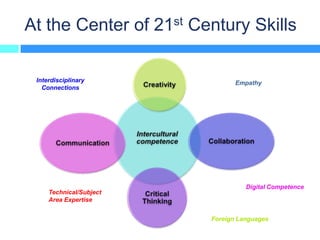
At the Center of 21st Century Skills

 Interdisciplinary              Empathy
   Connections


                                   Digital Competence
     Technical/Subject
     Area Expertise


                         Foreign Languages
Value of Liberal Arts
       Babson College president, Leonard
  Schlesinger, argues that “concrete business
    skills tend to expire in five years or so, as
 technology and organizations change. History
 and philosophy, on the other hand, provide the
  kind of contextual knowledge and reasoning
    skills that are indispensable for business
                      students”.

Glen, D. (2011). For Business Majors, Easy Does It. The Chronicle of Higher
Education. LVII (33), A1-A5.
Employers Dissatisfied with International
Skills/ Cultural Awareness

   The CBI’s new Education and Skills Survey 2011
    shows that employability skills are the most
    important factor considered when employers
    recruit. 4 in 5 employers (82%) value these skills.

  The survey showed that amongst the poorest
   performing of the so-called employability skills
   exhibited by school-leavers were international
   cultural awareness skills.
http://www.think-global.org.uk/news/blog-
item.asp?n=12723
Question 1

How have cultural knowledge, experiences, and
  communication skills played a role in your
     educational background, including
       coursework, internships, etc.?
Jessica- Microfinance Industry


Cultural knowledge and communication skills played a
critical role in my educational experience. For example, my
fluency in the Spanish language along with my academic
interest in the business environment in Mexico was
essential in my internship with the US Commercial Service
sector in Mexico City. My internship also influenced my
academic experience because it provided a contextual
reference to my studies and on the ground experience.
Louise- Public Relations

   I was born and partially raised in Brazil, and upon
    moving to Florida, I was exposed to not only English but
    Spanish as well. The classrooms might as well have
    been United Nations conference rooms, as there were
    so many people from different areas of the world.
    Everyone brought a different perspective to the
    table, and whether you notice it or not, it broadens your
    mind. My roommates in college ranged from Haiti to
    Qatar and Honduras, and that’s exactly how I wanted it.
Question 2


What are the daily skills that are needed in the
              international work
       in which you currently engage?
Ed-Deloitte Consultant

   Language is a BIG plus - understanding all of the side
    conversations, interacting with more senior executives
    (particularly in Sales functions) who may not speak
    English as well, or just being able to interpret e-mails as
    they are forwarded or data as it is sent is all much easier
    with language understanding.

   Cultural awareness is also critical. My colleagues who
    work internationally less frequently tend to become
    impatient, have unrealistic deadlines, or are otherwise
    culturally biased when we are working overseas. This
    can lead to frustration or, worse, misunderstandings with
    our clients if not corrected.
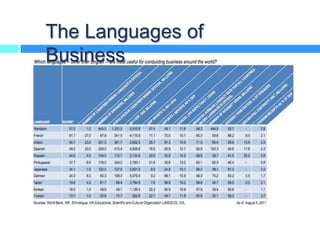
The Languages of
Business
Jorge, Government Affairs
   First, understanding the language and culture of a
    region are very important as it gives you and
    instant connection to the local population. you are
    always more welcome when you can
    communicate in the local language even if they
    speak your language. They see that as an effort
    on your part to understand them better. I am a
    native speaker but I see this even when I travel
    with non-native speakers that make an effort to
    communicate with the local population in Spanish.
    They may not always get it right but its
    appreciated.
“Halo Effect”


 First impressions with the international client

http://www.youtube.com/watch?v=y2uQYH8tqcM&feature=cha
   nnel Language, Business, and the “Halo” Effect ( 1.5
                        minutes)
Question 3

What advice would you give to current educators
                 in preparing
            students with cultural
 knowledge, experiences, and communication
                    skills?
Chris-CSX Logistics

Keeping weekly to monthly communication with
students who are from the specific areas that
educators are teaching about, other professors who
have done research, expats, etc. will allow educators
to have a better and more accurate picture of what
they are educating their students on. For example:
Information coming from a Colombian student or an
American expat who has been working in Colombia
for the past 10 years will provide educators with a
much more detailed and accurate picture of the
Colombian culture than what someone may find from
a book or older research.
Carmenza- Economic Development
Council


They need to continue preparing students in world
issues, world geography, history, languages such as
Spanish, Portuguese, German, Chinese Mandarin and
others so that they can succeed in international business
and be the best in the world. I am a believer that our future
generation has to be better prepared and more cultural
oriented than our current generation.
Business Student Testimonials

   Http://dev.warrington.ufl.edu/sb/intlprograms/

   Personal development
   Academic commitment
   Intercultural development
   Career development
Class Activities

   Interview professionals (podcasts)
   Reflect and compare with US- Hofstede’s
    Dimensions
   Visit bi-national chambers and trade office
    websites for job descriptions
Career Resources

 http://nble.org/career-spotlight/
 http://nble.org/advocacy/

 http://www.geert-hofstede.com/

 NSEP Flagship- Preparing Global
  Professionals
http://nble.org/wpcontent/uploads/2009/12/what_
business_wants_report_final_7_09.pdf
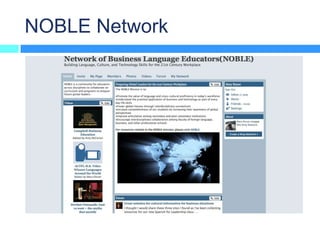
NOBLE Network
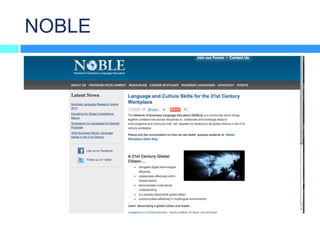
NOBLE
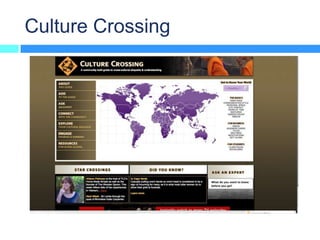
Culture Crossing
Contact

               Mary Risner
          mrisner@latam.ufl.edu

                Twitter
            @langforcareers

What Business Wants from Graduates

  • 1.
    WHAT BUSINESS WANTS FROM GRADUATES… Mary Risner UF Center for Latin American Studies UF Center for International Business Education and Research (CIBER) 2011 Southern Business Education Association Orlando, FL
  • 3.
    Objectives/Overview  Highlight needs of current workforce  Share career perspectives of business people and business students  Reflect on how educators can better prepare students for their careers
  • 4.
    At the Centerof 21st Century Skills Interdisciplinary Empathy Connections Digital Competence Technical/Subject Area Expertise Foreign Languages
  • 5.
    Value of LiberalArts Babson College president, Leonard Schlesinger, argues that “concrete business skills tend to expire in five years or so, as technology and organizations change. History and philosophy, on the other hand, provide the kind of contextual knowledge and reasoning skills that are indispensable for business students”. Glen, D. (2011). For Business Majors, Easy Does It. The Chronicle of Higher Education. LVII (33), A1-A5.
  • 6.
    Employers Dissatisfied withInternational Skills/ Cultural Awareness  The CBI’s new Education and Skills Survey 2011 shows that employability skills are the most important factor considered when employers recruit. 4 in 5 employers (82%) value these skills.  The survey showed that amongst the poorest performing of the so-called employability skills exhibited by school-leavers were international cultural awareness skills. http://www.think-global.org.uk/news/blog- item.asp?n=12723
  • 7.
    Question 1 How havecultural knowledge, experiences, and communication skills played a role in your educational background, including coursework, internships, etc.?
  • 8.
    Jessica- Microfinance Industry Culturalknowledge and communication skills played a critical role in my educational experience. For example, my fluency in the Spanish language along with my academic interest in the business environment in Mexico was essential in my internship with the US Commercial Service sector in Mexico City. My internship also influenced my academic experience because it provided a contextual reference to my studies and on the ground experience.
  • 9.
    Louise- Public Relations  I was born and partially raised in Brazil, and upon moving to Florida, I was exposed to not only English but Spanish as well. The classrooms might as well have been United Nations conference rooms, as there were so many people from different areas of the world. Everyone brought a different perspective to the table, and whether you notice it or not, it broadens your mind. My roommates in college ranged from Haiti to Qatar and Honduras, and that’s exactly how I wanted it.
  • 10.
    Question 2 What arethe daily skills that are needed in the international work in which you currently engage?
  • 11.
    Ed-Deloitte Consultant  Language is a BIG plus - understanding all of the side conversations, interacting with more senior executives (particularly in Sales functions) who may not speak English as well, or just being able to interpret e-mails as they are forwarded or data as it is sent is all much easier with language understanding.  Cultural awareness is also critical. My colleagues who work internationally less frequently tend to become impatient, have unrealistic deadlines, or are otherwise culturally biased when we are working overseas. This can lead to frustration or, worse, misunderstandings with our clients if not corrected.
  • 12.
  • 13.
    Jorge, Government Affairs  First, understanding the language and culture of a region are very important as it gives you and instant connection to the local population. you are always more welcome when you can communicate in the local language even if they speak your language. They see that as an effort on your part to understand them better. I am a native speaker but I see this even when I travel with non-native speakers that make an effort to communicate with the local population in Spanish. They may not always get it right but its appreciated.
  • 14.
    “Halo Effect” Firstimpressions with the international client http://www.youtube.com/watch?v=y2uQYH8tqcM&feature=cha nnel Language, Business, and the “Halo” Effect ( 1.5 minutes)
  • 15.
    Question 3 What advicewould you give to current educators in preparing students with cultural knowledge, experiences, and communication skills?
  • 16.
    Chris-CSX Logistics Keeping weeklyto monthly communication with students who are from the specific areas that educators are teaching about, other professors who have done research, expats, etc. will allow educators to have a better and more accurate picture of what they are educating their students on. For example: Information coming from a Colombian student or an American expat who has been working in Colombia for the past 10 years will provide educators with a much more detailed and accurate picture of the Colombian culture than what someone may find from a book or older research.
  • 17.
    Carmenza- Economic Development Council Theyneed to continue preparing students in world issues, world geography, history, languages such as Spanish, Portuguese, German, Chinese Mandarin and others so that they can succeed in international business and be the best in the world. I am a believer that our future generation has to be better prepared and more cultural oriented than our current generation.
  • 18.
    Business Student Testimonials  Http://dev.warrington.ufl.edu/sb/intlprograms/  Personal development  Academic commitment  Intercultural development  Career development
  • 19.
    Class Activities  Interview professionals (podcasts)  Reflect and compare with US- Hofstede’s Dimensions  Visit bi-national chambers and trade office websites for job descriptions
  • 20.
    Career Resources  http://nble.org/career-spotlight/ http://nble.org/advocacy/  http://www.geert-hofstede.com/  NSEP Flagship- Preparing Global Professionals http://nble.org/wpcontent/uploads/2009/12/what_ business_wants_report_final_7_09.pdf
  • 21.
  • 22.
  • 23.
  • 24.
    Contact Mary Risner mrisner@latam.ufl.edu Twitter @langforcareers