"The need for
imagination, a sense
of truth and a feeling
of responsibility-
these are the three
forces which are the
very nerve of
education."
- Rudolf Steiner.
“The Best Education for a well-
rounded Child”
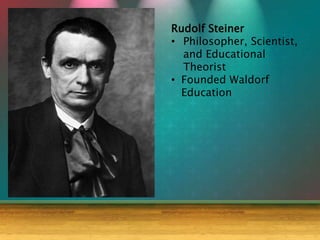
Rudolf Steiner
• Philosopher, Scientist,
and Educational
Theorist
• Founded Waldorf
Education
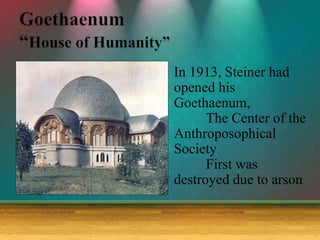
In 1913, Steiner had
opened his
Goethaenum,
The Center of the
Anthroposophical
Society
First was
destroyed due to arson
 Anthroposophy, originating from
'anthropos' meaning man and 'sophia'
meaning wisdom.
 Emil Molt: The Waldorf Cigarette Factory
 September 7, 1919: the “Independent
Waldorf School“ (Die Freie Waldorfschule)
opened.
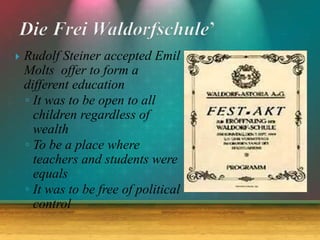
 Rudolf Steiner accepted Emil
Molts offer to form a
different education
◦ It was to be open to all
children regardless of
wealth
◦ To be a place where
teachers and students were
equals
◦ It was to be free of political
control
 is an integrated and holistic education,
designed to provide for the balanced
development of intellectual, artistic and
imaginative capacities and practical life skills.
AIM :
- is to educate the whole child,
"head, heart and hands"
 Education of the whole child
through the integration of the
arts, humanities and sciences.
*Starts from early childhood to
Grade 12.
If we want students to be innovative,
what type of environment might support
this?
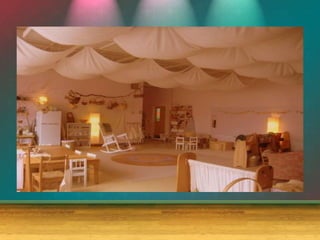
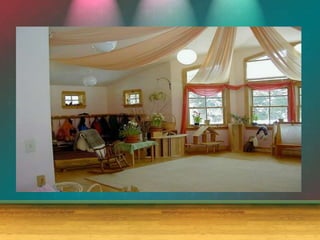
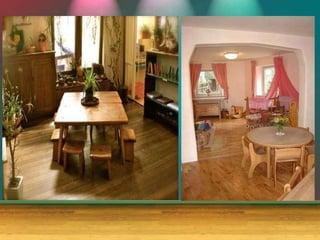
• Creative and aesthetic
learning environments
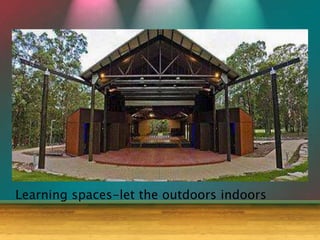
Learning spaces-let the outdoors indoors
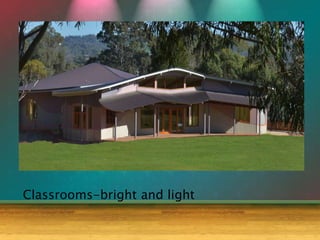
Classrooms-bright and light
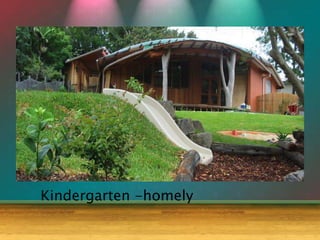
Kindergarten -homely
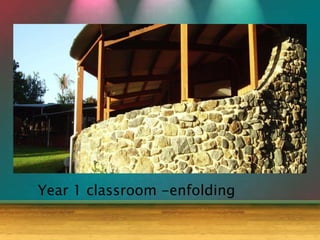
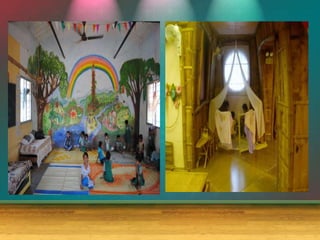
Year 1 classroom -enfolding
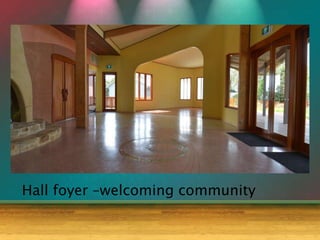
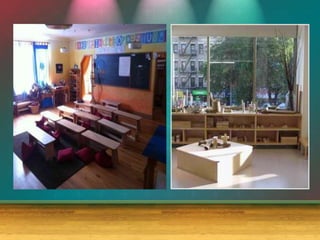
Hall foyer –welcoming community
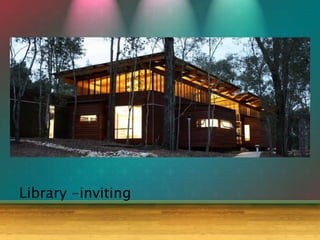
Library -inviting
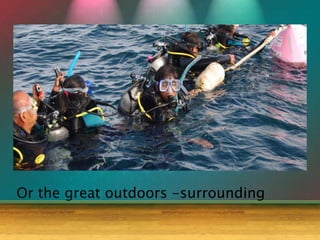
Or the great outdoors -surrounding
 The underpinning philosophy of the Steiner
curriculum is to meet the needs of the child
at three significant stages:
 (0 –7) -Early Childhood (Goodness) Engaging
Will
 (7 –14) –Primary (Beauty) Engaging Feelings
 (14 –21) –Adolescence (Truth) Engaging
Thinking
 The young child mimics everything in
the environment uncritically-not only
the sounds of speech, the gestures of
people, but also the attitudes and
values of parents and peers.
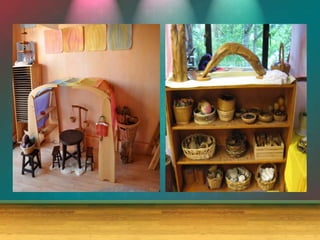
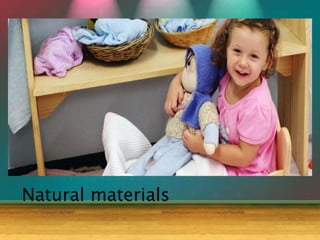
 Toys in the nursery are made from
nature‘s gifts: wood, sea shells,
stones, pine cones, lamb‘s wool. The
simpler the toys the more active can
the children‘s imagination be - and so
is the ground better prepared for a
fertile mind.
 Characterized by children actively learning
through imitation and their own creative
experience, in a safe, natural and loving
environment.
 Experience life around them.
 Peacefulness, music, story- telling
 No pressures
 Child- centered approach
 Teachers intimately involve with their
students
“Accept children with reverence, educate
them with love, send them forth in freedom”.
-Rudolf Steiner
They don’t have textbooks.
 Why Waldorf is the fastest growing
independent school movement in the
world?
- holistic
- humanity
- educational experiences
 Teaching in a broader way.
 Reading and Writing taught differently
 Literacy is one of main task in
Education
 Reading and Writing in Early
Childhood through play, problem-
solving and engagement.
Torin Finser
“And when knowledge is based
through warmth of learning and
interest, knowledge is retained.
And when knowledge is
impressed as an abstraction,
cramming for the next test, you
forget it all, right away,
afterward”
PhD
 In the Waldorf curriculum, writing is
taught before reading. The alphabet is
explored as a way to communicate with
others through pictures. This allows
writing to evolve out of the art and
doodles of children, instead of from their
ability to read and reproduce written
content.
 Nurtures the joy of learning, sense of
discovery, exploration, through the
way in which the material are brought
into the classroom. Rather than
presenting theories that have to be
memorize and then examples given.
Natural materials
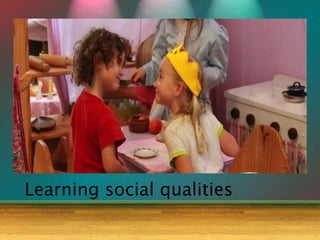
Learning social qualities
 Active learning periods
 Quiet- working sessions
 As the child enters Primary School,
the earlier stage of imitation
expands into a need for applied
learning and a guiding authority.
 As the child moves through these
years, the faculty for more
sequential and logical thought
begins to unfold.
 Optimal stage for nurturing
imagination.
 Curriculum content, cognitive
development and skill-building are
approached through pictorial and
imaginative presentation, embodying
narrative, creative writing, the visual
arts, music, drama and movement.
 This fostering of the feeling life,
enables the students to live into, and
engage more fully, with the academic
material.
 The timing of curriculum contentis
carefully matched to meet the
children’s developmental and
emotionalneeds
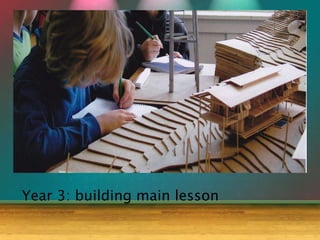
Year 3: building main lesson
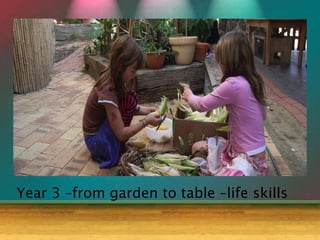
Year 3 –from garden to table –life skills
 There are no "textbooks" as such in the
first through fifth grades. All children
have "main lesson books", which are
their own workbooks which they fill in
during the course of the year.
 Learning in a Waldorf school is a
noncompetitive activity.
 The use of electronic media, particularly
television, by young children is strongly
discouraged in Waldorf schools.
 Creative writing, reading, spelling,
grammar, poetry and drama.
 Medieval history, Renaissance, world
exploration, American history and
biography.
 Geography, physics, basic chemistry,
astronomy, geology and physiology.
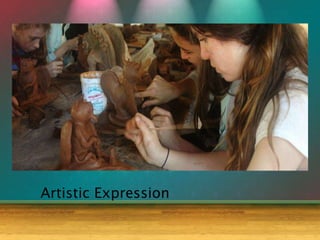
Artistic Expression
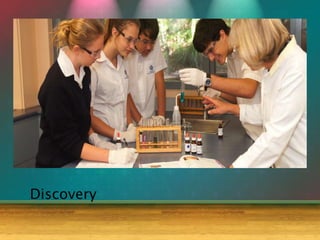
Discovery
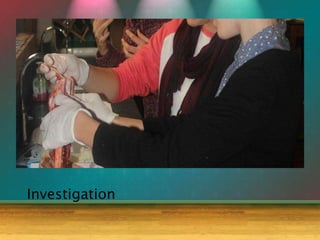
Investigation
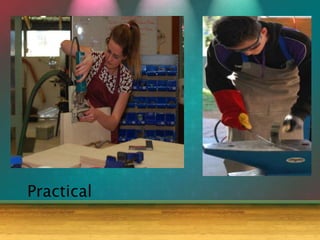
Practical
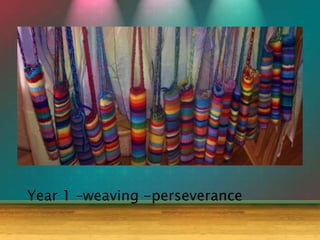
Year 1 –weaving -perseverance
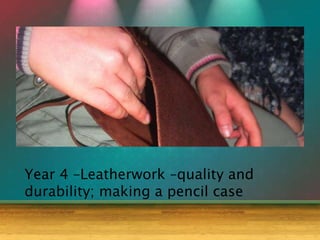
Year 4 –Leatherwork –quality and
durability; making a pencil case
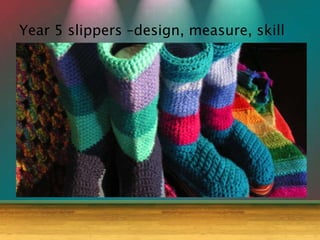
Year 5 slippers –design, measure, skill
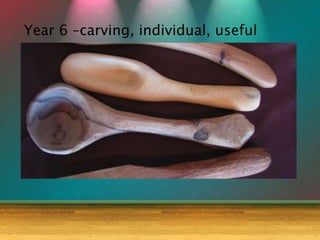
Year 6 –carving, individual, useful
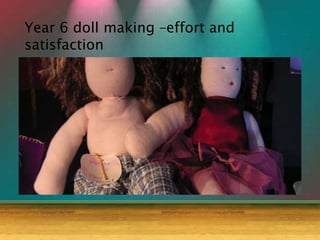
Year 6 doll making –effort and
satisfaction
Are Waldorf schools religious?
Waldorf schools, however, tend to be spiritually
oriented and are based out of a generally Christian
perspective. The historic festivals of Christianity,
and of other major religions as well, are observed
in the class rooms and in school assemblies.
Classes in religious doctrine are not part of the
Waldorf curriculum, and children of all religious
backgrounds attend Waldorf schools. Spiritual
guidance is aimed at awakening the child's natural
reverence for the wonder and beauty of life.
What is eurythmy?
Eurythmy is a dance-like art form in which
music or speech are expressed in bodily
movement; specific movements correspond to
particular notes or sounds. It has also been
called "visible speech" or "visible song".
Eurythmy enhances coordination and
strengthens the ability to listen. When children
experience themselves like an orchestra and
have to keep a clear relationship in space with
each other, a social strengthening also results.
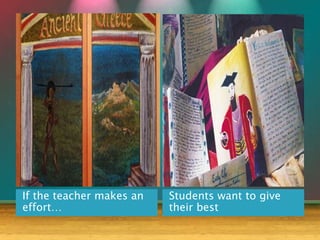
If the teacher makes an
effort…
Students want to give
their best
Same vision for the future
A slightly different way…
Preparing young adults to find
purpose and
direction in their lives.
“We don’t hurry. We let children be
children and adolescents be
adolescents.”
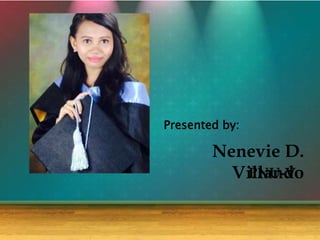
Nenevie D.
VillandoPNU-V
Presented by:

Waldorf Education

  • 1.
    "The need for imagination,a sense of truth and a feeling of responsibility- these are the three forces which are the very nerve of education." - Rudolf Steiner.
  • 2.
    “The Best Educationfor a well- rounded Child”
  • 3.
    Rudolf Steiner • Philosopher,Scientist, and Educational Theorist • Founded Waldorf Education
  • 4.
    In 1913, Steinerhad opened his Goethaenum, The Center of the Anthroposophical Society First was destroyed due to arson
  • 5.
     Anthroposophy, originatingfrom 'anthropos' meaning man and 'sophia' meaning wisdom.  Emil Molt: The Waldorf Cigarette Factory  September 7, 1919: the “Independent Waldorf School“ (Die Freie Waldorfschule) opened.
  • 6.
     Rudolf Steineraccepted Emil Molts offer to form a different education ◦ It was to be open to all children regardless of wealth ◦ To be a place where teachers and students were equals ◦ It was to be free of political control
  • 7.
     is anintegrated and holistic education, designed to provide for the balanced development of intellectual, artistic and imaginative capacities and practical life skills. AIM : - is to educate the whole child, "head, heart and hands"
  • 8.
     Education ofthe whole child through the integration of the arts, humanities and sciences. *Starts from early childhood to Grade 12.
  • 9.
    If we wantstudents to be innovative, what type of environment might support this? • Creative and aesthetic learning environments
  • 10.
    Learning spaces-let theoutdoors indoors
  • 11.
  • 12.
  • 13.
    Year 1 classroom-enfolding
  • 14.
  • 15.
  • 16.
    Or the greatoutdoors -surrounding
  • 17.
     The underpinningphilosophy of the Steiner curriculum is to meet the needs of the child at three significant stages:  (0 –7) -Early Childhood (Goodness) Engaging Will  (7 –14) –Primary (Beauty) Engaging Feelings  (14 –21) –Adolescence (Truth) Engaging Thinking
  • 18.
     The youngchild mimics everything in the environment uncritically-not only the sounds of speech, the gestures of people, but also the attitudes and values of parents and peers.  Toys in the nursery are made from nature‘s gifts: wood, sea shells, stones, pine cones, lamb‘s wool. The simpler the toys the more active can the children‘s imagination be - and so is the ground better prepared for a fertile mind.
  • 25.
     Characterized bychildren actively learning through imitation and their own creative experience, in a safe, natural and loving environment.  Experience life around them.  Peacefulness, music, story- telling  No pressures  Child- centered approach
  • 26.
     Teachers intimatelyinvolve with their students “Accept children with reverence, educate them with love, send them forth in freedom”. -Rudolf Steiner They don’t have textbooks.
  • 27.
     Why Waldorfis the fastest growing independent school movement in the world? - holistic - humanity - educational experiences  Teaching in a broader way.
  • 28.
     Reading andWriting taught differently  Literacy is one of main task in Education  Reading and Writing in Early Childhood through play, problem- solving and engagement.
  • 29.
    Torin Finser “And whenknowledge is based through warmth of learning and interest, knowledge is retained. And when knowledge is impressed as an abstraction, cramming for the next test, you forget it all, right away, afterward” PhD
  • 30.
     In theWaldorf curriculum, writing is taught before reading. The alphabet is explored as a way to communicate with others through pictures. This allows writing to evolve out of the art and doodles of children, instead of from their ability to read and reproduce written content.
  • 31.
     Nurtures thejoy of learning, sense of discovery, exploration, through the way in which the material are brought into the classroom. Rather than presenting theories that have to be memorize and then examples given.
  • 32.
  • 33.
  • 36.
     Active learningperiods  Quiet- working sessions
  • 37.
     As thechild enters Primary School, the earlier stage of imitation expands into a need for applied learning and a guiding authority.  As the child moves through these years, the faculty for more sequential and logical thought begins to unfold.
  • 38.
     Optimal stagefor nurturing imagination.  Curriculum content, cognitive development and skill-building are approached through pictorial and imaginative presentation, embodying narrative, creative writing, the visual arts, music, drama and movement.
  • 39.
     This fosteringof the feeling life, enables the students to live into, and engage more fully, with the academic material.  The timing of curriculum contentis carefully matched to meet the children’s developmental and emotionalneeds
  • 40.
    Year 3: buildingmain lesson
  • 42.
    Year 3 –fromgarden to table –life skills
  • 43.
     There areno "textbooks" as such in the first through fifth grades. All children have "main lesson books", which are their own workbooks which they fill in during the course of the year.  Learning in a Waldorf school is a noncompetitive activity.  The use of electronic media, particularly television, by young children is strongly discouraged in Waldorf schools.
  • 44.
     Creative writing,reading, spelling, grammar, poetry and drama.  Medieval history, Renaissance, world exploration, American history and biography.  Geography, physics, basic chemistry, astronomy, geology and physiology.
  • 45.
  • 46.
  • 47.
  • 48.
  • 49.
    Year 1 –weaving-perseverance
  • 50.
    Year 4 –Leatherwork–quality and durability; making a pencil case
  • 51.
    Year 5 slippers–design, measure, skill
  • 52.
    Year 6 –carving,individual, useful
  • 53.
    Year 6 dollmaking –effort and satisfaction
  • 56.
    Are Waldorf schoolsreligious? Waldorf schools, however, tend to be spiritually oriented and are based out of a generally Christian perspective. The historic festivals of Christianity, and of other major religions as well, are observed in the class rooms and in school assemblies. Classes in religious doctrine are not part of the Waldorf curriculum, and children of all religious backgrounds attend Waldorf schools. Spiritual guidance is aimed at awakening the child's natural reverence for the wonder and beauty of life.
  • 57.
    What is eurythmy? Eurythmyis a dance-like art form in which music or speech are expressed in bodily movement; specific movements correspond to particular notes or sounds. It has also been called "visible speech" or "visible song". Eurythmy enhances coordination and strengthens the ability to listen. When children experience themselves like an orchestra and have to keep a clear relationship in space with each other, a social strengthening also results.
  • 58.
    If the teachermakes an effort… Students want to give their best
  • 59.
    Same vision forthe future A slightly different way… Preparing young adults to find purpose and direction in their lives. “We don’t hurry. We let children be children and adolescents be adolescents.”
  • 60.