Vestmannæyjar, Iceland
     (Westman Islands)

     September 2011
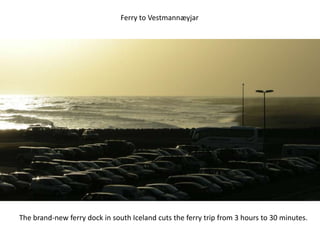
Ferry to Vestmannæyjar


The brand-new ferry dock in south Iceland cuts the ferry trip from 3 hours to 30 minutes.
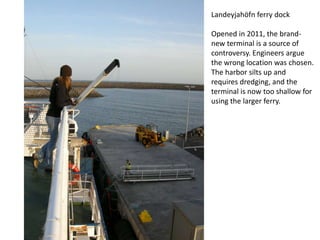
Landeyjahöfn ferry dock

Opened in 2011, the brand-
new terminal is a source of
controversy. Engineers argue
the wrong location was chosen.
The harbor silts up and
requires dredging, and the
terminal is now too shallow for
using the larger ferry.
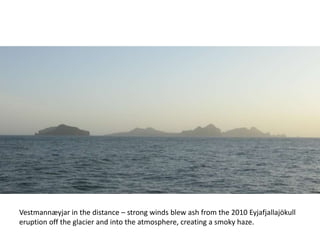
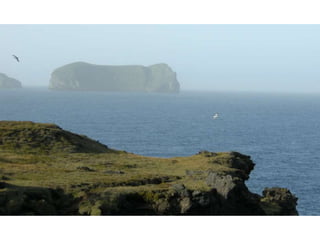
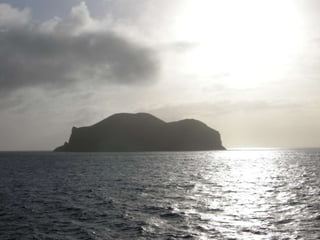
Vestmannæyjar in the distance – strong winds blew ash from the 2010 Eyjafjallajökull
eruption off the glacier and into the atmosphere, creating a smoky haze.
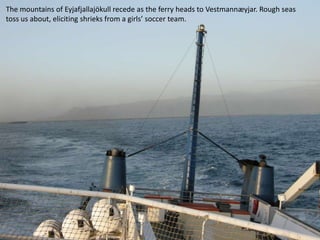
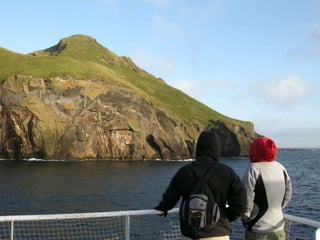
The mountains of Eyjafjallajökull recede as the ferry heads to Vestmannæyjar. Rough seas
toss us about, eliciting shrieks from a girls’ soccer team.
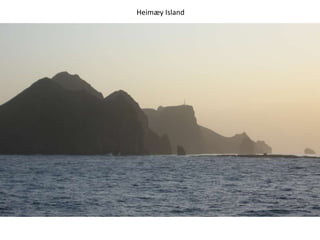
Heimæy Island
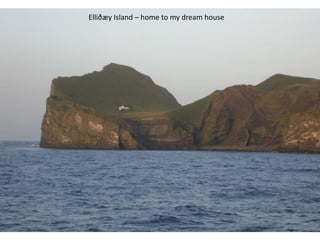
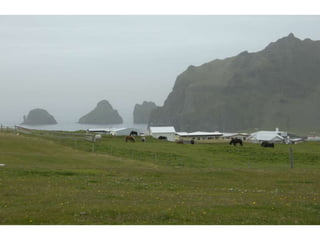
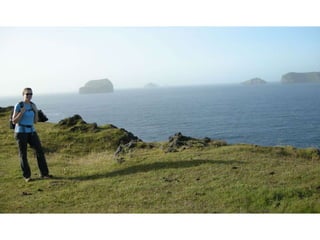
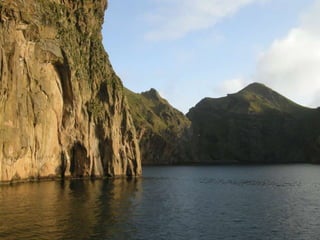
Elliðæy Island – home to my dream house
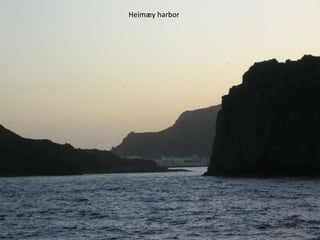
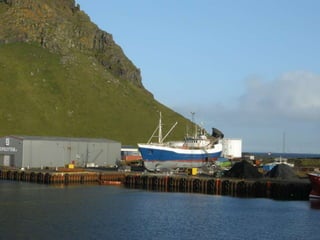
Heimæy harbor
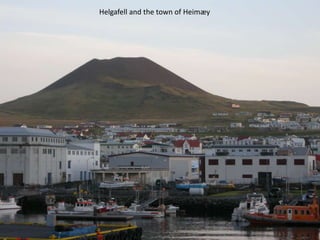
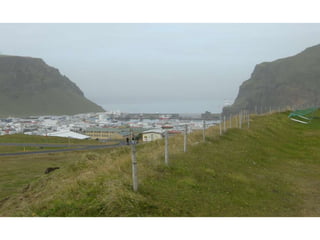
Helgafell and the town of Heimæy
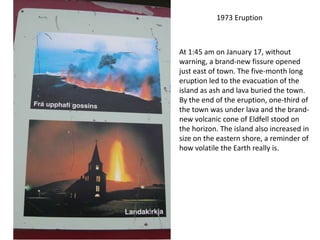
1973 Eruption


At 1:45 am on January 17, without
warning, a brand-new fissure opened
just east of town. The five-month long
eruption led to the evacuation of the
island as ash and lava buried the town.
By the end of the eruption, one-third of
the town was under lava and the brand-
new volcanic cone of Eldfell stood on
the horizon. The island also increased in
size on the eastern shore, a reminder of
how volatile the Earth really is.
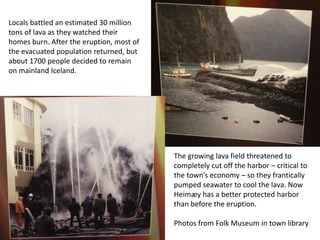
Locals battled an estimated 30 million
tons of lava as they watched their
homes burn. After the eruption, most of
the evacuated population returned, but
about 1700 people decided to remain
on mainland Iceland.


                                          The growing lava field threatened to
                                          completely cut off the harbor – critical to
                                          the town’s economy – so they frantically
                                          pumped seawater to cool the lava. Now
                                          Heimæy has a better protected harbor
                                          than before the eruption.

                                          Photos from Folk Museum in town library
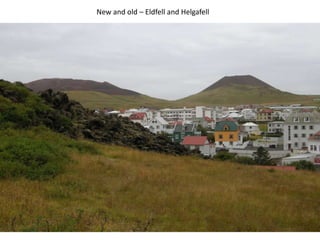
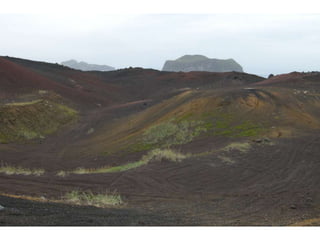
New and old – Eldfell and Helgafell
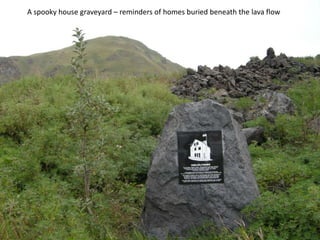
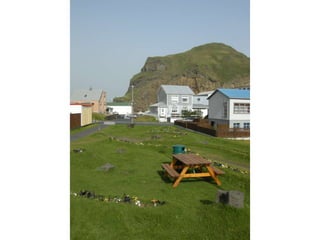
A spooky house graveyard – reminders of homes buried beneath the lava flow
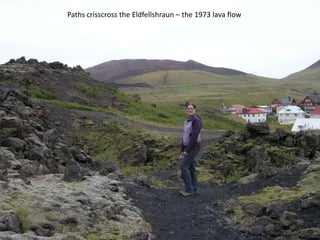
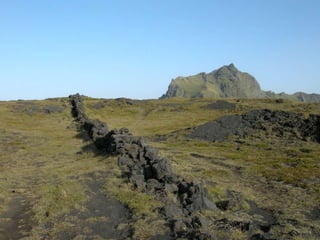
Paths crisscross the Eldfellshraun – the 1973 lava flow
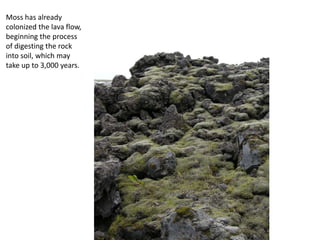
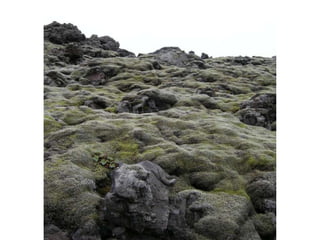
Moss has already
colonized the lava flow,
beginning the process
of digesting the rock
into soil, which may
take up to 3,000 years.
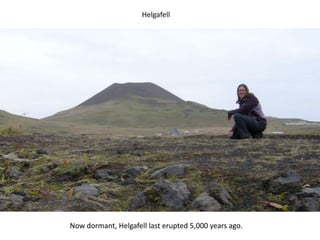
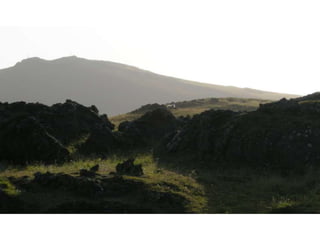
Helgafell


Now dormant, Helgafell last erupted 5,000 years ago.
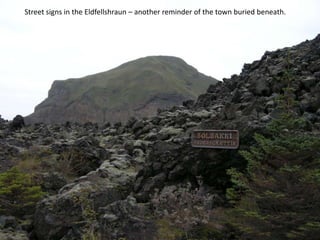
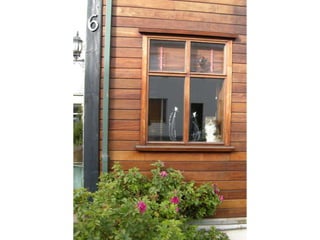
Street signs in the Eldfellshraun – another reminder of the town buried beneath.
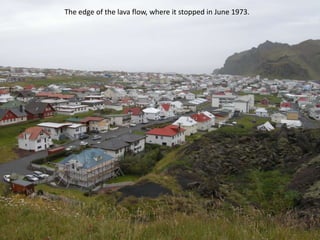
The edge of the lava flow, where it stopped in June 1973.
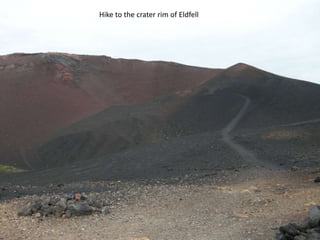
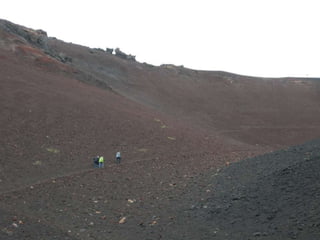
Hike to the crater rim of Eldfell
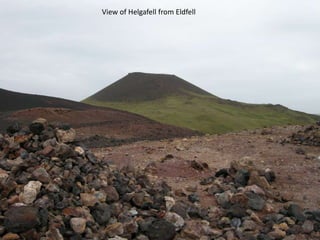
View of Helgafell from Eldfell
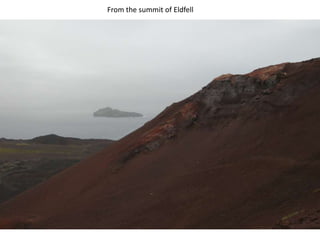
From the summit of Eldfell
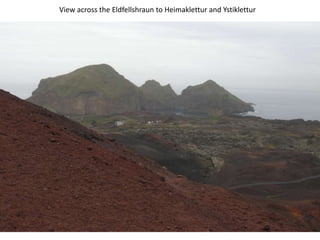
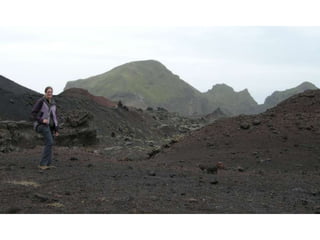
View across the Eldfellshraun to Heimaklettur and Ystiklettur
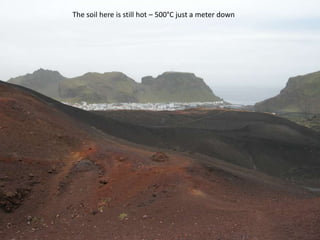
The soil here is still hot – 500°C just a meter down
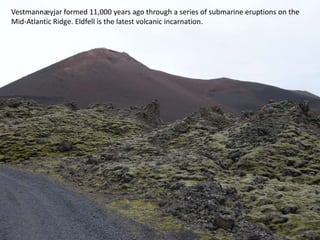
Vestmannæyjar formed 11,000 years ago through a series of submarine eruptions on the
Mid-Atlantic Ridge. Eldfell is the latest volcanic incarnation.
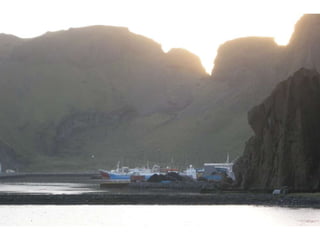
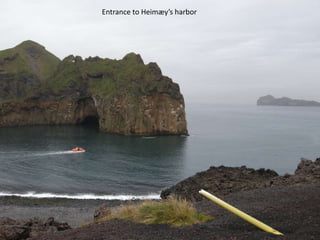
Entrance to Heimæy’s harbor
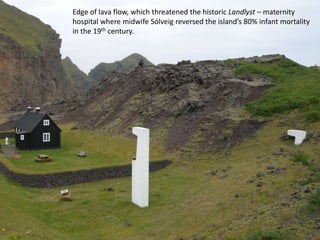
Edge of lava flow, which threatened the historic Landlyst – maternity
hospital where midwife Sólveig reversed the island’s 80% infant mortality
in the 19th century.
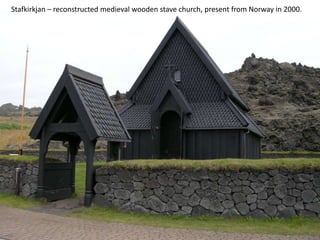
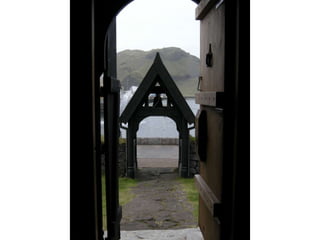
Stafkirkjan – reconstructed medieval wooden stave church, present from Norway in 2000.
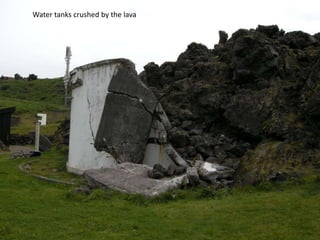
Water tanks crushed by the lava
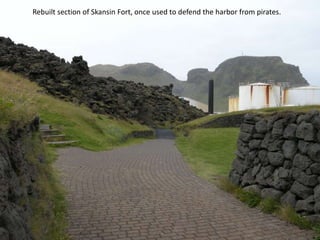
Rebuilt section of Skansin Fort, once used to defend the harbor from pirates.
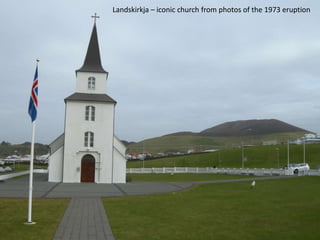
Landskirkja – iconic church from photos of the 1973 eruption
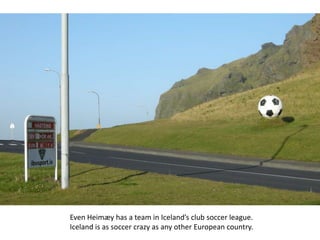
Even Heimæy has a team in Iceland’s club soccer league.
Iceland is as soccer crazy as any other European country.
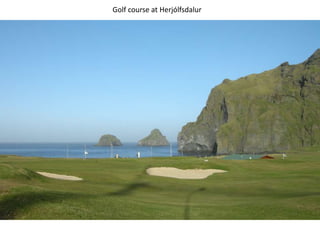
Golf course at Herjólfsdalur
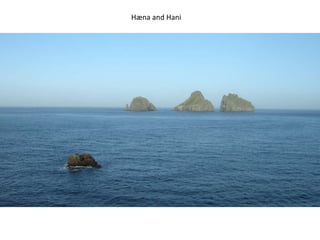
Hæna and Hani
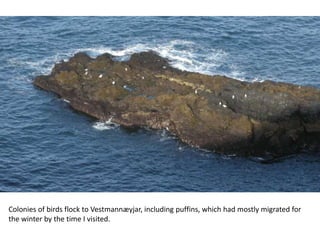
Colonies of birds flock to Vestmannæyjar, including puffins, which had mostly migrated for
the winter by the time I visited.
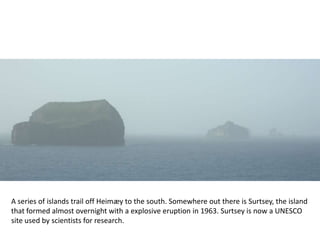
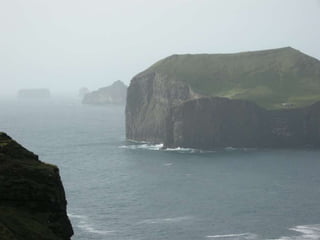
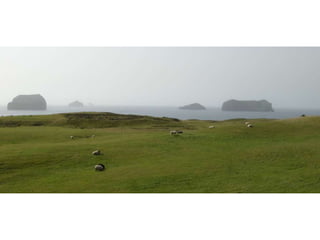
A series of islands trail off Heimæy to the south. Somewhere out there is Surtsey, the island
that formed almost overnight with a explosive eruption in 1963. Surtsey is now a UNESCO
site used by scientists for research.
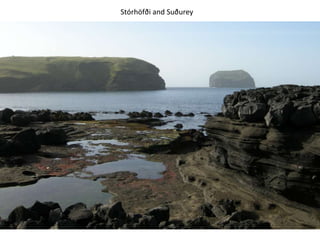
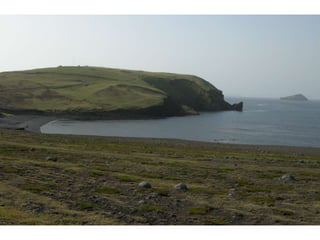
Stórhöfði and Suðurey
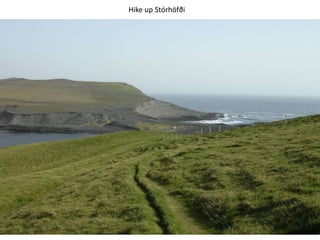
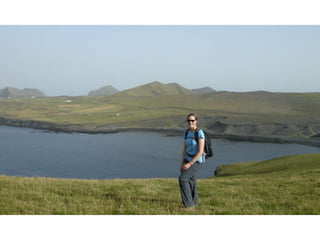
Hike up Stórhöfði
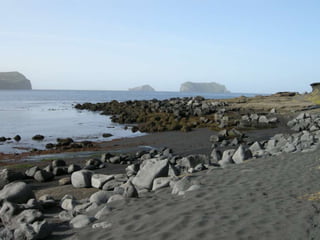
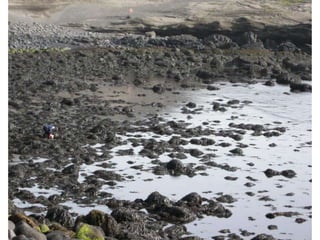
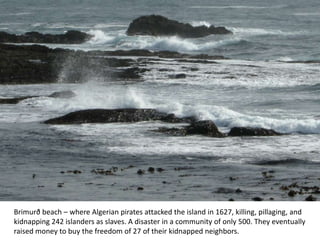
Brimurð beach – where Algerian pirates attacked the island in 1627, killing, pillaging, and
kidnapping 242 islanders as slaves. A disaster in a community of only 500. They eventually
raised money to buy the freedom of 27 of their kidnapped neighbors.
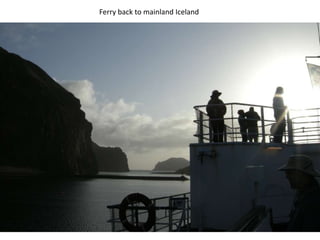
Ferry back to mainland Iceland
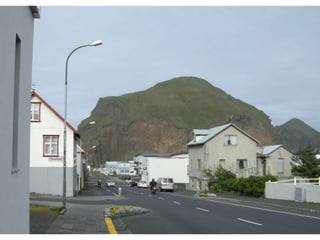
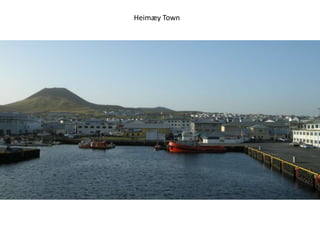
Heimæy Town
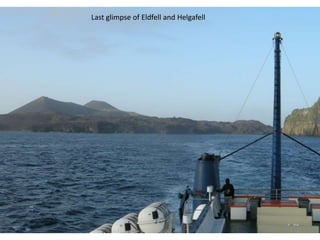
Last glimpse of Eldfell and Helgafell

Vestmannæyjar, Iceland

  • 1.
    Vestmannæyjar, Iceland (Westman Islands) September 2011
  • 2.
    Ferry to Vestmannæyjar Thebrand-new ferry dock in south Iceland cuts the ferry trip from 3 hours to 30 minutes.
  • 3.
    Landeyjahöfn ferry dock Openedin 2011, the brand- new terminal is a source of controversy. Engineers argue the wrong location was chosen. The harbor silts up and requires dredging, and the terminal is now too shallow for using the larger ferry.
  • 4.
    Vestmannæyjar in thedistance – strong winds blew ash from the 2010 Eyjafjallajökull eruption off the glacier and into the atmosphere, creating a smoky haze.
  • 6.
    The mountains ofEyjafjallajökull recede as the ferry heads to Vestmannæyjar. Rough seas toss us about, eliciting shrieks from a girls’ soccer team.
  • 7.
  • 8.
    Elliðæy Island –home to my dream house
  • 10.
  • 12.
    Helgafell and thetown of Heimæy
  • 13.
    1973 Eruption At 1:45am on January 17, without warning, a brand-new fissure opened just east of town. The five-month long eruption led to the evacuation of the island as ash and lava buried the town. By the end of the eruption, one-third of the town was under lava and the brand- new volcanic cone of Eldfell stood on the horizon. The island also increased in size on the eastern shore, a reminder of how volatile the Earth really is.
  • 14.
    Locals battled anestimated 30 million tons of lava as they watched their homes burn. After the eruption, most of the evacuated population returned, but about 1700 people decided to remain on mainland Iceland. The growing lava field threatened to completely cut off the harbor – critical to the town’s economy – so they frantically pumped seawater to cool the lava. Now Heimæy has a better protected harbor than before the eruption. Photos from Folk Museum in town library
  • 15.
    New and old– Eldfell and Helgafell
  • 16.
    A spooky housegraveyard – reminders of homes buried beneath the lava flow
  • 17.
    Paths crisscross theEldfellshraun – the 1973 lava flow
  • 18.
    Moss has already colonizedthe lava flow, beginning the process of digesting the rock into soil, which may take up to 3,000 years.
  • 20.
    Helgafell Now dormant, Helgafelllast erupted 5,000 years ago.
  • 21.
    Street signs inthe Eldfellshraun – another reminder of the town buried beneath.
  • 22.
    The edge ofthe lava flow, where it stopped in June 1973.
  • 24.
    Hike to thecrater rim of Eldfell
  • 25.
    View of Helgafellfrom Eldfell
  • 26.
    From the summitof Eldfell
  • 28.
    View across theEldfellshraun to Heimaklettur and Ystiklettur
  • 30.
    The soil hereis still hot – 500°C just a meter down
  • 34.
    Vestmannæyjar formed 11,000years ago through a series of submarine eruptions on the Mid-Atlantic Ridge. Eldfell is the latest volcanic incarnation.
  • 37.
  • 38.
    Edge of lavaflow, which threatened the historic Landlyst – maternity hospital where midwife Sólveig reversed the island’s 80% infant mortality in the 19th century.
  • 40.
    Stafkirkjan – reconstructedmedieval wooden stave church, present from Norway in 2000.
  • 42.
  • 43.
    Rebuilt section ofSkansin Fort, once used to defend the harbor from pirates.
  • 48.
    Landskirkja – iconicchurch from photos of the 1973 eruption
  • 53.
    Even Heimæy hasa team in Iceland’s club soccer league. Iceland is as soccer crazy as any other European country.
  • 54.
    Golf course atHerjólfsdalur
  • 56.
  • 59.
    Colonies of birdsflock to Vestmannæyjar, including puffins, which had mostly migrated for the winter by the time I visited.
  • 62.
    A series ofislands trail off Heimæy to the south. Somewhere out there is Surtsey, the island that formed almost overnight with a explosive eruption in 1963. Surtsey is now a UNESCO site used by scientists for research.
  • 64.
  • 71.
  • 75.
    Brimurð beach –where Algerian pirates attacked the island in 1627, killing, pillaging, and kidnapping 242 islanders as slaves. A disaster in a community of only 500. They eventually raised money to buy the freedom of 27 of their kidnapped neighbors.
  • 83.
    Ferry back tomainland Iceland
  • 84.
  • 88.
    Last glimpse ofEldfell and Helgafell