Understanding Genocide:
History, Causes, and
Consequences
Objectives
• Define what is genocide mean
• Identify the major causes and warning signs of
genocide.
• Describe and analyze key examples of
genocide in world history.
• Understand the importance of prevention,
justice, and global awareness.
What is Genocide?
Genocide
✓ Intentional, systematic destruction of
a national, ethnic, racial, or religious
group.
Background:
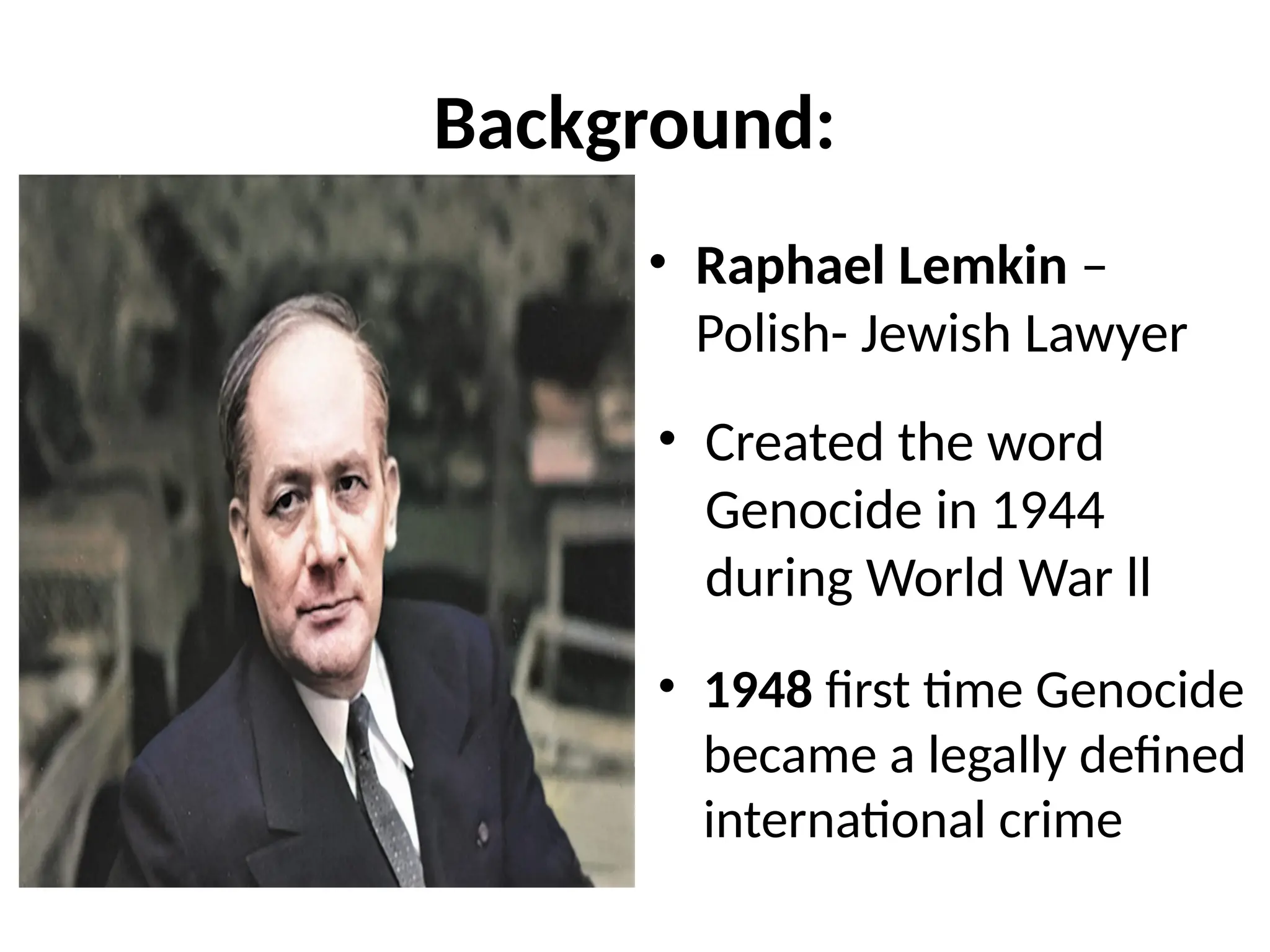
• Raphael Lemkin –
Polish- Jewish Lawyer
• Created the word
Genocide in 1944
during World War ll
• 1948 first time Genocide
became a legally defined
international crime
Characteristics of Genocide
• Targeting specific groups deliberately
• Mass killings or torture
• Propaganda and dehumanization
• Cultural erasure (language, traditions, identity)
Causes of Genocide
• Ethnic hatred and racism
• Political ideologies or authoritarian rule
• Religious intolerance
• Colonialism and historical conflict
• Economic pressures and social inequality
Example 1 – The Holocaust (1941–
1945)
• Location: Europe under Nazi rule
• Victims: 6 million Jews, plus millions of others
• Leader: Adolf Hitler
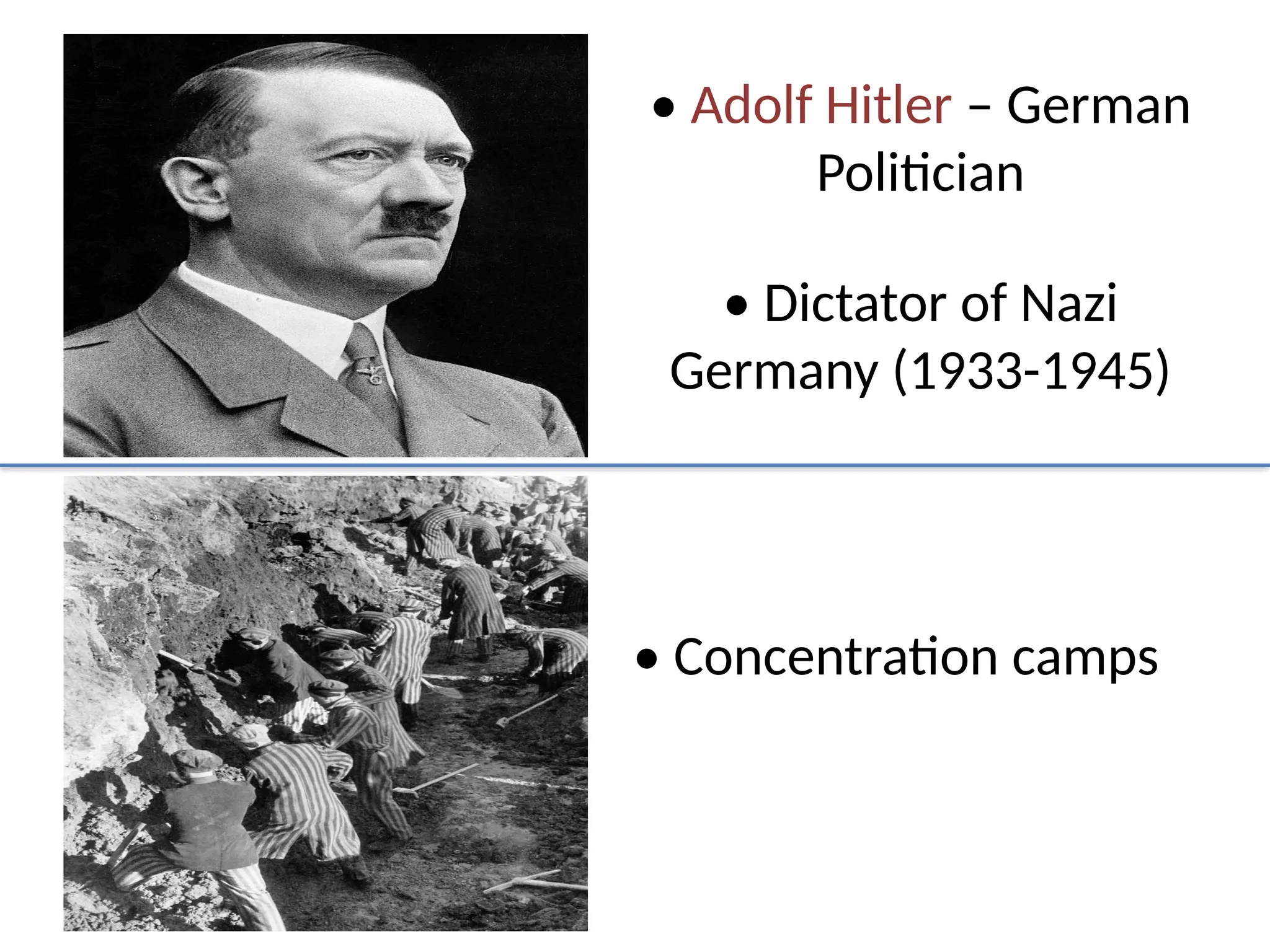
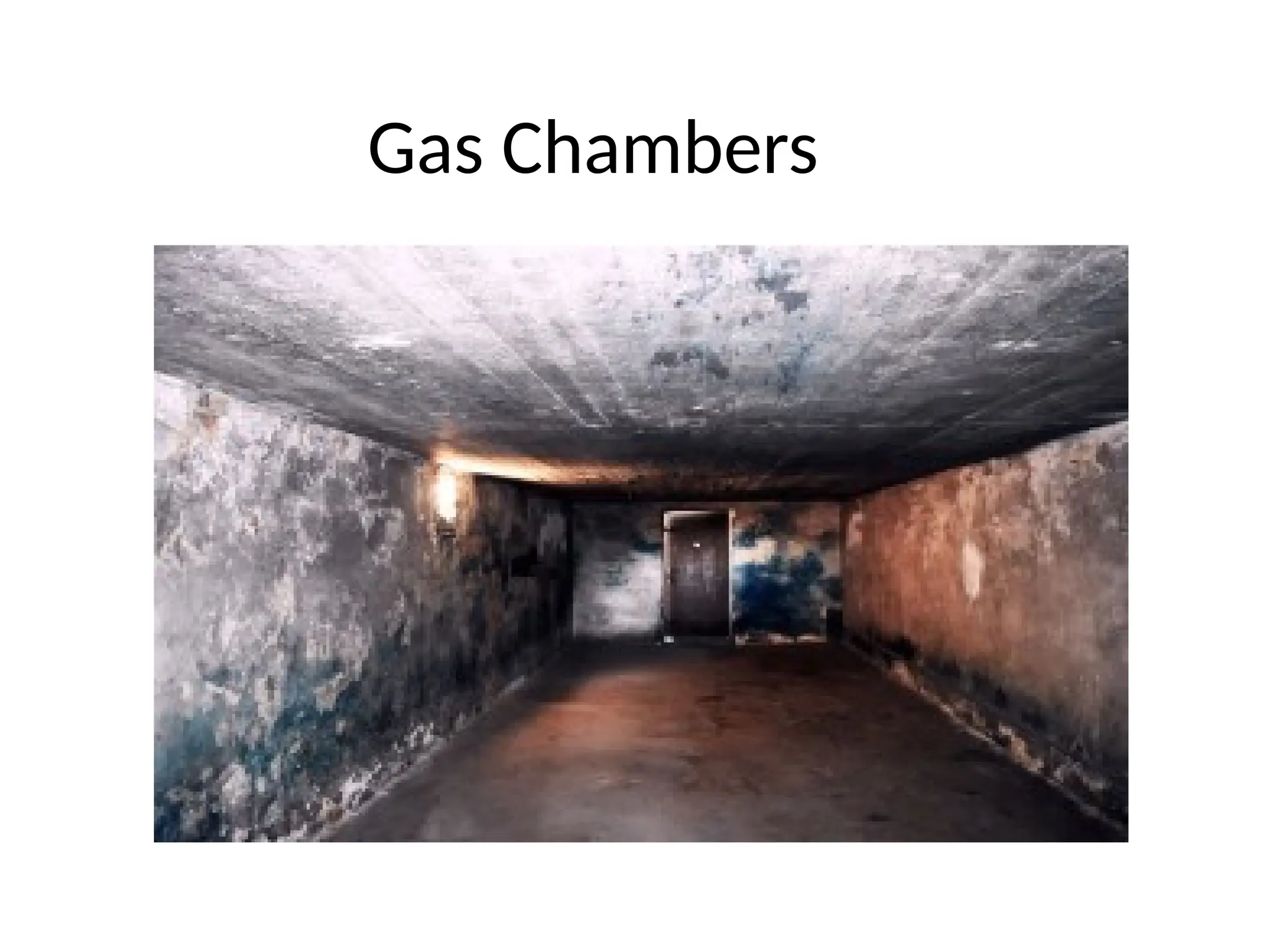
• Methods: Concentration camps, gas
chambers, forced labor
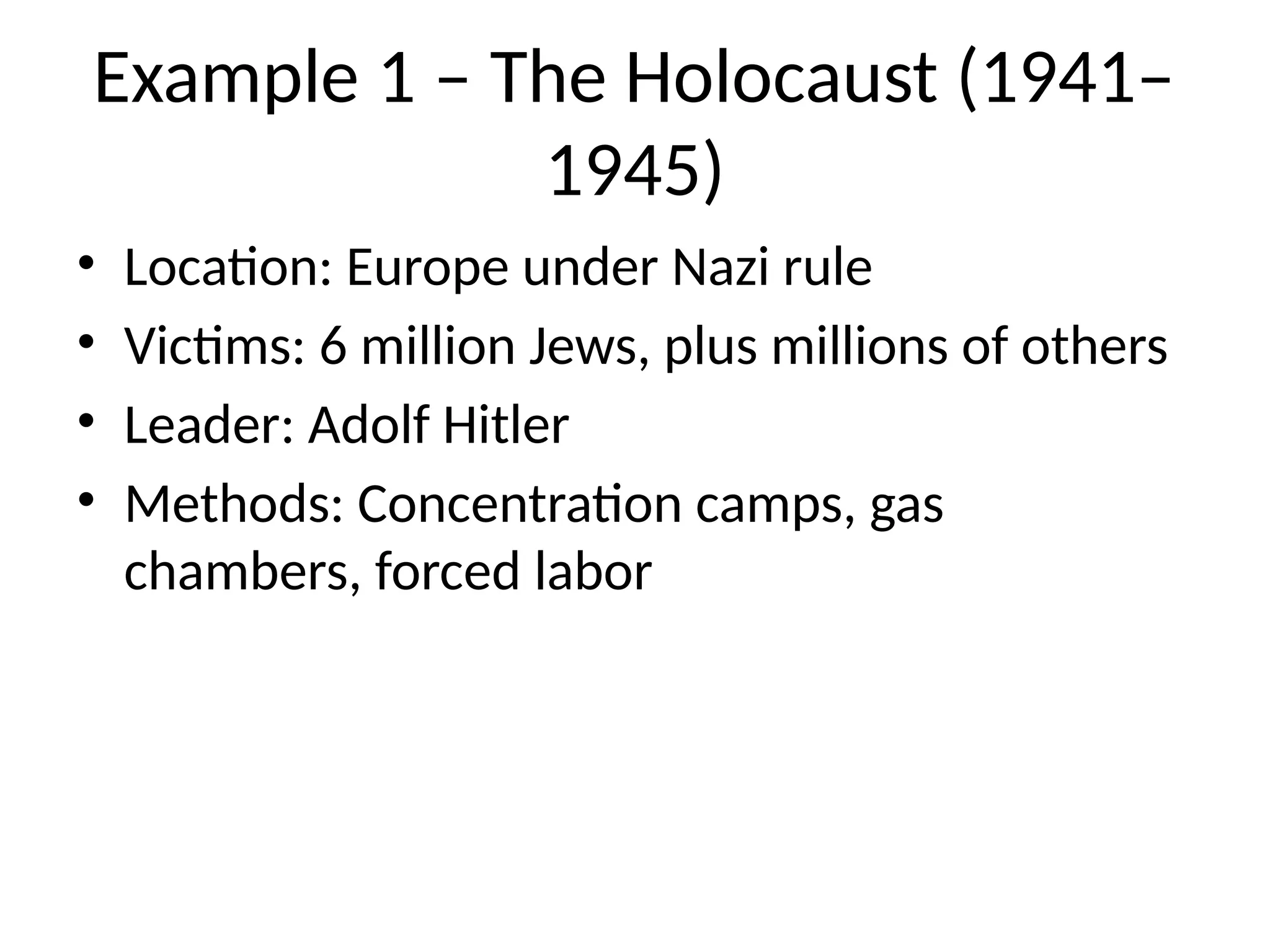
• Adolf Hitler – German
Politician
• Dictator of Nazi
Germany (1933-1945)
• Concentration camps
Gas Chambers
Example 2 – Rwandan Genocide
(1994)
• Victims: ~800,000 Tutsi and moderate Hutu
• Cause: Ethnic tensions and political violence
• Perpetrators: Hutu extremists
• Duration: 100 days
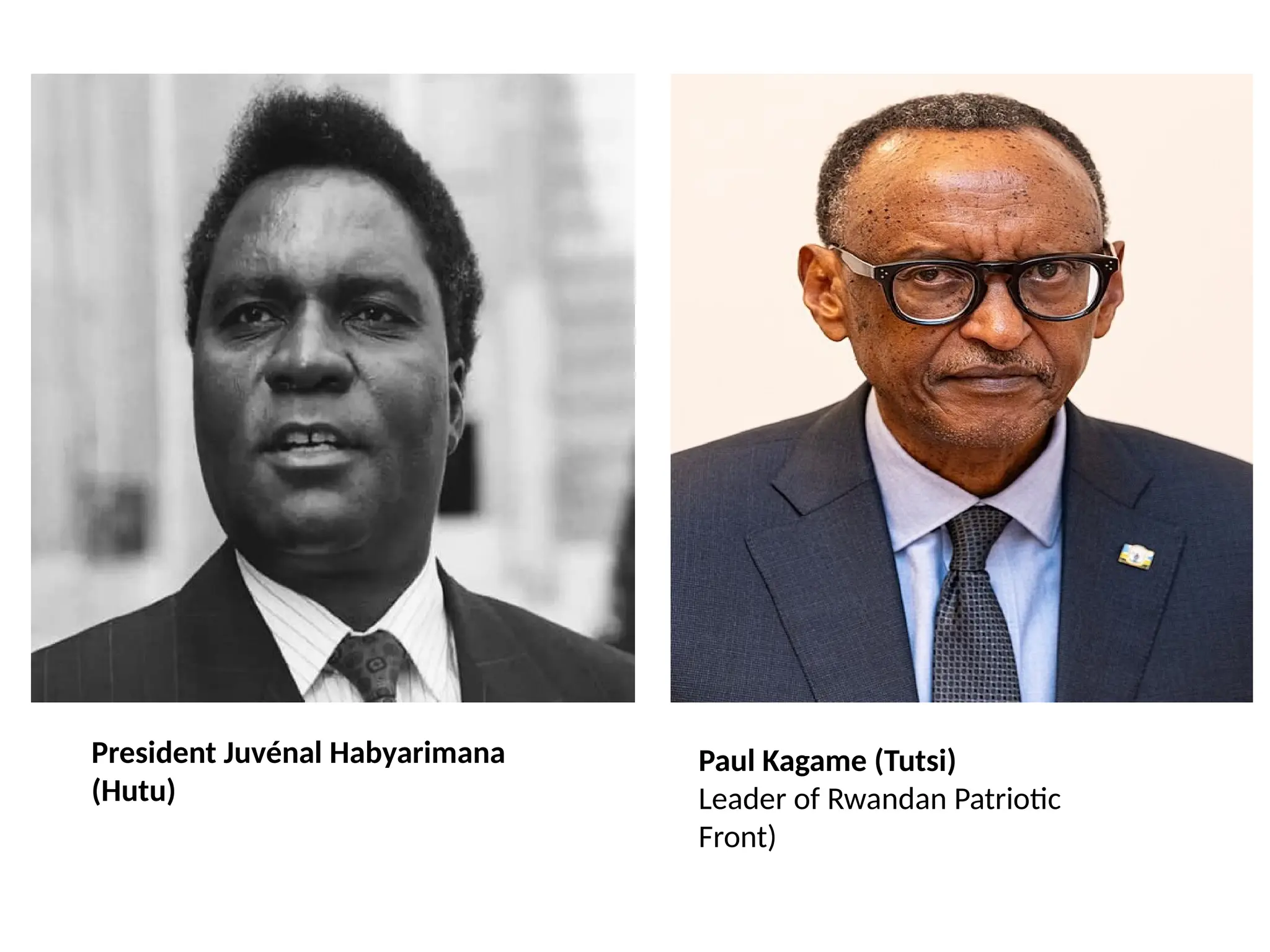
President Juvénal Habyarimana
(Hutu)
Paul Kagame (Tutsi)
Leader of Rwandan Patriotic
Front)
Example 3 – Armenian Genocide
(1915–1923)
• Victims: ~1.5 million Armenians
• Perpetrators: Ottoman Empire
• Cause: Ethnic cleansing and fear of rebellion
• Recognition: Still denied by some countries
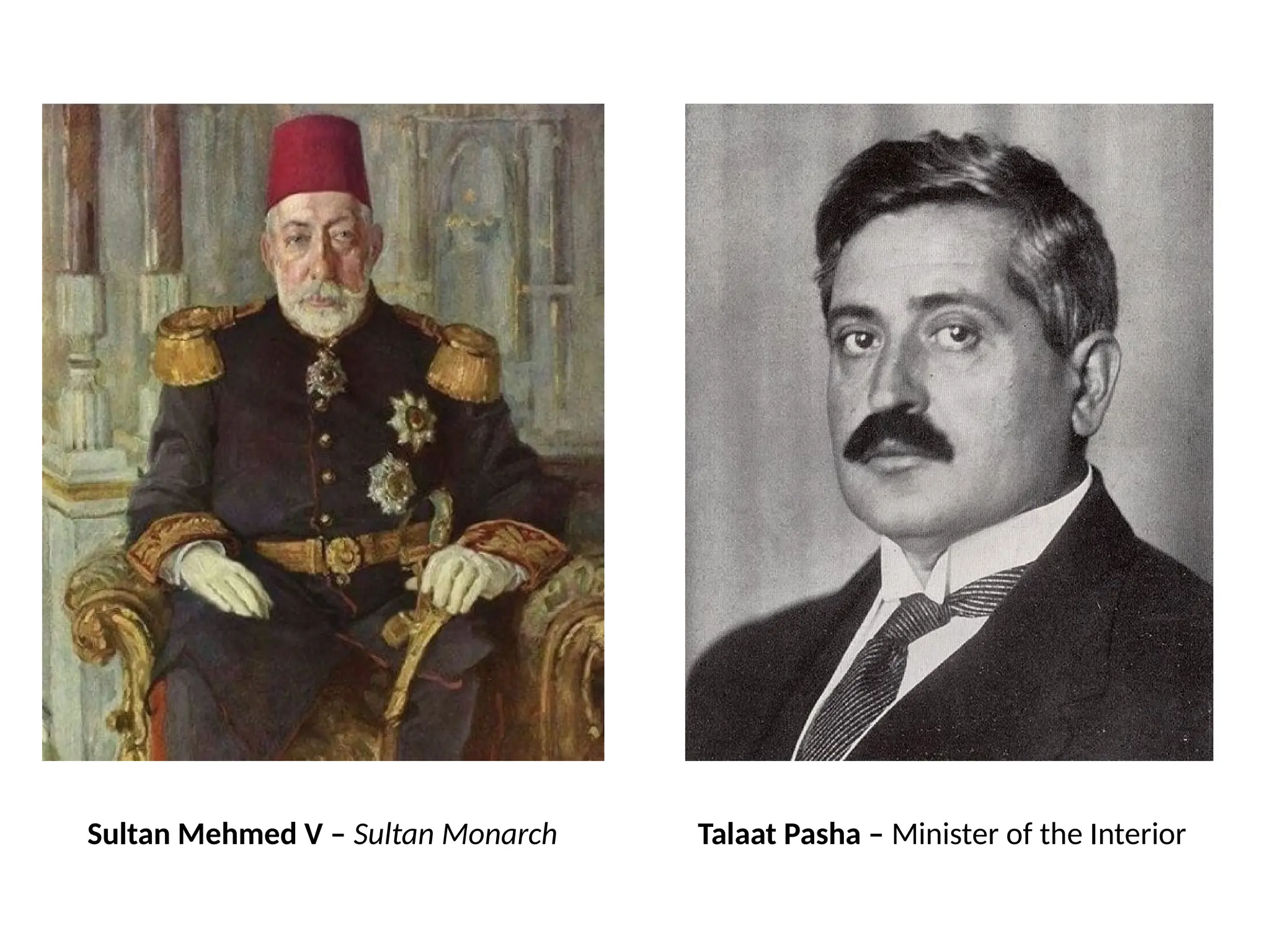
Sultan Mehmed V – Sultan Monarch Talaat Pasha – Minister of the Interior
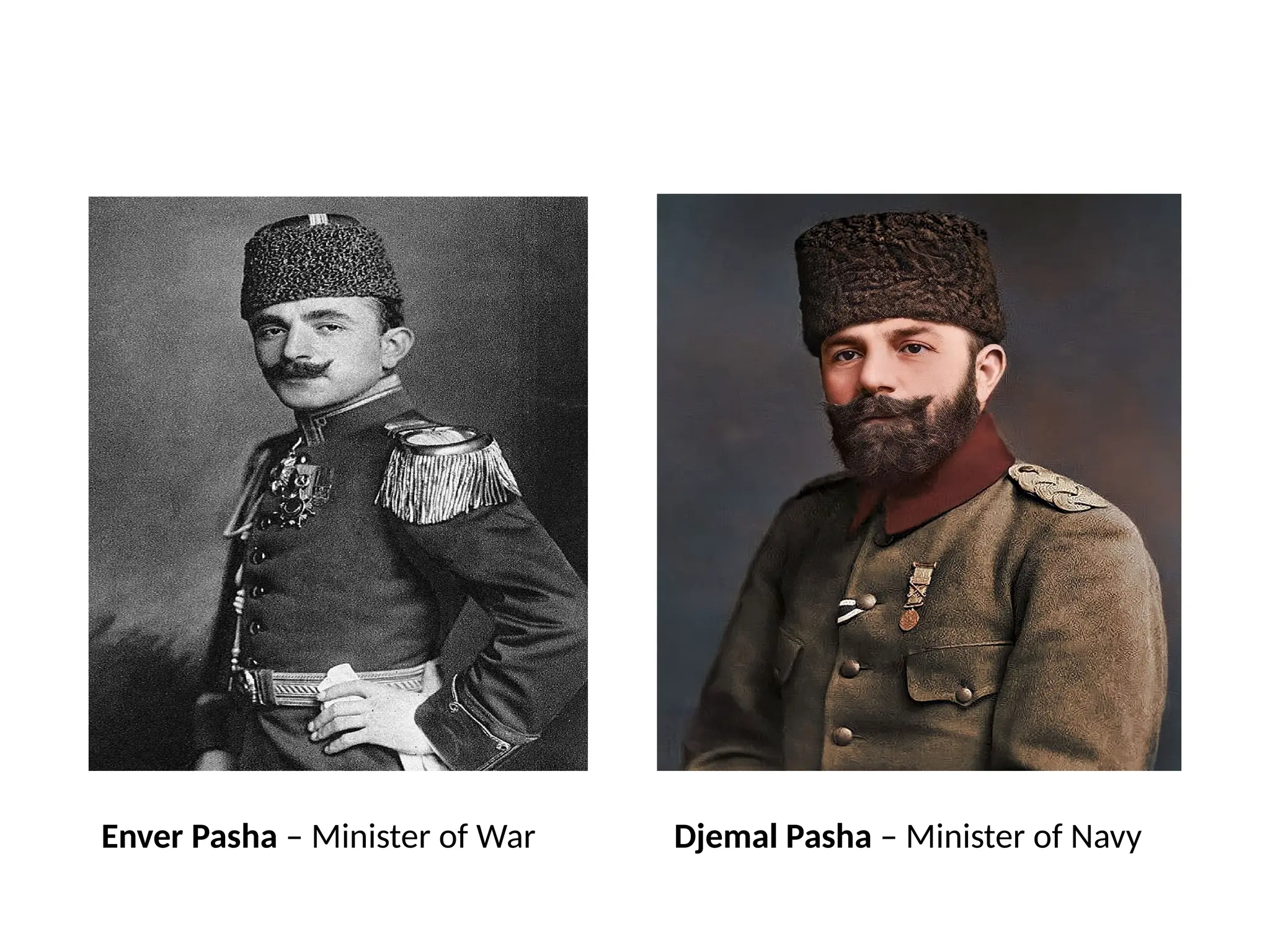
Djemal Pasha – Minister of Navy
Enver Pasha – Minister of War
Example 4 – Cambodian Genocide
(1975–1979)
• Victims: 2 million people
• Leader: Pol Pot (Khmer Rouge)
• Goal: establish communist society
• Method: Executions, starvation, forced labor
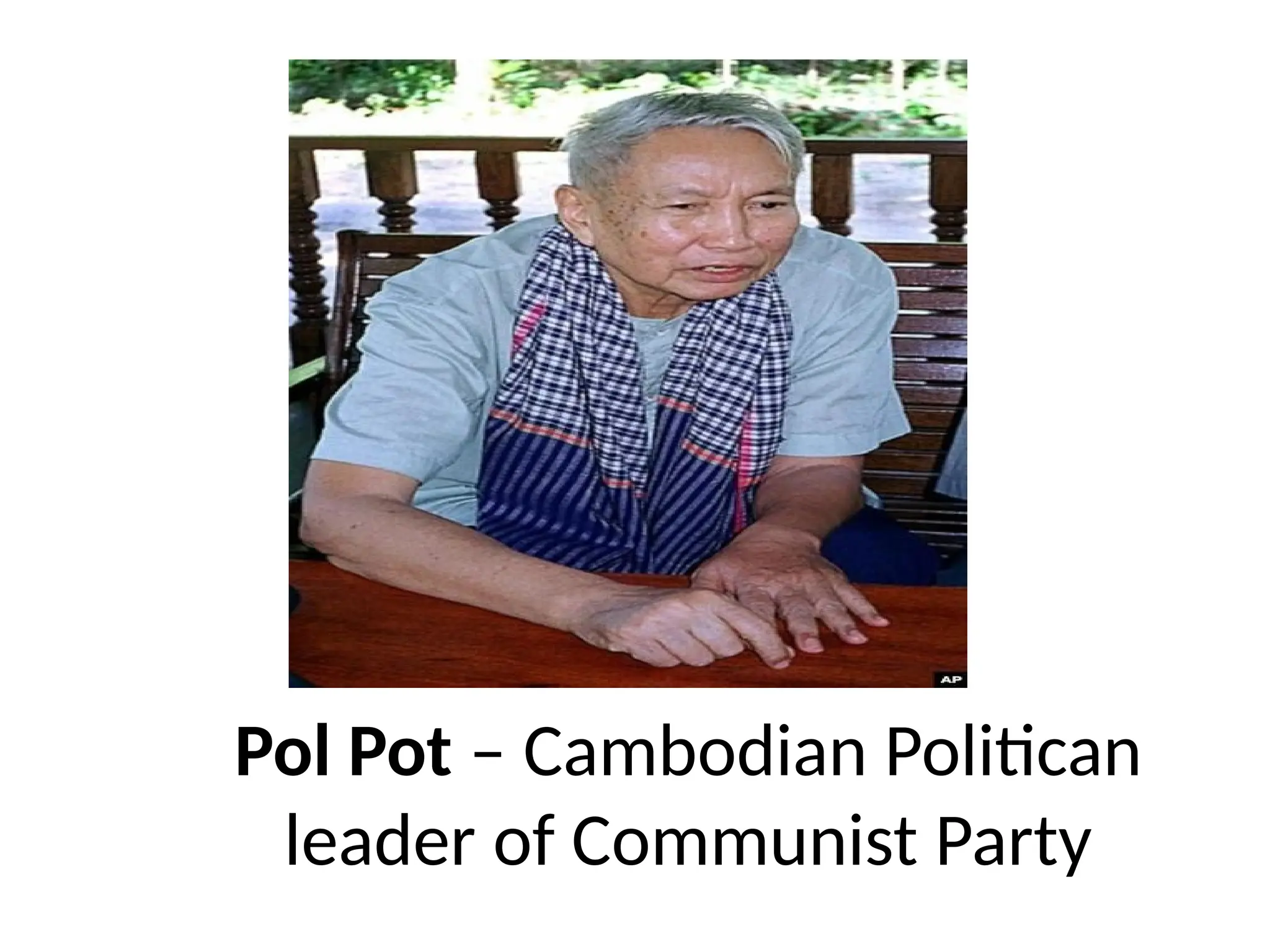
Pol Pot – Cambodian Politican
leader of Communist Party
Effects of Genocide
• Psychological trauma
• Refugees
• Collapse of governments and
economies
Prevention and Responsibility
• Early warning systems
• Global cooperation (UN, ICC)
• Human rights education
• Youth and community involvement
Conclusion
• Genocide is a preventable crime.
• It requires vigilance, education, and moral
courage.
• “Never Again” starts with awareness and
action.
Understanding_Genocide_Presentation.pptx

Understanding_Genocide_Presentation.pptx

  • 1.
  • 2.
    Objectives • Define whatis genocide mean • Identify the major causes and warning signs of genocide. • Describe and analyze key examples of genocide in world history. • Understand the importance of prevention, justice, and global awareness.
  • 3.
  • 4.
    Genocide ✓ Intentional, systematicdestruction of a national, ethnic, racial, or religious group.
  • 5.
    Background: • Raphael Lemkin– Polish- Jewish Lawyer • Created the word Genocide in 1944 during World War ll • 1948 first time Genocide became a legally defined international crime
  • 6.
    Characteristics of Genocide •Targeting specific groups deliberately • Mass killings or torture • Propaganda and dehumanization • Cultural erasure (language, traditions, identity)
  • 7.
    Causes of Genocide •Ethnic hatred and racism • Political ideologies or authoritarian rule • Religious intolerance • Colonialism and historical conflict • Economic pressures and social inequality
  • 8.
    Example 1 –The Holocaust (1941– 1945) • Location: Europe under Nazi rule • Victims: 6 million Jews, plus millions of others • Leader: Adolf Hitler • Methods: Concentration camps, gas chambers, forced labor
  • 9.
    • Adolf Hitler– German Politician • Dictator of Nazi Germany (1933-1945) • Concentration camps
  • 10.
  • 11.
    Example 2 –Rwandan Genocide (1994) • Victims: ~800,000 Tutsi and moderate Hutu • Cause: Ethnic tensions and political violence • Perpetrators: Hutu extremists • Duration: 100 days
  • 12.
    President Juvénal Habyarimana (Hutu) PaulKagame (Tutsi) Leader of Rwandan Patriotic Front)
  • 13.
    Example 3 –Armenian Genocide (1915–1923) • Victims: ~1.5 million Armenians • Perpetrators: Ottoman Empire • Cause: Ethnic cleansing and fear of rebellion • Recognition: Still denied by some countries
  • 14.
    Sultan Mehmed V– Sultan Monarch Talaat Pasha – Minister of the Interior
  • 15.
    Djemal Pasha –Minister of Navy Enver Pasha – Minister of War
  • 16.
    Example 4 –Cambodian Genocide (1975–1979) • Victims: 2 million people • Leader: Pol Pot (Khmer Rouge) • Goal: establish communist society • Method: Executions, starvation, forced labor
  • 17.
    Pol Pot –Cambodian Politican leader of Communist Party
  • 18.
    Effects of Genocide •Psychological trauma • Refugees • Collapse of governments and economies
  • 19.
    Prevention and Responsibility •Early warning systems • Global cooperation (UN, ICC) • Human rights education • Youth and community involvement
  • 20.
    Conclusion • Genocide isa preventable crime. • It requires vigilance, education, and moral courage. • “Never Again” starts with awareness and action.