UNDERSTANDING
BLOCKED BILE DUCT
SYMPTOMS
By Dr Valeria Simone MD,
(Southlake General Surgery, Texas, USA)
Overview
Blocked bile duct symptoms can vary depending on the
underlying cause of the blockage. Common symptoms may
include abdominal pain, jaundice (yellowing of the skin and
eyes), dark urine, pale stools, itching, nausea, and vomiting.
In some cases, a blocked bile duct can lead to complications
such as infection or inflammation of the bile duct. It is critical to
consult a doctor for an accurate diagnosis and treatment plan if
you are dealing with any of these symptoms.
Bile duct obstruction also referred to as biliary obstruction,
occurs when there is a blockage or narrowing in the bile ducts,
which are responsible for transporting bile from the liver to the
gallbladder and small intestine for digestion.
Symptoms and potential complications arise when this flow of
bile is hindered, with gallstones being a common culprit. Other
causes include bile duct cancer, chronic liver disease, and
pancreatic cancer.
This blog will cover symptoms, medical attention, causes,
diagnostics, treatments, risks, complications, and post-
treatment life related to bile duct obstructions, along with
answering common questions on the topic.
Key
Highlights
• Biliary obstruction is a blockage in the bile ducts, which can
cause symptoms such as abdominal pain, jaundice, and dark-
colored urine.
• The most common cause of biliary obstruction is gallstones,
which can be treated through procedures such as endoscopic
retrograde cholangiopancreatography (ERCP) and gallbladder
removal surgery.
• Other causes of biliary obstruction include bile duct cancer,
chronic liver disease, and pancreatic cancer.
• Diagnostic approaches for identifying bile duct blockages
include ultrasound, CT scan, MRCP, and blood tests.
• Treatment options for blocked bile ducts include minimally
invasive procedures, gallbladder removal surgery, and
managing symptoms through diet and lifestyle adjustments.
• Untreated bile duct blockages can lead to severe
complications, such as liver failure and chronic liver disease.
Recognizing the Signs of a Blocked Bile Duct
Recognizing the signs of a blocked bile duct can be
crucial for timely intervention. Symptoms may include:
• abdominal pain
• jaundice
• dark urine
• pale-colored stools
• nausea and vomiting
• itching
If you experience these symptoms, especially in
combination, it’s essential to consult a healthcare
provider promptly to investigate the possibility of a bile
duct obstruction. Early detection can help address the
issue effectively and prevent potential complications.
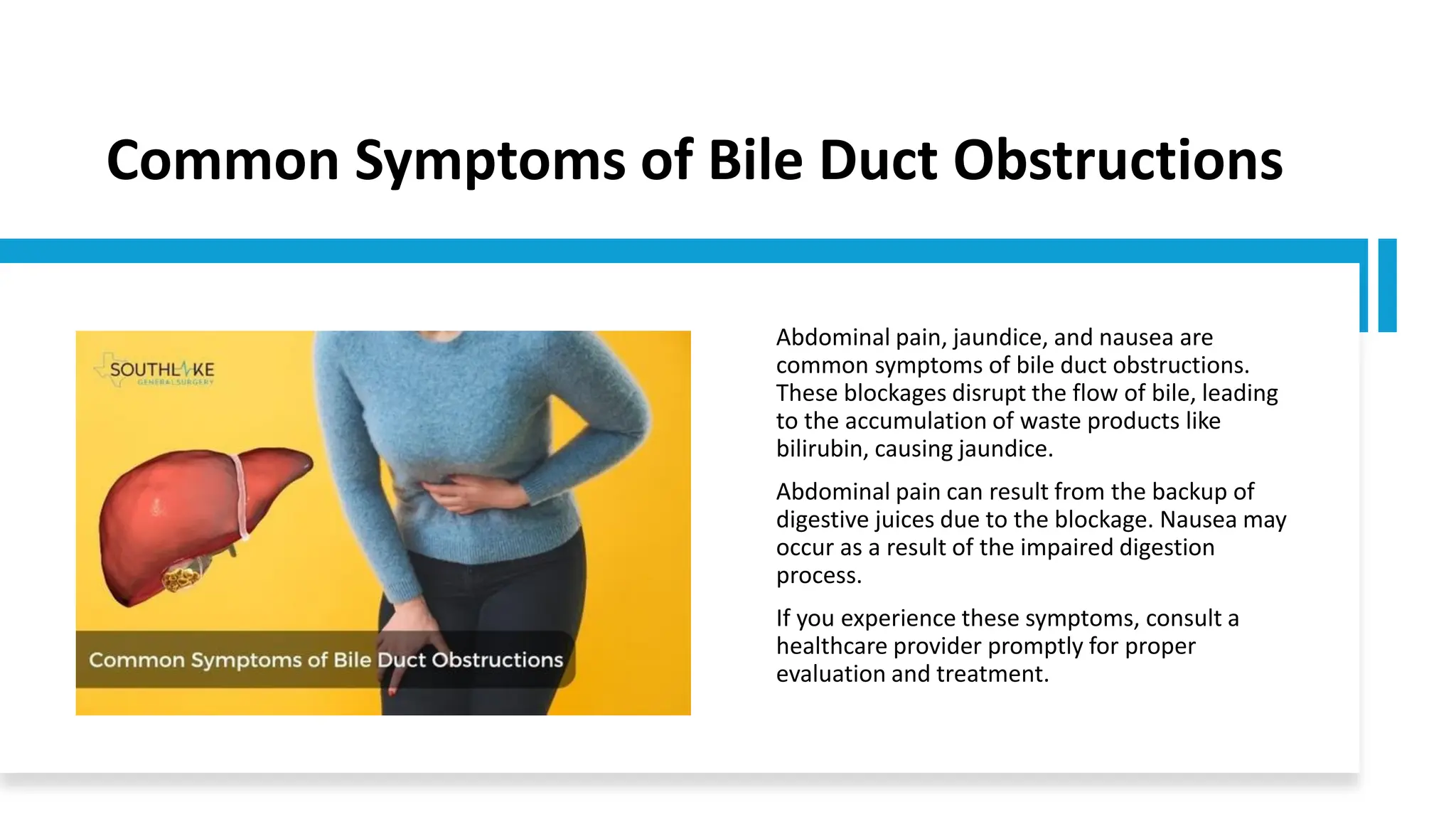
Common Symptoms of Bile Duct Obstructions
Abdominal pain, jaundice, and nausea are
common symptoms of bile duct obstructions.
These blockages disrupt the flow of bile, leading
to the accumulation of waste products like
bilirubin, causing jaundice.
Abdominal pain can result from the backup of
digestive juices due to the blockage. Nausea may
occur as a result of the impaired digestion
process.
If you experience these symptoms, consult a
healthcare provider promptly for proper
evaluation and treatment.
When to Seek Medical Attention for
Suspected Bile Duct Issues
Persistent symptoms like abdominal pain, jaundice, or unexplained weight
loss warrant prompt medical evaluation for suspected bile duct issues. If you
experience severe pain, fever, or persistent vomiting, seek immediate
medical attention. Additionally, symptoms such as dark urine or pale stools
should not be ignored.
Early detection and intervention are crucial in managing potential bile duct
obstructions to prevent complications and ensure timely treatment.
Consulting a healthcare provider promptly can help in diagnosing and
addressing any underlying concerns efficiently.
Causes
Behind
Blocked
Bile Ducts
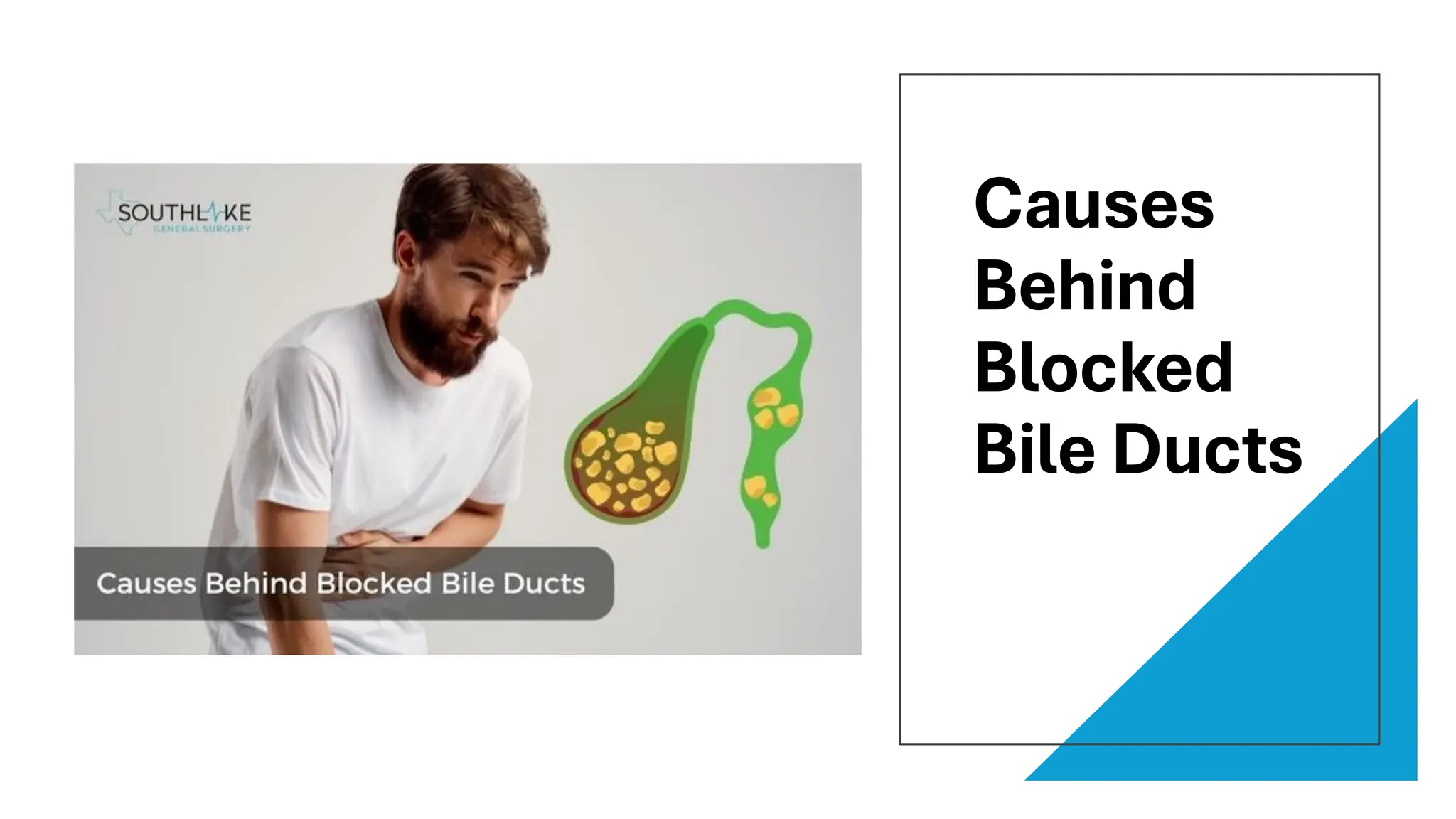
Bile duct obstructions can result from various underlying conditions. Gallstones are the primary cause, blocking the flow of bile
from the liver to the small intestine.
Other culprits include bile duct cancer, biliary cirrhosis, and choledochal cysts. Inflammation, tumors, or strictures may also lead
to blockages in the bile ducts.
Identifying these causes is crucial for determining the most appropriate treatment and managing the risk factors associated with
bile duct blockages.
Gallstones: The Primary Culprits
Gallstones are the main cause of blocked bile ducts. These solid particles form in the gallbladder and can move into the bile ducts,
leading to obstruction. The presence of gallstones can trigger symptoms such as abdominal pain, jaundice, and nausea.
Gallstones pose a significant risk for bile duct blockages, requiring timely medical intervention to prevent complications.
Understanding the role of gallstones in bile duct obstructions is crucial for effective diagnosis and treatment.
Other Medical Conditions Leading to Bile Duct Obstructions
Primary sclerosing cholangitis, biliary strictures, and choledochal cysts are other medical conditions that can result in bile duct
obstructions.
• Bile duct inflammation and scarring, caused by primary sclerosing cholangitis, eventually obstruct the bile flow.
• Biliary strictures include narrowing of the ducts, restricting the flow of bile.
• Choledochal cysts are structural abnormalities that can impede proper bile drainage.
These conditions require prompt medical attention to prevent complications and ensure proper treatment.
Diagnostic Approaches for Identifying
Bile Duct Blockages
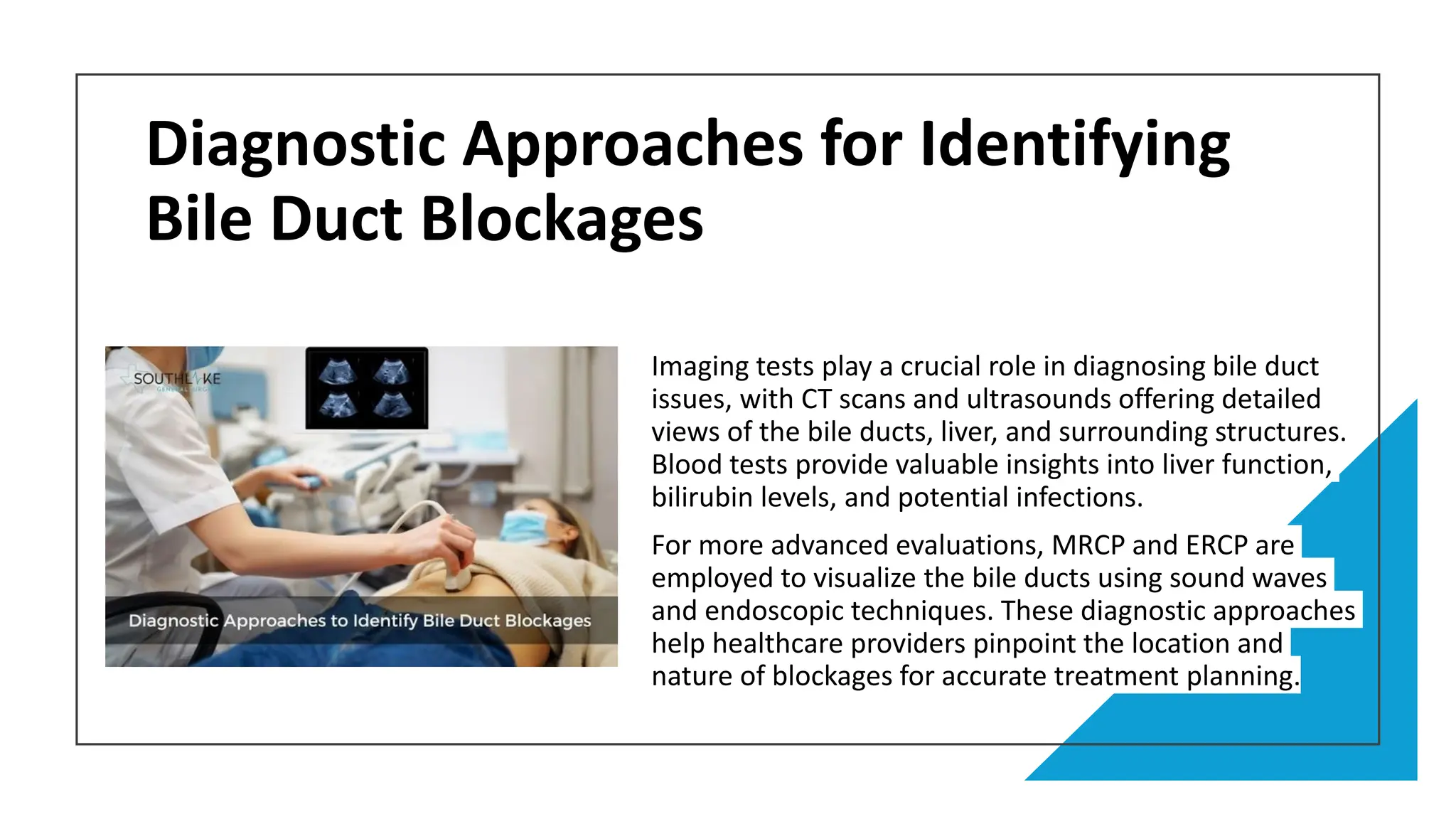
Imaging tests play a crucial role in diagnosing bile duct
issues, with CT scans and ultrasounds offering detailed
views of the bile ducts, liver, and surrounding structures.
Blood tests provide valuable insights into liver function,
bilirubin levels, and potential infections.
For more advanced evaluations, MRCP and ERCP are
employed to visualize the bile ducts using sound waves
and endoscopic techniques. These diagnostic approaches
help healthcare providers pinpoint the location and
nature of blockages for accurate treatment planning.
Imaging Tests Used in Diagnosing Bile Duct Issues
Imaging tests play a crucial role in diagnosing bile duct issues. Techniques
like ultrasound, CT scans, and MRCP provide detailed images of the bile
ducts, aiding in identifying blockages, strictures, or other abnormalities.
These non-invasive procedures help healthcare providers visualize internal
structures, such as the liver and bile ducts, without the need for surgery.
By utilizing sound waves, magnetic fields, or contrast agents, these
imaging tests provide valuable insights into the health of the bile ducts.
Blood Tests and What They Reveal
Blood tests play a crucial role in diagnosing bile duct issues. Elevated levels
of liver enzymes, such as alkaline phosphatase and bilirubin, indicate a
possible blockage. Additionally, high levels of amylase and lipase may
suggest associated pancreatitis.
These tests help healthcare providers assess liver function, identify the
underlying cause of obstruction, and determine the overall severity of the
condition. Blood tests provide valuable insights into the patient’s health
status, guiding further diagnostic and treatment decisions.
Advanced Diagnostic Tools: MRCP and ERCP
MRCP and ERCP are advanced diagnostic tools used for assessing
bile duct issues. MRCP, magnetic resonance
cholangiopancreatography, employs magnetic fields and radio
waves to generate detailed images of the bile duct system.
ERCP, endoscopic retrograde cholangiopancreatography, combines
endoscopy and fluoroscopy to diagnose and treat conditions in the
bile ducts. These procedures aid healthcare providers in accurately
identifying blockages or abnormalities within the bile ducts,
enabling prompt and targeted treatment.
Treatment Options for Blocked Bile
Ducts
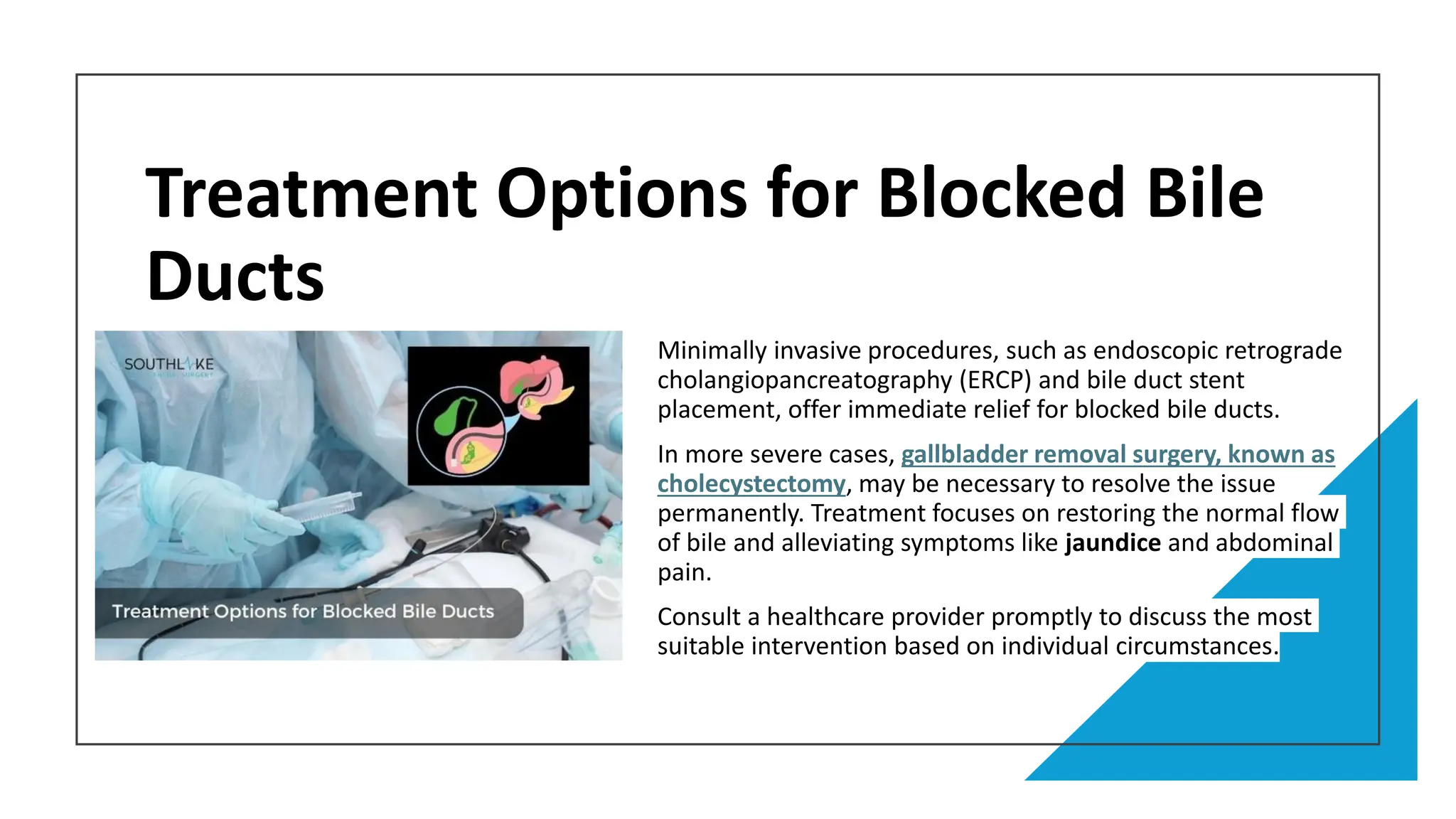
Minimally invasive procedures, such as endoscopic retrograde
cholangiopancreatography (ERCP) and bile duct stent
placement, offer immediate relief for blocked bile ducts.
In more severe cases, gallbladder removal surgery, known as
cholecystectomy, may be necessary to resolve the issue
permanently. Treatment focuses on restoring the normal flow
of bile and alleviating symptoms like jaundice and abdominal
pain.
Consult a healthcare provider promptly to discuss the most
suitable intervention based on individual circumstances.
Minimally Invasive Procedures for Immediate Relief
Minimally invasive procedures offer immediate relief for blocked bile duct symptoms.
These procedures, such as endoscopic retrograde cholangiopancreatography (ERCP)
and stent placement, can effectively alleviate bile duct obstructions with reduced
recovery times and minimal side effects.
By using advanced techniques like sound waves or endoscopes, healthcare providers
can swiftly address blockages without the need for extensive surgery. Seek expert care
promptly to explore these efficient solutions for quick symptom relief and improved
bile duct function.
Gallbladder Removal Surgery: When It’s Needed
Gallbladder removal surgery, also known as cholecystectomy, becomes necessary
when gallstones cause recurrent pain, inflammation, or infection.
If blockage of the bile duct by gallstones leads to complications
like pancreatitis or cholecystitis, surgery may be the recommended course of action.
In cases of gallbladder cancer or severe infections in the gallbladder, removal is often a
crucial treatment step to prevent further health issues. Surgical intervention is typically
advised by healthcare providers after a thorough evaluation of the patient’s condition.
Managing Symptoms and Preventing Future Blockages
A healthcare provider may recommend lifestyle adjustments and regular
monitoring to manage symptoms and prevent future blockages. Following
dietary guidelines to reduce fat intake can alleviate symptoms. Additionally,
staying hydrated and maintaining a healthy weight can aid in preventing
blockages.
It’s crucial to attend follow-up appointments to track progress and address any
potential concerns promptly. Understanding the importance of ongoing care
and making necessary lifestyle changes are key steps in symptom management
and reducing the risk of future bile duct obstructions.
Understanding the Risks
and Complications
When dealing with blocked bile duct symptoms, it’s paramount to
grasp the associated risks and potential complications. Untreated
bile duct blockages can swiftly lead to severe infections, liver failure,
or even pancreatic complications. Long-term implications may
include chronic liver disease or bile duct cancer.
Early detection and intervention are crucial to mitigate these risks
and prevent further health deterioration. Understanding these risks
underscores the importance of prompt medical attention and
proactive management of blocked bile duct issues.
Immediate Health Risks of Untreated Bile Duct Blockages
If left untreated, bile duct blockages pose immediate health risks
that can escalate rapidly. Without timely intervention, complications
such as liver damage, severe infections, and even liver failure may
arise, leading to life-threatening situations.
Ignoring symptoms like jaundice, abdominal pain, and persistent
nausea could exacerbate the underlying issues, potentially resulting
in irreversible damage to vital organs.
Seeking prompt medical attention for suspected bile duct blockages
is crucial to prevent these immediate health risks from escalating.
Long-Term Complications and How
to Avoid Them
Long-term complications of untreated bile
duct blockages may include chronic liver
disease, liver failure, or bile duct cancer. To
mitigate these risks, regular monitoring by a
healthcare provider is crucial.
Lifestyle adjustments, such as maintaining a
healthy diet and avoiding excessive alcohol
consumption, can also play a significant role
in prevention.
Early detection and appropriate management
of underlying causes, like gallstones or liver
disease, are key in averting severe long-term
complications. Regular follow-up care and
adherence to medical advice are essential for
preventing future issues.
Life After Treatment: Recovery and Management
After treatment for a blocked bile duct, it’s
crucial to stay healthy. Patients benefit from
diet changes and exercise for recovery.
Follow-up care is vital to watch for symptom
returns or issues. Knowing how to manage
after treatment prevents future problems.
Let’s explore more: Blocked Bile Duct
Symptoms: Essential Guide - Southlake
General Surgery
Make An Appointment
To schedule an appointment with Dr. Valeria
Simone MD, at Southlake General Surgery in
Texas, USA, dial +1 (817) 748-0200. Dr. Simone
specializes in managing bile duct issues and
related conditions, providing expert care and
treatment options.
Don’t hesitate to reach out for a consultation
regarding bile duct obstructions or any concerns
related to liver, pancreatic, or gallbladder health.
Take the first step towards addressing your health
needs by booking an appointment today. You can
also make an online appointment with us.
Medically Reviewed By: Dr. Valeria Simone MD
Board-certified General Surgeon at Southlake General Surgery, Texas,
USA.
Follow us on Facebook and YouTube.
Source: Blocked Bile Duct Symptoms: Essential Guide - Southlake
General Surgery
THANK YOU!
SOUTHLAKE GENERAL SURGERY
1545 E. Southlake Blvd, Suite 270 Southlake, TX 76092
EMAIL: info@southlakegeneralsurgery.com
VISIT US AT: www.southlakegeneralsurgery.com

Understanding Blocked Bile Duct Symptoms.pdf

  • 1.
    UNDERSTANDING BLOCKED BILE DUCT SYMPTOMS ByDr Valeria Simone MD, (Southlake General Surgery, Texas, USA)
  • 2.
    Overview Blocked bile ductsymptoms can vary depending on the underlying cause of the blockage. Common symptoms may include abdominal pain, jaundice (yellowing of the skin and eyes), dark urine, pale stools, itching, nausea, and vomiting. In some cases, a blocked bile duct can lead to complications such as infection or inflammation of the bile duct. It is critical to consult a doctor for an accurate diagnosis and treatment plan if you are dealing with any of these symptoms. Bile duct obstruction also referred to as biliary obstruction, occurs when there is a blockage or narrowing in the bile ducts, which are responsible for transporting bile from the liver to the gallbladder and small intestine for digestion. Symptoms and potential complications arise when this flow of bile is hindered, with gallstones being a common culprit. Other causes include bile duct cancer, chronic liver disease, and pancreatic cancer. This blog will cover symptoms, medical attention, causes, diagnostics, treatments, risks, complications, and post- treatment life related to bile duct obstructions, along with answering common questions on the topic.
  • 3.
    Key Highlights • Biliary obstructionis a blockage in the bile ducts, which can cause symptoms such as abdominal pain, jaundice, and dark- colored urine. • The most common cause of biliary obstruction is gallstones, which can be treated through procedures such as endoscopic retrograde cholangiopancreatography (ERCP) and gallbladder removal surgery. • Other causes of biliary obstruction include bile duct cancer, chronic liver disease, and pancreatic cancer. • Diagnostic approaches for identifying bile duct blockages include ultrasound, CT scan, MRCP, and blood tests. • Treatment options for blocked bile ducts include minimally invasive procedures, gallbladder removal surgery, and managing symptoms through diet and lifestyle adjustments. • Untreated bile duct blockages can lead to severe complications, such as liver failure and chronic liver disease.
  • 4.
    Recognizing the Signsof a Blocked Bile Duct Recognizing the signs of a blocked bile duct can be crucial for timely intervention. Symptoms may include: • abdominal pain • jaundice • dark urine • pale-colored stools • nausea and vomiting • itching If you experience these symptoms, especially in combination, it’s essential to consult a healthcare provider promptly to investigate the possibility of a bile duct obstruction. Early detection can help address the issue effectively and prevent potential complications.
  • 5.
    Common Symptoms ofBile Duct Obstructions Abdominal pain, jaundice, and nausea are common symptoms of bile duct obstructions. These blockages disrupt the flow of bile, leading to the accumulation of waste products like bilirubin, causing jaundice. Abdominal pain can result from the backup of digestive juices due to the blockage. Nausea may occur as a result of the impaired digestion process. If you experience these symptoms, consult a healthcare provider promptly for proper evaluation and treatment.
  • 6.
    When to SeekMedical Attention for Suspected Bile Duct Issues Persistent symptoms like abdominal pain, jaundice, or unexplained weight loss warrant prompt medical evaluation for suspected bile duct issues. If you experience severe pain, fever, or persistent vomiting, seek immediate medical attention. Additionally, symptoms such as dark urine or pale stools should not be ignored. Early detection and intervention are crucial in managing potential bile duct obstructions to prevent complications and ensure timely treatment. Consulting a healthcare provider promptly can help in diagnosing and addressing any underlying concerns efficiently.
  • 7.
  • 8.
    Bile duct obstructionscan result from various underlying conditions. Gallstones are the primary cause, blocking the flow of bile from the liver to the small intestine. Other culprits include bile duct cancer, biliary cirrhosis, and choledochal cysts. Inflammation, tumors, or strictures may also lead to blockages in the bile ducts. Identifying these causes is crucial for determining the most appropriate treatment and managing the risk factors associated with bile duct blockages. Gallstones: The Primary Culprits Gallstones are the main cause of blocked bile ducts. These solid particles form in the gallbladder and can move into the bile ducts, leading to obstruction. The presence of gallstones can trigger symptoms such as abdominal pain, jaundice, and nausea. Gallstones pose a significant risk for bile duct blockages, requiring timely medical intervention to prevent complications. Understanding the role of gallstones in bile duct obstructions is crucial for effective diagnosis and treatment. Other Medical Conditions Leading to Bile Duct Obstructions Primary sclerosing cholangitis, biliary strictures, and choledochal cysts are other medical conditions that can result in bile duct obstructions. • Bile duct inflammation and scarring, caused by primary sclerosing cholangitis, eventually obstruct the bile flow. • Biliary strictures include narrowing of the ducts, restricting the flow of bile. • Choledochal cysts are structural abnormalities that can impede proper bile drainage. These conditions require prompt medical attention to prevent complications and ensure proper treatment.
  • 9.
    Diagnostic Approaches forIdentifying Bile Duct Blockages Imaging tests play a crucial role in diagnosing bile duct issues, with CT scans and ultrasounds offering detailed views of the bile ducts, liver, and surrounding structures. Blood tests provide valuable insights into liver function, bilirubin levels, and potential infections. For more advanced evaluations, MRCP and ERCP are employed to visualize the bile ducts using sound waves and endoscopic techniques. These diagnostic approaches help healthcare providers pinpoint the location and nature of blockages for accurate treatment planning.
  • 10.
    Imaging Tests Usedin Diagnosing Bile Duct Issues Imaging tests play a crucial role in diagnosing bile duct issues. Techniques like ultrasound, CT scans, and MRCP provide detailed images of the bile ducts, aiding in identifying blockages, strictures, or other abnormalities. These non-invasive procedures help healthcare providers visualize internal structures, such as the liver and bile ducts, without the need for surgery. By utilizing sound waves, magnetic fields, or contrast agents, these imaging tests provide valuable insights into the health of the bile ducts. Blood Tests and What They Reveal Blood tests play a crucial role in diagnosing bile duct issues. Elevated levels of liver enzymes, such as alkaline phosphatase and bilirubin, indicate a possible blockage. Additionally, high levels of amylase and lipase may suggest associated pancreatitis. These tests help healthcare providers assess liver function, identify the underlying cause of obstruction, and determine the overall severity of the condition. Blood tests provide valuable insights into the patient’s health status, guiding further diagnostic and treatment decisions.
  • 11.
    Advanced Diagnostic Tools:MRCP and ERCP MRCP and ERCP are advanced diagnostic tools used for assessing bile duct issues. MRCP, magnetic resonance cholangiopancreatography, employs magnetic fields and radio waves to generate detailed images of the bile duct system. ERCP, endoscopic retrograde cholangiopancreatography, combines endoscopy and fluoroscopy to diagnose and treat conditions in the bile ducts. These procedures aid healthcare providers in accurately identifying blockages or abnormalities within the bile ducts, enabling prompt and targeted treatment.
  • 12.
    Treatment Options forBlocked Bile Ducts Minimally invasive procedures, such as endoscopic retrograde cholangiopancreatography (ERCP) and bile duct stent placement, offer immediate relief for blocked bile ducts. In more severe cases, gallbladder removal surgery, known as cholecystectomy, may be necessary to resolve the issue permanently. Treatment focuses on restoring the normal flow of bile and alleviating symptoms like jaundice and abdominal pain. Consult a healthcare provider promptly to discuss the most suitable intervention based on individual circumstances.
  • 13.
    Minimally Invasive Proceduresfor Immediate Relief Minimally invasive procedures offer immediate relief for blocked bile duct symptoms. These procedures, such as endoscopic retrograde cholangiopancreatography (ERCP) and stent placement, can effectively alleviate bile duct obstructions with reduced recovery times and minimal side effects. By using advanced techniques like sound waves or endoscopes, healthcare providers can swiftly address blockages without the need for extensive surgery. Seek expert care promptly to explore these efficient solutions for quick symptom relief and improved bile duct function. Gallbladder Removal Surgery: When It’s Needed Gallbladder removal surgery, also known as cholecystectomy, becomes necessary when gallstones cause recurrent pain, inflammation, or infection. If blockage of the bile duct by gallstones leads to complications like pancreatitis or cholecystitis, surgery may be the recommended course of action. In cases of gallbladder cancer or severe infections in the gallbladder, removal is often a crucial treatment step to prevent further health issues. Surgical intervention is typically advised by healthcare providers after a thorough evaluation of the patient’s condition.
  • 14.
    Managing Symptoms andPreventing Future Blockages A healthcare provider may recommend lifestyle adjustments and regular monitoring to manage symptoms and prevent future blockages. Following dietary guidelines to reduce fat intake can alleviate symptoms. Additionally, staying hydrated and maintaining a healthy weight can aid in preventing blockages. It’s crucial to attend follow-up appointments to track progress and address any potential concerns promptly. Understanding the importance of ongoing care and making necessary lifestyle changes are key steps in symptom management and reducing the risk of future bile duct obstructions.
  • 15.
    Understanding the Risks andComplications When dealing with blocked bile duct symptoms, it’s paramount to grasp the associated risks and potential complications. Untreated bile duct blockages can swiftly lead to severe infections, liver failure, or even pancreatic complications. Long-term implications may include chronic liver disease or bile duct cancer. Early detection and intervention are crucial to mitigate these risks and prevent further health deterioration. Understanding these risks underscores the importance of prompt medical attention and proactive management of blocked bile duct issues. Immediate Health Risks of Untreated Bile Duct Blockages If left untreated, bile duct blockages pose immediate health risks that can escalate rapidly. Without timely intervention, complications such as liver damage, severe infections, and even liver failure may arise, leading to life-threatening situations. Ignoring symptoms like jaundice, abdominal pain, and persistent nausea could exacerbate the underlying issues, potentially resulting in irreversible damage to vital organs. Seeking prompt medical attention for suspected bile duct blockages is crucial to prevent these immediate health risks from escalating.
  • 16.
    Long-Term Complications andHow to Avoid Them Long-term complications of untreated bile duct blockages may include chronic liver disease, liver failure, or bile duct cancer. To mitigate these risks, regular monitoring by a healthcare provider is crucial. Lifestyle adjustments, such as maintaining a healthy diet and avoiding excessive alcohol consumption, can also play a significant role in prevention. Early detection and appropriate management of underlying causes, like gallstones or liver disease, are key in averting severe long-term complications. Regular follow-up care and adherence to medical advice are essential for preventing future issues.
  • 17.
    Life After Treatment:Recovery and Management After treatment for a blocked bile duct, it’s crucial to stay healthy. Patients benefit from diet changes and exercise for recovery. Follow-up care is vital to watch for symptom returns or issues. Knowing how to manage after treatment prevents future problems. Let’s explore more: Blocked Bile Duct Symptoms: Essential Guide - Southlake General Surgery
  • 18.
    Make An Appointment Toschedule an appointment with Dr. Valeria Simone MD, at Southlake General Surgery in Texas, USA, dial +1 (817) 748-0200. Dr. Simone specializes in managing bile duct issues and related conditions, providing expert care and treatment options. Don’t hesitate to reach out for a consultation regarding bile duct obstructions or any concerns related to liver, pancreatic, or gallbladder health. Take the first step towards addressing your health needs by booking an appointment today. You can also make an online appointment with us.
  • 19.
    Medically Reviewed By:Dr. Valeria Simone MD Board-certified General Surgeon at Southlake General Surgery, Texas, USA. Follow us on Facebook and YouTube. Source: Blocked Bile Duct Symptoms: Essential Guide - Southlake General Surgery
  • 20.
    THANK YOU! SOUTHLAKE GENERALSURGERY 1545 E. Southlake Blvd, Suite 270 Southlake, TX 76092 EMAIL: info@southlakegeneralsurgery.com VISIT US AT: www.southlakegeneralsurgery.com