

Team Resource Management
   In Internal Medicine


                  by Steve Chen

         Head of Department: 2000-2012
         Doing something during my tenure is
         more important than tenure itself !
What is Management?


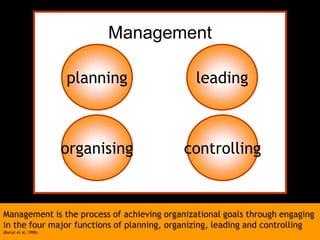
Management is the process of achieving organizational goals through engaging
in the four major functions of planning, organizing, leading and controlling
(Bartol et al, 1998).
planning


planning is the process of setting goals and
        deciding best way to achieve them
organizing is the process of allocating and
    arranging human and other resources


  organising
leading


leading is the process of influencing others
What is controlling about?


                             controlling
Management

                        planning               leading


                        organising          controlling


Management is the process of achieving organizational goals through engaging
in the four major functions of planning, organizing, leading and controlling
(Bartol et al, 1998).
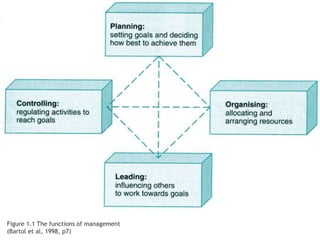
Figure 1.1 The functions of management
(Bartol et al, 1998, p7)
What is a Team ?
Together Everyone Achieves More
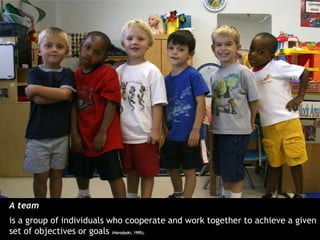
A team
is a group of individuals who cooperate and work together to achieve a given
set of objectives or goals (Horodyski, 1995).
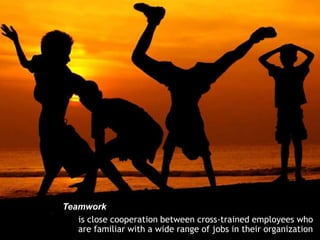
Teamwork
   is close cooperation between cross-trained employees who
   are familiar with a wide range of jobs in their organization
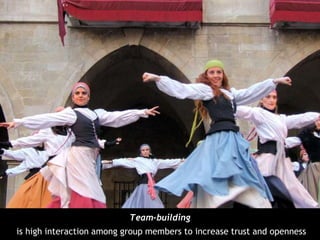
Team-building
is high interaction among group members to increase trust and openness
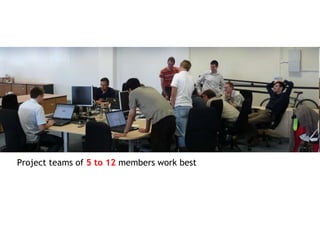
Project teams of 5 to 12 members work best
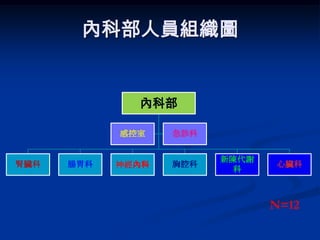
內科部人員組織圖


              內科部

            感控室    急診科


                         新陳代謝
腎臟科   腸胃科   神經內科   胸腔科          心臟科
                           科


                                N=12
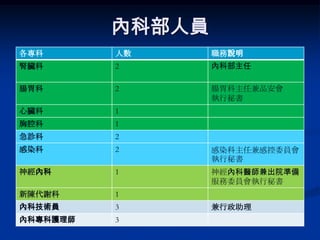
內科部人員
各專科       人數      職務說明
腎臟科       2       內科部主任

腸胃科       2       腸胃科主任兼品安會
                  執行秘書
心臟科       1
胸腔科       1
急診科       2
感染科       2       感染科主任兼感控委員會
                  執行秘書
神經內科      1       神經內科醫師兼出院準備
                  服務委員會執行秘書
新陳代謝科     1
內科技術員     3       兼行政助理
內科專科護理師   3
Common Characteristics of High
Performing Teams
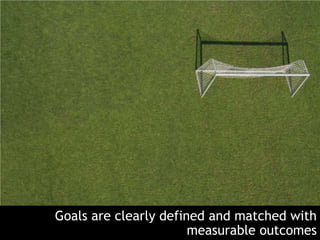
Goals are clearly defined and matched with
                       measurable outcomes
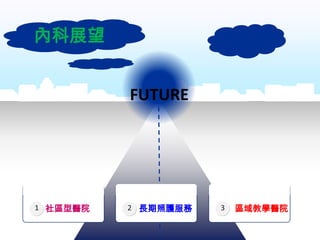
內科展望


          FUTURE


1 社區型醫院   2 長期照護服務   3   區域教學醫院
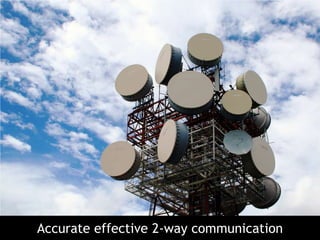
Accurate effective 2-way communication
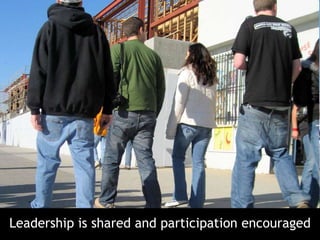
Leadership is shared and participation encouraged
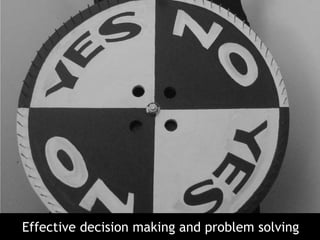
Effective decision making and problem solving
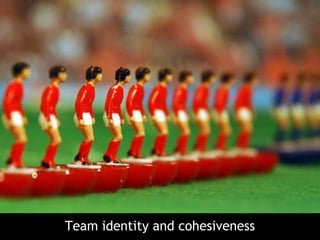
Team identity and cohesiveness
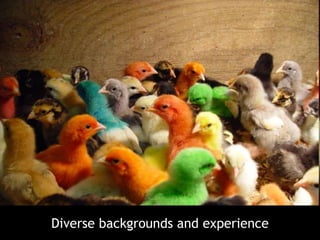
Diverse backgrounds and experience
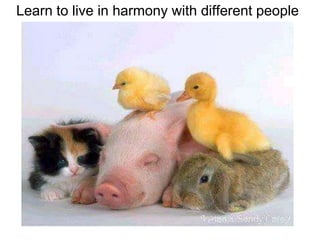
Learn to live in harmony with different people
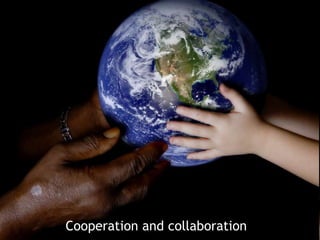
Cooperation and collaboration
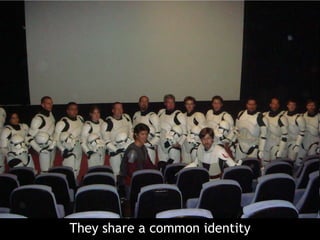
They share a common identity
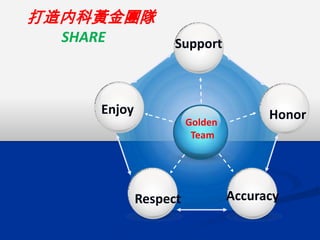
打造内科黃金團隊
  SHARE             Support


      Enjoy                            Honor
                        Golden
                         Team


              Respect            Accuracy
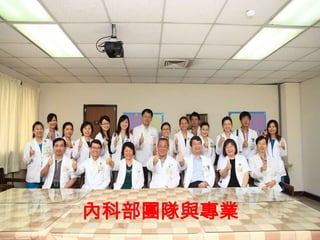
內科部團隊與專業
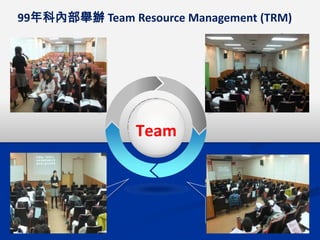
99年科內部舉辦 Team Resource Management (TRM)


第一章                        第二章
教學資源與管理                    師資培育


                Team


第三章                        第四章
垮領域教學與                     教學與研究成果
學術交流
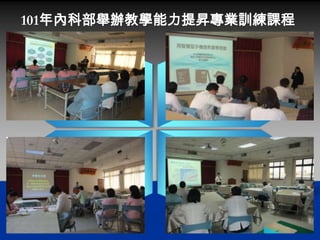
101年內科部舉辦教學能力提昇專業訓練課程


       S
    Strengths
                    W
                   Weaknesses


     O
   Opportunities
                     T
                    Threats
Example text               Example text                 Example text               Example text

Go ahead and replace it    Go ahead and replace it      Go ahead and replace it    Go ahead and replace it
with your own text. This   with your own text. This     with your own text. This   with your own text. This
is an example text.        is an example text.          is an example text.        is an example text.


                                            Conclusion


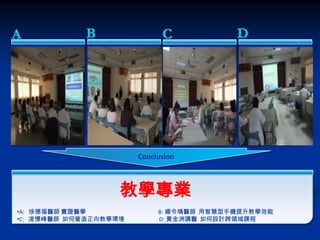
                                     教學專業
•A: 徐德福醫師 實證醫學                                        B: 楊令瑀醫師 用智慧型手機提升教學效能
•C: 凌憬峰醫師 如何營造正向教學環境                                  D: 黃金洲講醫 如何設計跨領域課程
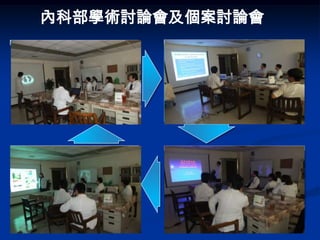
內科部學術討論會及個案討論會

Example text                                  Example text
Go ahead and replace it with your own text.   Go ahead and replace it with your own text. This
This is an example text.                      is an example text.


Example text                                  Example text
Go ahead and replace it with your own text.   Go ahead and replace it with your own text. This
This is an example text.                      is an example text.
Example text               Example text               Example text               Example text

Go ahead and replace it    Go ahead and replace it    Go ahead and replace it    Go ahead and replace it
with your own text. This   with your own text. This   with your own text. This   with your own text. This
is an example text.        is an example text.        is an example text.        is an example text.


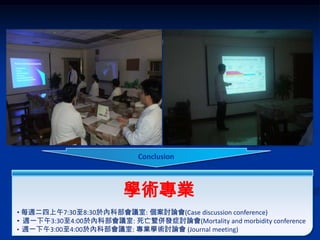
                                            Conclusion


                                      學術專業
• 每週二四上午7:30至8:30於內科部會議室: 個案討論會(Case discussion conference)
• 週一下午3:30至4:00於內科部會議室: 死亡暨併發症討論會(Mortality and morbidity conference
• 週一下午3:00至4:00於內科部會議室: 專業學術討論會 (Journal meeting)
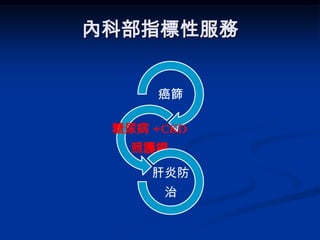
內科部指標性服務


     癌篩

 糖尿病 +CKD
   照護網
     肝炎防
      治
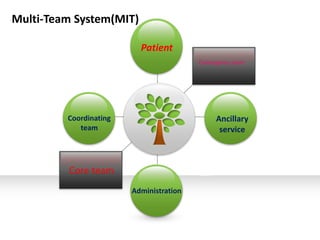
Multi-Team System(MIT)

         Contingency ice
                             Patient
                                            Contingency team


         Coordinating                             Ancillary
            team                                   service


                                            Example text
                                            This is an example
         Core team                          text.

                           Administration
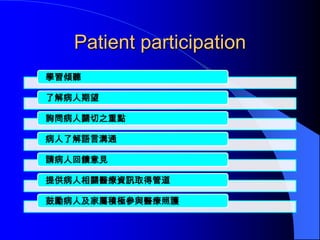
Patient participation
學習傾聽

了解病人期望

詢問病人關切之重點

病人了解語言溝通

請病人回饋意見

提供病人相關醫療資訊取得管道

鼓勵病人及家屬積極參與醫療照護
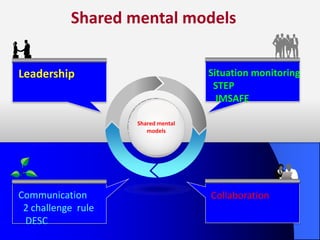
Shared mental models


Leadership                          Situation monitoring
                                     STEP
                                      IMSAFE
                                    .

                    Shared mental
                       models


Communication                           Collaboration
 2 challenge rule
 DESC
What is Leadership?


Management is the process of achieving organizational goals through engaging
in the four major functions of planning, organizing, leading and controlling
(Bartol et al, 1998).
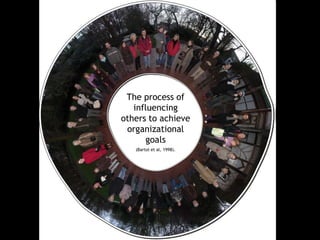
The process of
   influencing
others to achieve
 organizational
      goals
   (Bartol et al, 1998).
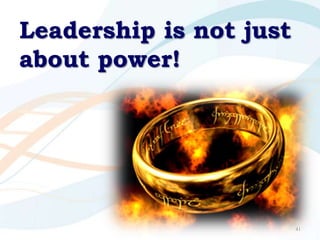
Leadership is not just
about power!


                         41
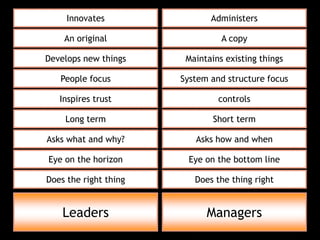
Innovates                Administers

    An original                  A copy

Develops new things     Maintains existing things

   People focus        System and structure focus

   Inspires trust               controls

    Long term                  Short term

Asks what and why?        Asks how and when

Eye on the horizon       Eye on the bottom line

Does the right thing      Does the thing right


    Leaders                  Managers
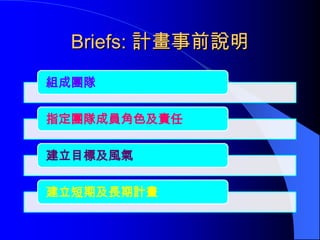
Briefs: 計畫事前說明
組成團隊

指定團隊成員角色及責任

建立目標及風氣

建立短期及長期計畫
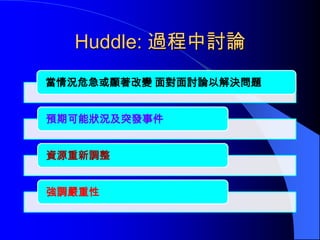
Huddle: 過程中討論
當情況危急或顯著改變 面對面討論以解決問題


預期可能狀況及突發事件


資源重新調整


強調嚴重性
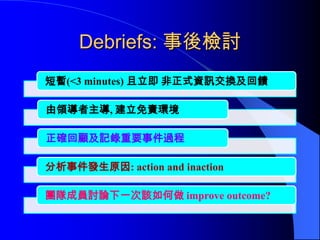
Debriefs: 事後檢討
短暫(<3 minutes) 且立即 非正式資訊交換及回饋

由領導者主導, 建立免責環境

正確回顧及記錄重要事件過程

分析事件發生原因: action and inaction

團隊成員討論下一次該如何做 improve outcome?
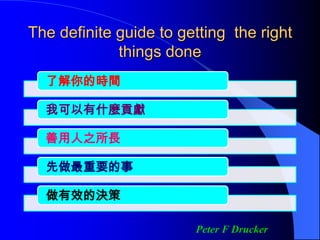
The definite guide to getting the right
             things done
  了解你的時間

  我可以有什麼貢獻

  善用人之所長

  先做最重要的事

  做有效的決策

                        Peter F Drucker
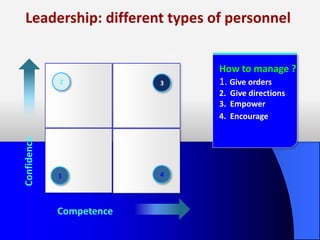
Leadership: different types of personnel

                              igh

                                    How to manage ?
             2            3         1. Give orders
                                    2. Give directions
                                    3. Empower
                                    4. Encourage
Confidence


             1            4


             Competence
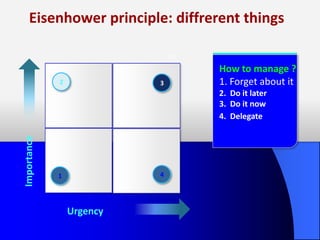
Eisenhower principle: diffrerent things

                               igh

                                     How to manage ?
             2             3         1. Forget about it
                                     2. Do it later
                                     3. Do it now
                                     4. Delegate
Importance


             1             4


                 Urgency
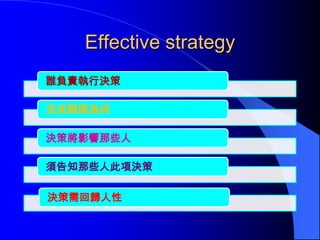
Effective strategy
誰負責執行決策

完成期限為何

決策將影響那些人

須告知那些人此項決策

決策需回歸人性
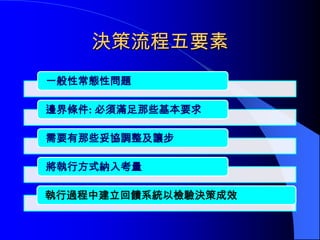
決策流程五要素
一般性常態性問題

邊界條件: 必須滿足那些基本要求

需要有那些妥協調整及讓步

將執行方式納入考量

執行過程中建立回饋系統以檢驗決策成效
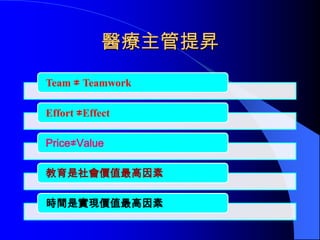
醫療主管提昇
Team ≠ Teamwork

Effort ≠Effect

Price≠Value

教育是社會價值最高因素

時間是實現價值最高因素
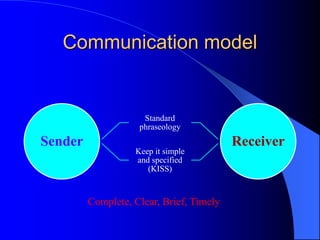
Communication model


                     Standard
                    phraseology
Sender                                    Receiver
                   Keep it simple
                   and specified
                      (KISS)


         Complete, Clear, Brief, Timely
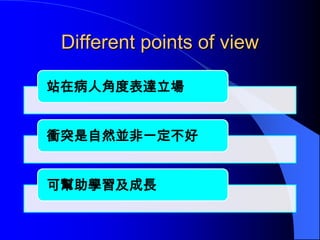
Different points of view

站在病人角度表達立場


衝突是自然並非一定不好


可幫助學習及成長
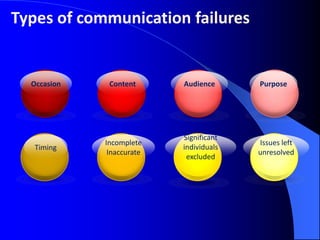
Types of communication failures


  Occasion    Content      Audience      Purpose


                           Significant
             Incomplete                  Issues left
   Timing                  individuals
              Inaccurate                 unresolved
                            excluded
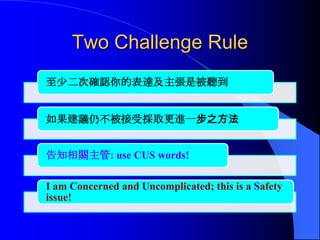
Two Challenge Rule
至少二次確認你的表達及主張是被聽到


如果建議仍不被接受採取更進一步之方法


告知相關主管: use CUS words!

I am Concerned and Uncomplicated; this is a Safety
issue!
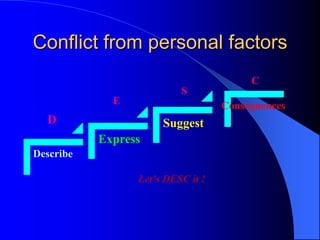
Conflict from personal factors
                                        C
                          S
             E                     Consequences
  D                   Suggest
           Express
Describe

                 Let's DESC it !
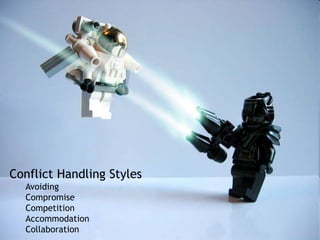
Conflict Handling Styles
  Avoiding
  Compromise
  Competition
  Accommodation
  Collaboration
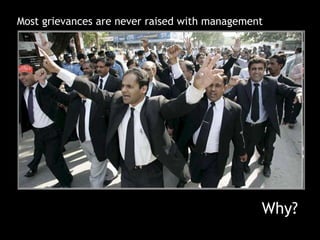
Most grievances are never raised with management


                                               Why?
What you should do?
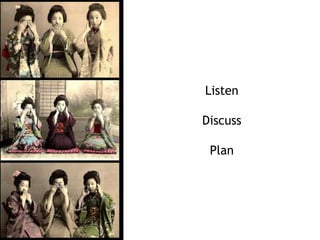
Listen

Discuss

 Plan
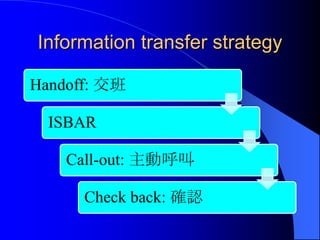
Information transfer strategy

Handoff: 交班

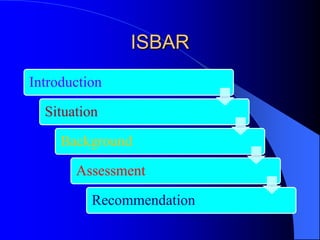
  ISBAR

    Call-out: 主動呼叫

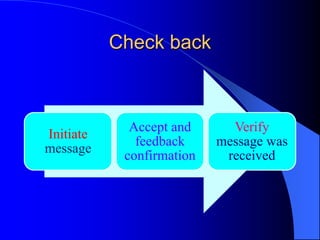
      Check back: 確認
ISBAR
Introduction

  Situation

     Background

       Assessment

          Recommendation
Check back


             Accept and      Verify
Initiate
              feedback     message was
message
            confirmation    received
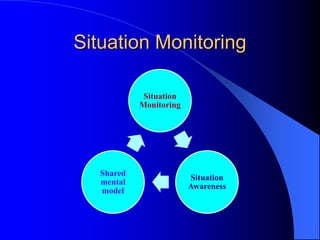
Situation Monitoring

             Situation
            Monitoring


   Shared
                         Situation
   mental
                         Awareness
   model
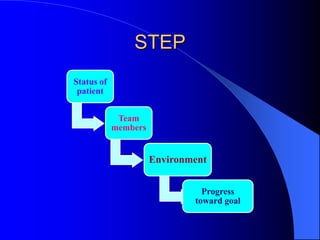
STEP
Status of
 patient


             Team
            members


                      Environment


                                Progress
                              toward goal
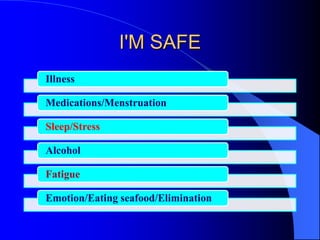
I'M SAFE
Illness

Medications/Menstruation

Sleep/Stress

Alcohol

Fatigue

Emotion/Eating seafood/Elimination
Stress
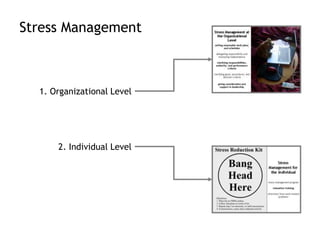
Stress Management


  1. Organizational Level


      2. Individual Level
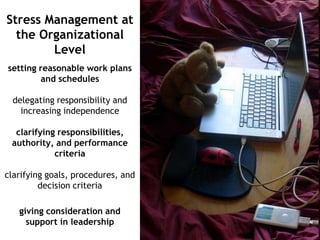
Stress Management at
  the Organizational
        Level
setting reasonable work plans
        and schedules

 delegating responsibility and
   increasing independence

  clarifying responsibilities,
 authority, and performance
            criteria

clarifying goals, procedures, and
         decision criteria

   giving consideration and
     support in leadership
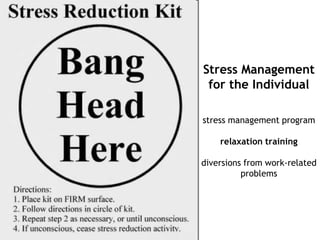
Stress Management
 for the Individual

stress management program

    relaxation training

diversions from work-related
          problems
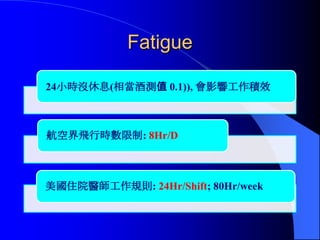
Fatigue

24小時沒休息(相當酒測值 0.1)), 會影響工作積效


航空界飛行時數限制: 8Hr/D


美國住院醫師工作規則: 24Hr/Shift; 80Hr/week
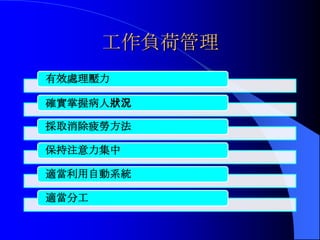
工作負荷管理
有效處理壓力

確實掌握病人狀況

採取消除疲勞方法

保持注意力集中

適當利用自動系統

適當分工
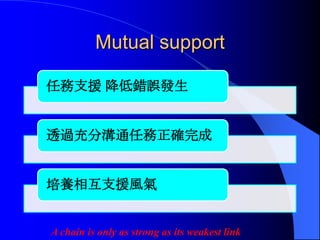
Mutual support

任務支援 降低錯誤發生


透過充分溝通任務正確完成


培養相互支援風氣


A chain is only as strong as its weakest link
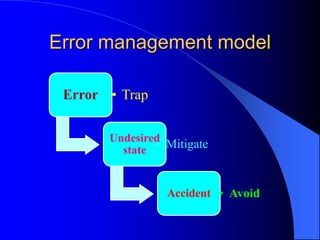
Error management model

 Error • Trap

       Undesired
         state • Mitigate


                 Accident • Avoid
Trm in medicine

Trm in medicine