TRIGGER FINGER/STENOSING
TENOSYNOVITIS
Dr Saffee Tariq
PGR Orthopaedic surgery
INTRODUCTION
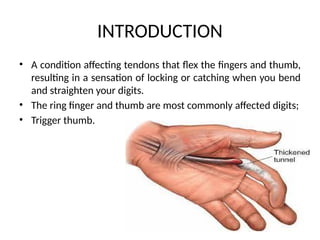
• A condition affecting tendons that flex the fingers and thumb,
resulting in a sensation of locking or catching when you bend
and straighten your digits.
• The ring finger and thumb are most commonly affected digits;
• Trigger thumb.
ANATOMY
• The flexor tendons are long cord-like structures that attach the muscles of the
forearm to the bones of the fingers and thumb. When the respective muscles
contract, the flexor tendons pull on the bones of the fingers and thumb, causing
them to bend.
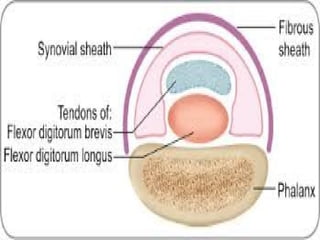
• Each of the flexor tendons to the fingers and thumb passes through a separate
tubular structure, called a tendon sheath, as the tendon makes its way across
the palm and into the digit. The tendon sheaths are firmly attached to the
finger or thumb bones.
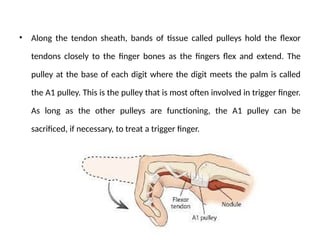
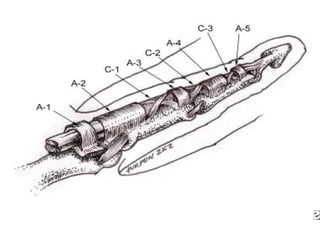
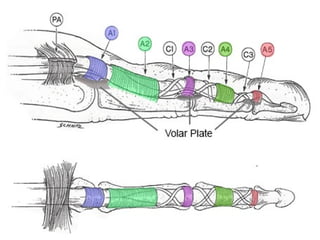
• Along the tendon sheath, bands of tissue called pulleys hold the flexor
tendons closely to the finger bones as the fingers flex and extend. The
pulley at the base of each digit where the digit meets the palm is called
the A1 pulley. This is the pulley that is most often involved in trigger finger.
As long as the other pulleys are functioning, the A1 pulley can be
sacrificed, if necessary, to treat a trigger finger.
DESCRIPTION
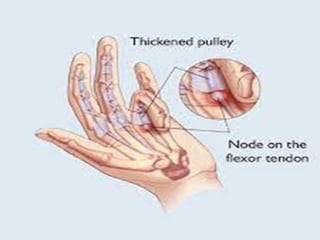
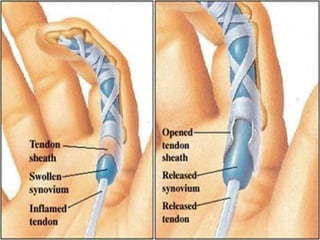
• In a patient with trigger finger, the A1 pulley becomes
inflamed and thickened, making it harder for the
flexor tendon to glide through it as the finger bends.
Over time, the flexor tendon may also become
inflamed and develop a small nodule on its surface,
further aggravating the condition. When the digit
flexes and the thickened nodule passes through the
tight pulley, there is a sensation of catching or
popping. This is often painful.
Pathophysiology
• caused by stenosing tenosynovitis at the A1 pulley
• fibrocartilaginous metaplasia of tendon and/or
pulley.
• proliferation of chondrocytes.
• increased type III collagen.
• chronic hyperglycemia creates collagen cross-links.
• impairs collagen degradation.
Pathophysiology
• occasional pathologic nodule of the flexor
digitorum profundus tendon
• flexor digitorum superficialis often unaffected
• trigger thumb may have a fourth pulley
(variable annular pulley) causing stenosis in up
to 75% of patients.
Associated Orthopaedic condtions
• rheumatoid arthritis
• calcific tendinitis
• septic tenosynovitis
• carpal tunnel syndrome
• congenital trigger thumb
Associated medical conditions
• diabetes
• bilateral hand and multiple digit involvement
is more common
• amyloidosis
• hypothyroidism
• sarcoidosis
• gout
• pseudogout
RISK FACTORS:
• certain medical conditions, such as diabetes
and rheumatoid arthritis.
• common in older individuals
• more common in women
• common in people aged 40 to 60 years
SYMPTOMS
• usually progressive
• pain at the level of the A1 pulley
• clicking
• catching
• finger becoming "locked" in flexed position at
the proximal interphalangeal (PIP) joint
Physical Examination
• palpation
– tenderness at level of A1 pulley
– palpable nodule of the flexor tendon
• motion
– triggering with digit flexion and extension
– fixed flexion of PIP joint
• provocative test
– flexion and extension of the digit may reproduce
symptoms
Differentials
• Lumbrical plus finger
• differentiated by paradoxical extension while
trying to flex the digit
• Joint contracture
• differentiated by history of trauma and inability to
passively extend the digit
• Pyogenic flexor tenosynovitis
• differentiated by signs of infection, including
possible elevated inflammatory markers,
Green Classification
• Grade I
• Palm pain and tenderness at A-1 pulley
• Grade II
• Catching of digit
• Grade III
• Locking of digit, passively correctable
• Grade IV
• Fixed, locked digit
MANAGEMENT:
• splinting,
• activity modification
• NSAIDs
• corticosteroid injection
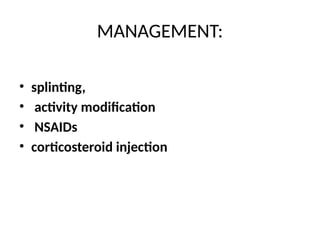
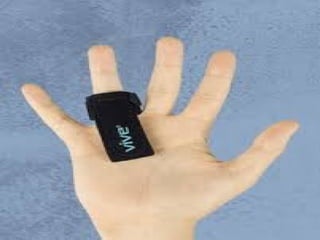
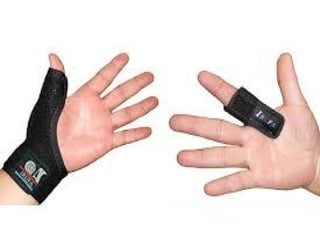
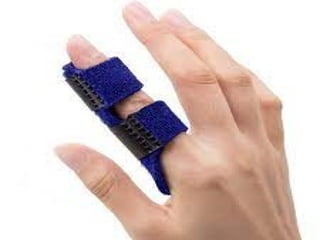
Splinting
• immobilization either the
metacarpophalangeal (MCP) joint or distal
interphalangeal joint only.
• proximal interphalangeal joint remains
unrestricted.
Corticosteroid injections
• give 1 to 3 injections in or just superficial to
flexor tendon sheath
• can be combined with percutaneous A1 pulley
release
• complications
• tendon rupture
• subcutaneous fat atrophy
• transient hyperglycemia
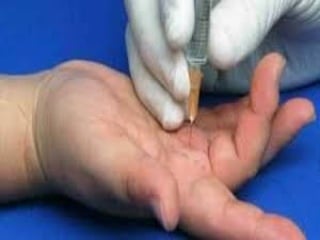
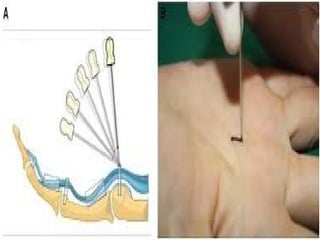
Percutaneous Release of A1 Pulley
• typically 18- to 19-gauge needle
• bevel parallel to tendon
• movement of digit confirms placement into
tendon
• needle withdrawn until out of tendon then
advanced to cut ligament
• release confirmed by attempt to reproduce
symptoms
• can be combined with corticosteroid injection
complications
• transient inflammation
• hematoma formation
• stiffness
• infection
• damage to neurovascular bundle
Open surgical debridement and release of A1
pulley
• local anesthetic allows intraoperative assessment
of triggering to confirm an adequate release
• in addition to A-1 pulley, may also need to
release
• tight band of superficial aponeurosis proximal to
A1 pulley (A0 pulley)
• one or both limbs of the sublimus tendon
• additional pulleys including A-3
Complications
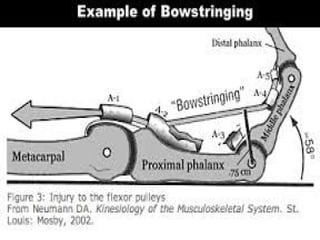
• tendon bowstringing
• damage to the digital neurovascular bundle
• stiffness
• Wound dehiscence
• Scar tenderness
• Stiffness
trigger finger causes, symptoms and treatment

trigger finger causes, symptoms and treatment

  • 1.
  • 2.
    INTRODUCTION • A conditionaffecting tendons that flex the fingers and thumb, resulting in a sensation of locking or catching when you bend and straighten your digits. • The ring finger and thumb are most commonly affected digits; • Trigger thumb.
  • 3.
    ANATOMY • The flexortendons are long cord-like structures that attach the muscles of the forearm to the bones of the fingers and thumb. When the respective muscles contract, the flexor tendons pull on the bones of the fingers and thumb, causing them to bend. • Each of the flexor tendons to the fingers and thumb passes through a separate tubular structure, called a tendon sheath, as the tendon makes its way across the palm and into the digit. The tendon sheaths are firmly attached to the finger or thumb bones.
  • 4.
    • Along thetendon sheath, bands of tissue called pulleys hold the flexor tendons closely to the finger bones as the fingers flex and extend. The pulley at the base of each digit where the digit meets the palm is called the A1 pulley. This is the pulley that is most often involved in trigger finger. As long as the other pulleys are functioning, the A1 pulley can be sacrificed, if necessary, to treat a trigger finger.
  • 7.
    DESCRIPTION • In apatient with trigger finger, the A1 pulley becomes inflamed and thickened, making it harder for the flexor tendon to glide through it as the finger bends. Over time, the flexor tendon may also become inflamed and develop a small nodule on its surface, further aggravating the condition. When the digit flexes and the thickened nodule passes through the tight pulley, there is a sensation of catching or popping. This is often painful.
  • 9.
    Pathophysiology • caused bystenosing tenosynovitis at the A1 pulley • fibrocartilaginous metaplasia of tendon and/or pulley. • proliferation of chondrocytes. • increased type III collagen. • chronic hyperglycemia creates collagen cross-links. • impairs collagen degradation.
  • 10.
    Pathophysiology • occasional pathologicnodule of the flexor digitorum profundus tendon • flexor digitorum superficialis often unaffected • trigger thumb may have a fourth pulley (variable annular pulley) causing stenosis in up to 75% of patients.
  • 11.
    Associated Orthopaedic condtions •rheumatoid arthritis • calcific tendinitis • septic tenosynovitis • carpal tunnel syndrome • congenital trigger thumb
  • 12.
    Associated medical conditions •diabetes • bilateral hand and multiple digit involvement is more common • amyloidosis • hypothyroidism • sarcoidosis • gout • pseudogout
  • 13.
    RISK FACTORS: • certainmedical conditions, such as diabetes and rheumatoid arthritis. • common in older individuals • more common in women • common in people aged 40 to 60 years
  • 14.
    SYMPTOMS • usually progressive •pain at the level of the A1 pulley • clicking • catching • finger becoming "locked" in flexed position at the proximal interphalangeal (PIP) joint
  • 15.
    Physical Examination • palpation –tenderness at level of A1 pulley – palpable nodule of the flexor tendon • motion – triggering with digit flexion and extension – fixed flexion of PIP joint • provocative test – flexion and extension of the digit may reproduce symptoms
  • 16.
    Differentials • Lumbrical plusfinger • differentiated by paradoxical extension while trying to flex the digit • Joint contracture • differentiated by history of trauma and inability to passively extend the digit • Pyogenic flexor tenosynovitis • differentiated by signs of infection, including possible elevated inflammatory markers,
  • 17.
    Green Classification • GradeI • Palm pain and tenderness at A-1 pulley • Grade II • Catching of digit • Grade III • Locking of digit, passively correctable • Grade IV • Fixed, locked digit
  • 18.
    MANAGEMENT: • splinting, • activitymodification • NSAIDs • corticosteroid injection
  • 19.
    Splinting • immobilization eitherthe metacarpophalangeal (MCP) joint or distal interphalangeal joint only. • proximal interphalangeal joint remains unrestricted.
  • 23.
    Corticosteroid injections • give1 to 3 injections in or just superficial to flexor tendon sheath • can be combined with percutaneous A1 pulley release • complications • tendon rupture • subcutaneous fat atrophy • transient hyperglycemia
  • 26.
    Percutaneous Release ofA1 Pulley • typically 18- to 19-gauge needle • bevel parallel to tendon • movement of digit confirms placement into tendon • needle withdrawn until out of tendon then advanced to cut ligament • release confirmed by attempt to reproduce symptoms • can be combined with corticosteroid injection
  • 27.
    complications • transient inflammation •hematoma formation • stiffness • infection • damage to neurovascular bundle
  • 29.
    Open surgical debridementand release of A1 pulley • local anesthetic allows intraoperative assessment of triggering to confirm an adequate release • in addition to A-1 pulley, may also need to release • tight band of superficial aponeurosis proximal to A1 pulley (A0 pulley) • one or both limbs of the sublimus tendon • additional pulleys including A-3
  • 32.
    Complications • tendon bowstringing •damage to the digital neurovascular bundle • stiffness • Wound dehiscence • Scar tenderness • Stiffness