-Songs of Innocence and Experience - 
Daniela Duran, Clara Gil, Laura Rodriguez, 
Maria Paula Urbina.
The Lamb 
Little Lamb, who made thee? A 
Dost thou know who made thee? A 
Gave thee life, and bid thee feed B 
By the stream and o’er the mead, B 
Gave thee clothing of delight, C 
Softest clothing, wooly bright; C 
Gave thee such a tender voice, D 
Making all the vales rejoice? D 
Little Lamb who made thee? A 
Dost thou know who made thee? A 
Little Lamb, I’ll tell thee, A 
Little Lamb, I’ll tell thee: A 
He is called by thy name, B 
For he calls himself a Lamb. C 
He is meek, and he is mild; C 
He became a little child. C 
I a child, and thou a lamb, C 
We are called by his ame. B 
Little Lamb, God bless thee! A 
Little Lamb, God bless thee! A
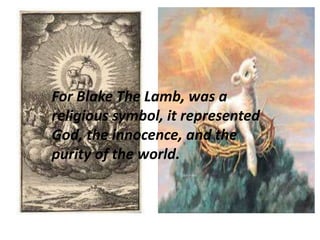
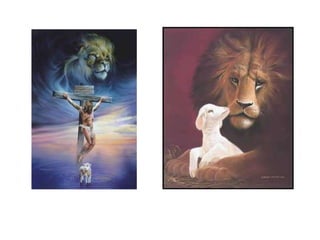
For Blake The Lamb, was a 
religious symbol, it represented 
God, the innocence, and the 
purity of the world.
Little Lamb, who made thee? 
Dost thou know who made thee? 
Gave thee life, and bid thee feed 
By the stream and o’er the mead, 
Gave thee clothing of delight, 
Softest clothing, wooly bright; 
Gave thee such a tender voice, 
Making all the vales rejoice? 
Little Lamb who made thee? 
Dost thou know who made thee? 
The lamb is a clear Biblical allusion: the speaker (Blake in a figure of a child) praises the 
Lord for creating such a virtuous creature, he honors God for making a beautiful world. 
Asks directly the creature if he knows the great one who made him. Writes about the 
water and food supplied to the lamb, as well as his soft ‘’voice’.
Little Lamb, I’ll tell thee, 
Little Lamb, I’ll tell thee: 
He is called by thy name, 
For he calls himself a Lamb. 
He is meek, and he is mild; 
He became a little child. 
I a child, and thou a lamb, 
We are called by his name. 
Little Lamb, God bless thee! 
In the second stanza, Blake supplies the answer proposed in the firs stanza. The 
symbol worked here, is : Since Jesus is often called The Lamb Of God // The lab = God 
In being kind, and sweet with humanity. Blake ends the poem blessing the lamb for 
his relation with the lord. ‘’I a Child’’ and ‘’thou a lamb’’  shows even more a 
religious aspect (because of the syntax) .
A Poison Tree 
I was angry with my friend; A 
I told my wrath, my wrath did end. A 
I was angry with my foe: B 
I told it not, my wrath did grow. B 
And I watered it in fears, A 
Night & morning with my tears: A 
And I sunned it with smiles, B 
And with soft deceitful wiles. B 
And it grew both day and night. A 
Till it bore an apple bright. A 
And my foe beheld it shine, B 
And he knew that it was mine. B 
And into my garden stole, A 
When the night had veiled the pole; A 
In the morning glad I see; B 
My foe outstretched beneath the tree. B
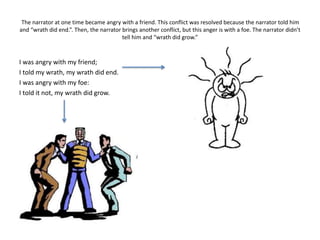
The narrator at one time became angry with a friend. This conflict was resolved because the narrator told him 
and “wrath did end.”. Then, the narrator brings another conflict, but this anger is with a foe. The narrator didn’t 
tell him and “wrath did grow.” 
I was angry with my friend; 
I told my wrath, my wrath did end. 
I was angry with my foe: 
I told it not, my wrath did grow.
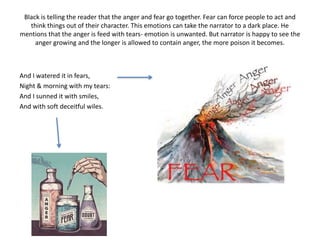
Black is telling the reader that the anger and fear go together. Fear can force people to act and 
think things out of their character. This emotions can take the narrator to a dark place. He 
mentions that the anger is feed with tears- emotion is unwanted. But narrator is happy to see the 
anger growing and the longer is allowed to contain anger, the more poison it becomes. 
And I watered it in fears, 
Night & morning with my tears: 
And I sunned it with smiles, 
And with soft deceitful wiles.
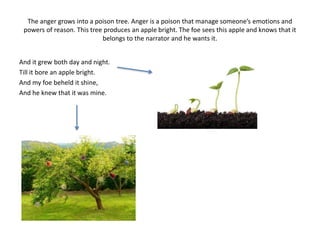
The anger grows into a poison tree. Anger is a poison that manage someone’s emotions and 
powers of reason. This tree produces an apple bright. The foe sees this apple and knows that it 
belongs to the narrator and he wants it. 
And it grew both day and night. 
Till it bore an apple bright. 
And my foe beheld it shine, 
And he knew that it was mine.
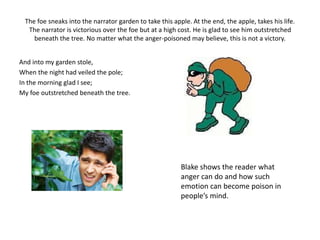
The foe sneaks into the narrator garden to take this apple. At the end, the apple, takes his life. 
The narrator is victorious over the foe but at a high cost. He is glad to see him outstretched 
beneath the tree. No matter what the anger-poisoned may believe, this is not a victory. 
And into my garden stole, 
When the night had veiled the pole; 
In the morning glad I see; 
My foe outstretched beneath the tree. 
Blake shows the reader what 
anger can do and how such 
emotion can become poison in 
people’s mind.

The Lamb and A Poison Tree

  • 1.
    -Songs of Innocenceand Experience - Daniela Duran, Clara Gil, Laura Rodriguez, Maria Paula Urbina.
  • 2.
    The Lamb LittleLamb, who made thee? A Dost thou know who made thee? A Gave thee life, and bid thee feed B By the stream and o’er the mead, B Gave thee clothing of delight, C Softest clothing, wooly bright; C Gave thee such a tender voice, D Making all the vales rejoice? D Little Lamb who made thee? A Dost thou know who made thee? A Little Lamb, I’ll tell thee, A Little Lamb, I’ll tell thee: A He is called by thy name, B For he calls himself a Lamb. C He is meek, and he is mild; C He became a little child. C I a child, and thou a lamb, C We are called by his ame. B Little Lamb, God bless thee! A Little Lamb, God bless thee! A
  • 3.
    For Blake TheLamb, was a religious symbol, it represented God, the innocence, and the purity of the world.
  • 4.
    Little Lamb, whomade thee? Dost thou know who made thee? Gave thee life, and bid thee feed By the stream and o’er the mead, Gave thee clothing of delight, Softest clothing, wooly bright; Gave thee such a tender voice, Making all the vales rejoice? Little Lamb who made thee? Dost thou know who made thee? The lamb is a clear Biblical allusion: the speaker (Blake in a figure of a child) praises the Lord for creating such a virtuous creature, he honors God for making a beautiful world. Asks directly the creature if he knows the great one who made him. Writes about the water and food supplied to the lamb, as well as his soft ‘’voice’.
  • 5.
    Little Lamb, I’lltell thee, Little Lamb, I’ll tell thee: He is called by thy name, For he calls himself a Lamb. He is meek, and he is mild; He became a little child. I a child, and thou a lamb, We are called by his name. Little Lamb, God bless thee! Little Lamb, God bless thee! In the second stanza, Blake supplies the answer proposed in the firs stanza. The symbol worked here, is : Since Jesus is often called The Lamb Of God // The lab = God In being kind, and sweet with humanity. Blake ends the poem blessing the lamb for his relation with the lord. ‘’I a Child’’ and ‘’thou a lamb’’  shows even more a religious aspect (because of the syntax) .
  • 7.
    A Poison Tree I was angry with my friend; A I told my wrath, my wrath did end. A I was angry with my foe: B I told it not, my wrath did grow. B And I watered it in fears, A Night & morning with my tears: A And I sunned it with smiles, B And with soft deceitful wiles. B And it grew both day and night. A Till it bore an apple bright. A And my foe beheld it shine, B And he knew that it was mine. B And into my garden stole, A When the night had veiled the pole; A In the morning glad I see; B My foe outstretched beneath the tree. B
  • 8.
    The narrator atone time became angry with a friend. This conflict was resolved because the narrator told him and “wrath did end.”. Then, the narrator brings another conflict, but this anger is with a foe. The narrator didn’t tell him and “wrath did grow.” I was angry with my friend; I told my wrath, my wrath did end. I was angry with my foe: I told it not, my wrath did grow.
  • 9.
    Black is tellingthe reader that the anger and fear go together. Fear can force people to act and think things out of their character. This emotions can take the narrator to a dark place. He mentions that the anger is feed with tears- emotion is unwanted. But narrator is happy to see the anger growing and the longer is allowed to contain anger, the more poison it becomes. And I watered it in fears, Night & morning with my tears: And I sunned it with smiles, And with soft deceitful wiles.
  • 10.
    The anger growsinto a poison tree. Anger is a poison that manage someone’s emotions and powers of reason. This tree produces an apple bright. The foe sees this apple and knows that it belongs to the narrator and he wants it. And it grew both day and night. Till it bore an apple bright. And my foe beheld it shine, And he knew that it was mine.
  • 11.
    The foe sneaksinto the narrator garden to take this apple. At the end, the apple, takes his life. The narrator is victorious over the foe but at a high cost. He is glad to see him outstretched beneath the tree. No matter what the anger-poisoned may believe, this is not a victory. And into my garden stole, When the night had veiled the pole; In the morning glad I see; My foe outstretched beneath the tree. Blake shows the reader what anger can do and how such emotion can become poison in people’s mind.