Many businesses fail at branding due to poor strategy. Discover common pitfalls and best practices for brand building in the digital age to ensure long-term success.
JANUARY 2, 2025ADMIN NO COMMENTS
The concept of a brand is all about how a brand makes you feel and connects
with customers, which becomes the basis of the marketing strategy. Branding
involves visualization of the company’s product image or logo, which creates
an emotional connection with your customers.
In the old age of traditional branding, it involves mainly physical media, like
newspapers, magazines, and billboards. Also, it includes television, radio, and
outdoor advertising.
In this blog, we will learn about ancient traditional branding and modern
branding methods and techniques in the digital age. It also includes steps for
branding in the digital age and the effect of branding which affects business
success.
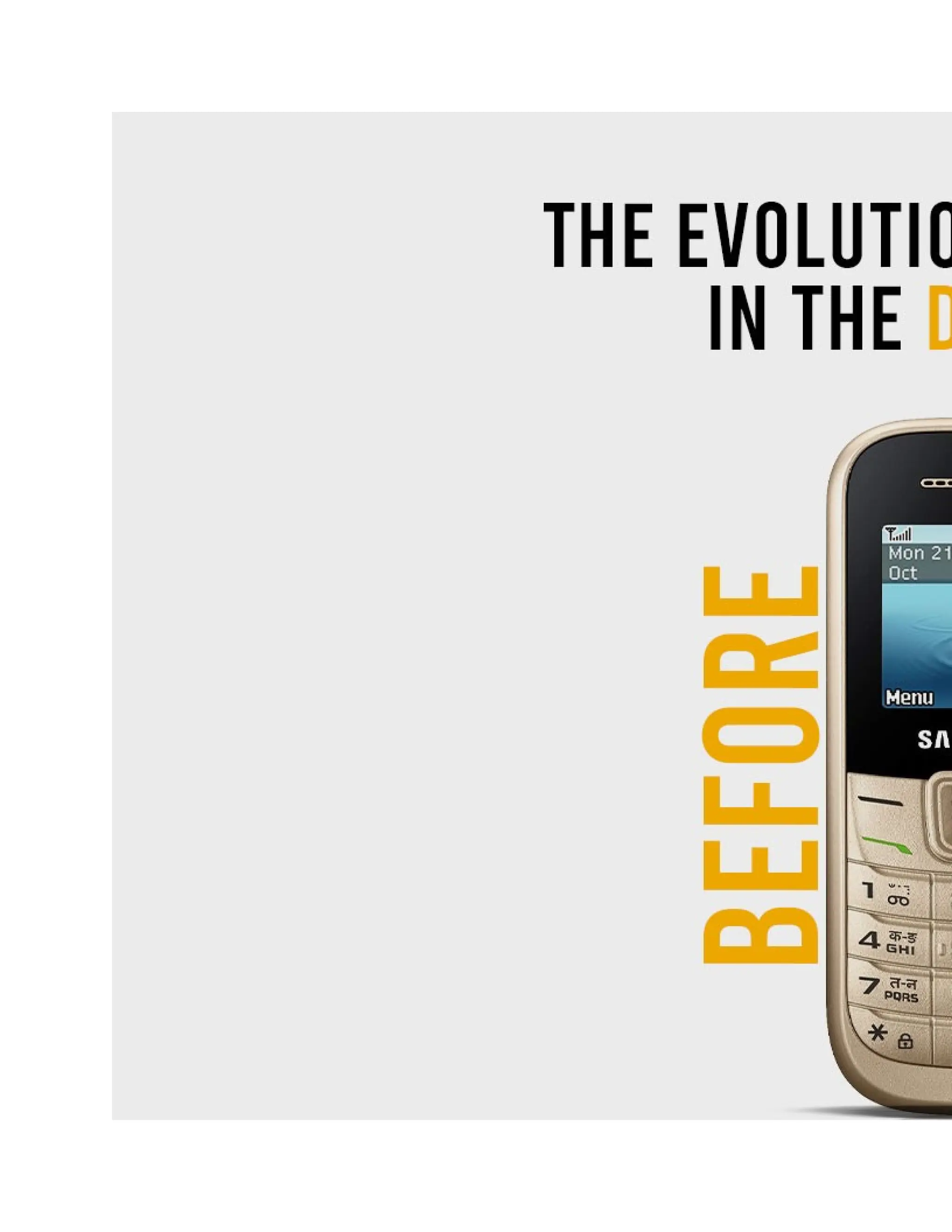
Traditional Branding: The Pre-Digital Era
Before the digital revolution, print media only conveyed the brand’s messages
to the customers. Traditional branding reached customers through
newspapers, pamphlets, magazines, and billboards. Another medium of
branding in the pre-digital era was the radio which involved only audio
branding.
With television’s visual and auditory appeal, it became a game-changer in the
middle of the 20th century.
Examples of traditional branding:
4.
Newspapers: Newspaperswere used to reach a wide audience quickly and
effectively that brands can use to communicate their message and connect
with their customers.
Billboards: Billboards were used to grab the attention of drivers.
Pamphlets: Pamphlets were an easy way to convey messages about the
brand to local customers.
Transit advertising: Ads on public transportation, such as buses and trains
Lawn signs: These can be used to build brand awareness in a specific area
to attract customers.
TV and Radio commercials: It is more effective and has a wide range of
audiences in different locations.
Flyers: These can engage consumers in a specific area through visualization
branding.
Brand building in the digital age
In the digital age, brand building is becoming more impressive and, of course,
practical. It builds a comprehensive and deep impression on target customers.
Digital brand building or online branding describes a method of brand
management. Branding in the digital age includes creating a unique identity
for your business growth and brand. Many businesses fail at branding due to
poor strategy. Discover common pitfalls and best practices for brand building in
the digital age to ensure long-term success.
5.
Essential Steps forEffective Branding in the Digital Era
1. Create a unique logo: The logo plays a significant role in branding our
product and services.
2. Define your brand values: Share your brand’s values with business
stakeholders.
3. Set your target audience: Understand what type of costumers you want to
reach and what they want from you.
4. Create a brand story: Build strong storytelling techniques to connect
emotionally with your customers.
5. Evaluate and manage your online reputation: Monitor frequently how your
customers and clients interact with the organization through social media,
search engines, and other review platforms.
6. Build a brand communication strategy: Create an effective communication
to convey information.
7. Update your brand: Monitor your performance online frequently to ensure
your brand is up-to-date and impactful.
The effect of branding on business
Branding can affect a business in many ways, including:
6.
Brand loyalty:Customers who have trust in a brand are more likely to buy its
products and services, while a competitor offers the same product and service
at a lower price.
Brand awareness: Strong branding helps customers to recognize and
remember when purchasing products.
Perceived value: Effective branding can increase the perceived value of
products and services.
Credibility: Ineffective branding can lead to a move business downside or
loss of customer trust and credibility.
Marketing techniques used in the digital age
Digital marketing uses the Internet and online-based digital technologies like
computers, mobile phones, and other digital media and platforms to promote
products and services.
Social media marketing: Using social media platforms to promote a brand,
product, or service.
Content marketing: Creating and sharing content to reach potential
customers. This can include written, visual, or video content.
Search engine optimization (SEO): Optimizing a website’s content so it
ranks higher in search engine results. This can help increase traffic to a
website.
7.
Email marketing:Using email to send promotional, transactional, or
informative content.
What’s Next for Branding in the Digital Age?
To sustain strongly in the market and gain continued profit, we should keep
ourselves updated according to the market. Day to day, new technologies and
inventions occur, and a business can grow upwards. By using the latest digital
technology, it is easy to make branding more attractive and adequate to
customers. Artificial intelligence (AI) and augmented reality (AR) define the
modern digital age of branding. AI will continue to play a significant and vast
role in the next level of branding, and it is next to impossible to build
successful brands without adopting these new branding technologies.
The next level of branding involves these new technologies:
Artificial intelligence (AI)
AI-powered chatbots can improve branding and reflect customer service
Machine learning and AI can help us to analyze data and create targeted
marketing campaigns
Augmented reality (AR)
Augmented reality can be used in advertising campaigns to create a better
shopping experience
By using AR, advertising campaigns can create interactive and engaging user
experiences
8.
Data Analytics (DA)
Data analytics tools can provide market trends and customer behavior
By analyzing customer feedback, reviews, interactions, and purchase history,
it could be easy to identify areas of improvement in your products, services,
and the overall customer experience.
Social media marketing
It helps to drive brand awareness and engagement with customers
It can help to build a unique brand identity that differentiates your business
from competitors.
Conclusion
These technologies can help brands improve customer service, create
targeted marketing campaigns, and understand customer behavior.
The conclusion is that branding has become even more necessary in the
modern digital age. The evolution of branding depends on deep knowledge of
the target audience, so implementing new ideas to attract new customers.
Brands as old as two centuries are also changing their marketing strategies to
match the digital pace and give stiff competition to their competitors.
The goal of branding is to build a brand’s value and, of course, the company’s
value as a result. In the new modern digital age, evaluating branding through
the digital age is easy and convenient.





![BBA_III_Introduction_to_Digital_Marketing_(Module-I)_(1)[1].pptx](https://cdn.slidesharecdn.com/ss_thumbnails/bbaiiiintroductiontodigitalmarketingmodule-i11-240317153652-625f3ede-thumbnail.jpg?width=640&height=640&fit=bounds)


