Federated Press Workshop;
AODA, Human Rights and Disability
Management
JE Sleeth Sr Ergonomic & Inclusive Design
Consultant
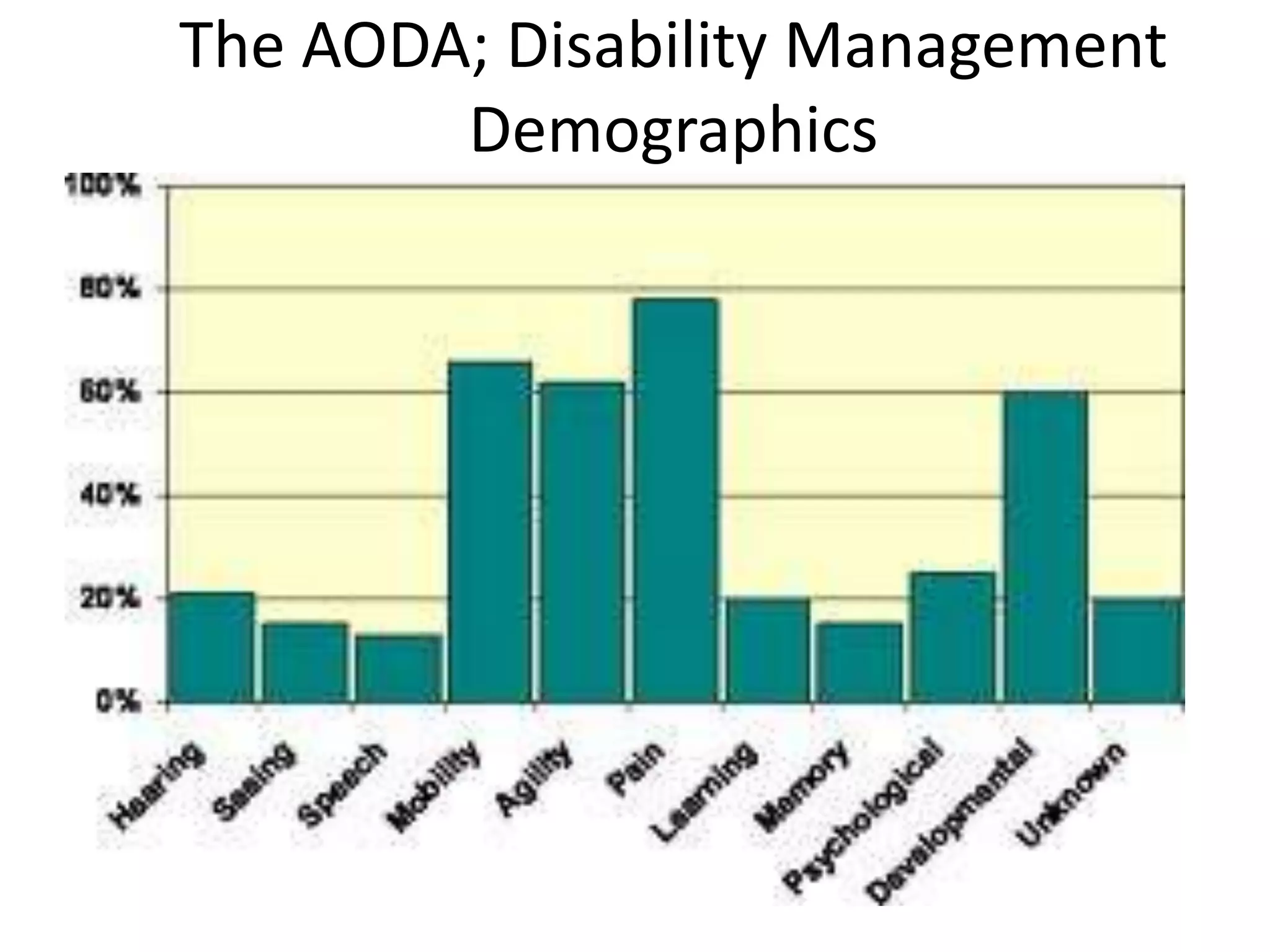
The AODA; Disability Management
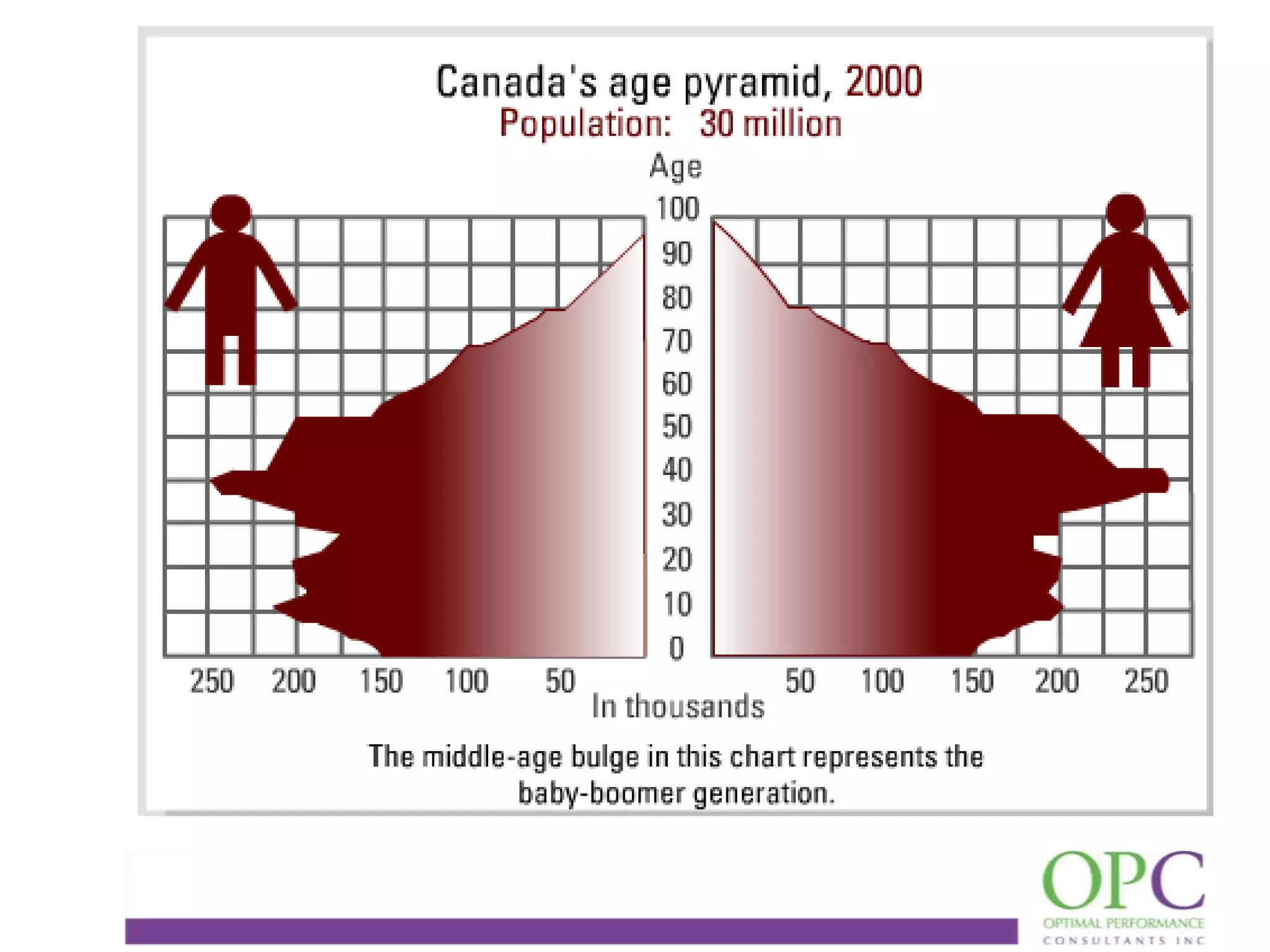
Demographics
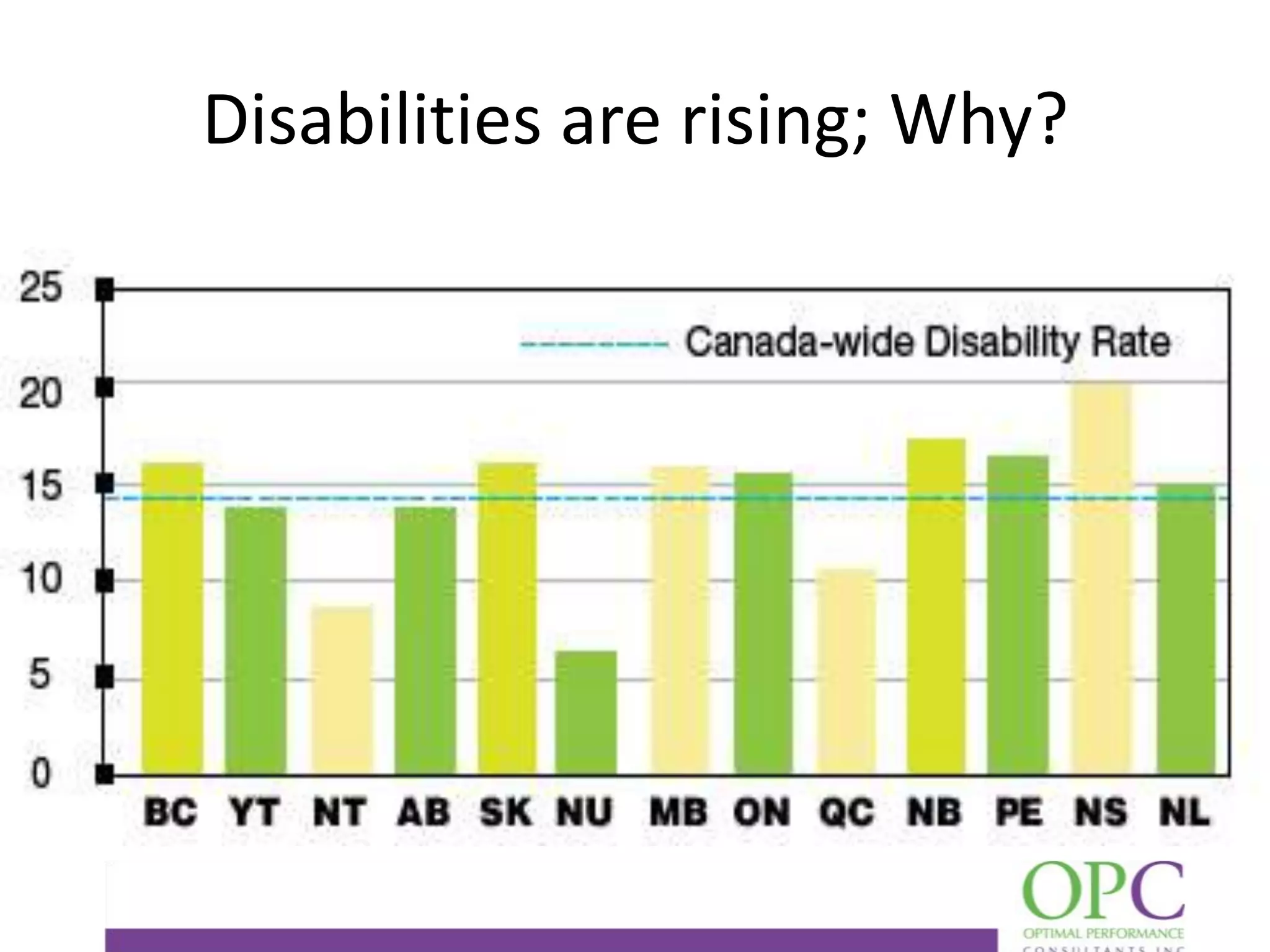
Disabilities are rising; Why?
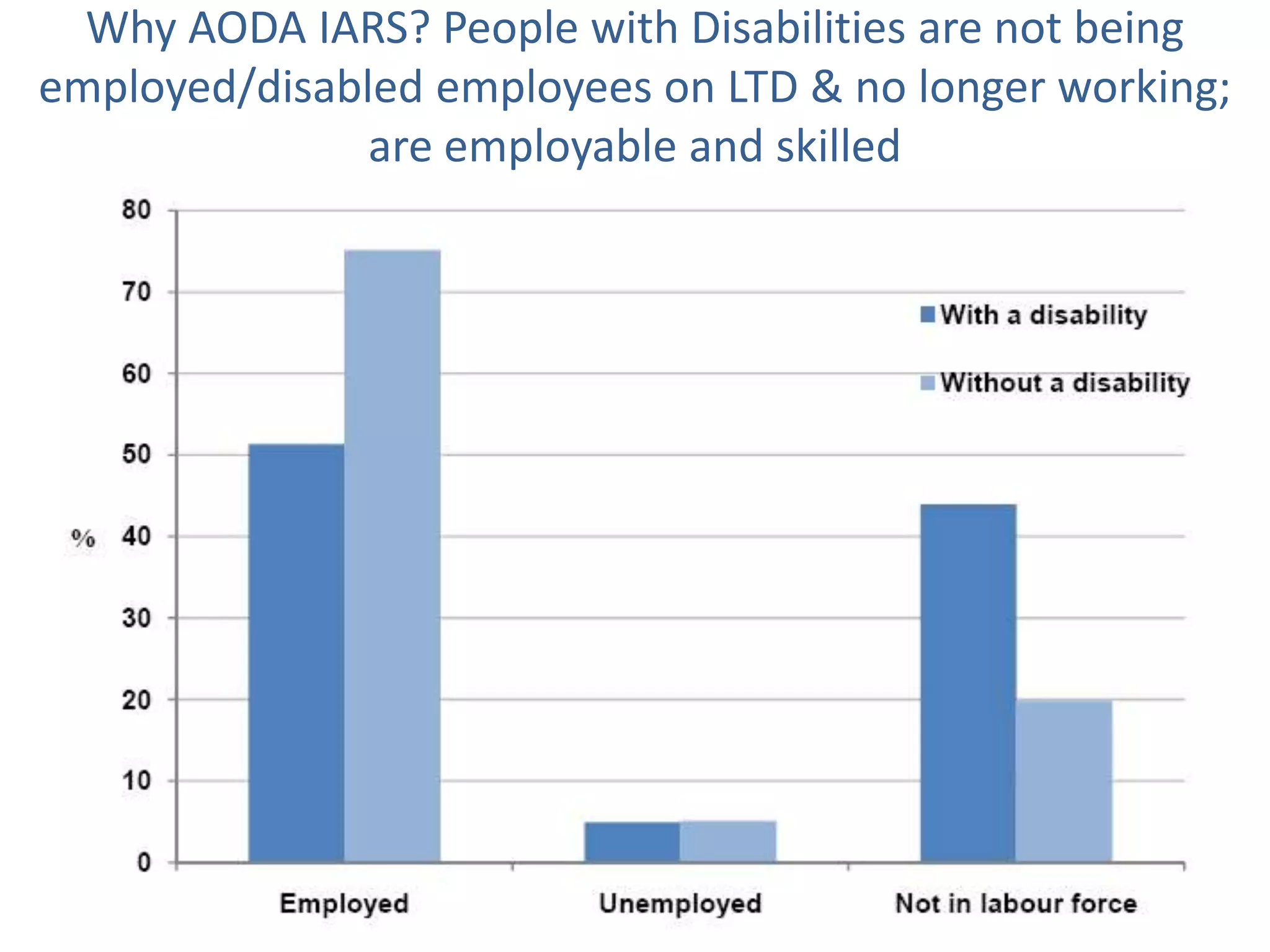
Why AODA IARS? People with Disabilities are not being
employed/disabled employees on LTD & no longer working;
are employable and skilled
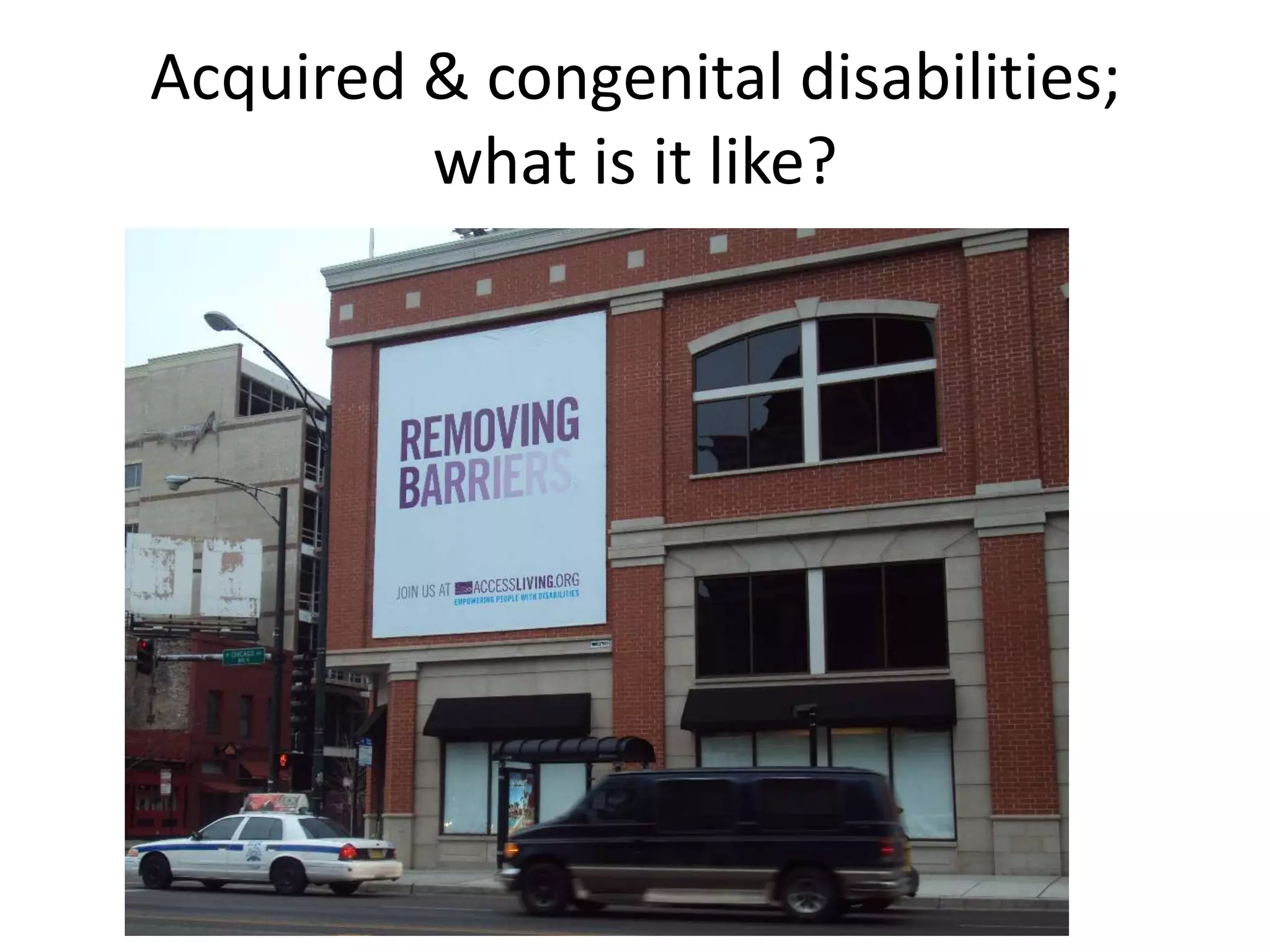
Acquired & congenital disabilities;
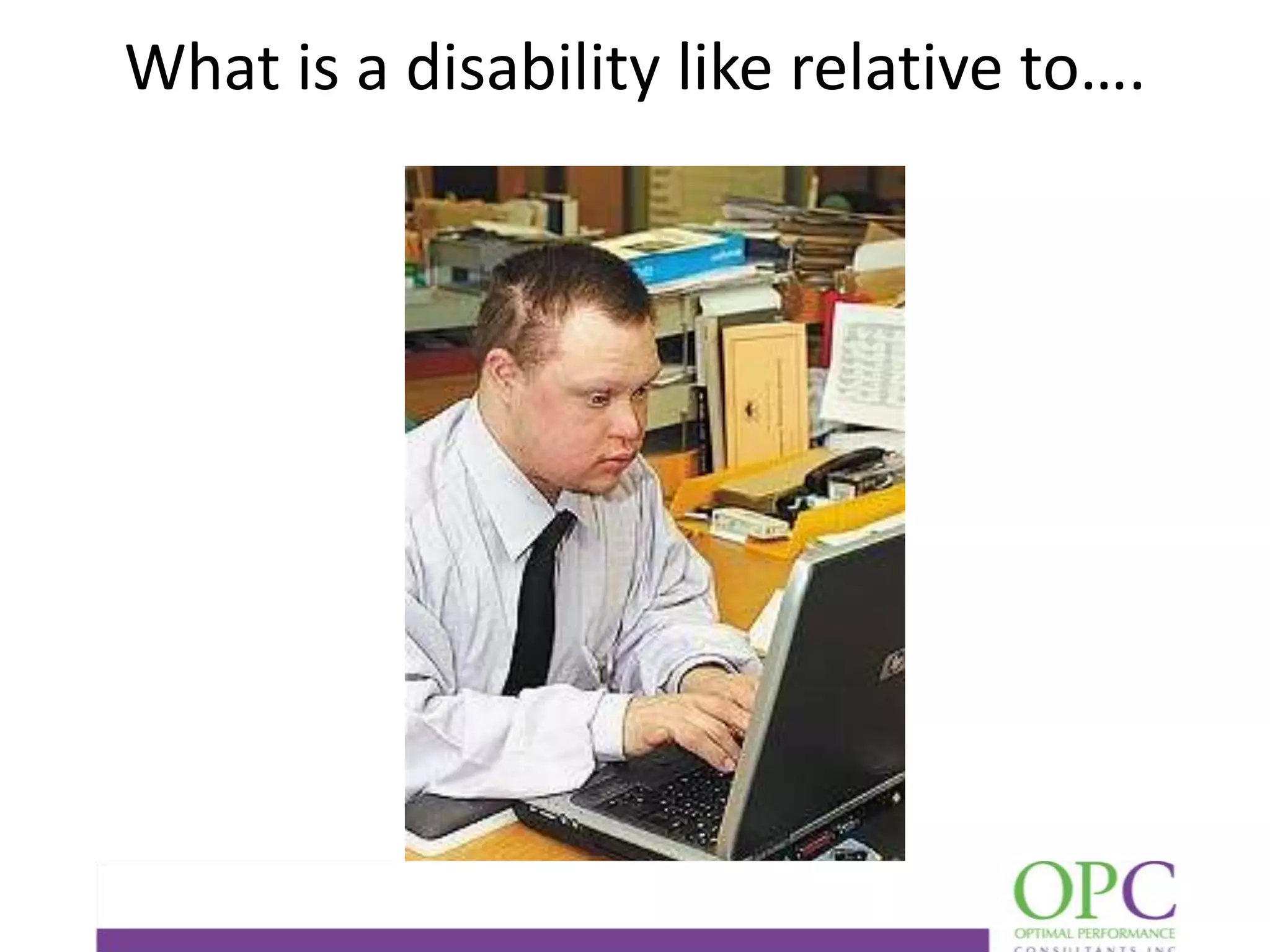
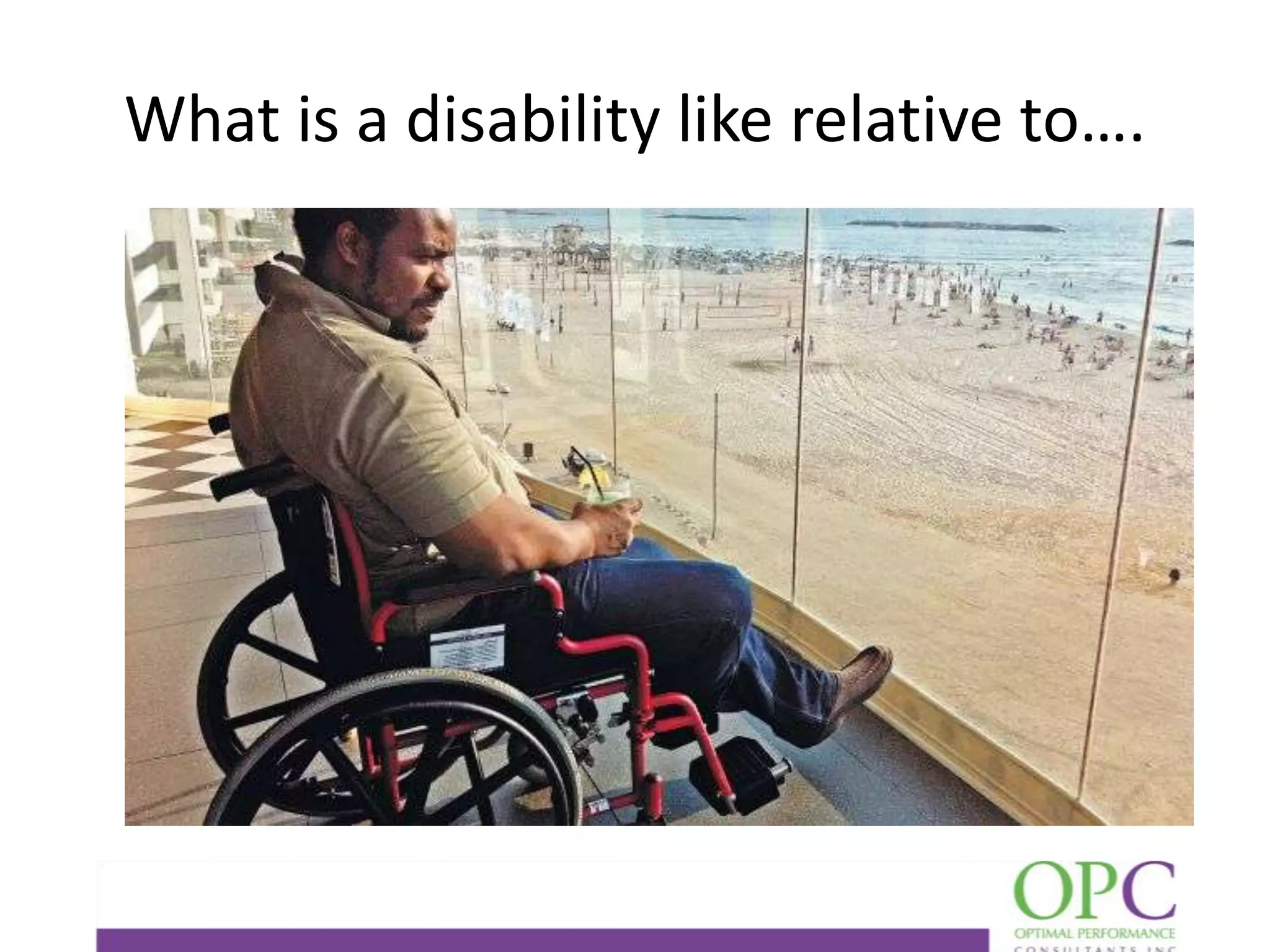
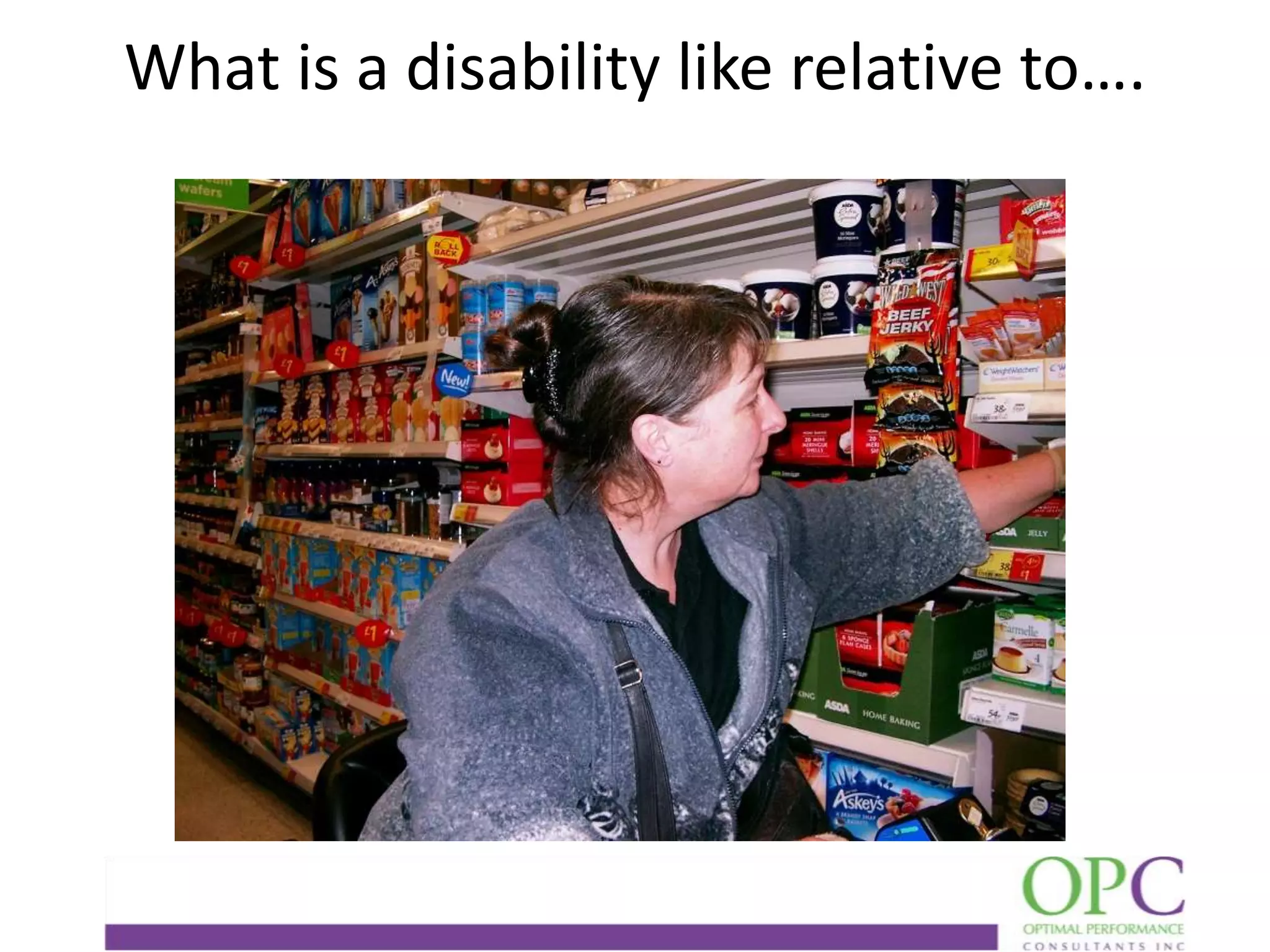
what is it like?
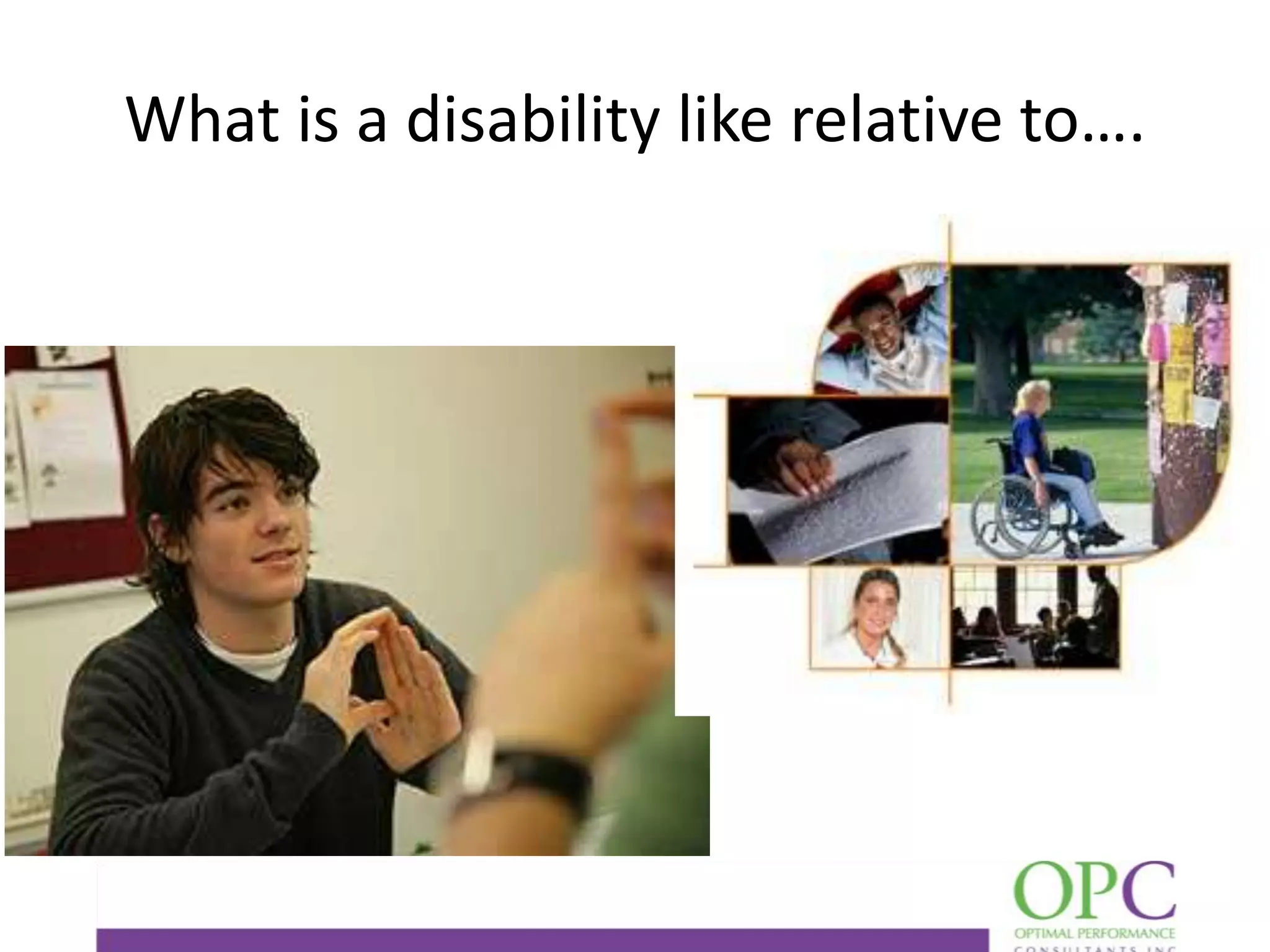
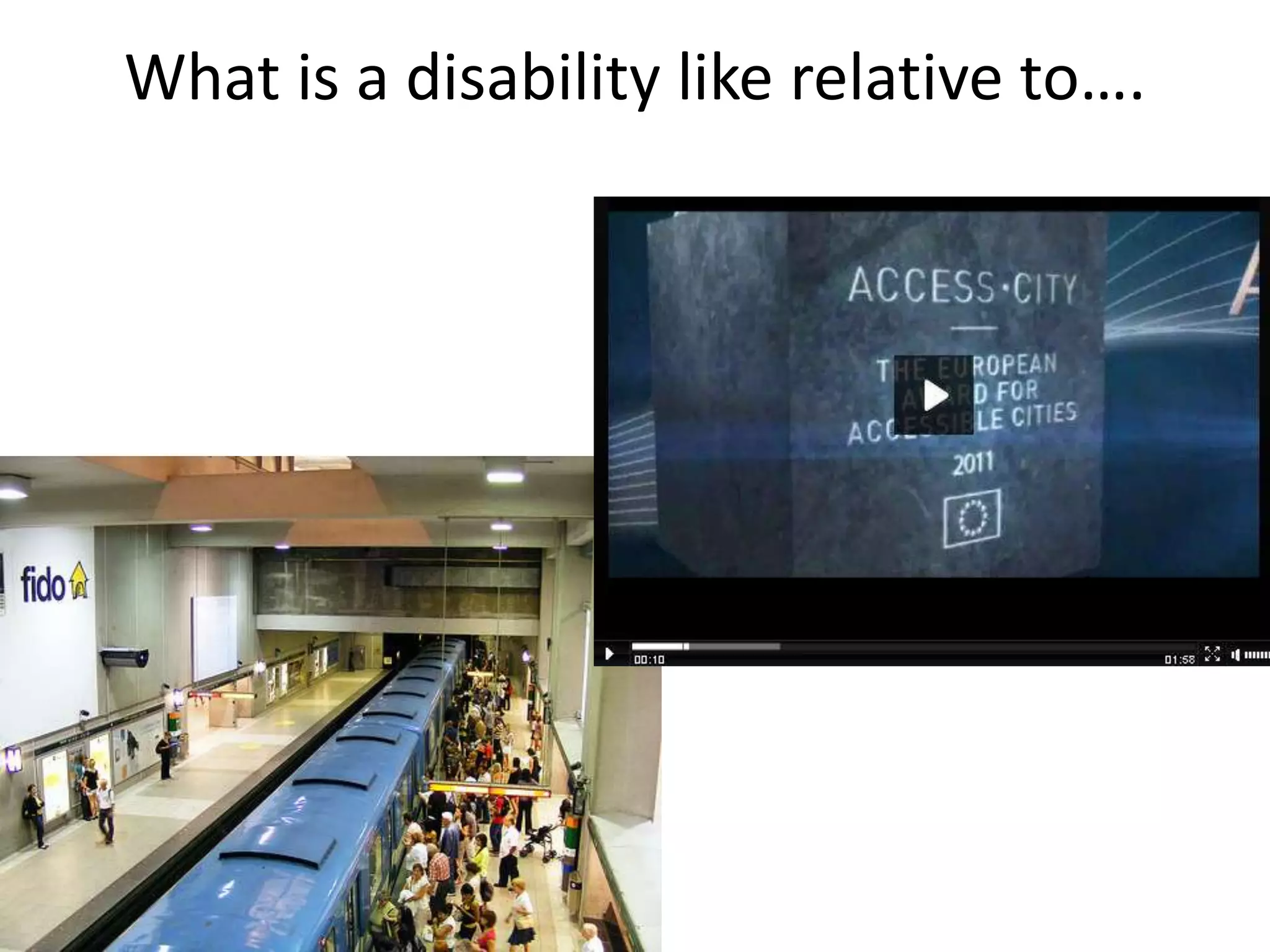
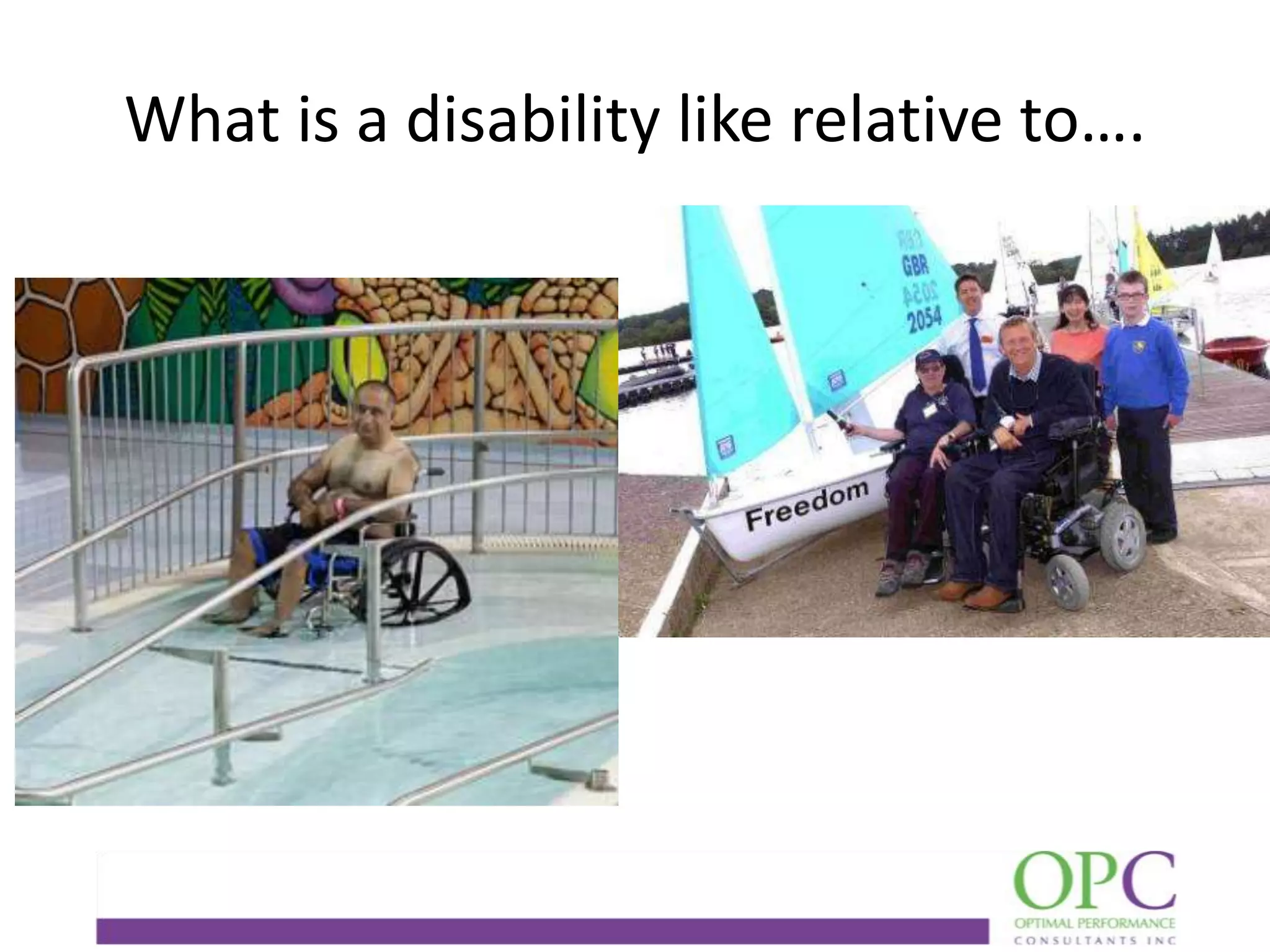
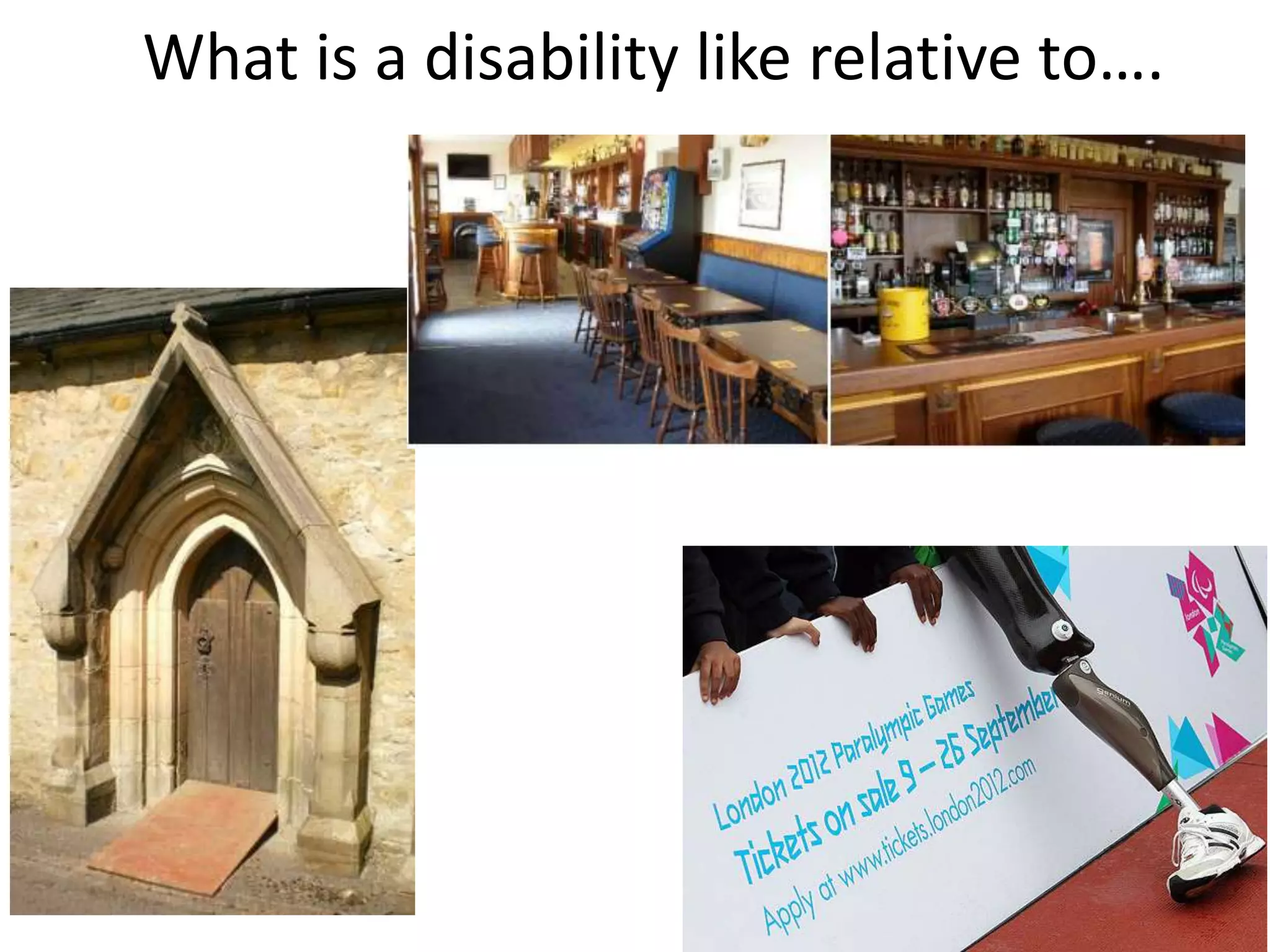
What is a disability like relative to….
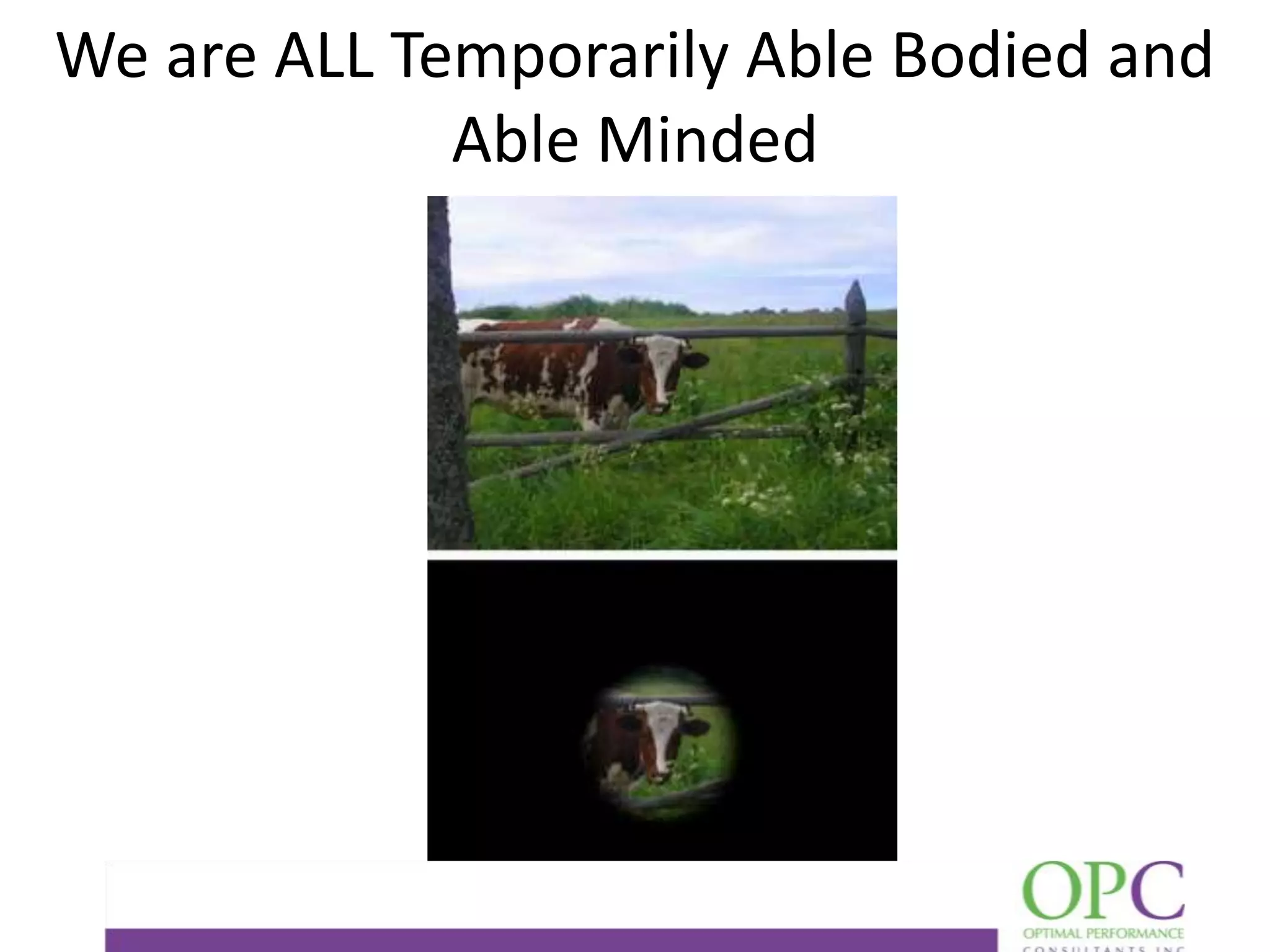
We are ALL Temporarily Able Bodied and
Able Minded
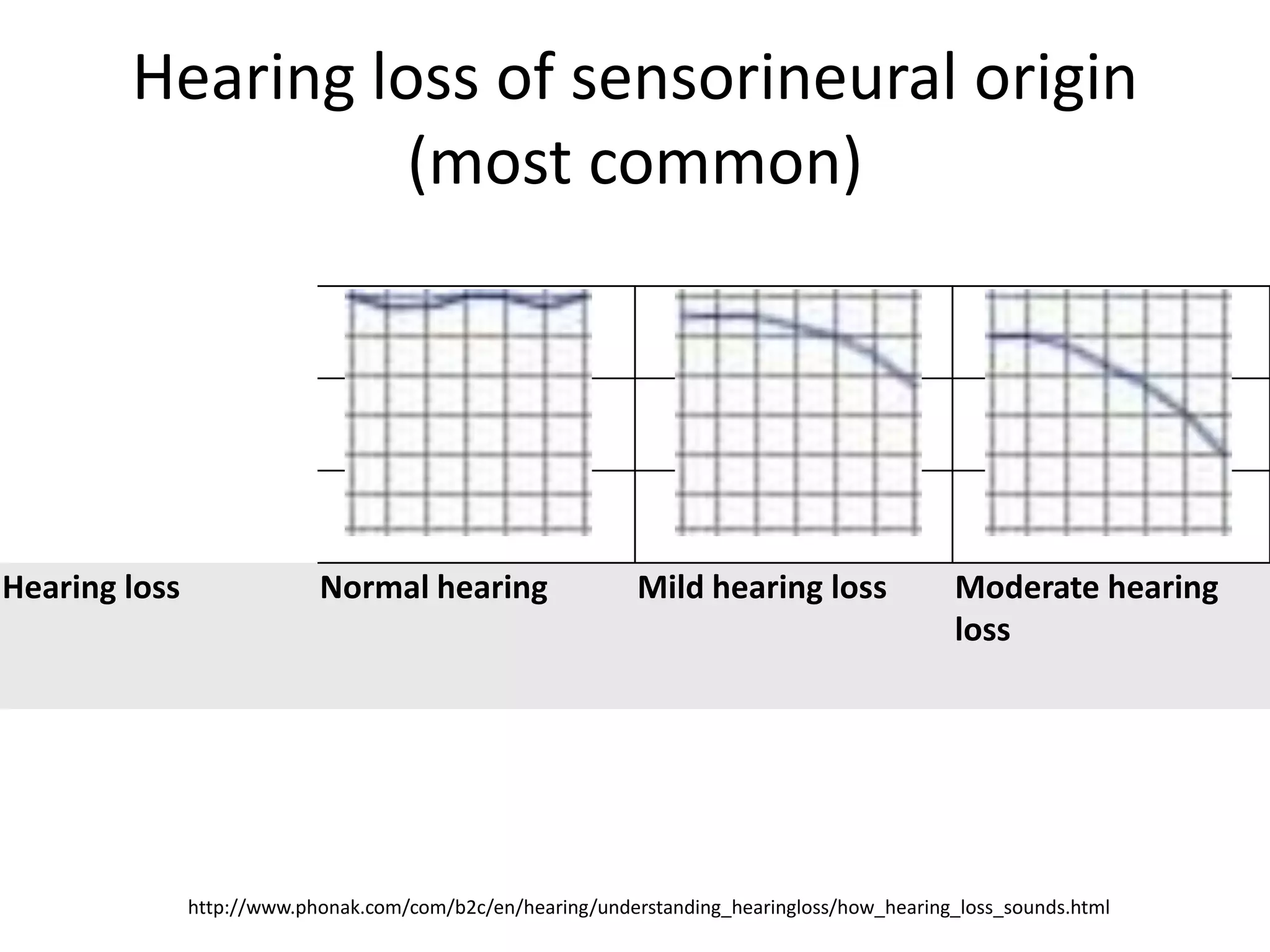
Hearing loss of sensorineural origin
(most common)

Hearing loss

Normal hearing

Mild hearing loss

Moderate hearing
loss

http://www.phonak.com/com/b2c/en/hearing/understanding_hearingloss/how_hearing_loss_sounds.html
Why do we have to worry about the
disabled?
Because we can ALL be disabled with
poor design
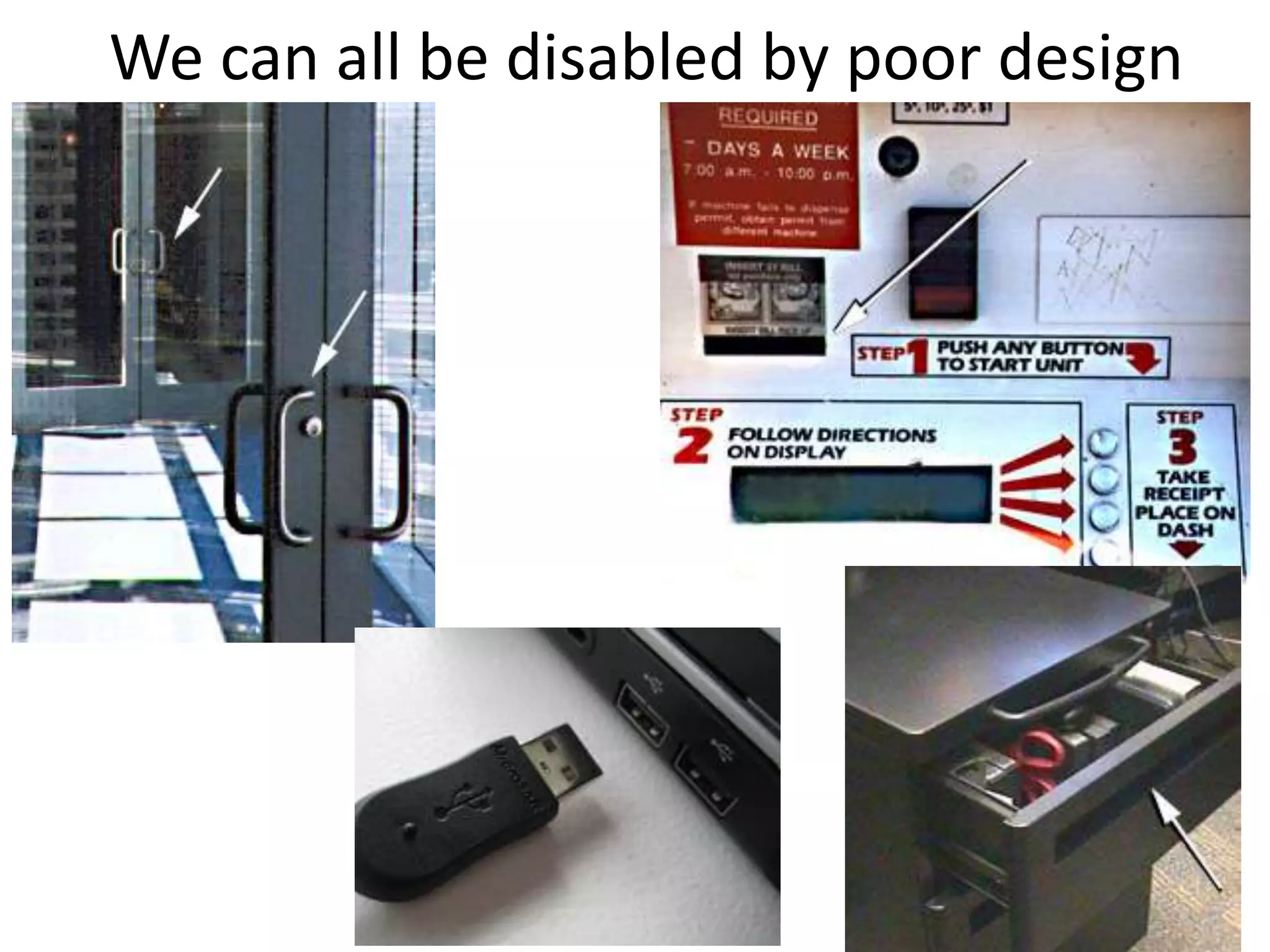
We can all be disabled by poor design
So if able bodied/able-minded can be disabled
by poor design what is the loss of productivity?
How many people just give up on use of the
design?
How much in sales not made
How many customers not served or poorly
served?
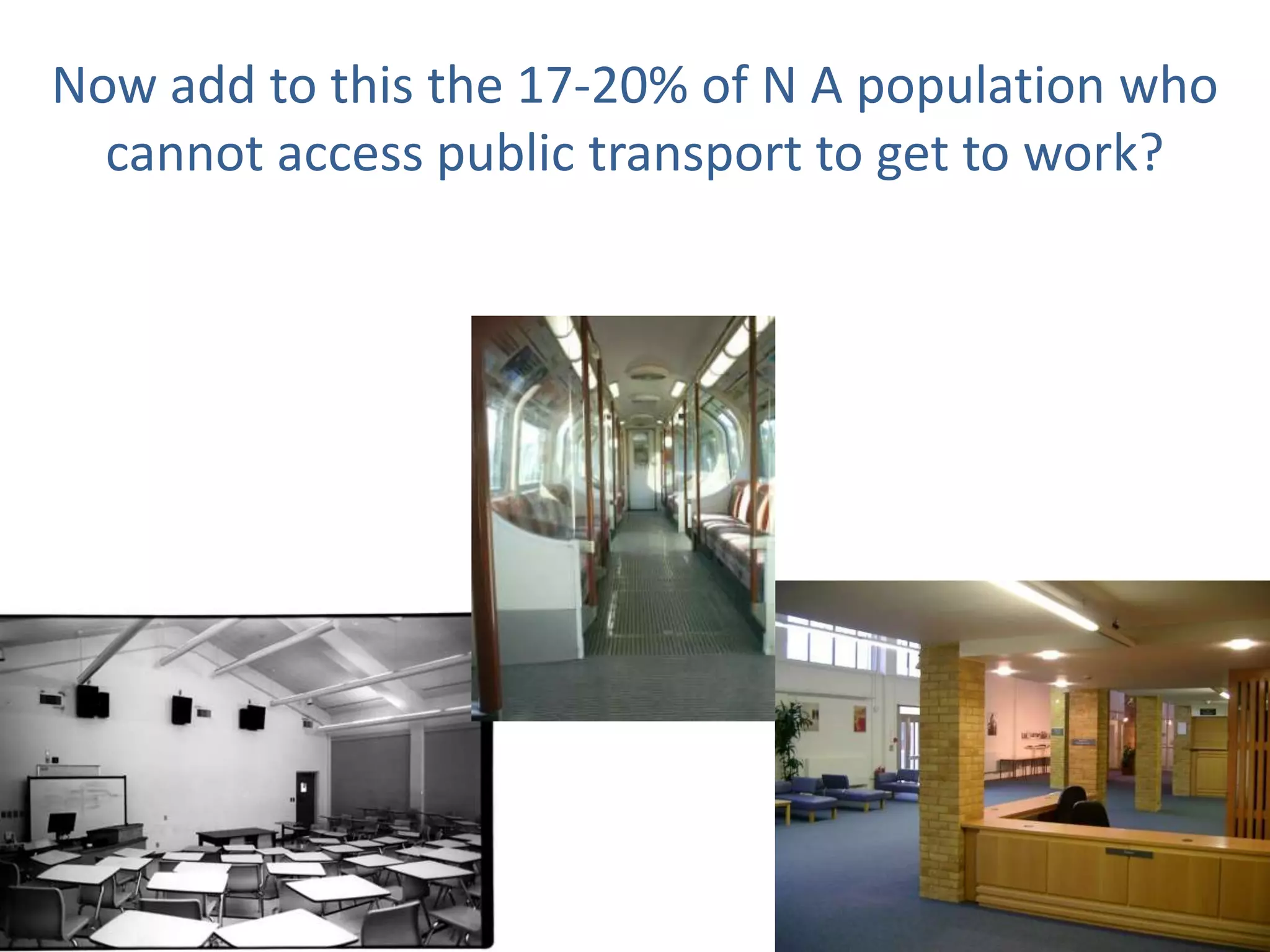
Now add to this the 17-20% of N A population who
cannot access public transport to get to work?
Understanding the requirements of the
AODA CSS and IASR
Specific and General Requirements in both the
Customer Service Standard and the Integrated
Accessibility Standards Regulation

 Specific – identify what needs to be achieved
 General – a way of guiding organizations on what
they must achieve. General requirements do not
stipulate how to achieve them
CSS Requirements were & are;
•
•
•
•
•
•
•
•

Policies, practices and procedures
Policies on personal assistive devices
Policy related to communicating with a person with a disability
Allow people with disabilities to be accompanied by their guide
dog or service animal
Allow people to be accompanied by a support person
Service or Facility Disruptions
Feedback Process
All employees or others trained AND educated
CSS Training; important for service to external &
internal customers
 Purchase or develop training
 Track who has been trained – mandatory to track
 Larger organizations tend to use internal LMS for tracking and
use an e-tool
 If purchasing training make sure the provider can guarantee it
meets compliance
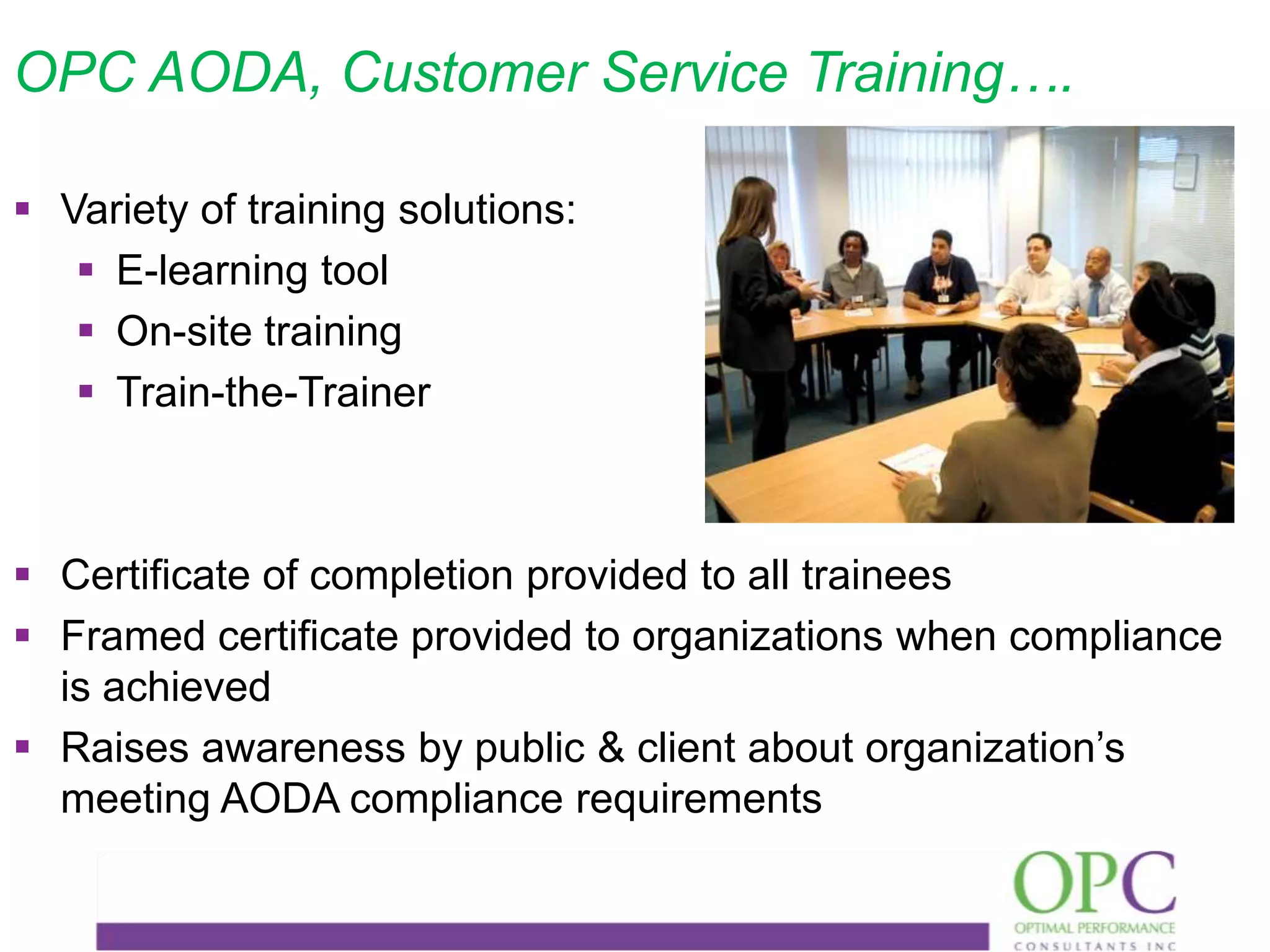
OPC AODA, Customer Service Training….
 Variety of training solutions:
 E-learning tool
 On-site training
 Train-the-Trainer

 Certificate of completion provided to all trainees
 Framed certificate provided to organizations when compliance
is achieved
 Raises awareness by public & client about organization’s
meeting AODA compliance requirements
Integrated Accessibility Standards Regulation
General Requirements
•
•
•
•

Accessibility policies and plans
Training
Procuring & acquiring goods, services or facilities
Self-serve kiosks
Integrated Accessibility Standards Regulation
Information and Communication Standard
•
•
•
•
•
•

Accessible formats and communication supports
Accessible websites and web content
Educational and training resources
Emergency procedures, plans or public safety information
Accessible feedback processes
Educational libraries
Integrated Accessibility Standards Regulation
Employment Standard

• Recruitment, assessment and selection
• Employee Accommodation / Return to work (tie in is
critical now)
• Performance management, career development,
redeployment
Important features of IASR impacting Disability
Management and Employment
 Section 13: Providing emergency procedures, plans or public
safety information in an accessible format or with appropriate
communication supports – as soon as practicable and upon
request.
 Section 27: Providing individualized workplace emergency
response information to employees who have a disability.
Developing an Action Plan….
Consider these questions
1) Who will be tasked with this work? Must combine DM
and Employment aspects of the AODA’s IASR
1) What are the top three challenges for success in your
workplace now?
1) What are the top three resources required for success?
1) When to team with external experts? Who are the
experts?
JE Sleeth Publications
Recent compliance ready clients of OPC Inc.
We appreciate your attendance at this event
If you have any questions about this material or require an initial
meeting with our experts, an audit of your workplace or strategic
implementation;
Please contact us at AODA@optimalperformance.ca or or

j.sleeth@optimalperformance.ca
Our Blog is a resource;

optimalperformanceblog@WordPress.com

The Accessibility for Ontarian's with Disabilities Act for Ontario; Status Update from OPC

  • 2.
    Federated Press Workshop; AODA,Human Rights and Disability Management JE Sleeth Sr Ergonomic & Inclusive Design Consultant
  • 3.
    The AODA; DisabilityManagement Demographics
  • 4.
  • 6.
    Why AODA IARS?People with Disabilities are not being employed/disabled employees on LTD & no longer working; are employable and skilled
  • 7.
    Acquired & congenitaldisabilities; what is it like?
  • 8.
    What is adisability like relative to….
  • 9.
    What is adisability like relative to….
  • 10.
    What is adisability like relative to….
  • 11.
    What is adisability like relative to….
  • 12.
    What is adisability like relative to….
  • 13.
    What is adisability like relative to….
  • 14.
    What is adisability like relative to….
  • 15.
    We are ALLTemporarily Able Bodied and Able Minded
  • 16.
    Hearing loss ofsensorineural origin (most common) Hearing loss Normal hearing Mild hearing loss Moderate hearing loss http://www.phonak.com/com/b2c/en/hearing/understanding_hearingloss/how_hearing_loss_sounds.html
  • 17.
    Why do wehave to worry about the disabled? Because we can ALL be disabled with poor design
  • 18.
    We can allbe disabled by poor design
  • 20.
    So if ablebodied/able-minded can be disabled by poor design what is the loss of productivity? How many people just give up on use of the design? How much in sales not made How many customers not served or poorly served?
  • 21.
    Now add tothis the 17-20% of N A population who cannot access public transport to get to work?
  • 22.
    Understanding the requirementsof the AODA CSS and IASR Specific and General Requirements in both the Customer Service Standard and the Integrated Accessibility Standards Regulation  Specific – identify what needs to be achieved  General – a way of guiding organizations on what they must achieve. General requirements do not stipulate how to achieve them
  • 23.
    CSS Requirements were& are; • • • • • • • • Policies, practices and procedures Policies on personal assistive devices Policy related to communicating with a person with a disability Allow people with disabilities to be accompanied by their guide dog or service animal Allow people to be accompanied by a support person Service or Facility Disruptions Feedback Process All employees or others trained AND educated
  • 24.
    CSS Training; importantfor service to external & internal customers  Purchase or develop training  Track who has been trained – mandatory to track  Larger organizations tend to use internal LMS for tracking and use an e-tool  If purchasing training make sure the provider can guarantee it meets compliance
  • 25.
    OPC AODA, CustomerService Training….  Variety of training solutions:  E-learning tool  On-site training  Train-the-Trainer  Certificate of completion provided to all trainees  Framed certificate provided to organizations when compliance is achieved  Raises awareness by public & client about organization’s meeting AODA compliance requirements
  • 26.
    Integrated Accessibility StandardsRegulation General Requirements • • • • Accessibility policies and plans Training Procuring & acquiring goods, services or facilities Self-serve kiosks
  • 27.
    Integrated Accessibility StandardsRegulation Information and Communication Standard • • • • • • Accessible formats and communication supports Accessible websites and web content Educational and training resources Emergency procedures, plans or public safety information Accessible feedback processes Educational libraries
  • 28.
    Integrated Accessibility StandardsRegulation Employment Standard • Recruitment, assessment and selection • Employee Accommodation / Return to work (tie in is critical now) • Performance management, career development, redeployment
  • 29.
    Important features ofIASR impacting Disability Management and Employment  Section 13: Providing emergency procedures, plans or public safety information in an accessible format or with appropriate communication supports – as soon as practicable and upon request.  Section 27: Providing individualized workplace emergency response information to employees who have a disability.
  • 30.
    Developing an ActionPlan…. Consider these questions 1) Who will be tasked with this work? Must combine DM and Employment aspects of the AODA’s IASR 1) What are the top three challenges for success in your workplace now? 1) What are the top three resources required for success? 1) When to team with external experts? Who are the experts?
  • 31.
  • 32.
    Recent compliance readyclients of OPC Inc.
  • 33.
    We appreciate yourattendance at this event If you have any questions about this material or require an initial meeting with our experts, an audit of your workplace or strategic implementation; Please contact us at AODA@optimalperformance.ca or or j.sleeth@optimalperformance.ca Our Blog is a resource; optimalperformanceblog@WordPress.com

Editor's Notes

  • #4 Canadian Data; collected CRTC 2004
  • #5 HRSDC 2011 data websiteAgingDecreased mortalityIncreased MorbidityIncreased chronic illness, obesityMore people willing to self declare
  • #6 At same time unprecented shift of money in inheritance being shifted to next generation so > access to money in disabled and aging populations