Teaching Second Language
Writing:A Practical Guide
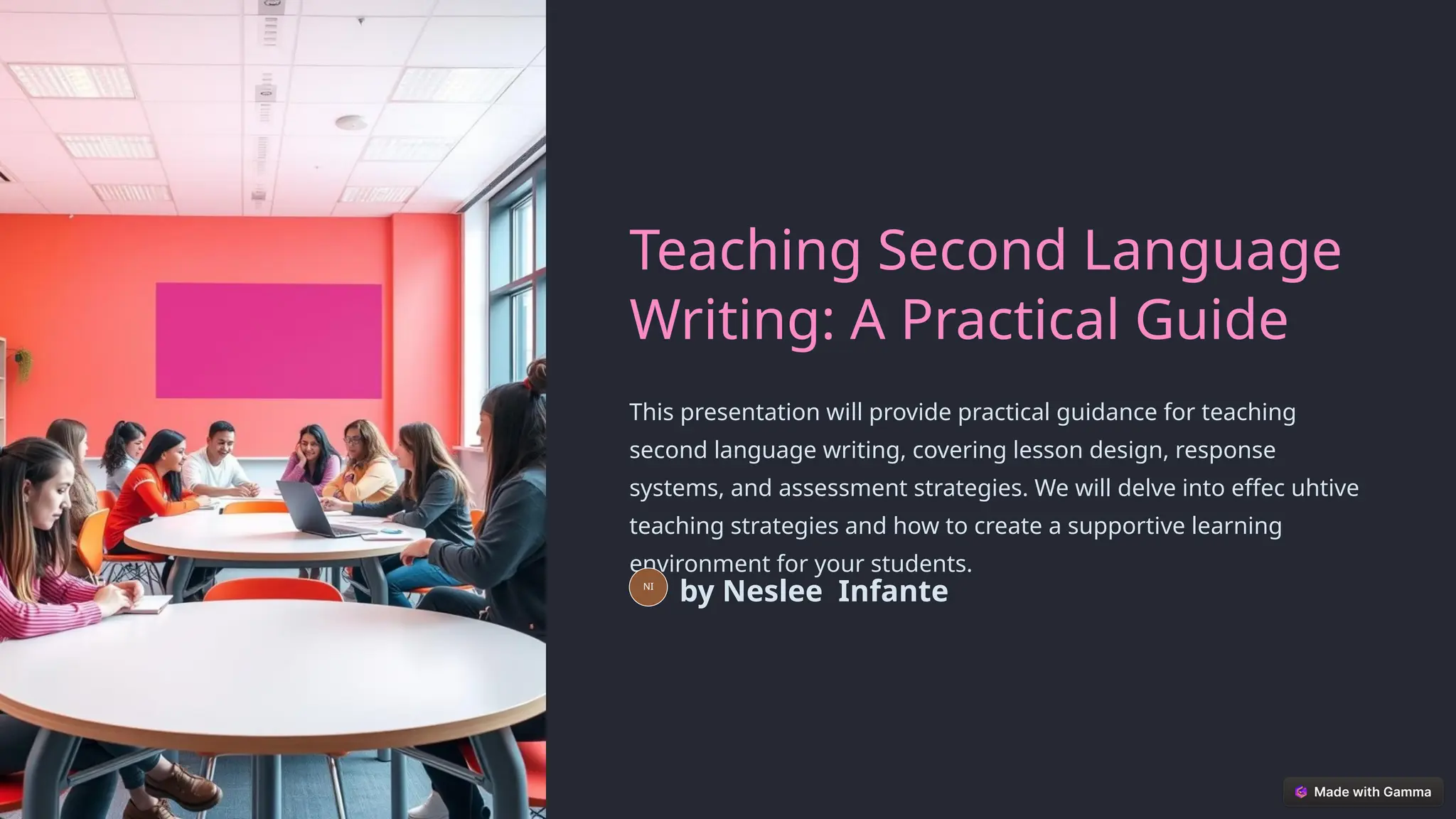
This presentation will provide practical guidance for teaching
second language writing, covering lesson design, response
systems, and assessment strategies. We will delve into effec uhtive
teaching strategies and how to create a supportive learning
environment for your students.
NI
by Neslee Infante
2.
Crafting Effective LessonPlans
In-Class Activities
• Brainstorming and idea generation
• Peer review and feedback
• Writing workshops and group discussions
• Interactive exercises that target specific writing skills
Lesson Planning
Effective lesson planning is crucial for L2 writing
courses. It helps to ensure that each lesson is well-
structured, engaging, and aligned with course goals.
Planning should incorporate a variety of activities and
approaches to cater to diverse learners and learning
styles.
3.
Importance of ResponseSystems
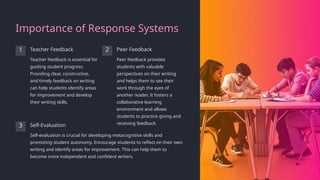
1 Teacher Feedback
Teacher feedback is essential for
guiding student progress.
Providing clear, constructive,
and timely feedback on writing
can help students identify areas
for improvement and develop
their writing skills.
2 Peer Feedback
Peer feedback provides
students with valuable
perspectives on their writing
and helps them to see their
work through the eyes of
another reader. It fosters a
collaborative learning
environment and allows
students to practice giving and
receiving feedback.
3 Self-Evaluation
Self-evaluation is crucial for developing metacognitive skills and
promoting student autonomy. Encourage students to reflect on their own
writing and identify areas for improvement. This can help them to
become more independent and confident writers.
4.
Assessment and ItsImpact on
Instruction
Formative Assessment
Formative assessment should be
ongoing and integrated into daily
instruction. It provides teachers
with valuable insights into student
progress and helps to inform
teaching decisions. Examples
include in-class quizzes, short
writing assignments, and peer
feedback sessions.
Summative Assessment
Summative assessment is typically
conducted at the end of a unit or
course to measure student
learning. Examples include essays,
research papers, and portfolio
projects.
Grading Rubrics
Clearly defined grading rubrics are essential for ensuring fairness and
consistency in assessment. They provide students with clear expectations for
what is expected of them in their writing and make the grading process
more transparent.
5.
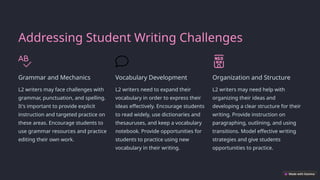
Addressing Student WritingChallenges
Grammar and Mechanics
L2 writers may face challenges with
grammar, punctuation, and spelling.
It's important to provide explicit
instruction and targeted practice on
these areas. Encourage students to
use grammar resources and practice
editing their own work.
Vocabulary Development
L2 writers need to expand their
vocabulary in order to express their
ideas effectively. Encourage students
to read widely, use dictionaries and
thesauruses, and keep a vocabulary
notebook. Provide opportunities for
students to practice using new
vocabulary in their writing.
Organization and Structure
L2 writers may need help with
organizing their ideas and
developing a clear structure for their
writing. Provide instruction on
paragraphing, outlining, and using
transitions. Model effective writing
strategies and give students
opportunities to practice.
6.
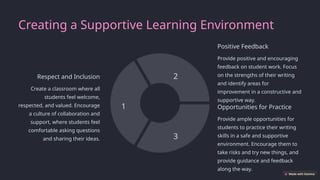
Creating a SupportiveLearning Environment
Respect and Inclusion
Create a classroom where all
students feel welcome,
respected, and valued. Encourage
a culture of collaboration and
support, where students feel
comfortable asking questions
and sharing their ideas.
1
Positive Feedback
Provide positive and encouraging
feedback on student work. Focus
on the strengths of their writing
and identify areas for
improvement in a constructive and
supportive way.
2
Opportunities for Practice
Provide ample opportunities for
students to practice their writing
skills in a safe and supportive
environment. Encourage them to
take risks and try new things, and
provide guidance and feedback
along the way.
3
7.
Using Technology toEnhance
Learning
1 Online Writing Platforms
Online writing platforms can provide students with access to a variety
of resources and tools, including grammar checkers, dictionaries, and
writing prompts. They can also facilitate peer feedback and
communication.
2 Digital Portfolios
Digital portfolios allow students to showcase their writing and track
their progress over time. They provide a platform for students to
reflect on their work and share their writing with others.
3 Multimedia Tools
Multimedia tools, such as audio and video recording, can help
students to engage with writing in new and creative ways. They can
also be used to create interactive and engaging learning experiences.
8.
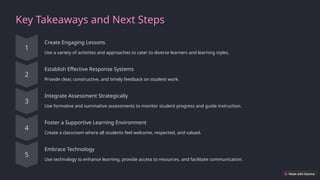
Key Takeaways andNext Steps
Create Engaging Lessons
Use a variety of activities and approaches to cater to diverse learners and learning styles.
Establish Effective Response Systems
Provide clear, constructive, and timely feedback on student work.
Integrate Assessment Strategically
Use formative and summative assessments to monitor student progress and guide instruction.
Foster a Supportive Learning Environment
Create a classroom where all students feel welcome, respected, and valued.
Embrace Technology
Use technology to enhance learning, provide access to resources, and facilitate communication.