Download as PDF, PPTX

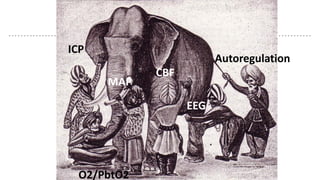
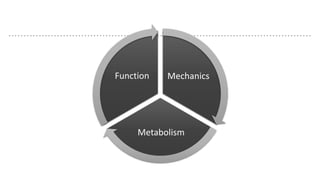
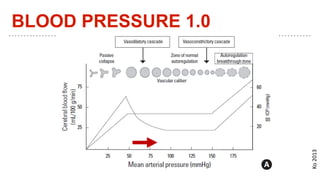
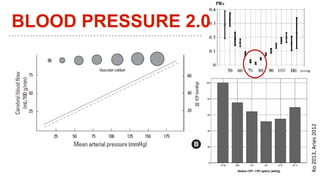
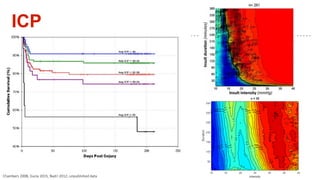
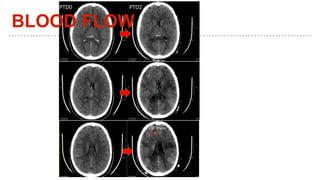
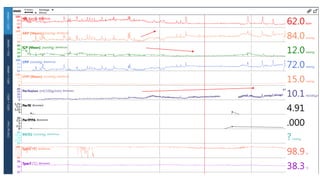
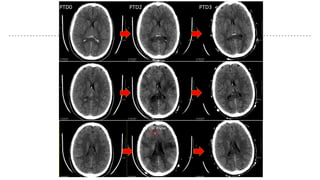
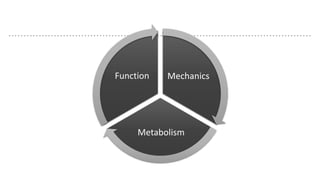
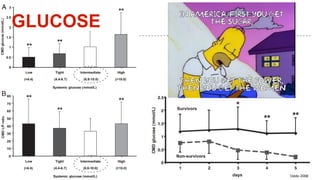
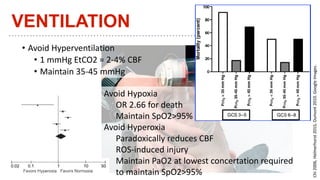
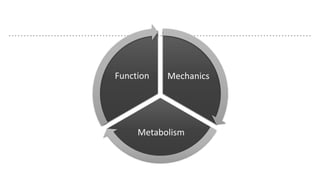
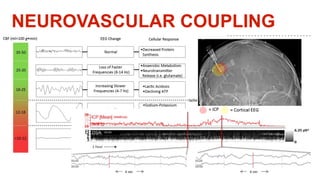
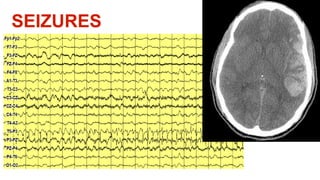
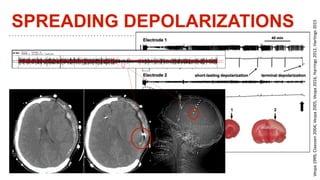
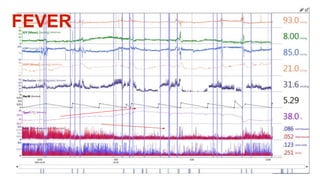
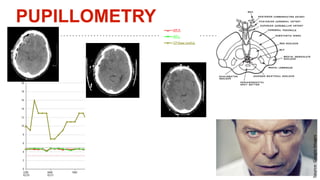
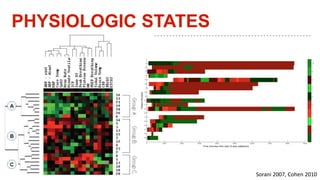
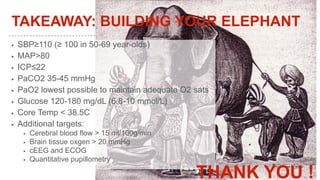

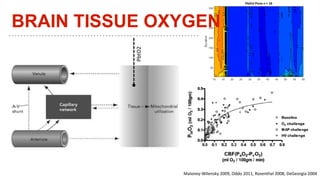

This document discusses using physiology as a target for treating traumatic brain injury (TBI). It summarizes key physiological parameters that should be monitored and targeted in TBI patients, including intracranial pressure (ICP), mean arterial pressure (MAP), partial pressure of brain tissue oxygen (PbtO2), cerebral blood flow (CBF), glucose levels, ventilation, and temperature. Maintaining these physiological markers within certain ranges can help optimize brain mechanics, metabolism and function for TBI patients.


![CTEV [ clubfoot] DR ARUN LAL ,DR MOHAMED ASHRAF travancore medical college k...](https://cdn.slidesharecdn.com/ss_thumbnails/ctevclubfootdrarunlaldrmohamedashraftravancoremedicalcollegekollamkeralaindia-260208063247-18fc466c-thumbnail.jpg?width=640&height=640&fit=bounds)


