Soil Classification
Information on soils must be organized to be:
1. Understandable
2. Useable
Soils are organized into groups with similar:
1. Observed Properties (field or lab)
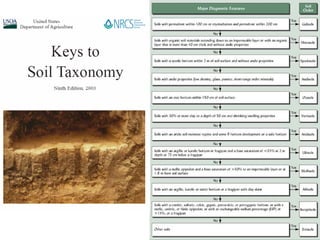
NATURAL CLASSIFICATION SYSTEM – Soil Taxonomy
2. Inferred Properties (determined to exist based on
observed properties)
TECHNICAL CLASSIFICATION – potential yield classification
Natural Classification Systems
Phylogeny vs. Taxonomy
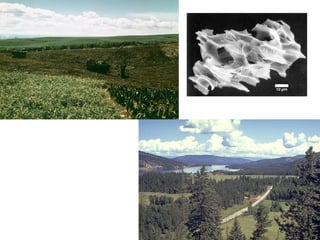
Genetypic vs. Phenotype
Genotype or Phylogenetic- The use of relatively “conserved” biological
molecules to quantify evolutionary relationships and timelines
Phenotype or Taxonomic – The use of structural and functional abilities
to qualify evolutionary relationships and timelines
SOIL TAXONOMY –
USDA Natural Classification System
Defines “Soil Individuals” by the properties of the pedon
in the field
– number, kind, arrangements of horizons,
color, texture, structure, pH, etc…
Soil Taxonomy
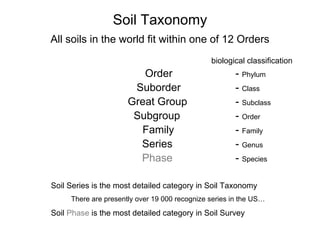
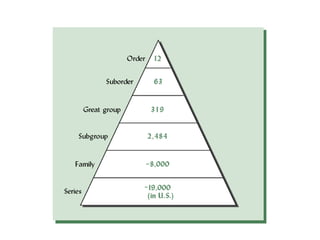
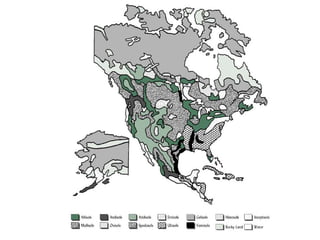
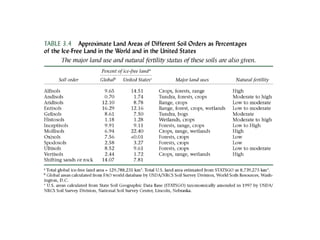
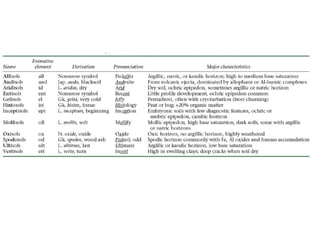
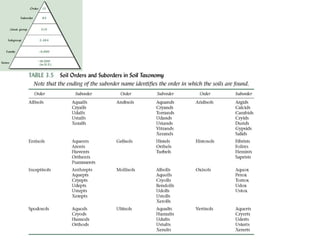
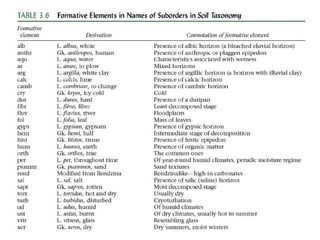
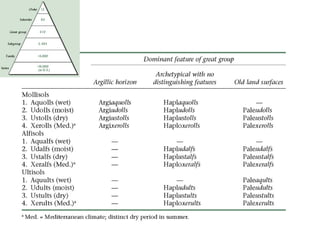
All soils in the world fit within one of 12 Orders
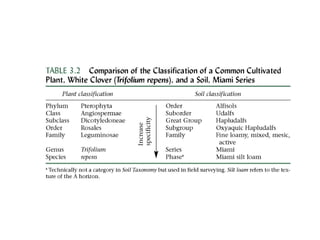
biological classification
Order - Phylum
Suborder - Class
Great Group - Subclass
Subgroup - Order
Family - Family
Series - Genus
Phase - Species
Soil Series is the most detailed category in Soil Taxonomy
There are presently over 19 000 recognize series in the US…
Soil Phase is the most detailed category in Soil Survey
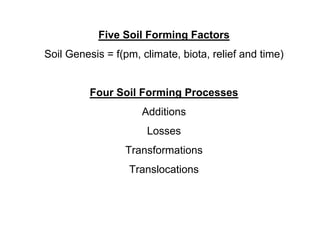
Five Soil Forming Factors
Soil Genesis = f(pm, climate, biota, relief and time)
Four Soil Forming Processes
Additions
Losses
Transformations
Translocations
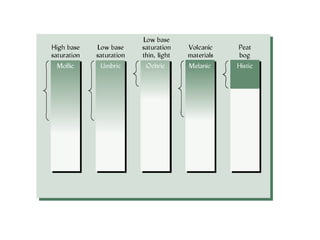
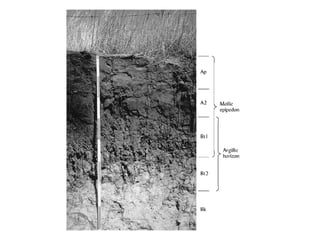
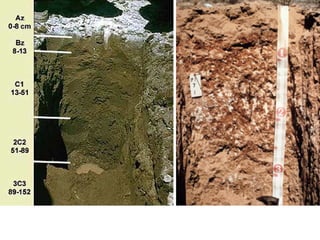
Diagnostic Surface Horizons
• Called epipedons (epi=over, pedon=soil)
• May include part of the B horizon if
significantly darkened by OM
• Anthropic- human modified, high in P
• Plaggen- human modified by years of
manuring
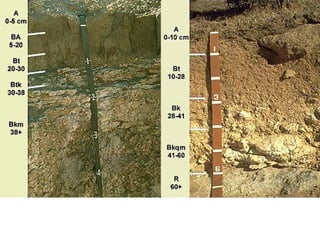
Diagnostic Subsurface Horizon
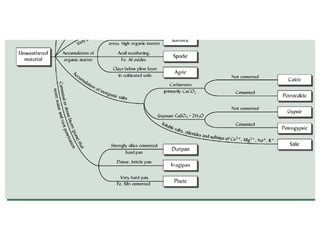
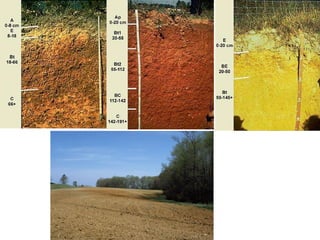
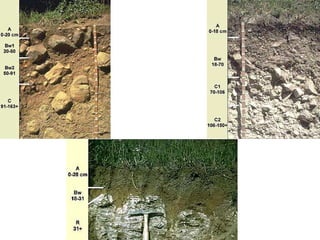
• Soils have oxic, kandic, spodic, argillic, natric
and cambic horizons due to the amount of time
they have been developing and the weathering
environment
• Because these features represent differences in
soil genesis, they are used to group soils of
many different series into a few large groups
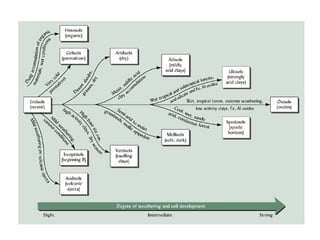
Soil Genesis
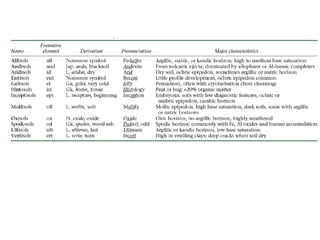
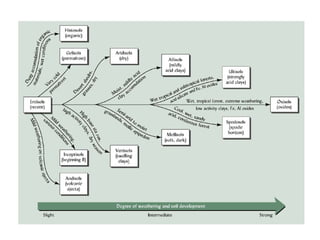
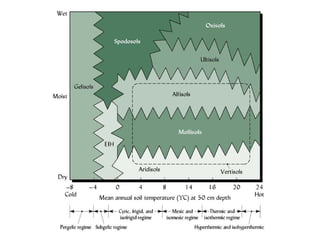
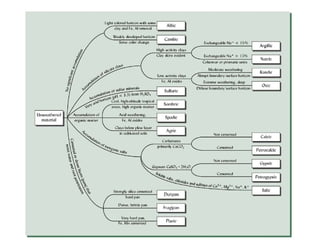
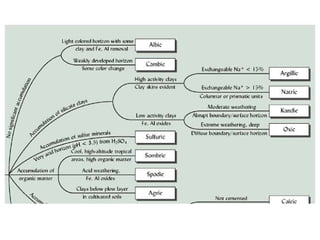
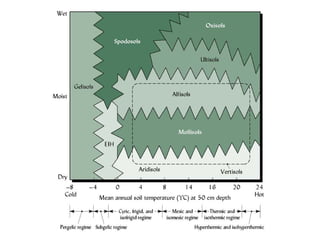
Soil Orders
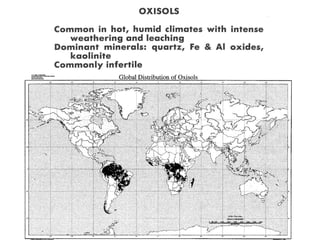
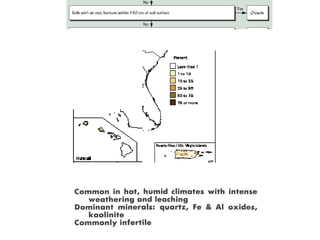
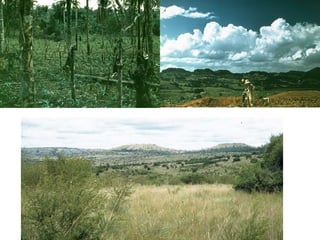
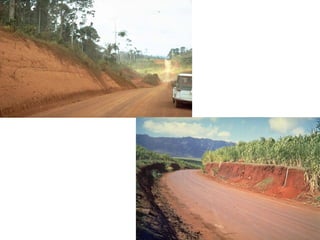
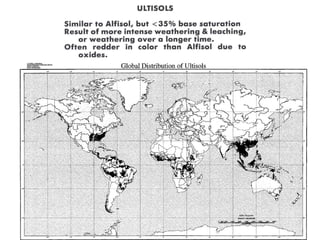
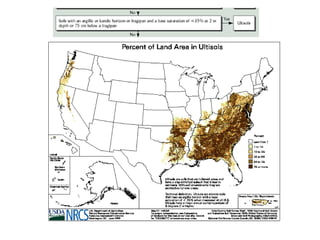
• Oxic horizon -> Oxisol
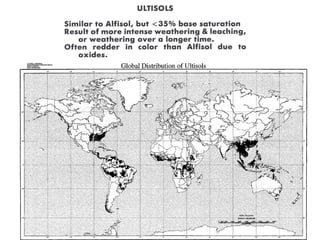
• Kandic or argillic horizon and little Na+,
K+, Ca2+ or Mg2+ (exchangeable base)
-> Ultisol
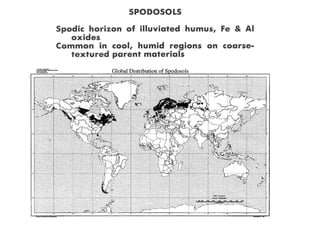
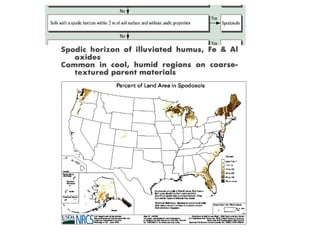
• Spodic horizon -> Spodosol
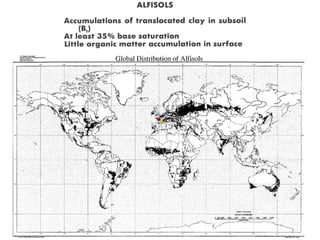
• Kandic or argillic or natric horizon ->
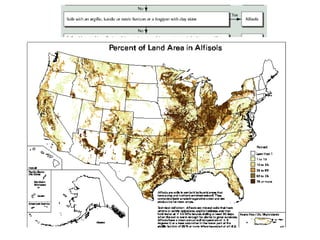
Alfisol
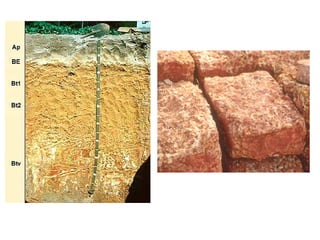
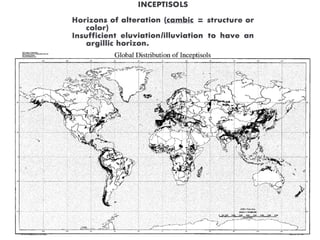
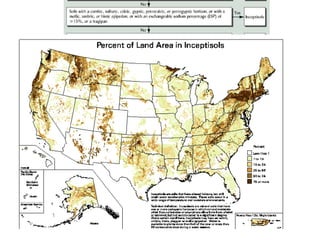
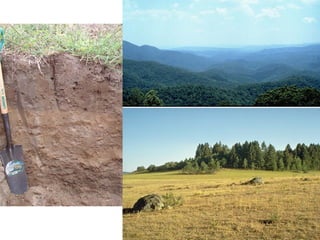
• Cambic horizon -> Inceptisol
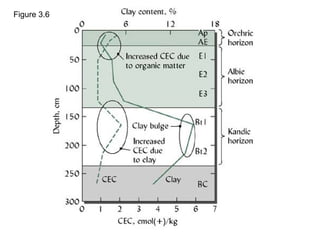
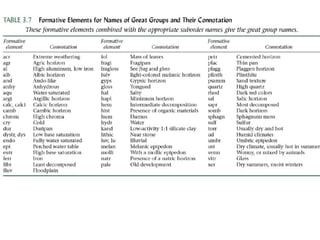
Figure 3.6
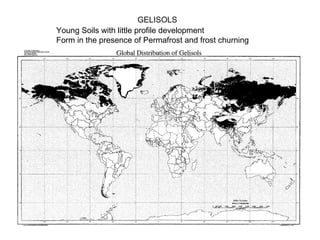
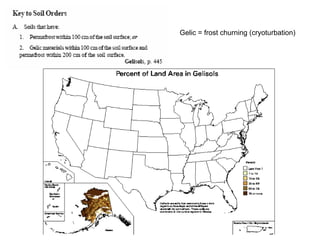
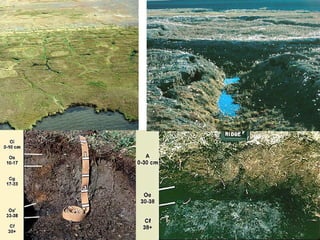
GELISOLS
Young Soils with little profile development
Form in the presence of Permafrost and frost churning
Gelic = frost churning (cryoturbation)
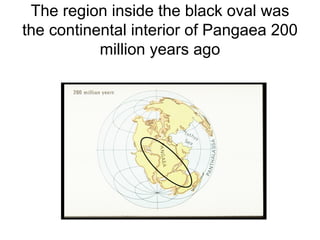
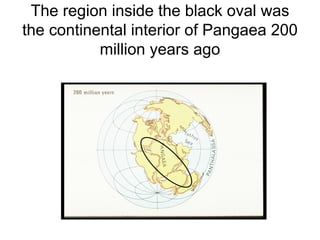
The region inside the black oval was
the continental interior of Pangaea 200
million years ago
The region inside the black oval was
the continental interior of Pangaea 200
million years ago
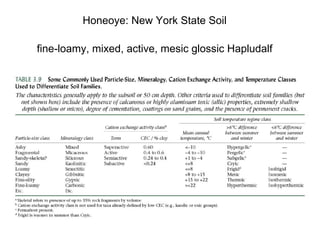
Honeoye: New York State Soil
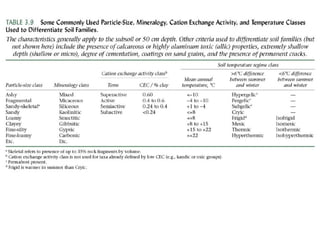
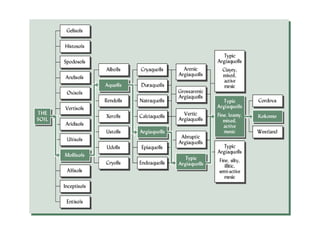
fine-loamy, mixed, active, mesic glossic Hapludalf
Description of a Soil Series
• Arkport: Coarse-loamy, mixed, active, mesic Lamellic Hapludalfs
• Mardin: Coarse-loamy, mixed, active, mesic Typic Fragiudepts
• Bath: Coarse-loamy, mixed, active, mesic Typic Fragiudepts
• Collamer: Fine-silty, mixed, active, mesic Glossaquic Hapludalfs
• Hudson: Fine, illitic, mesic Glossaquic Hapludalfs

Taxonomy & Classification.pdf

  • 1.
    Soil Classification Information onsoils must be organized to be: 1. Understandable 2. Useable Soils are organized into groups with similar: 1. Observed Properties (field or lab) NATURAL CLASSIFICATION SYSTEM – Soil Taxonomy 2. Inferred Properties (determined to exist based on observed properties) TECHNICAL CLASSIFICATION – potential yield classification
  • 2.
    Natural Classification Systems Phylogenyvs. Taxonomy Genetypic vs. Phenotype Genotype or Phylogenetic- The use of relatively “conserved” biological molecules to quantify evolutionary relationships and timelines Phenotype or Taxonomic – The use of structural and functional abilities to qualify evolutionary relationships and timelines
  • 3.
    SOIL TAXONOMY – USDANatural Classification System Defines “Soil Individuals” by the properties of the pedon in the field – number, kind, arrangements of horizons, color, texture, structure, pH, etc…
  • 4.
    Soil Taxonomy All soilsin the world fit within one of 12 Orders biological classification Order - Phylum Suborder - Class Great Group - Subclass Subgroup - Order Family - Family Series - Genus Phase - Species Soil Series is the most detailed category in Soil Taxonomy There are presently over 19 000 recognize series in the US… Soil Phase is the most detailed category in Soil Survey
  • 6.
    Five Soil FormingFactors Soil Genesis = f(pm, climate, biota, relief and time) Four Soil Forming Processes Additions Losses Transformations Translocations
  • 10.
    Diagnostic Surface Horizons •Called epipedons (epi=over, pedon=soil) • May include part of the B horizon if significantly darkened by OM • Anthropic- human modified, high in P • Plaggen- human modified by years of manuring
  • 12.
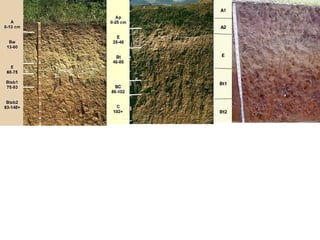
    Diagnostic Subsurface Horizon •Soils have oxic, kandic, spodic, argillic, natric and cambic horizons due to the amount of time they have been developing and the weathering environment • Because these features represent differences in soil genesis, they are used to group soils of many different series into a few large groups Soil Genesis
  • 13.
    Soil Orders • Oxichorizon -> Oxisol • Kandic or argillic horizon and little Na+, K+, Ca2+ or Mg2+ (exchangeable base) -> Ultisol • Spodic horizon -> Spodosol • Kandic or argillic or natric horizon -> Alfisol • Cambic horizon -> Inceptisol
  • 17.
  • 23.
    GELISOLS Young Soils withlittle profile development Form in the presence of Permafrost and frost churning
  • 24.
    Gelic = frostchurning (cryoturbation)
  • 41.
    The region insidethe black oval was the continental interior of Pangaea 200 million years ago
  • 58.
    The region insidethe black oval was the continental interior of Pangaea 200 million years ago
  • 92.
    Honeoye: New YorkState Soil fine-loamy, mixed, active, mesic glossic Hapludalf
  • 94.
    Description of aSoil Series • Arkport: Coarse-loamy, mixed, active, mesic Lamellic Hapludalfs • Mardin: Coarse-loamy, mixed, active, mesic Typic Fragiudepts • Bath: Coarse-loamy, mixed, active, mesic Typic Fragiudepts • Collamer: Fine-silty, mixed, active, mesic Glossaquic Hapludalfs • Hudson: Fine, illitic, mesic Glossaquic Hapludalfs