Consumer Perception
Presented By:
Sujan Koirala
“ WE DON’T SEE THINGS
AS THEY
“WE DON’T SEE THINGS AS THEY ARE, WE
SEE THINGS AS WE ARE”
ARE, WESEE THINGS AS
WE ARE.”
Perception
• The process by which an individual selects, organizes,
and interprets stimuli into a meaningful and coherent
picture of the world
• Perception is how we see the world around us
An Overview of the Perception Process
Sensation
• Sensation – immediate and
direct response of the sensory
organs to stimuli
• Stimulus – any unit of input
to any of the senses
• Sensory receptors – Eyes,
Ears, Nose, Mouth and Skin
Sensation and Perception
• Sensation is the immediate response
of our sensory receptors (eyes, ears,
nose, mouth, and fingers) to basic
stimuli (light, color, sound, odor, and
texture)
• Perception is the process by which
sensations are selected, organized,
and interpreted
Dynamics of Perception
The Absolute
Threshold
The
Differential
Threshold
The
Subliminal
Perception
Perceptual
Selection,
Organization,
Interpretation
The Absolute Threshold
• Lowest level at which an individual can experience a sensation.
• Detecting difference between “something and nothing”
• Sensory Adaptation: Getting used to senses.
People who live by busy roads typically don't even notice that there
is the sound of constant traffic outside their window
A piece of jewelry such as a bracelet, initially you will notice the feel
of it on your skin. Within minutes, sensory adaptation comes into
play and you no longer notice the feeling of the bracelet on your wrist.
Differential Threshold
• The ability of a sensory system to detect changes or differences between
two stimuli
• Minimum difference between two stimuli is the j.n.d. (just noticeable
difference)
• Marketing Applications:
– Negative changes are not readily seen (price rise, reduce in quantity)
– Positive changes are clearly seen.
Differential Threshold
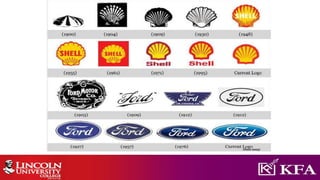
Example: packaging updates must be subtle enough over time to keep current
customers
Subliminal Perception
• Stimuli that are too weak or too brief to be consciously seen or heard
may be strong enough to be perceived by one or more receptor cells.
• Nokia Lumia Mobile Phone with
Shah Rukh Khan in Chennai Express
• All Tata cars in Singham returns
• MRF Tiers in Indian Movies
Selective Perception
Selective exposure:-
• People look for pleasant and sympathetic messages and
avoid painful or threatening ones.
Selective attention:-
• People look into ads which will satisfy their need.
Perceptual Defense:-
• People avoid psychologically threatening ones. Hence
constantly change the ad nature. [Smoking – warning with
words, and now with images]
16
Thank You!
Any Questions?

Sujan cb presentation_18th jan 2020

  • 1.
  • 2.
    “ WE DON’TSEE THINGS AS THEY “WE DON’T SEE THINGS AS THEY ARE, WE SEE THINGS AS WE ARE” ARE, WESEE THINGS AS WE ARE.”
  • 3.
    Perception • The processby which an individual selects, organizes, and interprets stimuli into a meaningful and coherent picture of the world • Perception is how we see the world around us
  • 4.
    An Overview ofthe Perception Process
  • 5.
    Sensation • Sensation –immediate and direct response of the sensory organs to stimuli • Stimulus – any unit of input to any of the senses • Sensory receptors – Eyes, Ears, Nose, Mouth and Skin
  • 6.
    Sensation and Perception •Sensation is the immediate response of our sensory receptors (eyes, ears, nose, mouth, and fingers) to basic stimuli (light, color, sound, odor, and texture) • Perception is the process by which sensations are selected, organized, and interpreted
  • 7.
    Dynamics of Perception TheAbsolute Threshold The Differential Threshold The Subliminal Perception Perceptual Selection, Organization, Interpretation
  • 8.
    The Absolute Threshold •Lowest level at which an individual can experience a sensation. • Detecting difference between “something and nothing” • Sensory Adaptation: Getting used to senses. People who live by busy roads typically don't even notice that there is the sound of constant traffic outside their window A piece of jewelry such as a bracelet, initially you will notice the feel of it on your skin. Within minutes, sensory adaptation comes into play and you no longer notice the feeling of the bracelet on your wrist.
  • 9.
    Differential Threshold • Theability of a sensory system to detect changes or differences between two stimuli • Minimum difference between two stimuli is the j.n.d. (just noticeable difference) • Marketing Applications: – Negative changes are not readily seen (price rise, reduce in quantity) – Positive changes are clearly seen.
  • 10.
    Differential Threshold Example: packagingupdates must be subtle enough over time to keep current customers
  • 12.
    Subliminal Perception • Stimulithat are too weak or too brief to be consciously seen or heard may be strong enough to be perceived by one or more receptor cells. • Nokia Lumia Mobile Phone with Shah Rukh Khan in Chennai Express • All Tata cars in Singham returns • MRF Tiers in Indian Movies
  • 13.
    Selective Perception Selective exposure:- •People look for pleasant and sympathetic messages and avoid painful or threatening ones. Selective attention:- • People look into ads which will satisfy their need. Perceptual Defense:- • People avoid psychologically threatening ones. Hence constantly change the ad nature. [Smoking – warning with words, and now with images]
  • 14.
  • 19.