International Journal of
Environmental Research
and Public Health
Article
A Qualitative Study of HR/OHS Stress Interventions
in Australian Universities
Silvia Pignata 1,2,* ID
, Anthony H. Winefield 1,3, Carolyn M. Boyd 2 and Chris Provis 4 ID
1 Asia Pacific Centre for Work, Health and Safety, University of South Australia, Adelaide, SA 5000, Australia;
anthony.winefield@unisa.edu.au
2 School of Engineering, University of South Australia, Adelaide, SA 5000, Australia; cmb@internode.on.net
3 School of Psychology, University of Adelaide, Adelaide, SA 5000, Australia
4 School of Management, University of South Australia, Adelaide, SA 5000, Australia; chris.provis@gmail.com
* Correspondence: silvia.pignata@unisa.edu.au; Tel.: +61-8-8302-3823
Received: 30 November 2017; Accepted: 3 January 2018; Published: 9 January 2018
Abstract: To enhance the understanding of psychosocial factors and extend research on work stress
interventions, we investigated the key human resource (HR)/occupational health and safety (OHS)
stress interventions implemented at five Australian universities over a three-year period. Five
senior HR Directors completed an online survey to identify the intervention strategies taken at their
university in order to reduce stress and enhance employee well-being and morale. We also explored
the types of individual-, organization-, and individual/organization-directed interventions that
were implemented, and the strategies that were prioritized at each university. Across universities,
the dominant interventions were strategies that aimed to balance the social exchange in the work
contract between employee-organization with an emphasis on initiatives to: enhance training, career
development and promotional opportunities; improve remuneration and recognition practices; and
to enhance the fairness of organizational policies and procedures. Strategies to improve work-life
balance were also prominent. The interventions implemented were predominantly proactive
(primary) strategies focused at the organizational level and aimed at eliminating or reducing or
altering work stressors. The findings contribute to the improved management of people at work
by identifying university-specific HR/OHS initiatives, specifically leadership development and
management skills programs which were identified as priorities at three universities.
Keywords: work stress; stress interventions; universities; well-being; leadership
1. Introduction
At an international level, “strong university sectors are associated with stronger economies and
higher standards of living” as they contribute markedly to national economic and social prosperity [1]
(p. vi). As Australia’s university sector delivers approximately $25 billion to the economy per
annum [1], it is crucial that the university sector and its workforce thrive in order to continue to deliver
high quality research and teaching outcomes to students. Yet, work stress has increased in the sector,
hand in hand with increased competition among universities, technological changes and casualization
of the workforce. Job-related stress, defined as “the adverse reaction people have to excessive pressure
or other types of demand placed on them” [2] (p. 7), is one of the largest issues in workplaces
globally [3]. Due to its adverse impact on worker health and organizational performance [4], it is
important to investigate the management of work stress.
A stress management intervention has been defined as “any activity, program, or opportunity
initiated by an organization, which focuses on reducing the presence of work-related stressors or on
assisting individuals to minimize the negative outcomes of exposure to these stressors” [5] (p. 252). Despite
the wide variety of programs to manage stress and improve employee well-being and morale, little
Int. J. Environ. Res. Public Health 2018, 15, 103; doi:10.3390/ijerph15010103 www.mdpi.com/journal/ijerph
Int. J. Environ. Res. Public Health 2018, 15, 103 2 of 16
evaluative research on organizational stress interventions has been reported in the literature [6]. Reasons
for this relate primarily to the methodological and conceptual challenges inherent in stress-intervention
research [7,8], the high cost and complexity of organizational interventions [9], and the mixed results
of reviews and research on the effectiveness of organizational health interventions [10]. Indeed,
Karanika-Murray, Biron, and Saksvik [10] (p. 255) assert that “there is still a great divide between
what organizations do to promote workplace health and well-being, on one hand, and what researchers
know in terms of what causes ill-health at work, on the other”. Similarly, Cox, Taris and Nielsen [11]
call for researchers to examine innovative approaches to improving employee health and well-being.
In order to provide solutions to the causes of work-related stress, there is a need for applied researchers to
investigate what types of interventions work, when are they effective, and why and how organizational
level stress interventions work [12]. We address the underlying question of what university management
thinks will work (i.e., their implicit theories of the causes of stress and what will be effective in reducing
stress) by examining the types of organizational stress initiatives that were implemented in the specific
context of Australian universities, an area experiencing high levels of work stress.
Empirical research suggests that for stress interventions to be effective: (1) the development of
interventions should include a participatory approach and involve, and be supported by, employees,
unions, and senior management [13]; (2) interventions should publicly detail the process involved
in their implementation as doing so can play a salient role in their effectiveness; (3) the intervention
strategies should include multilevel approaches that combine individual- and organizational-directed
stress management and reduction strategies [14]; (4) interventions should have clearly defined
assessment/monitoring policies; and (5) the evaluations of interventions should use multiple
self-report and objective measures [12]. However, there are difficulties in evaluating organizational
interventions, as the few published successful intervention studies are often methodologically
unsound [15]. The goal of this study therefore is to understand the implicit theories of stress
management demonstrated by university management. Using a qualitative method, the study
identifies the processes and measures to reduce or manage stress undertaken by Human Resource
(HR) Directors at five Australian universities across two time-points.
Work stress interventions are delineated into the classifications of primary, secondary, or tertiary
approaches that may target the individual, the organization, or both the individual, and the organization.
LaMontagne, Keegel, Louie, Ostry, and Landsbergis [16] assert that comprehensive interventions
that encompass primary, secondary, and tertiary approaches are more effective on individual and
organizational outcomes than other programs, as they address the causes and the consequences of stress
by targeting the organization’s and individuals’ needs. Person-directed (individual) interventions, such as
cognitive-behavioral therapy and employee assistance programs (EAPs) [17], focus on the employee, or
group, to improve their coping resources; the aim is to assist them to deal more effectively with demanding
situations, or to modify their appraisal of specific work-related stressors to reduce the perception of threat
and its associated aversive emotional responses [18]. Other strategies include organizational (work-directed)
interventions that focus on the work environment, and are often referred to as stressor reduction processes,
and include job redesign, selection, placement, training, and education programs [17].
Interventions directed at the individual-organization interface focus on the interplay between
individual employees and the organization; they include management initiatives such as co-worker support
groups to improve relationships at work, improving person-environment fit, addressing role issues, and
increasing workers’ participation and autonomy [19]. Giga, Noblet et al. [17] assert that a combination of
multilevel organizational and individual intervention strategies is most effective in reducing stress as such
an approach addresses the organizational environment, the individual and the individual-organization
interface. This view is supported by reviews by Richardson and Rothstein [20], and Tetrick and Winslow [21].
To determine the level at which the HR intervention strategies investigated in the present study
were targeted, we categorized them as individual (person-directed), organizational (work-directed), and
individual-organization interface-directed, in accordance with the DeFrank and Cooper [22] classification
of occupational stress management programs. This classification approach assists in the evaluation of
Int. J. Environ. Res. Public Health 2018, 15, 103 3 of 16
the intervention strategies and their application in university workplaces. To understand the nature
of the work-stress process, and gain an insight into the relation between psychosocial risk factors (any
organizational factors and interpersonal relationships in the work setting that may affect the health of
workers), occupational stress and stress-reduction strategies, it is necessary to examine them within the
framework of work-stress models. As Schaufeli and Taris [23] (p. 59) assert that the job demands-resources
(JD-R) model “is perfectly suited to guide the integration of occupational health and human resources
policies in organizations”, the conceptual framework of the JD-R model [24] will be employed in the
present study.
The tenet of the JD-R model is that high job demands lead to strain and health impairments, and that
abundant job resources are instrumental in achieving work goals as they lead to increased motivation and
higher productivity [23]. The model is an open heuristic model that provides a parsimonious description
of the way that two key factors (demands, resources) within the work environment can contribute to
job strain or conversely, to improving employee morale and engagement [25]. Job demands are the
physical, psychological, social, or organizational aspects of the job (i.e., workload, time pressure, role conflict)
that require sustained physical, and/or cognitive and emotional effort associated with physiological
and/or psychological costs [24]. Alternatively, job resources are the physical, psychological, social,
or organizational aspects of the job (i.e., feedback, recognition, job control, social support) that may:
reduce job demands and the associated physiological and psychological costs; aid in achieving work
goals; meet intrinsic needs for relatedness; or stimulate personal growth, work engagement, learning
and development (the motivation process) [26]. Hence, increased opportunities for personal growth,
learning, and development (the motivational hypothesis) link job resources to beneficial individual and/or
organizational outcomes through improved morale and positive work attitudes (job satisfaction, work
engagement, organizational commitment). For example, Dollard and Bakker [27] present longitudinal
evidence that an organization’s policies, practices and procedures to protect workers’ psychosocial health
and safety (termed Psychosocial Safety Climate: PSC) are an organizational resource that influences the work
context. As job resources are negatively related to stress [24] and are assumed to reduce job demands, work
environments that offer many resources can reduce stress and foster morale. Thus, we argue that the stress
interventions implemented by university management are an organizational resource component within
the JD-R model. The new PSC theory [27] taps the issue of management priority for worker psychological
health versus productivity imperatives. The theory proposes that PSC is influenced by senior management
and their values, and is a precursor to working conditions.
Research on university staff has shown that work-related stress in universities has risen
internationally due to the external pressures facing universities and their workforce including
increased competitiveness, the implementation of policies to measure research performance,
broader technological advances, demand-driven funding [28] and reduced government financial
support [29–35]. Specific to the Australian context, the adverse impact of economic and management
imperatives on the well-being of staff in Australian universities has been well documented [36,37].
The present research emerged from a qualitative focus group study of 15 universities which
showed that both academic and non-academic staff experienced high levels of stress associated
with: “(1) a lack of funding, resources and support services; (2) task overload; (3) poor leadership
and management; (4) a lack of promotion, recognition and reward; and (5) job insecurity” [37]
(p. 68). Consequently, a two-wave longitudinal study of occupational stress was undertaken in which
the first phase involved surveying all contract and tenured staff at 17 universities (the responding
sample of 8732 participants provided a 25% response rate). The study found that reduced staffing
levels and job security, and increased student numbers were related to high levels of strain and low
levels of perceived control in staff [36]. Based on those findings and empirical research on work
stress, the researchers made recommendations to enable the participating universities to introduce
multilevel stress-reduction interventions that included raising staff awareness of EAPs, increasing
the fairness of university procedures (promotion, redundancy, performance appraisal), enhancing
communication and consultation processes, reducing academics’ job demands, and increasing job
Int. J. Environ. Res. Public Health 2018, 15, 103 4 of 16
security [36]. Three years later, a follow-up survey was undertaken at 13 universities with responses
from 6321 participants (a 26% response rate).
The present study examines information supplied by HR Directors at five of those 13 universities.
The assumption motivating this qualitative examination is that a more specific and in-depth
examination of the five individual universities will reveal details of the specific and/or customized
intervention strategies that were implemented in the period between the initial and the follow-up study,
and how the interventions were targeted. Investigating these characteristics may provide an insight
into how university management perceives psychosocial risk factors in university employees, and how
management attempts to address those risk factors. The present study contributes to the applied stress
intervention literature by examining the following research questions from the perspective of university
management: (a) the types of HR/OHS interventions and strategies that were implemented by the
universities that were designed to reduce employee-levels of work stress and increase morale and
well-being; (b) the types of individual-, organization-, and individual/organization interface-directed
interventions that were implemented; and (c) the key intervention strategy that was implemented at
each university that best exemplified the university’s commitment to improving staff well-being and
morale. Accordingly, we investigated the following research questions using a qualitative method in
real-life university settings.
Research Question 1 (RQ1): What intervention strategies were employed by university management?
Research Question 2 (RQ2): At what level were the interventions directed?
Research Question 3 (RQ3): What initiatives were implemented as a priority?
2. Materials and Methods
In 2007, the Vice-Chancellors of the 13 universities who participated in the follow-up survey were
contacted and invited to participate in the present study. Five Vice-Chancellors agreed to participate whilst
eight Vice-Chancellors declined the invitation. The five participating universities located in three Australian
States comprised: two “Old” universities, two “New” universities, and one “Australian Technology Network
(ATN)” university. The eight non-participating universities constituted one “Old”, two “New”, two “ATN”
and three “Middle” universities. In Australia, “Old” universities are those established between 1853 and
1911, and “Middle” universities refer to those established between 1954 and 1974. “New” universities are
those established between 1988 and 1992 [36], and “ATN” universities are former Institutes of Technology
that are now focused on industry collaboration and applied research [38].
Each Vice-Chancellor nominated a Senior HR Director to participate in the research. The five
nominated Directors were contacted via email and each agreed to participate in the study and complete
an Intervention Evaluation Survey (IES) in 2008. Ethical approval (protocol P019/08) was granted on
4 April 2008 by the University of South Australia’s Human Research Ethics Committee.
The IES was based on empirical evidence and research by Pignata and Winefield [39], that
identified the specific HR/OHS stress management and reduction interventions that were undertaken
at one Australian university. Using a participative/collaborative approach, a preliminary draft of the
IES was circulated to all of the nominated university representatives in order to obtain their feedback
and to develop the survey further. After including their feedback, the survey was then examined by
an independent university HR Director who provided feedback on the survey content only, and did
not participate in the study. This feedback was also incorporated into the IES.
The IES comprised two sections. Section 1 consisted of a checklist of 11 intervention targets
and listed multiple intervention options. The intervention targets and examples of their respective
options included: (1) increase awareness of stress and its management—eight options (e.g., promoted
employee assistance program to staff); (2) enhance job design and reduce job pressure—13 options
(e.g., streamlined administrative procedures); (3) improve work-life balance in staff—10 options (e.g.,
established/promoted family-friendly provisions); (4) improve communication and consultation
with staff—eight options (e.g., improved all communication processes from management to staff);
Int. J. Environ. Res. Public Health 2018, 15, 103 5 of 16
(5) address tenure concerns—four options (e.g., established/reviewed vocational counselling for
redeployees); (6) enhance workplace interpersonal relations—six options (e.g., implemented/reviewed
workplace bullying and violence policy); (7) enhance the fairness of policies and procedures—11
options (e.g., increased transparency of performance appraisal procedures); (8) increase staff levels
of trust in senior management—eight options (e.g., developed leadership capabilities in staff);
(9) enhance training, career development and promotional opportunities—15 options (e.g., established
mentoring/coaching program); (10) improve remuneration and recognition practices—13 options (e.g.,
implemented/reviewed performance planning and review systems); and (11) improve health and
lifestyle in staff—seven options (e.g., established/reviewed fitness and exercise program).
Section 2 of the IES was an open-ended questionnaire in which senior HR Directors were asked
to describe a key strategy (program, policy or procedure) that best exemplified their university’s
commitment to improving staff well-being and morale. They were also asked to provide details of the
strategy’s aim, the extent of its coverage, the target group(s), how the at-risk group(s) were identified,
and which groups were involved in planning and implementing the strategy.
To investigate the research questions, data analyses were conducted independently for each university,
both to relate back to the objectives and to draw out policy implications. A detailed investigation of each
case allowed us to draw out any trends and provided the basis for cross-case comparison [40]. Microsoft
Excel was used to chart the data. Following the techniques proposed by Yin [41], once each case was
completed, the results were checked to see if they replicated the findings in the previous cases. Once all the
cases were entered into the data set, cross-case conclusions were then drawn.
3. Results
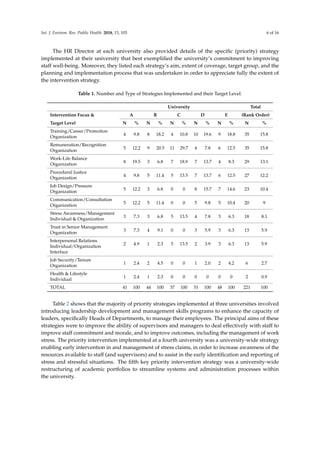
Table 1 lists the key types of HR/OHS intervention strategies undertaken at the five universities
within a three-year period. In order to determine the level at which the interventions were
targeted, the intervention strategies were classified into the categories of individual, organization, or
individual/organization level interventions.
As shown in Table 1, the key issues targeted by HR management across the universities
involved strategies to enhance training, career development and promotional opportunities for staff
(35 strategies); and to improve remuneration and recognition practices (35 strategies). Other salient
strategies aimed to improve work-life balance (29 strategies), and to enhance the fairness of policies
and procedures (27 strategies). The total number of HR/OHS interventions implemented at each
university during this period ranged from 37–51 strategies. It is of interest that the highest percentages
of strategies implemented at Universities D and E were those targeting training, career, and promotion
areas (19.6%) and (18.8%), respectively. In contrast, Universities B and C focused on enhancing
employee remuneration and recognition, (20.5%) and (29.7%), respectively. The highest percentage of
strategies at University A were those aimed at enhancing employees’ work-life balance (19.5%).
Table 1 also shows that the majority of interventions implemented were focused at the
organizational level and aimed at eliminating, reducing or altering stressors at work. These strategies
included: improving training, career, and promotion opportunities; enhancing remuneration and
recognition practices, and work-life balance strategies; enhancing procedural justice, and increasing
trust in senior management; redesigning jobs; enhancing communication and consultation processes;
and addressing job security and tenure concerns. In terms of the JD-R model, strategies such as
improving training, career, and promotion opportunities were aimed at building resources, whilst
interventions directed at job redesign and job pressure were stress management strategies to reduce
job demands. Strategies to increase employee awareness of stress and the management of stress
were classified as both individual- and organization-directed interventions, and strategies to enhance
interpersonal relationships were the only individual-organization interface-directed strategies that
were implemented. In addition, interventions addressing employee health and lifestyle factors were
the single type of individual-directed strategies that were implemented.
Int. J. Environ. Res. Public Health 2018, 15, 103 6 of 16
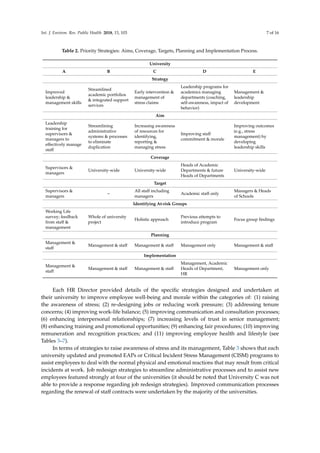
The HR Director at each university also provided details of the specific (priority) strategy
implemented at their university that best exemplified the university’s commitment to improving
staff well-being. Moreover, they listed each strategy’s aim, extent of coverage, target group, and the
planning and implementation process that was undertaken in order to appreciate fully the extent of
the intervention strategy.
Table 1. Number and Type of Strategies Implemented and their Target Level.
University Total
Intervention Focus & A B C D E (Rank Order)
Target Level N % N % N % N % N % N %
Training/Career/Promotion
4 9.8 8 18.2 4 10.8 10 19.6 9 18.8 35 15.8
Organization
Remuneration/Recognition
5 12.2 9 20.5 11 29.7 4 7.8 6 12.5 35 15.8
Organization
Work-Life Balance
8 19.5 3 6.8 7 18.9 7 13.7 4 8.3 29 13.1
Organization
Procedural Justice
4 9.8 5 11.4 5 13.5 7 13.7 6 12.5 27 12.2
Organization
Job Design/Pressure
5 12.2 3 6.8 0 0 8 15.7 7 14.6 23 10.4
Organization
Communication/Consultation
5 12.2 5 11.4 0 0 5 9.8 5 10.4 20 9
Organization
Stress Awareness/Management
3 7.3 3 6.8 5 13.5 4 7.8 3 6.3 18 8.1
Individual & Organization
Trust in Senior Management
3 7.3 4 9.1 0 0 3 5.9 3 6.3 13 5.9
Organization
Interpersonal Relations
2 4.9 1 2.3 5 13.5 2 3.9 3 6.3 13 5.9
Individual/Organization
Interface
Job Security/Tenure
1 2.4 2 4.5 0 0 1 2.0 2 4.2 6 2.7
Organization
Health & Lifestyle
1 2.4 1 2.3 0 0 0 0 0 0 2 0.9
Individual
TOTAL 41 100 44 100 37 100 51 100 48 100 221 100
Table 2 shows that the majority of priority strategies implemented at three universities involved
introducing leadership development and management skills programs to enhance the capacity of
leaders, specifically Heads of Departments, to manage their employees. The principal aims of these
strategies were to improve the ability of supervisors and managers to deal effectively with staff to
improve staff commitment and morale, and to improve outcomes, including the management of work
stress. The priority intervention implemented at a fourth university was a university-wide strategy
enabling early intervention in and management of stress claims, in order to increase awareness of the
resources available to staff (and supervisors) and to assist in the early identification and reporting of
stress and stressful situations. The fifth key priority intervention strategy was a university-wide
restructuring of academic portfolios to streamline systems and administration processes within
the university.
Int. J. Environ. Res. Public Health 2018, 15, 103 7 of 16
Table 2. Priority Strategies: Aims, Coverage, Targets, Planning and Implementation Process.
University
A B C D E
Strategy
Improved
leadership &
management skills
Streamlined
academic portfolios
& integrated support
services
Early intervention &
management of
stress claims
Leadership programs for
academics managing
departments (coaching,
self-awareness, impact of
behavior)
Management &
leadership
development
Aim
Leadership
training for
supervisors &
managers to
effectively manage
staff
Streamlining
administrative
systems & processes
to eliminate
duplication
Increasing awareness
of resources for
identifying,
reporting &
managing stress
Improving staff
commitment & morale
Improving outcomes
(e.g., stress
management) by
developing
leadership skills
Coverage
Supervisors &
managers
University-wide University-wide
Heads of Academic
Departments & future
Heads of Departments
University-wide
Target
Supervisors &
managers
–
All staff including
managers
Academic staff only
Managers & Heads
of Schools
Identifying At-risk Groups
Working Life
survey; feedback
from staff &
management
Whole of university
project
Holistic approach
Previous attempts to
introduce program
Focus group findings
Planning
Management &
staff
Management & staff Management & staff Management only Management & staff
Implementation
Management &
staff
Management & staff Management & staff
Management, Academic
Heads of Department,
HR
Management only
Each HR Director provided details of the specific strategies designed and undertaken at
their university to improve employee well-being and morale within the categories of: (1) raising
the awareness of stress; (2) re-designing jobs or reducing work pressure; (3) addressing tenure
concerns; (4) improving work-life balance; (5) improving communication and consultation processes;
(6) enhancing interpersonal relationships; (7) increasing levels of trust in senior management;
(8) enhancing training and promotional opportunities; (9) enhancing fair procedures; (10) improving
remuneration and recognition practices; and (11) improving employee health and lifestyle (see
Tables 3–7).
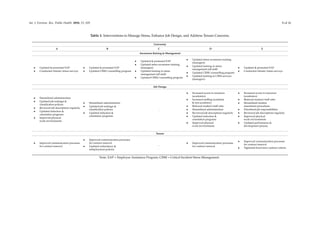
In terms of strategies to raise awareness of stress and its management, Table 3 shows that each
university updated and promoted EAPs or Critical Incident Stress Management (CISM) programs to
assist employees to deal with the normal physical and emotional reactions that may result from critical
incidents at work. Job redesign strategies to streamline administrative processes and to assist new
employees featured strongly at four of the universities (it should be noted that University C was not
able to provide a response regarding job redesign strategies). Improved communication processes
regarding the renewal of staff contracts were undertaken by the majority of the universities.
Int. J. Environ. Res. Public Health 2018, 15, 103 8 of 16
Table 3. Interventions to Manage Stress, Enhance Job Design, and Address Tenure Concerns.
University
A B C D E
Awareness Raising & Management
• Updated & promoted EAP
• Conducted climate/stress surveys
• Updated & promoted EAP
• Updated CISM/counselling program
• Updated & promoted EAP
• Updated stress awareness training
(managers)
• Updated training in stress
management (all staff)
• Updated CISM/counselling program
• Updated stress awareness training
(managers)
• Updated training in stress
management (all staff)
• Updated CISM/counselling program
• Updated training in CISM services
(managers)
• Updated & promoted EAP
• Conducted climate/stress surveys
Job Design
• Streamlined administration
• Updated job redesign &
classification policies
• Reviewed job descriptions regularly
• Updated induction &
orientation programs
• Improved physical
work environments
• Streamlined administration
• Updated job redesign &
classification policies
• Updated induction &
orientation programs
-
• Increased access to resources
(academics)
• Increased staffing (academic
& non-academic)
• Reduced student/staff ratio
• Streamlined administration
• Reviewed job descriptions regularly
• Updated induction &
orientation programs
• Improved physical
work environments
• Increased access to resources
(academics)
• Reduced student/staff ratio
• Streamlined student
assessment procedures
• Prioritized job responsibilities
• Reviewed job descriptions regularly
• Improved physical
work environments
• Updated performance &
development process
Tenure
• Improved communication processes
for contract renewal
• Improved communication processes
for contract renewal
• Updated redundancy &
redeployment policies
-
• Improved communication processes
for contract renewal
• Improved communication processes
for contract renewal
• Tightened fixed term contract criteria
Note: EAP = Employee Assistance Program; CISM = Critical Incident Stress Management.
Int. J. Environ. Res. Public Health 2018, 15, 103 9 of 16
Table 4. Interventions to Enhance Work-Life Balance and Communication.
University
A B C D E
Work-Life Balance
• Established/promoted
family-friendly provisions
• Established/promoted fractional
employment & flexible working hours
• Established/promoted job sharing, 48/52
arrangements, & work from
home agreements
• Monitored absenteeism
• Encouraged taking accrued leave
• Established/promoted
family-friendly provisions
• Established/promoted
48/52 arrangements
• Monitored absenteeism
• Established/promoted
fractional employment &
flexible working hours
• Established/promoted
rostered days off
• Established/promoted job
sharing, 48/52
arrangements, & work
from home agreements
• Encouraged taking
accrued leave
• Established/promoted fractional
employment & flexible working hours
• Established/promoted rostered days off
• Established/promoted job sharing,
48/52 arrangements, & work from
home agreements
• Encouraged taking accrued leave
• Established/promoted fractional
employment & flexible
working hours
• Established/promoted
48/52 arrangements
• Encouraged taking accrued leave
Communication & Consultation
• Improved management-staff communication
• Regular updates about
organizational objectives
• More consultation on workplace relations
• Feedback for good performance
• Introduced Performance Development
Review for all staff
• Improved
management-staff communication
• Regular updates about
organizational objectives
• More staff consultation &
voice in promotion,
performance &
redundancy procedures
• More consultation on
workplace relations &
organizational change
–
• Updated management training in
effective communication skills/styles
• Regular updates about
organizational objectives
• More consultation on workplace
relations & organizational change
• Feedback for good performance
• Regular updates about
organizational objectives
• More staff consultation & voice in
promotion, performance &
redundancy procedures
• More consultation on workplace
relations & organizational change
• Feedback for good performance
Int. J. Environ. Res. Public Health 2018, 15, 103 10 of 16
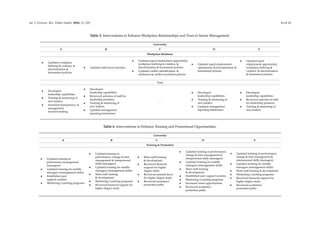
Table 5. Interventions to Enhance Workplace Relationships and Trust in Senior Management.
University
A B C D E
Workplace Relations
• Updated workplace
bullying & violence, &
discrimination &
harassment policies
• Updated staff social activities
• Updated equal employment opportunity,
workplace bullying & violence, &
discrimination & harassment policies
• Updated conflict identification, &
mediation & conflict resolution policies
• Updated equal employment
opportunity, & discrimination &
harassment policies
• Updated equal
employment opportunity,
workplace bullying &
violence, & discrimination
& harassment policies
Trust
• Developed
leadership capabilities
• Training & mentoring of
new leaders
• Increased transparency of
management
decision making
• Developed
leadership capabilities
• Reviewed selection of staff for
leadership positions
• Training & mentoring of
new leaders
• Updated management
reporting timeframes
–
• Developed
leadership capabilities
• Training & mentoring of
new leaders
• Updated management
reporting timeframes
• Developed
leadership capabilities
• Reviewed selection of staff
for leadership positions
• Training & mentoring of
new leaders
Table 6. Interventions to Enhance Training and Promotional Opportunities.
University
A B C D E
Training & Promotion
• Updated training in
performance management
(managers)
• Updated training for middle
managers (management skills)
• Established peer
support systems
• Mentoring/coaching programs
• Updated training in
performance, change & time
management & interpersonal
skills (managers)
• Updated training for middle
managers (management skills)
• More staff training
& development
• Mentoring/coaching programs
• Reviewed financial support for
higher degree study
• More staff training
& development
• Reviewed financial
support for higher
degree study
• Reviewed assisted leave
for higher degree study
• Reviewed academics‘
promotion paths
• Updated training in performance,
change & time management &
interpersonal skills (managers)
• Updated training for middle
managers (management skills)
• More staff training
& development
• Established peer support systems
• Mentoring/coaching programs
• Increased career opportunities
• Reviewed academics‘
promotion paths
• Updated training in performance,
change & time management &
interpersonal skills (managers)
• Updated training for middle
managers (management skills)
• More staff training & development
• Mentoring/coaching programs
• Reviewed financial support for
higher degree study
• Reviewed academics‘
promotion paths
Int. J. Environ. Res. Public Health 2018, 15, 103 11 of 16
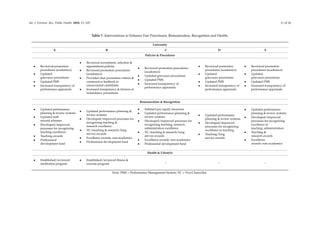
Table 7. Interventions to Enhance Fair Procedures, Remuneration, Recognition and Health.
University
A B C D E
Policies & Procedures
• Reviewed promotion
procedures (academics)
• Updated
grievance procedures
• Updated PMS
• Increased transparency of
performance appraisals
• Reviewed recruitment, selection &
appointment policies
• Reviewed promotion procedures
(academics)
• Provided clear promotion criteria &
constructive feedback to
unsuccessful candidates
• Increased transparency & fairness of
redundancy procedures
• Reviewed promotion procedures
(academics)
• Updated grievance procedures
• Updated PMS
• Increased transparency of
performance appraisals
• Reviewed promotion
procedures (academics)
• Updated
grievance procedures
• Updated PMS
• Increased transparency of
performance appraisals
• Reviewed promotion
procedures (academics)
• Updated
grievance procedures
• Updated PMS
• Increased transparency of
performance appraisals
Remuneration & Recognition
• Updated performance
planning & review systems
• Updated staff
reward schemes
• Developed/improved
processes for recognizing
teaching excellence
• Teaching awards
• Professional
development fund
• Updated performance planning &
review systems
• Developed/improved processes for
recognizing teaching &
research excellence
• VC/teaching & research/long
service awards
• Excellence awards: non-academics
• Professional development fund
• Initiated pay equity measures
• Updated performance planning &
review systems
• Developed/improved processes for
recognizing teaching, research,
administration excellence
• VC/teaching & research/long
service awards
• Excellence awards: non-academics
• Professional development fund
• Updated performance
planning & review systems
• Developed/improved
processes for recognizing
excellence in teaching
• Teaching/long
service awards
• Updated performance
planning & review systems
• Developed/improved
processes for recognizing
excellence in
teaching, administration
• Teaching &
research awards
• Excellence
awards: non-academics
Health & Lifestyle
• Established/reviewed
meditation program
• Established/reviewed fitness &
exercise program – – –
Note: PMS = Performance Management System; VC = Vice-Chancellor.
Int. J. Environ. Res. Public Health 2018, 15, 103 12 of 16
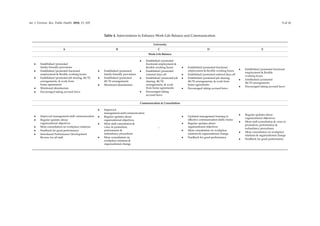
Table 4 shows that interventions to improve work-life balance were widespread, as all universities
established or promoted family-friendly policies and working arrangements, and four universities
encouraged staff to take accrued leave. Strategies to improve consultation and enhance communication
processes from management to staff were implemented at the majority of the universities.
Table 5 lists the strategies implemented to enhance interpersonal relationships and increase
staff levels of trust in senior management. The updating of equal opportunity, workplace bullying
and violence, and discrimination and harassment policies were undertaken by the majority of the
universities. A focus on leadership development and mentoring of staff for leadership positions was
highlighted by four of the universities.
As can be observed in Table 6, interventions to enhance training, career development and
promotional opportunities for staff, particularly management, were the predominant strategies
undertaken by all of the universities. Specifically, management-directed training in performance
management, change management, time management, interpersonal skills, and training for middle
managers in management skills were widespread across all of the universities.
Table 7 shows that the majority of the strategies to enhance the fairness and openness of procedures
were those to review recruitment, selection and appointment policies; review promotion procedures
for academic staff; provide clear promotion criteria; and update the performance management system.
All five universities implemented multiple strategies to recognize staff achievements and improve
remuneration practices. Chief among these were updating performance planning and review systems,
developing or improving processes for recognizing excellence in teaching, and acknowledging staff in
teaching awards or grants. Only two universities attempted to enhance employees’ health and lifestyle
directly by implementing meditation or fitness and exercise programs.
4. Discussion
The key purpose of this study was to address the gap in existing applied intervention research
by investigating the stress interventions that were implemented by management at five universities
between two time-points in order to gather details of the types of strategies (RQ1), how they were
targeted (RQ2), and which interventions were regarded as priority strategies (RQ3). Firstly, across
the universities, the dominant interventions were strategies that aimed to balance the social exchange
in the work contract between employee-organization as highlighted in the effort-reward imbalance
model [42]. For example, there was an emphasis on initiatives to: enhance training, career development
and promotional opportunities for staff; improve remuneration and recognition practices; and to
enhance the fairness of organizational policies and procedures. Strategies to improve work-life
balance for staff were also prominent. Given previous research and the recommendations made to the
universities by Winefield and colleagues [36,37], we had expected that university management would
target strategies to those areas.
The total number of HR/OHS interventions implemented at each university during this period
ranged from 37–51 strategies (see Table 1). The largest number of interventions were implemented by
Universities D and E, which adopted stronger top-down strategies than the other three universities,
with a third of the strategies for both universities targeting the psychosocial work environment aspects
of job design; and training, career, and promotion opportunities. As organizational-level strategies
“can be truly preventative, tackling workplace and organizational issues at their source” [10] (p. 255),
it is important that management target those areas. With regard to the JD-R framework, organizational
climate or PSC are also top-down influences, as PSC is positively linked to employee engagement and
psychological well-being [43] via job design (the levels of demands and resources). As jobs are designed
in harmony with management strategy and choice [44], in psychologically healthy workplaces (i.e.,
a high PSC workplace) we expect that jobs are designed where demands are manageable, and resources
are adequate.
Given that a comprehensive review of work stress preventive interventions by Kompier and
Kristensen [45] showed that the majority of interventions to prevent mental health problems at work
Int. J. Environ. Res. Public Health 2018, 15, 103 13 of 16
are individual and reactive strategies, it is noteworthy that the intervention strategies implemented
by university management were predominantly primary intervention strategies focused at the
organizational level and aimed at eliminating, reducing or altering stressors at work. The strategies
included: improving training, career, and promotion opportunities; enhancing remuneration and
recognition practices and work-life balance strategies; enhancing procedural justice, and increasing
trust in senior management; redesigning jobs; and enhancing communication and consultation
processes. It should be noted that University C did not provide details of any interventions related to
job design, tenure, communication and consultation, or trust in senior management.
In response to the second research question, each of the participating universities implemented
multilevel intervention strategies to improve employee well-being and morale, which is consistent with
prior research that shows that the most effective intervention strategies are multilevel interventions that
combine organizational (work-directed) as well as individual (person-directed) strategies [13,16,45].
Thus, in order to understand work stress and employee engagement, a multilevel approach to
occupational health needs to take both management and individuals’ needs into consideration.
With regard to the third research question, the results of the present study show that the key issues
targeted by HR management across the universities were proactive organization-directed strategies to
enhance the capacity of leaders, specifically Heads of Departments, to manage employees, improve
employee commitment and morale, and to improve outcomes including the management of stress (see
Table 2). Such strategies were listed as priorities at three of the five universities (A,D,E). In addition,
senior management at University C implemented a university-wide strategy for the early intervention
and management of stress claims in order to increase an awareness of the resources available to staff
(and supervisors) and to assist in the early identification and reporting of stress and stress situations.
In terms of the JD-R theoretical model, increasing job resources in the form of enhancing
employees’ training and career development opportunities, and improving remuneration and
recognition practices may lead to increased opportunities for personal growth, learning and
development (the motivational hypothesis), and to positive organizational outcomes through increased
morale and positive work attitudes (i.e., increased commitment to the organization). It is of interest
that a recent study of more than 15,000 employees from over 1200 workplaces [46] found that targeted
HR training practices indirectly influenced organizational productivity through employee perceptions
of job resources and job satisfaction.
It is intuitively appealing to consider that implementing interventions should reduce work stress.
However, it is necessary to examine the discrete context in which employees are working, and to
acknowledge process issues in organizational stress and well-being interventions [6]. Indeed, on the
basis of eleven European case studies, Kompier and Cooper [47] emphasize that interventions need to
be context-specific and accurately assess both individual and organizational factors which are crucial
to the intervention’s success. Some intervention strategies may have led to desirable employee and
organizational outcomes, which has practical implications for university management, particularly
HR/OHS management, as the motivating potential of job resources should be acknowledged and
exploited. Beneficial outcomes for both the employee and the organization may be achieved if
organizations implement targeted strategies to increase well-being and morale, and communicate and
promote the measures taken by HR/OHS departments to employees.
5. Conclusions
It appears that university managements’ resources were targeted specifically to increase employee
perceptions of procedural justice and leadership development and training. The interventions
implemented were predominantly proactive (primary) strategies focused at the organizational level.
The results imply that a focus on stress prevention and management and improving the quality of the
relationships between employees and senior management in terms of increased strategies to promote
procedural justice, trust and commitment to the organization, may lead to positive HR benefits for
employees and organizations.
Int. J. Environ. Res. Public Health 2018, 15, 103 14 of 16
However, there are limitations that need to be acknowledged. First, our intervention study
obtained objective evidence from university management of university-wide interventions, but there
may have been variations between departments in the type or extent of the stress-reduction strategies
undertaken. Hence, further research should be aimed at a departmental level using an appropriate
sample size to investigate the specific faculties/organizational units within each university, and obtain
details of their targeted interventions.
In the university context, work-related stress has been linked to economic pressures,
internationalization, the growing use of technology, and demand-driven funding [28]. As these
factors may also impact other industries that employ knowledge workers who develop and apply
specific knowledge (e.g., scientists, educators, researchers, physicians, software engineers, engineers,
product developers), it is important to determine the relationship between psychosocial factors and
specific organizational outcomes to assist management to determine where to intervene in order to
reduce stress and improve employee well-being. Thus, to build confidence in our findings, stress
management initiatives should be investigated in other organizational contexts to determine whether
the types of intervention strategies implemented by university management are widespread in other
work settings.
In conclusion, the JD-R theoretical framework appears to be evident in the employee-organization
relationship in university settings as these findings suggest that universities and other organizations
should implement targeted and multilevel resources, such as HR/OHS stress intervention policies
and practices that target both the organization and individuals’ needs. As universities have
become increasingly large and diverse institutions [28], it is timely to investigate new and emerging
psychosocial risks within universities as more evaluative research on work stress interventions is
needed at the institutional and sector level to assist management (in universities and other complex
organizations) to address issues relating to psychosocial risks and refine or implement new strategies
to attain healthy work environments.
Acknowledgments: The first author was supported by a Bellberry Ph.D. Scholarship. Aspects of this paper have
been presented at conferences including a symposium on “Wellbeing in academic employees: an international
perspective” at the European Academy of Occupational Health Psychology (EA-OHP) conference, London,
14–16 April 2014.
Author Contributions: S.P., A.H.W., C.M.B. and C.P. conceived and designed the research; S.P. analyzed the data;
and all authors wrote the paper.
Conflicts of Interest: The authors declare no conflict of interest.
References
1. Deloitte Access Economics. The Importance of Universities to Australia’s Prosperity; Universities
Australia, 2015. Available online: https://www.universitiesaustralia.edu.au/ArticleDocuments/783/
The%20importance%20of%20universities%20to%20Australia%20s%20prosperity.PDF.aspx (accessed on 14
November 2017).
2. Health Safety Executive (HSE). Managing the Causes of Work-Related Stress: A Step-by-Step Approach Using
the Management Standards. Available online: https://safetyresourcesblog.files.wordpress.com/2014/10/
managing-the-causes-of-work-related-stress-a-step-by-step-approach-using-management-standards.pdf
(accessed on 16 November 2017).
3. Skakon, J.; Nielsen, K.; Borg, V.; Guzman, J. Are leaders’ well-being, behaviours and style associated with
the affective wellbeing of their employees? A systematic review of three decades of research. Work Stress
2010, 24, 107–139. [CrossRef]
4. Leiter, M.P.; Bakker, A.B.; Maslach, C. Burnout at Work: A Psychological Perspective; Psychology Press: Hove,
UK, 2014.
5. Ivancevich, J.M.; Matteson, M.T.; Freedman, S.M.; Phillips, J.S. Worksite stress management interventions.
Am. Psychol. 1990, 45, 252–261. [CrossRef] [PubMed]
6. Biron, C.; Karanika-Murray, M. Process evaluation for organizational stress and well-being interventions:
Implications for theory, method, and practice. Int. J. Stress Manag. 2014, 21, 85–111. [CrossRef]
Int. J. Environ. Res. Public Health 2018, 15, 103 15 of 16
7. Nielsen, K.; Taris, T.W.; Cox, T. The future of organizational interventions: Addressing the challenges of
today's organizations. Work Stress 2010, 24, 219–233. [CrossRef]
8. Lamontagne, A.D.; Noblet, A.; Spector, P. Intervention development and implementation: Understanding
and addressing barriers to organizational-level interventions. In Improving Organizational Interventions for
Stress and Well-Being: Addressing Process and Context; Biron, C., Karanika-Murray, M., Cooper, C., Eds.;
Routledge: London, UK, 2012; pp. 21–38.
9. Semmer, N.K. Job stress interventions and the organization of work. Scand. J. Work Environ. Health 2006, 32,
515–527. [CrossRef] [PubMed]
10. Karanika-Murray, M.; Biron, C.; Saksvik, P.O. Organizational Health Interventions: Advances in Evaluation
Methodology. Stress Health 2016, 32, 255–257. [CrossRef] [PubMed]
11. Cox, T.; Taris, T.W.; Nielsen, K. Organizational interventions: Issues and challenges. Work Stress 2010, 24,
217–218. [CrossRef]
12. Briner, R.B.; Reynolds, S. The costs, benefits, and limitations of organizational level stress interventions.
J. Organ. Behav. 1999, 20, 647–664. [CrossRef]
13. Nytrø, K.; Saksvik, P.Ø.; Mikkelsen, A.; Bohle, P.; Quinlan, M. The role and effects of process in occupational
stress interventions. Work Stress 2000, 14, 213–225. [CrossRef]
14. Giga, S.I.; Cooper, C.L.; Faragher, B. The development of a framework for a comprehensive approach to
stress management interventions at work. Int. J. Stress Manag. 2003, 10, 280–296. [CrossRef]
15. Beehr, T.A.; Newman, J.E. Research on occupational stress: An unfinished enterprise. Pers. Psychol. 1998, 51,
835–844. [CrossRef]
16. LaMontagne, A.D.; Keegel, T.; Louie, A.M.; Ostry, A.; Landsbergis, P.A. A systematic review of the job-stress
intervention evaluation literature, 1990–2005. Int. J. Occup. Environ. Health 2007, 13, 268–280. [CrossRef]
[PubMed]
17. Giga, S.I.; Noblet, A.J.; Faragher, B.; Cooper, C.L. The UK perspective: A review of research on organizational
stress management interventions. Aust. Psychol. 2003, 38, 158–164. [CrossRef]
18. Geurts, S.; Gründemann, R. Workplace stress and stress prevention in Europe. In Preventing Stress, Improving
Productivity: European Case Studies in the Workplace; Kompier, M., Cooper, C., Eds.; Routledge: London, UK,
1999; pp. 9–33.
19. Burke, R.J. Organizational-level interventions to reduce occupational stressors. Work Stress 1993, 7, 77–87.
[CrossRef]
20. Richardson, K.M.; Rothstein, H.R. Effects of occupational stress management intervention programs:
A meta-analysis. J. Occup. Health Psychol. 2008, 13, 69–93. [CrossRef] [PubMed]
21. Tetrick, L.E.; Winslow, C.J. Workplace stress management interventions and health promotion. Annu. Rev.
Organ. Psychol. Organ. Behav. 2015, 2, 583–603. [CrossRef]
22. DeFrank, R.S.; Cooper, C.L. Worksite stress management interventions: Their effectiveness and
conceptualization. J. Manag. Psychol. 1987, 2, 4–10. [CrossRef]
23. Schaufeli, W.B.; Taris, T.W. A critical review of the job demands-resources model: Implications for improving
work and health. In Bridging Occupational, Organizational and Public Health: A Transdisciplinary Approach;
Bauer, G., Hämmig, O., Eds.; Springer: Dordrecht, The Netherlands, 2014; pp. 43–68.
24. Bakker, A.B.; Demerouti, E. The Job Demands-Resources model: State of the art. J. Manag. Psychol. 2007, 22,
309–328. [CrossRef]
25. Demerouti, E.; Bakker, A.B.; Nachreiner, F.; Schaufeli, W.B. The Job Demands-Resources model of burnout.
J. Appl. Psychol. 2001, 86, 499–512. [CrossRef] [PubMed]
26. Schaufeli, W.B.; Bakker, A.B. Job demands, job resources, and their relationship with burnout and
engagement: A multi-sample study. J. Organ. Behav. 2004, 25, 293–315. [CrossRef]
27. Dollard, M.F.; Bakker, A.B. Psychosocial safety climate as a precursor to conducive work environments,
psychological health problems, and employee engagement. J. Occup. Organ. Psychol. 2010, 83, 579–599.
[CrossRef]
28. Coates, H.; Goedegebuure, L. The Real Academic Revolution: Why We Need to Reconceptualise Australia's Future
Academic Workforce, and Eight Possible Strategies for How to Go About This; Research Briefing, LH Martin
Institute: Melbourne, Australia, 2010.
29. Biron, C.; Brun, J.P.; Ivers, H. Extent and sources of occupational stress in university staff. Work J. Prev.
Assess. Rehabil. 2008, 30, 511–522.
Int. J. Environ. Res. Public Health 2018, 15, 103 16 of 16
30. Catano, V.; Francis, L.; Haines, T.; Kirpalani, H.; Shannon, H.; Stringer, B.; Lozanzki, L. Occupational Stress
in Canadian Universities: A National Survey. Int. J. Stress Manag. 2010, 17, 232–258. [CrossRef]
31. Coetzee, S.E.; Rothmann, S. Occupational stress, organizational commitment and ill health of employees at a
higher education institution in South Africa. S. Afr. J. Ind. Psychol. 2005, 31, 47–54.
32. Kinman, G.; Wray, S. Taking Its Toll: Rising Stress Levels in Further Education; UCU Publications:
London, UK, 2014. Available online: http://www.ucu.org.uk/media/pdf/q/b/ucu_festressreport14.pdf?
CFID=22923281&CFTOKEN=47794b65a042a5a-A97173F8-AEFD-756C-7658D963909FB278 (accessed on 14
November 2017).
33. Liu, C.; Spector, P.E.; Shi, L. Use of both qualitative and quantitative approaches to study job stress in
different gender and occupational groups. J. Occup. Health Psychol. 2008, 13, 357–370. [CrossRef] [PubMed]
34. Taris, T.W.; Schreurs, P.J.G.; van Iersel-van Silfhout, I.J. Job stress, job strain, and psychological withdrawal
among Dutch university staff: Towards a dual-process model for the effects of occupational stress. Work Stress
2001, 15, 283–296. [CrossRef]
35. Winefield, A.H.; Jarrett, R.J. Occupational stress in university staff. Int. J. Stress Manag. 2001, 8, 285–298.
[CrossRef]
36. Winefield, A.H.; Boyd, C.M.; Saebel, J.; Pignata, S. Job Stress in University Staff: An Australian Research Study;
Australian Academic Press: Bowen Hills, Australia, 2008.
37. Gillespie, N.A.; Walsh, M.; Winefield, A.H.; Dua, J.; Stough, C. Occupational stress in universities: Staff
perceptions of the causes, consequences and moderators of stress. Work Stress 2001, 15, 53–72. [CrossRef]
38. Australian Technology Network (ATN). Available online: https://www.atn.edu.au/ (accessed on 27
November 2017).
39. Pignata, S.; Winefield, A.H. Awareness of stress-reduction interventions on organizational attitudes in staff
at an Australian university. In Proceedings of the 2006 Joint Conference of the Australian Psychological Society and
New Zealand Psychological Society; Katsikitis, M., Ed.; Australian Psychological Society: Melbourne, Australia,
2006; pp. 330–334.
40. Eisenhardt, K.M. Building theories from case study research. Acad. Manag. Rev. 1989, 14, 532–550.
41. Yin, R. Case Study Research: Design and Methods; Sage Publishing: Newbury Park, CA, USA, 1989.
42. Siegrist, J. Adverse health effects of high-effort/low-reward conditions. J. Occup. Health Psychol. 1996, 1,
27–41. [CrossRef] [PubMed]
43. Dollard, M.F.; Tuckey, M.R.; Dormann, C. Psychosocial safety climate moderates the demand-resource
interaction in predicting work stress. Accid. Anal. Prev. 2012, 45, 694–704. [CrossRef] [PubMed]
44. Morgeson, F.P.; Dierdorff, E.C.; Hmurovic, J.L. Work design in situ: Understanding the role of occupational
and organizational context. J. Organ. Behav. 2010, 31, 351–360. [CrossRef]
45. Kompier, M.A.J.; Kristensen, T.S. Organisational work stress interventions in a theoretical, methodological
and practical context. In Stress in the Workplace: Past, Present and Future; Dunham, J., Ed.; Whurr Publishers:
London, UK, 2001; pp. 164–190.
46. Croon, M.A.; van Veldhoven, M.J.P.M.; Peccei, R.E.; Wood, S. Researching individual well-being and
performance in context: Multilevel mediational analysis for bathtub models. In Well-Being and Performance
at Work: The Role of Context; Van Veldhoven, M.J.P.M., Peccei, R., Eds.; Psychology Press: Hove, UK, 2015;
pp. 129–154.
47. Kompier, M.; Cooper, C.L. (Eds.) Preventing Stress, Improving Productivity: European Case Studies in the
Workplace; Routledge: London, UK, 1999.
© 2018 by the authors. Licensee MDPI, Basel, Switzerland. This article is an open access
article distributed under the terms and conditions of the Creative Commons Attribution
(CC BY) license (http://creativecommons.org/licenses/by/4.0/).

stress management

  • 1.
    International Journal of EnvironmentalResearch and Public Health Article A Qualitative Study of HR/OHS Stress Interventions in Australian Universities Silvia Pignata 1,2,* ID , Anthony H. Winefield 1,3, Carolyn M. Boyd 2 and Chris Provis 4 ID 1 Asia Pacific Centre for Work, Health and Safety, University of South Australia, Adelaide, SA 5000, Australia; anthony.winefield@unisa.edu.au 2 School of Engineering, University of South Australia, Adelaide, SA 5000, Australia; cmb@internode.on.net 3 School of Psychology, University of Adelaide, Adelaide, SA 5000, Australia 4 School of Management, University of South Australia, Adelaide, SA 5000, Australia; chris.provis@gmail.com * Correspondence: silvia.pignata@unisa.edu.au; Tel.: +61-8-8302-3823 Received: 30 November 2017; Accepted: 3 January 2018; Published: 9 January 2018 Abstract: To enhance the understanding of psychosocial factors and extend research on work stress interventions, we investigated the key human resource (HR)/occupational health and safety (OHS) stress interventions implemented at five Australian universities over a three-year period. Five senior HR Directors completed an online survey to identify the intervention strategies taken at their university in order to reduce stress and enhance employee well-being and morale. We also explored the types of individual-, organization-, and individual/organization-directed interventions that were implemented, and the strategies that were prioritized at each university. Across universities, the dominant interventions were strategies that aimed to balance the social exchange in the work contract between employee-organization with an emphasis on initiatives to: enhance training, career development and promotional opportunities; improve remuneration and recognition practices; and to enhance the fairness of organizational policies and procedures. Strategies to improve work-life balance were also prominent. The interventions implemented were predominantly proactive (primary) strategies focused at the organizational level and aimed at eliminating or reducing or altering work stressors. The findings contribute to the improved management of people at work by identifying university-specific HR/OHS initiatives, specifically leadership development and management skills programs which were identified as priorities at three universities. Keywords: work stress; stress interventions; universities; well-being; leadership 1. Introduction At an international level, “strong university sectors are associated with stronger economies and higher standards of living” as they contribute markedly to national economic and social prosperity [1] (p. vi). As Australia’s university sector delivers approximately $25 billion to the economy per annum [1], it is crucial that the university sector and its workforce thrive in order to continue to deliver high quality research and teaching outcomes to students. Yet, work stress has increased in the sector, hand in hand with increased competition among universities, technological changes and casualization of the workforce. Job-related stress, defined as “the adverse reaction people have to excessive pressure or other types of demand placed on them” [2] (p. 7), is one of the largest issues in workplaces globally [3]. Due to its adverse impact on worker health and organizational performance [4], it is important to investigate the management of work stress. A stress management intervention has been defined as “any activity, program, or opportunity initiated by an organization, which focuses on reducing the presence of work-related stressors or on assisting individuals to minimize the negative outcomes of exposure to these stressors” [5] (p. 252). Despite the wide variety of programs to manage stress and improve employee well-being and morale, little Int. J. Environ. Res. Public Health 2018, 15, 103; doi:10.3390/ijerph15010103 www.mdpi.com/journal/ijerph
  • 2.
    Int. J. Environ.Res. Public Health 2018, 15, 103 2 of 16 evaluative research on organizational stress interventions has been reported in the literature [6]. Reasons for this relate primarily to the methodological and conceptual challenges inherent in stress-intervention research [7,8], the high cost and complexity of organizational interventions [9], and the mixed results of reviews and research on the effectiveness of organizational health interventions [10]. Indeed, Karanika-Murray, Biron, and Saksvik [10] (p. 255) assert that “there is still a great divide between what organizations do to promote workplace health and well-being, on one hand, and what researchers know in terms of what causes ill-health at work, on the other”. Similarly, Cox, Taris and Nielsen [11] call for researchers to examine innovative approaches to improving employee health and well-being. In order to provide solutions to the causes of work-related stress, there is a need for applied researchers to investigate what types of interventions work, when are they effective, and why and how organizational level stress interventions work [12]. We address the underlying question of what university management thinks will work (i.e., their implicit theories of the causes of stress and what will be effective in reducing stress) by examining the types of organizational stress initiatives that were implemented in the specific context of Australian universities, an area experiencing high levels of work stress. Empirical research suggests that for stress interventions to be effective: (1) the development of interventions should include a participatory approach and involve, and be supported by, employees, unions, and senior management [13]; (2) interventions should publicly detail the process involved in their implementation as doing so can play a salient role in their effectiveness; (3) the intervention strategies should include multilevel approaches that combine individual- and organizational-directed stress management and reduction strategies [14]; (4) interventions should have clearly defined assessment/monitoring policies; and (5) the evaluations of interventions should use multiple self-report and objective measures [12]. However, there are difficulties in evaluating organizational interventions, as the few published successful intervention studies are often methodologically unsound [15]. The goal of this study therefore is to understand the implicit theories of stress management demonstrated by university management. Using a qualitative method, the study identifies the processes and measures to reduce or manage stress undertaken by Human Resource (HR) Directors at five Australian universities across two time-points. Work stress interventions are delineated into the classifications of primary, secondary, or tertiary approaches that may target the individual, the organization, or both the individual, and the organization. LaMontagne, Keegel, Louie, Ostry, and Landsbergis [16] assert that comprehensive interventions that encompass primary, secondary, and tertiary approaches are more effective on individual and organizational outcomes than other programs, as they address the causes and the consequences of stress by targeting the organization’s and individuals’ needs. Person-directed (individual) interventions, such as cognitive-behavioral therapy and employee assistance programs (EAPs) [17], focus on the employee, or group, to improve their coping resources; the aim is to assist them to deal more effectively with demanding situations, or to modify their appraisal of specific work-related stressors to reduce the perception of threat and its associated aversive emotional responses [18]. Other strategies include organizational (work-directed) interventions that focus on the work environment, and are often referred to as stressor reduction processes, and include job redesign, selection, placement, training, and education programs [17]. Interventions directed at the individual-organization interface focus on the interplay between individual employees and the organization; they include management initiatives such as co-worker support groups to improve relationships at work, improving person-environment fit, addressing role issues, and increasing workers’ participation and autonomy [19]. Giga, Noblet et al. [17] assert that a combination of multilevel organizational and individual intervention strategies is most effective in reducing stress as such an approach addresses the organizational environment, the individual and the individual-organization interface. This view is supported by reviews by Richardson and Rothstein [20], and Tetrick and Winslow [21]. To determine the level at which the HR intervention strategies investigated in the present study were targeted, we categorized them as individual (person-directed), organizational (work-directed), and individual-organization interface-directed, in accordance with the DeFrank and Cooper [22] classification of occupational stress management programs. This classification approach assists in the evaluation of
  • 3.
    Int. J. Environ.Res. Public Health 2018, 15, 103 3 of 16 the intervention strategies and their application in university workplaces. To understand the nature of the work-stress process, and gain an insight into the relation between psychosocial risk factors (any organizational factors and interpersonal relationships in the work setting that may affect the health of workers), occupational stress and stress-reduction strategies, it is necessary to examine them within the framework of work-stress models. As Schaufeli and Taris [23] (p. 59) assert that the job demands-resources (JD-R) model “is perfectly suited to guide the integration of occupational health and human resources policies in organizations”, the conceptual framework of the JD-R model [24] will be employed in the present study. The tenet of the JD-R model is that high job demands lead to strain and health impairments, and that abundant job resources are instrumental in achieving work goals as they lead to increased motivation and higher productivity [23]. The model is an open heuristic model that provides a parsimonious description of the way that two key factors (demands, resources) within the work environment can contribute to job strain or conversely, to improving employee morale and engagement [25]. Job demands are the physical, psychological, social, or organizational aspects of the job (i.e., workload, time pressure, role conflict) that require sustained physical, and/or cognitive and emotional effort associated with physiological and/or psychological costs [24]. Alternatively, job resources are the physical, psychological, social, or organizational aspects of the job (i.e., feedback, recognition, job control, social support) that may: reduce job demands and the associated physiological and psychological costs; aid in achieving work goals; meet intrinsic needs for relatedness; or stimulate personal growth, work engagement, learning and development (the motivation process) [26]. Hence, increased opportunities for personal growth, learning, and development (the motivational hypothesis) link job resources to beneficial individual and/or organizational outcomes through improved morale and positive work attitudes (job satisfaction, work engagement, organizational commitment). For example, Dollard and Bakker [27] present longitudinal evidence that an organization’s policies, practices and procedures to protect workers’ psychosocial health and safety (termed Psychosocial Safety Climate: PSC) are an organizational resource that influences the work context. As job resources are negatively related to stress [24] and are assumed to reduce job demands, work environments that offer many resources can reduce stress and foster morale. Thus, we argue that the stress interventions implemented by university management are an organizational resource component within the JD-R model. The new PSC theory [27] taps the issue of management priority for worker psychological health versus productivity imperatives. The theory proposes that PSC is influenced by senior management and their values, and is a precursor to working conditions. Research on university staff has shown that work-related stress in universities has risen internationally due to the external pressures facing universities and their workforce including increased competitiveness, the implementation of policies to measure research performance, broader technological advances, demand-driven funding [28] and reduced government financial support [29–35]. Specific to the Australian context, the adverse impact of economic and management imperatives on the well-being of staff in Australian universities has been well documented [36,37]. The present research emerged from a qualitative focus group study of 15 universities which showed that both academic and non-academic staff experienced high levels of stress associated with: “(1) a lack of funding, resources and support services; (2) task overload; (3) poor leadership and management; (4) a lack of promotion, recognition and reward; and (5) job insecurity” [37] (p. 68). Consequently, a two-wave longitudinal study of occupational stress was undertaken in which the first phase involved surveying all contract and tenured staff at 17 universities (the responding sample of 8732 participants provided a 25% response rate). The study found that reduced staffing levels and job security, and increased student numbers were related to high levels of strain and low levels of perceived control in staff [36]. Based on those findings and empirical research on work stress, the researchers made recommendations to enable the participating universities to introduce multilevel stress-reduction interventions that included raising staff awareness of EAPs, increasing the fairness of university procedures (promotion, redundancy, performance appraisal), enhancing communication and consultation processes, reducing academics’ job demands, and increasing job
  • 4.
    Int. J. Environ.Res. Public Health 2018, 15, 103 4 of 16 security [36]. Three years later, a follow-up survey was undertaken at 13 universities with responses from 6321 participants (a 26% response rate). The present study examines information supplied by HR Directors at five of those 13 universities. The assumption motivating this qualitative examination is that a more specific and in-depth examination of the five individual universities will reveal details of the specific and/or customized intervention strategies that were implemented in the period between the initial and the follow-up study, and how the interventions were targeted. Investigating these characteristics may provide an insight into how university management perceives psychosocial risk factors in university employees, and how management attempts to address those risk factors. The present study contributes to the applied stress intervention literature by examining the following research questions from the perspective of university management: (a) the types of HR/OHS interventions and strategies that were implemented by the universities that were designed to reduce employee-levels of work stress and increase morale and well-being; (b) the types of individual-, organization-, and individual/organization interface-directed interventions that were implemented; and (c) the key intervention strategy that was implemented at each university that best exemplified the university’s commitment to improving staff well-being and morale. Accordingly, we investigated the following research questions using a qualitative method in real-life university settings. Research Question 1 (RQ1): What intervention strategies were employed by university management? Research Question 2 (RQ2): At what level were the interventions directed? Research Question 3 (RQ3): What initiatives were implemented as a priority? 2. Materials and Methods In 2007, the Vice-Chancellors of the 13 universities who participated in the follow-up survey were contacted and invited to participate in the present study. Five Vice-Chancellors agreed to participate whilst eight Vice-Chancellors declined the invitation. The five participating universities located in three Australian States comprised: two “Old” universities, two “New” universities, and one “Australian Technology Network (ATN)” university. The eight non-participating universities constituted one “Old”, two “New”, two “ATN” and three “Middle” universities. In Australia, “Old” universities are those established between 1853 and 1911, and “Middle” universities refer to those established between 1954 and 1974. “New” universities are those established between 1988 and 1992 [36], and “ATN” universities are former Institutes of Technology that are now focused on industry collaboration and applied research [38]. Each Vice-Chancellor nominated a Senior HR Director to participate in the research. The five nominated Directors were contacted via email and each agreed to participate in the study and complete an Intervention Evaluation Survey (IES) in 2008. Ethical approval (protocol P019/08) was granted on 4 April 2008 by the University of South Australia’s Human Research Ethics Committee. The IES was based on empirical evidence and research by Pignata and Winefield [39], that identified the specific HR/OHS stress management and reduction interventions that were undertaken at one Australian university. Using a participative/collaborative approach, a preliminary draft of the IES was circulated to all of the nominated university representatives in order to obtain their feedback and to develop the survey further. After including their feedback, the survey was then examined by an independent university HR Director who provided feedback on the survey content only, and did not participate in the study. This feedback was also incorporated into the IES. The IES comprised two sections. Section 1 consisted of a checklist of 11 intervention targets and listed multiple intervention options. The intervention targets and examples of their respective options included: (1) increase awareness of stress and its management—eight options (e.g., promoted employee assistance program to staff); (2) enhance job design and reduce job pressure—13 options (e.g., streamlined administrative procedures); (3) improve work-life balance in staff—10 options (e.g., established/promoted family-friendly provisions); (4) improve communication and consultation with staff—eight options (e.g., improved all communication processes from management to staff);
  • 5.
    Int. J. Environ.Res. Public Health 2018, 15, 103 5 of 16 (5) address tenure concerns—four options (e.g., established/reviewed vocational counselling for redeployees); (6) enhance workplace interpersonal relations—six options (e.g., implemented/reviewed workplace bullying and violence policy); (7) enhance the fairness of policies and procedures—11 options (e.g., increased transparency of performance appraisal procedures); (8) increase staff levels of trust in senior management—eight options (e.g., developed leadership capabilities in staff); (9) enhance training, career development and promotional opportunities—15 options (e.g., established mentoring/coaching program); (10) improve remuneration and recognition practices—13 options (e.g., implemented/reviewed performance planning and review systems); and (11) improve health and lifestyle in staff—seven options (e.g., established/reviewed fitness and exercise program). Section 2 of the IES was an open-ended questionnaire in which senior HR Directors were asked to describe a key strategy (program, policy or procedure) that best exemplified their university’s commitment to improving staff well-being and morale. They were also asked to provide details of the strategy’s aim, the extent of its coverage, the target group(s), how the at-risk group(s) were identified, and which groups were involved in planning and implementing the strategy. To investigate the research questions, data analyses were conducted independently for each university, both to relate back to the objectives and to draw out policy implications. A detailed investigation of each case allowed us to draw out any trends and provided the basis for cross-case comparison [40]. Microsoft Excel was used to chart the data. Following the techniques proposed by Yin [41], once each case was completed, the results were checked to see if they replicated the findings in the previous cases. Once all the cases were entered into the data set, cross-case conclusions were then drawn. 3. Results Table 1 lists the key types of HR/OHS intervention strategies undertaken at the five universities within a three-year period. In order to determine the level at which the interventions were targeted, the intervention strategies were classified into the categories of individual, organization, or individual/organization level interventions. As shown in Table 1, the key issues targeted by HR management across the universities involved strategies to enhance training, career development and promotional opportunities for staff (35 strategies); and to improve remuneration and recognition practices (35 strategies). Other salient strategies aimed to improve work-life balance (29 strategies), and to enhance the fairness of policies and procedures (27 strategies). The total number of HR/OHS interventions implemented at each university during this period ranged from 37–51 strategies. It is of interest that the highest percentages of strategies implemented at Universities D and E were those targeting training, career, and promotion areas (19.6%) and (18.8%), respectively. In contrast, Universities B and C focused on enhancing employee remuneration and recognition, (20.5%) and (29.7%), respectively. The highest percentage of strategies at University A were those aimed at enhancing employees’ work-life balance (19.5%). Table 1 also shows that the majority of interventions implemented were focused at the organizational level and aimed at eliminating, reducing or altering stressors at work. These strategies included: improving training, career, and promotion opportunities; enhancing remuneration and recognition practices, and work-life balance strategies; enhancing procedural justice, and increasing trust in senior management; redesigning jobs; enhancing communication and consultation processes; and addressing job security and tenure concerns. In terms of the JD-R model, strategies such as improving training, career, and promotion opportunities were aimed at building resources, whilst interventions directed at job redesign and job pressure were stress management strategies to reduce job demands. Strategies to increase employee awareness of stress and the management of stress were classified as both individual- and organization-directed interventions, and strategies to enhance interpersonal relationships were the only individual-organization interface-directed strategies that were implemented. In addition, interventions addressing employee health and lifestyle factors were the single type of individual-directed strategies that were implemented.
  • 6.
    Int. J. Environ.Res. Public Health 2018, 15, 103 6 of 16 The HR Director at each university also provided details of the specific (priority) strategy implemented at their university that best exemplified the university’s commitment to improving staff well-being. Moreover, they listed each strategy’s aim, extent of coverage, target group, and the planning and implementation process that was undertaken in order to appreciate fully the extent of the intervention strategy. Table 1. Number and Type of Strategies Implemented and their Target Level. University Total Intervention Focus & A B C D E (Rank Order) Target Level N % N % N % N % N % N % Training/Career/Promotion 4 9.8 8 18.2 4 10.8 10 19.6 9 18.8 35 15.8 Organization Remuneration/Recognition 5 12.2 9 20.5 11 29.7 4 7.8 6 12.5 35 15.8 Organization Work-Life Balance 8 19.5 3 6.8 7 18.9 7 13.7 4 8.3 29 13.1 Organization Procedural Justice 4 9.8 5 11.4 5 13.5 7 13.7 6 12.5 27 12.2 Organization Job Design/Pressure 5 12.2 3 6.8 0 0 8 15.7 7 14.6 23 10.4 Organization Communication/Consultation 5 12.2 5 11.4 0 0 5 9.8 5 10.4 20 9 Organization Stress Awareness/Management 3 7.3 3 6.8 5 13.5 4 7.8 3 6.3 18 8.1 Individual & Organization Trust in Senior Management 3 7.3 4 9.1 0 0 3 5.9 3 6.3 13 5.9 Organization Interpersonal Relations 2 4.9 1 2.3 5 13.5 2 3.9 3 6.3 13 5.9 Individual/Organization Interface Job Security/Tenure 1 2.4 2 4.5 0 0 1 2.0 2 4.2 6 2.7 Organization Health & Lifestyle 1 2.4 1 2.3 0 0 0 0 0 0 2 0.9 Individual TOTAL 41 100 44 100 37 100 51 100 48 100 221 100 Table 2 shows that the majority of priority strategies implemented at three universities involved introducing leadership development and management skills programs to enhance the capacity of leaders, specifically Heads of Departments, to manage their employees. The principal aims of these strategies were to improve the ability of supervisors and managers to deal effectively with staff to improve staff commitment and morale, and to improve outcomes, including the management of work stress. The priority intervention implemented at a fourth university was a university-wide strategy enabling early intervention in and management of stress claims, in order to increase awareness of the resources available to staff (and supervisors) and to assist in the early identification and reporting of stress and stressful situations. The fifth key priority intervention strategy was a university-wide restructuring of academic portfolios to streamline systems and administration processes within the university.
  • 7.
    Int. J. Environ.Res. Public Health 2018, 15, 103 7 of 16 Table 2. Priority Strategies: Aims, Coverage, Targets, Planning and Implementation Process. University A B C D E Strategy Improved leadership & management skills Streamlined academic portfolios & integrated support services Early intervention & management of stress claims Leadership programs for academics managing departments (coaching, self-awareness, impact of behavior) Management & leadership development Aim Leadership training for supervisors & managers to effectively manage staff Streamlining administrative systems & processes to eliminate duplication Increasing awareness of resources for identifying, reporting & managing stress Improving staff commitment & morale Improving outcomes (e.g., stress management) by developing leadership skills Coverage Supervisors & managers University-wide University-wide Heads of Academic Departments & future Heads of Departments University-wide Target Supervisors & managers – All staff including managers Academic staff only Managers & Heads of Schools Identifying At-risk Groups Working Life survey; feedback from staff & management Whole of university project Holistic approach Previous attempts to introduce program Focus group findings Planning Management & staff Management & staff Management & staff Management only Management & staff Implementation Management & staff Management & staff Management & staff Management, Academic Heads of Department, HR Management only Each HR Director provided details of the specific strategies designed and undertaken at their university to improve employee well-being and morale within the categories of: (1) raising the awareness of stress; (2) re-designing jobs or reducing work pressure; (3) addressing tenure concerns; (4) improving work-life balance; (5) improving communication and consultation processes; (6) enhancing interpersonal relationships; (7) increasing levels of trust in senior management; (8) enhancing training and promotional opportunities; (9) enhancing fair procedures; (10) improving remuneration and recognition practices; and (11) improving employee health and lifestyle (see Tables 3–7). In terms of strategies to raise awareness of stress and its management, Table 3 shows that each university updated and promoted EAPs or Critical Incident Stress Management (CISM) programs to assist employees to deal with the normal physical and emotional reactions that may result from critical incidents at work. Job redesign strategies to streamline administrative processes and to assist new employees featured strongly at four of the universities (it should be noted that University C was not able to provide a response regarding job redesign strategies). Improved communication processes regarding the renewal of staff contracts were undertaken by the majority of the universities.
  • 8.
    Int. J. Environ.Res. Public Health 2018, 15, 103 8 of 16 Table 3. Interventions to Manage Stress, Enhance Job Design, and Address Tenure Concerns. University A B C D E Awareness Raising & Management • Updated & promoted EAP • Conducted climate/stress surveys • Updated & promoted EAP • Updated CISM/counselling program • Updated & promoted EAP • Updated stress awareness training (managers) • Updated training in stress management (all staff) • Updated CISM/counselling program • Updated stress awareness training (managers) • Updated training in stress management (all staff) • Updated CISM/counselling program • Updated training in CISM services (managers) • Updated & promoted EAP • Conducted climate/stress surveys Job Design • Streamlined administration • Updated job redesign & classification policies • Reviewed job descriptions regularly • Updated induction & orientation programs • Improved physical work environments • Streamlined administration • Updated job redesign & classification policies • Updated induction & orientation programs - • Increased access to resources (academics) • Increased staffing (academic & non-academic) • Reduced student/staff ratio • Streamlined administration • Reviewed job descriptions regularly • Updated induction & orientation programs • Improved physical work environments • Increased access to resources (academics) • Reduced student/staff ratio • Streamlined student assessment procedures • Prioritized job responsibilities • Reviewed job descriptions regularly • Improved physical work environments • Updated performance & development process Tenure • Improved communication processes for contract renewal • Improved communication processes for contract renewal • Updated redundancy & redeployment policies - • Improved communication processes for contract renewal • Improved communication processes for contract renewal • Tightened fixed term contract criteria Note: EAP = Employee Assistance Program; CISM = Critical Incident Stress Management.
  • 9.
    Int. J. Environ.Res. Public Health 2018, 15, 103 9 of 16 Table 4. Interventions to Enhance Work-Life Balance and Communication. University A B C D E Work-Life Balance • Established/promoted family-friendly provisions • Established/promoted fractional employment & flexible working hours • Established/promoted job sharing, 48/52 arrangements, & work from home agreements • Monitored absenteeism • Encouraged taking accrued leave • Established/promoted family-friendly provisions • Established/promoted 48/52 arrangements • Monitored absenteeism • Established/promoted fractional employment & flexible working hours • Established/promoted rostered days off • Established/promoted job sharing, 48/52 arrangements, & work from home agreements • Encouraged taking accrued leave • Established/promoted fractional employment & flexible working hours • Established/promoted rostered days off • Established/promoted job sharing, 48/52 arrangements, & work from home agreements • Encouraged taking accrued leave • Established/promoted fractional employment & flexible working hours • Established/promoted 48/52 arrangements • Encouraged taking accrued leave Communication & Consultation • Improved management-staff communication • Regular updates about organizational objectives • More consultation on workplace relations • Feedback for good performance • Introduced Performance Development Review for all staff • Improved management-staff communication • Regular updates about organizational objectives • More staff consultation & voice in promotion, performance & redundancy procedures • More consultation on workplace relations & organizational change – • Updated management training in effective communication skills/styles • Regular updates about organizational objectives • More consultation on workplace relations & organizational change • Feedback for good performance • Regular updates about organizational objectives • More staff consultation & voice in promotion, performance & redundancy procedures • More consultation on workplace relations & organizational change • Feedback for good performance
  • 10.
    Int. J. Environ.Res. Public Health 2018, 15, 103 10 of 16 Table 5. Interventions to Enhance Workplace Relationships and Trust in Senior Management. University A B C D E Workplace Relations • Updated workplace bullying & violence, & discrimination & harassment policies • Updated staff social activities • Updated equal employment opportunity, workplace bullying & violence, & discrimination & harassment policies • Updated conflict identification, & mediation & conflict resolution policies • Updated equal employment opportunity, & discrimination & harassment policies • Updated equal employment opportunity, workplace bullying & violence, & discrimination & harassment policies Trust • Developed leadership capabilities • Training & mentoring of new leaders • Increased transparency of management decision making • Developed leadership capabilities • Reviewed selection of staff for leadership positions • Training & mentoring of new leaders • Updated management reporting timeframes – • Developed leadership capabilities • Training & mentoring of new leaders • Updated management reporting timeframes • Developed leadership capabilities • Reviewed selection of staff for leadership positions • Training & mentoring of new leaders Table 6. Interventions to Enhance Training and Promotional Opportunities. University A B C D E Training & Promotion • Updated training in performance management (managers) • Updated training for middle managers (management skills) • Established peer support systems • Mentoring/coaching programs • Updated training in performance, change & time management & interpersonal skills (managers) • Updated training for middle managers (management skills) • More staff training & development • Mentoring/coaching programs • Reviewed financial support for higher degree study • More staff training & development • Reviewed financial support for higher degree study • Reviewed assisted leave for higher degree study • Reviewed academics‘ promotion paths • Updated training in performance, change & time management & interpersonal skills (managers) • Updated training for middle managers (management skills) • More staff training & development • Established peer support systems • Mentoring/coaching programs • Increased career opportunities • Reviewed academics‘ promotion paths • Updated training in performance, change & time management & interpersonal skills (managers) • Updated training for middle managers (management skills) • More staff training & development • Mentoring/coaching programs • Reviewed financial support for higher degree study • Reviewed academics‘ promotion paths
  • 11.
    Int. J. Environ.Res. Public Health 2018, 15, 103 11 of 16 Table 7. Interventions to Enhance Fair Procedures, Remuneration, Recognition and Health. University A B C D E Policies & Procedures • Reviewed promotion procedures (academics) • Updated grievance procedures • Updated PMS • Increased transparency of performance appraisals • Reviewed recruitment, selection & appointment policies • Reviewed promotion procedures (academics) • Provided clear promotion criteria & constructive feedback to unsuccessful candidates • Increased transparency & fairness of redundancy procedures • Reviewed promotion procedures (academics) • Updated grievance procedures • Updated PMS • Increased transparency of performance appraisals • Reviewed promotion procedures (academics) • Updated grievance procedures • Updated PMS • Increased transparency of performance appraisals • Reviewed promotion procedures (academics) • Updated grievance procedures • Updated PMS • Increased transparency of performance appraisals Remuneration & Recognition • Updated performance planning & review systems • Updated staff reward schemes • Developed/improved processes for recognizing teaching excellence • Teaching awards • Professional development fund • Updated performance planning & review systems • Developed/improved processes for recognizing teaching & research excellence • VC/teaching & research/long service awards • Excellence awards: non-academics • Professional development fund • Initiated pay equity measures • Updated performance planning & review systems • Developed/improved processes for recognizing teaching, research, administration excellence • VC/teaching & research/long service awards • Excellence awards: non-academics • Professional development fund • Updated performance planning & review systems • Developed/improved processes for recognizing excellence in teaching • Teaching/long service awards • Updated performance planning & review systems • Developed/improved processes for recognizing excellence in teaching, administration • Teaching & research awards • Excellence awards: non-academics Health & Lifestyle • Established/reviewed meditation program • Established/reviewed fitness & exercise program – – – Note: PMS = Performance Management System; VC = Vice-Chancellor.
  • 12.
    Int. J. Environ.Res. Public Health 2018, 15, 103 12 of 16 Table 4 shows that interventions to improve work-life balance were widespread, as all universities established or promoted family-friendly policies and working arrangements, and four universities encouraged staff to take accrued leave. Strategies to improve consultation and enhance communication processes from management to staff were implemented at the majority of the universities. Table 5 lists the strategies implemented to enhance interpersonal relationships and increase staff levels of trust in senior management. The updating of equal opportunity, workplace bullying and violence, and discrimination and harassment policies were undertaken by the majority of the universities. A focus on leadership development and mentoring of staff for leadership positions was highlighted by four of the universities. As can be observed in Table 6, interventions to enhance training, career development and promotional opportunities for staff, particularly management, were the predominant strategies undertaken by all of the universities. Specifically, management-directed training in performance management, change management, time management, interpersonal skills, and training for middle managers in management skills were widespread across all of the universities. Table 7 shows that the majority of the strategies to enhance the fairness and openness of procedures were those to review recruitment, selection and appointment policies; review promotion procedures for academic staff; provide clear promotion criteria; and update the performance management system. All five universities implemented multiple strategies to recognize staff achievements and improve remuneration practices. Chief among these were updating performance planning and review systems, developing or improving processes for recognizing excellence in teaching, and acknowledging staff in teaching awards or grants. Only two universities attempted to enhance employees’ health and lifestyle directly by implementing meditation or fitness and exercise programs. 4. Discussion The key purpose of this study was to address the gap in existing applied intervention research by investigating the stress interventions that were implemented by management at five universities between two time-points in order to gather details of the types of strategies (RQ1), how they were targeted (RQ2), and which interventions were regarded as priority strategies (RQ3). Firstly, across the universities, the dominant interventions were strategies that aimed to balance the social exchange in the work contract between employee-organization as highlighted in the effort-reward imbalance model [42]. For example, there was an emphasis on initiatives to: enhance training, career development and promotional opportunities for staff; improve remuneration and recognition practices; and to enhance the fairness of organizational policies and procedures. Strategies to improve work-life balance for staff were also prominent. Given previous research and the recommendations made to the universities by Winefield and colleagues [36,37], we had expected that university management would target strategies to those areas. The total number of HR/OHS interventions implemented at each university during this period ranged from 37–51 strategies (see Table 1). The largest number of interventions were implemented by Universities D and E, which adopted stronger top-down strategies than the other three universities, with a third of the strategies for both universities targeting the psychosocial work environment aspects of job design; and training, career, and promotion opportunities. As organizational-level strategies “can be truly preventative, tackling workplace and organizational issues at their source” [10] (p. 255), it is important that management target those areas. With regard to the JD-R framework, organizational climate or PSC are also top-down influences, as PSC is positively linked to employee engagement and psychological well-being [43] via job design (the levels of demands and resources). As jobs are designed in harmony with management strategy and choice [44], in psychologically healthy workplaces (i.e., a high PSC workplace) we expect that jobs are designed where demands are manageable, and resources are adequate. Given that a comprehensive review of work stress preventive interventions by Kompier and Kristensen [45] showed that the majority of interventions to prevent mental health problems at work
  • 13.
    Int. J. Environ.Res. Public Health 2018, 15, 103 13 of 16 are individual and reactive strategies, it is noteworthy that the intervention strategies implemented by university management were predominantly primary intervention strategies focused at the organizational level and aimed at eliminating, reducing or altering stressors at work. The strategies included: improving training, career, and promotion opportunities; enhancing remuneration and recognition practices and work-life balance strategies; enhancing procedural justice, and increasing trust in senior management; redesigning jobs; and enhancing communication and consultation processes. It should be noted that University C did not provide details of any interventions related to job design, tenure, communication and consultation, or trust in senior management. In response to the second research question, each of the participating universities implemented multilevel intervention strategies to improve employee well-being and morale, which is consistent with prior research that shows that the most effective intervention strategies are multilevel interventions that combine organizational (work-directed) as well as individual (person-directed) strategies [13,16,45]. Thus, in order to understand work stress and employee engagement, a multilevel approach to occupational health needs to take both management and individuals’ needs into consideration. With regard to the third research question, the results of the present study show that the key issues targeted by HR management across the universities were proactive organization-directed strategies to enhance the capacity of leaders, specifically Heads of Departments, to manage employees, improve employee commitment and morale, and to improve outcomes including the management of stress (see Table 2). Such strategies were listed as priorities at three of the five universities (A,D,E). In addition, senior management at University C implemented a university-wide strategy for the early intervention and management of stress claims in order to increase an awareness of the resources available to staff (and supervisors) and to assist in the early identification and reporting of stress and stress situations. In terms of the JD-R theoretical model, increasing job resources in the form of enhancing employees’ training and career development opportunities, and improving remuneration and recognition practices may lead to increased opportunities for personal growth, learning and development (the motivational hypothesis), and to positive organizational outcomes through increased morale and positive work attitudes (i.e., increased commitment to the organization). It is of interest that a recent study of more than 15,000 employees from over 1200 workplaces [46] found that targeted HR training practices indirectly influenced organizational productivity through employee perceptions of job resources and job satisfaction. It is intuitively appealing to consider that implementing interventions should reduce work stress. However, it is necessary to examine the discrete context in which employees are working, and to acknowledge process issues in organizational stress and well-being interventions [6]. Indeed, on the basis of eleven European case studies, Kompier and Cooper [47] emphasize that interventions need to be context-specific and accurately assess both individual and organizational factors which are crucial to the intervention’s success. Some intervention strategies may have led to desirable employee and organizational outcomes, which has practical implications for university management, particularly HR/OHS management, as the motivating potential of job resources should be acknowledged and exploited. Beneficial outcomes for both the employee and the organization may be achieved if organizations implement targeted strategies to increase well-being and morale, and communicate and promote the measures taken by HR/OHS departments to employees. 5. Conclusions It appears that university managements’ resources were targeted specifically to increase employee perceptions of procedural justice and leadership development and training. The interventions implemented were predominantly proactive (primary) strategies focused at the organizational level. The results imply that a focus on stress prevention and management and improving the quality of the relationships between employees and senior management in terms of increased strategies to promote procedural justice, trust and commitment to the organization, may lead to positive HR benefits for employees and organizations.
  • 14.
    Int. J. Environ.Res. Public Health 2018, 15, 103 14 of 16 However, there are limitations that need to be acknowledged. First, our intervention study obtained objective evidence from university management of university-wide interventions, but there may have been variations between departments in the type or extent of the stress-reduction strategies undertaken. Hence, further research should be aimed at a departmental level using an appropriate sample size to investigate the specific faculties/organizational units within each university, and obtain details of their targeted interventions. In the university context, work-related stress has been linked to economic pressures, internationalization, the growing use of technology, and demand-driven funding [28]. As these factors may also impact other industries that employ knowledge workers who develop and apply specific knowledge (e.g., scientists, educators, researchers, physicians, software engineers, engineers, product developers), it is important to determine the relationship between psychosocial factors and specific organizational outcomes to assist management to determine where to intervene in order to reduce stress and improve employee well-being. Thus, to build confidence in our findings, stress management initiatives should be investigated in other organizational contexts to determine whether the types of intervention strategies implemented by university management are widespread in other work settings. In conclusion, the JD-R theoretical framework appears to be evident in the employee-organization relationship in university settings as these findings suggest that universities and other organizations should implement targeted and multilevel resources, such as HR/OHS stress intervention policies and practices that target both the organization and individuals’ needs. As universities have become increasingly large and diverse institutions [28], it is timely to investigate new and emerging psychosocial risks within universities as more evaluative research on work stress interventions is needed at the institutional and sector level to assist management (in universities and other complex organizations) to address issues relating to psychosocial risks and refine or implement new strategies to attain healthy work environments. Acknowledgments: The first author was supported by a Bellberry Ph.D. Scholarship. Aspects of this paper have been presented at conferences including a symposium on “Wellbeing in academic employees: an international perspective” at the European Academy of Occupational Health Psychology (EA-OHP) conference, London, 14–16 April 2014. Author Contributions: S.P., A.H.W., C.M.B. and C.P. conceived and designed the research; S.P. analyzed the data; and all authors wrote the paper. Conflicts of Interest: The authors declare no conflict of interest. References 1. Deloitte Access Economics. The Importance of Universities to Australia’s Prosperity; Universities Australia, 2015. Available online: https://www.universitiesaustralia.edu.au/ArticleDocuments/783/ The%20importance%20of%20universities%20to%20Australia%20s%20prosperity.PDF.aspx (accessed on 14 November 2017). 2. Health Safety Executive (HSE). Managing the Causes of Work-Related Stress: A Step-by-Step Approach Using the Management Standards. Available online: https://safetyresourcesblog.files.wordpress.com/2014/10/ managing-the-causes-of-work-related-stress-a-step-by-step-approach-using-management-standards.pdf (accessed on 16 November 2017). 3. Skakon, J.; Nielsen, K.; Borg, V.; Guzman, J. Are leaders’ well-being, behaviours and style associated with the affective wellbeing of their employees? A systematic review of three decades of research. Work Stress 2010, 24, 107–139. [CrossRef] 4. Leiter, M.P.; Bakker, A.B.; Maslach, C. Burnout at Work: A Psychological Perspective; Psychology Press: Hove, UK, 2014. 5. Ivancevich, J.M.; Matteson, M.T.; Freedman, S.M.; Phillips, J.S. Worksite stress management interventions. Am. Psychol. 1990, 45, 252–261. [CrossRef] [PubMed] 6. Biron, C.; Karanika-Murray, M. Process evaluation for organizational stress and well-being interventions: Implications for theory, method, and practice. Int. J. Stress Manag. 2014, 21, 85–111. [CrossRef]
  • 15.
    Int. J. Environ.Res. Public Health 2018, 15, 103 15 of 16 7. Nielsen, K.; Taris, T.W.; Cox, T. The future of organizational interventions: Addressing the challenges of today's organizations. Work Stress 2010, 24, 219–233. [CrossRef] 8. Lamontagne, A.D.; Noblet, A.; Spector, P. Intervention development and implementation: Understanding and addressing barriers to organizational-level interventions. In Improving Organizational Interventions for Stress and Well-Being: Addressing Process and Context; Biron, C., Karanika-Murray, M., Cooper, C., Eds.; Routledge: London, UK, 2012; pp. 21–38. 9. Semmer, N.K. Job stress interventions and the organization of work. Scand. J. Work Environ. Health 2006, 32, 515–527. [CrossRef] [PubMed] 10. Karanika-Murray, M.; Biron, C.; Saksvik, P.O. Organizational Health Interventions: Advances in Evaluation Methodology. Stress Health 2016, 32, 255–257. [CrossRef] [PubMed] 11. Cox, T.; Taris, T.W.; Nielsen, K. Organizational interventions: Issues and challenges. Work Stress 2010, 24, 217–218. [CrossRef] 12. Briner, R.B.; Reynolds, S. The costs, benefits, and limitations of organizational level stress interventions. J. Organ. Behav. 1999, 20, 647–664. [CrossRef] 13. Nytrø, K.; Saksvik, P.Ø.; Mikkelsen, A.; Bohle, P.; Quinlan, M. The role and effects of process in occupational stress interventions. Work Stress 2000, 14, 213–225. [CrossRef] 14. Giga, S.I.; Cooper, C.L.; Faragher, B. The development of a framework for a comprehensive approach to stress management interventions at work. Int. J. Stress Manag. 2003, 10, 280–296. [CrossRef] 15. Beehr, T.A.; Newman, J.E. Research on occupational stress: An unfinished enterprise. Pers. Psychol. 1998, 51, 835–844. [CrossRef] 16. LaMontagne, A.D.; Keegel, T.; Louie, A.M.; Ostry, A.; Landsbergis, P.A. A systematic review of the job-stress intervention evaluation literature, 1990–2005. Int. J. Occup. Environ. Health 2007, 13, 268–280. [CrossRef] [PubMed] 17. Giga, S.I.; Noblet, A.J.; Faragher, B.; Cooper, C.L. The UK perspective: A review of research on organizational stress management interventions. Aust. Psychol. 2003, 38, 158–164. [CrossRef] 18. Geurts, S.; Gründemann, R. Workplace stress and stress prevention in Europe. In Preventing Stress, Improving Productivity: European Case Studies in the Workplace; Kompier, M., Cooper, C., Eds.; Routledge: London, UK, 1999; pp. 9–33. 19. Burke, R.J. Organizational-level interventions to reduce occupational stressors. Work Stress 1993, 7, 77–87. [CrossRef] 20. Richardson, K.M.; Rothstein, H.R. Effects of occupational stress management intervention programs: A meta-analysis. J. Occup. Health Psychol. 2008, 13, 69–93. [CrossRef] [PubMed] 21. Tetrick, L.E.; Winslow, C.J. Workplace stress management interventions and health promotion. Annu. Rev. Organ. Psychol. Organ. Behav. 2015, 2, 583–603. [CrossRef] 22. DeFrank, R.S.; Cooper, C.L. Worksite stress management interventions: Their effectiveness and conceptualization. J. Manag. Psychol. 1987, 2, 4–10. [CrossRef] 23. Schaufeli, W.B.; Taris, T.W. A critical review of the job demands-resources model: Implications for improving work and health. In Bridging Occupational, Organizational and Public Health: A Transdisciplinary Approach; Bauer, G., Hämmig, O., Eds.; Springer: Dordrecht, The Netherlands, 2014; pp. 43–68. 24. Bakker, A.B.; Demerouti, E. The Job Demands-Resources model: State of the art. J. Manag. Psychol. 2007, 22, 309–328. [CrossRef] 25. Demerouti, E.; Bakker, A.B.; Nachreiner, F.; Schaufeli, W.B. The Job Demands-Resources model of burnout. J. Appl. Psychol. 2001, 86, 499–512. [CrossRef] [PubMed] 26. Schaufeli, W.B.; Bakker, A.B. Job demands, job resources, and their relationship with burnout and engagement: A multi-sample study. J. Organ. Behav. 2004, 25, 293–315. [CrossRef] 27. Dollard, M.F.; Bakker, A.B. Psychosocial safety climate as a precursor to conducive work environments, psychological health problems, and employee engagement. J. Occup. Organ. Psychol. 2010, 83, 579–599. [CrossRef] 28. Coates, H.; Goedegebuure, L. The Real Academic Revolution: Why We Need to Reconceptualise Australia's Future Academic Workforce, and Eight Possible Strategies for How to Go About This; Research Briefing, LH Martin Institute: Melbourne, Australia, 2010. 29. Biron, C.; Brun, J.P.; Ivers, H. Extent and sources of occupational stress in university staff. Work J. Prev. Assess. Rehabil. 2008, 30, 511–522.
  • 16.
    Int. J. Environ.Res. Public Health 2018, 15, 103 16 of 16 30. Catano, V.; Francis, L.; Haines, T.; Kirpalani, H.; Shannon, H.; Stringer, B.; Lozanzki, L. Occupational Stress in Canadian Universities: A National Survey. Int. J. Stress Manag. 2010, 17, 232–258. [CrossRef] 31. Coetzee, S.E.; Rothmann, S. Occupational stress, organizational commitment and ill health of employees at a higher education institution in South Africa. S. Afr. J. Ind. Psychol. 2005, 31, 47–54. 32. Kinman, G.; Wray, S. Taking Its Toll: Rising Stress Levels in Further Education; UCU Publications: London, UK, 2014. Available online: http://www.ucu.org.uk/media/pdf/q/b/ucu_festressreport14.pdf? CFID=22923281&CFTOKEN=47794b65a042a5a-A97173F8-AEFD-756C-7658D963909FB278 (accessed on 14 November 2017). 33. Liu, C.; Spector, P.E.; Shi, L. Use of both qualitative and quantitative approaches to study job stress in different gender and occupational groups. J. Occup. Health Psychol. 2008, 13, 357–370. [CrossRef] [PubMed] 34. Taris, T.W.; Schreurs, P.J.G.; van Iersel-van Silfhout, I.J. Job stress, job strain, and psychological withdrawal among Dutch university staff: Towards a dual-process model for the effects of occupational stress. Work Stress 2001, 15, 283–296. [CrossRef] 35. Winefield, A.H.; Jarrett, R.J. Occupational stress in university staff. Int. J. Stress Manag. 2001, 8, 285–298. [CrossRef] 36. Winefield, A.H.; Boyd, C.M.; Saebel, J.; Pignata, S. Job Stress in University Staff: An Australian Research Study; Australian Academic Press: Bowen Hills, Australia, 2008. 37. Gillespie, N.A.; Walsh, M.; Winefield, A.H.; Dua, J.; Stough, C. Occupational stress in universities: Staff perceptions of the causes, consequences and moderators of stress. Work Stress 2001, 15, 53–72. [CrossRef] 38. Australian Technology Network (ATN). Available online: https://www.atn.edu.au/ (accessed on 27 November 2017). 39. Pignata, S.; Winefield, A.H. Awareness of stress-reduction interventions on organizational attitudes in staff at an Australian university. In Proceedings of the 2006 Joint Conference of the Australian Psychological Society and New Zealand Psychological Society; Katsikitis, M., Ed.; Australian Psychological Society: Melbourne, Australia, 2006; pp. 330–334. 40. Eisenhardt, K.M. Building theories from case study research. Acad. Manag. Rev. 1989, 14, 532–550. 41. Yin, R. Case Study Research: Design and Methods; Sage Publishing: Newbury Park, CA, USA, 1989. 42. Siegrist, J. Adverse health effects of high-effort/low-reward conditions. J. Occup. Health Psychol. 1996, 1, 27–41. [CrossRef] [PubMed] 43. Dollard, M.F.; Tuckey, M.R.; Dormann, C. Psychosocial safety climate moderates the demand-resource interaction in predicting work stress. Accid. Anal. Prev. 2012, 45, 694–704. [CrossRef] [PubMed] 44. Morgeson, F.P.; Dierdorff, E.C.; Hmurovic, J.L. Work design in situ: Understanding the role of occupational and organizational context. J. Organ. Behav. 2010, 31, 351–360. [CrossRef] 45. Kompier, M.A.J.; Kristensen, T.S. Organisational work stress interventions in a theoretical, methodological and practical context. In Stress in the Workplace: Past, Present and Future; Dunham, J., Ed.; Whurr Publishers: London, UK, 2001; pp. 164–190. 46. Croon, M.A.; van Veldhoven, M.J.P.M.; Peccei, R.E.; Wood, S. Researching individual well-being and performance in context: Multilevel mediational analysis for bathtub models. In Well-Being and Performance at Work: The Role of Context; Van Veldhoven, M.J.P.M., Peccei, R., Eds.; Psychology Press: Hove, UK, 2015; pp. 129–154. 47. Kompier, M.; Cooper, C.L. (Eds.) Preventing Stress, Improving Productivity: European Case Studies in the Workplace; Routledge: London, UK, 1999. © 2018 by the authors. Licensee MDPI, Basel, Switzerland. This article is an open access article distributed under the terms and conditions of the Creative Commons Attribution (CC BY) license (http://creativecommons.org/licenses/by/4.0/).