Software Entomology
      or, Where Do Bugs Come From?


    Noah Sussman and Michelle D’Netto
                 etsy
There will always be bugs in production
Most Bugs Are Non-Obvious
Debugging is hard
I can remember the exact
instant when I realized that a
large part of my life... was
going to be spent in finding
mistakes in my own programs

             ~Maurice Wilkes, 1949
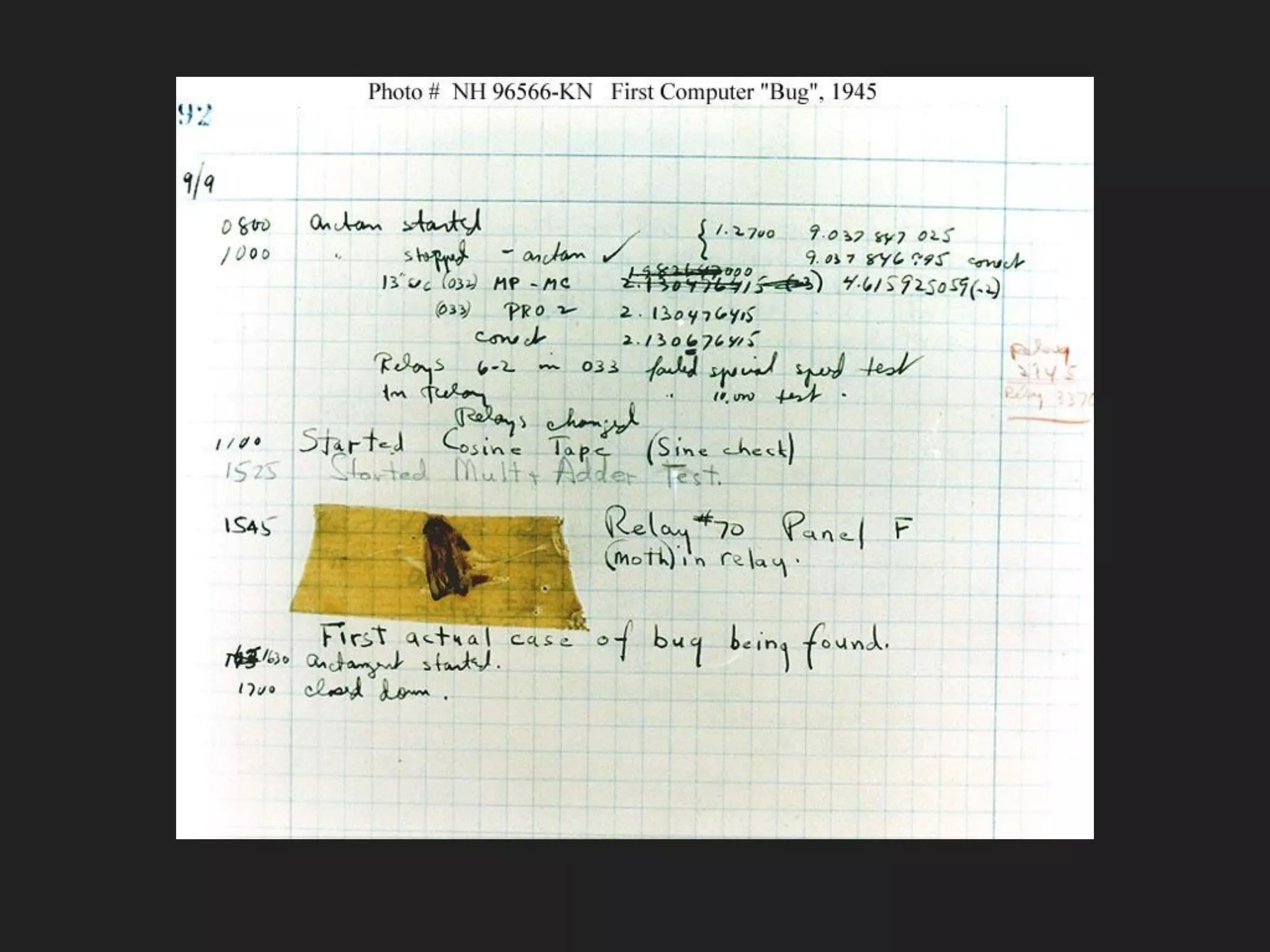
Admiral Grace Hopper liked
to tell a story in which a
technician solved a glitch
in the Harvard Mark II
mainframe by pulling an
actual insect out from
between the contacts of
one of its relays
                  ~ The Jargon File
Complete testing is impossible.
Even the simplest Web
site has more edge cases
than you could test, even
if you ran one test per
second until the heat
death of the universe.
assure that the probability of failure
due to hibernating bugs
is sufficiently low
to be acceptable


~ Boris Beizer, 1983
What constitutes a “sufficiently low”
number of problems?
Declaring a
program
“bug free,”
is an
entirely
subjective
excercise
Engineers suck at finding
bugs in their own code
Engineers + designers are


too close to the software
Computer programs cannot detect
bugs in other computer programs
Debugging is twice as
hard as writing the code
in the first place.
             ~ Brian Kernighan
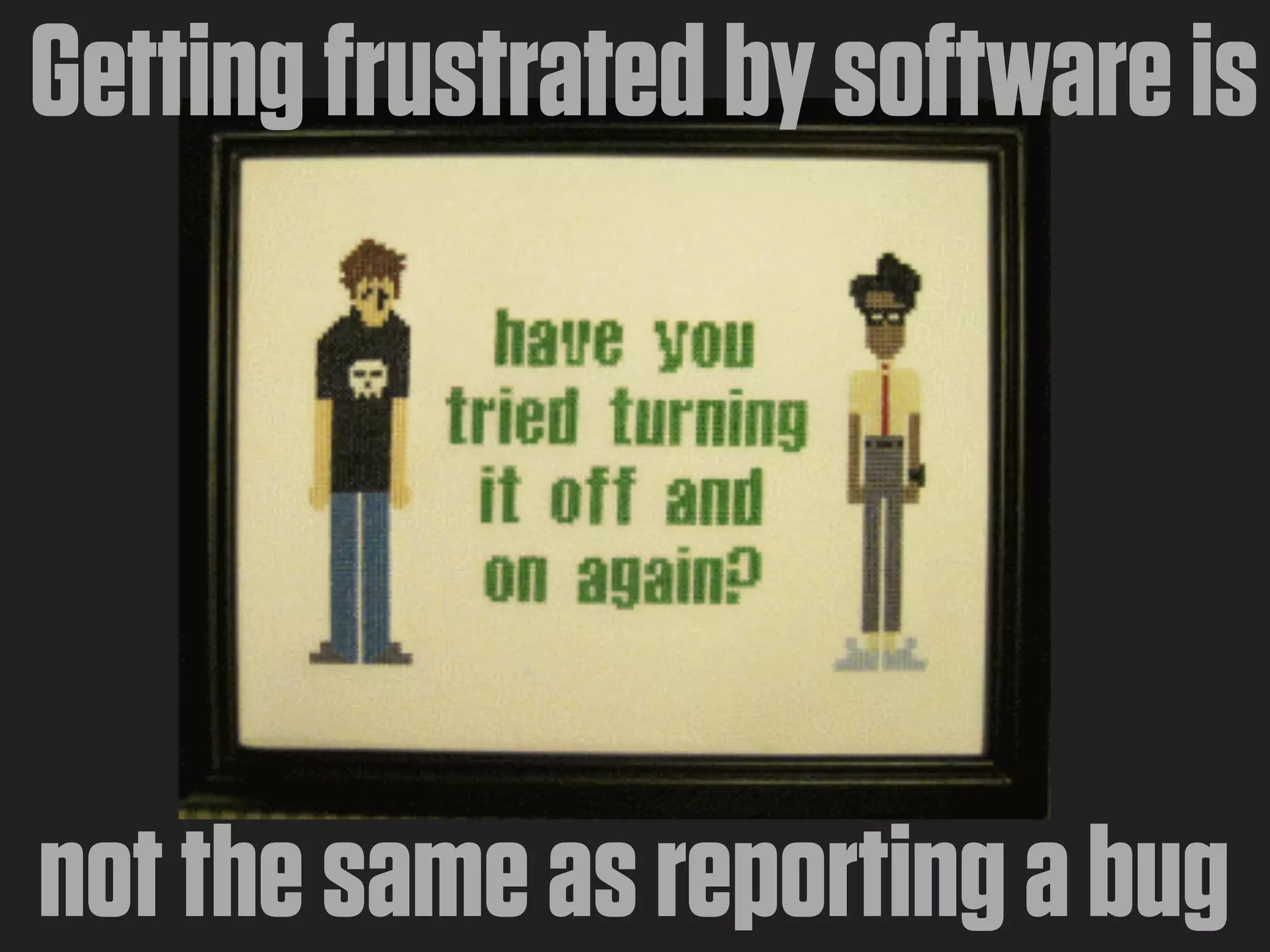
Getting frustrated by software is


not the same as reporting a bug
Non-source-aware users
tend to report only surface
symptoms; they take their
environment for granted...
           ~ ESR, “How Many Eyeballs Tame Complexity”, 1997
Users never read manuals
Users would save time in the long
term by learning more about the
system. But that's not how people
behave in the real world
                         ~Jakob Nielsen
On two occasions
I have been asked...
if you put into the
machine wrong
figures, will the right
answers come Babbage, 1864
             ~Charles
                      out?
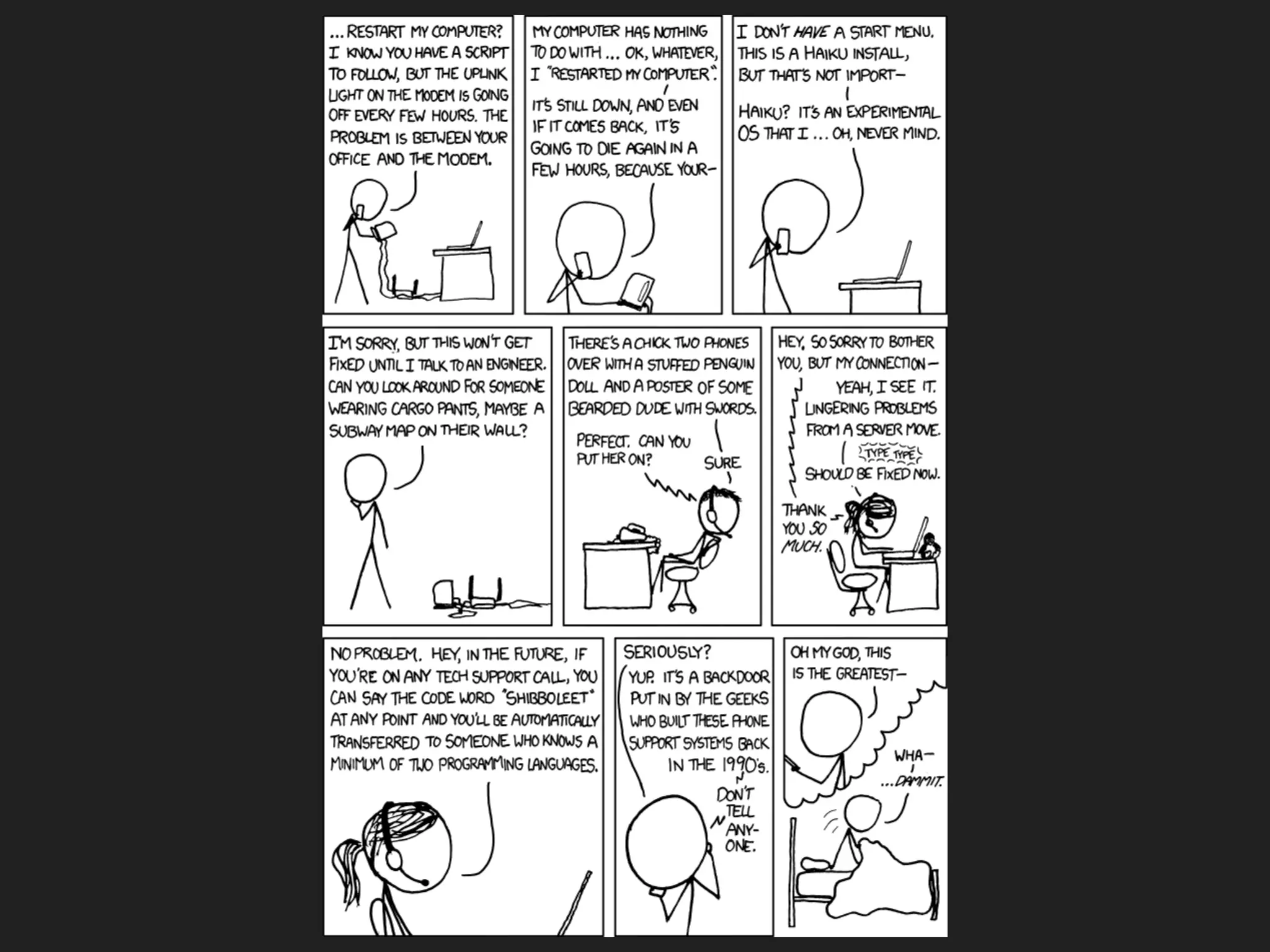
When you report a bug


you have done a hard thing
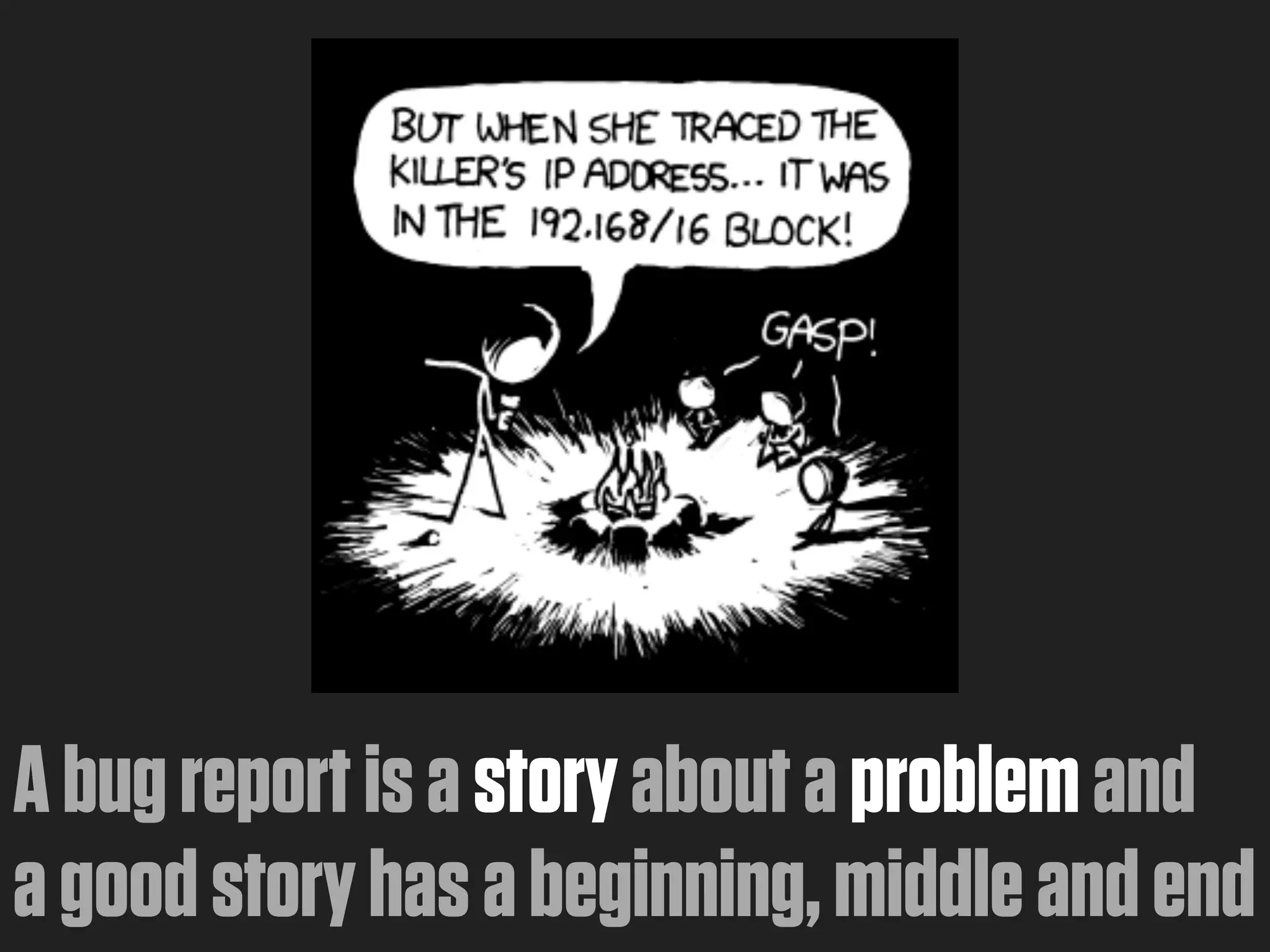
A bug report is a story about a problem and
a good story has a beginning, middle and end
Description of problem
Steps to reproduce
Expected resolution
Provide context, and lots of it
Be Quantitative


   Engineers respond well to hard evidence
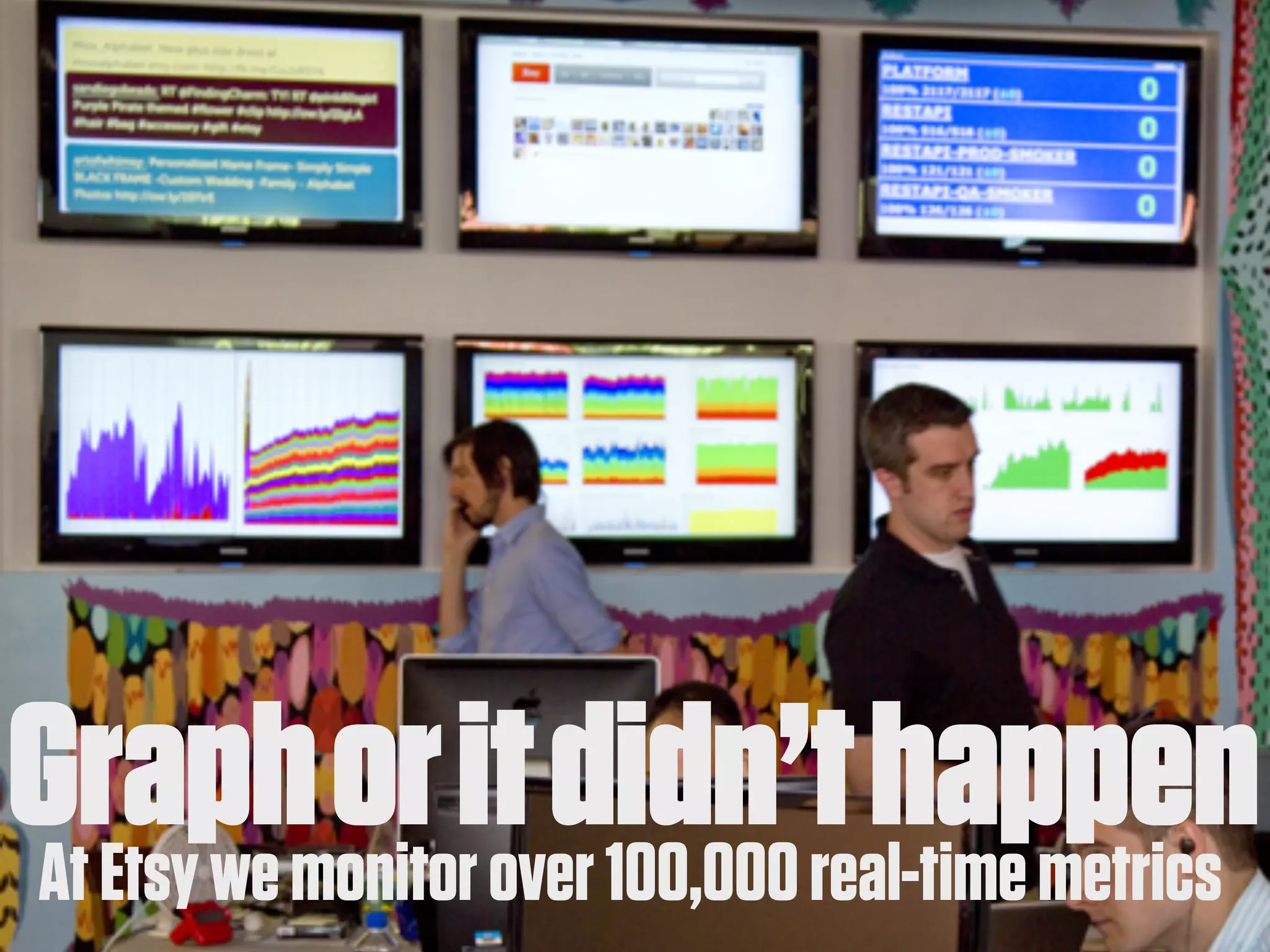
Graphmonitorit didn’t happen
At Etsy we
           or over 100,000 real-time metrics
A good editor is
meticulously attentive to detail,
a stickler for technical correctness,
aware of the work as a whole and
sensitive to the expectations of the audience
You are doing science
Keep a journal
Take screenshots (use Skitch)
Log IRC, Skype and other chats
Make multiple redundant backups (use DropBox)
Save everything— you won’t know you need it until you need it
How many times has this happened?
How many users were affected?
How much time has been lost?
What was the overall cost?
Users
The Support
Team spend
the most time
engaging and
empathizing
with users
You are a participant observer
When you talk to your users, and
you write down what you learn,
and you share what you wrote
with others, you’re doing science
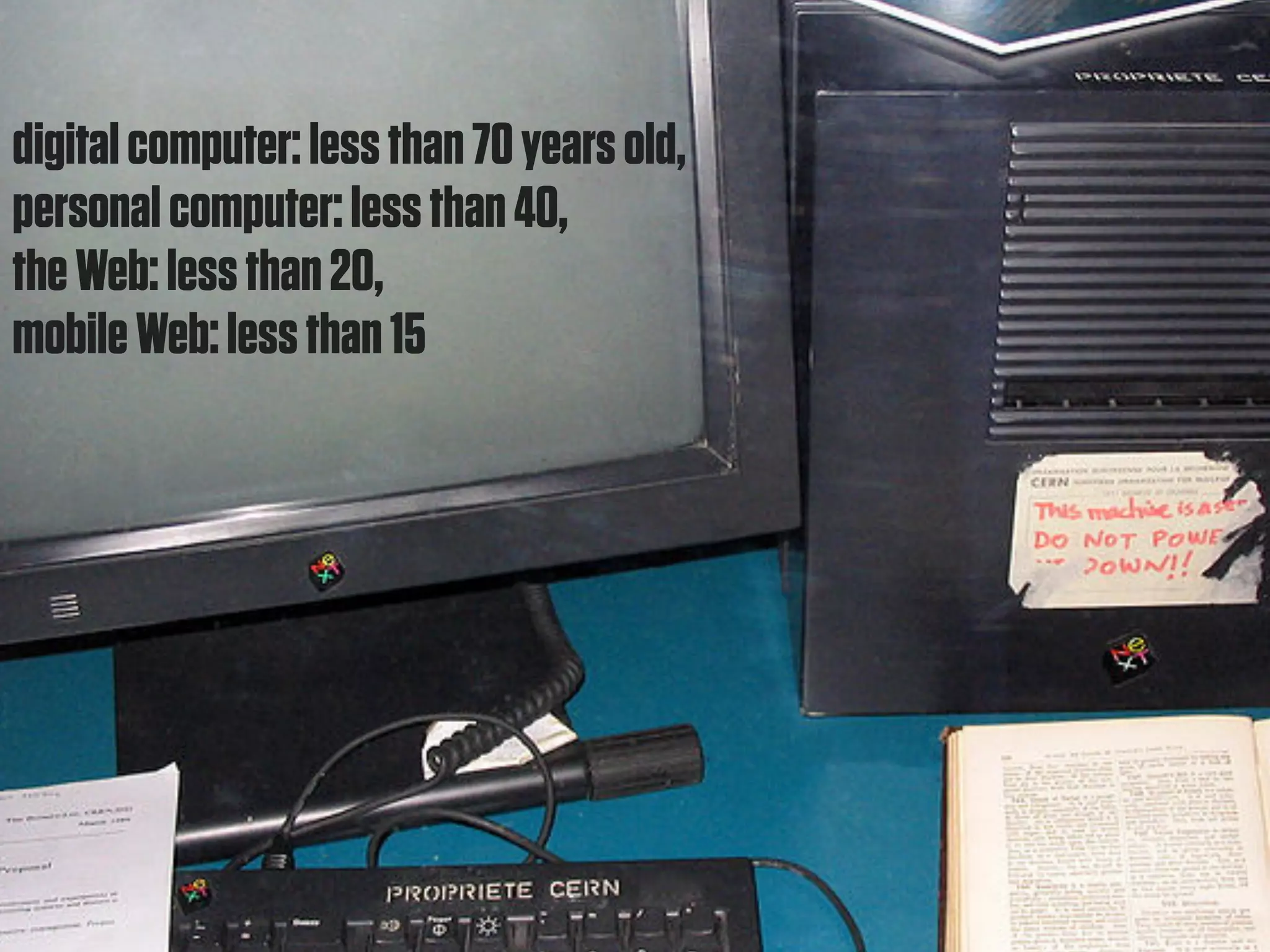
digital computer: less than 70 years old,
personal computer: less than 40,
the Web: less than 20,
mobile Web: less than 15
The Web is going to keep on growing and changing
80% of us aren’t
even on the Web yet
Most users of a Web site are doing something that is entirely new to them


                 And you are teaching them how to do it
Software Entomology or Where Do Bugs Come From?

Software Entomology or Where Do Bugs Come From?

  • 1.
    Software Entomology or, Where Do Bugs Come From? Noah Sussman and Michelle D’Netto etsy
  • 2.
    There will alwaysbe bugs in production
  • 3.
    Most Bugs AreNon-Obvious
  • 4.
  • 5.
    I can rememberthe exact instant when I realized that a large part of my life... was going to be spent in finding mistakes in my own programs ~Maurice Wilkes, 1949
  • 6.
    Admiral Grace Hopperliked to tell a story in which a technician solved a glitch in the Harvard Mark II mainframe by pulling an actual insect out from between the contacts of one of its relays ~ The Jargon File
  • 8.
  • 9.
    Even the simplestWeb site has more edge cases than you could test, even if you ran one test per second until the heat death of the universe.
  • 10.
    assure that theprobability of failure due to hibernating bugs is sufficiently low to be acceptable ~ Boris Beizer, 1983
  • 11.
    What constitutes a“sufficiently low” number of problems?
  • 12.
    Declaring a program “bug free,” isan entirely subjective excercise
  • 13.
    Engineers suck atfinding bugs in their own code
  • 14.
    Engineers + designersare too close to the software
  • 15.
    Computer programs cannotdetect bugs in other computer programs
  • 16.
    Debugging is twiceas hard as writing the code in the first place. ~ Brian Kernighan
  • 18.
    Getting frustrated bysoftware is not the same as reporting a bug
  • 19.
    Non-source-aware users tend toreport only surface symptoms; they take their environment for granted... ~ ESR, “How Many Eyeballs Tame Complexity”, 1997
  • 20.
    Users never readmanuals Users would save time in the long term by learning more about the system. But that's not how people behave in the real world ~Jakob Nielsen
  • 21.
    On two occasions Ihave been asked... if you put into the machine wrong figures, will the right answers come Babbage, 1864 ~Charles out?
  • 23.
    When you reporta bug you have done a hard thing
  • 24.
    A bug reportis a story about a problem and a good story has a beginning, middle and end
  • 25.
    Description of problem Stepsto reproduce Expected resolution
  • 26.
  • 27.
    Be Quantitative Engineers respond well to hard evidence
  • 28.
    Graphmonitorit didn’t happen AtEtsy we or over 100,000 real-time metrics
  • 29.
    A good editoris meticulously attentive to detail, a stickler for technical correctness, aware of the work as a whole and sensitive to the expectations of the audience
  • 30.
    You are doingscience Keep a journal Take screenshots (use Skitch) Log IRC, Skype and other chats Make multiple redundant backups (use DropBox) Save everything— you won’t know you need it until you need it
  • 31.
    How many timeshas this happened? How many users were affected? How much time has been lost? What was the overall cost?
  • 32.
  • 33.
    The Support Team spend themost time engaging and empathizing with users
  • 34.
    You are aparticipant observer
  • 35.
    When you talkto your users, and you write down what you learn, and you share what you wrote with others, you’re doing science
  • 36.
    digital computer: lessthan 70 years old, personal computer: less than 40, the Web: less than 20, mobile Web: less than 15
  • 37.
    The Web isgoing to keep on growing and changing
  • 38.
    80% of usaren’t even on the Web yet
  • 39.
    Most users ofa Web site are doing something that is entirely new to them And you are teaching them how to do it