Session One:
Basics of Nutrition
2
Purpose
Provide basic nutrition information, including
food sources of nutrients, roles of nutrients in the
body, and disorders associated with inadequate
nutrition.
3
Learning Objectives
• Understand the importance of good nutrition.
• Identify food sources of nutrients.
• Describe the roles of nutrients in the body.
• Understand the causes and consequences of
undernutrition.
• Describe strategies to combat undernutrition.
4
Session Outline
• Good nutrition
• Essential nutrients and food sources
• Role of nutrients in the body
• Nutrient requirements
• Measuring nutritional status
• Causes and consequences of undernutrition
• Strategies to combat undernutrition
• National nutrition guidelines, policies, and
strategies
5
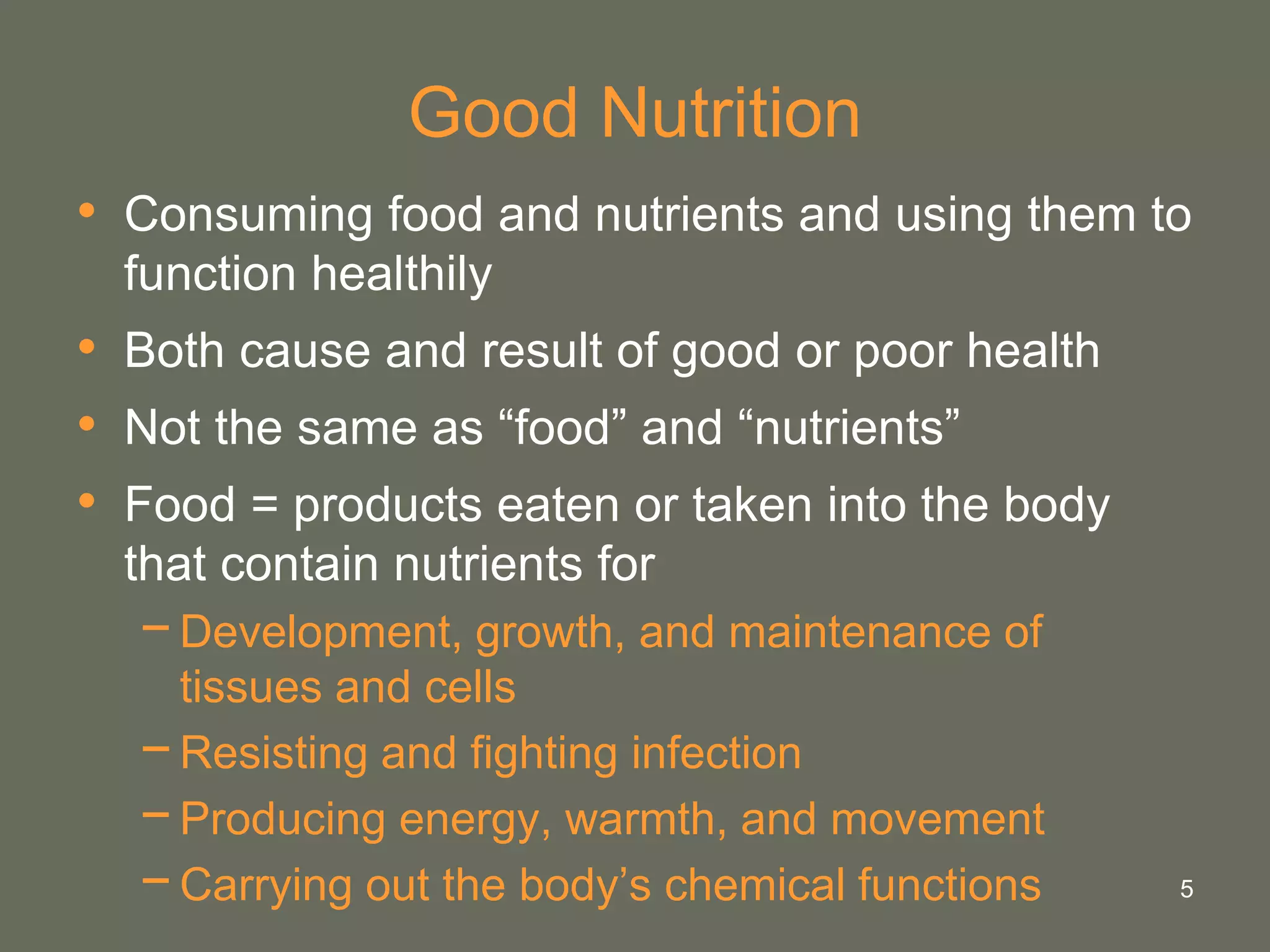
Good Nutrition
• Consuming food and nutrients and using them to
function healthily
• Both cause and result of good or poor health
• Not the same as “food” and “nutrients”
• Food = products eaten or taken into the body
that contain nutrients for
−Development, growth, and maintenance of
tissues and cells
−Resisting and fighting infection
−Producing energy, warmth, and movement
−Carrying out the body’s chemical functions
6
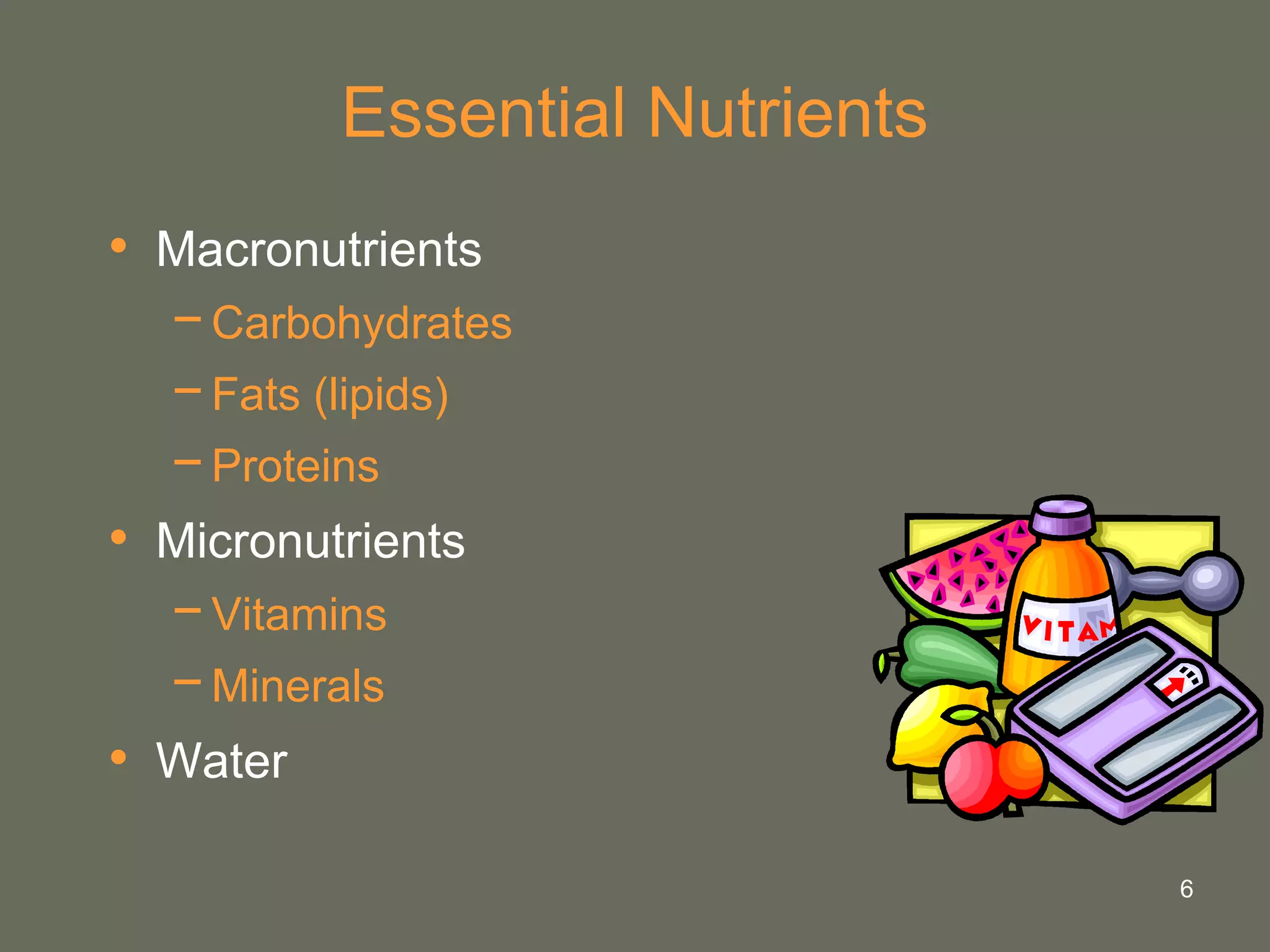
Essential Nutrients
• Macronutrients
−Carbohydrates
−Fats (lipids)
−Proteins
• Micronutrients
−Vitamins
−Minerals
• Water
7
Macronutrients: Carbohydrates
• Energy-giving foods composed of sugars
• Common staple eaten regularly, accounting for
up to 80% of the diet in developing countries
• Quickly absorbed by the body
• Sources
−Cereals (e.g., millet, sorghum, maize, rice)
−Root crops (e.g., cassava, potatoes)
−Starchy fruits (e.g., bananas)
8
Macronutrients: Fats and Oils (Lipids)
• Energy-giving foods
• Not produced by the body
• Absorbed more slowly than carbohydrates
• Account for small part of diet in developing
countries
• Fats (solids): Butter, ghee,
• Oils (liquids): Corn oil, soybean oil, peanut oil
9
Macronutrients: Proteins
• Body-building foods
• Form main structural components of cells
• Help produce and maintain tissues and muscles
• Sources
−Plants (e.g., beans, nuts, chickpeas)
−Animals (meat, poultry, fish, dairy products,)
10
Micronutrients: Vitamins
• Organic compounds mostly from outside the body
• Do not provide energy
• Fat soluble: Dissolve in lipids, can be stored, not
needed daily (e.g., vitamins A, D, E, K)
• Water soluble: Dissolve in water, absorbed into
bloodstream immediately, needed daily
• Sources
−Fruits
−Dark leafy vegetables
−Animal foods
11
Micronutrients: Minerals
• Inorganic compounds not synthesized by the body
• Needed in very small quantities but possibly
essential
• Important for biochemical processes and formation
of cells and tissues
• Sources
−Plants
−Animal products
12
Water
• Main component of the body (60 percent of body
mass)
• Needed for digestion, absorption, and other body
functions
• Regularly lost through sweating, excretion, and
breathing
• Approximately 1,000 ml (4−8 cups) needed each
day
13
Essential Nutrient Food Products
• What local foods are rich in these essential
nutrients?
−Proteins
−Carbohydrates
−Fats and oils
−Vitamins (water soluble and fat soluble)
−Minerals (including iodine and iron)
14
Energy Requirements
• Amounts needed to maintain health, growth, and
appropriate physical activity
• Vary according to age, gender, and activity
• Met through an age-appropriate balanced diet
• Based on
– Basal metabolism: Energy needed for basic body
functions
– Metabolic response to food: Energy needed to
digest, absorb, and utilize food
– Physical activity: Work, rest, and play
– Physiology: Pregnancy, lactation, and maturation
increase energy needs
15
Energy Requirements
of Adults > 19 Years Old
• Basal metabolic rate (BMR) = Number of
kilocalories (kcal) needed each day
• Energy needs = BMR x activity factor
• Additional energy needed by pregnant and
lactating women
16
Energy Requirements
of Children and Adolescents < 18
• Calculated based on age, physical activity, and
energy needs for growth
• Increase after age 10 to support changing body
composition and growth
• Kcals required per day (FAO, WHO, UNU 2004)
– Boys 1−18 years old: 948−3,410
– Girls 1−18 years old: 865−2,503
17
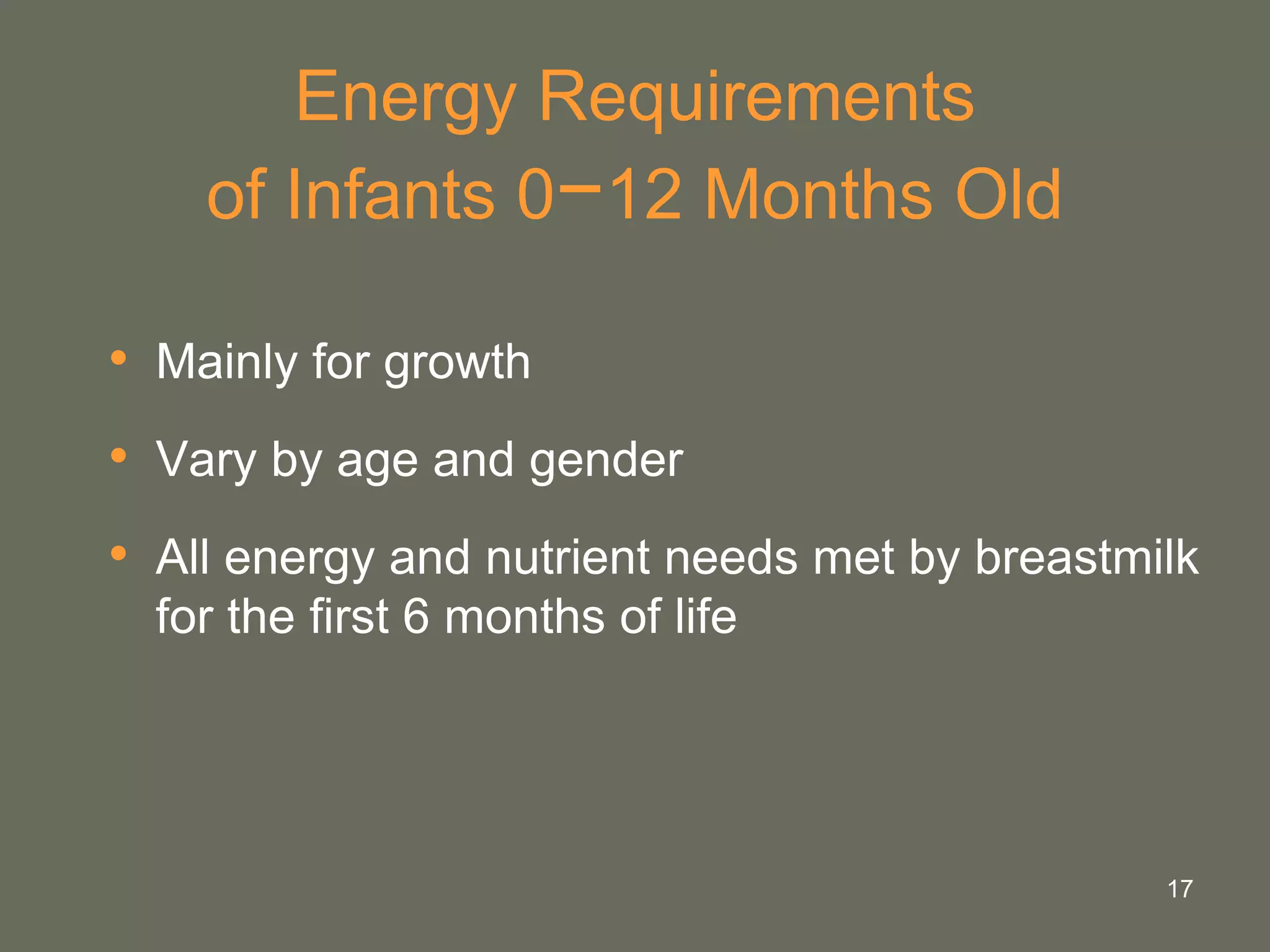
Energy Requirements
of Infants 0−12 Months Old
• Mainly for growth
• Vary by age and gender
• All energy and nutrient needs met by breastmilk
for the first 6 months of life
18
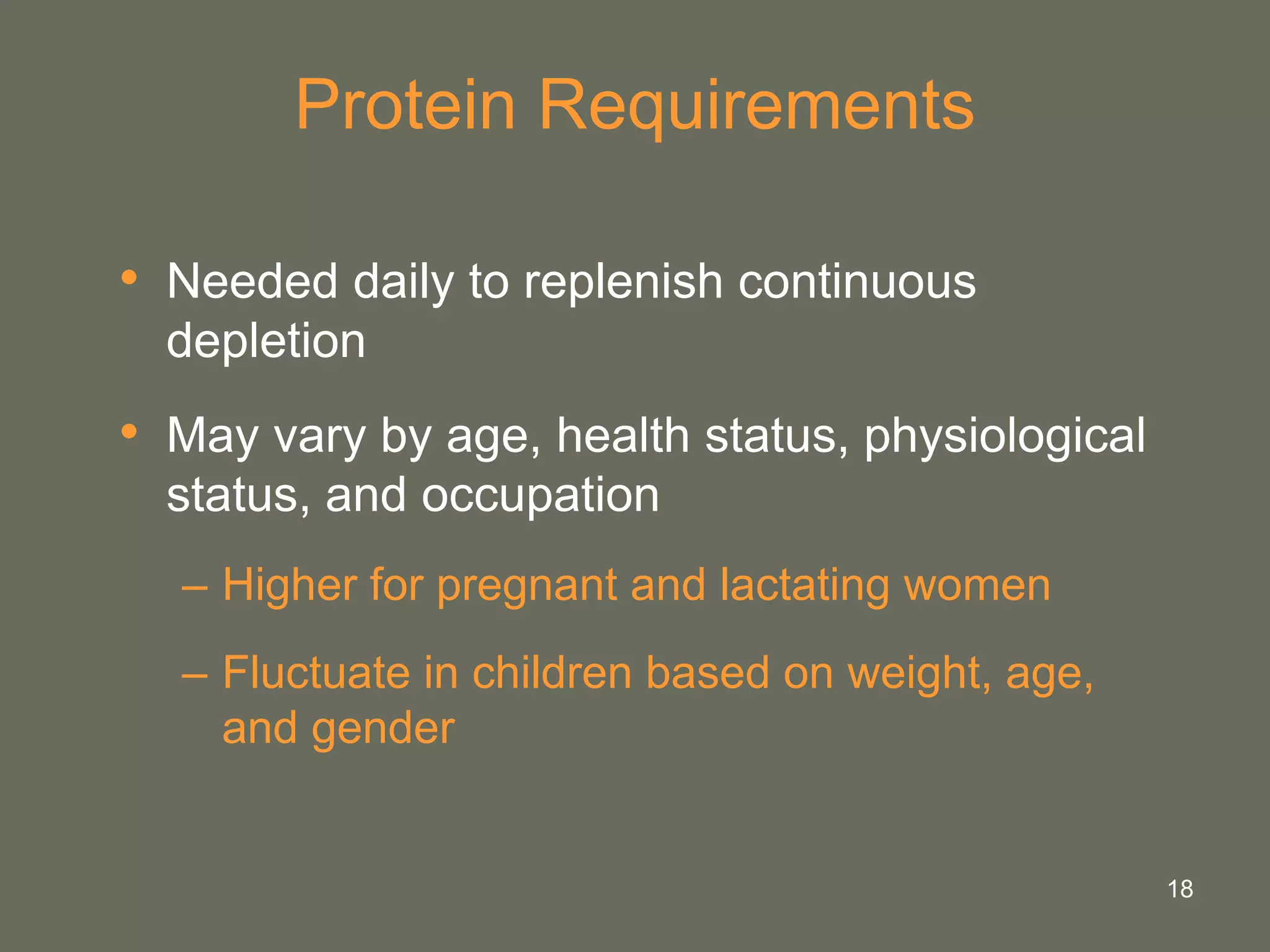
Protein Requirements
• Needed daily to replenish continuous
depletion
• May vary by age, health status, physiological
status, and occupation
– Higher for pregnant and lactating women
– Fluctuate in children based on weight, age,
and gender
19
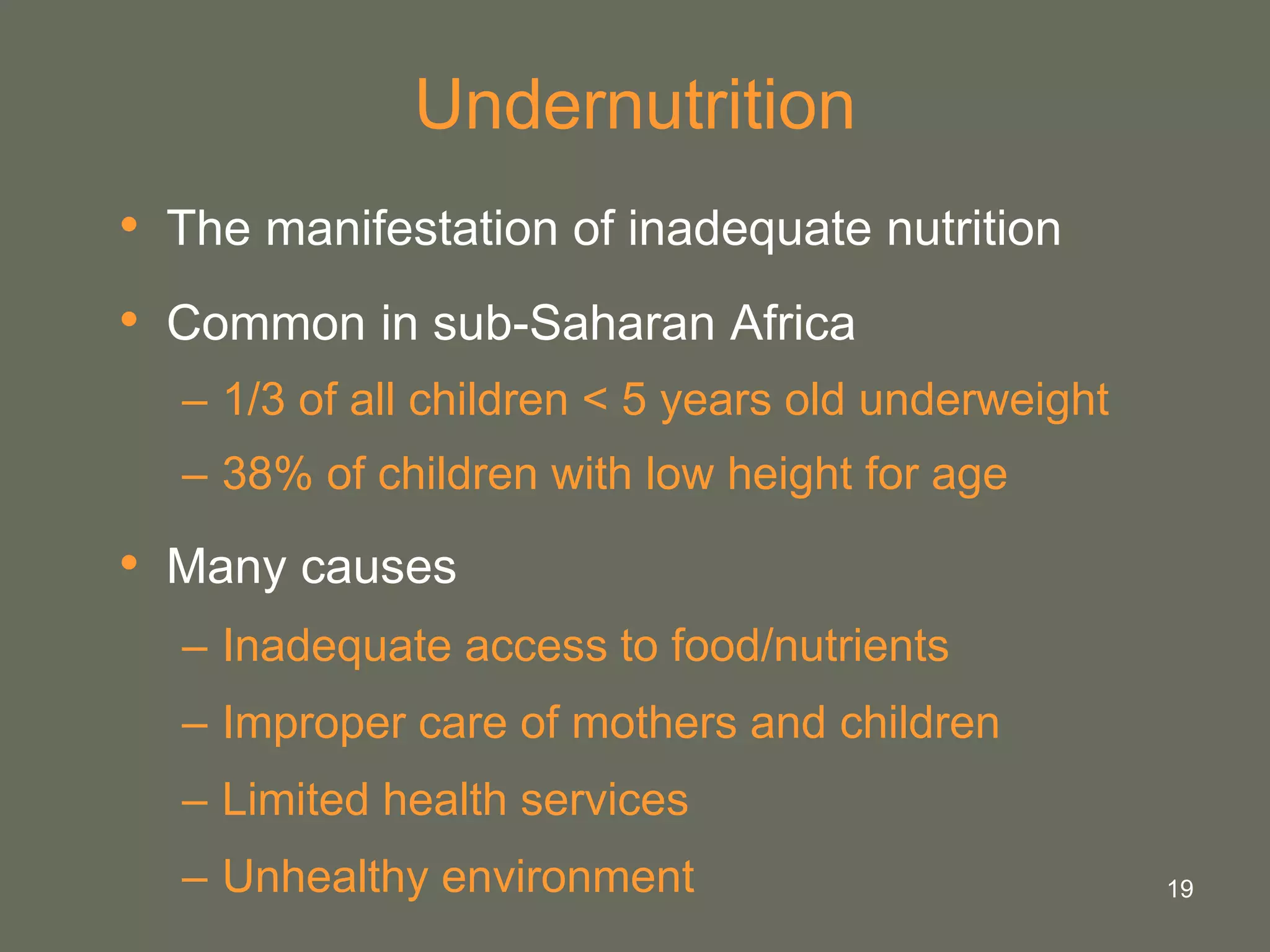
Undernutrition
• The manifestation of inadequate nutrition
• Common in sub-Saharan Africa
– 1/3 of all children < 5 years old underweight
– 38% of children with low height for age
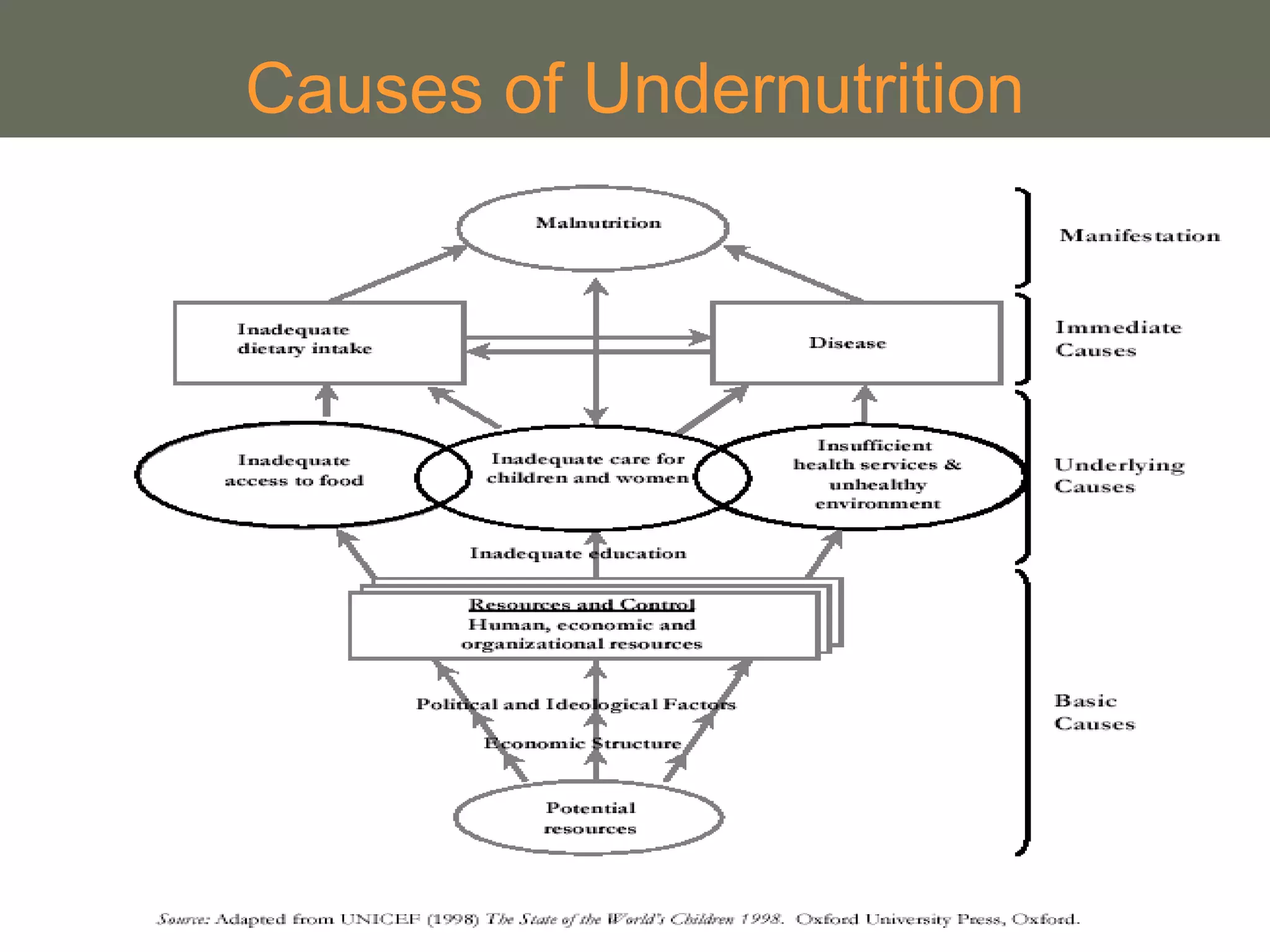
• Many causes
– Inadequate access to food/nutrients
– Improper care of mothers and children
– Limited health services
– Unhealthy environment
20
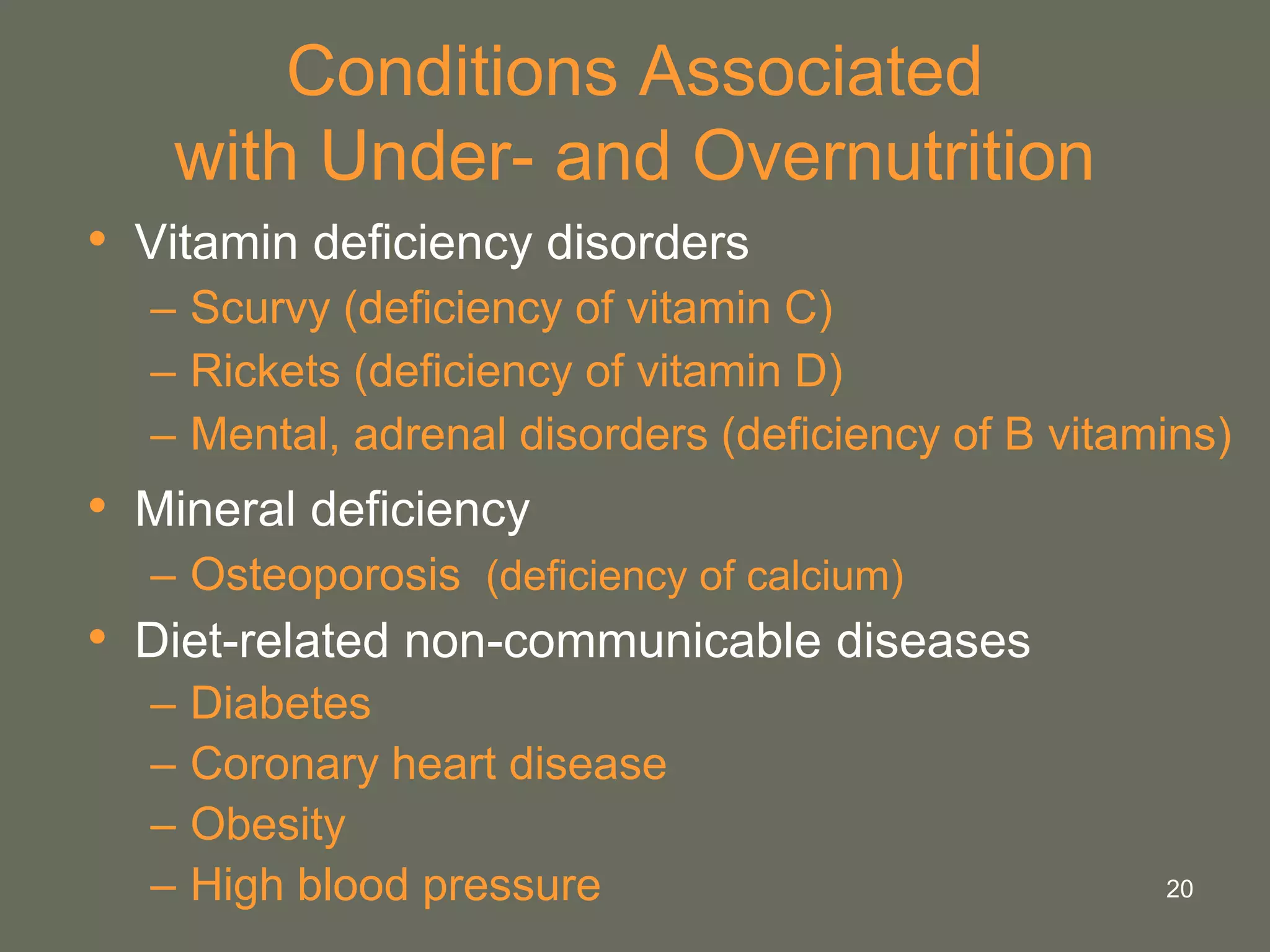
Conditions Associated
with Under- and Overnutrition
• Vitamin deficiency disorders
– Scurvy (deficiency of vitamin C)
– Rickets (deficiency of vitamin D)
– Mental, adrenal disorders (deficiency of B vitamins)
• Mineral deficiency
– Osteoporosis (deficiency of calcium)
• Diet-related non-communicable diseases
– Diabetes
– Coronary heart disease
– Obesity
– High blood pressure
21
Causes of Undernutrition
22
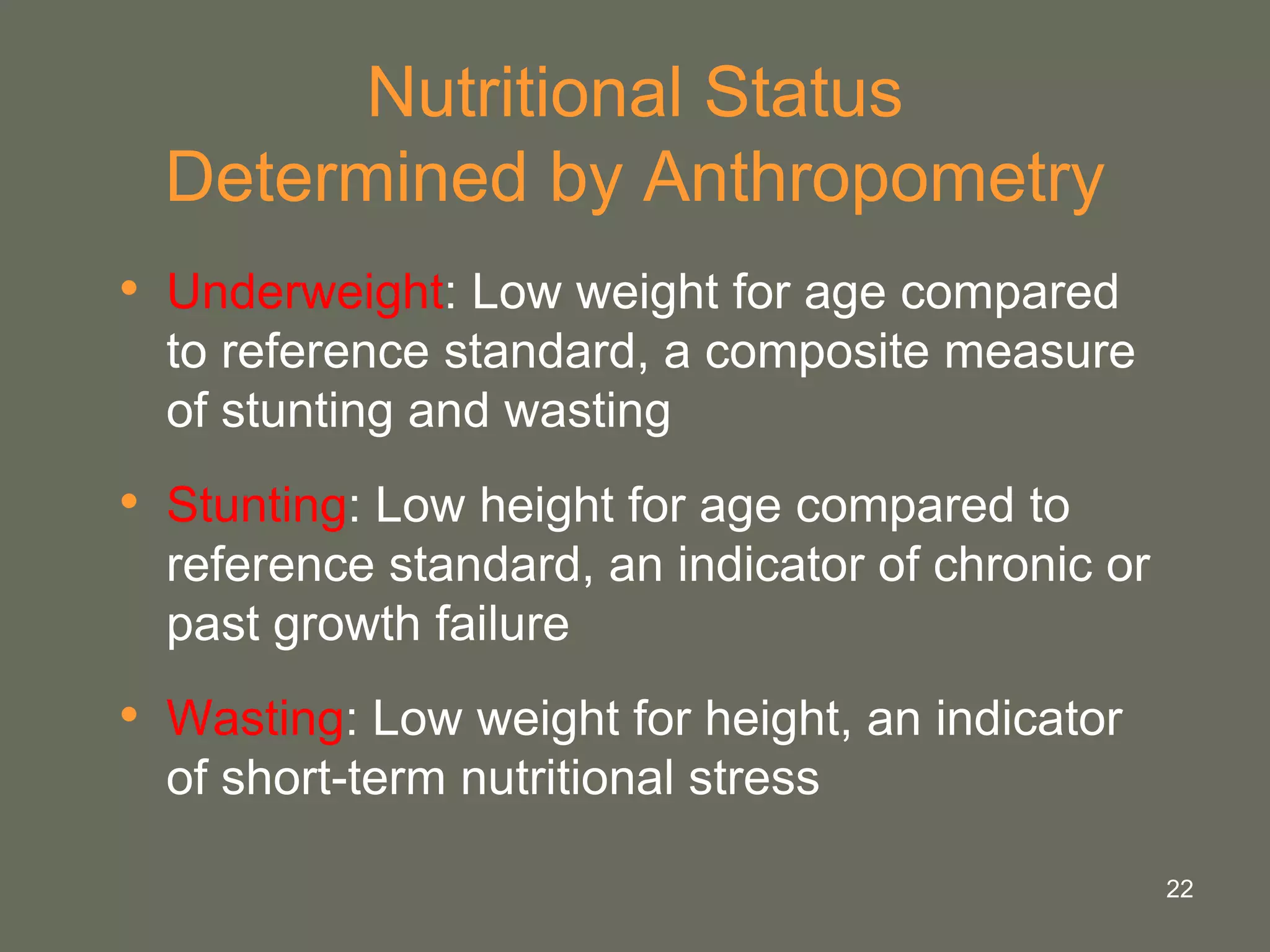
Nutritional Status
Determined by Anthropometry
• Underweight: Low weight for age compared
to reference standard, a composite measure
of stunting and wasting
• Stunting: Low height for age compared to
reference standard, an indicator of chronic or
past growth failure
• Wasting: Low weight for height, an indicator
of short-term nutritional stress
23
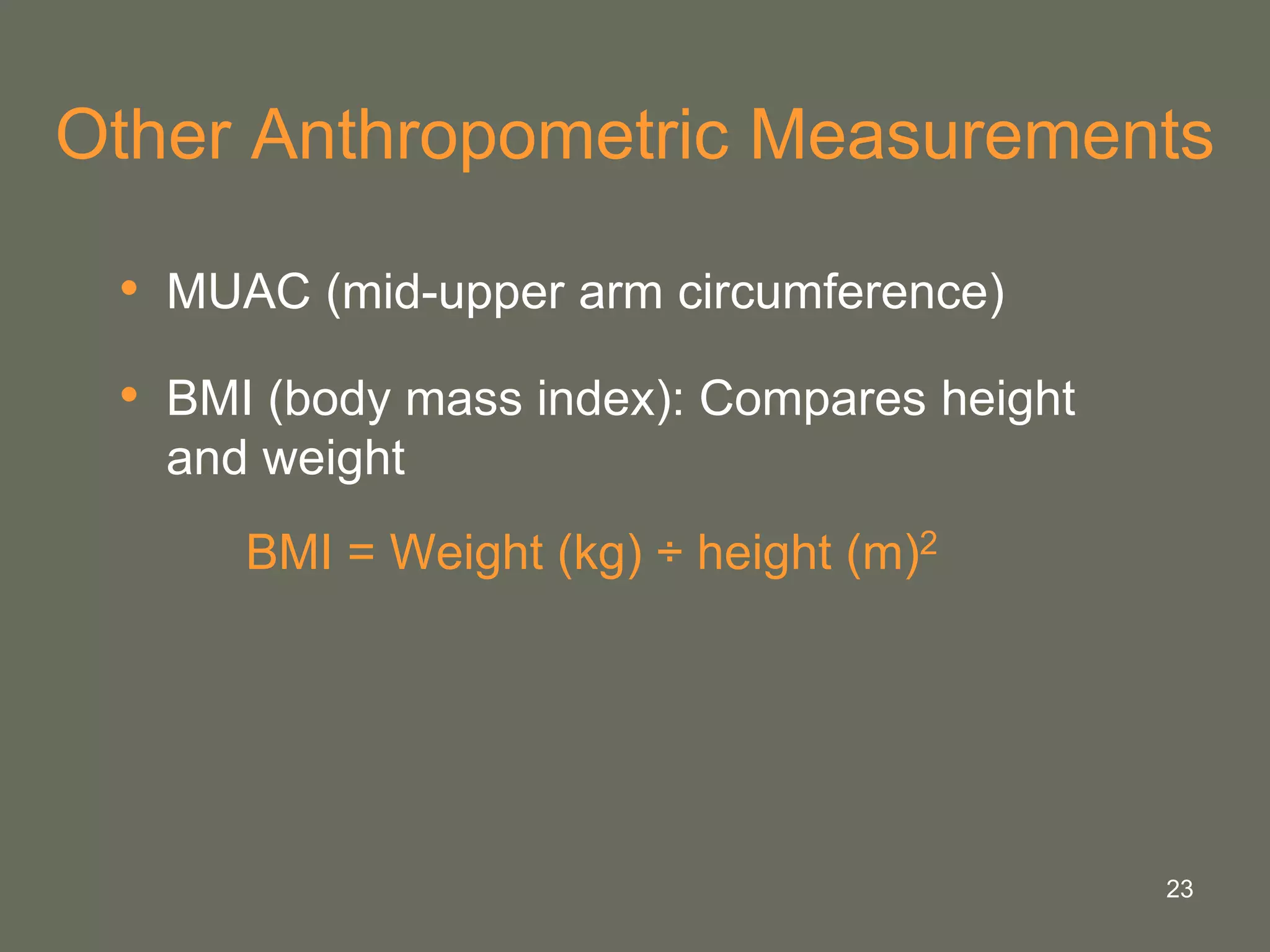
Other Anthropometric Measurements
• MUAC (mid-upper arm circumference)
• BMI (body mass index): Compares height
and weight
BMI = Weight (kg) ÷ height (m)2
24
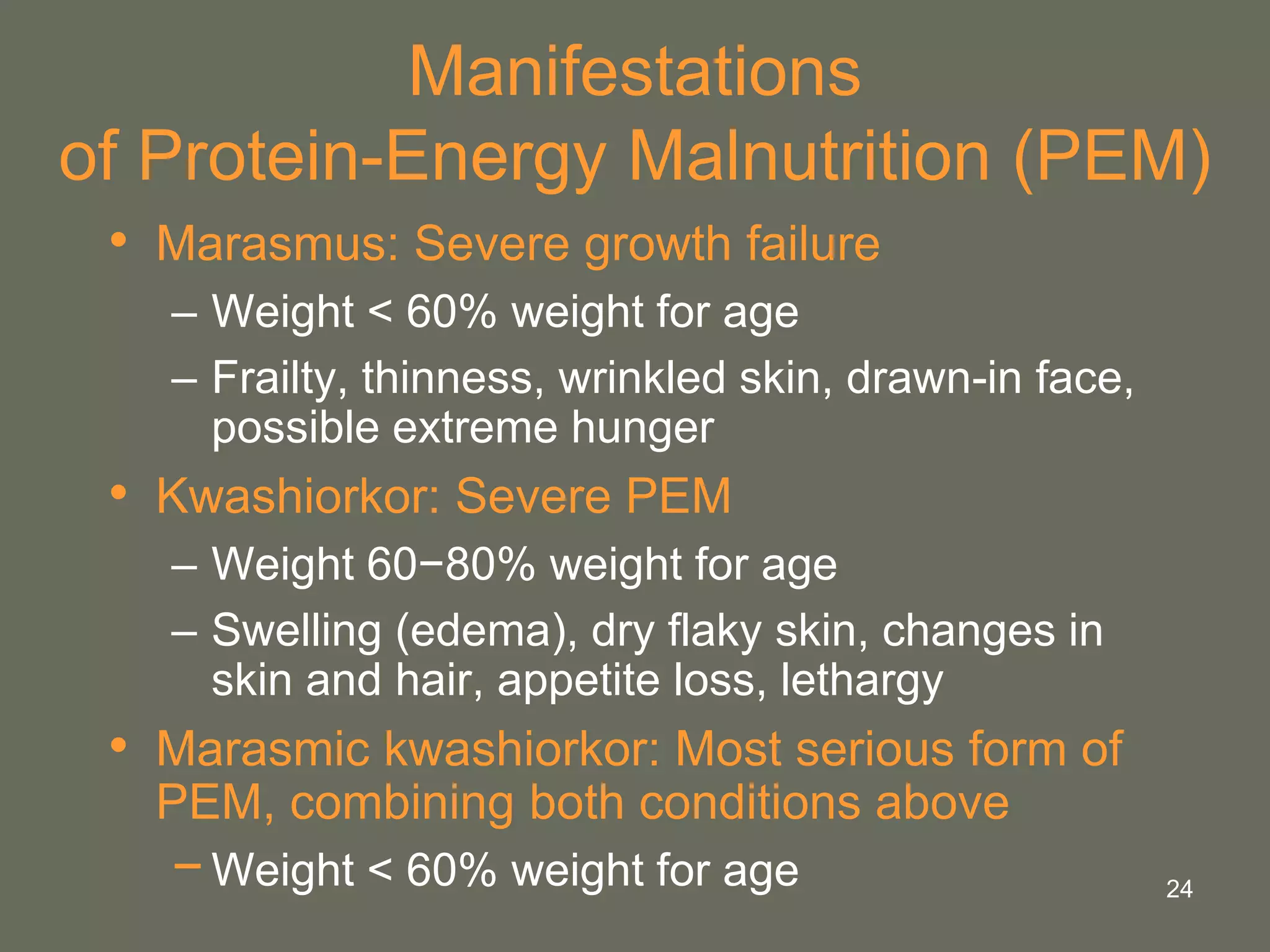
Manifestations
of Protein-Energy Malnutrition (PEM)
• Marasmus: Severe growth failure
– Weight < 60% weight for age
– Frailty, thinness, wrinkled skin, drawn-in face,
possible extreme hunger
• Kwashiorkor: Severe PEM
– Weight 60−80% weight for age
– Swelling (edema), dry flaky skin, changes in
skin and hair, appetite loss, lethargy
• Marasmic kwashiorkor: Most serious form of
PEM, combining both conditions above
−Weight < 60% weight for age
25
Strategies to Prevent and Control
Undernutrition
• Improve household food security.
• Improve diversity of diet.
• Improve maternal nutrition and health care.
• Improve child feeding practices.
• Ensure child health care (immunization,
medical care, growth monitoring).
• Provide nutrition rehabilitation.
26
Nutritional Anemia
• Most common type of anemia
• Caused by malaria, hookworm, and
inadequate iron and vitamin intake resulting
in low hemoglobin levels
• Affects mainly children < 5 years old and
pregnant women
• Detected by measuring blood hemoglobin
levels
27
Effects of Anemia
• Adults
– Reduced work capacity
– Reduced mental capacity
– Reduced immune competence
– Poor pregnancy outcomes
– Increased risk of maternal death
• Infants and children
– Reduced cognitive development
– Reduced immune competence
– Reduced work capacity
28
Strategies
to Prevent and Control Anemia
• Promote iron, folic acid, and B12-rich foods.
• Treat and prevent anemia-related diseases
(malaria and worms).
• Provide iron and folic acid supplements to
infants and pregnant and lactating women.
• Fortify foods.
• Promote vitamin C-rich foods with meals.
• Discourage drinking coffee or tea with meals.
29
Iodine Deficiency Disorders (IDD)
• Caused by inadequate intake of iodine
• Only 1 tsp. needed over entire lifetime
• Iodine in food sources varies by geography.
– Less in highlands and mountain regions
– Leached from soil and carried to lowlands
30
Manifestations of IDD
• Goiter: Enlarged neck region from overactive
thyroid gland
• Hypothyroidism: Dry skin, weight gain, puffy face,
lethargy from underactive thyroid
• Hyperthyroidism: Rapid pulse and weight loss
from overactive thyroid
• Cretinism: Mental retardation, physical
development problems, spasticity from IDD in
mother during pregnancy
31
Strategies to Control IDD
• Iodize salt, dairy products, and bread where
where iodine is deficient in local foods.
• Provide iodine drops.
• Inject people with iodized oil (expensive).
32
Causes of Vitamin A Deficiency (VAD)
• Low consumption of vitamin A-rich foods.
• Dietary deficiency due to food processing
• Limited consumption of fats and oils
• Poor breastfeeding (no colostrum, insufficient
breastfeeding)
• Diseases affecting absorption (e.g., worms,
chronic diarrhea)
33
Manifestations of VAD
• Xerophthalmia (eye conditions)
– Blindness (VAD is the leading cause of blindness
in children < 5 years old)
– Bitot’s spots
– Damage to the cornea
• Slowed growth and development
• Reduced reproductive health
• Increased risk of anemia
34
Strategies to Control VAD
• Promote vitamin A-rich foods (fruits, vegetables,
red palm oil).
• Give infants and women low-dose iron
supplements according to WHO protocols.
• Improve food security.
• Feed children properly.
• Prevent disease and treat disease early.
• Fortify foods.
35
National Nutrition Strategies,
Policies, and Guidelines
• General nutrition
• Infant feeding
• Nutrition and HIV
• Food security
36
Conclusions
• Good nutrition is essential for health and well-
being.
• Daily well-balanced diets should include foods
containing essential nutrients and meeting energy
requirements.
• Inadequate nutrition can lead to PEM and vitamin
and mineral deficiencies (anemia, VAD, IDD).
• Nutrition interventions include improved household
food security, food fortification, vitamin and
mineral supplementation (for women and
children), and improved child feeding.

Session 2 Basics of Nutrition.ppt

  • 1.
  • 2.
    2 Purpose Provide basic nutritioninformation, including food sources of nutrients, roles of nutrients in the body, and disorders associated with inadequate nutrition.
  • 3.
    3 Learning Objectives • Understandthe importance of good nutrition. • Identify food sources of nutrients. • Describe the roles of nutrients in the body. • Understand the causes and consequences of undernutrition. • Describe strategies to combat undernutrition.
  • 4.
    4 Session Outline • Goodnutrition • Essential nutrients and food sources • Role of nutrients in the body • Nutrient requirements • Measuring nutritional status • Causes and consequences of undernutrition • Strategies to combat undernutrition • National nutrition guidelines, policies, and strategies
  • 5.
    5 Good Nutrition • Consumingfood and nutrients and using them to function healthily • Both cause and result of good or poor health • Not the same as “food” and “nutrients” • Food = products eaten or taken into the body that contain nutrients for −Development, growth, and maintenance of tissues and cells −Resisting and fighting infection −Producing energy, warmth, and movement −Carrying out the body’s chemical functions
  • 6.
    6 Essential Nutrients • Macronutrients −Carbohydrates −Fats(lipids) −Proteins • Micronutrients −Vitamins −Minerals • Water
  • 7.
    7 Macronutrients: Carbohydrates • Energy-givingfoods composed of sugars • Common staple eaten regularly, accounting for up to 80% of the diet in developing countries • Quickly absorbed by the body • Sources −Cereals (e.g., millet, sorghum, maize, rice) −Root crops (e.g., cassava, potatoes) −Starchy fruits (e.g., bananas)
  • 8.
    8 Macronutrients: Fats andOils (Lipids) • Energy-giving foods • Not produced by the body • Absorbed more slowly than carbohydrates • Account for small part of diet in developing countries • Fats (solids): Butter, ghee, • Oils (liquids): Corn oil, soybean oil, peanut oil
  • 9.
    9 Macronutrients: Proteins • Body-buildingfoods • Form main structural components of cells • Help produce and maintain tissues and muscles • Sources −Plants (e.g., beans, nuts, chickpeas) −Animals (meat, poultry, fish, dairy products,)
  • 10.
    10 Micronutrients: Vitamins • Organiccompounds mostly from outside the body • Do not provide energy • Fat soluble: Dissolve in lipids, can be stored, not needed daily (e.g., vitamins A, D, E, K) • Water soluble: Dissolve in water, absorbed into bloodstream immediately, needed daily • Sources −Fruits −Dark leafy vegetables −Animal foods
  • 11.
    11 Micronutrients: Minerals • Inorganiccompounds not synthesized by the body • Needed in very small quantities but possibly essential • Important for biochemical processes and formation of cells and tissues • Sources −Plants −Animal products
  • 12.
    12 Water • Main componentof the body (60 percent of body mass) • Needed for digestion, absorption, and other body functions • Regularly lost through sweating, excretion, and breathing • Approximately 1,000 ml (4−8 cups) needed each day
  • 13.
    13 Essential Nutrient FoodProducts • What local foods are rich in these essential nutrients? −Proteins −Carbohydrates −Fats and oils −Vitamins (water soluble and fat soluble) −Minerals (including iodine and iron)
  • 14.
    14 Energy Requirements • Amountsneeded to maintain health, growth, and appropriate physical activity • Vary according to age, gender, and activity • Met through an age-appropriate balanced diet • Based on – Basal metabolism: Energy needed for basic body functions – Metabolic response to food: Energy needed to digest, absorb, and utilize food – Physical activity: Work, rest, and play – Physiology: Pregnancy, lactation, and maturation increase energy needs
  • 15.
    15 Energy Requirements of Adults> 19 Years Old • Basal metabolic rate (BMR) = Number of kilocalories (kcal) needed each day • Energy needs = BMR x activity factor • Additional energy needed by pregnant and lactating women
  • 16.
    16 Energy Requirements of Childrenand Adolescents < 18 • Calculated based on age, physical activity, and energy needs for growth • Increase after age 10 to support changing body composition and growth • Kcals required per day (FAO, WHO, UNU 2004) – Boys 1−18 years old: 948−3,410 – Girls 1−18 years old: 865−2,503
  • 17.
    17 Energy Requirements of Infants0−12 Months Old • Mainly for growth • Vary by age and gender • All energy and nutrient needs met by breastmilk for the first 6 months of life
  • 18.
    18 Protein Requirements • Neededdaily to replenish continuous depletion • May vary by age, health status, physiological status, and occupation – Higher for pregnant and lactating women – Fluctuate in children based on weight, age, and gender
  • 19.
    19 Undernutrition • The manifestationof inadequate nutrition • Common in sub-Saharan Africa – 1/3 of all children < 5 years old underweight – 38% of children with low height for age • Many causes – Inadequate access to food/nutrients – Improper care of mothers and children – Limited health services – Unhealthy environment
  • 20.
    20 Conditions Associated with Under-and Overnutrition • Vitamin deficiency disorders – Scurvy (deficiency of vitamin C) – Rickets (deficiency of vitamin D) – Mental, adrenal disorders (deficiency of B vitamins) • Mineral deficiency – Osteoporosis (deficiency of calcium) • Diet-related non-communicable diseases – Diabetes – Coronary heart disease – Obesity – High blood pressure
  • 21.
  • 22.
    22 Nutritional Status Determined byAnthropometry • Underweight: Low weight for age compared to reference standard, a composite measure of stunting and wasting • Stunting: Low height for age compared to reference standard, an indicator of chronic or past growth failure • Wasting: Low weight for height, an indicator of short-term nutritional stress
  • 23.
    23 Other Anthropometric Measurements •MUAC (mid-upper arm circumference) • BMI (body mass index): Compares height and weight BMI = Weight (kg) ÷ height (m)2
  • 24.
    24 Manifestations of Protein-Energy Malnutrition(PEM) • Marasmus: Severe growth failure – Weight < 60% weight for age – Frailty, thinness, wrinkled skin, drawn-in face, possible extreme hunger • Kwashiorkor: Severe PEM – Weight 60−80% weight for age – Swelling (edema), dry flaky skin, changes in skin and hair, appetite loss, lethargy • Marasmic kwashiorkor: Most serious form of PEM, combining both conditions above −Weight < 60% weight for age
  • 25.
    25 Strategies to Preventand Control Undernutrition • Improve household food security. • Improve diversity of diet. • Improve maternal nutrition and health care. • Improve child feeding practices. • Ensure child health care (immunization, medical care, growth monitoring). • Provide nutrition rehabilitation.
  • 26.
    26 Nutritional Anemia • Mostcommon type of anemia • Caused by malaria, hookworm, and inadequate iron and vitamin intake resulting in low hemoglobin levels • Affects mainly children < 5 years old and pregnant women • Detected by measuring blood hemoglobin levels
  • 27.
    27 Effects of Anemia •Adults – Reduced work capacity – Reduced mental capacity – Reduced immune competence – Poor pregnancy outcomes – Increased risk of maternal death • Infants and children – Reduced cognitive development – Reduced immune competence – Reduced work capacity
  • 28.
    28 Strategies to Prevent andControl Anemia • Promote iron, folic acid, and B12-rich foods. • Treat and prevent anemia-related diseases (malaria and worms). • Provide iron and folic acid supplements to infants and pregnant and lactating women. • Fortify foods. • Promote vitamin C-rich foods with meals. • Discourage drinking coffee or tea with meals.
  • 29.
    29 Iodine Deficiency Disorders(IDD) • Caused by inadequate intake of iodine • Only 1 tsp. needed over entire lifetime • Iodine in food sources varies by geography. – Less in highlands and mountain regions – Leached from soil and carried to lowlands
  • 30.
    30 Manifestations of IDD •Goiter: Enlarged neck region from overactive thyroid gland • Hypothyroidism: Dry skin, weight gain, puffy face, lethargy from underactive thyroid • Hyperthyroidism: Rapid pulse and weight loss from overactive thyroid • Cretinism: Mental retardation, physical development problems, spasticity from IDD in mother during pregnancy
  • 31.
    31 Strategies to ControlIDD • Iodize salt, dairy products, and bread where where iodine is deficient in local foods. • Provide iodine drops. • Inject people with iodized oil (expensive).
  • 32.
    32 Causes of VitaminA Deficiency (VAD) • Low consumption of vitamin A-rich foods. • Dietary deficiency due to food processing • Limited consumption of fats and oils • Poor breastfeeding (no colostrum, insufficient breastfeeding) • Diseases affecting absorption (e.g., worms, chronic diarrhea)
  • 33.
    33 Manifestations of VAD •Xerophthalmia (eye conditions) – Blindness (VAD is the leading cause of blindness in children < 5 years old) – Bitot’s spots – Damage to the cornea • Slowed growth and development • Reduced reproductive health • Increased risk of anemia
  • 34.
    34 Strategies to ControlVAD • Promote vitamin A-rich foods (fruits, vegetables, red palm oil). • Give infants and women low-dose iron supplements according to WHO protocols. • Improve food security. • Feed children properly. • Prevent disease and treat disease early. • Fortify foods.
  • 35.
    35 National Nutrition Strategies, Policies,and Guidelines • General nutrition • Infant feeding • Nutrition and HIV • Food security
  • 36.
    36 Conclusions • Good nutritionis essential for health and well- being. • Daily well-balanced diets should include foods containing essential nutrients and meeting energy requirements. • Inadequate nutrition can lead to PEM and vitamin and mineral deficiencies (anemia, VAD, IDD). • Nutrition interventions include improved household food security, food fortification, vitamin and mineral supplementation (for women and children), and improved child feeding.