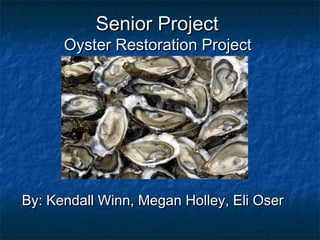
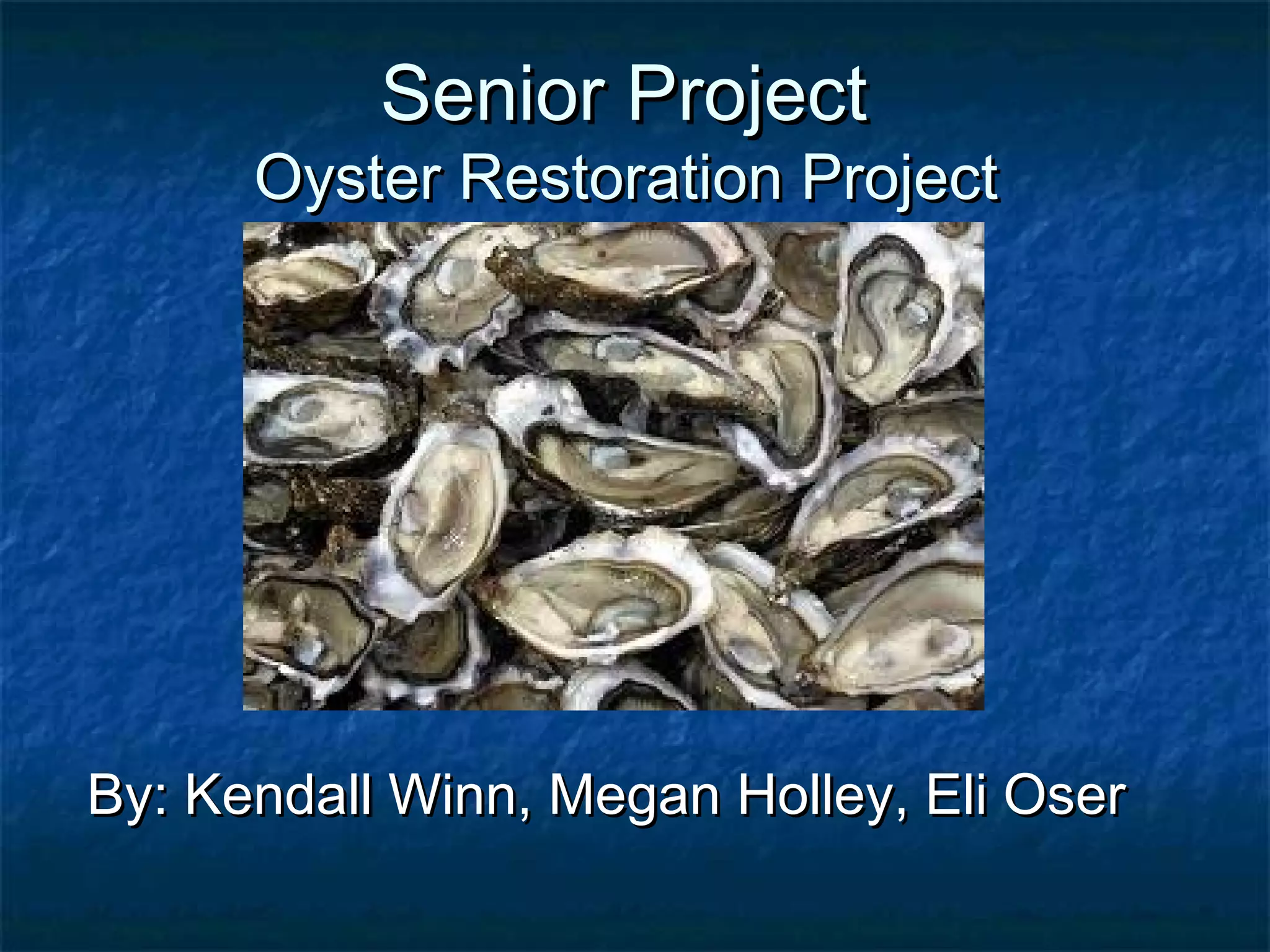
Senior Project
      Oyster Restoration Project


By: Kendall Winn, Megan Holley, Eli Oser
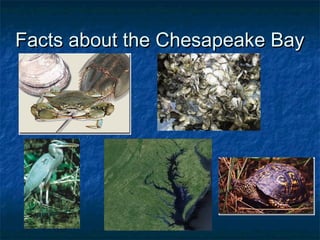
Facts about the Chesapeake Bay
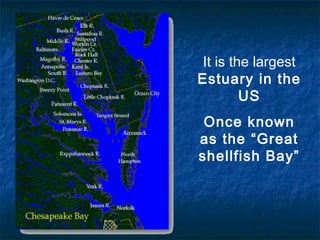
It is the largest
Estuary in the
         US
 Once known
as the “Great
shellfish Bay”
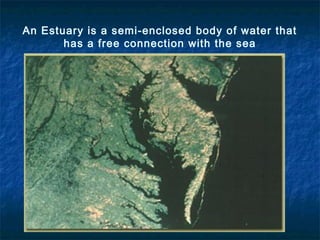
An Estuary is a semi-enclosed body of water that
       has a free connection with the sea
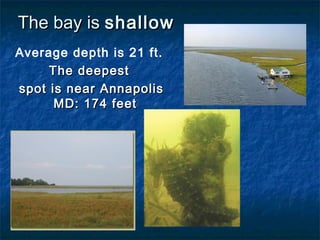
The bay is shallow
Average depth is 21 ft.
     The deepest
spot is near Annapolis
      MD: 174 feet
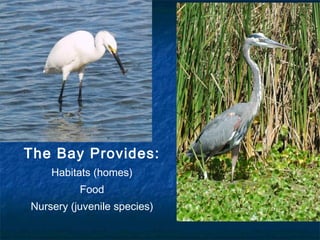
The Bay Provides:
    Habitats (homes)
          Food
Nursery (juvenile species)
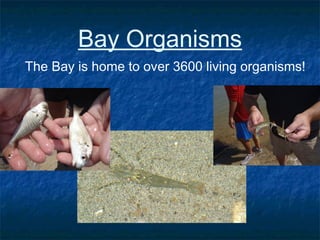
Bay Organisms
The Bay is home to over 3600 living organisms!
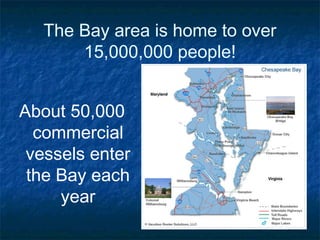
The Bay area is home to over
       15,000,000 people!


About 50,000
  commercial
 vessels enter
 the Bay each
     year
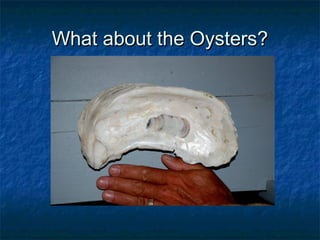
What about the Oysters?
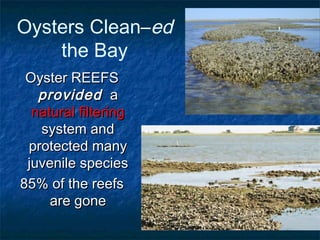
Oysters Clean–ed
    the Bay
 Oyster REEFS
   provided a
  natural filtering
   system and
 protected many
 juvenile species
85% of the reefs
     are gone
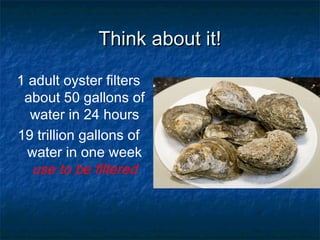
Think about it!

1 adult oyster filters
 about 50 gallons of
  water in 24 hours
19 trillion gallons of
  water in one week
  use to be filtered
What Happened?
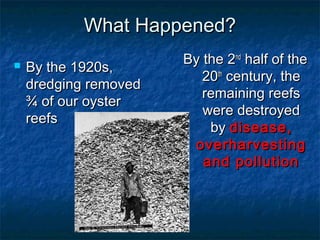
                       By the 2nd half of the
   By the 1920s,
                          20th century, the
    dredging removed
                          remaining reefs
    ¾ of our oyster
                          were destroyed
    reefs
                           by disease,
                         overharvesting
                          and pollution
So Why Collect Shells?
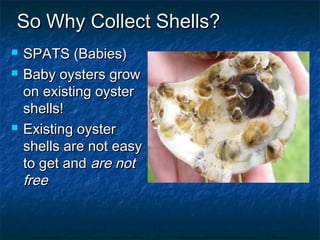
   SPATS (Babies)
   Baby oysters grow
    on existing oyster
    shells!
   Existing oyster
    shells are not easy
    to get and are not
    free
Oyster Growth in a ‘Shell’
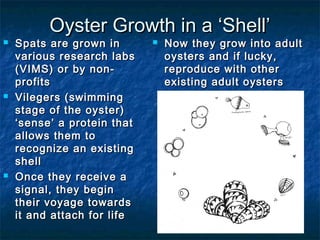
   Spats are grown in          Now they grow into adult
    various research labs        oysters and if lucky,
    (VIMS) or by non-            reproduce with other
    profits                      existing adult oysters
   Vilegers (swimming
    stage of the oyster)
    ‘sense’ a protein that
    allows them to
    recognize an existing
    shell
   Once they receive a
    signal, they begin
    their voyage towards
    it and attach for life
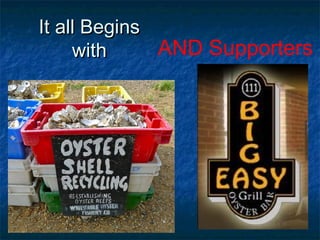
It all Begins
     with     AND Supporters
Oyster Restoration
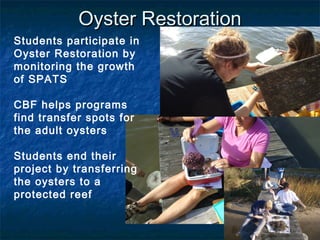
Students participate in
Oyster Restoration by
monitoring the growth
of SPATS

CBF helps programs
find transfer spots for
the adult oysters

Students end their
project by transferring
the oysters to a
protected reef
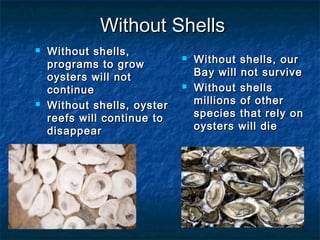
Without Shells
   Without shells,
    programs to grow
                                Without shells, our
    oysters will not             Bay will not survive
    continue                    Without shells
   Without shells, oyster       millions of other
    reefs will continue to       species that rely on
    disappear                    oysters will die
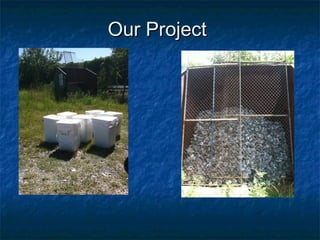
Our Project
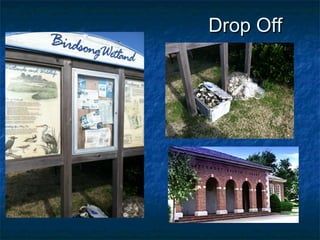
Drop Off
We NEED your SHELLS

service project

  • 1.
    Senior Project Oyster Restoration Project By: Kendall Winn, Megan Holley, Eli Oser
  • 2.
    Facts about theChesapeake Bay
  • 3.
    It is thelargest Estuary in the US Once known as the “Great shellfish Bay”
  • 4.
    An Estuary isa semi-enclosed body of water that has a free connection with the sea
  • 5.
    The bay isshallow Average depth is 21 ft. The deepest spot is near Annapolis MD: 174 feet
  • 6.
    The Bay Provides: Habitats (homes) Food Nursery (juvenile species)
  • 7.
    Bay Organisms The Bayis home to over 3600 living organisms!
  • 8.
    The Bay areais home to over 15,000,000 people! About 50,000 commercial vessels enter the Bay each year
  • 9.
  • 10.
    Oysters Clean–ed the Bay Oyster REEFS provided a natural filtering system and protected many juvenile species 85% of the reefs are gone
  • 11.
    Think about it! 1adult oyster filters about 50 gallons of water in 24 hours 19 trillion gallons of water in one week use to be filtered
  • 12.
    What Happened? By the 2nd half of the  By the 1920s, 20th century, the dredging removed remaining reefs ¾ of our oyster were destroyed reefs by disease, overharvesting and pollution
  • 13.
    So Why CollectShells?  SPATS (Babies)  Baby oysters grow on existing oyster shells!  Existing oyster shells are not easy to get and are not free
  • 14.
    Oyster Growth ina ‘Shell’  Spats are grown in  Now they grow into adult various research labs oysters and if lucky, (VIMS) or by non- reproduce with other profits existing adult oysters  Vilegers (swimming stage of the oyster) ‘sense’ a protein that allows them to recognize an existing shell  Once they receive a signal, they begin their voyage towards it and attach for life
  • 15.
    It all Begins with AND Supporters
  • 16.
    Oyster Restoration Students participatein Oyster Restoration by monitoring the growth of SPATS CBF helps programs find transfer spots for the adult oysters Students end their project by transferring the oysters to a protected reef
  • 17.
    Without Shells  Without shells, programs to grow  Without shells, our oysters will not Bay will not survive continue  Without shells  Without shells, oyster millions of other reefs will continue to species that rely on disappear oysters will die
  • 18.
  • 19.
  • 20.

Editor's Notes

  • #8 Grass shrimp, blue crabs, croaker, snapper, and tons of other fish
  • #17 By recycling shells, restaurants provide the needed shells for baby oysters to grow on