Literature Searching and Finding Research
Articles

Anglia Ruskin University Library http://libweb.anglia.ac.uk
Why should you use
research articles?
What are research
articles?
How to find
research articles.
What we cover in this session will
hopefully save you time and increase
your grades.
Why should you find evidence to back up what you
say?
The Nursing and Midwifery Council states that
nurses “must deliver care based on

the best available evidence
or best practice”.
So, where are the best places to start
collecting evidence?
Books provide a broad discussion and overview of the
established facts and theories and historical context.
Websites can be helpful for background information, but
always remember to evaluate.

Ask questions like: Who wrote the website? Is it from a reliable
source?
Journals contain journal articles, news and
editorials, commentary, literature reviews
and systematic reviews and much more!
Quantitative research
involves numerical data
collection

and statistical evidence.
Qualitative data
is “concerned with exploring
meaning and phenomena” and
“words and descriptions”.
Primary Research

Secondary Research

Also known as

Original research

Desk research

What‟s the
purpose

To share new
research findings

To evaluate previous
research findings

Examples

Focus groups
Surveys
Questionnaires
Interviews
Observations
Experiments
Trials

Literature reviews
Systematic reviews
Meta-analysis
Meta-synthesis
Primary research is also
known as original
research.
It’s purpose is to share
new research findings.
The research methods used
within the research may vary, for
example, quantitative methods or
qualitative methods.
Examples of primary research are interviews,
observations, questionnaires, experiments and
focus groups.
Secondary research is
also known as desk
research.
It‟s purpose is to
evaluate previous
research findings.
Some examples of secondary research articles are literature
reviews, systematic reviews and meta-analysis.
To identify a research article look for descriptions of
methodology and research methods.
They will also include a literature review, but only as part of
the article.
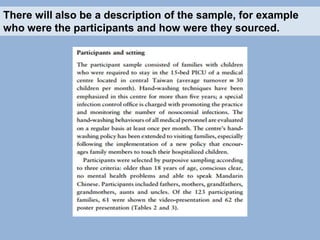
There will also be a description of the sample, for example
who were the participants and how were they sourced.
You should also be able to spot the method of data collection.
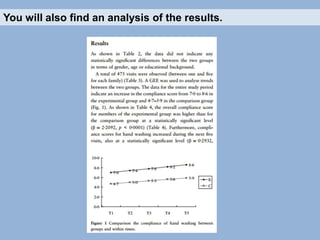
You will also find an analysis of the results.
Sometimes identifying a
research article isn’t easy!
You may need to play
detective and look for
clues.

Always read the abstract,
and skim read the entire
article as this should help
you identify if it is original
research or not.
Before you start your search,
remember to plan.

Think about your topic and the words
you are going to use in your search.
Try to refine what it is
you are looking for.
Filter out any
unnecessary
words like „the‟
and „what‟.
Are you looking at
a particular setting
or group of
people?
Think of synonyms or alternative

words

to describe your search concepts.
Now we have our key words, we need
to think of ways to combine them to
search successfully.
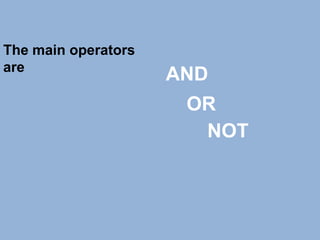
We can use something called Boolean
operators our key words.
to combine
The main operators
are

AND
OR
NOT
OR will

your search.
AND will

your search.
Where‟s the best place to start your

search?
The library website!

http://libweb.anglia.ac.uk

How to Find Research Articles! For Nursing Students.

  • 1.
    Literature Searching andFinding Research Articles Anglia Ruskin University Library http://libweb.anglia.ac.uk
  • 2.
    Why should youuse research articles? What are research articles? How to find research articles.
  • 3.
    What we coverin this session will hopefully save you time and increase your grades.
  • 4.
    Why should youfind evidence to back up what you say? The Nursing and Midwifery Council states that nurses “must deliver care based on the best available evidence or best practice”.
  • 5.
    So, where arethe best places to start collecting evidence?
  • 6.
    Books provide abroad discussion and overview of the established facts and theories and historical context.
  • 7.
    Websites can behelpful for background information, but always remember to evaluate. Ask questions like: Who wrote the website? Is it from a reliable source?
  • 8.
    Journals contain journalarticles, news and editorials, commentary, literature reviews and systematic reviews and much more!
  • 9.
    Quantitative research involves numericaldata collection and statistical evidence.
  • 10.
    Qualitative data is “concernedwith exploring meaning and phenomena” and “words and descriptions”.
  • 11.
    Primary Research Secondary Research Alsoknown as Original research Desk research What‟s the purpose To share new research findings To evaluate previous research findings Examples Focus groups Surveys Questionnaires Interviews Observations Experiments Trials Literature reviews Systematic reviews Meta-analysis Meta-synthesis
  • 12.
    Primary research isalso known as original research. It’s purpose is to share new research findings. The research methods used within the research may vary, for example, quantitative methods or qualitative methods.
  • 13.
    Examples of primaryresearch are interviews, observations, questionnaires, experiments and focus groups.
  • 14.
    Secondary research is alsoknown as desk research. It‟s purpose is to evaluate previous research findings.
  • 15.
    Some examples ofsecondary research articles are literature reviews, systematic reviews and meta-analysis.
  • 16.
    To identify aresearch article look for descriptions of methodology and research methods.
  • 17.
    They will alsoinclude a literature review, but only as part of the article.
  • 18.
    There will alsobe a description of the sample, for example who were the participants and how were they sourced.
  • 19.
    You should alsobe able to spot the method of data collection.
  • 20.
    You will alsofind an analysis of the results.
  • 21.
    Sometimes identifying a researcharticle isn’t easy! You may need to play detective and look for clues. Always read the abstract, and skim read the entire article as this should help you identify if it is original research or not.
  • 22.
    Before you startyour search, remember to plan. Think about your topic and the words you are going to use in your search.
  • 23.
    Try to refinewhat it is you are looking for. Filter out any unnecessary words like „the‟ and „what‟. Are you looking at a particular setting or group of people?
  • 24.
    Think of synonymsor alternative words to describe your search concepts.
  • 25.
    Now we haveour key words, we need to think of ways to combine them to search successfully.
  • 26.
    We can usesomething called Boolean operators our key words. to combine
  • 27.
  • 28.
  • 29.
  • 30.
    Where‟s the bestplace to start your search? The library website! http://libweb.anglia.ac.uk

Editor's Notes

  • #10 Quantitative research numerical data collection
  • #14 Examples of primary research are interviews, observations, questionnaires, experiments and focus groups.
  • #17 The screen shots are from ‘Effectiveness of hand-washing teaching programs for families and children in paediatric intensive care units’ Chen, Y. and Chiang, L. Journal of Clinical Nursing.
  • #24 Try to refine what it is you are looking for. Filter out any unnecessary words like ‘the’ and ‘what’. Are you looking at a particular setting or group of people?
  • #25 Think of synonyms or alternative words to describe your search concepts.
  • #26 Combing search words
  • #27 We can use something called Boolean operators
  • #31 Where’s the best place to start your search? The library website: http://libweb.anglia.ac.uk