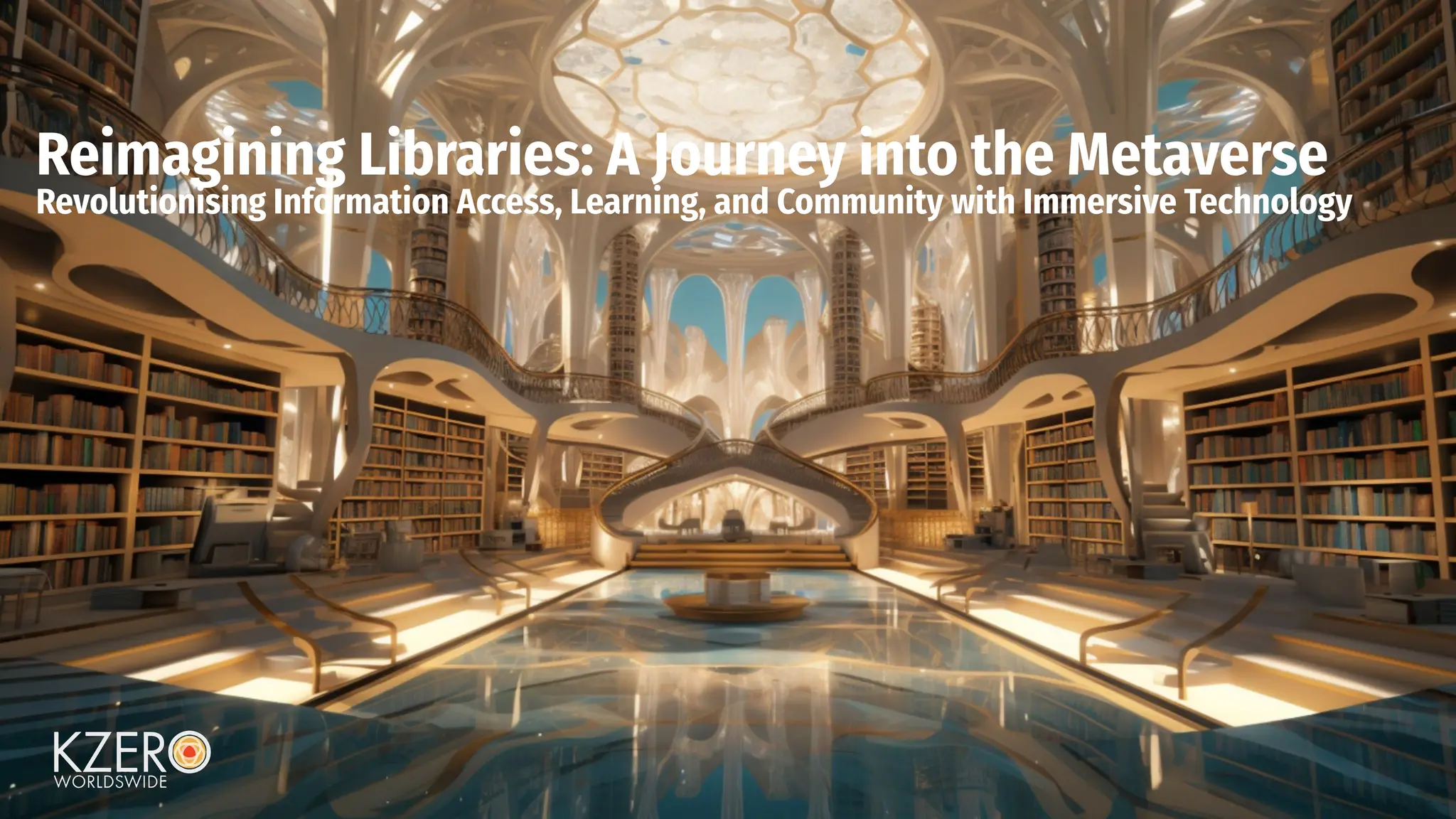
Reimagining Libraries: A Journey into the Metaverse
Revolutionising Information Access, Learning, and Community with Immersive Technology
The Four Pillars of a Metaverse Library Strategy
Learning
Using the
Metaverse to allow
users to easily
search for, locate
and read academic
research and
educational
resources
Interacting
Using the
Metaverse to allow
users to
interactively
engage with and
explore different
experiences
Collaborating
Using the
Metaverse to allow
users to
collaborate with
each other and
learn together in
the same virtual
environment
AIssisting
Using the
Metaverse and
Generative AI to
provide users with
cutting-edge
learning
experiences
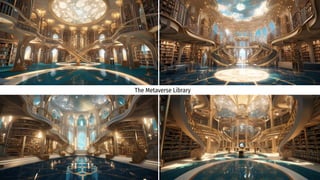
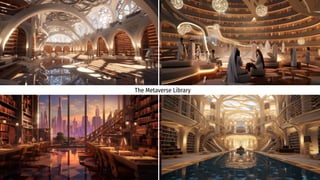
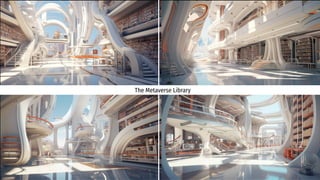
The Metaverse Library
Reading and Research Use Cases
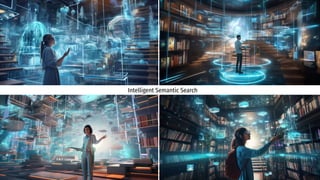
● Intelligent Semantic Search
○ Implementing an advanced semantic search feature that understands the context and meaning behind user
queries. This feature goes beyond keyword matching, considering the user's professional background and
preferences to provide highly relevant search results in the Metaverse library
● Virtual Study Rooms
○ Creating personal reading and study rooms for the users. These rooms would allow user customisation and
be their personal places inside the Metaverse library
● Curated Personal Libraries
○ Allowing users to create their own personal libraries curated based on their chosen research and fields of
study. New books and publications would be automatically added to their personal libraries ensuring they’re
constantly updated
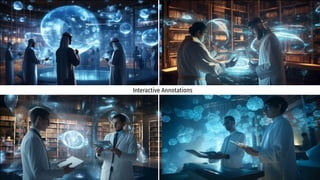
● Interactive Annotations
○ Enabling users to annotate and highlight sections of virtual textbooks or articles within the Metaverse library.
These annotations could be shared in real-time during collaborative sessions, allowing professionals to
exchange insights and discuss specific points directly within the virtual environment
Intelligent Semantic Search
Virtual Study Rooms
Curated Personal Libraries
Interactive Annotations
Interactivity and Engagement Use Cases
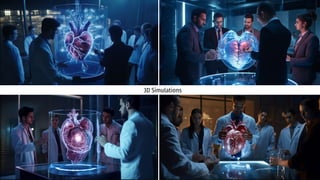
● 3D Simulations
○ Creating holographic anatomy lessons where users can summon detailed 3D holograms of human anatomy.
This feature allows health professionals to manipulate and explore organs, tissues and structures in a more
immersive and interactive way, enhancing their understanding of complex medical concepts
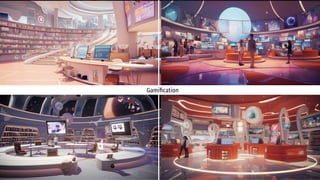
● Gamification
○ Design interactive learning quests that guide users through a series of educational challenges and scenarios,
rewarding them with virtual badges or points upon completion. This gamified approach encourages
continuous learning and engagement
3D Simulations
Gamification
Collaboration Use Cases
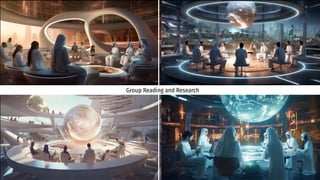
● Group Reading and Research
○ Establishing virtual study groups where library users can come together and join discussions, share insights
and collectively explore specific medical topics. This promotes collaborative learning and knowledge
exchange
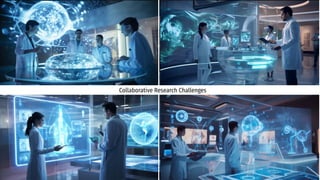
● Collaborative Research Challenges
○ Designing dedicated virtual spaces for collaborative research projects and challenges, providing a centralised
hub where library users can collaborate on studies and research initiatives
● Expert-led Discussions
○ Hosting live expert-led discussions within the virtual library, where professionals can engage with leading
experts in their respective fields, ask questions, and contribute to ongoing research discussions
Group Reading and Research
Collaborative Research Challenges
Expert-Led Discussions
AI Assisted Use Cases
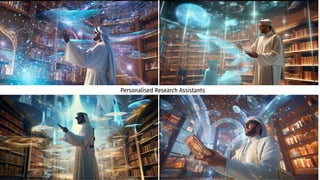
● Personalised Research Assistants
○ Developing a Generative AI assistant that learns from users' reading habits and preferences. This assistant
can recommend relevant articles, journals and research based on individual professional interests, keeping
health professionals updated on the latest advancements in their specific fields
● Dynamic Literature Summaries
○ Utilising Generative AI to provide concise and dynamic summaries of medical literature. Users can get quick
overviews before delving into detailed research papers or textbooks, saving time and aiding comprehension
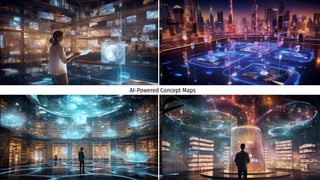
● AI-Powered Concept Maps
○ Enabling the generation of dynamic concept maps based on the content of medical texts, helping users
visualise the relationships between different concepts and enhancing their understanding
● AI-Powered New Research Alerts
○ Enabling users to set up personalised alerts for specific medical topics or authors and have AI algorithms
scan new publications to provide real-time updates and recommendations for further reading
Personalised Research Assistants
AI-Powered Concept Maps
AI-Powered New Research Alerts
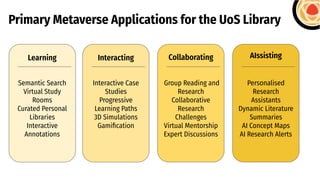
Primary Metaverse Applications for the UoS Library
Learning
Semantic Search
Virtual Study
Rooms
Curated Personal
Libraries
Interactive
Annotations
Interacting
Interactive Case
Studies
Progressive
Learning Paths
3D Simulations
Gamification
Collaborating
Group Reading and
Research
Collaborative
Research
Challenges
Virtual Mentorship
Expert Discussions
AIssisting
Personalised
Research
Assistants
Dynamic Literature
Summaries
AI Concept Maps
AI Research Alerts

Reimagining Libraries: A Journey into the Metaverse

  • 1.
    Reimagining Libraries: AJourney into the Metaverse Revolutionising Information Access, Learning, and Community with Immersive Technology
  • 2.
    The Four Pillarsof a Metaverse Library Strategy Learning Using the Metaverse to allow users to easily search for, locate and read academic research and educational resources Interacting Using the Metaverse to allow users to interactively engage with and explore different experiences Collaborating Using the Metaverse to allow users to collaborate with each other and learn together in the same virtual environment AIssisting Using the Metaverse and Generative AI to provide users with cutting-edge learning experiences
  • 3.
  • 4.
  • 5.
  • 6.
    Reading and ResearchUse Cases ● Intelligent Semantic Search ○ Implementing an advanced semantic search feature that understands the context and meaning behind user queries. This feature goes beyond keyword matching, considering the user's professional background and preferences to provide highly relevant search results in the Metaverse library ● Virtual Study Rooms ○ Creating personal reading and study rooms for the users. These rooms would allow user customisation and be their personal places inside the Metaverse library ● Curated Personal Libraries ○ Allowing users to create their own personal libraries curated based on their chosen research and fields of study. New books and publications would be automatically added to their personal libraries ensuring they’re constantly updated ● Interactive Annotations ○ Enabling users to annotate and highlight sections of virtual textbooks or articles within the Metaverse library. These annotations could be shared in real-time during collaborative sessions, allowing professionals to exchange insights and discuss specific points directly within the virtual environment
  • 7.
  • 8.
  • 9.
  • 10.
  • 11.
    Interactivity and EngagementUse Cases ● 3D Simulations ○ Creating holographic anatomy lessons where users can summon detailed 3D holograms of human anatomy. This feature allows health professionals to manipulate and explore organs, tissues and structures in a more immersive and interactive way, enhancing their understanding of complex medical concepts ● Gamification ○ Design interactive learning quests that guide users through a series of educational challenges and scenarios, rewarding them with virtual badges or points upon completion. This gamified approach encourages continuous learning and engagement
  • 12.
  • 13.
  • 14.
    Collaboration Use Cases ●Group Reading and Research ○ Establishing virtual study groups where library users can come together and join discussions, share insights and collectively explore specific medical topics. This promotes collaborative learning and knowledge exchange ● Collaborative Research Challenges ○ Designing dedicated virtual spaces for collaborative research projects and challenges, providing a centralised hub where library users can collaborate on studies and research initiatives ● Expert-led Discussions ○ Hosting live expert-led discussions within the virtual library, where professionals can engage with leading experts in their respective fields, ask questions, and contribute to ongoing research discussions
  • 15.
  • 16.
  • 17.
  • 18.
    AI Assisted UseCases ● Personalised Research Assistants ○ Developing a Generative AI assistant that learns from users' reading habits and preferences. This assistant can recommend relevant articles, journals and research based on individual professional interests, keeping health professionals updated on the latest advancements in their specific fields ● Dynamic Literature Summaries ○ Utilising Generative AI to provide concise and dynamic summaries of medical literature. Users can get quick overviews before delving into detailed research papers or textbooks, saving time and aiding comprehension ● AI-Powered Concept Maps ○ Enabling the generation of dynamic concept maps based on the content of medical texts, helping users visualise the relationships between different concepts and enhancing their understanding ● AI-Powered New Research Alerts ○ Enabling users to set up personalised alerts for specific medical topics or authors and have AI algorithms scan new publications to provide real-time updates and recommendations for further reading
  • 19.
  • 20.
  • 21.
  • 22.
    Primary Metaverse Applicationsfor the UoS Library Learning Semantic Search Virtual Study Rooms Curated Personal Libraries Interactive Annotations Interacting Interactive Case Studies Progressive Learning Paths 3D Simulations Gamification Collaborating Group Reading and Research Collaborative Research Challenges Virtual Mentorship Expert Discussions AIssisting Personalised Research Assistants Dynamic Literature Summaries AI Concept Maps AI Research Alerts