INSIDE THE EARTH
•FOUR
LAYERS OF
THE EARTH
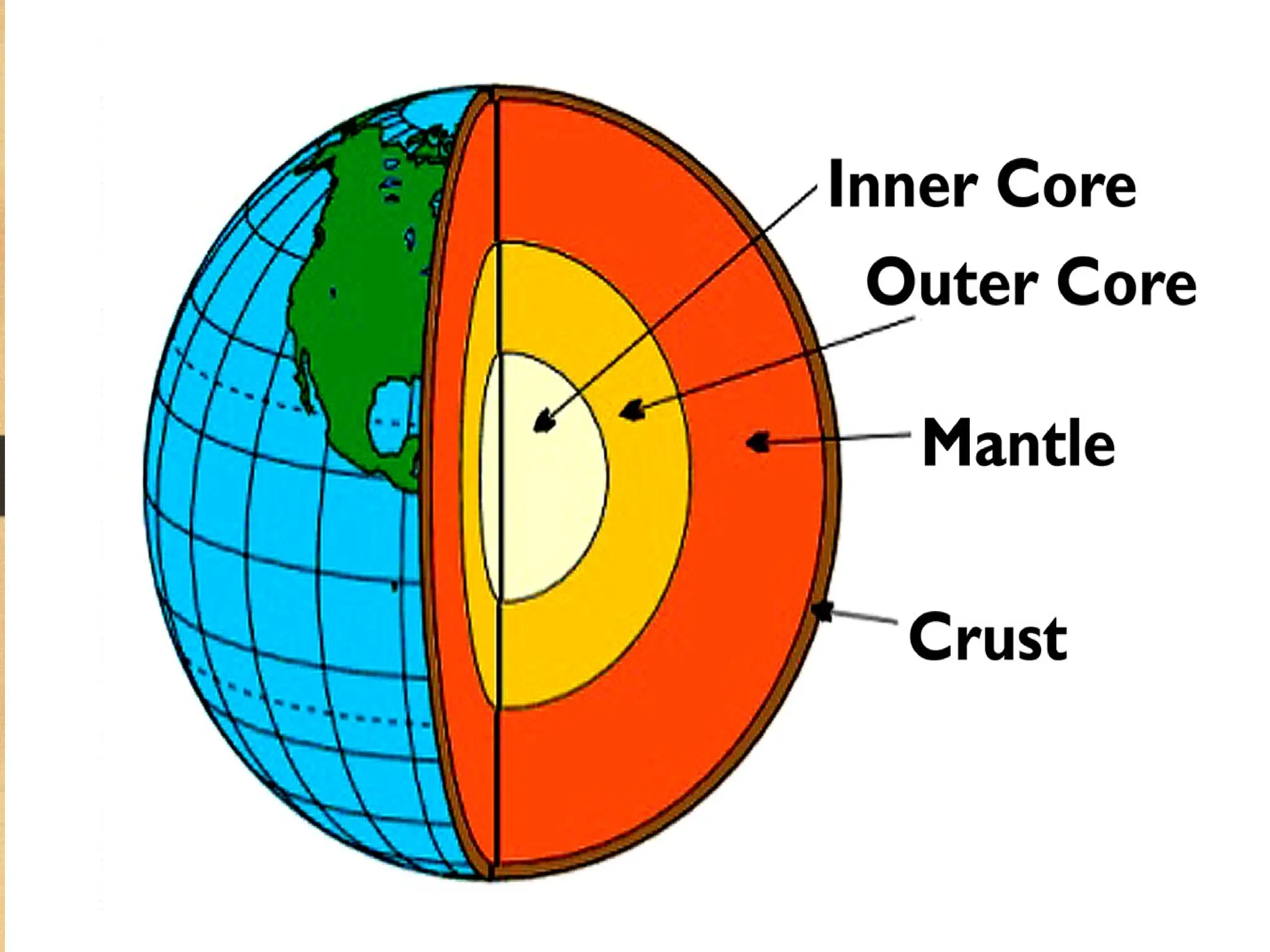
CRUST
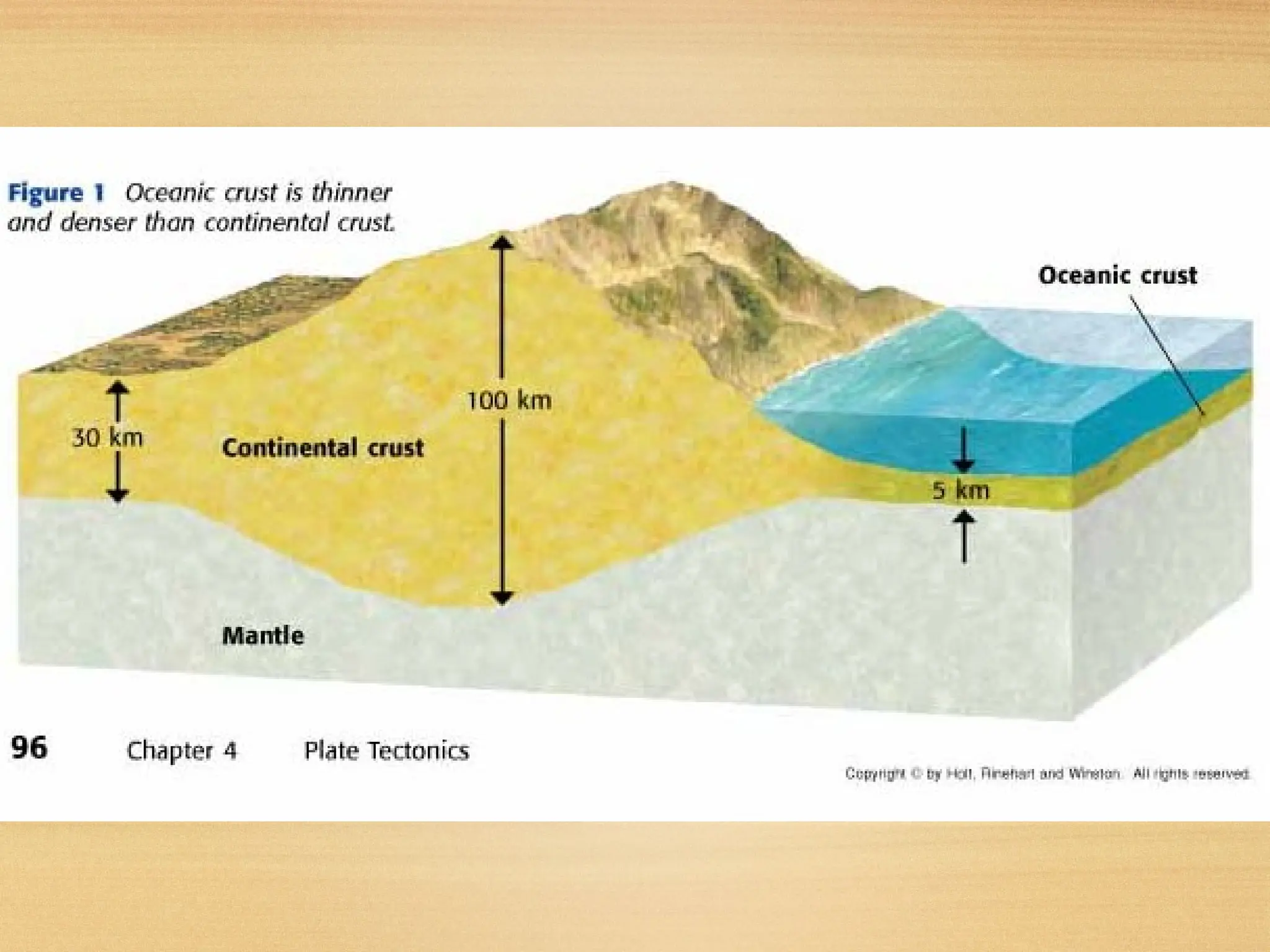
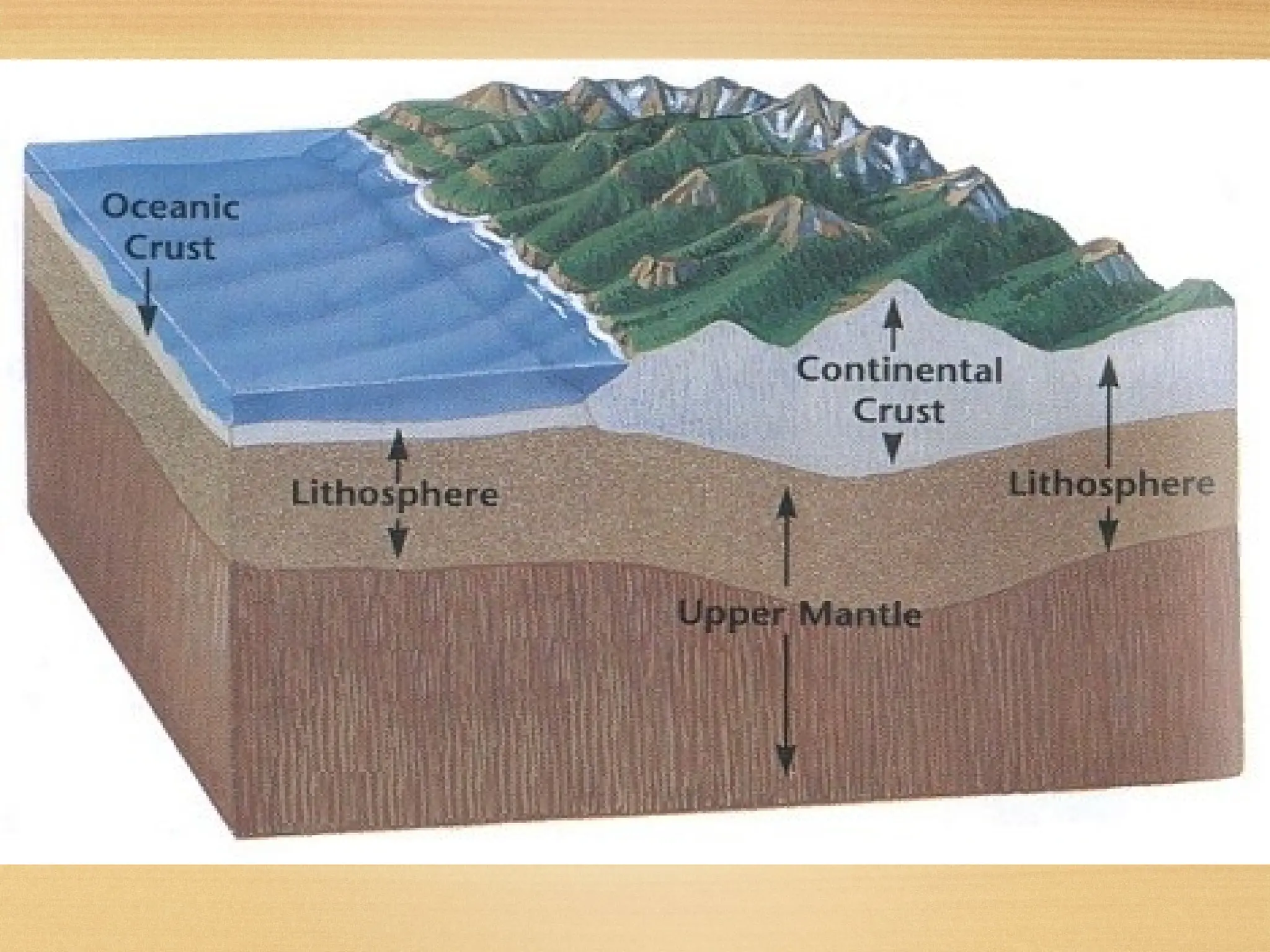
•Oceanic crust – more
dense than continental
crust
•Continental crust –
thicker than oceanic crust
CRUST
• The crust is the outermost layer of the
earth.
•It is the layer we live on.
•-a solid layer made of rock
•-Made of oxygen, silicon, and aluminum
•
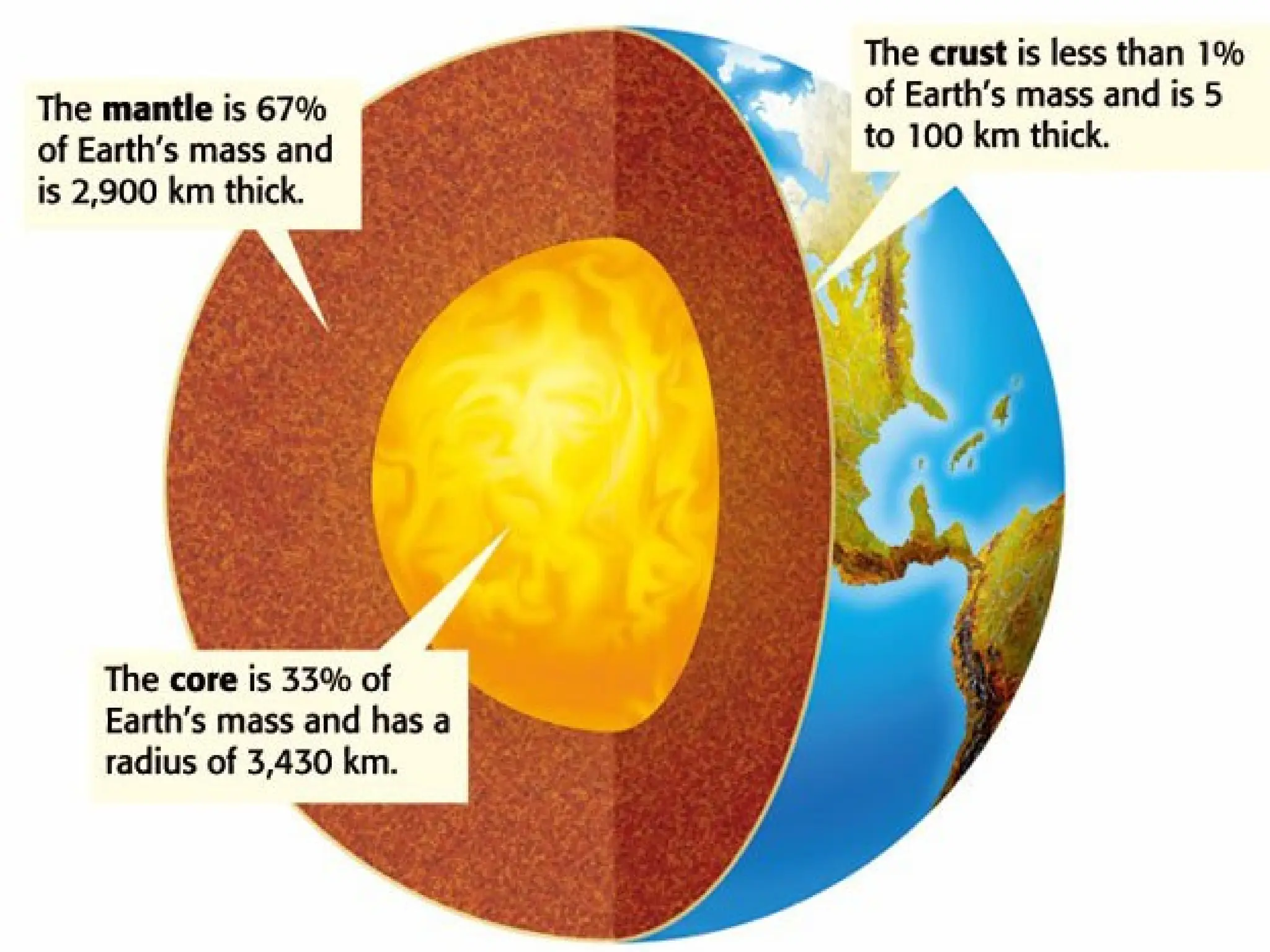
•-the thinnest layer of the earth
•-around 30 kilometers thick
•-about 25 to 30 degrees Celsius
per kilometer
•-No one has ever been below or
even drilled below the crust.
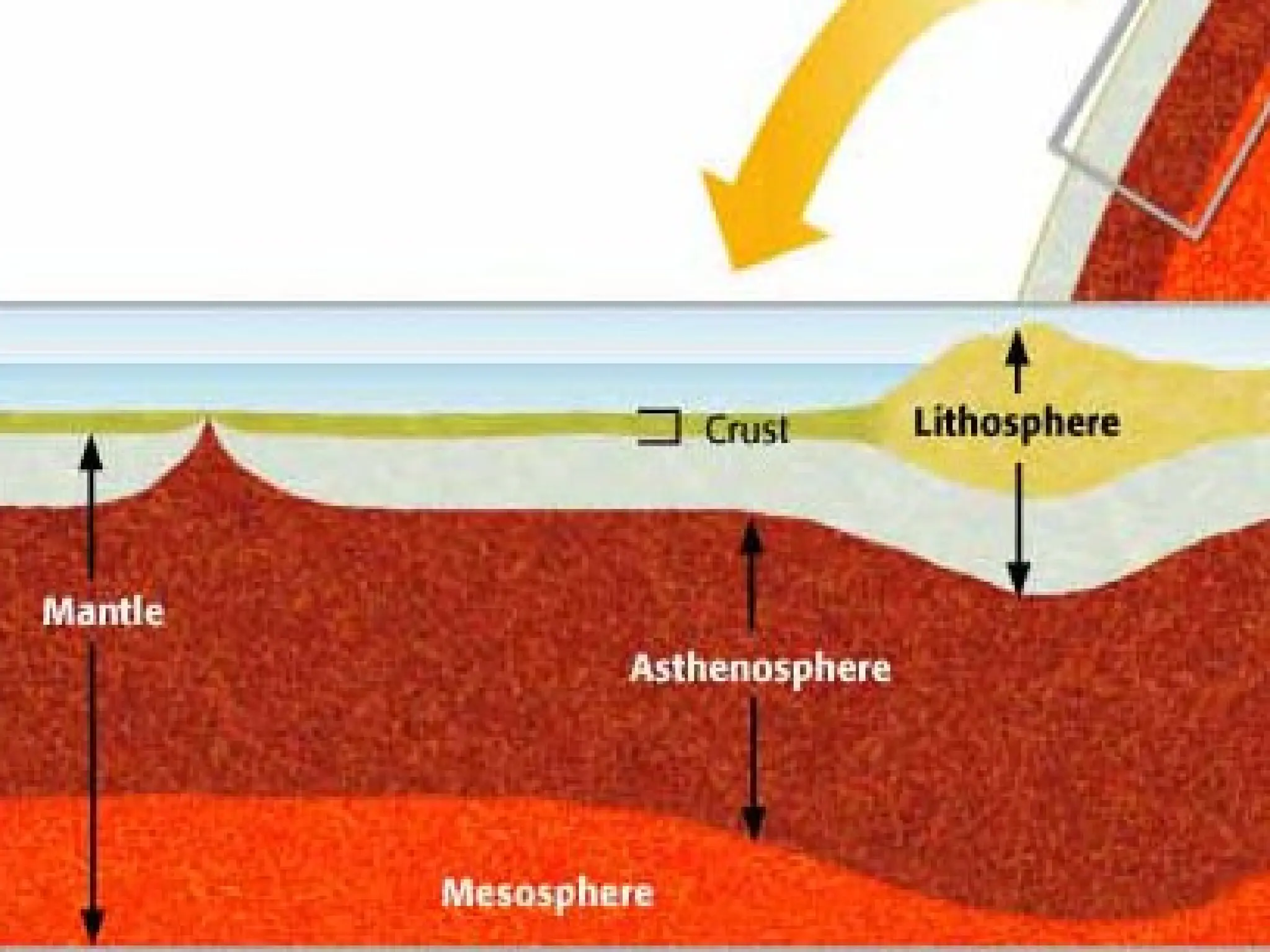
MANTLE
• - the layer next to the crust
• - the thickest layer of the Earth
• -a really thick liquid layer made of molten rock
• - sometimes called a plastic layer instead of
liquid
• - about 3000 km thick
• - 500-1400 degrees Celsius
•Has more magnesium, so it is
more dense than crust
•-next to the outer core.
•-the heat from the outer core
makes the part of the mantle
closest to the outer core be
hotter than the rest
•-the part of the mantle that is
hotter is lighter, so it floats to the
top and cools
•- after it has cooled it sinks again
because it is heavier
•-this makes currents in the mantle
that move the crust above around
OUTER CORE
•-the third layer of the earth
•-a liquid layer made of Molten
Iron and Nickel
•-the Outer core is 2,266 km
thick
•-about 4000 degrees Celsius
INNER CORE
• - the innermost layer of the Earth
• -a solid layer made of nickel and iron
• - about 250-400 km thick
• - the hottest layer of the earth, around
5,700 degrees Celsius
• - hotter than the surface of the Sun
•The Inner Core is solid even though
it is the hottest layer of the earth
•It stays solid because there is so
much weight on it the little bits that
make it up have no room to move
•- the core creates the Earth’s
magnetic field
Quarter 1 Lesson in Earth and Life Science- Layers of the earth( Crust, MAntle, Outer Core, Inner Core)

Quarter 1 Lesson in Earth and Life Science- Layers of the earth( Crust, MAntle, Outer Core, Inner Core)

  • 1.
  • 2.
  • 5.
    CRUST •Oceanic crust –more dense than continental crust •Continental crust – thicker than oceanic crust
  • 8.
    CRUST • The crustis the outermost layer of the earth. •It is the layer we live on. •-a solid layer made of rock •-Made of oxygen, silicon, and aluminum •
  • 9.
    •-the thinnest layerof the earth •-around 30 kilometers thick •-about 25 to 30 degrees Celsius per kilometer •-No one has ever been below or even drilled below the crust.
  • 10.
    MANTLE • - thelayer next to the crust • - the thickest layer of the Earth • -a really thick liquid layer made of molten rock • - sometimes called a plastic layer instead of liquid • - about 3000 km thick • - 500-1400 degrees Celsius
  • 11.
    •Has more magnesium,so it is more dense than crust •-next to the outer core. •-the heat from the outer core makes the part of the mantle closest to the outer core be hotter than the rest
  • 12.
    •-the part ofthe mantle that is hotter is lighter, so it floats to the top and cools •- after it has cooled it sinks again because it is heavier •-this makes currents in the mantle that move the crust above around
  • 13.
    OUTER CORE •-the thirdlayer of the earth •-a liquid layer made of Molten Iron and Nickel •-the Outer core is 2,266 km thick •-about 4000 degrees Celsius
  • 14.
    INNER CORE • -the innermost layer of the Earth • -a solid layer made of nickel and iron • - about 250-400 km thick • - the hottest layer of the earth, around 5,700 degrees Celsius • - hotter than the surface of the Sun
  • 15.
    •The Inner Coreis solid even though it is the hottest layer of the earth •It stays solid because there is so much weight on it the little bits that make it up have no room to move •- the core creates the Earth’s magnetic field