Android and
Android Phones
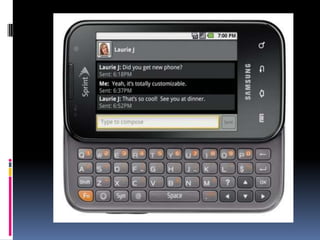
 Android powers hundreds of millions of
 mobile devices in more than 190 countries
 around the world. It's the largest installed
 base of any mobile platform and growing
 fast—every day another million users power
 up their Android devices for the first time
 and start looking for apps, games, and other
 digital content.
 Android gives you a world-class
 platform for creating apps and
 games for Android users
 everywhere, as well as an open
 marketplace for distributing to
 them instantly.
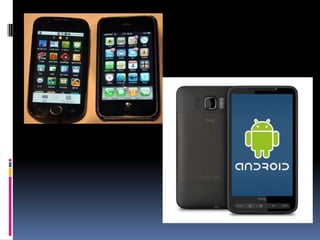
 Android is a Linux -based operating system for
  mobile devices such as smart phones and tablet
  computers, developed by Google in conjunction
  with the Open Handset Alliance. Android was
  initially developed by Android Inc, whom Google
  financially backed and later purchased in 2005.
  The unveiling of the Android distribution in 2007
  was announced with the founding of the Open
  Handset Alliance, a consortium of 86
  hardware, software, and telecommunication
  companies devoted to advancing open standards
  for mobile devices. Google releases the Android
  code as open-source, under the Apache License.
  The Android Open Sources Product (AOSP) is
  tasked with the maintenance and further
  development of Android.
 Android has a large community of developers
  writing applications ("apps") that extend the
  functionality of the devices. Developers write
  primarily in a customized version of Java,and
  apps can be downloaded from online stores
  such as Google Play (formerly Android
  Market), the app store run by Google, or
  third-party sites. In June 2012, there were
  more than 600,000 apps available for
  Android, and the estimated number of
  applications downloaded from Google Play
  was 20 billion.
 Android became the world’s leading
  Smartphone platform at the end of 2010.For
  the first quarter of 2012, Android had a 59%
  Smartphone market share worldwide.[As of
  third quarter 2012, there were 400 million
  devices activated and 1.3 million activations
  per day.
 Many companies including Nokia and
 Research in Motion have been struggling to
 compete with Apple and manufacturers of
 devices running Google's Android software.
 That shows in some of the earnings reports
 released so far for the latest quarter.
 Here's a look at how makers of phones and
  tablet computers are doing:
 — July 10: BlackBerry maker Research in Motion
  Ltd. asks disgruntled investors at a shareholders
  meeting for patience as it develops new devices
  to rival the iPhone and Android smartphones.
  The company reiterates a warning that the next
  several quarters will be challenging. It also
  expects to report another operating loss in the
  current quarter, which ends Sept. 1, as the
  company cuts prices to sell its older BlackBerry
  models.
 Some phone makers are quietly exploring
  alternatives to the Android operating system
  implicated in the Samsung-Apple
  ruling, industry watchers say, despite their
  public pronouncements they are sticking with
  the technology.
 Last week, a US court ruled Samsung's
  Android devices were violating Apple patents
  - a major blow to the leading mobile software
  platform because it could lead to sales bans
  and high licensing fees.
 — July 19: Nokia Corp. says its net loss nearly
  quadrupled in the second quarter on sagging
  sales of smartphones, which fell 39 percent
  from a year ago to 10.2 million. The
  company's stock jumped, however, as sales of
  low-end phones buoyed revenue and
  shipments of the new Lumia phones, which
  run on Windows software and will replace the
  older smartphone models, were not as bad as
  feared. In North America, sales of the Lumia
  phones offset declines in traditional Symbian
  devices.
 which completed its purchase of Motorola
  Mobility during the quarter, says it saw
  strengths in North America with Verizon
  Wireless, driven by the Razr Maxx device. But
  it says international sales of basic cellphones
  and mid-tier smartphones declined. Google
  reiterates that 1 million new Android devices
  from various phone makers are being
  activated each day, with more than 400
  million activated worldwide.
 — July 24: Apple Inc. says it sold 26 million
  iPhones, 28 percent more than a year ago. It
  also sold 17 million iPads, an 84 percent
  increase and a quarterly record. But average
  selling prices for both products were down.
 The impact could also hit smaller
 vendors that use Android such as
 HTC, ZTE, and Sony. Android is used
 in more than two-thirds of
 Smartphone.
 Android was built from the ground-up to
  enable developers to create compelling
  mobile applications that take full advantage
  of all a handset has to offer. It was built to be
  truly open. For example, an application can
  call upon any of the phone’s core
  functionality such as making calls, sending
  text messages, or using the camera, allowing
  developers to create richer and more
  cohesive experiences for users. Android is
  built on the open Linux Kernel.
 Furthermore, it utilizes a custom virtual
  machine that was designed to optimize
  memory and hardware resources in a mobile
  environment. Android is open source; it can
  be liberally extended to incorporate new
  cutting edge technologies as they emerge.
  The platform will continue to evolve as the
  developer community works together to
  build innovative mobile applications.
 Android does not differentiate between the
  phone’s core applications and third-party
  applications. They can all be built to have
  equal access to a phone’s capabilities
  providing users with a broad spectrum of
  applications and services. With devices built
  on the Android Platform, users are able to
  fully tailor the phone to their interests. They
  can swap out the phone's homescreen, the
  style of the dialer, or any of the applications.
  They can even instruct their phones to use
  their favorite photo viewing application to
  handle the viewing of all photos.
 Android breaks down the barriers to building
  new and innovative applications. For example, a
  developer can combine information from the
  web with data on an individual’s mobile phone —
  such as the user’s contacts, calendar, or
  geographic location — to provide a more
  relevant user experience. With Android, a
  developer can build an application that enables
  users to view the location of their friends and be
  alerted when they are in the vicinity giving them
  a chance to connect.
 Android provides access to a wide range of
  useful libraries and tools that can be used to
  build rich applications. For example, Android
  enables developers to obtain the location of
  the device, and allows devices to
  communicate with one another enabling rich
  peer–to–peer social applications. In
  addition, Android includes a full set of tools
  that have been built from the ground up
  alongside the platform providing developers
  with high productivity and deep insight into
  their applications.
Submitted by: Gregorio, Kristelle Joy L.
   BM12103

Pwerpoint activity2

  • 1.
  • 3.
     Android powershundreds of millions of mobile devices in more than 190 countries around the world. It's the largest installed base of any mobile platform and growing fast—every day another million users power up their Android devices for the first time and start looking for apps, games, and other digital content.
  • 4.
     Android givesyou a world-class platform for creating apps and games for Android users everywhere, as well as an open marketplace for distributing to them instantly.
  • 5.
     Android isa Linux -based operating system for mobile devices such as smart phones and tablet computers, developed by Google in conjunction with the Open Handset Alliance. Android was initially developed by Android Inc, whom Google financially backed and later purchased in 2005. The unveiling of the Android distribution in 2007 was announced with the founding of the Open Handset Alliance, a consortium of 86 hardware, software, and telecommunication companies devoted to advancing open standards for mobile devices. Google releases the Android code as open-source, under the Apache License. The Android Open Sources Product (AOSP) is tasked with the maintenance and further development of Android.
  • 6.
     Android hasa large community of developers writing applications ("apps") that extend the functionality of the devices. Developers write primarily in a customized version of Java,and apps can be downloaded from online stores such as Google Play (formerly Android Market), the app store run by Google, or third-party sites. In June 2012, there were more than 600,000 apps available for Android, and the estimated number of applications downloaded from Google Play was 20 billion.
  • 7.
     Android becamethe world’s leading Smartphone platform at the end of 2010.For the first quarter of 2012, Android had a 59% Smartphone market share worldwide.[As of third quarter 2012, there were 400 million devices activated and 1.3 million activations per day.
  • 8.
     Many companiesincluding Nokia and Research in Motion have been struggling to compete with Apple and manufacturers of devices running Google's Android software. That shows in some of the earnings reports released so far for the latest quarter.
  • 9.
     Here's alook at how makers of phones and tablet computers are doing:  — July 10: BlackBerry maker Research in Motion Ltd. asks disgruntled investors at a shareholders meeting for patience as it develops new devices to rival the iPhone and Android smartphones. The company reiterates a warning that the next several quarters will be challenging. It also expects to report another operating loss in the current quarter, which ends Sept. 1, as the company cuts prices to sell its older BlackBerry models.
  • 10.
     Some phonemakers are quietly exploring alternatives to the Android operating system implicated in the Samsung-Apple ruling, industry watchers say, despite their public pronouncements they are sticking with the technology.
  • 11.
     Last week,a US court ruled Samsung's Android devices were violating Apple patents - a major blow to the leading mobile software platform because it could lead to sales bans and high licensing fees.
  • 12.
     — July19: Nokia Corp. says its net loss nearly quadrupled in the second quarter on sagging sales of smartphones, which fell 39 percent from a year ago to 10.2 million. The company's stock jumped, however, as sales of low-end phones buoyed revenue and shipments of the new Lumia phones, which run on Windows software and will replace the older smartphone models, were not as bad as feared. In North America, sales of the Lumia phones offset declines in traditional Symbian devices.
  • 13.
     which completedits purchase of Motorola Mobility during the quarter, says it saw strengths in North America with Verizon Wireless, driven by the Razr Maxx device. But it says international sales of basic cellphones and mid-tier smartphones declined. Google reiterates that 1 million new Android devices from various phone makers are being activated each day, with more than 400 million activated worldwide.
  • 14.
     — July24: Apple Inc. says it sold 26 million iPhones, 28 percent more than a year ago. It also sold 17 million iPads, an 84 percent increase and a quarterly record. But average selling prices for both products were down.
  • 15.
     The impactcould also hit smaller vendors that use Android such as HTC, ZTE, and Sony. Android is used in more than two-thirds of Smartphone.
  • 16.
     Android wasbuilt from the ground-up to enable developers to create compelling mobile applications that take full advantage of all a handset has to offer. It was built to be truly open. For example, an application can call upon any of the phone’s core functionality such as making calls, sending text messages, or using the camera, allowing developers to create richer and more cohesive experiences for users. Android is built on the open Linux Kernel.
  • 17.
     Furthermore, itutilizes a custom virtual machine that was designed to optimize memory and hardware resources in a mobile environment. Android is open source; it can be liberally extended to incorporate new cutting edge technologies as they emerge. The platform will continue to evolve as the developer community works together to build innovative mobile applications.
  • 18.
     Android doesnot differentiate between the phone’s core applications and third-party applications. They can all be built to have equal access to a phone’s capabilities providing users with a broad spectrum of applications and services. With devices built on the Android Platform, users are able to fully tailor the phone to their interests. They can swap out the phone's homescreen, the style of the dialer, or any of the applications. They can even instruct their phones to use their favorite photo viewing application to handle the viewing of all photos.
  • 19.
     Android breaksdown the barriers to building new and innovative applications. For example, a developer can combine information from the web with data on an individual’s mobile phone — such as the user’s contacts, calendar, or geographic location — to provide a more relevant user experience. With Android, a developer can build an application that enables users to view the location of their friends and be alerted when they are in the vicinity giving them a chance to connect.
  • 20.
     Android providesaccess to a wide range of useful libraries and tools that can be used to build rich applications. For example, Android enables developers to obtain the location of the device, and allows devices to communicate with one another enabling rich peer–to–peer social applications. In addition, Android includes a full set of tools that have been built from the ground up alongside the platform providing developers with high productivity and deep insight into their applications.
  • 22.
    Submitted by: Gregorio,Kristelle Joy L. BM12103