PROJECT
   EUROPE AT SCHOOL
INTERNET AWARD SCHEME
 DEMOCRATIC AT SCHOOL
THIS IS OUR MIROSLAVAS
SECONDARY SCHOOL, ALYTUS,
         LITHUANIA
OUR SCHOOL IS VERY OLD.IT IS
          224 YEAR .
       THERE ARE 420
    SCHOOLCHILDRENS.
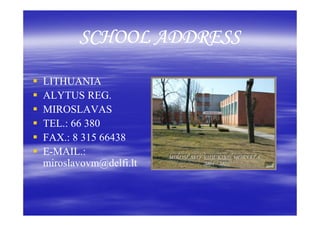
SCHOOL ADDRESS

LITHUANIA
ALYTUS REG.
MIROSLAVAS
TEL.: 66 380
FAX.: 8 315 66438
E-MAIL.:
miroslavovm@delfi.lt
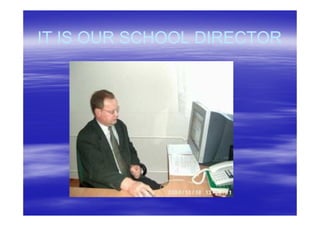
IT IS OUR SCHOOL DIRECTOR
WHAT IS DEMOCRATIC?
The Education for Democratic Citizenship
    includes all practices and activities
          designed to help young
 people and adults participate actively in
      democratic life by accepting and
         exercising their rights and
          responsibilities society.
DEMOCRACY
BEGINS AT SCHOOL
Our schools aim to promote the democratic
      values of egalitarianism, tolerance,
pluralism, freedom, social and environmental
 responsibility, by modeling and living these
    values in the classroom in a democratic
school, each child is given as much control as
  is feasible over his or her learning journey.
                                     self-
        Compulsion is replaced by self-
 determination, obedience by responsibility.
Within certain limits, children self-regulate the
                                 self-
 schedule of their learning and have a significant
                                             pre-
   voice in the choice of subject matter. In pre-
  school, for instance, a number of activities are
simultaneously available at different work areas.
Children move independently from one activity to
   another, remaining longest with what most
    arouses their fascination – although group
  activity is encouraged. What fuels each child’s
  progress is therefore not the teacher’s pressure,
    but his own natural interest, her thirst for
               discovery and mastery.
A fundamental principle is that children
  are more motivated to learn, and they
learn better, to the extent that they have
      choice over how and what they
     learnDemocratic processes in the
    classrooms include voting, council
meetings and the forming of committees.
 Debate and questioning are encouraged,
   in order to foster critical thinking.
The teacher-student relationship is unusually
    teacher-
             non-
 equal and non-authoritarian. Referred to by
         first-
   their first-names, teachers are viewed by
   pupils as older and knowledgable friends
 and guides. They are respected as partners in
  a collaborative education process. They are
    there to help, to inspire and to provide
 learning tools and opportunities rather than
                to direct or dictate.
This dialogical relationship gives children more
   room to grow into self-motivated and self-
                       self-               self-
      responsible individuals. They work in
    pursuit of their own goals, rather than to
      please someone in authorityLearning
  processes in democratic schools are specially
     adaptive to each child’s unique learning
                       style.
Learning programmes are individually
       tailored, to suit even the more
 idiosyncratic minds. This flexibility and
 responsiveness to the individual enables
every child to feel recognised and valued.
    It is not unusual to see children all
      working on something different
COUNCIL AT
     SCHOOL –
it is democratic at
school community
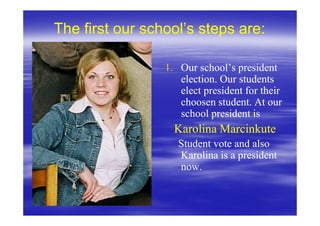
The first our school’s steps are:

                 1. Our school’s president
                    election. Our students
                    elect president for their
                    choosen student. At our
                    school president is
                   Karolina Marcinkute
                    Student vote and also
                    Karolina is a president
                    now.
2. Our class chairmen activity.

 3. Our class schoolchildren’s rules
creation and realization.

4.Our schoolchildren’s council make 12
students from 7-12 classes.This council
              7-
gathered also every week, then we
decided works of that week, we made
plan.
5. The basic activity courses:
1.Schoolchildren and teachers communication
  problems decision.
2.Involvement in our town and in republic
  organization projects.
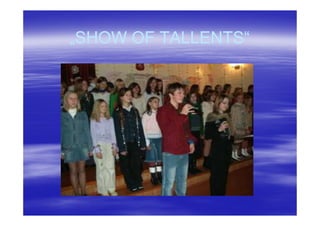
Our 8b class students organized “ Show of tallents”
  students were vallued for your appearances.
Students and teachers is tryied follow childrens and
  teachers lows and duties. We opinion can mean
  free.We always have questionnaire, in which we
  say our opinion, wishes.We decided and different
  problems. We always go to our deputy she is very
  resourceful and helt to us.
After is cluster „Library““ in
 cluster we put books dominate
about democracy go in different
               trip.
   Go to other school where is
 „Library“ clusters and there we
meet with other cluster members
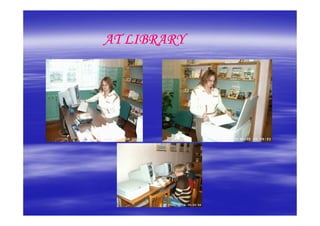
AT LIBRARY
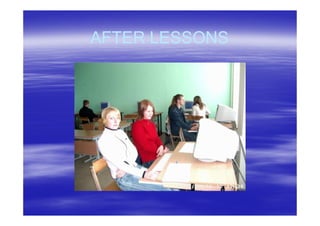
AFTER LESSONS
„SHOW OF TALLENTS“
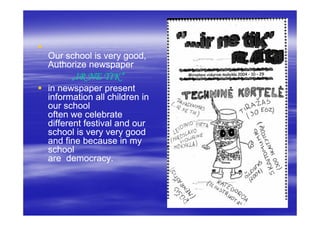
Our school is very good,
Authorize newspaper
      „IR NE TIK“
in newspaper present
information all children in
our school
often we celebrate
different festival and our
school is very very good
and fine because in my
school
are democracy.
Election for class council
Twice a week we have a class hour and
   when we do various businesses. So
when we elect class council, we can all
  vote. We do that after lessons with
 class teacher. In our school every class
has its council. All elections in our class
                are honest.
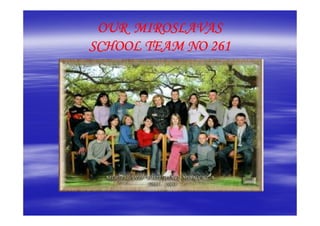
OUR MIROSLAVAS
SCHOOL TEAM NO 261
KRISTINA AKSIONOVA.
 AT THIS PROJECT TAKE   JUSTINA NEDZINSKAITE.
PART SCHOOLCHILDRENS    EVELINA PELECKAITE.
   TEAM NO 261 FROM     VIKTORIJA
MIROSLAVAS SECONDARY    URBONAVICIUTE.
   SCHOOL, LITHUANIA    LAURYNAS BUCEVICIUS.
                        POVILAS KUNCEVICIUS.
                        EGLE KAZLAUSKAITE
                        ZILVINAS KAZLAUSKAS.
                        JOLITA RIBINSKAITE.
                        AGNE URBONAVICIUTE.
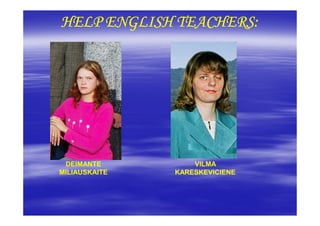
HELP ENGLISH TEACHERS:


 DEIMANTE          VILMA
MILIAUSKAITE   KARESKEVICIENE
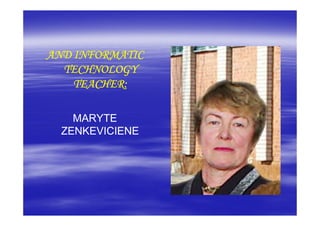
AND INFORMATIC
  TECHNOLOGY
    TEACHER:

    MARYTE
  ZENKEVICIENE

Project democratic

  • 1.
    PROJECT EUROPE AT SCHOOL INTERNET AWARD SCHEME DEMOCRATIC AT SCHOOL
  • 2.
    THIS IS OURMIROSLAVAS SECONDARY SCHOOL, ALYTUS, LITHUANIA OUR SCHOOL IS VERY OLD.IT IS 224 YEAR . THERE ARE 420 SCHOOLCHILDRENS.
  • 3.
    SCHOOL ADDRESS LITHUANIA ALYTUS REG. MIROSLAVAS TEL.:66 380 FAX.: 8 315 66438 E-MAIL.: miroslavovm@delfi.lt miroslavovm@delfi.lt
  • 4.
    IT IS OURSCHOOL DIRECTOR
  • 5.
    WHAT IS DEMOCRATIC? TheEducation for Democratic Citizenship includes all practices and activities designed to help young people and adults participate actively in democratic life by accepting and exercising their rights and responsibilities society.
  • 6.
  • 7.
    Our schools aimto promote the democratic values of egalitarianism, tolerance, pluralism, freedom, social and environmental responsibility, by modeling and living these values in the classroom in a democratic school, each child is given as much control as is feasible over his or her learning journey. self- Compulsion is replaced by self- determination, obedience by responsibility.
  • 8.
    Within certain limits,children self-regulate the self- schedule of their learning and have a significant pre- voice in the choice of subject matter. In pre- school, for instance, a number of activities are simultaneously available at different work areas. Children move independently from one activity to another, remaining longest with what most arouses their fascination – although group activity is encouraged. What fuels each child’s progress is therefore not the teacher’s pressure, but his own natural interest, her thirst for discovery and mastery.
  • 9.
    A fundamental principleis that children are more motivated to learn, and they learn better, to the extent that they have choice over how and what they learnDemocratic processes in the classrooms include voting, council meetings and the forming of committees. Debate and questioning are encouraged, in order to foster critical thinking.
  • 10.
    The teacher-student relationshipis unusually teacher- non- equal and non-authoritarian. Referred to by first- their first-names, teachers are viewed by pupils as older and knowledgable friends and guides. They are respected as partners in a collaborative education process. They are there to help, to inspire and to provide learning tools and opportunities rather than to direct or dictate.
  • 11.
    This dialogical relationshipgives children more room to grow into self-motivated and self- self- self- responsible individuals. They work in pursuit of their own goals, rather than to please someone in authorityLearning processes in democratic schools are specially adaptive to each child’s unique learning style.
  • 12.
    Learning programmes areindividually tailored, to suit even the more idiosyncratic minds. This flexibility and responsiveness to the individual enables every child to feel recognised and valued. It is not unusual to see children all working on something different
  • 13.
    COUNCIL AT SCHOOL – it is democratic at school community
  • 14.
    The first ourschool’s steps are: 1. Our school’s president election. Our students elect president for their choosen student. At our school president is Karolina Marcinkute Student vote and also Karolina is a president now.
  • 15.
    2. Our classchairmen activity. 3. Our class schoolchildren’s rules creation and realization. 4.Our schoolchildren’s council make 12 students from 7-12 classes.This council 7- gathered also every week, then we decided works of that week, we made plan.
  • 16.
    5. The basicactivity courses: 1.Schoolchildren and teachers communication problems decision. 2.Involvement in our town and in republic organization projects. Our 8b class students organized “ Show of tallents” students were vallued for your appearances. Students and teachers is tryied follow childrens and teachers lows and duties. We opinion can mean free.We always have questionnaire, in which we say our opinion, wishes.We decided and different problems. We always go to our deputy she is very resourceful and helt to us.
  • 17.
    After is cluster„Library““ in cluster we put books dominate about democracy go in different trip. Go to other school where is „Library“ clusters and there we meet with other cluster members
  • 18.
  • 19.
  • 20.
  • 21.
    Our school isvery good, Authorize newspaper „IR NE TIK“ in newspaper present information all children in our school often we celebrate different festival and our school is very very good and fine because in my school are democracy.
  • 22.
    Election for classcouncil Twice a week we have a class hour and when we do various businesses. So when we elect class council, we can all vote. We do that after lessons with class teacher. In our school every class has its council. All elections in our class are honest.
  • 23.
  • 24.
    KRISTINA AKSIONOVA. ATTHIS PROJECT TAKE JUSTINA NEDZINSKAITE. PART SCHOOLCHILDRENS EVELINA PELECKAITE. TEAM NO 261 FROM VIKTORIJA MIROSLAVAS SECONDARY URBONAVICIUTE. SCHOOL, LITHUANIA LAURYNAS BUCEVICIUS. POVILAS KUNCEVICIUS. EGLE KAZLAUSKAITE ZILVINAS KAZLAUSKAS. JOLITA RIBINSKAITE. AGNE URBONAVICIUTE.
  • 25.
    HELP ENGLISH TEACHERS: DEIMANTE VILMA MILIAUSKAITE KARESKEVICIENE
  • 26.
    AND INFORMATIC TECHNOLOGY TEACHER: MARYTE ZENKEVICIENE