PROFESSIONALISM
…and How It Makes You
MONEY!
If you live anywhere there are rich people,
and you want to make good money at this
or any service business, you MUST target
these neighborhoods (and there are ways
to find these areas, but that's marketing
and not to be covered here).
• BECAUSE:
• if you are seen as a professional, rich
people will make you good money!
• they want the problem solved NOW, and are willing to
pay
• they are NOT d-i-y types
• they are willing to pay well for good service
• feeling that they can respect and trust you is vital [very
particular about the people they let into their houses]
• even if you fail, you will still be in their good graces,
provided you did the work professionally
• they have lots of social & business contacts to whom
they will freely refer you
The Ten Commandments of
Professionalism
•

I. Thou shalt always project a clean,
business-oriented image.

•

Two very important points to remember:
–
–

The Golden Rule of Business
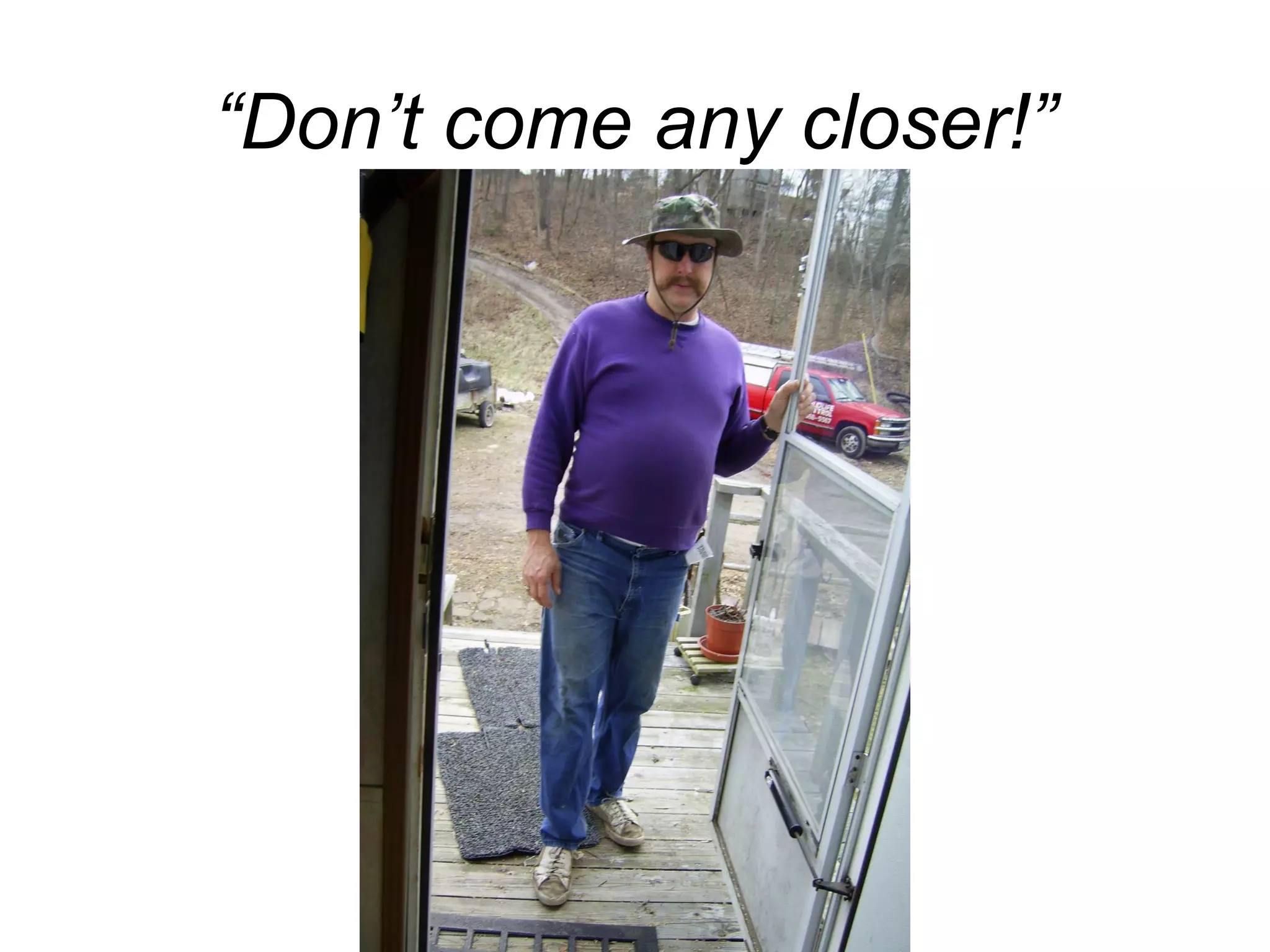
You will be judged based on your appearance.

…which means your earning potential is
based, in part, on your appearance
“Don’t come any closer!”
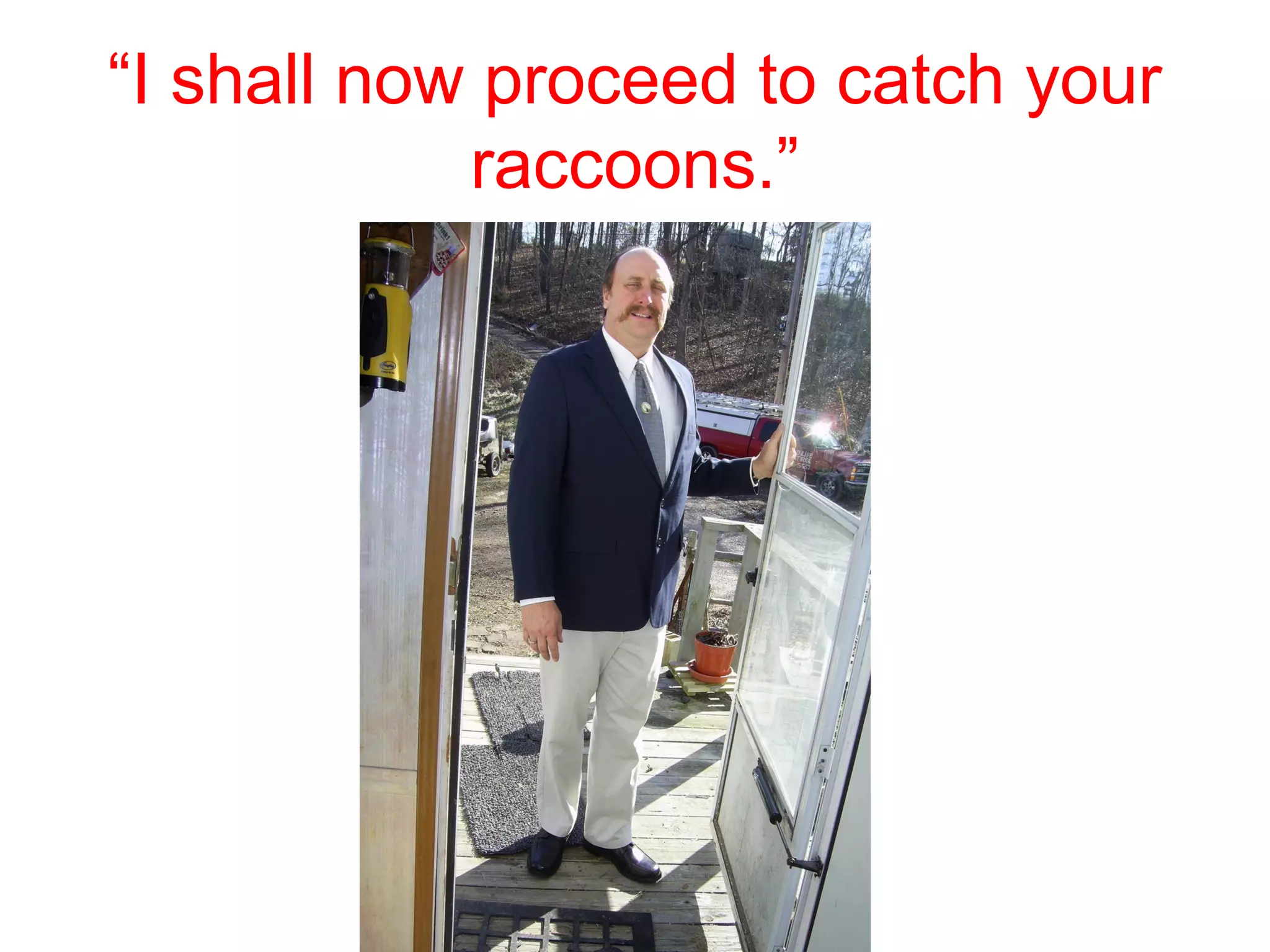
“I shall now proceed to catch your
raccoons.”
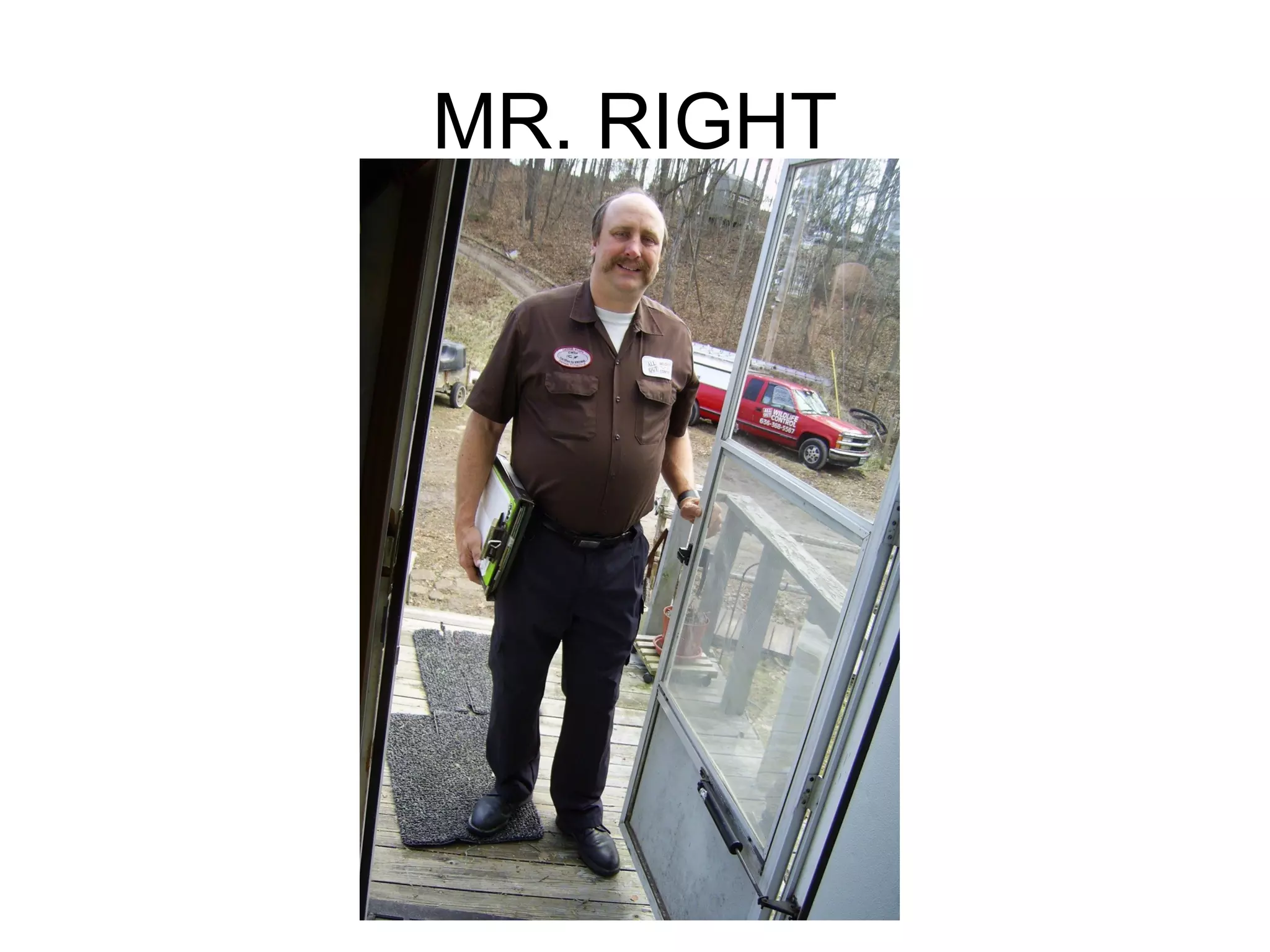
MR. RIGHT
• Clean and business-oriented also refers
to your paperwork, your truck, your
storefront, etc… remember, ours is a very
visual, image-oriented society, and
everything that represents your company
should show it in its best light. It also
includes your knowledge of, and
adherence to, all applicable laws.
• II. Thou shalt always communicate
properly, clearly, and honestly, and in a
timely manner.
• NEVER let any preprinted material (signs,
letters, contracts, invoices, etc.) leave your
possession with spelling or grammatical
mistakes.
• (on a first-come, first-served basis, I will
proofread the websites of attendees)
PEOPLE are WHO
THINGS are “that”
• refer to customer by title (Mr., Mrs., Ms., Dr.)
and last name, NOT "Bud", "Dude", or first name
(unless invited to do so)
• DO NOT use vulgarity or profanity (refer to
excrement as urine or feces, or droppings)
• tell the customer what you are doing
• announce your presence when in their house
• it is impossible to be too knowledgeable about
your field; however, don’t bore your client and
don’t make stuff up
• Make it easy for your customer to
understand what you are doing or telling
him, and he will be much more likely to
deal with you.
• put the same logo on everything the public
sees--truck, paperwork, uniforms, advertising
• use simple, standard English when writing for
customers
• explain uncommon or technical terms (e.g.,
exclusion) or avoid them
• when you finish your
presentation/diagnosis/consultation, ask "Do you
have any questions?" (this may also protect you
legally)
• …in a timely manner.
Find a way to keep the customer fully
informed, whether it be printed service
updates, personal conversation, e-mail,
etc. Let him know you’re on the job and
solving his problem!
(NOTE: keep copies of all correspondence
with customer.)
• III. Thou shalt always maintain a high
level of education in thy field, and
recognize and support scientific
investigation therein.
Educational resources
• WCT/NWCOA or other WCO seminars
• trapping seminars, business
seminars/classes
• npwma.com, nwcoa.info, wildlifepro.net,
etc.
• podcasts
• books & videos
• WCT magazine, Trapper's Post, The
Trapper & Predator Caller,
Fur/Field/Game
• THE IMPORTANCE OF SCIENCE:
• science helps us to understand how
things work (physics, chemistry, your
microwave oven) without bias or
preconception
• an example of bad science:
• this new trap caught one raccoon in one
night--it works every time!
good science:
100 Brand X traps were set at 100 locations
in one night, and 62 raccoons were
caught. So far, Brand X traps have a 62%
success rate.
• IV. Rememberest thy limitations, in
ability, skills and knowledge, and seek
thee those who canst advise thee or
help thee with a job that thou cannot
do.
• Don't ever tell a potential customer that
you can do something if you really can't
(this will come back to haunt you…)
• V. Seek ye not to enhance thy
reputation by speaking ill of thy
competitors.
• VI. Know ye this, that judgment shall
come on thy driving habits.
• VII. Thou shalt not ever go back on thy
word.
• Bragging/running off at the mouth will
get you in big trouble
• VIII. Thou shalt always use good-quality

tools and materials, and keepest them
ready and well-maintained.

• Cheap tools and supplies are less reliable, less
durable, break more often, often "look cheap”—
customers will notice
• They will, over time and regular use, end up
costing more than the quality stuff…and may
cost you customers when they fail
• IX. Seek ye the use of Social
Lubricants--words such as "Please," "I
Thank thee," "Thou art welcome!,"
"Sir," and "Ma'am."
>>>Big point:<<<
• The five most important words
in business etiquette are:
Please, Thank you, and You're
welcome.
inappropriate substitutes for “Please”
•
•
•
•

"Go ahead and…"
"I need you to…"
"You need to…"
"Can I get you to…"
• unacceptable substitutes for "You're
welcome":
• "All right"
• "No problem"
• "You got it"
• "Uh-huh"
• X. Seek ye always thy customer's trust
and good faith.
an example of a customer's good
faith:
• Dave: "Mr. Jones, would you like us to
also trim your trees away from the house,
in order to protect your roof and help keep
raccoons off your house?"
• Mr. Jones: "Well, your crew at ALL OUT
Wildlife Control has done great work for
me in the past. Yeah, do the trimming."
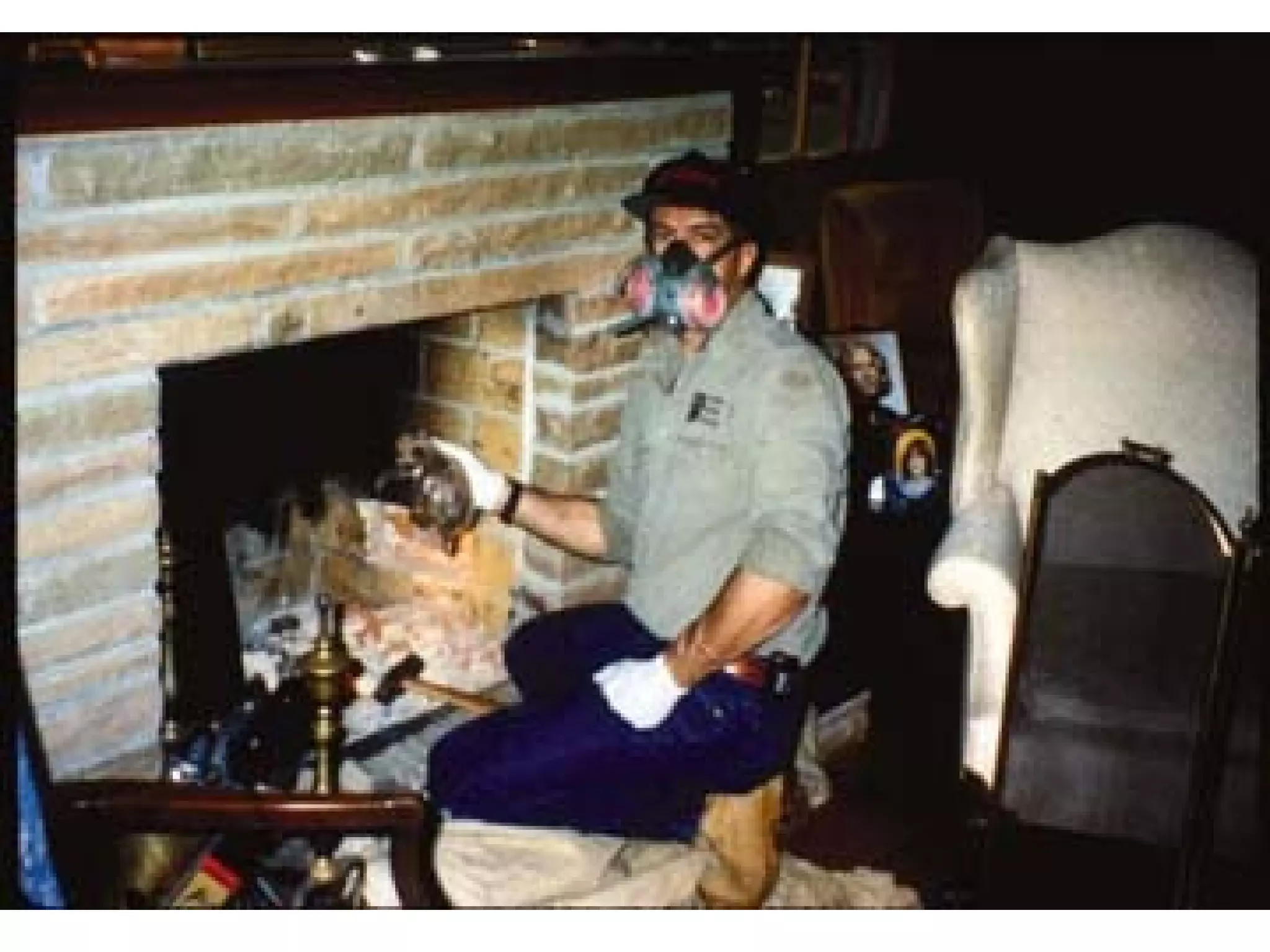
• XI. Thou shalt always show the utmost
respect for both thine own safety and
that of those around thee, and care for
a customer's property.
AND THERE YOU HAVE IT.

live long and prosper.

Professionalism for the Wildlife Control Operator

  • 1.
  • 2.
    If you liveanywhere there are rich people, and you want to make good money at this or any service business, you MUST target these neighborhoods (and there are ways to find these areas, but that's marketing and not to be covered here).
  • 3.
    • BECAUSE: • ifyou are seen as a professional, rich people will make you good money!
  • 4.
    • they wantthe problem solved NOW, and are willing to pay • they are NOT d-i-y types • they are willing to pay well for good service • feeling that they can respect and trust you is vital [very particular about the people they let into their houses] • even if you fail, you will still be in their good graces, provided you did the work professionally • they have lots of social & business contacts to whom they will freely refer you
  • 5.
    The Ten Commandmentsof Professionalism • I. Thou shalt always project a clean, business-oriented image. • Two very important points to remember: – – The Golden Rule of Business You will be judged based on your appearance. …which means your earning potential is based, in part, on your appearance
  • 6.
  • 7.
    “I shall nowproceed to catch your raccoons.”
  • 8.
  • 9.
    • Clean andbusiness-oriented also refers to your paperwork, your truck, your storefront, etc… remember, ours is a very visual, image-oriented society, and everything that represents your company should show it in its best light. It also includes your knowledge of, and adherence to, all applicable laws.
  • 10.
    • II. Thoushalt always communicate properly, clearly, and honestly, and in a timely manner. • NEVER let any preprinted material (signs, letters, contracts, invoices, etc.) leave your possession with spelling or grammatical mistakes. • (on a first-come, first-served basis, I will proofread the websites of attendees)
  • 11.
    PEOPLE are WHO THINGSare “that”
  • 12.
    • refer tocustomer by title (Mr., Mrs., Ms., Dr.) and last name, NOT "Bud", "Dude", or first name (unless invited to do so) • DO NOT use vulgarity or profanity (refer to excrement as urine or feces, or droppings) • tell the customer what you are doing • announce your presence when in their house • it is impossible to be too knowledgeable about your field; however, don’t bore your client and don’t make stuff up
  • 13.
    • Make iteasy for your customer to understand what you are doing or telling him, and he will be much more likely to deal with you.
  • 14.
    • put thesame logo on everything the public sees--truck, paperwork, uniforms, advertising • use simple, standard English when writing for customers • explain uncommon or technical terms (e.g., exclusion) or avoid them • when you finish your presentation/diagnosis/consultation, ask "Do you have any questions?" (this may also protect you legally)
  • 15.
    • …in atimely manner. Find a way to keep the customer fully informed, whether it be printed service updates, personal conversation, e-mail, etc. Let him know you’re on the job and solving his problem! (NOTE: keep copies of all correspondence with customer.)
  • 16.
    • III. Thoushalt always maintain a high level of education in thy field, and recognize and support scientific investigation therein.
  • 17.
    Educational resources • WCT/NWCOAor other WCO seminars • trapping seminars, business seminars/classes • npwma.com, nwcoa.info, wildlifepro.net, etc. • podcasts • books & videos • WCT magazine, Trapper's Post, The Trapper & Predator Caller, Fur/Field/Game
  • 18.
    • THE IMPORTANCEOF SCIENCE: • science helps us to understand how things work (physics, chemistry, your microwave oven) without bias or preconception
  • 19.
    • an exampleof bad science: • this new trap caught one raccoon in one night--it works every time!
  • 20.
    good science: 100 BrandX traps were set at 100 locations in one night, and 62 raccoons were caught. So far, Brand X traps have a 62% success rate.
  • 21.
    • IV. Rememberestthy limitations, in ability, skills and knowledge, and seek thee those who canst advise thee or help thee with a job that thou cannot do.
  • 22.
    • Don't evertell a potential customer that you can do something if you really can't (this will come back to haunt you…)
  • 23.
    • V. Seekye not to enhance thy reputation by speaking ill of thy competitors.
  • 24.
    • VI. Knowye this, that judgment shall come on thy driving habits.
  • 25.
    • VII. Thoushalt not ever go back on thy word.
  • 26.
    • Bragging/running offat the mouth will get you in big trouble
  • 27.
    • VIII. Thoushalt always use good-quality tools and materials, and keepest them ready and well-maintained. • Cheap tools and supplies are less reliable, less durable, break more often, often "look cheap”— customers will notice • They will, over time and regular use, end up costing more than the quality stuff…and may cost you customers when they fail
  • 28.
    • IX. Seekye the use of Social Lubricants--words such as "Please," "I Thank thee," "Thou art welcome!," "Sir," and "Ma'am."
  • 29.
    >>>Big point:<<< • Thefive most important words in business etiquette are: Please, Thank you, and You're welcome.
  • 30.
    inappropriate substitutes for“Please” • • • • "Go ahead and…" "I need you to…" "You need to…" "Can I get you to…"
  • 31.
    • unacceptable substitutesfor "You're welcome": • "All right" • "No problem" • "You got it" • "Uh-huh"
  • 32.
    • X. Seekye always thy customer's trust and good faith.
  • 33.
    an example ofa customer's good faith: • Dave: "Mr. Jones, would you like us to also trim your trees away from the house, in order to protect your roof and help keep raccoons off your house?" • Mr. Jones: "Well, your crew at ALL OUT Wildlife Control has done great work for me in the past. Yeah, do the trimming."
  • 34.
    • XI. Thoushalt always show the utmost respect for both thine own safety and that of those around thee, and care for a customer's property.
  • 36.
    AND THERE YOUHAVE IT. live long and prosper.