PROBLEMS OF PREMATURITY
PRESENTED BY
DR NWALA KELECHI RICHARD
OUTLINE:
• INTRODUCTION/DEFINITION
• EPIDEMIOLOGY
• CAUSES/RISK FACTORS
• PROBLEMS OF PREMATURITY
• TREATMENT
• CONCLUSION
• REFERENCE
INTRODUCTION/DEFINITION
Prematurity is a term for the broad category of
neonates born at less than 37 weeks gestation.
Problems associated with prematurity are the causes of
mortality and morbidity in preterm. Prematurity can be
classifed according to gestational age or birth weight.
Extreme preterm less than 28 weeks gestation, early
preterm 28 to 31 weeks gestation, moderate preterm
32 to 33 weeks gestation and late preterm 34 weeks to
36 weeks and also as Low birth weight of 1.5kg to
2.5kg, very low birth weight of 1kg to 1.5kg and
extreme low birth weight less than 1kg.
EPIDEMIOLOGY
Problems of prematurity is the leading cause of
neonatal mortality.
Mortality and morbidity are inversely proportional to
the gestational age and birth weight.
The risk is increased in women with socio-economic
status, Africans, teenagers and women older than 40
years.
•2023 statistics done in Special Care Baby Unit FTHL
shows total birth of 243, term pregnancy 142 births,
post term pregnancy 2 births and preterm 99(40.7%)
births.
A recent statistics of birth from January to Octobers
shows
•Total admission 199, of which preterm admission
accounted for accounted for 77(38.7%)
•Total mortality 23 of which preterm mortality
accounted for 8.
Causes/risk factors
•Maternal causes
•Uterine causes
•Fetal causes
•Others
Maternal causes
•Malnutrition and anaemia
•Teenage pregnancy or multi parity
•Twin pregnancy
•pre eclampsia
•Chronic illness(diabetes, renal disease, heart disease,
hypertension)
•Infection
•Lower socioeconomic status
•Smoking or drug abuse
Uterine causes
•Bicornuate uterus
•incompetent cervix
•placenta previa
•placenta abruptio
•placental dysfunction
Fetal causes
• Fetal distress
• Multiple gestation
• Chromosomal disorder ( down’s syndrome)
• Intrauterine infections (syphilis, TORCH)
• Erythroblastosis, non immune hydros
Others
•Polyhydramnios
•Trauma
•Premature rupture of membrane
•Iatrogenic
Problems of prematurity
Problems associated with prematurity are numerous.
The smaller the birth weight or gestational age, the
higher the risk of developing immediate or long term
problems.
Respiratory problem
•Respiratory distress syndrome; a condition in which
the air sacs cannot stay open due to lack of surfactant
in the lungs
•Apnea of prematurity
•Chronic lung disease; long term respiratory problems
caused by injury to the lung tissue
•Incomplete lung development
Cardiovascular
•Patent ductus arteriosus; a heart conditin that causes
blood to divert away from the lungs
•Bradycardia
•Hypotension
Blood and metabolic
•Anaemia; may require blood transfusion.
•Jaundice; due to immaturity of liver and
gastrointestinal function function.
•Vitamin K deficiency
•Hypoglycemia
•Hyperglycemia
•Hypothermia
Gastrointestinal
•Difficulty feeding; may be unable to coordinate suck
and swallow before 34 weeks gestation.
•Poor digestion
•Necrotizing enterocolitis ; a serious disease of the
intestine common in premature
Neurologic
•Intraventricular hemorrhage; bleeding in the brain
•Poor muscle tone
•Seizure; may be due to bleeding in the brain.
•Retinopathy of prematurity
Infection
•Premature infants are more susceptible to infection
and may require antibiotics
Immediate problems
•Hypothermia
•Hypoglycemia
•Respiratory difficulties
•Intra-ventricular hemorrhage
•Liver immaturity
•Increased susceptibility to infection
•Feeding problems
•Anaemia of prematurity
•Necrotizing entercoilitis
•Patent ductus arteriosus
•Retinopathy of prematurity
•Metabolic bone disease of prematurity
Long term problem
•Chronic lung disease
•Poor growth
•CNS dysfunction
Respiratory difficulties include
1. Respiratory distress syndrome(RDS)
•Surfactant deficiency is the primary cause of RDS.
•Low levels of surfactant cause high surface tension
•High surface tension makes it hard to expand the
alveoli.
•When alveolar pressures are too low to maintain
alveoli expansion there will be failure to attain an
adequate lung inflation and therefore reduce gaseous
excahnge.
•With advancing gestational age, increasing amount of
phospholipids are synthesized and stored.
•The amounts produced or released maybe insufficient to
meet postnatal demands because of immaturity.
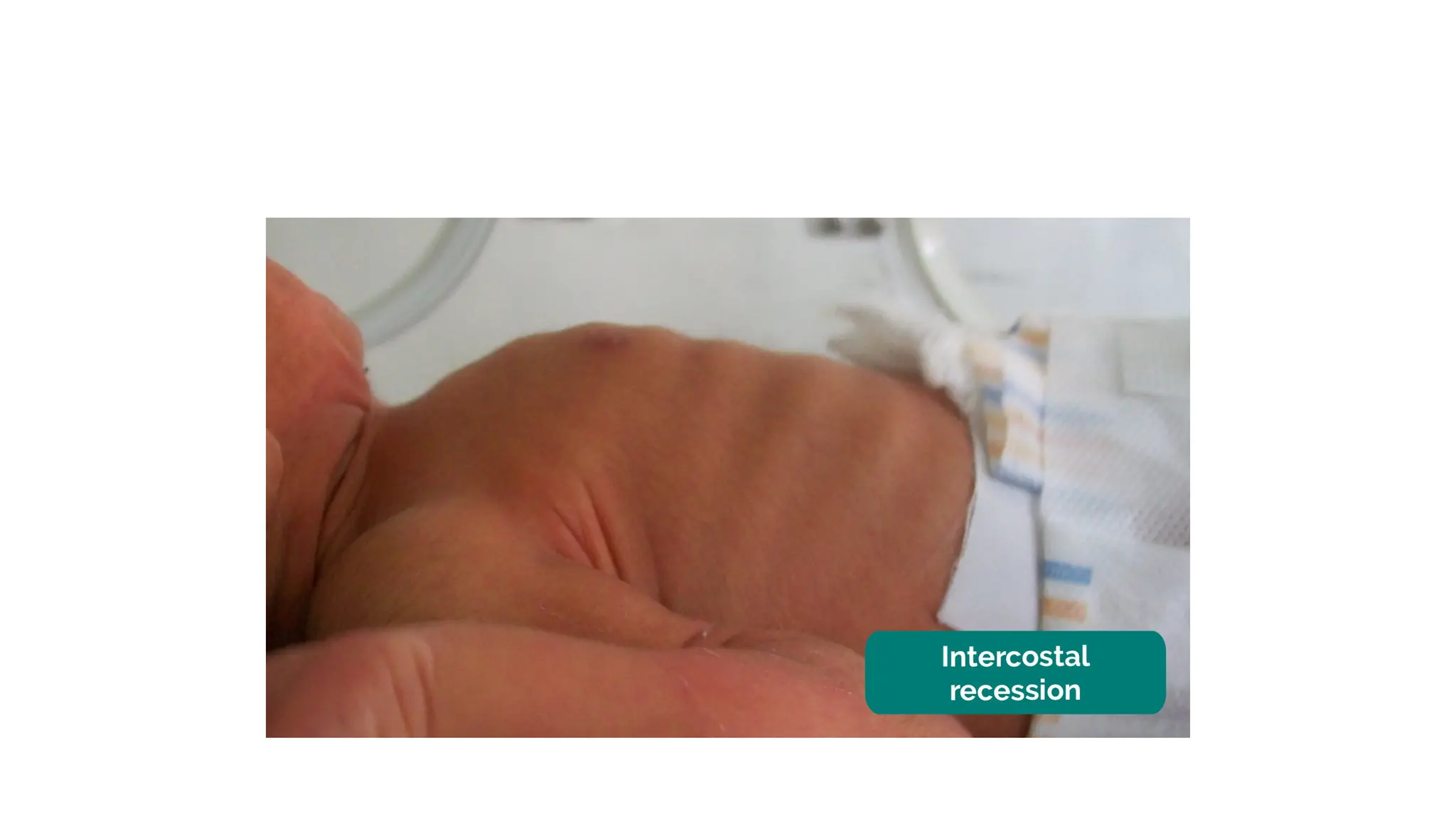
•Clinical presentation of RDS include ; tachypnea, nasal
flaring, intercostal or sternal recession, grunting and
cyanosis.
• Apnoea of prematurity; this refers to a respiratory pause
for 20 seconds or more, or any respiratory pause associated
with bradycardia and cyanosis in a newborn before 37
completed weeks of gestation.Apnoea can be classified into
Central apnoea; refers to complete cessation of airflow and
respiratory efforts with no chest wall movements
• A pause in alveolar ventilation due to a lack of
diaphragmatc activity
• There is no signal breathe being transmited from the CNS
to the respiratory muscles.
• This is due to immaturity of brainstem control of central
•The premature infant also manifest an immature response tp
peripheral vagal stimulation.
Obstructive apnoea; refers the absence of a noticeable airflow
but with the continuation of chest wall movements
•A pause in alveolar ventilation due to destruction of airway
within the upper airway, particularly at the level of the pharynx.
•Once collapsed, mucosal adhesive forces tend to prevent the
reopening of the airway during expiration.
•Neck flexion will worsen this form of apnea.
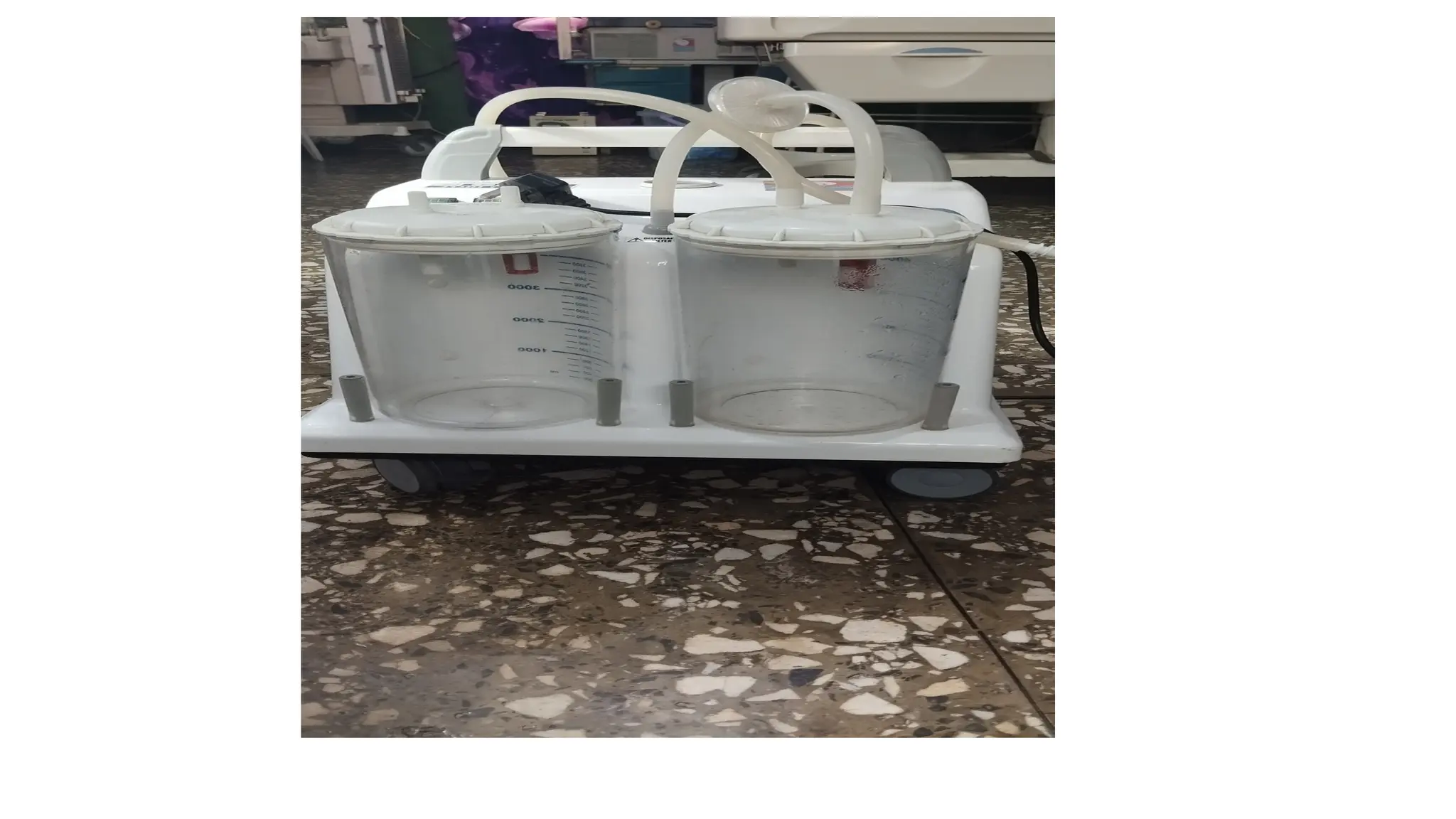
•Excessive secretion in the nasopharynx and hypopharynx may
also cause obstructive apnoea.
Mixed apnoea
•A combination of both types of apnea representing as
much as 50% of all episodes.
•Mixed apnoea consists of obstructed respiratory efforts
usually following central pauses.
•Central apnoea is either preceded or followed by airway
obstruction
•Transient tachypnea of the newborn ; Is a self-limiting
condition characterized by tachypnoea, mild retractions,
hypoxia and occasional grunting. Usually the child does not
have signs of severe respiratory distress. It is atypically a
disease of term or near term infants or caesarean section
without prior labour. Infant of diabetic mothers and those with
a poor respiratory drive from maternal sedation or analgesia
are also at risk.
• Bronchopulmonary dysplasia; Is a chronic respiratory disease
that most often occurs in low weight or premature infants who
have received supplemental oxyge or have spent long periods
of time on a breathing machine(mechanical ventilation), such
as infants who have acute respiratory distress syndrome.
•Anaemia of prematurity
•It is as a result of postnatal suppression of erythropoiesis,
shortened red blood cell survival in the presence of rapid
body growth, and blood loss.
• Iatrogenic (repeated phlebotomy)
• Iron stores, even in preterm neonates, are usually
inadequate until an infant's birthweight has doubled.
• Hypothermia; Preterm are prone to rapid heat loss
because of the large surface area to body mass ratio,
decreased subcutaneous fat, immature skin, high body
water content, poorly developed metabolic mechanism
and altered skin blood flow.
• Retinopathy of prematurity ;It is due to abnormal
proliferation of retinal vessels, more severe with
administration of unblended 100% oxygen for prolonged
periods.
•. Hypoglycaemia (blood glucose level less than 40mg/dl
(2.2mmol/L)
it is due to Inadequate glycogen store, Impaired glycogenolysis or
immature liver.
• Jaundice ; It occurs as a result of impaired bilirubin metabolism
due to immaturity of the liver.
•Infection; It is due to immature immune system and other factors
like; use of unsterilized equipment, improper handling of baby
with unwashed hand, prolong use of parental tubes like umbilical
venous catheters, cannula which may act as site for infection.
• Intraventricular haemorrhage; It can be due to Immaturity
of the germinal matrix of the lateral ventricles, acidosis,
asphyxia, shock ,blood pressure fluctuations are risk factors
•Necrotizing enterocolitis; Prematurity is associated with
immaturity of the gastrointestinal tract, including decreased
integrity of the intestinal mucosal barrier, depressed mucosal
enzymes, suppressed gastrointestinal hormones, suppressed
intestinal host defense system, decreased coordination of
intestinal motility, and differences in blood flow
autoregulation, which is thought to play a significant role in
the pathogenesis of NEC.
•Feeding problem ; preterm especially less than
33 weeks gestation age have Uncoordinated
sucking and swallowing process.
Treatment
• Respiratory distress syndrome
RDS is due to immature lung leading to insufficient
surfacant.
• To prevent preterm birth maternal cervical cerclage, bed
rest, treatment of infections and administration of
tocolytic medications are done.
• When premature delivery is unavoidable, the
administration of corticosteroids( e.g betamethasone) to
the mother and thus to the stimulates fetal lung
production of surfactant; this approach requires
multiple doses for at least 48 hours with GA less than
34 weeks before delivery.
• After birth, RDS may be prevented or its severity
reduced by intratracheal administration of exogenous
surfactant immediately after birth in the delivery or
within few hours of birth. Types of surfactant include
natural surfactant which contain apoprotein SP-B &
SP-C ( curosurf, survanta, infasurf) and synthetic
surfactant which do not contain proteins(exocerf,
ALEC, lucinacatant).
•Oxygen administration
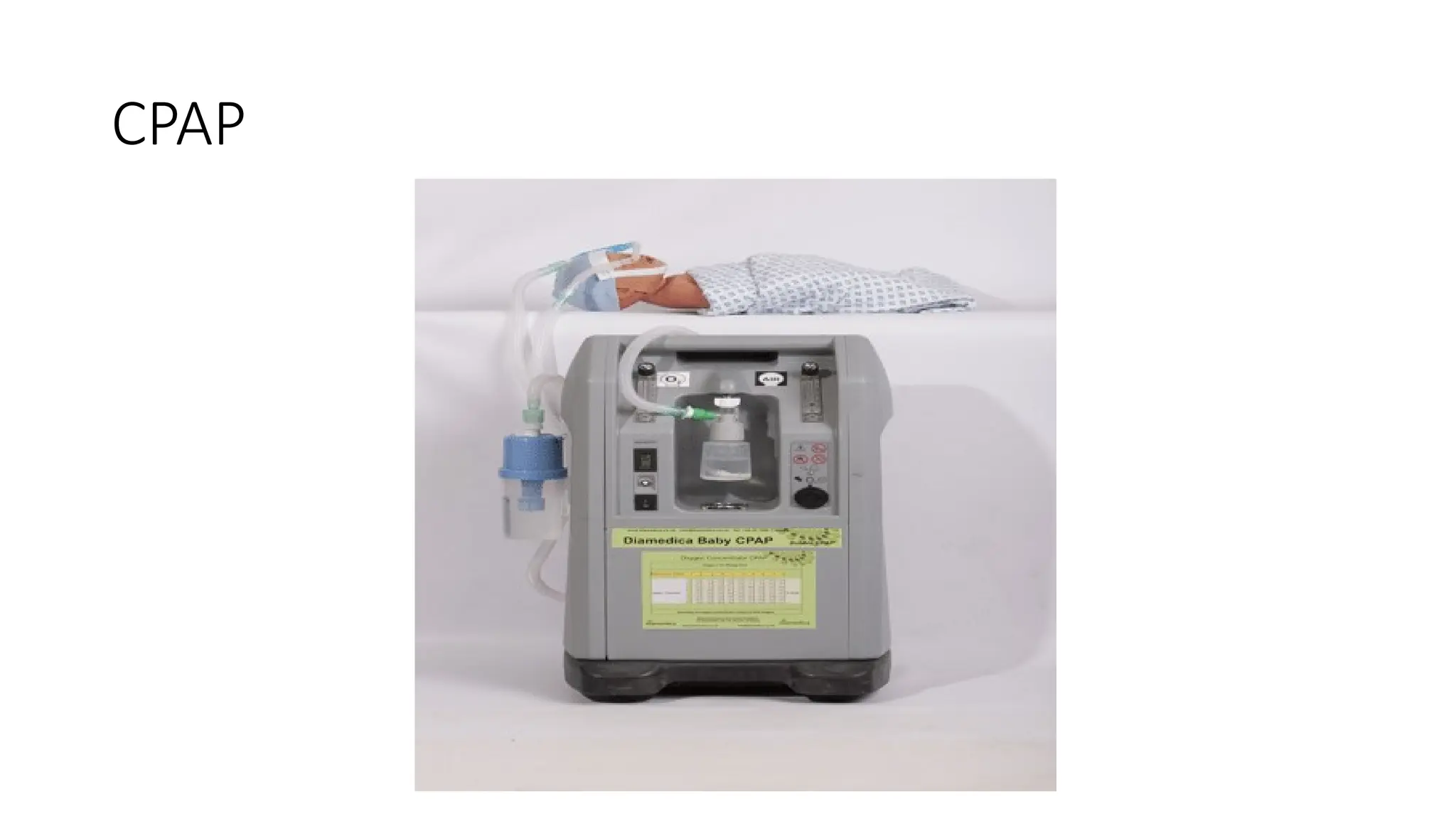
• Continuous positive airway pressure(CPAP) is a form of non-
invasive respiratory support and it involves the application of
positive pressure to the airways of the spontaneously
breathing patient throughout the respiratory cycle. CPAP
keeps the alveoli open at the end of expiration and maintain
functional residual capacity at end expiration. It increases
ventilation-perfusion relationships and potentially decreases
oxygen requirements. The earlier CPAP is applied the greater
the chance of avoiding mechanical ventilation.
• Mechanical ventilation should be used to support babies with
respiratory failure and extremely low birth weight babies. All
modes of mechanical can induce lung and should be limited to
the shortest possible duration and using the least tidal
CPAP
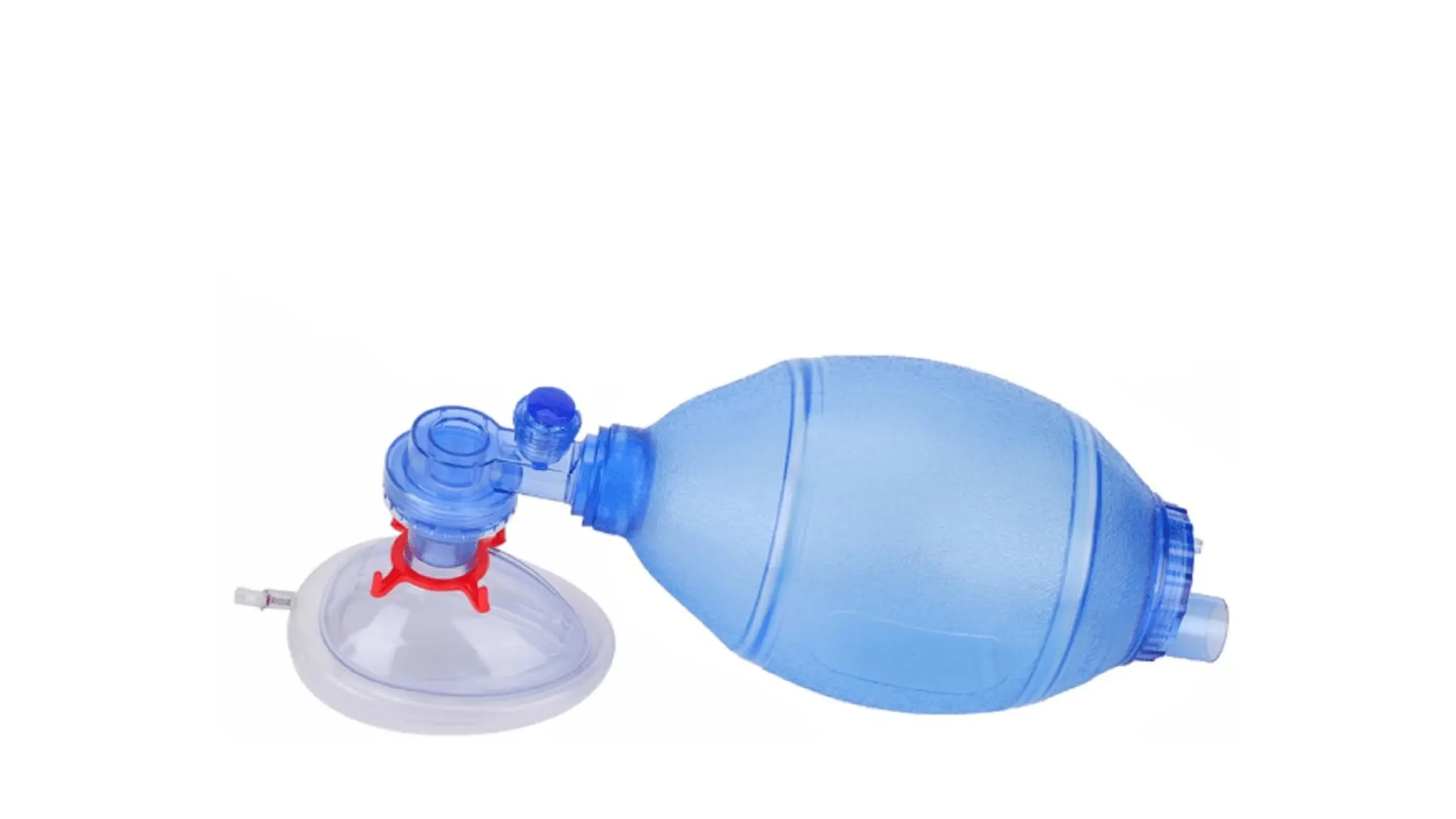
•Apnea of prematurity; Treatment involves physical
cutaneous stimulation, bag and mask ventilation,
administration of oxygen to hypoxic baby. High-flow
nasal cannula therapy and nasal continuous positive
airway pressure of 4 to 6 cm H2O also are effective
and relatively safe methods of treating obstructive or
mixed apneas; they may work by stimulating the
infant. Methylxanthines(caffeine or theophylline) are
mainstay of pharmacologic treament of apnoea.
Bronchopulmonary dysplasia
•Treatment is geared towards minimizing damage to the
lungs and providing enough support to allow an affected
infant’s lung heal and grow. Treatment include
•Mechanical ventilation; ventilators are only used when
absolutely necessary and affected infants are taken off as
early as possible. Some infantsmay require supplemental
oxygen after being taking off ventilation. Proper nutritional
management is also necessary to ensure the proper growth
and development of the lungs.
Feeding
• The method of feeding should be individualized as it varies with
weight and gestational age of infant.
• The process of oral feeding in addition to sucking requires
coordination of swallowing, epiglottic closure of larynx, normal
esophageal motility, a synchronized process which is usually
absent prior to 34 weeks of gestation.
• If the infant is more than 33 weeks gestation, weight greater
than 2kg and there is no contraindication of feeding . Oral
feeding preferably by breast milk or infant formula with cup
and spoon.
• If baby is less than 33 weeks or cannot suck tube feeding is
preferred.
Infection
• Proper antiseptic measures should be taken in
maintenance of nursery, incubator and other equipment
and in addition proper hand washing, cleansing of preterm
baby, proper cord care are very important.
• All procedures in nursery should be done with strict aseptic
measures.
•Anaemia of prematurity ; treament include
• Iron supplementation (2 mg/kg/24 hr) be started.
• Erythropoeitin can also be used.
• Minimize volume of blood per phlebotomy session
• Transfuse blood in severe cases
• And treat the underlying cause
Hypothermia
• Mild Hypothermia ( 36 to 36.4°C)
• • Skin-to-skin contact, in a warm room (at least 25°C).
• • Appropiate clothing
• Moderate Hypothermia ( 32 to 35.9°C)
• • Under a radiant heater
• • In a pre-warmed incubator
• • if the newborn is clinically stable, skin-to-skin contact
with the mother can be used in a warm room (at least
25°C)
•Severe Hypothermia (< 32°C)
•• Using a pre-warmed incubator (temperature should be
set at 1 to 1.5°C higher than the body temperature) and
should be adjusted as the newborn’s temperature
increases.
•• Aim to rewarm at rate of 0.5°C per hour
•• If no equipment is available, skin-to-skin contact or a
warm room or cot can be used
Jaundice
•Treatment modalities include
•Phototherapy; Is the use of high intensity light energy
to reduce bilirubin levels on the skin surface.
•Pharmacological management; example
phenobartitone, oral agar(cholesteramine),
intravenous immunoglobin.
•Exchange blood transfusion; Done to rapidly lower the
serum bilirubin concentration and or
Hypoglycemia
• Hypoglycemia can be treated through early introduction of
breast feeds
• Alternate glucose and breastmilk during 1st few days while
baby adapts to DBF
• For infant who cannot tolerate oral feeding and are
symptomatic or in whom oral feeds do not maintain glucose
level, give 200-400mg/kg i.e. 2-4ml of 10% DW bolus and
maintain at 6-8mg/kg/min For preterm neonates and 4-
6mg/kg/min for full-term neonates.
CONCLUSION
A good knowledge of the problems of these preterm
and how to care for them will help to prevent or reduce
the occurrence of such problems and ensure proper
development.
Reference
• 1. paediatrics and child health in the tropical region Azubuike &
Nkanginieme. 3rd edition.
• Nelson essentials of paediatrics 7th edition
• SCUB statistics 2023 by DR Abubakar
• SCUB statistics January to October by Dr Ojo
• The guide paediatrics

PROBLEMS OF PREMATURITY FOCUS ON.pptx455

  • 1.
    PROBLEMS OF PREMATURITY PRESENTEDBY DR NWALA KELECHI RICHARD
  • 2.
    OUTLINE: • INTRODUCTION/DEFINITION • EPIDEMIOLOGY •CAUSES/RISK FACTORS • PROBLEMS OF PREMATURITY • TREATMENT • CONCLUSION • REFERENCE
  • 3.
    INTRODUCTION/DEFINITION Prematurity is aterm for the broad category of neonates born at less than 37 weeks gestation. Problems associated with prematurity are the causes of mortality and morbidity in preterm. Prematurity can be classifed according to gestational age or birth weight. Extreme preterm less than 28 weeks gestation, early preterm 28 to 31 weeks gestation, moderate preterm 32 to 33 weeks gestation and late preterm 34 weeks to 36 weeks and also as Low birth weight of 1.5kg to 2.5kg, very low birth weight of 1kg to 1.5kg and extreme low birth weight less than 1kg.
  • 5.
    EPIDEMIOLOGY Problems of prematurityis the leading cause of neonatal mortality. Mortality and morbidity are inversely proportional to the gestational age and birth weight. The risk is increased in women with socio-economic status, Africans, teenagers and women older than 40 years.
  • 6.
    •2023 statistics donein Special Care Baby Unit FTHL shows total birth of 243, term pregnancy 142 births, post term pregnancy 2 births and preterm 99(40.7%) births.
  • 7.
    A recent statisticsof birth from January to Octobers shows •Total admission 199, of which preterm admission accounted for accounted for 77(38.7%) •Total mortality 23 of which preterm mortality accounted for 8.
  • 8.
    Causes/risk factors •Maternal causes •Uterinecauses •Fetal causes •Others
  • 9.
    Maternal causes •Malnutrition andanaemia •Teenage pregnancy or multi parity •Twin pregnancy •pre eclampsia •Chronic illness(diabetes, renal disease, heart disease, hypertension) •Infection •Lower socioeconomic status •Smoking or drug abuse
  • 10.
    Uterine causes •Bicornuate uterus •incompetentcervix •placenta previa •placenta abruptio •placental dysfunction
  • 11.
    Fetal causes • Fetaldistress • Multiple gestation • Chromosomal disorder ( down’s syndrome) • Intrauterine infections (syphilis, TORCH) • Erythroblastosis, non immune hydros
  • 12.
  • 13.
    Problems of prematurity Problemsassociated with prematurity are numerous. The smaller the birth weight or gestational age, the higher the risk of developing immediate or long term problems.
  • 14.
    Respiratory problem •Respiratory distresssyndrome; a condition in which the air sacs cannot stay open due to lack of surfactant in the lungs •Apnea of prematurity •Chronic lung disease; long term respiratory problems caused by injury to the lung tissue •Incomplete lung development
  • 15.
    Cardiovascular •Patent ductus arteriosus;a heart conditin that causes blood to divert away from the lungs •Bradycardia •Hypotension
  • 16.
    Blood and metabolic •Anaemia;may require blood transfusion. •Jaundice; due to immaturity of liver and gastrointestinal function function. •Vitamin K deficiency •Hypoglycemia •Hyperglycemia •Hypothermia
  • 17.
    Gastrointestinal •Difficulty feeding; maybe unable to coordinate suck and swallow before 34 weeks gestation. •Poor digestion •Necrotizing enterocolitis ; a serious disease of the intestine common in premature
  • 18.
    Neurologic •Intraventricular hemorrhage; bleedingin the brain •Poor muscle tone •Seizure; may be due to bleeding in the brain. •Retinopathy of prematurity
  • 19.
    Infection •Premature infants aremore susceptible to infection and may require antibiotics
  • 20.
    Immediate problems •Hypothermia •Hypoglycemia •Respiratory difficulties •Intra-ventricularhemorrhage •Liver immaturity •Increased susceptibility to infection •Feeding problems •Anaemia of prematurity
  • 21.
    •Necrotizing entercoilitis •Patent ductusarteriosus •Retinopathy of prematurity •Metabolic bone disease of prematurity
  • 22.
    Long term problem •Chroniclung disease •Poor growth •CNS dysfunction
  • 23.
    Respiratory difficulties include 1.Respiratory distress syndrome(RDS) •Surfactant deficiency is the primary cause of RDS. •Low levels of surfactant cause high surface tension •High surface tension makes it hard to expand the alveoli. •When alveolar pressures are too low to maintain alveoli expansion there will be failure to attain an adequate lung inflation and therefore reduce gaseous excahnge.
  • 24.
    •With advancing gestationalage, increasing amount of phospholipids are synthesized and stored. •The amounts produced or released maybe insufficient to meet postnatal demands because of immaturity. •Clinical presentation of RDS include ; tachypnea, nasal flaring, intercostal or sternal recession, grunting and cyanosis.
  • 26.
    • Apnoea ofprematurity; this refers to a respiratory pause for 20 seconds or more, or any respiratory pause associated with bradycardia and cyanosis in a newborn before 37 completed weeks of gestation.Apnoea can be classified into Central apnoea; refers to complete cessation of airflow and respiratory efforts with no chest wall movements • A pause in alveolar ventilation due to a lack of diaphragmatc activity • There is no signal breathe being transmited from the CNS to the respiratory muscles. • This is due to immaturity of brainstem control of central
  • 27.
    •The premature infantalso manifest an immature response tp peripheral vagal stimulation. Obstructive apnoea; refers the absence of a noticeable airflow but with the continuation of chest wall movements •A pause in alveolar ventilation due to destruction of airway within the upper airway, particularly at the level of the pharynx. •Once collapsed, mucosal adhesive forces tend to prevent the reopening of the airway during expiration. •Neck flexion will worsen this form of apnea. •Excessive secretion in the nasopharynx and hypopharynx may also cause obstructive apnoea.
  • 28.
    Mixed apnoea •A combinationof both types of apnea representing as much as 50% of all episodes. •Mixed apnoea consists of obstructed respiratory efforts usually following central pauses. •Central apnoea is either preceded or followed by airway obstruction
  • 29.
    •Transient tachypnea ofthe newborn ; Is a self-limiting condition characterized by tachypnoea, mild retractions, hypoxia and occasional grunting. Usually the child does not have signs of severe respiratory distress. It is atypically a disease of term or near term infants or caesarean section without prior labour. Infant of diabetic mothers and those with a poor respiratory drive from maternal sedation or analgesia are also at risk. • Bronchopulmonary dysplasia; Is a chronic respiratory disease that most often occurs in low weight or premature infants who have received supplemental oxyge or have spent long periods of time on a breathing machine(mechanical ventilation), such as infants who have acute respiratory distress syndrome.
  • 30.
    •Anaemia of prematurity •Itis as a result of postnatal suppression of erythropoiesis, shortened red blood cell survival in the presence of rapid body growth, and blood loss. • Iatrogenic (repeated phlebotomy) • Iron stores, even in preterm neonates, are usually inadequate until an infant's birthweight has doubled.
  • 31.
    • Hypothermia; Pretermare prone to rapid heat loss because of the large surface area to body mass ratio, decreased subcutaneous fat, immature skin, high body water content, poorly developed metabolic mechanism and altered skin blood flow. • Retinopathy of prematurity ;It is due to abnormal proliferation of retinal vessels, more severe with administration of unblended 100% oxygen for prolonged periods.
  • 32.
    •. Hypoglycaemia (bloodglucose level less than 40mg/dl (2.2mmol/L) it is due to Inadequate glycogen store, Impaired glycogenolysis or immature liver. • Jaundice ; It occurs as a result of impaired bilirubin metabolism due to immaturity of the liver. •Infection; It is due to immature immune system and other factors like; use of unsterilized equipment, improper handling of baby with unwashed hand, prolong use of parental tubes like umbilical venous catheters, cannula which may act as site for infection.
  • 33.
    • Intraventricular haemorrhage;It can be due to Immaturity of the germinal matrix of the lateral ventricles, acidosis, asphyxia, shock ,blood pressure fluctuations are risk factors •Necrotizing enterocolitis; Prematurity is associated with immaturity of the gastrointestinal tract, including decreased integrity of the intestinal mucosal barrier, depressed mucosal enzymes, suppressed gastrointestinal hormones, suppressed intestinal host defense system, decreased coordination of intestinal motility, and differences in blood flow autoregulation, which is thought to play a significant role in the pathogenesis of NEC.
  • 34.
    •Feeding problem ;preterm especially less than 33 weeks gestation age have Uncoordinated sucking and swallowing process.
  • 35.
    Treatment • Respiratory distresssyndrome RDS is due to immature lung leading to insufficient surfacant. • To prevent preterm birth maternal cervical cerclage, bed rest, treatment of infections and administration of tocolytic medications are done. • When premature delivery is unavoidable, the administration of corticosteroids( e.g betamethasone) to the mother and thus to the stimulates fetal lung
  • 36.
    production of surfactant;this approach requires multiple doses for at least 48 hours with GA less than 34 weeks before delivery. • After birth, RDS may be prevented or its severity reduced by intratracheal administration of exogenous surfactant immediately after birth in the delivery or within few hours of birth. Types of surfactant include natural surfactant which contain apoprotein SP-B & SP-C ( curosurf, survanta, infasurf) and synthetic surfactant which do not contain proteins(exocerf, ALEC, lucinacatant). •Oxygen administration
  • 37.
    • Continuous positiveairway pressure(CPAP) is a form of non- invasive respiratory support and it involves the application of positive pressure to the airways of the spontaneously breathing patient throughout the respiratory cycle. CPAP keeps the alveoli open at the end of expiration and maintain functional residual capacity at end expiration. It increases ventilation-perfusion relationships and potentially decreases oxygen requirements. The earlier CPAP is applied the greater the chance of avoiding mechanical ventilation. • Mechanical ventilation should be used to support babies with respiratory failure and extremely low birth weight babies. All modes of mechanical can induce lung and should be limited to the shortest possible duration and using the least tidal
  • 38.
  • 39.
    •Apnea of prematurity;Treatment involves physical cutaneous stimulation, bag and mask ventilation, administration of oxygen to hypoxic baby. High-flow nasal cannula therapy and nasal continuous positive airway pressure of 4 to 6 cm H2O also are effective and relatively safe methods of treating obstructive or mixed apneas; they may work by stimulating the infant. Methylxanthines(caffeine or theophylline) are mainstay of pharmacologic treament of apnoea.
  • 42.
    Bronchopulmonary dysplasia •Treatment isgeared towards minimizing damage to the lungs and providing enough support to allow an affected infant’s lung heal and grow. Treatment include •Mechanical ventilation; ventilators are only used when absolutely necessary and affected infants are taken off as early as possible. Some infantsmay require supplemental oxygen after being taking off ventilation. Proper nutritional management is also necessary to ensure the proper growth and development of the lungs.
  • 43.
    Feeding • The methodof feeding should be individualized as it varies with weight and gestational age of infant. • The process of oral feeding in addition to sucking requires coordination of swallowing, epiglottic closure of larynx, normal esophageal motility, a synchronized process which is usually absent prior to 34 weeks of gestation. • If the infant is more than 33 weeks gestation, weight greater than 2kg and there is no contraindication of feeding . Oral
  • 44.
    feeding preferably bybreast milk or infant formula with cup and spoon. • If baby is less than 33 weeks or cannot suck tube feeding is preferred. Infection • Proper antiseptic measures should be taken in maintenance of nursery, incubator and other equipment and in addition proper hand washing, cleansing of preterm baby, proper cord care are very important. • All procedures in nursery should be done with strict aseptic measures.
  • 45.
    •Anaemia of prematurity; treament include • Iron supplementation (2 mg/kg/24 hr) be started. • Erythropoeitin can also be used. • Minimize volume of blood per phlebotomy session • Transfuse blood in severe cases • And treat the underlying cause
  • 46.
    Hypothermia • Mild Hypothermia( 36 to 36.4°C) • • Skin-to-skin contact, in a warm room (at least 25°C). • • Appropiate clothing • Moderate Hypothermia ( 32 to 35.9°C) • • Under a radiant heater • • In a pre-warmed incubator • • if the newborn is clinically stable, skin-to-skin contact with the mother can be used in a warm room (at least 25°C)
  • 48.
    •Severe Hypothermia (<32°C) •• Using a pre-warmed incubator (temperature should be set at 1 to 1.5°C higher than the body temperature) and should be adjusted as the newborn’s temperature increases. •• Aim to rewarm at rate of 0.5°C per hour •• If no equipment is available, skin-to-skin contact or a warm room or cot can be used
  • 49.
    Jaundice •Treatment modalities include •Phototherapy;Is the use of high intensity light energy to reduce bilirubin levels on the skin surface. •Pharmacological management; example phenobartitone, oral agar(cholesteramine), intravenous immunoglobin. •Exchange blood transfusion; Done to rapidly lower the serum bilirubin concentration and or
  • 50.
    Hypoglycemia • Hypoglycemia canbe treated through early introduction of breast feeds • Alternate glucose and breastmilk during 1st few days while baby adapts to DBF • For infant who cannot tolerate oral feeding and are symptomatic or in whom oral feeds do not maintain glucose level, give 200-400mg/kg i.e. 2-4ml of 10% DW bolus and maintain at 6-8mg/kg/min For preterm neonates and 4- 6mg/kg/min for full-term neonates.
  • 51.
    CONCLUSION A good knowledgeof the problems of these preterm and how to care for them will help to prevent or reduce the occurrence of such problems and ensure proper development.
  • 52.
    Reference • 1. paediatricsand child health in the tropical region Azubuike & Nkanginieme. 3rd edition. • Nelson essentials of paediatrics 7th edition • SCUB statistics 2023 by DR Abubakar • SCUB statistics January to October by Dr Ojo • The guide paediatrics