+ 


     Common Core and the Humani/es:  
     Global Approaches for Social Studies 
     and ELA 

     Liz Howald, Program Director 
+
    Workshop Agenda 
      “The Big Changes” 

       Informational Texts for Social Studies & ELA 

       Strategies & Activities 
       Korea 

       Children & War 

      Resources 

      Q/A & Discussion  
+
    Warm Up 

      Group Introductions 

      Paired Introductions 
       Introduce Yourselves 
       Know, Wonder, Fear, and Hope (Think/Pair/Share) 
+ The Big Changes & Informa8onal Texts 
+
    Common Core: The Big Changes 
      Interdisciplinary: shared responsibility for literacy 

      Emphasis on college and career‐readiness 

      Internationally benchmarked (to ensure students are globally 
    competitive and collaborative) 

      Skills are cumulative  

      Reading: greater emphasis on informational texts (esp. in ELA) 

      Reading: greater focus on text complexity 

      Writing: strong emphasis on argument and informative/
    explanatory  writing, writing about sources, and using evidence to 
    inform argument 
+ Common Core Standards for ELA and Literacy in 
       History/Social Studies 
      Students who are  College and Career Ready : 
         Demonstrate independence        Use technology and digital 
                                          media strategically, capably 
         Build strong content 
          knowledge through research      Come to understand other 
                                          perspectives and cultures 
         Adapt communication to 
          demands of audience, task, 
          purpose, & discipline 

         Comprehend as well as 
          critique 

         Value evidence 


From CCSS for ELA (p. 7) 
+
    Reading Standards for Literacy 
    Categories for History and ELA 

        Key Ideas and Details 

        Craft and Structure 

        Integration of Knowledge and Ideas 

        Range of Reading and Level of Text Complexity 
+


    What types of informa8onal texts are 
    you using to teach about the world? 


    What types could you use? 
+
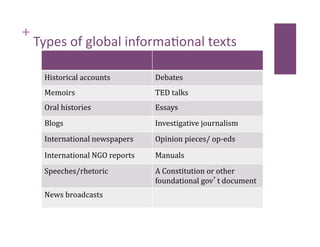
    Types of global informa8onal texts 

     Historical accounts          Debates 
     Memoirs                      TED talks 
     Oral histories               Essays 
     Blogs                        Investigative journalism 
     International newspapers     Opinion pieces/ op‐eds 

     International NGO reports    Manuals 
     Speeches/rhetoric            A Constitution or other 
                                  foundational gov t document 
     News broadcasts 
+
    Strategies & Ac8vi8es 
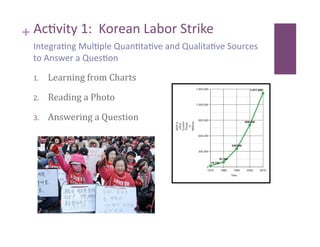
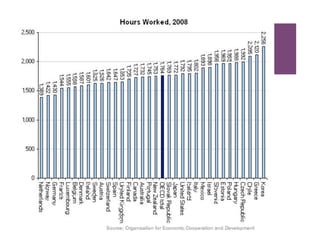
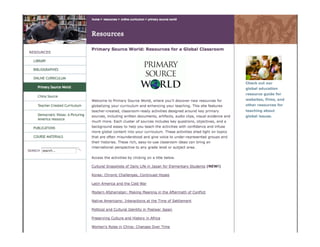
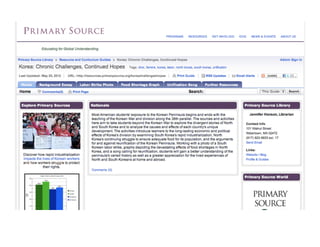
+ Ac8vity 1:  Korean Labor Strike 
  Integra8ng Mul8ple Quan8ta8ve and Qualita8ve Sources 
  to Answer a Ques8on 

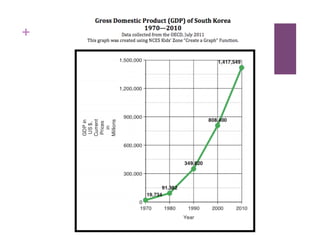
  1.    Learning from Charts 

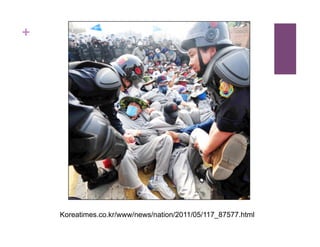
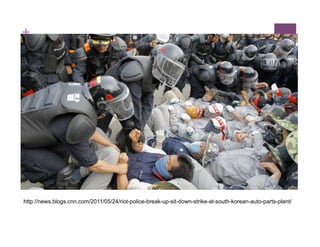
  2.    Reading a Photo 

  3.    Answering a Question 
+
+
+


    Koreatimes.co.kr/www/news/nation/2011/05/117_87577.html
+


http://news.blogs.cnn.com/2011/05/24/riot-police-break-up-sit-down-strike-at-south-korean-auto-parts-plant/
+ Korean News Ar8cle                        
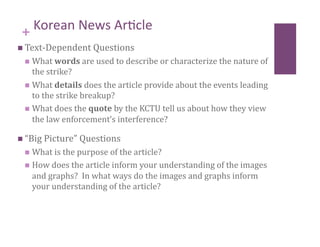
  Text‐Dependent Questions 
   What words are used to describe or characterize the nature of 
    the strike? 
   What details does the article provide about the events leading 
    to the strike breakup? 
   What does the quote by the KCTU tell us about how they view 
    the law enforcement’s interference? 

  “Big Picture” Questions 
   What is the purpose of the article? 
   How does the article inform your understanding of the images 
   and graphs?  In what ways do the images and graphs inform 
   your understanding of the article? 
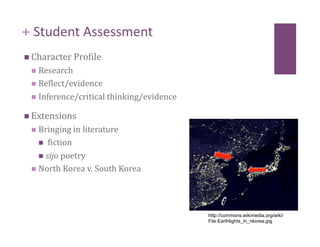
+ Student Assessment 
  Character Procile 
   Research 
   Reclect/evidence 

   Inference/critical thinking/evidence 

  Extensions 
   Bringing in literature 
      ciction 

     sijo poetry 
   North Korea v. South Korea 


                                            http://commons.wikimedia.org/wiki/
                                            File:Earthlights_in_nkorea.jpg
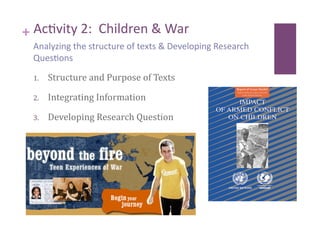
+ Ac8vity 2:  Children & War 
 Analyzing the structure of texts & Developing Research 
 Ques8ons 

 1.    Structure and Purpose of Texts 

 2.    Integrating Information 

 3.    Developing Research Question 
+ Excerpts from Impact of Armed Conflict on Children 
  & Beyond the Fire:  Teen Experiences in War 
  Integra8ng informa8on from mul8ple global sources 

    Part 1:  Popcorn read UN Report Note & Introduction 
     Structure:  What are the Main Parts? 
       Title 

       Opening Note—Purpose, Tone (words?), Type of Writing 
       Report/Summary—Purpose, Tone (words?), Type of Writing 
       How does each part inform our understanding of the other? 

     Text‐Dependent 
       What words and details does the author use to describe war’s 
       effect on children? 
+ Excerpts from Impact of Armed Conflict 
  on Children (UN Report, 1996) 
 Structure & Purpose of a Global Informa8onal Text 
   Major Issues Identicied in UN Report 
     Forced cleeing & displacement 
     Recruitment to military & participation in war 

     Breakdown of family support systems 

     Violent attacks 

     Threats to health (walking, water, food, illness) 

     Gender‐based violence 

     Risk of dying 


   Identify evidence for issues in oral history transcripts.   

   Write strongest evidence on back of paper. 
+ From Reading to Research  
  Wri8ng informa8ve/explanatory texts and conduc8ng short 
  research projects 


  Task:  Develop a Research Question About the War in Somalia 
    What do you need to know? 
    Write a paragraph:  

      How did you decide on this question? Why? 

  Criteria 
    Question is clearly‐stated and research appropriate 
    Paragraph uses evidence from Beyond the Fire and cites passages 
    correctly 

  Follow Up Options 
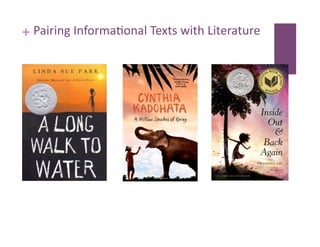
+ Pairing Informa8onal Texts with Literature 
+
    Resources 
+
    More on the Common Core 
        Common Core State Standards Initiative 
         http://www.corestandards.org/  

        Partnership for 21st Century Skills Common Core Toolkit 
         http://www.p21.org/tools‐and‐resources/publications/p21‐
         common‐core‐toolkit  

        Partnership for Assessment of Readiness for College and Careers 
         http://www.parcconline.org/ and Smarter Balanced Assessment 
         Consortium http://www.k12.wa.us/smarter/  

        Measuring Text Complexity (Kansas DOE) 
         http://www.ksde.org/Default.aspx?tabid=4605  
+
    Resources for Informa8onal Texts 
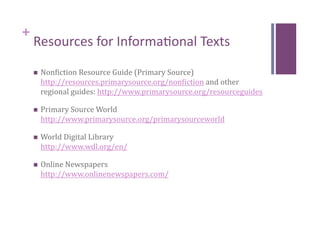
        Nonciction Resource Guide (Primary Source) 
         http://resources.primarysource.org/nonciction and other 
         regional guides: http://www.primarysource.org/resourceguides 

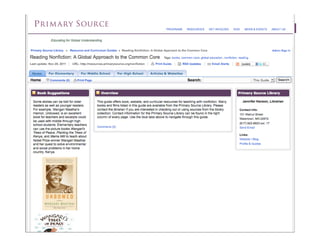
        Primary Source World 
         http://www.primarysource.org/primarysourceworld 

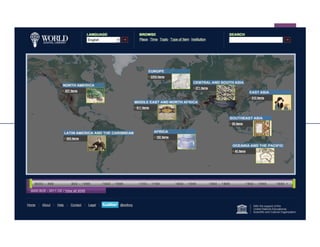
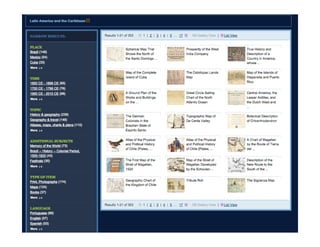
        World Digital Library                               
         http://www.wdl.org/en/    

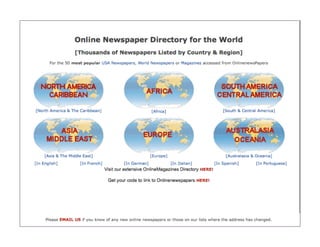
        Online Newspapers           
         http://www.onlinenewspapers.com/  
+
    Ques8ons & Wrap Up 
     Questions? 

     elizabeth@primarysource.org 

     Exhibit Booth # 7 

     Thanks! 

Primary Source Common Core PowerPoint

  • 1.
    Common Core and the Humani/es:   Global Approaches for Social Studies  and ELA  Liz Howald, Program Director 
  • 2.
    + Workshop Agenda    “The Big Changes”     Informational Texts for Social Studies & ELA     Strategies & Activities    Korea    Children & War    Resources    Q/A & Discussion  
  • 3.
    + Warm Up    Group Introductions    Paired Introductions    Introduce Yourselves    Know, Wonder, Fear, and Hope (Think/Pair/Share) 
  • 4.
  • 5.
    + Common Core: The Big Changes    Interdisciplinary: shared responsibility for literacy    Emphasis on college and career‐readiness    Internationally benchmarked (to ensure students are globally  competitive and collaborative)    Skills are cumulative     Reading: greater emphasis on informational texts (esp. in ELA)    Reading: greater focus on text complexity    Writing: strong emphasis on argument and informative/ explanatory  writing, writing about sources, and using evidence to  inform argument 
  • 6.
    + Common Core Standards for ELA and Literacy in  History/Social Studies  Students who are  College and Career Ready :    Demonstrate independence    Use technology and digital  media strategically, capably    Build strong content  knowledge through research    Come to understand other  perspectives and cultures    Adapt communication to  demands of audience, task,  purpose, & discipline    Comprehend as well as  critique    Value evidence  From CCSS for ELA (p. 7) 
  • 7.
    + Reading Standards for Literacy  Categories for History and ELA    Key Ideas and Details    Craft and Structure    Integration of Knowledge and Ideas    Range of Reading and Level of Text Complexity 
  • 8.
    + What types of informa8onal texts are  you using to teach about the world?  What types could you use? 
  • 9.
    + Types of global informa8onal texts  Historical accounts  Debates  Memoirs  TED talks  Oral histories  Essays  Blogs  Investigative journalism  International newspapers  Opinion pieces/ op‐eds  International NGO reports  Manuals  Speeches/rhetoric  A Constitution or other  foundational gov t document  News broadcasts 
  • 10.
    + Strategies & Ac8vi8es 
  • 11.
    + Ac8vity 1:  Korean Labor Strike  Integra8ng Mul8ple Quan8ta8ve and Qualita8ve Sources  to Answer a Ques8on  1.  Learning from Charts  2.  Reading a Photo  3.  Answering a Question 
  • 12.
  • 13.
  • 14.
    + Koreatimes.co.kr/www/news/nation/2011/05/117_87577.html
  • 15.
  • 16.
    + Korean News Ar8cle      Text‐Dependent Questions    What words are used to describe or characterize the nature of  the strike?    What details does the article provide about the events leading  to the strike breakup?    What does the quote by the KCTU tell us about how they view  the law enforcement’s interference?    “Big Picture” Questions    What is the purpose of the article?    How does the article inform your understanding of the images  and graphs?  In what ways do the images and graphs inform  your understanding of the article? 
  • 17.
    + Student Assessment    Character Procile    Research    Reclect/evidence    Inference/critical thinking/evidence    Extensions    Bringing in literature     ciction    sijo poetry    North Korea v. South Korea  http://commons.wikimedia.org/wiki/ File:Earthlights_in_nkorea.jpg
  • 18.
    + Ac8vity 2:  Children & War  Analyzing the structure of texts & Developing Research  Ques8ons  1.  Structure and Purpose of Texts  2.  Integrating Information  3.  Developing Research Question 
  • 19.
    + Excerpts from Impact of Armed Conflict on Children  & Beyond the Fire:  Teen Experiences in War  Integra8ng informa8on from mul8ple global sources    Part 1:  Popcorn read UN Report Note & Introduction    Structure:  What are the Main Parts?    Title    Opening Note—Purpose, Tone (words?), Type of Writing    Report/Summary—Purpose, Tone (words?), Type of Writing    How does each part inform our understanding of the other?    Text‐Dependent    What words and details does the author use to describe war’s  effect on children? 
  • 20.
    + Excerpts from Impact of Armed Conflict  on Children (UN Report, 1996)  Structure & Purpose of a Global Informa8onal Text    Major Issues Identicied in UN Report    Forced cleeing & displacement    Recruitment to military & participation in war    Breakdown of family support systems    Violent attacks    Threats to health (walking, water, food, illness)    Gender‐based violence    Risk of dying    Identify evidence for issues in oral history transcripts.      Write strongest evidence on back of paper. 
  • 21.
    + From Reading to Research   Wri8ng informa8ve/explanatory texts and conduc8ng short  research projects    Task:  Develop a Research Question About the War in Somalia    What do you need to know?    Write a paragraph:     How did you decide on this question? Why?    Criteria    Question is clearly‐stated and research appropriate    Paragraph uses evidence from Beyond the Fire and cites passages  correctly    Follow Up Options 
  • 22.
  • 23.
    + Resources 
  • 24.
    + More on the Common Core    Common Core State Standards Initiative  http://www.corestandards.org/     Partnership for 21st Century Skills Common Core Toolkit  http://www.p21.org/tools‐and‐resources/publications/p21‐ common‐core‐toolkit     Partnership for Assessment of Readiness for College and Careers  http://www.parcconline.org/ and Smarter Balanced Assessment  Consortium http://www.k12.wa.us/smarter/     Measuring Text Complexity (Kansas DOE)  http://www.ksde.org/Default.aspx?tabid=4605  
  • 25.
    + Resources for Informa8onal Texts    Nonciction Resource Guide (Primary Source)  http://resources.primarysource.org/nonciction and other  regional guides: http://www.primarysource.org/resourceguides    Primary Source World  http://www.primarysource.org/primarysourceworld    World Digital Library                                http://www.wdl.org/en/       Online Newspapers            http://www.onlinenewspapers.com/  
  • 32.
    + Ques8ons & Wrap Up   Questions?   elizabeth@primarysource.org   Exhibit Booth # 7   Thanks!