HISTORY
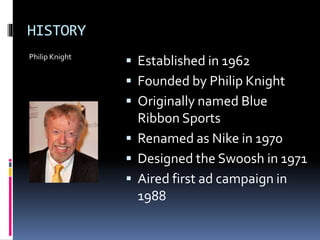
Philip Knight
 Established in 1962
 Founded by Philip Knight
 Originally named Blue
Ribbon Sports
 Renamed as Nike in 1970
 Designed the Swoosh in 1971
 Aired first ad campaign in
1988
MISSION
To be the world’s leading sports and fitness
company
🚀
VISION
To bring inspiration and innovation to every
athlete in the world
🔭
STRATEGY
 Believes in “pyramid of influence” where it
targets a small percentage of top atheletes
having a massive fan following
TOP
ATHELETES
MASS FAN
FOLLOWING
OBJECTIVES
 To be the world leader in sports equipment
and apparel
 To promote sports wear as fashion wear
 To enhance brand image by allying with
companies respected for social
responsibilities
📊
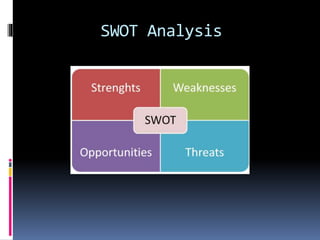
SWOT Analysis
Strength
 Strong global brand image
 High product quality
 Efficient R&D Department
 Loyal customer base
💪
Weakness
 Dependence on footwear sales
 Dependence on retailers
 Marketing solely driven by celebrity
endorsements
 Accused of violating labor laws
👎
Opportunity
 Could incorporate recycled materials in their
products
 Growing segment of female athletes
 Promoting sports wear as fashionable wear
 International expansion into growing markets
like Brazil
 Additional marketing to appeal to new
demographic groups
💡
Threats
 International currency changes reduce profits
 Negative publicity due to child labor,
controversial brand endorsers etc
 Highly competitive industry
 Profits mainly dependent on the sale of shoes
💀
Advertising Strategy
 Signs up top sports person as its brand
endorsers
 To expand overseas, made its advertisements
likeTV ads more relevant to the regional
masses
 Promoting equality as feminism is at its peak
 Nike aired its first ad in 1988 in its “Just Do It”
campaign, the most popular campaign so far
which subtly challenges people to chase their
goals
CHRISTIANO RONALDO
• Cristiano Ronaldo has generated over $500 million
in 2016.
• Ronaldo is the third athlete to sign a "lifetime"
endorsement with the company.
⚽️
TIGERWOODS
• In 2001, he signed a five-year extension that was
worth $100 million.
⛳️
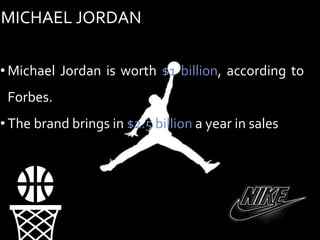
MICHAEL JORDAN
• Michael Jordan is worth $1 billion, according to
Forbes.
• The brand brings in $2.5 billion a year in sales
🏀
The Four Ps
PROS, CONS And RISKS Associated
With Marketing Strategy
 PROS: Strong marketing strategy, works on
technological advancements, high quality
products
 CONS: Has the image of luxury brand, should
launch a cheaper line of products for middle
class customers, and work on eco-friendly
products
 RISKS: Promotes through celebrity endorsers
which is risky since sportspeople are often
involved in scandals like doping etc
If you were Adidas, how would
you compete with Nike?
 I would spend more on R&D, primarily on
eco-friendly products which is a weak spot for
Nike
 I would collaborate with major giants to
launch a new line of products like Nike+ and
Fenty by Puma
 Sponsor sports team, coaches etc
 If Nike was endorsing them, I would overpay
them to lead Nike
RECOMMENDATION
 Should establish an apt ecommerce network
to sell to customers directly
 Should keep track of changing market trends
 Should target growing economies like China
etc
 Promote gender equality more aggressively
 Keep in check so as to not violate any more
labor laws
Summary
 History
 Mission
 Vision
 Strategy
 Objectives
 SWOT Ananlysis
 Advertising
 Recommendation
Disclaimer
This presentation is made by Anvesha Bhatt
during a marketing internship by Prof.
Sameer Mathur, IIM Lucknow.

presentationonnike-170620212636.pdf

  • 2.
    HISTORY Philip Knight  Establishedin 1962  Founded by Philip Knight  Originally named Blue Ribbon Sports  Renamed as Nike in 1970  Designed the Swoosh in 1971  Aired first ad campaign in 1988
  • 3.
    MISSION To be theworld’s leading sports and fitness company 🚀
  • 4.
    VISION To bring inspirationand innovation to every athlete in the world 🔭
  • 5.
    STRATEGY  Believes in“pyramid of influence” where it targets a small percentage of top atheletes having a massive fan following TOP ATHELETES MASS FAN FOLLOWING
  • 6.
    OBJECTIVES  To bethe world leader in sports equipment and apparel  To promote sports wear as fashion wear  To enhance brand image by allying with companies respected for social responsibilities 📊
  • 7.
  • 8.
    Strength  Strong globalbrand image  High product quality  Efficient R&D Department  Loyal customer base 💪
  • 9.
    Weakness  Dependence onfootwear sales  Dependence on retailers  Marketing solely driven by celebrity endorsements  Accused of violating labor laws 👎
  • 10.
    Opportunity  Could incorporaterecycled materials in their products  Growing segment of female athletes  Promoting sports wear as fashionable wear  International expansion into growing markets like Brazil  Additional marketing to appeal to new demographic groups 💡
  • 11.
    Threats  International currencychanges reduce profits  Negative publicity due to child labor, controversial brand endorsers etc  Highly competitive industry  Profits mainly dependent on the sale of shoes 💀
  • 12.
    Advertising Strategy  Signsup top sports person as its brand endorsers  To expand overseas, made its advertisements likeTV ads more relevant to the regional masses  Promoting equality as feminism is at its peak  Nike aired its first ad in 1988 in its “Just Do It” campaign, the most popular campaign so far which subtly challenges people to chase their goals
  • 13.
    CHRISTIANO RONALDO • CristianoRonaldo has generated over $500 million in 2016. • Ronaldo is the third athlete to sign a "lifetime" endorsement with the company. ⚽️
  • 14.
    TIGERWOODS • In 2001,he signed a five-year extension that was worth $100 million. ⛳️
  • 15.
    MICHAEL JORDAN • MichaelJordan is worth $1 billion, according to Forbes. • The brand brings in $2.5 billion a year in sales 🏀
  • 16.
  • 17.
    PROS, CONS AndRISKS Associated With Marketing Strategy  PROS: Strong marketing strategy, works on technological advancements, high quality products  CONS: Has the image of luxury brand, should launch a cheaper line of products for middle class customers, and work on eco-friendly products  RISKS: Promotes through celebrity endorsers which is risky since sportspeople are often involved in scandals like doping etc
  • 18.
    If you wereAdidas, how would you compete with Nike?  I would spend more on R&D, primarily on eco-friendly products which is a weak spot for Nike  I would collaborate with major giants to launch a new line of products like Nike+ and Fenty by Puma  Sponsor sports team, coaches etc  If Nike was endorsing them, I would overpay them to lead Nike
  • 19.
    RECOMMENDATION  Should establishan apt ecommerce network to sell to customers directly  Should keep track of changing market trends  Should target growing economies like China etc  Promote gender equality more aggressively  Keep in check so as to not violate any more labor laws
  • 20.
    Summary  History  Mission Vision  Strategy  Objectives  SWOT Ananlysis  Advertising  Recommendation
  • 21.
    Disclaimer This presentation ismade by Anvesha Bhatt during a marketing internship by Prof. Sameer Mathur, IIM Lucknow.