Introduction to Researchpaper presentation:
• This extended report provides an in-depth analysis of green
building certification systems used worldwide.
• As environmental concerns become increasingly urgent, the
construction sector must adopt more sustainable practices.
Green building certifications such as LEED, BREEAM,
WELL, and others provide a means to evaluate and promote
sustainability in architecture. The report examines these
systems thoroughly, discussing their origins, evaluation
criteria, implementation challenges, global adoption, and
the transformative potential they hold for the future of the
built environment.
4.
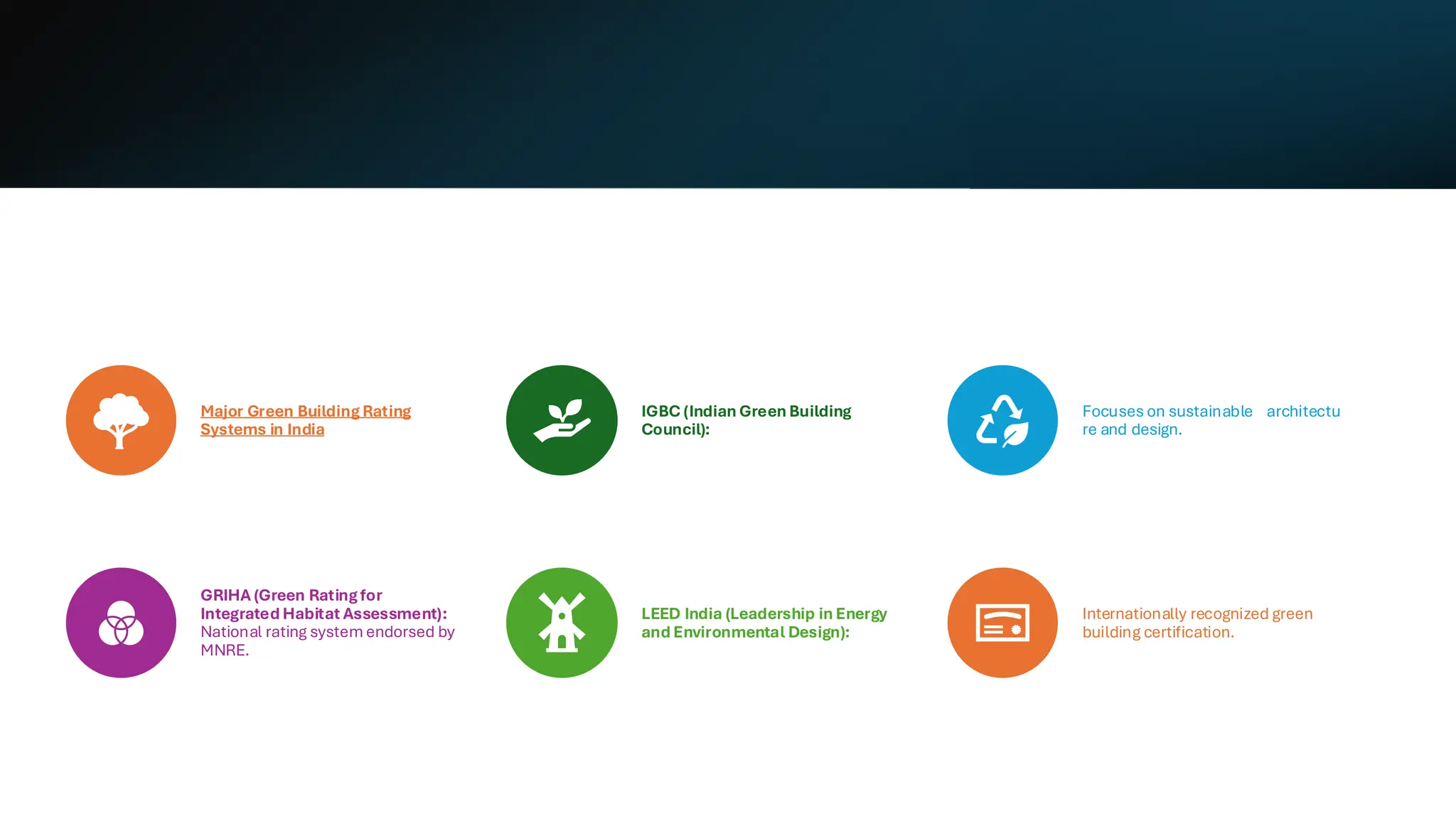
Major Green BuildingRating
Systems in India
IGBC (Indian Green Building
Council):
Focuses on sustainable architectu
re and design.
GRIHA (Green Rating for
IntegratedHabitat Assessment):
National rating system endorsed by
MNRE.
LEED India (Leadership in Energy
andEnvironmental Design):
Internationally recognized green
building certification.
5.
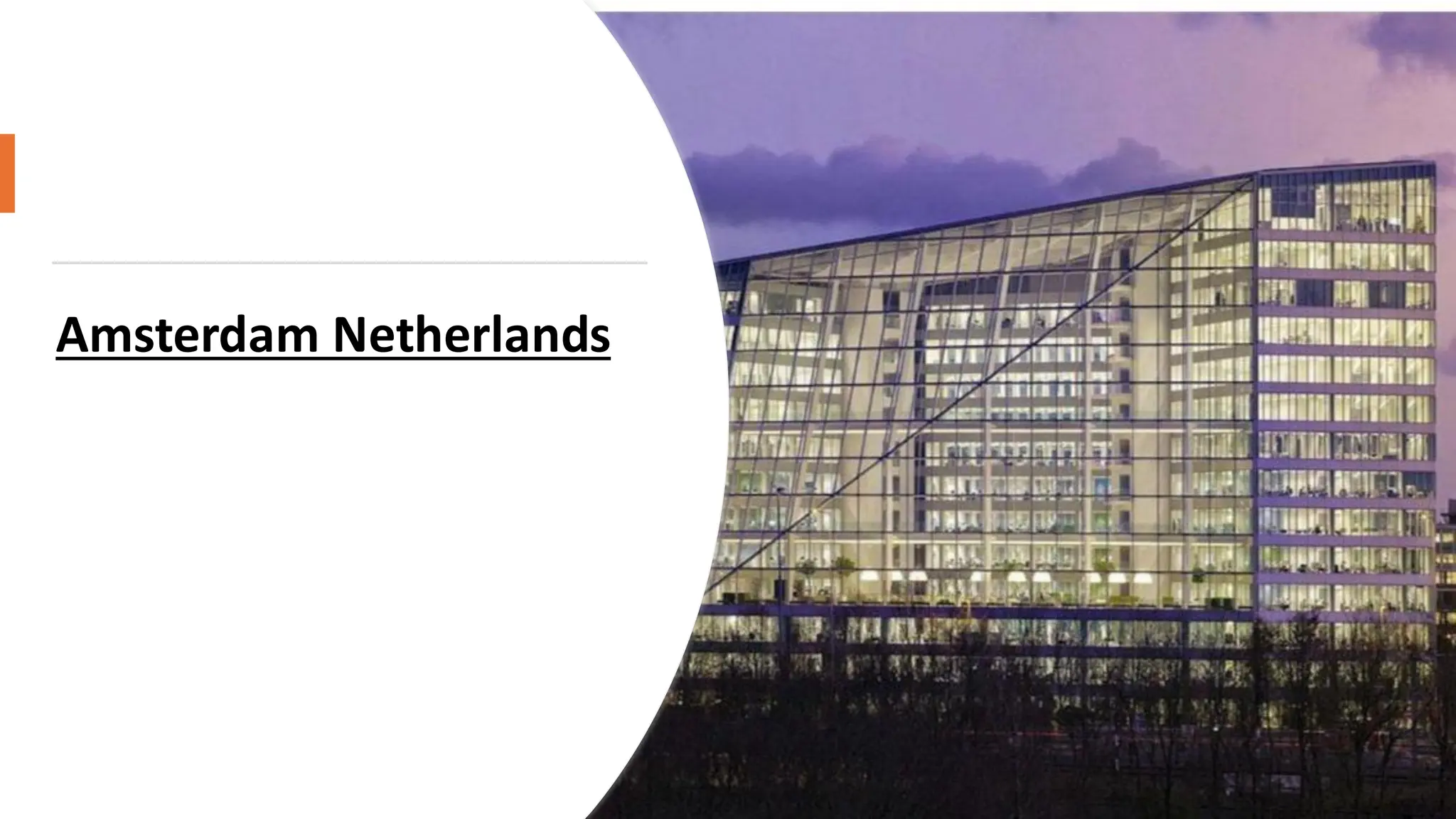
Case 1: LEEDCase Study: The Edge –Amsterdam, Netherlands
• Project Name: The Edge
• Location: Amsterdam, Netherlands
• Building Type: Commercial Office Building
• Developer: OVG Real Estate
• Year Completed: 2015
• Certification: LEED Platinum
• LEED Score: 98 out of 110 – among the highest LEED
• scores in the world
Key Sustainable Features
1) Energy Efficiency
• Project Name: The Edge
• Uses 70% less electricity than average office buildings.
• Integrated with solar panels on the roof and south-facingwalls.
• Smart sensors adjust lighting and heating based onoccupancy.
6.
2) Smart BuildingTechnology
• Connected to a central smart system via employees'smartphones.
• Occupants can personalize their workspace (temperature,lighting).
• Building "learns" from usage patterns to reduce waste.
3) Water Conservation
• Rainwater harvesting system supplies toilets andgarden irrigation.
• Low-flow fixtures throughout the building reducewater use.
4) Indoor Environmental Quality
• Maximum use of natural daylight through an open atriumdesign.
• Enhanced indoor air quality with efficient ventilation.
• Biophilic elements like green walls and natural materials.
5) Materials & Waste:
• Use of recycled and locally so ocurced materials.Robust waste management system during and
after construction
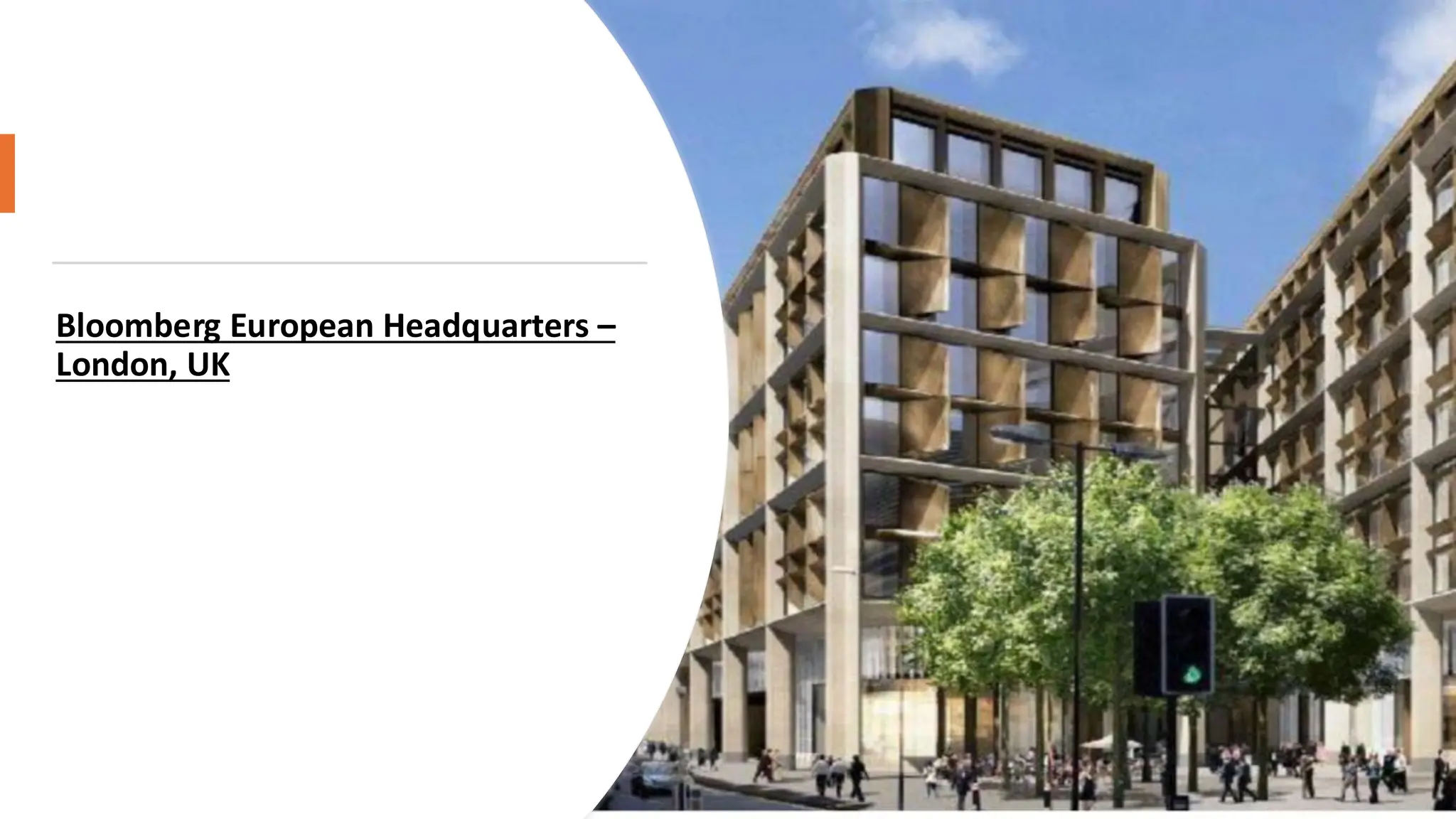
Case2: BREEAM CaseStudy: Bloomberg European Headquarters – London, UK
• Integrated vacuum flush toilets reduce water use by 75%.
• Project Name: Bloomberg European Headquarters
• Location: London, United Kingdom
• Client: Bloomberg L.P.
• Architect: Foster + Partners
• Completed: 2017
• BREEAM Certification: Outstanding
• Score: 98.5% – highest BREEAM score ever awarded (as of 2023)
Key Sustainable Features
1. Energy Efficiency
• Buiding uses 40% less energy than a typical office.
• Features Ceiling-mounted aluminum “petals”that reflect light and cool the space.
• Uses natural ventilation for most of the year.
9.
2. Water Management
•Integrated vacuum flush toilets reduce water use by 75%.
• Rainwater harvesting system supports flushing and irrigation.
• On-site grey water recycling to minimize mains water consumption.
3) Material Selection:
• Use of sustainably sourced materials, including recycled copper and low-carbon concrete.
• Designed with demountable floors and ceilings to enable future adaptability.
• Materials chosen for low embodied carbon and durability.
4) Waste and Emissions Reduction
• 99% of construction waste was diverted from landfill.
• Low-emission construction practices and on-site monitoring of pollutants.
• Uses LED lighting and daylight-responsive controls to reduce emissions.
5) Occupant Health and Comfort
• Enhanced indoor air quality monitoring.
• High levels of natural daylight throughout office floors.
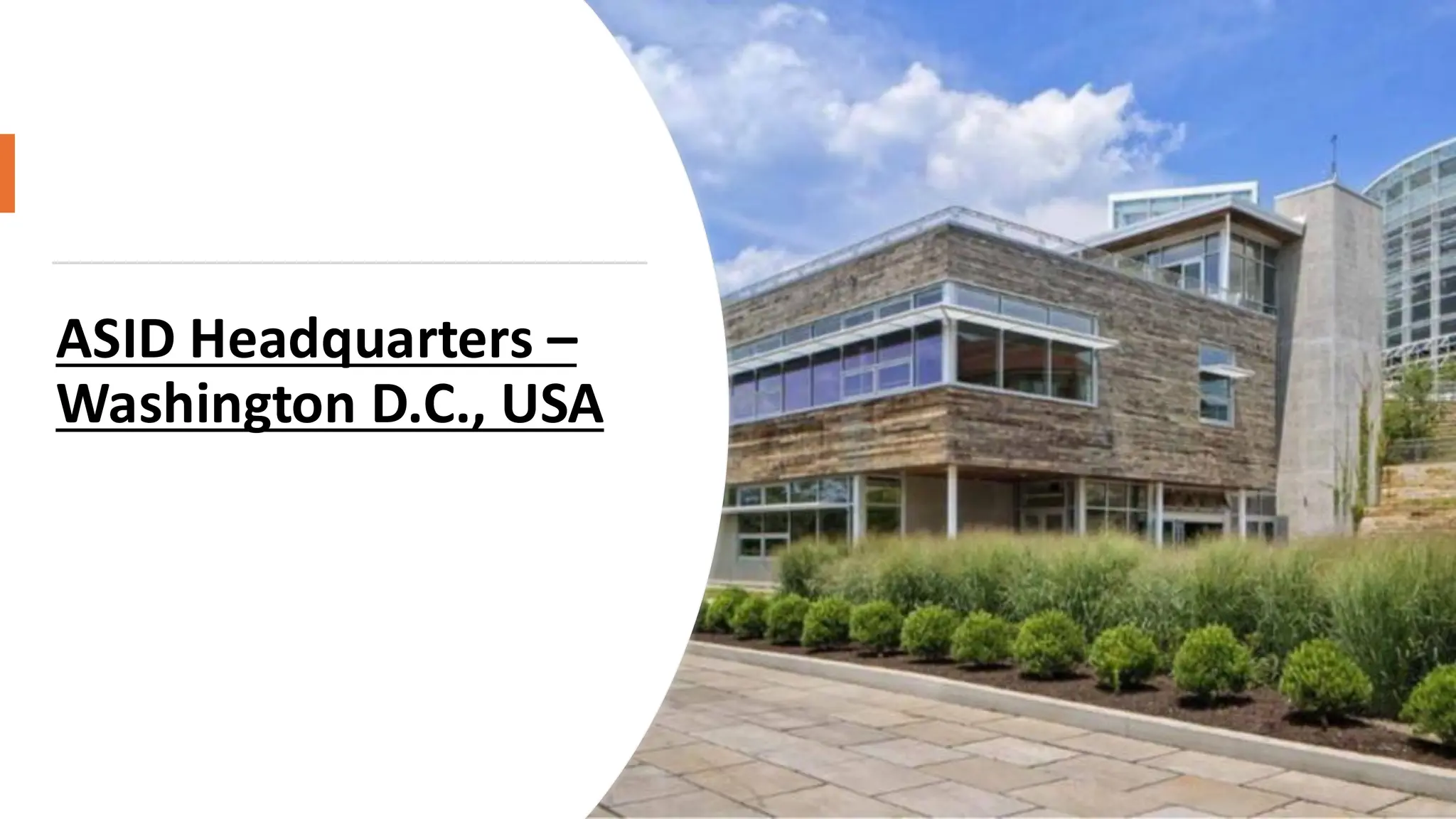
Case 3 WELLCase Study: ASID Headquarters – Washington D.C., USA
• Project Name: ASID (American Society of Interior Designers) Headquarters
• Location: Washington D.C., United States
• Building Type: Commercial Office / Workplace
• Completed: 2017
•Certifications:
• WELL Platinum (v1) – First in the world
• LEED Platinum
• Significance: First space globally to achieve both WELL and LEED Platinumcertifications.
Key WELL Features
• Indoor Air Quality Enhanced ventilation system that exceeds ASHRAE standards.
• Use of low-emission materials to reduce VOCs (Volatile Organic Compounds).
• Continuous air quality monitoring to track CO₂, VOCs, and PM
12.
2. Lighting DesignCircadian lighting systems to support natural leep-wakecycles.
• a. Maximized daylight access to reduce eye strain and improve mood.
• b. Task lighting for occupant control.
3. Nourishment
• a. Onsite access to healthy food options and nutritional education.
• b. Elimination of processed and sugar-rich food options in vending areas.
4. Thermal Comfort
• a. Occupant-controlled thermal zones to suit individual preferences.
• b. Monitoring of temperature and humidity for consistent comfort.
5. Biophilic Design
• a. Integration of natural materials, textures, and colors.
• b. Green walls and indoor plant installations promote connection to nature.
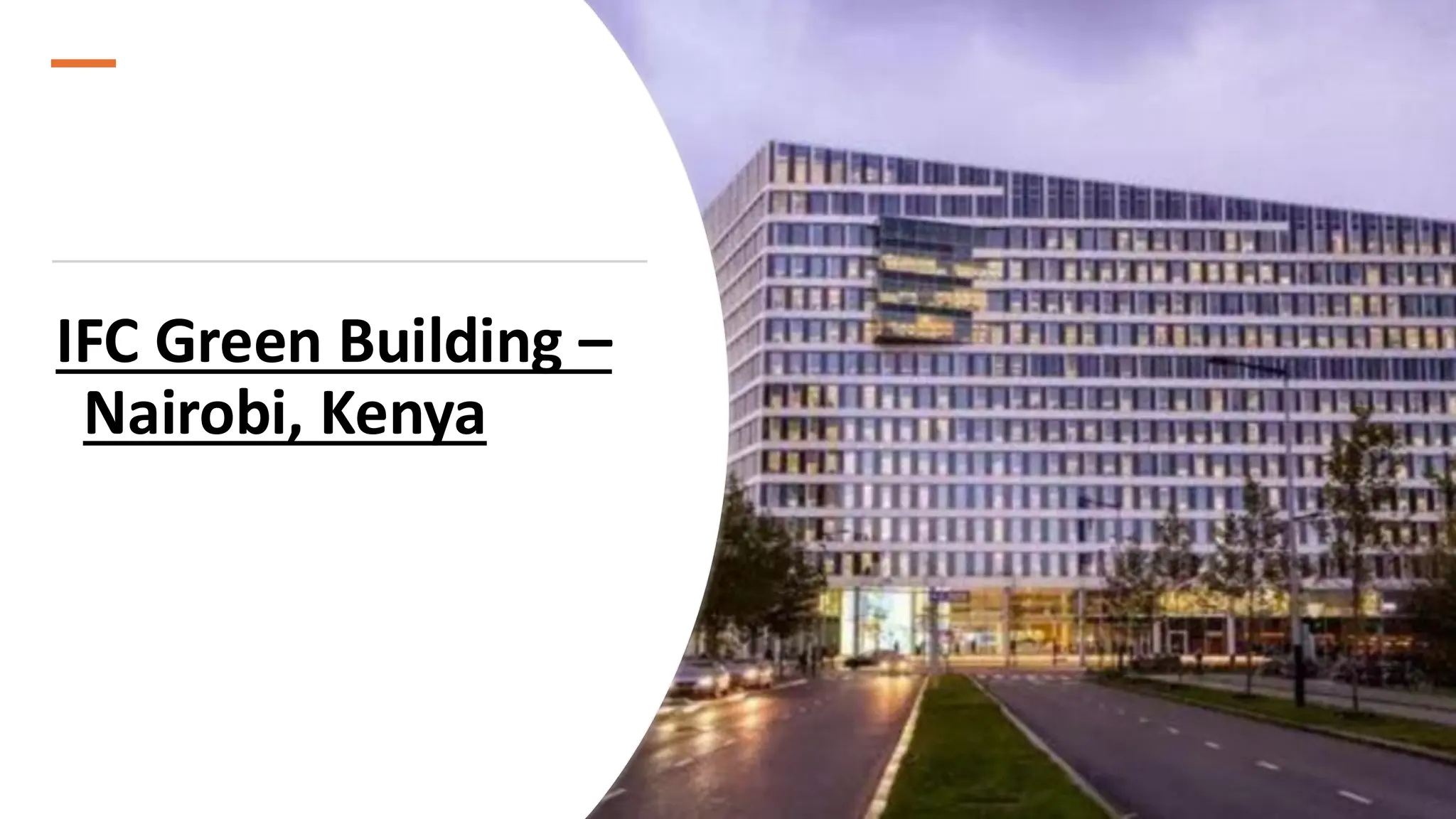
Case4 EDGE CaseStudy: IFC Green Building – Nairobi, Kenya
• Project Name: IFC (International Finance Corporation) Green Building
• Location: Nairobi, Kenya• Building Type: Office Building (Headquarters of IFC in Africa)
• Certification: EDGE Advanced
• Developer: IFC (a member of the World Bank Group)
• Year Completed: 2016
• Significance: One of the first EDGE-certified buildings in East Africa,designed
to demonstrate green affordability.
Key Sustainable Features
• 1. Energy Efficiency
• a. Achieved over 40% energy savings compared to local building norms.
• b. Solar PV system on the roof for clean energy generation.
• c. Use of energy-efficient lighting, HVAC systems, and motion sensors.
15.
2. Water Conservation
•a. Achieved 58% reduction in water usage.
• b. Low-flow faucets, dual-flush toilets, and water- efficient landscaping.
• c. Rainwater harvesting system integrated for landscape irrigation.
3. Materials
• a. Materials selected based on low embodied energy and local availability.
• b. Use of compressed stabilized earth blocks forwalls — both sustainable and cost-
effective.
• c. Minimal use of steel and concrete where possible.
4. Design for Climate
• a. Passive design strategies: natural ventilation, shading devices, thermal massing.
• b. North-south building orientation for optimal daylight and reduced heat gain.c. Open-
plan interior promotes air flow and reduces the need for mechanical cooling.
Journals on greenbuildings
Journal:
Impact of Green Building Certification on The Rent
of Commercial Properties: A Review
Authors:
A) Thebuwena
B) Arachchige
C) Chandana Hemantha Jayakody
INTRODUCTION
During the 27th United Nations Climate Change Session, it was determined that
the anticipated temperature increase of 2.8°C by the end of the century is
significantly higher than previously estimated during the 26th conference. An
immediate and comprehensive system wide change is necessary to limit the
emission of greenhouse gases and maintain the increase in temperature of 1.5°C
by 2030.
18.
The analysis emphasisesthe crucial importance of transformative
measures in critical sectors, such as electrical supply,industry,
transportation, buildings, food, and finance.Therefore, it is crucial to
focus on low-energy buildings, also knownas sustainable, eco or green
buildings, to reducethe strain on environmental resources and limit
negative impacts on humanhealth by using natural resources
efficiently. Apart from global warming, the need for energy-efficient
structures is necessary due toresource scarcity and other factors.
Conclusion
Green building certification systems like LEED, BREEAM,
WELL, EDGE, and Green Star play a critical role in driving sustainable
development. Each system offers aunique framework for improving
building performance across areas such as energy efficiency,
waterconservation, occupant health, material selection,
and environmental impact.




![Green_House_Building[2].pptx](https://cdn.slidesharecdn.com/ss_thumbnails/greenhousebuilding2-230720022537-b1d5544d-thumbnail.jpg?width=640&height=640&fit=bounds)
![Green_House_Building[2].pptx](https://cdn.slidesharecdn.com/ss_thumbnails/greenhousebuilding2-230720022848-42b2adb3-thumbnail.jpg?width=640&height=640&fit=bounds)


