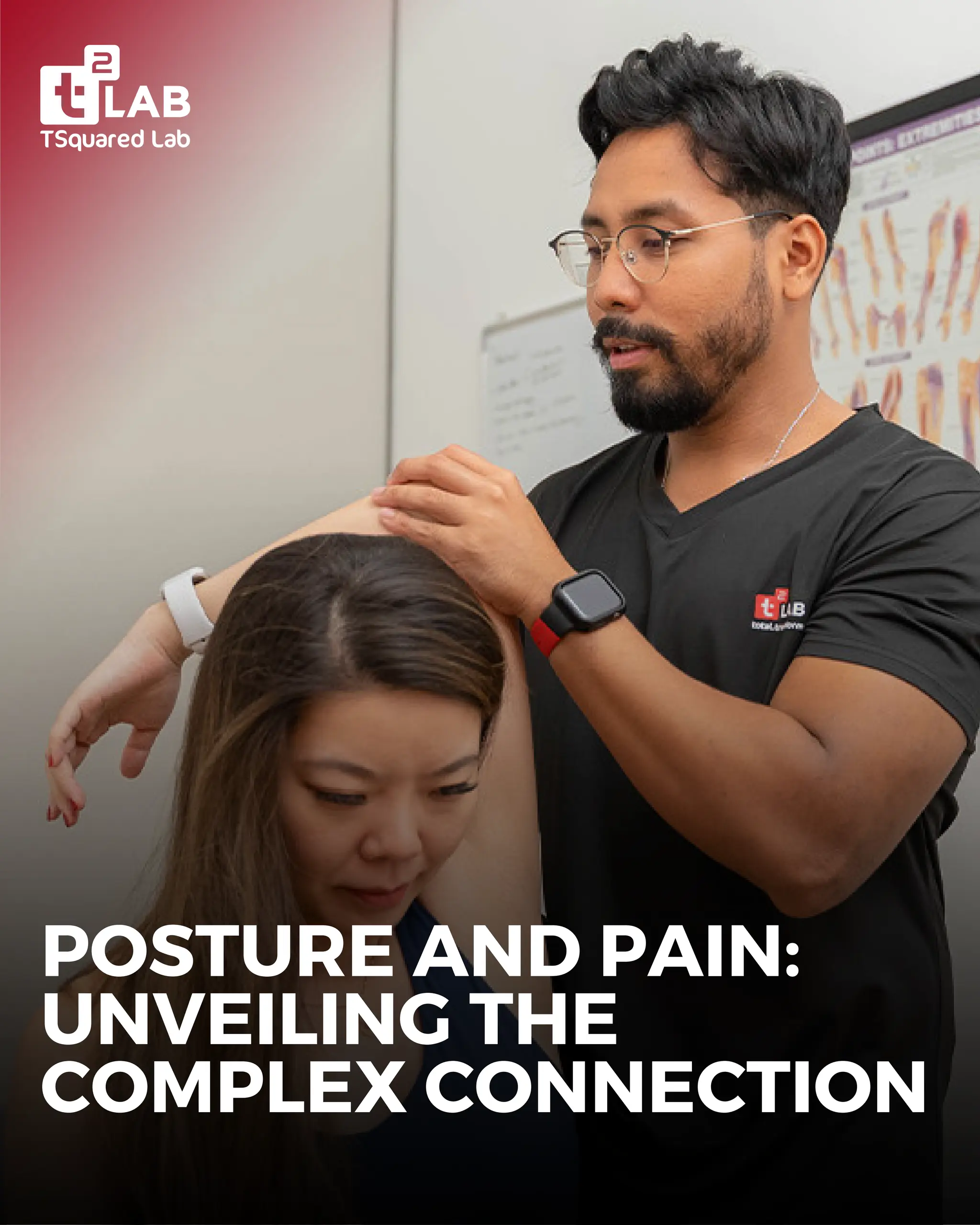
POSTURE AND PAIN:
UNVEILING THE
COMPLEX CONNECTION
In Singapore's fast-paced
environment, maintaining good
posture is a common concern.
Contrary to the belief that poor
posture directly leads to pain,
there's a complex relationship
between posture and pain that
merits exploration.
Posture and Pain: Unveiling
the Complex Connection
The Myth of Simple
Cause and Effect
Poor posture isn't the direct cause
of pain. Instead, it's one of many
factors in a complex equation
affecting physical well-being. The
relationship between posture and
pain is intricate, influenced by
various elements.
The Myth of Simple Cause
and Effect
Understanding the
Factors Influencing
Pain
Pain is influenced by genetics,
lifestyle, and individual differences.
Genetic predispositions, lifestyle
choices, and personal variations all
contribute to how our bodies
respond to posture and experience
pain.
Understanding the Factors
Influencing Pain
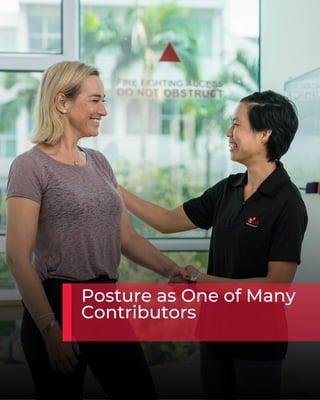
Posture as One of Many
Contributors
While posture is a factor in pain, it's
not the sole cause. A holistic view
is crucial, considering genetics,
lifestyle, and individual differences
in understanding pain and well-
being.
Posture as One of Many
Contributors
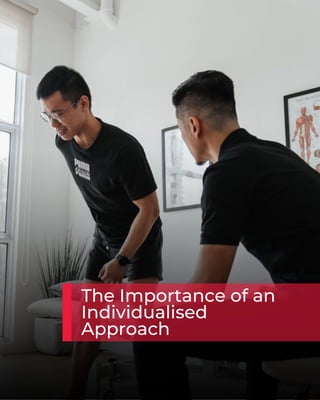
The Importance of an
Individualised
Approach
Each person’s body is a unique
composition of genes, experiences,
and lifestyle choices, highlighting
the need for a tailored and
individualised approach to both
addressing pain and improving
posture.
The Importance of an
Individualised Approach
Celebrating Uniqueness: Your
body is unique. A posture or
exercise that works for one might
not suit you. Embrace a plan that's
tailored for your individual needs.
The Importance of an
Individualised Approach
Factors Influencing Individual
Responses: Your response to
posture changes is personal,
influenced by your body structure,
past injuries, and daily activities.
The Need for Customised
Solutions: Avoid one-size-fits-all
solutions. Opt for customized
solutions that respect your body's
individual needs and challenges.
The Importance of an
Individualised Approach
The Role of Healthcare
Professionals: Healthcare
professionals are key in your
journey to better posture, offering
personalised plans based on a
thorough understanding of your
unique case.
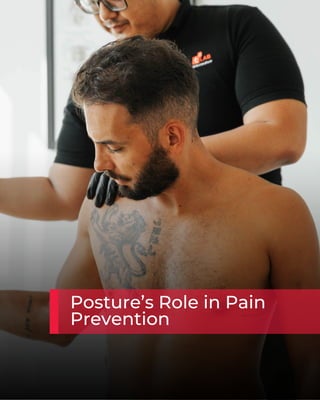
Posture’s Role in Pain
Prevention
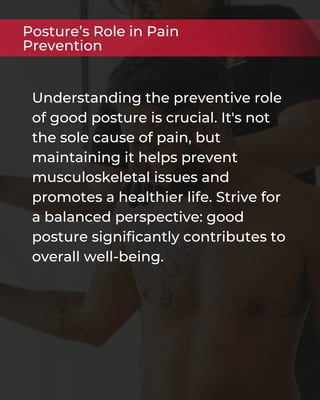
Understanding the preventive role
of good posture is crucial. It's not
the sole cause of pain, but
maintaining it helps prevent
musculoskeletal issues and
promotes a healthier life. Strive for
a balanced perspective: good
posture significantly contributes to
overall well-being.
Posture’s Role in Pain
Prevention
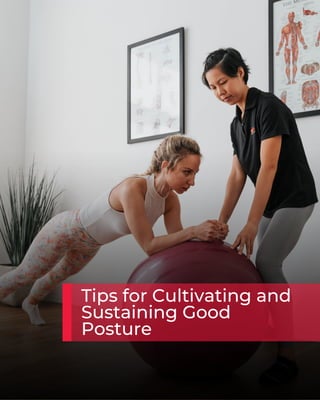
Tips for Cultivating and
Sustaining Good
Posture
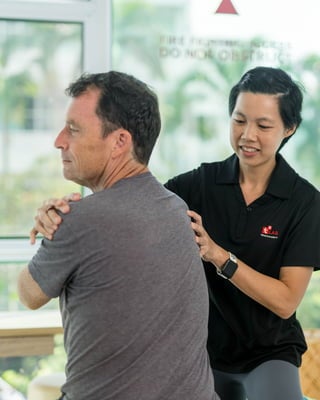
Ergonomic Workspaces: In a city
where office work is prevalent,
creating an ergonomic workspace
is crucial. Adjust the height of
chairs and desks, position monitors
at eye level, and support the lower
back with appropriate chairs to
encourage good posture.
Regular Breaks and Movement:
Encourage breaks throughout the
day, especially for those with
sedentary jobs. Simple stretches
and movements help prevent
stiffness and promote better
posture.
Tips for Cultivating and
Sustaining Good Posture
Strengthening Exercises:
Incorporate exercises that target
core strength, back muscles, and
flexibility. A strong and flexible
musculature provides essential
support for maintaining good
posture.
Mindful Posture Check-Ins:
Develop a habit of regularly
checking and correcting your
posture. Mindful awareness can
help break the cycle of poor
posture and instill healthier habits.
Tips for Cultivating and
Sustaining Good Posture
Yoga and Pilates: Consider
integrating practices like yoga or
Pilates into your routine. These
disciplines focus on body
awareness, core strength, and
flexibility – all of which contribute
to improved posture.
Sleeping Posture: Pay attention to
your sleeping posture. Use
supportive pillows and mattresses
that align with the natural curves of
your spine.
Tips for Cultivating and
Sustaining Good Posture
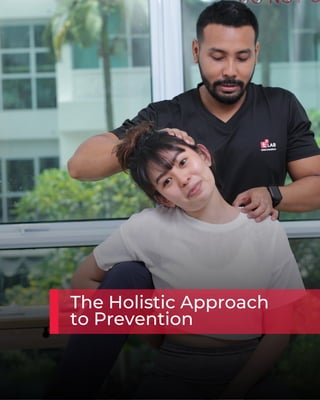
The Holistic Approach
to Prevention
Preventing pain goes hand in hand
with adopting a holistic approach
to well-being. Cultivating good
posture is a proactive step toward
maintaining a healthy
musculoskeletal system and
preventing pain-related issues.
Real-life stories often provide the
most compelling evidence. Let’s
delve into case studies that
challenge the long-standing
stereotype of poor posture as the
primary cause of pain.
The Holistic Approach to
Prevention
Meet Jason, a young professional
immersed in Singapore’s fast-
paced corporate world. Despite
maintaining a seemingly ideal
posture at his desk, Jason began
experiencing persistent lower back
pain. Upon closer examination, it
was revealed that his pain was
exacerbated by a lack of regular
movement throughout the day.
Implementing a routine of
stretching and short walks
significantly alleviated his
discomfort, emphasising the role of
sedentary behavior rather than
posture as the primary contributor.
Case Study 1: The Active
Professional
Melissa, an avid athlete, faced
recurring knee pain that seemed
unrelated to her exercise routine.
While her running form and
posture appeared impeccable, a
thorough assessment revealed
muscle imbalances and
weaknesses in her hip and gluteal
muscles. Targeted exercises to
address these weaknesses not only
improved her posture but also
resolved the underlying cause of
her knee pain.
Case Study 2: The Athlete’s
Dilemma
Diverse Contributing Factors: Pain
can stem from various sources,
including lifestyle, movement
patterns, and muscle imbalances.
Individualised Solutions: Each
case requires a tailored approach,
acknowledging the unique needs
and challenges faced by
individuals.
Comprehensive Assessments:
Thorough assessments, often
involving healthcare professionals,
are crucial in identifying the root
causes of pain.
Key Takeaways from Case
Studies:
Physical Therapy addresses more
than posture, assessing movement,
muscle imbalances, and joint
mobility for lasting musculoskeletal
health improvements.
Targeted Exercises tailored for
strength, flexibility, and balance
address root causes of pain and
prevent future issues, enhancing
overall body function.
Mindfulness and Stress
Management Mindfulness
practices reduce stress and muscle
tension, promoting better posture
and contributing to overall physical
and mental well-being.
Key Takeaways from Case
Studies:
www.tsquaredlab.com
@tsquaredlab
Visit our website
Follow us on

Posture and Pain Unveiling the Complex Connection.pdf

  • 1.
    POSTURE AND PAIN: UNVEILINGTHE COMPLEX CONNECTION
  • 2.
    In Singapore's fast-paced environment,maintaining good posture is a common concern. Contrary to the belief that poor posture directly leads to pain, there's a complex relationship between posture and pain that merits exploration. Posture and Pain: Unveiling the Complex Connection
  • 3.
    The Myth ofSimple Cause and Effect
  • 4.
    Poor posture isn'tthe direct cause of pain. Instead, it's one of many factors in a complex equation affecting physical well-being. The relationship between posture and pain is intricate, influenced by various elements. The Myth of Simple Cause and Effect
  • 5.
  • 6.
    Pain is influencedby genetics, lifestyle, and individual differences. Genetic predispositions, lifestyle choices, and personal variations all contribute to how our bodies respond to posture and experience pain. Understanding the Factors Influencing Pain
  • 7.
    Posture as Oneof Many Contributors
  • 8.
    While posture isa factor in pain, it's not the sole cause. A holistic view is crucial, considering genetics, lifestyle, and individual differences in understanding pain and well- being. Posture as One of Many Contributors
  • 9.
    The Importance ofan Individualised Approach
  • 10.
    Each person’s bodyis a unique composition of genes, experiences, and lifestyle choices, highlighting the need for a tailored and individualised approach to both addressing pain and improving posture. The Importance of an Individualised Approach
  • 11.
    Celebrating Uniqueness: Your bodyis unique. A posture or exercise that works for one might not suit you. Embrace a plan that's tailored for your individual needs. The Importance of an Individualised Approach Factors Influencing Individual Responses: Your response to posture changes is personal, influenced by your body structure, past injuries, and daily activities.
  • 12.
    The Need forCustomised Solutions: Avoid one-size-fits-all solutions. Opt for customized solutions that respect your body's individual needs and challenges. The Importance of an Individualised Approach The Role of Healthcare Professionals: Healthcare professionals are key in your journey to better posture, offering personalised plans based on a thorough understanding of your unique case.
  • 13.
    Posture’s Role inPain Prevention
  • 14.
    Understanding the preventiverole of good posture is crucial. It's not the sole cause of pain, but maintaining it helps prevent musculoskeletal issues and promotes a healthier life. Strive for a balanced perspective: good posture significantly contributes to overall well-being. Posture’s Role in Pain Prevention
  • 15.
    Tips for Cultivatingand Sustaining Good Posture
  • 16.
    Ergonomic Workspaces: Ina city where office work is prevalent, creating an ergonomic workspace is crucial. Adjust the height of chairs and desks, position monitors at eye level, and support the lower back with appropriate chairs to encourage good posture. Regular Breaks and Movement: Encourage breaks throughout the day, especially for those with sedentary jobs. Simple stretches and movements help prevent stiffness and promote better posture. Tips for Cultivating and Sustaining Good Posture
  • 17.
    Strengthening Exercises: Incorporate exercisesthat target core strength, back muscles, and flexibility. A strong and flexible musculature provides essential support for maintaining good posture. Mindful Posture Check-Ins: Develop a habit of regularly checking and correcting your posture. Mindful awareness can help break the cycle of poor posture and instill healthier habits. Tips for Cultivating and Sustaining Good Posture
  • 18.
    Yoga and Pilates:Consider integrating practices like yoga or Pilates into your routine. These disciplines focus on body awareness, core strength, and flexibility – all of which contribute to improved posture. Sleeping Posture: Pay attention to your sleeping posture. Use supportive pillows and mattresses that align with the natural curves of your spine. Tips for Cultivating and Sustaining Good Posture
  • 19.
  • 20.
    Preventing pain goeshand in hand with adopting a holistic approach to well-being. Cultivating good posture is a proactive step toward maintaining a healthy musculoskeletal system and preventing pain-related issues. Real-life stories often provide the most compelling evidence. Let’s delve into case studies that challenge the long-standing stereotype of poor posture as the primary cause of pain. The Holistic Approach to Prevention

  • 21.
    Meet Jason, ayoung professional immersed in Singapore’s fast- paced corporate world. Despite maintaining a seemingly ideal posture at his desk, Jason began experiencing persistent lower back pain. Upon closer examination, it was revealed that his pain was exacerbated by a lack of regular movement throughout the day. Implementing a routine of stretching and short walks significantly alleviated his discomfort, emphasising the role of sedentary behavior rather than posture as the primary contributor. Case Study 1: The Active Professional
  • 22.
    Melissa, an avidathlete, faced recurring knee pain that seemed unrelated to her exercise routine. While her running form and posture appeared impeccable, a thorough assessment revealed muscle imbalances and weaknesses in her hip and gluteal muscles. Targeted exercises to address these weaknesses not only improved her posture but also resolved the underlying cause of her knee pain. Case Study 2: The Athlete’s Dilemma
  • 23.
    Diverse Contributing Factors:Pain can stem from various sources, including lifestyle, movement patterns, and muscle imbalances. Individualised Solutions: Each case requires a tailored approach, acknowledging the unique needs and challenges faced by individuals. Comprehensive Assessments: Thorough assessments, often involving healthcare professionals, are crucial in identifying the root causes of pain. Key Takeaways from Case Studies:
  • 24.
    Physical Therapy addressesmore than posture, assessing movement, muscle imbalances, and joint mobility for lasting musculoskeletal health improvements. Targeted Exercises tailored for strength, flexibility, and balance address root causes of pain and prevent future issues, enhancing overall body function. Mindfulness and Stress Management Mindfulness practices reduce stress and muscle tension, promoting better posture and contributing to overall physical and mental well-being. Key Takeaways from Case Studies:
  • 25.