BREADAND PASTRY
PRODUCTION NC II
Trainer: Dionalive P. Abria
BASIC
COMPETENCIES
Participate in workplace
communication
Work in a team environment
Practice career professionalism
Practice occupational health and
safety procedures
COMMON
COMPETENCIES
Develop and update industry
knowledge
Observe workplace hygiene
procedures
Perform computer operations
Perform workplace and safety
practices
Provide effective customer service
CORE
COMPETENCIES
Prepare and produce bakery products
Prepare and produce pastry products
Prepare and present gateaux, tortes
and cakes
Prepare and display petits fours
Present desserts
BC 1.
PARTICIPATE IN
WORKPLACE
COMMUNICATION
Learning Outcomes:
 LO 1. Obtain and convey workplace information
 LO 2. Complete relevant work related documents
 LO 3. Participate in workplace meeting and
discussion
COMMUNICATION
Is defined as the art of sending and receiving
information.
It is a process of conveying messages, of
transmitting meaning between individuals.
It is an exchange; for it to be effective,
information must flow back and forth from
sender to the receiver.
What is the output of communication?
FEEDBACK
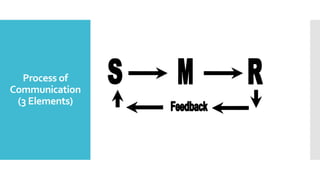
Process of
Communication
(3 Elements)
Why
communication
is important?
Effective Communication helps workers to:
 complete a schedule of tasks
 follow a set of instructions
 learn correct procedures and improve work
practices
 solve problems
 work as part of a team
 follow the enterprise Occupational Health and
Safety and environmental procedures.
3 Main Modes
of
Communication
1. Verbal communication
2. Non-verbal communication
3. Written communication
1.Verbal
Communication
 In industries a large proportion of communication is verbal or
spoken.This may occur face-to-face or via telephones or two-
way radios. For verbal communication to be effective both the
speaker and the listener need to be actively engaged in the
conversation.
 The speaker should be clear, concise, and courteous and use a
style of language that is appropriate to the situation and the
audience.The information should be accurate to the best of the
speaker‘s knowledge.The tone of voice and body language used
when speaking are often as important as the words themselves.
 The listener should give the speaker their full attention and be
sure that they clearly understand the message being conveyed.
Again, body language is very important. Good listening skills are
necessary when receiving instruction or being taught new
procedures.
Questions shouldbe asked
bythe listener toclarify the
meaning andbythe
speaker toensurethat the
informationhas beenfully
understood.There are
three types ofquestions:
 Closed questions - answered with a yes or no or with a limited
response
Example: Have you bake before?
 Open questions - encourage people to discuss a situation and
share information.They often require longer answers and begin
with how, where, when, which, who, why or what.
 Example:Why are you baking?
 Reflective questions -They are also helpful when encouraging a
person to express their opinions clearly
 Example: It is very fun to do baking, right?
BARRIERS IN
VERBAL
COMMUNICATION
inappropriate choice of language style
inappropriate body language
 disruptions
noise in the proximity and/or a poor
signal
relevance of the topic to the listener
2. Non-verbal
communication
A significant aspect of face-to-face
communication is non-verbal body language.
This includes body posture, arm and hand
positions, facial expressions, and eye-contact
and hand gestures. Sometimes a conflicting
message may be given because the words
spoken do not match a speaker‘s body language.
Personal presentation, dress and hygiene
also contribute to the impression a
person makes when they are
communicating.
Exampleof Non-
Verbal
Communication
Signals
Signs
Diagrams
Symbols
Basic
Communication
Skills
Two-way process
Speaking and Listening (Dependent)
Listening and Hearing are NOT the same.
3. READING
 One reason for reading is to find specific
information, which is called scanning. Another,
is for meaning and absorption of information or
which is called active reading.
4.WRITING

Participate in Workplace Communication.pptx

  • 1.
    BREADAND PASTRY PRODUCTION NCII Trainer: Dionalive P. Abria
  • 2.
    BASIC COMPETENCIES Participate in workplace communication Workin a team environment Practice career professionalism Practice occupational health and safety procedures
  • 3.
    COMMON COMPETENCIES Develop and updateindustry knowledge Observe workplace hygiene procedures Perform computer operations Perform workplace and safety practices Provide effective customer service
  • 4.
    CORE COMPETENCIES Prepare and producebakery products Prepare and produce pastry products Prepare and present gateaux, tortes and cakes Prepare and display petits fours Present desserts
  • 5.
    BC 1. PARTICIPATE IN WORKPLACE COMMUNICATION LearningOutcomes:  LO 1. Obtain and convey workplace information  LO 2. Complete relevant work related documents  LO 3. Participate in workplace meeting and discussion
  • 6.
    COMMUNICATION Is defined asthe art of sending and receiving information. It is a process of conveying messages, of transmitting meaning between individuals. It is an exchange; for it to be effective, information must flow back and forth from sender to the receiver. What is the output of communication? FEEDBACK
  • 7.
  • 8.
    Why communication is important? Effective Communicationhelps workers to:  complete a schedule of tasks  follow a set of instructions  learn correct procedures and improve work practices  solve problems  work as part of a team  follow the enterprise Occupational Health and Safety and environmental procedures.
  • 9.
    3 Main Modes of Communication 1.Verbal communication 2. Non-verbal communication 3. Written communication
  • 10.
    1.Verbal Communication  In industriesa large proportion of communication is verbal or spoken.This may occur face-to-face or via telephones or two- way radios. For verbal communication to be effective both the speaker and the listener need to be actively engaged in the conversation.  The speaker should be clear, concise, and courteous and use a style of language that is appropriate to the situation and the audience.The information should be accurate to the best of the speaker‘s knowledge.The tone of voice and body language used when speaking are often as important as the words themselves.  The listener should give the speaker their full attention and be sure that they clearly understand the message being conveyed. Again, body language is very important. Good listening skills are necessary when receiving instruction or being taught new procedures.
  • 11.
    Questions shouldbe asked bythelistener toclarify the meaning andbythe speaker toensurethat the informationhas beenfully understood.There are three types ofquestions:  Closed questions - answered with a yes or no or with a limited response Example: Have you bake before?  Open questions - encourage people to discuss a situation and share information.They often require longer answers and begin with how, where, when, which, who, why or what.  Example:Why are you baking?  Reflective questions -They are also helpful when encouraging a person to express their opinions clearly  Example: It is very fun to do baking, right?
  • 12.
    BARRIERS IN VERBAL COMMUNICATION inappropriate choiceof language style inappropriate body language  disruptions noise in the proximity and/or a poor signal relevance of the topic to the listener
  • 13.
    2. Non-verbal communication A significantaspect of face-to-face communication is non-verbal body language. This includes body posture, arm and hand positions, facial expressions, and eye-contact and hand gestures. Sometimes a conflicting message may be given because the words spoken do not match a speaker‘s body language.
  • 14.
    Personal presentation, dressand hygiene also contribute to the impression a person makes when they are communicating.
  • 15.
  • 16.
    Basic Communication Skills Two-way process Speaking andListening (Dependent) Listening and Hearing are NOT the same.
  • 17.
    3. READING  Onereason for reading is to find specific information, which is called scanning. Another, is for meaning and absorption of information or which is called active reading.
  • 18.