Kavouras M.1, Sotiriou S.2, BaglatziA.1, Darra A.1, Kokla M.1, Lazoudis A.2,
Pastra K.1,Tomai E.1
1 NationalTechnical University of Athens, GREECE
2 Ellinogermaniki Agogi, GREECE
With the support of the Lifelong Learning Programme of the European Union
Tasks such as:
 reading a map,
 finding your way in a shopping mall,
 interpreting a diagram, and
 understanding the spatial distribution of a
phenomenon or the association of places and
events
rely on a mental skill called spatial or geospatial
thinking.
 A newly acknowledged ability with profound
and rewarding effects on numerous aspects
of everyday life and STEM disciplines, also
highly relevant to social sciences and
humanities - from giving and following
directions, interpreting maps and diagrams,
to understanding correlation of social
phenomena in space and time.
The GEOTHNK approach aims at enhancing geospatial thinking skills and
engaging users in meaningful, inquiry-based learning experiences.
The main goals are:
1. to enhance spatial thinking through an innovative ICT-based approach and an
open, collaborative educational environment.
2. to offer a methodological approach which allows the interdisciplinary
organization and semantic linkage of knowledge.
NOT just another repository of geospatial knowledge; It aims at developing an
innovative socially empowered learning platform to engage learners in extended
episodes of playful learning, where scientific (geospatial) concepts and ideas are
not taught in isolation but in a way that emphasizes their correlation and relevance.
 Piloting the project approach and tools with
the user communities.
 Development of a systematic evaluation and
validation approach of the proposed activities
in order to identify their impact.
 Communication of GEOTHNK products to a
wide range of audiences.
 Students,
 Teachers, teachers trainers, and university
students,
 Science center educators, and
 Adult learners (e.g. science centres visitors).
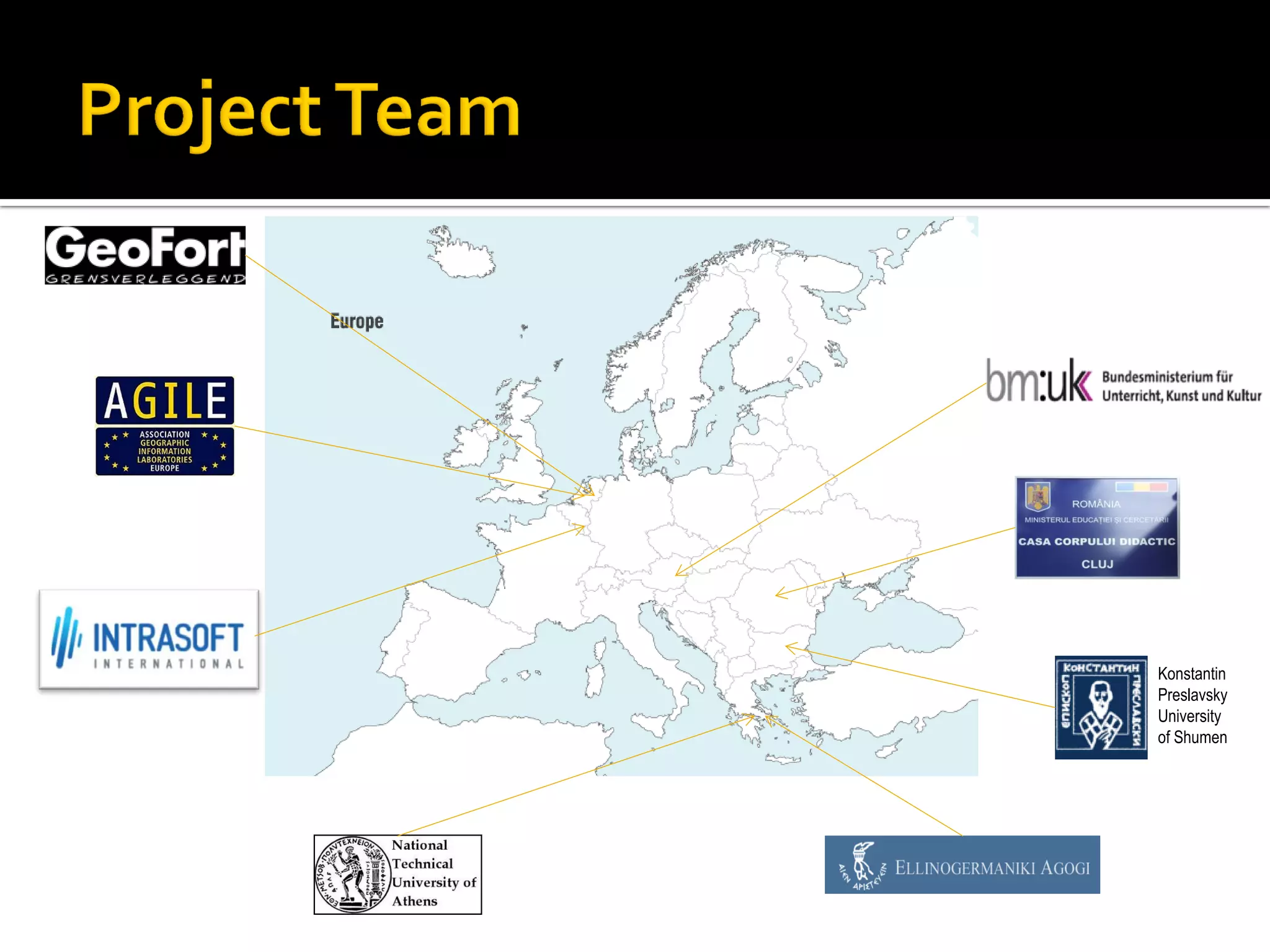
Konstantin
Preslavsky
University
of Shumen
 Transversal character; geospatial thinking varies across
different groups according to parameters (age, background
knowledge, etc.) and therefore cannot be treated uniformly
for all target groups.
 Transfer of recent geospatial research regarding semantics,
ontologies, and knowledge visualization as well as
innovative teaching methods to all target groups.
 Integration of knowledge; the project will not result in the
creation of isolated and independent knowledge, but in the
development of integrated blocks of knowledge.
 Interdisciplinary approach; semantic linkage of knowledge
components from different disciplines.
 A pedagogical framework that introduces essential strategies for the
development of an innovative learning approach towards effective
spatial thinking.
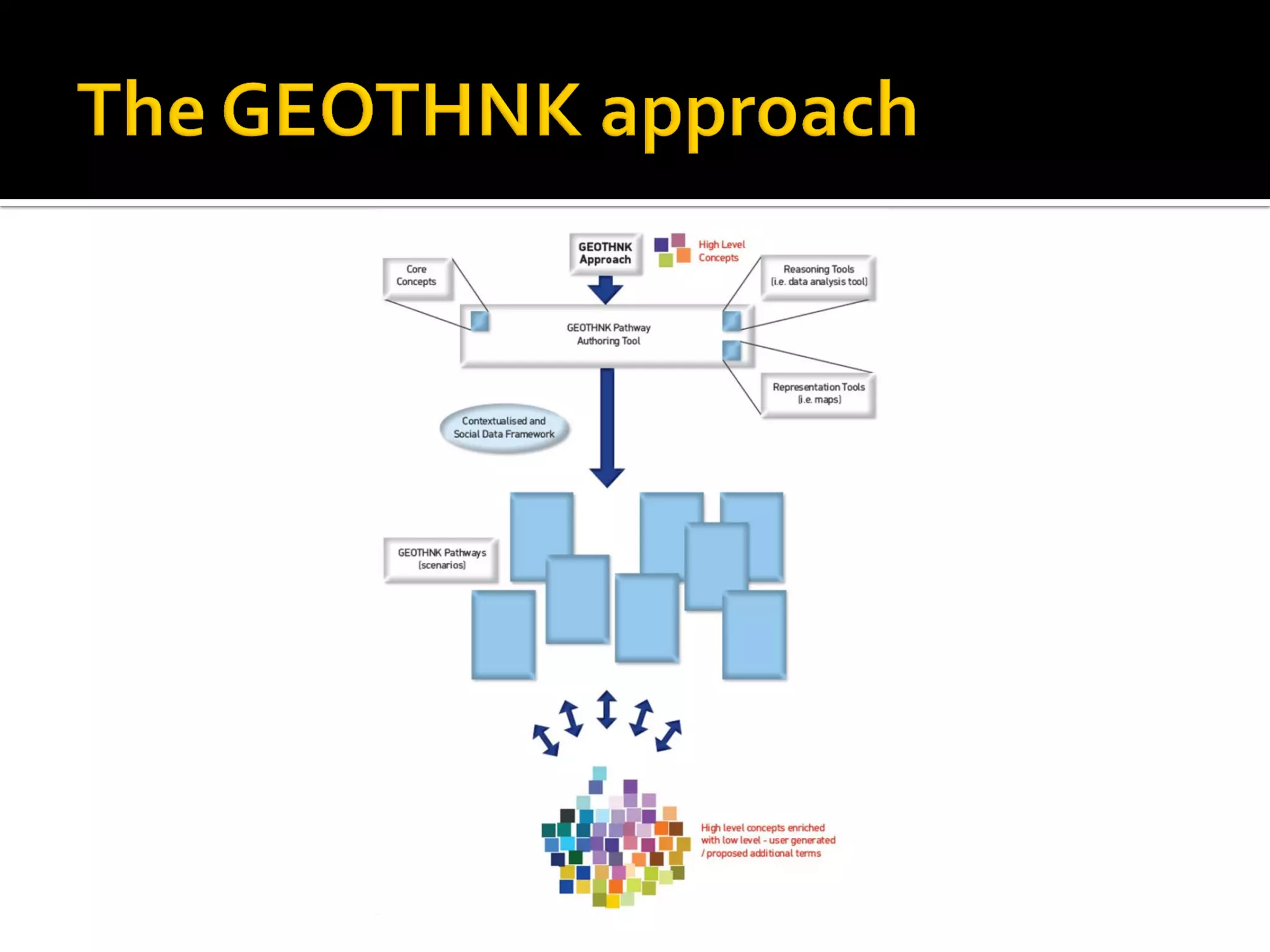
 Learning pathways based on the proposed framework that focus on the
organisation of a core set of learning components (concepts,
representation tools, reasoning processes, and learning activities)
 An open, collaborative educational environment, the GEOTHNK
Platform that enables:
 access to various thematic resources and to learning pathways through an
effective search mechanism,
 creation of new learning pathways through an easy-to-use authoring
environment that will support both the creation and the organization of
learning components,
 semantic linkage of the learning components and relative information for
the enrichment of learning pathways and
 formulation of a rich semantic network which will provide a dynamic
structure facilitating knowledge visualization and exploration.
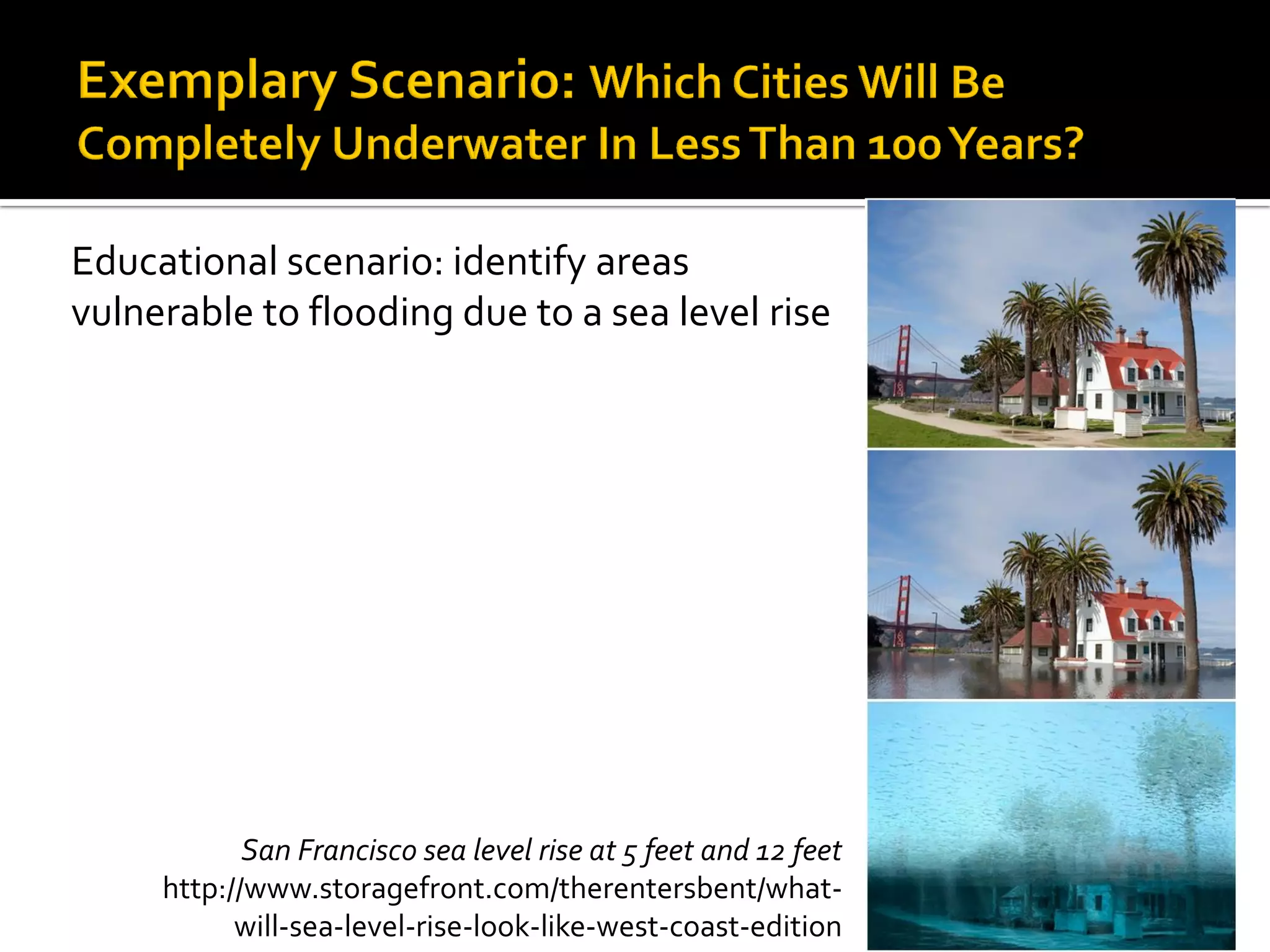
Educational scenario: identify areas
vulnerable to flooding due to a sea level rise
San Francisco sea level rise at 5 feet and 12 feet
http://www.storagefront.com/therentersbent/what-
will-sea-level-rise-look-like-west-coast-edition
 Understanding of spatial concepts such as
location, elevation, proximity as well as
environmental concepts such as global
warming, greenhouse effect, etc.
 Semantic linking of knowledge components
from different disciplines.
 Raising awareness on the environmental
consequences of human activities.
 Target group: advanced ?
 Spatial: location, distance, proximity,
elevation, seas, oceans, continents, sea level,
etc.
 Environmental: flooding, global warming,
climate change, greenhouse effect, etc.
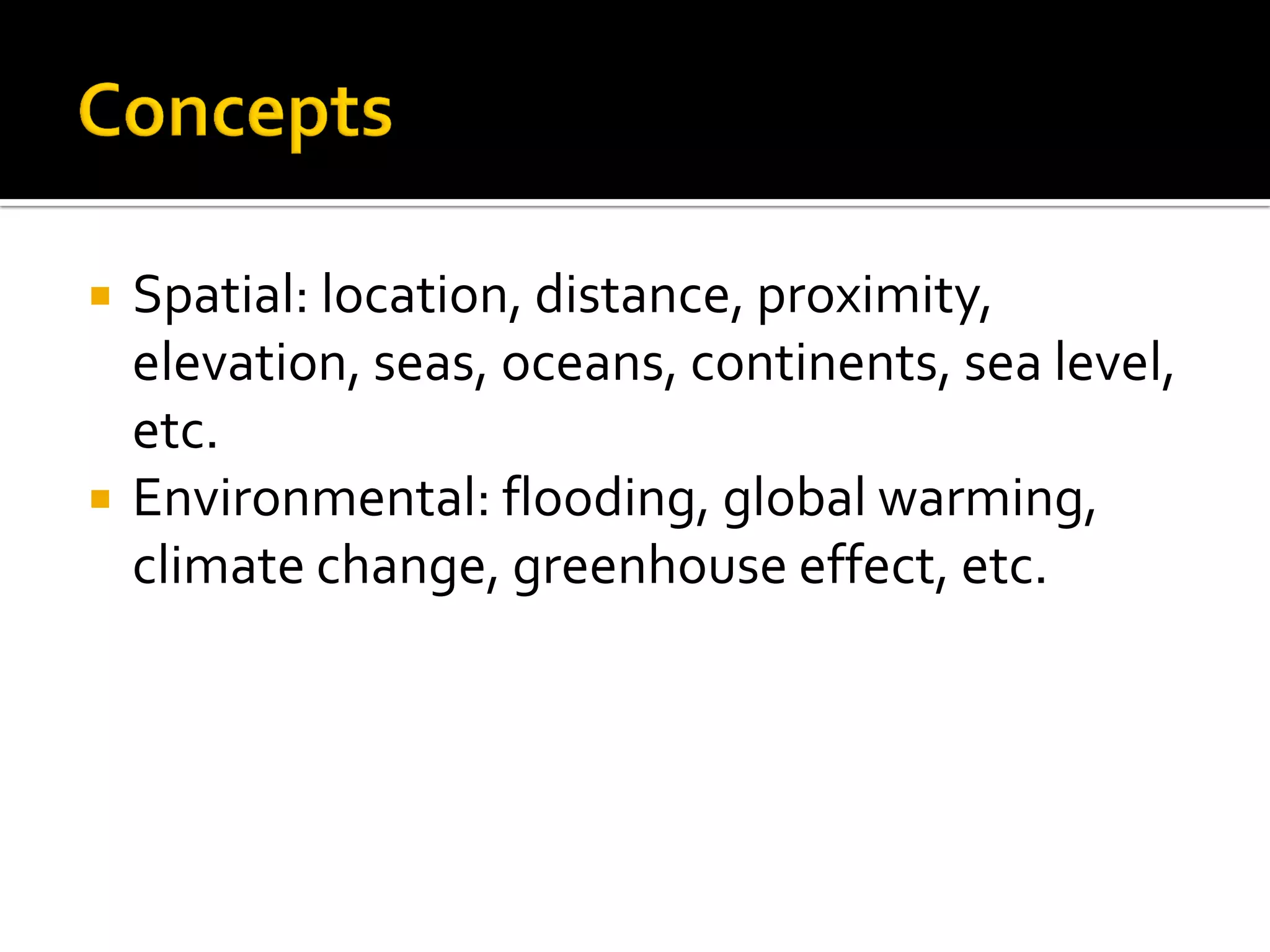
Learning Activities
Latitude and Longitude Map Match Game
http://www.kidsgeo.com/geography-
games/latitude-longitude-map-game.php
location
Concept term
location provides information about where an occurrence exists within the
totality of an environment
Concept definition:
http://www.teachspatial.org/concept-browser/location
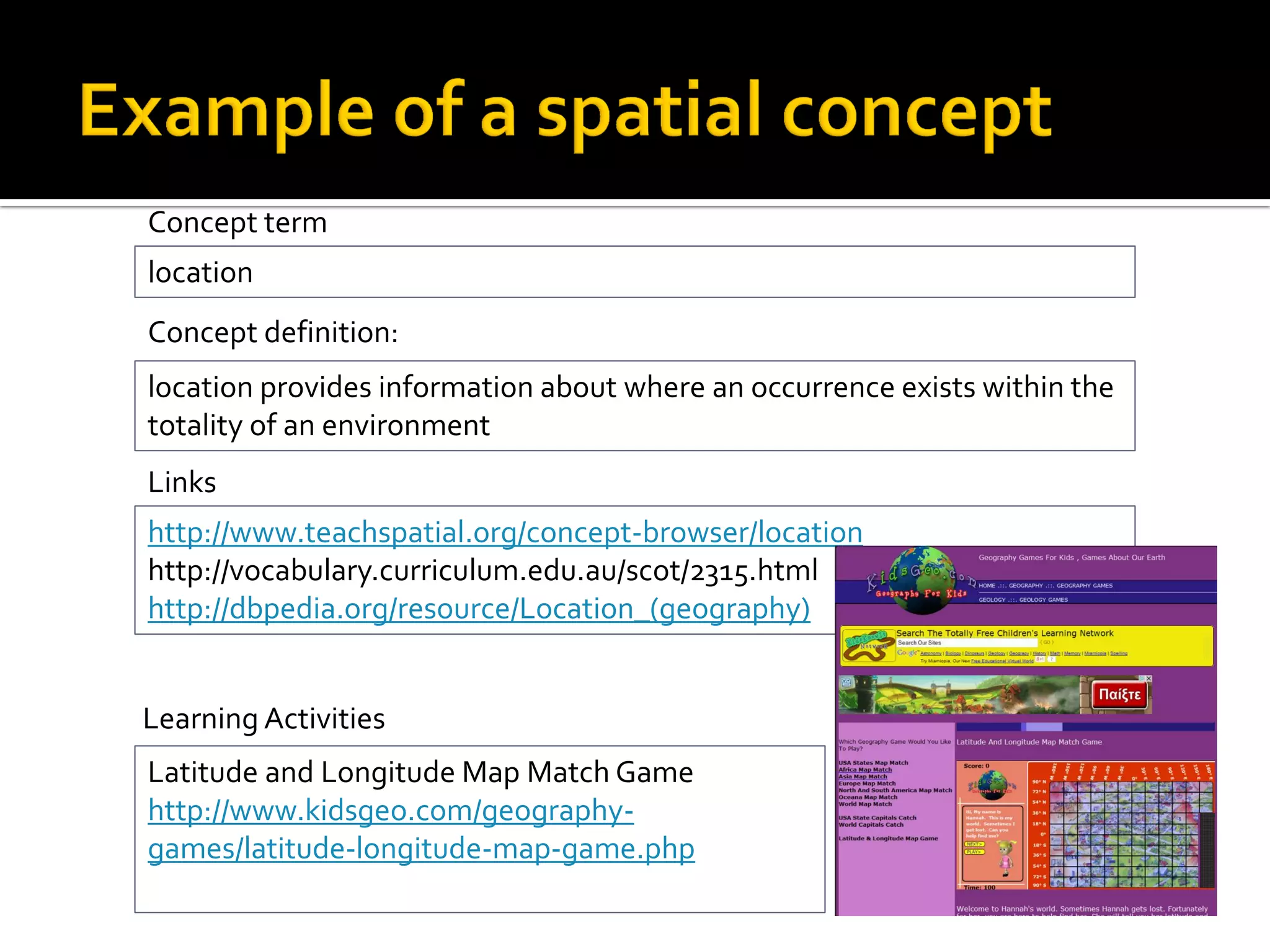
http://vocabulary.curriculum.edu.au/scot/2315.html
http://dbpedia.org/resource/Location_(geography)
Links
http://vocabulary.curriculum.edu.au/scot/2315.html
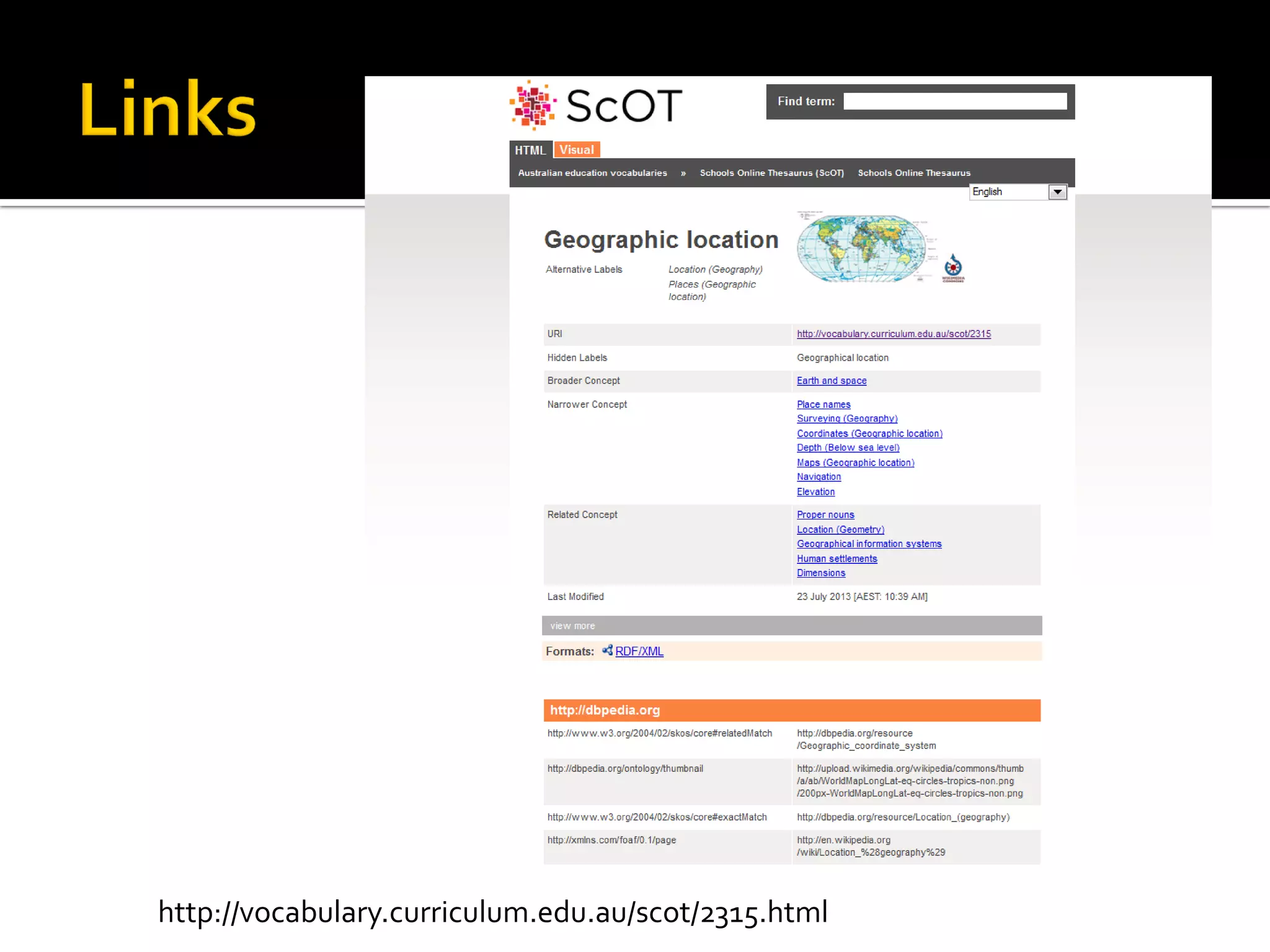
Learning Activities
Climate challenge
http://www.bbc.co.uk/sn/hottopics/climatechange
/climate_challenge/index_1.shtml
Global warming
Concept term
the unusually rapid increase in Earth’s average surface temperature over the
past century primarily due to the greenhouse gases released by people burning
fossil fuels.
Concept definition:
http://www.c2es.org/science-impacts/basics/faqs/climate-science
http://en.wikipedia.org/wiki/Global_warming
http://earthobservatory.nasa.gov/Features/GlobalWarming/
Links
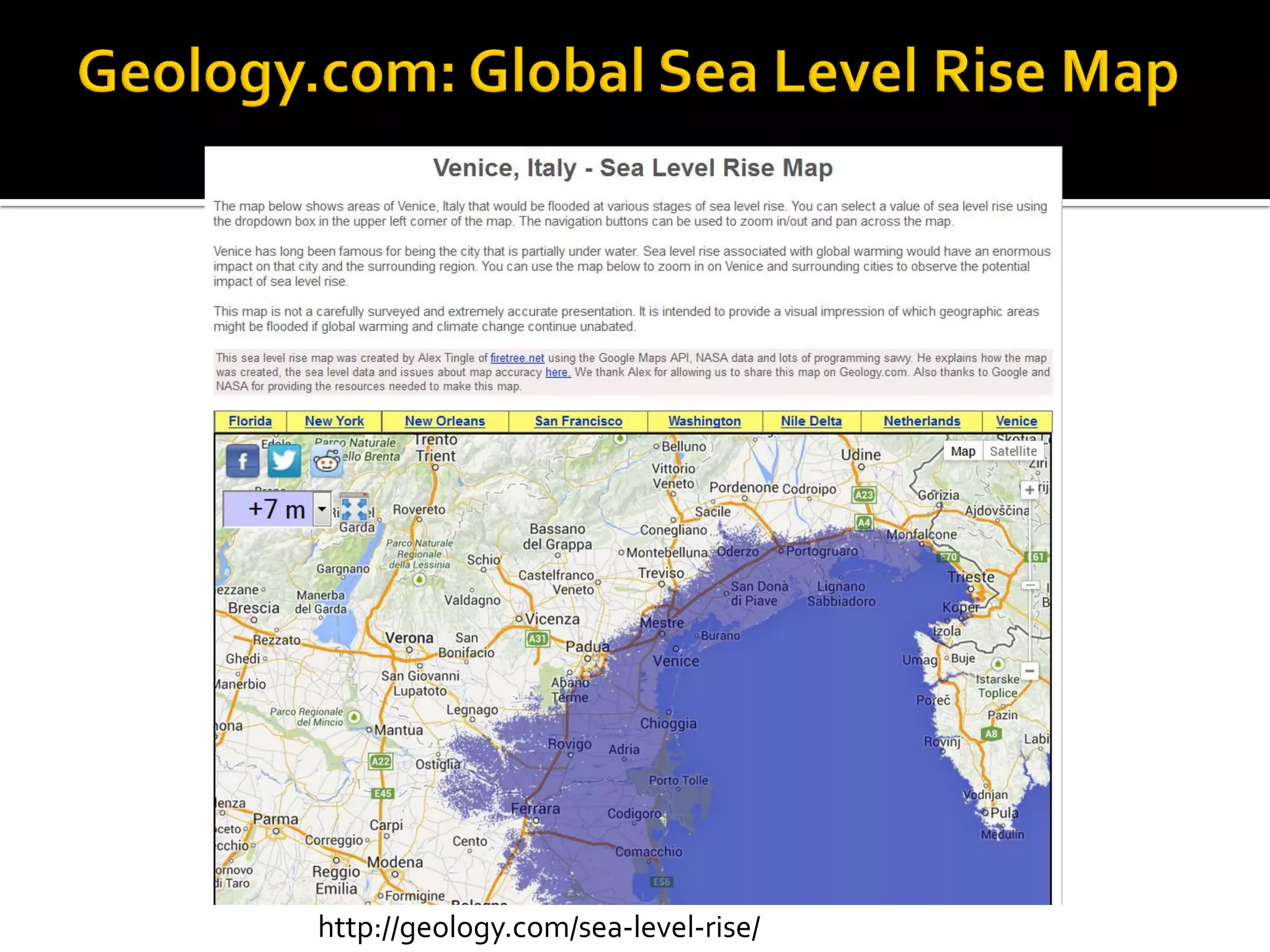
 Maps
 Digital elevation models
 Interactive applications
 Diagrams
 …
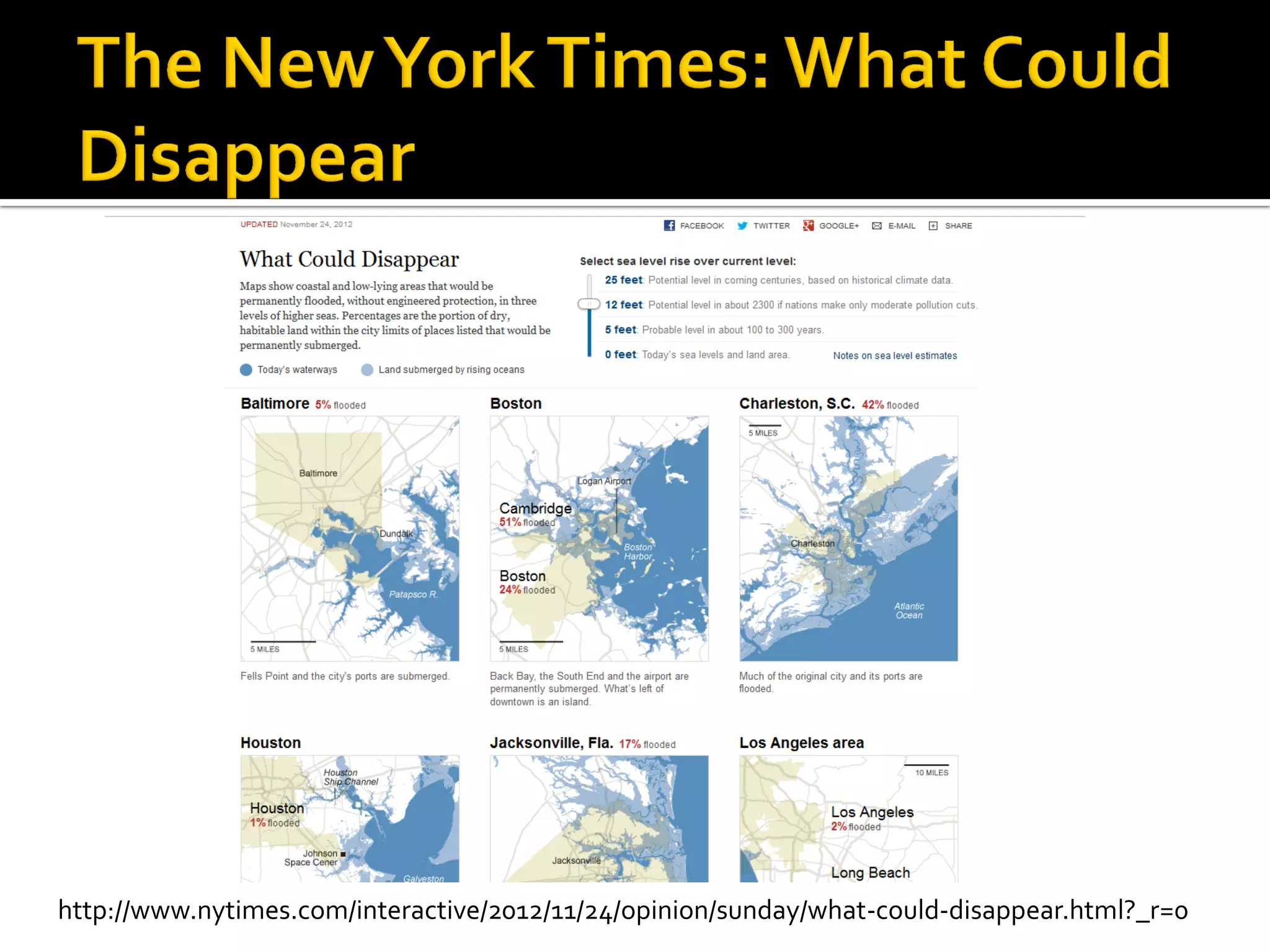
http://www.nytimes.com/interactive/2012/11/24/opinion/sunday/what-could-disappear.html?_r=0
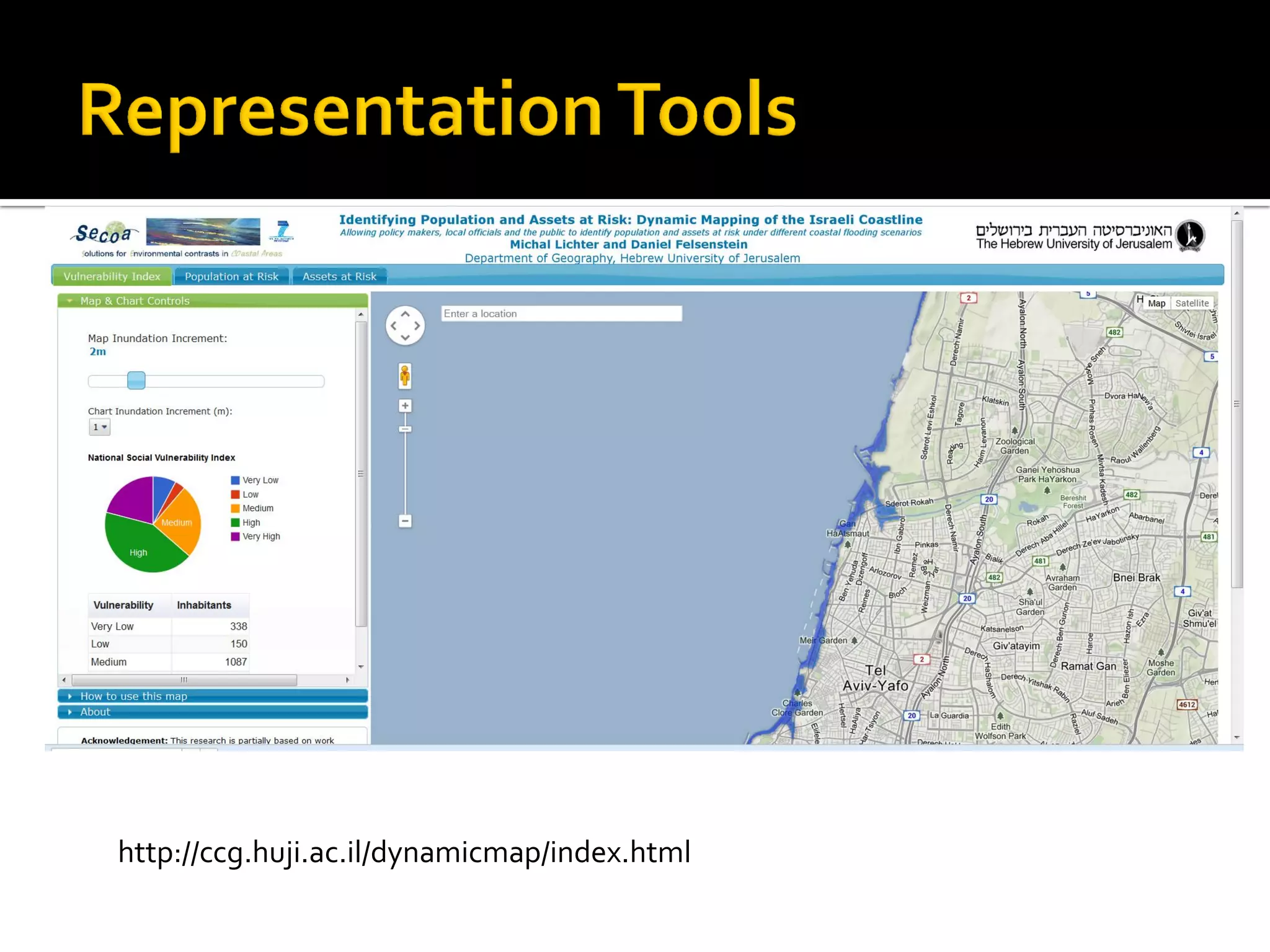
http://ccg.huji.ac.il/dynamicmap/index.html
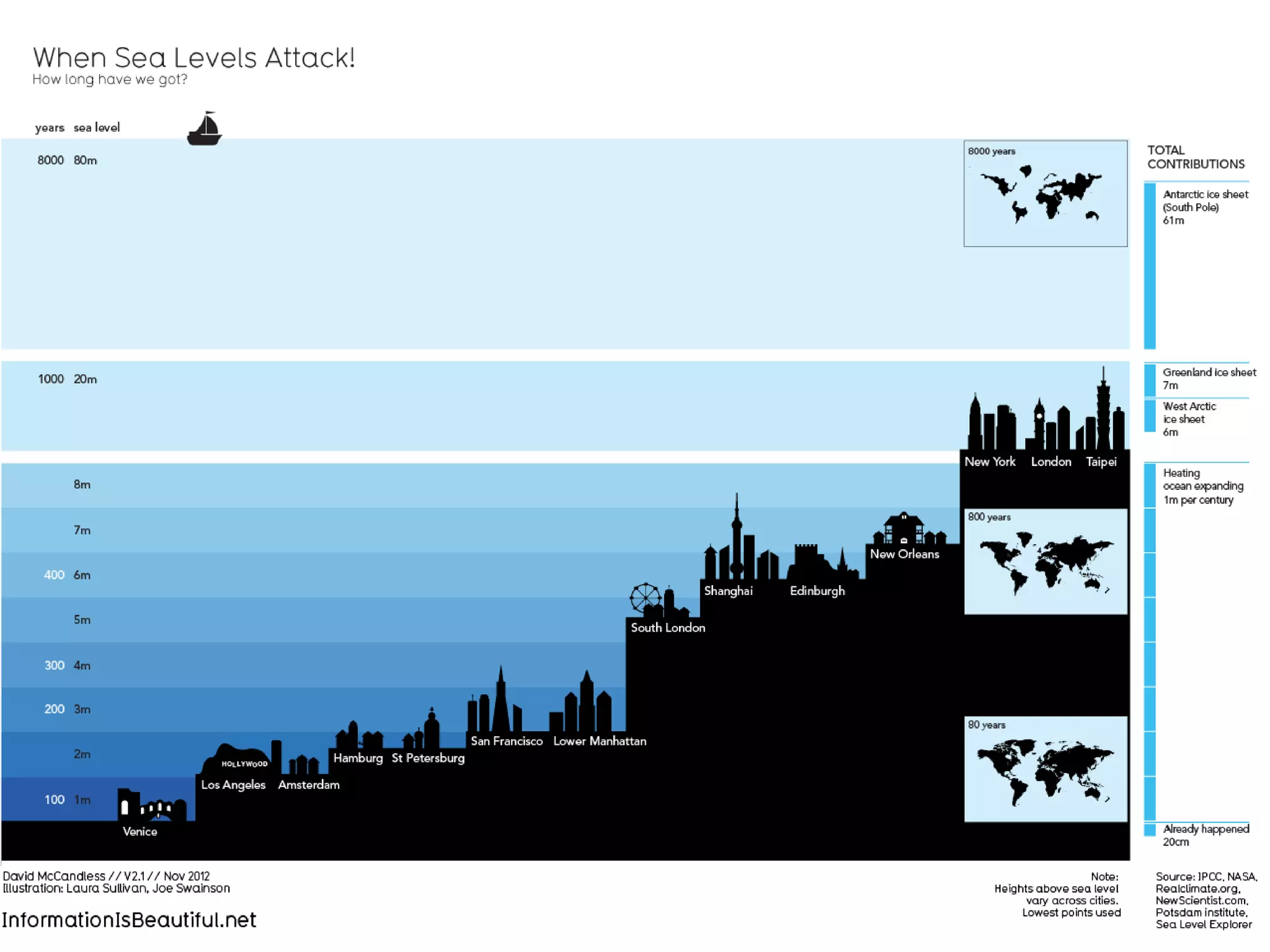
http://geology.com/sea-level-rise/
 Combine a map and a digital elevation model
using a free GIS software, evaluating multiple
criteria (e.g., the location of settlements and
other socioeconomic activities) and making
inferences about environmental
consequences.
The GEOTHNK approach will:
 support learners (students, university students and adult
learners) to apply spatial thinking and purposefully
address spatial concepts, across different curricular areas
and at any educational level by helping them grasp the
interdisciplinary character of fundamental spatial concepts.
 ground the coherence of the curriculum, reveal
interrelations among disciplines and apply fundamental
reasoning and thinking to everyday life further developing
problem-solving skills of the target groups.
Thank you
Sofoklis Sotiriou, sotiriou@ea.gr

Paper semantic pathways

  • 1.
    Kavouras M.1, SotiriouS.2, BaglatziA.1, Darra A.1, Kokla M.1, Lazoudis A.2, Pastra K.1,Tomai E.1 1 NationalTechnical University of Athens, GREECE 2 Ellinogermaniki Agogi, GREECE With the support of the Lifelong Learning Programme of the European Union
  • 2.
    Tasks such as: reading a map,  finding your way in a shopping mall,  interpreting a diagram, and  understanding the spatial distribution of a phenomenon or the association of places and events rely on a mental skill called spatial or geospatial thinking.
  • 3.
     A newlyacknowledged ability with profound and rewarding effects on numerous aspects of everyday life and STEM disciplines, also highly relevant to social sciences and humanities - from giving and following directions, interpreting maps and diagrams, to understanding correlation of social phenomena in space and time.
  • 4.
    The GEOTHNK approachaims at enhancing geospatial thinking skills and engaging users in meaningful, inquiry-based learning experiences. The main goals are: 1. to enhance spatial thinking through an innovative ICT-based approach and an open, collaborative educational environment. 2. to offer a methodological approach which allows the interdisciplinary organization and semantic linkage of knowledge. NOT just another repository of geospatial knowledge; It aims at developing an innovative socially empowered learning platform to engage learners in extended episodes of playful learning, where scientific (geospatial) concepts and ideas are not taught in isolation but in a way that emphasizes their correlation and relevance.
  • 5.
     Piloting theproject approach and tools with the user communities.  Development of a systematic evaluation and validation approach of the proposed activities in order to identify their impact.  Communication of GEOTHNK products to a wide range of audiences.
  • 6.
     Students,  Teachers,teachers trainers, and university students,  Science center educators, and  Adult learners (e.g. science centres visitors).
  • 7.
  • 8.
     Transversal character;geospatial thinking varies across different groups according to parameters (age, background knowledge, etc.) and therefore cannot be treated uniformly for all target groups.  Transfer of recent geospatial research regarding semantics, ontologies, and knowledge visualization as well as innovative teaching methods to all target groups.  Integration of knowledge; the project will not result in the creation of isolated and independent knowledge, but in the development of integrated blocks of knowledge.  Interdisciplinary approach; semantic linkage of knowledge components from different disciplines.
  • 9.
     A pedagogicalframework that introduces essential strategies for the development of an innovative learning approach towards effective spatial thinking.  Learning pathways based on the proposed framework that focus on the organisation of a core set of learning components (concepts, representation tools, reasoning processes, and learning activities)  An open, collaborative educational environment, the GEOTHNK Platform that enables:  access to various thematic resources and to learning pathways through an effective search mechanism,  creation of new learning pathways through an easy-to-use authoring environment that will support both the creation and the organization of learning components,  semantic linkage of the learning components and relative information for the enrichment of learning pathways and  formulation of a rich semantic network which will provide a dynamic structure facilitating knowledge visualization and exploration.
  • 11.
    Educational scenario: identifyareas vulnerable to flooding due to a sea level rise San Francisco sea level rise at 5 feet and 12 feet http://www.storagefront.com/therentersbent/what- will-sea-level-rise-look-like-west-coast-edition
  • 12.
     Understanding ofspatial concepts such as location, elevation, proximity as well as environmental concepts such as global warming, greenhouse effect, etc.  Semantic linking of knowledge components from different disciplines.  Raising awareness on the environmental consequences of human activities.  Target group: advanced ?
  • 13.
     Spatial: location,distance, proximity, elevation, seas, oceans, continents, sea level, etc.  Environmental: flooding, global warming, climate change, greenhouse effect, etc.
  • 14.
    Learning Activities Latitude andLongitude Map Match Game http://www.kidsgeo.com/geography- games/latitude-longitude-map-game.php location Concept term location provides information about where an occurrence exists within the totality of an environment Concept definition: http://www.teachspatial.org/concept-browser/location http://vocabulary.curriculum.edu.au/scot/2315.html http://dbpedia.org/resource/Location_(geography) Links
  • 15.
  • 16.
    Learning Activities Climate challenge http://www.bbc.co.uk/sn/hottopics/climatechange /climate_challenge/index_1.shtml Globalwarming Concept term the unusually rapid increase in Earth’s average surface temperature over the past century primarily due to the greenhouse gases released by people burning fossil fuels. Concept definition: http://www.c2es.org/science-impacts/basics/faqs/climate-science http://en.wikipedia.org/wiki/Global_warming http://earthobservatory.nasa.gov/Features/GlobalWarming/ Links
  • 17.
     Maps  Digitalelevation models  Interactive applications  Diagrams  …
  • 19.
  • 20.
  • 21.
  • 22.
     Combine amap and a digital elevation model using a free GIS software, evaluating multiple criteria (e.g., the location of settlements and other socioeconomic activities) and making inferences about environmental consequences.
  • 23.
    The GEOTHNK approachwill:  support learners (students, university students and adult learners) to apply spatial thinking and purposefully address spatial concepts, across different curricular areas and at any educational level by helping them grasp the interdisciplinary character of fundamental spatial concepts.  ground the coherence of the curriculum, reveal interrelations among disciplines and apply fundamental reasoning and thinking to everyday life further developing problem-solving skills of the target groups.
  • 24.