An Introduction to Outcomes:

Robert M. Penna, Ph.D.
Author: The Nonprofit Outcomes Toolbox
Today’s topics:
An Introduction to Outcomes

1.

Placing Outcomes in a Historical Context

a)
i.

What are “Outcomes”?
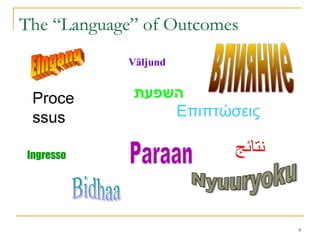
The Language of Outcomes
What Makes an “Outcomes Approach” Different?
Three Essential Changes in Thinking
The Characteristics of a Good Outcome
The Outcomes Statement

b)
c)
d)
e)
f)
g)
i.
ii.

What is it?
Why use it?

An Introduction to Outcome Frameworks: the view from 30,000 feet

2.
a)
b)
c)
d)

3.

What has the nonprofit sector traditionally focused upon?

Tools for Planning
Tools for Tracking & Managing
Tools for Reporting
Tools for Learning & Assessment

Building An Outcomes Tree

2
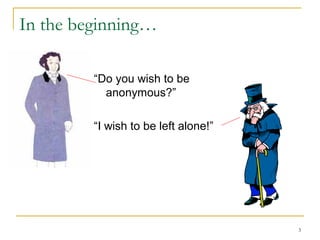
In the beginning…
“Do you wish to be
anonymous?”
“I wish to be left alone!”

3
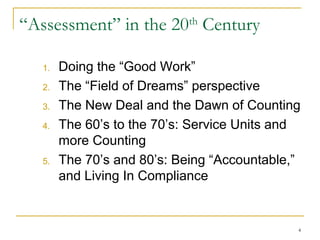
“Assessment” in the 20th Century
1.
2.
3.
4.

5.

Doing the “Good Work”
The “Field of Dreams” perspective
The New Deal and the Dawn of Counting
The 60’s to the 70’s: Service Units and
more Counting
The 70’s and 80’s: Being “Accountable,”
and Living In Compliance

4
Things are changing
Government, Nonprofits,
& NGOs vs. the Rest of
the World

5
Finally, even the nonprofit caboose….

6
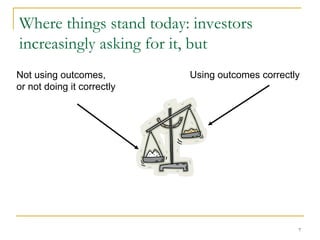
Where things stand today: investors
increasingly asking for it, but
Not using outcomes,
or not doing it correctly

Using outcomes correctly

7
So, what is an “outcome”?

8
The “Language” of Outcomes
Väljund

Proce
ssus
Ingresso

‫השפעת‬
Επιπτώσεις

‫نتائج‬

9
What makes an “outcomes approach”
different?

10
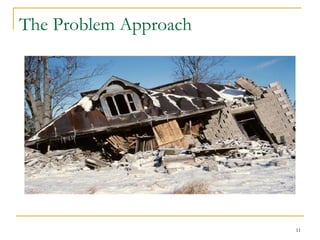
The Problem Approach

11
The Activity Approach

12
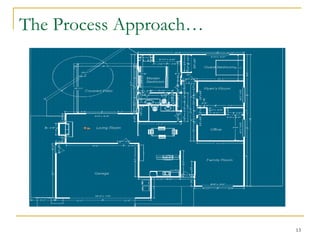
The Process Approach…

13
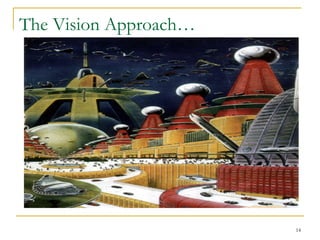
The Vision Approach…

14
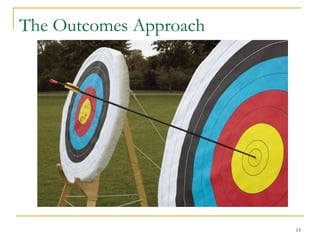
The Outcomes Approach

15
Compare this……

16
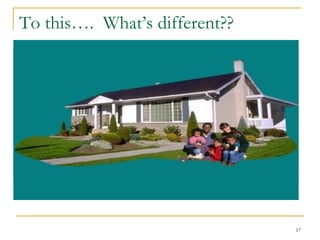
To this…. What’s different??

17
Even better…..

18
Three Changes in Thinking
1.
2.
3.

From Funder to Investor
From Activity to Effectiveness
From Services to Change


The BACKS Measures

19
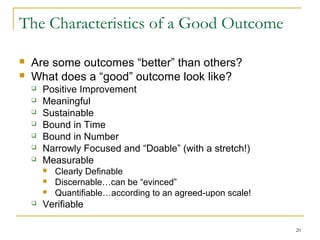
The Characteristics of a Good Outcome



Are some outcomes “better” than others?
What does a “good” outcome look like?








Positive Improvement
Meaningful
Sustainable
Bound in Time
Bound in Number
Narrowly Focused and “Doable” (with a stretch!)
Measurable






Clearly Definable
Discernable…can be “evinced”
Quantifiable…according to an agreed-upon scale!

Verifiable
20
The “Outcomes Statement”
 What

is it?
 Why Use it?

21
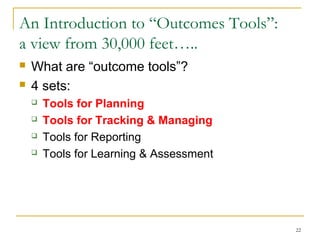
An Introduction to “Outcomes Tools”:
a view from 30,000 feet…..



What are “outcome tools”?
4 sets:





Tools for Planning
Tools for Tracking & Managing
Tools for Reporting
Tools for Learning & Assessment

22
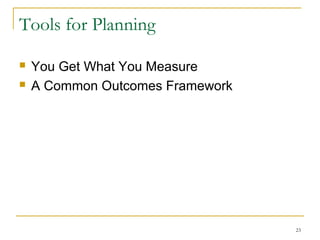
Tools for Planning



You Get What You Measure
A Common Outcomes Framework

23
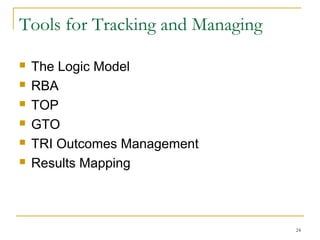
Tools for Tracking and Managing







The Logic Model
RBA
TOP
GTO
TRI Outcomes Management
Results Mapping

24
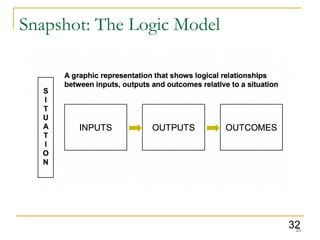
Snapshot: The Logic Model

32
25
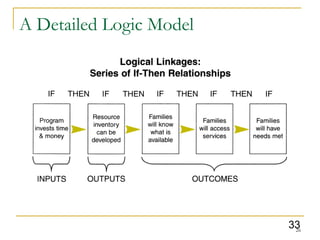
A Detailed Logic Model

33
26
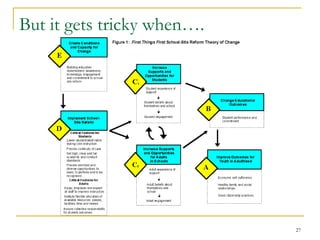
But it gets tricky when….

27
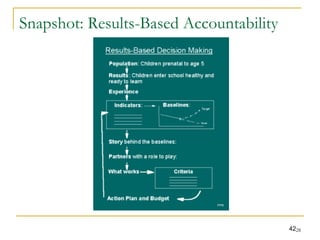
Snapshot: Results-Based Accountability

4228
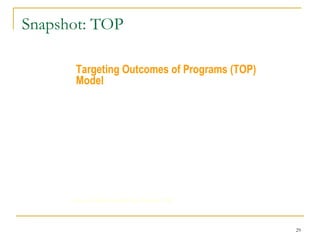
Snapshot: TOP
Targeting Outcomes of Programs (TOP)
Model
Program Development
(Goals/Objectives)

Program Performance
(Evaluation Measures)
SEEC

SEEC

Practices
KASA
Reactions

Practices
KASA
Reactions
Participation
SEEC:
Activities
S = Social
Resources
E = Economic
E = Environmental
C = Conditions

Participation
Activities
KASA:
Resources
K = Knowledge
A = Attitude
S = Skill
A = Aspiration

Source: Claude Bennett & Kay Rockwell, 1994

29
Snapshot: GTO

30
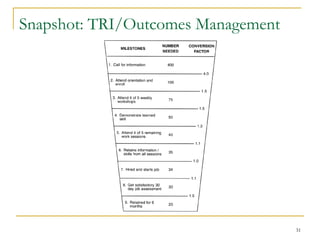
Snapshot: TRI/Outcomes Management

31
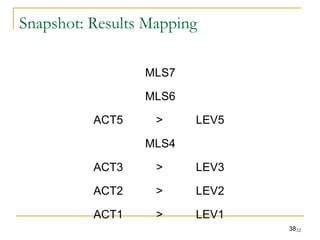
Snapshot: Results Mapping
MLS7
MLS6
ACT5

>

LEV5

MLS4
ACT3

>

LEV3

ACT2

>

LEV2

ACT1

>

LEV1
3832
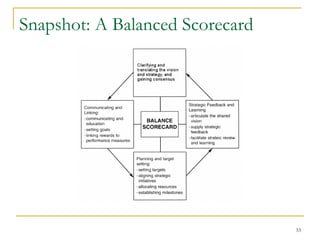
Snapshot: A Balanced Scorecard

33
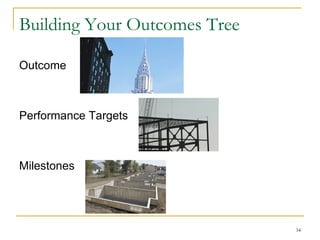
Building Your Outcomes Tree
Outcome

Performance Targets

Milestones

34
Thanks!

35

Outcomes presentation

Editor's Notes

  • #2 {"11":"One way is to look at it like you might look at community housing issues. Focus on the problem. This approach typically starts with several questions.\nAnd these questions lead to some fairly predictable responses\n","12":"The second option is what we might call the ACTIVITY Mindset. It too starts with some typical questions. The AM gives a sense of energy movement action which is quite soothing\n","13":"The second option is what we might call the ACTIVITY Mindset. It too starts with some typical questions. The AM gives a sense of energy movement action which is quite soothing. \n","14":"The second option is what we might call the ACTIVITY Mindset. It too starts with some typical questions. The AM gives a sense of energy movement action which is quite soothing. \n"}