- By Swati Wanjari
Earlier Practices
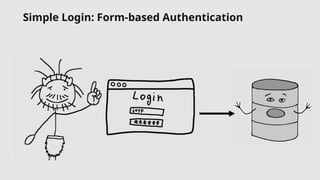
Simple Login: Form-based Authentication
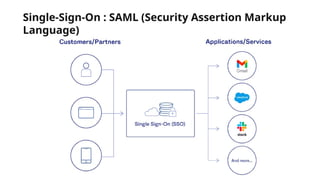
Single-Sign-On : SAML (Security Assertion Markup
Language)
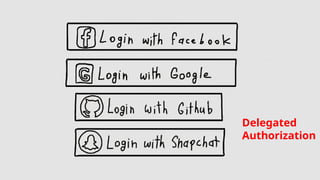
Delegated
Authorization
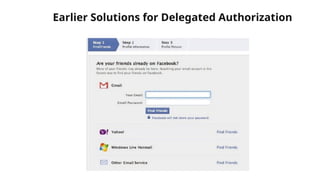
Earlier Solutions for Delegated Authorization
Need Of OAuth?
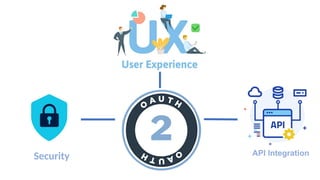
Security API Integration
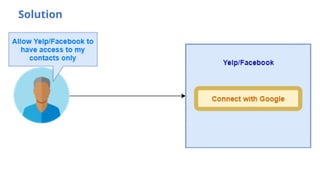
Solution
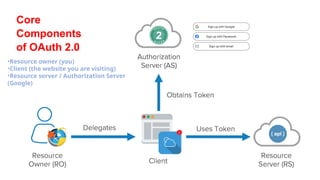
Core
Components
of OAuth 2.0
•Resource owner (you)
•Client (the website you are visiting)
•Resource server / Authorization Server
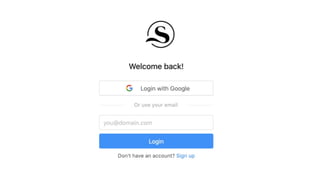
(Google)
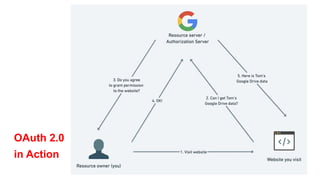
OAuth 2.0
in Action
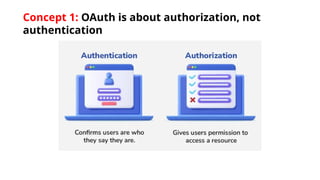
Concept 1: OAuth is about authorization, not
authentication
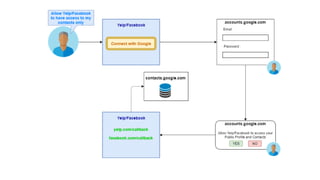
Concept 2: Website won’t obtain your confidential
information
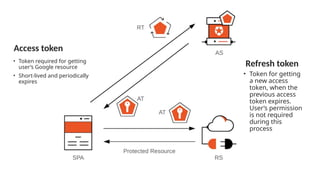
• Token required for getting
user’s Google resource
• Short-lived and periodically
expires
Access token
• Token for getting
a new access
token, when the
previous access
token expires.
User’s permission
is not required
during this
process
Refresh token
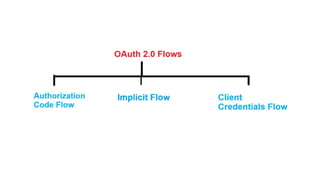
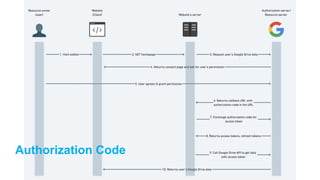
Authorization Code
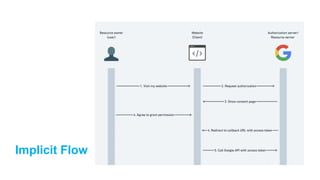
Implicit Flow
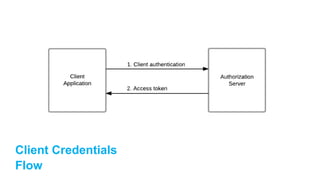
Client Credentials
Flow
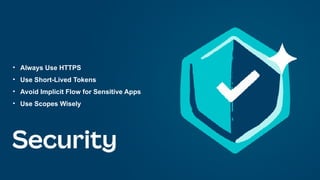
• Always Use HTTPS
• Use Short-Lived Tokens
• Avoid Implicit Flow for Sensitive Apps
• Use Scopes Wisely
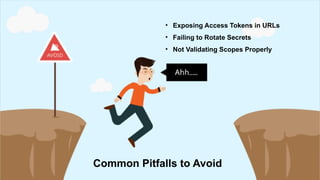
Common Pitfalls to Avoid
• Exposing Access Tokens in URLs
• Failing to Rotate Secrets
• Not Validating Scopes Properly
Recap
- What OAuth 2.0 is and why it’s important.
- Key components of the OAuth architecture.
- The most common OAuth 2.0 flows.
- A real-world example using Google OAuth 2.0.
- Security best practices and common pitfalls."
OAuth 2.0 Explained: Deep Dive Tutorial for Beginners and Experts

OAuth 2.0 Explained: Deep Dive Tutorial for Beginners and Experts