HEALTH DATA STANDARDS
Healthdata standards are critical for ensuring
the efficient exchange and use of clinical
information across systems. They enable
interoperability by defining consistent data
elements, formats, and terminologies for
medical records, medications, and other health
data.
3.
WHAT ARE
THE DATA
STANDARDS?
Definitionof data elements—determination of the data content to be
collected and exchanged.
Data interchange formats—standard formats for electronically encoding the
data elements (including sequencing and error handling) (Hammond, 2002).
Interchange standards can also include document architectures for
structuring data elements as they are exchanged and information models
that define the relationships among data elements in a message.
Terminologies—the medical terms and concepts used to describe, classify,
and code the data elements and data expression languages and syntax that
describe the relationships among the terms/concepts.
Knowledge Representation—standard methods for electronically representing
medical literature, clinical guidelines, and the like for decision support.
4.
TECHNICAL REVIEW OF
HEALTHCARE DATA
STANDARDS
Data Interchange Standard: Specifies the standard formats
for encoding data for electronic transfer between systems,
ensuring consistency and error handling.
Message Format Standard: Defines how data elements are
structured and exchanged, including sequencing and error-
checking protocols.
Document Architecture: Establishes the structure for
organizing data elements in documents to facilitate their
exchange across systems.
Clinical Templates: Predefined formats that standardize the
presentation of clinical data, ensuring consistency in how
information is recorded and shared.
5.
Terminologies: The standardizationof medical terms and codes to
ensure consistent understanding and use across systems.
Technical Criteria and Representation of
Clinical Domains: Defines the standards for encoding clinical
knowledge and data in a way that supports decision-making and
patient care.
Evolution and Development of New Terms: Ongoing development of
new terms and codes to adapt to evolving clinical knowledge and
practices.
User Interface: Refers to the design and usability standards for
systems interacting with clinical data, ensuring that users can easily
input and access data.
Patient Data Linkage: Standards for connecting various data sources
related to a single patient, ensuring accurate and comprehensive
health records.
6.
ADVANTAGES
OF HEALTH DATASTANDARDS
IMPROVED INTEROPERABILITY
ENHANCED PATIENT SAFETY
EFFICIENCY AND TIME-SAVING
BETTER DECISION-MAKING
COMPLIANCE AND REPORTING
WHAT IS
EHR?
The ElectronicHealth Record (EHR) is a
longitudinal electronic record of patient
health information generated by one or more
encounters in any care delivery setting.
10.
HISTORY
OF EHR:
1960s: TheMayo Clinic and a few
other healthcare providers were
among the first to adopt early EHR
systems, which were expensive and
primarily used in government
partnerships.
1970s: Only large hospitals could
afford EHRs, using them mainly for
billing, scheduling, and basic patient
records.
1980s: EHRs became more affordable,
integrating structured fields for clinical
information storage.
11.
HISTORY
OF EHR:
1990s: Advancementsin technology
led to wider adoption of EHRs,
improving data storage and
accessibility.
2000s: Government initiatives and
regulations, such as the Health
Information Technology for Economic
and Clinical Health (HITECH) Act,
accelerated EHR adoption.
2010s-Present: EHR systems continue
evolving with cloud computing,
interoperability, and AI-driven
decision support to enhance patient
care.
12.
BENEFITS OF EHRSYSTEMS
Improved Patient Care & Safety
Efficiency & Time-Saving
Data Security & Privacy
Better Coordination of Care
Cost Reduction
Enhanced Patient Engagement
13.
CHALLENGES OF EHRSYSTEMS
High Implementation Costs
Interoperability Issues
User Resistance & Workflow Disruptions
Cybersecurity & Privacy Risks
System Downtime & Technical Issues
FUTURE TRENDS
IN EHRTECHNOLOGY
Voice Recognition & Natural
Language Processing (NLP)
Cloud-Based & Mobile EHRs
mHealth & Wearable
Integration
Enhanced Interoperability
Standards
Artificial Intelligence (AI) &
Machine Learning
Blockchain Technology
16.
NURSING MINIMUM DATASET
(NMDS)
The Nursing Minimum Data Set (NMDS) is a
standardized framework designed to collect
essential data regarding nursing practice and
patient care. It serves as a systematic means for
capturing crucial nursing information across
diverse healthcare settings, ultimately facilitating
research, policy development, and quality
improvement.
17.
PURPOSE
The NMDS aimsto provide a uniform way to
describe nursing care, clients, and services,
enabling better documentation,
communication, and research within the
healthcare system.
18.
KEY
FEATURES:
NMDS
Standardized Data Collection:The NMDS
establishes a common set of data
elements with uniform definitions and
categories, ensuring consistency in data
collection.
Focus on Nursing Care: The NMDS
focuses on core aspects of nursing care,
including phenomena, interventions, and
outcomes, helping to capture the nursing
contribution to patient care.
Data Analysis and Comparison: The
standardized data allows for the analysis
and comparison of nursing data across
different populations, settings,
geographic areas, and time periods.
19.
NMDS
BENEFITS
NMDS
Improved Data Accuracyand
Comparability: Standardized data
collection leads to more accurate and
comparable data, facilitating better
decision-making and resource allocation.
Enhanced Research Opportunities: The
NMDS provides a foundation for nursing
research, allowing researchers to study
trends, evaluate interventions, and
improve nursing practice.
Better Understanding of Nursing's
Contribution: By systematically collecting
and analyzing nursing data, the NMDS
helps to better understand and value the
contribution of nursing to healthcare.
20.
Group 1
EXAMPLES OFNMDS
APPLICATIONS
Clinical Practice: NMDS data can inform
clinical decision-making, improve patient
care, and identify areas for improvement.
Healthcare Management: NMDS data can be
used for resource allocation, quality
improvement, and performance evaluation.
21.
Group 1
EXAMPLES OFNMDS
APPLICATIONS
Education: NMDS data can be used to
develop and evaluate nursing curricula and
training programs.
Research: NMDS data can be used to conduct
research on nursing care, outcomes, and
trends.
22.
Group 1
SUMMARY OF
NMDS
TheNMDS provides a structured approach to gathering
relevant data on nursing care, patient demographics,
nursing diagnoses, interventions, and outcomes. By
implementing a minimum dataset, healthcare organizations
can track and analyze key nursing activities and their effects
on patient health. This initiative supports enhanced
communication among healthcare providers, aids in
workforce planning, and contributes to the quality assurance
of nursing practices.
Nursing Care Elements:
A.Nursing Diagnosis
B. Nursing Intervention
C. Nursing outcome
D. Intensity of nursing care
NURSING CARE PATIENT OR CLIENT
DEMOGRAPHIC ELEMENTS
Personal identification
Date of Birth
Sex
Race and Ethnicity
Residence
25.
This category collectsinformation about healthcare
facilities, patient admissions, discharges, and billing. It
includes:
Unique facility or service agency number
Episode admission or encounter data
Discharge or termination date
Disposition of patient or client
Expected payer for most of this bill
SERVICE ELEMENTS
26.
Access to comparable,minimum nursing
care, and resources data on local,
regional, national and international levels
1.
Enhanced documentation of nursing care
provided
2.
Identification of trends related to patient
or client problems and nursing care
provided
3.
Impetus to improved costing of nursing
services
4.
8 BENEFITS OF NMDS
27.
5. Improved datafor quality assurance evaluation
6.
Impetus to further development and refinement of
NISs
7. Comparative research on nursing care,including
research on nursing diagnoses,nursing
interventions,nursing outcomes , intensity of nurisng
care and referral for nurisng services.
8. Contributions toward advancing nursing research-
based discipline.
8 BENEFITS OF NMDS
28.
STANDARDS AND RESEARCHERA
TWENTY-FIRST CENTURY
Influenced the work of the professional nurses association.
In 1991, ANA recognized the NMDS as minimum data elements to
be included in any data set or patient record.
ANA launched a recognition process for standardized nursing
vocabularies needed to capture the NMDS elements for:
NSG. Diagnoses
1.
Interventions
2.
Outcomes in a pt. Record
3.
29.
NATIONAL NSG. MINIMUM
DATASETS
Early NMDS work in the U.S. and developed in
numerous other countries.
11 languages and 2 data set that is recognized by
ANA(2004). Book page 251
Several countries areexploring development of NMDS
systems. ex. In europe WHO has been concerned with
variables including:
Nsg. Care
Personal data
Medical diagnosis
Service data
Korea and japan- focusing on development efforts.
New zealand- focus efforts on diabetes-specific data
set.
EMERGENT NMDS
CONSPONSORSHIP
Liceria Tech
The i-NDsResearch Center is consponsored
by the ICN and the IMIA
The project is also coordinated with the
International Standars Organization and
other Stake holders to assure armonization
of these efforts.
35.
PURPOSE
The i-NMDS asa key data set will support:
-describing human phenomena, nsg
interventions, care outcomes, and resource
consumption related to nsg services.
-enhancing the capacity of the nsg and
midwifery services.
improving the performance of health care
systems
-empowering the public internationally.
36.
DATA ELEMENTS
i-NMDs elementsare organized into 3 categories:
Setting
1.
Subjects of care
2.
Nursing elements
3.
ISSUES
Continuing attention needs to focus on consistency with
the i-NMDs as well as the supporting development of
NMDs across all countries.
Normalization of the data definition must occur by te
ICNP, and is a difficult issue.
Incorporating Evidence: Useof
Computer-Based Clinical Decision
Support System (CDSS) for Health
Professionals
Group 4
Speaker Date
Tahamin,Alberca, Sayman,Pacubas,
Masinadiong, Deposa, Vallez, Enriquez
10 March, 2025
www.dorsu.edu.ph itso.dorsu@gmail.com Martinez Drive, Guang-guang, Dahican, Mati, Philippines
39.
Introduction
Clinical Decision SupportSystems (CDSS) have emerged as
powerful tools to assist healthcare professionals by providing
evidence-based recommendations, real-time patient data, and
relevant clinical knowledge. These computer-based systems
are designed to aid decision-making at the point-of-care,
where healthcare providers can integrate their expertise with
the insights offered by the CDSS, ultimately leading to more
accurate and informed clinical decisions.
40.
Introduction
The evolution ofCDSSs traces back to the 1970s, when early
systems faced challenges such as poor integration with existing
healthcare workflows, limited functionality, and concerns over
physician autonomy and system reliability. However, as
technology has advanced, CDSSs have become more
sophisticated, integrating seamlessly with electronic health
records (EHRs), computerized provider order entry (CPOE)
systems, and wearable health technologies. These systems are
now accessible across a wide range of devices, including
desktops, tablets, smartphones, and biometric monitoring
devices, making them increasingly effective in modern clinical
settings.
41.
Introduction
CDSSs can becategorized into knowledge-based and
non-knowledge-based systems. Knowledge-based
CDSSs rely on rules. Non-knowledgebased CDSSs, on
the other hand, utilize artificial intelligence (AI), machine
learning (ML), and statistical pattern recognition to
identify patterns in data and generate
recommendations. While AI-driven CDSSs are growing
in popularity, they present challenges such as a lack of
transparency and concerns about data availability,
which has limited their broader adoption.
42.
Introduction
In countries likethe Philippines, where medical errors contribute
to significant patient suffering, CDSSs offer a transformative
solution. Research from the Department of Health (DOH)
indicates that one in every ten patients in public hospitals
experiences preventable adverse events, often due to
misdiagnosis, prescription errors, or inconsistent clinical
decisions. By incorporating evidence into clinical practice,
CDSSs can help mitigate these risks, ensuring that healthcare
professionals have the necessary tools to make the right
decisions and ultimately save lives. The benefits of CDSSs are
evident across various domains: enhancing patient safety,
improving clinical outcomes, ensuring compliance with
standards, and meeting regulatory requirements. CDSSs help
healthcare providers deliver consistent, highquality care while
reducing the risk of malpractice.
43.
Types of CDSS
◦Uses predefined rules and clinical
guidelines.
◦ Processes patient data using an inference
engine.
◦ Provides decision support through
recommendations.
◦ Example: A system that alerts a doctor
about a potential drug interaction based on
a patient's medication list.
Knowledge-based CDSS
◦ Employs machine learning, AI, and neural
networks.
◦ Identifies patterns in large datasets to generate
recommendations.
◦ Doesn't rely on explicitly defined rules.
◦ Example: A system that predicts the likelihood of
a patient developing a specific complication
based on their medical history.
Non-Knowledge-based CDSS
◦ Operates independently.
◦ Doesn't require integration with EHRs or
other hospital systems.
◦ Example: A standalone tool that provides
drug dosage recommendations based on
patient characteristics.
Standalone CDSS
◦ Works in conjunction with EHRs, pharmacy
systems, and other health information
technologies.
◦ Provides real-time decision support within
the existing healthcare infrastructure.
◦ Example: A system that automatically flags
potential drug interactions in a patient's EHR.
Intergrates CDSS
44.
◦ Proactively providesalerts, reminders, and
recommendations.
◦ Intervenes during the decision-making
process.
◦ Example: A system that alerts a doctor
about a critical lab result that needs
immediate attention.
Active CDSS
◦ Requires the clinician to manually query the
system for decision support.
◦ Provides information upon request.
◦ Example: A system that allows doctors to search
for evidence-based guidelines on a specific
medical condition.
Passive CDSS
Types of CDSS
45.
Effectiveness of
CDSS
CDSS improvesdiagnostic accuracy by providing
evidence-based recommendations, leading to
fewer misdiagnoses and earlier disease
detection.
Enhances medication safety by alerting clinicians
to drug interactions, allergies, and dosage issues,
significantly reducing medication errors.
Increases compliance with clinical guidelines,
resulting in better patient outcomes. Contributes
to cost-effective healthcare by minimizing
unnecessary tests and procedures.
46.
Effectiveness of
CDSS
Streamlines workflowefficiency by integrating
with Electronic Health Records (EHRs), reducing
documentation burdens and improving access to
patient data.
47.
Challenges to
Adaption
Data Qualityand Interoperability: Poor data
quality and lack of standardized formats hinder
effectiveness, while interoperability issues
between EHR systems limit integration.
Alert Fatigue: Excessive alerts can overwhelm
clinicians, leading to desensitization and
disregard for important notifications.
Resistance to Change: Healthcare professionals
may resist CDSS implementation due to concerns
about workflow disruption and loss of clinical
autonomy.
48.
Challenges to
Adaption
Technical andFinancial Constraints: High costs
of implementation, maintenance, and training
can be barriers, especially in resource-limited
environments.
Legal and Ethical Concerns: Conflicts between
CDSS recommendations and clinical judgment
raise accountability and liability issues in medical
decision-making.
49.
Case studies/examples
The MayoClinic successfully implemented a
computer-based Clinical Decision Support System
(CDSS) designed to enhance diabetes management.
This system integrated clinical guidelines from the
American Diabetes Association (ADA) with real-time
patient data, including blood glucose levels,
medications, and lifestyle factors, to provide
evidence-based treatment recommendations. The
CDSS generated alerts for abnormal blood sugar
readings, suggested dosage adjustments, and
flagged potential complications, ensuring timely
interventions. As a result, the system significantly
improved patient adherence to treatment plans,
reduced occurrences of hypoglycemia and
hyperglycemia, and enhanced healthcare providers’
ability to deliver personalized
care efficiently. Ultimately, the implementation of this
CDSS led to better disease management and
improved overall patient outcomes.
50.
Discussion and Implications
Thisstudy presents key findings from a literature review and
case studies on the effectiveness of computer-based Clinical
Decision Support Systems (CDSS) in enhancing healthcare
quality, safety, and clinical outcomes. It discusses the
implications for healthcare professionals, organizations, and
policymakers, focusing on optimizing clinician training,
improving system design, and refining implementation
strategies.
• Select CDSS solutions that align with
organizational needs.
• Provide comprehensive training and
ongoing support for healthcare providers.
• Design user-friendly interfaces to promote
adoption.
Key Recommendations:
51.
Discussion and Implications
Thestudy also highlights future research directions,
particularly in leveraging artificial intelligence and machine
learning for personalized CDSS recommendations, developing
intelligent alert systems to reduce alert fatigue, and improving
interoperability with wearable technology and remote patient
monitoring. Overall, the aim is to create a comprehensive
framework for enhancing the implementation and utilization
of CDSS in healthcare settings.
52.
Conclusion
The integration ofcomputer-based Clinical Decision Support Systems (CDSS) into healthcare has significantly
improved clinical decision-making, reduced medical errors, and enhanced patient outcomes. By offering real-time,
evidence-based recommendations, CDSS empowers healthcare professionals to provide more accurate and
efficient care. Key benefits include improved patient safety, adherence to clinical guidelines, and better disease
management, as seen in case studies like the Mayo Clinic’s diabetes management system, which enhances
treatment adherence and reduces complications.
However, challenges such as system integration, clinician resistance, and cost barriers persist, highlighting the need
for effective implementation strategies and ongoing research. As healthcare evolves, the continued adoption and
refinement of CDSS will be essential for improving patient care, minimizing preventable errors, and optimizing clinical
workflows. Future advancements, particularly those driven by artificial intelligence and enhanced user integration, will
further establish CDSS as a vital tool for modern healthcare professionals.
53.
References
Bates, D. W.,Leape, L. L., Cullen, D. J., Laird, N., Petersen, L. A., Teich, J. M.,
Burdick, E., Hickey, M., Kleefield, S., Shea, B., Vander Vliet, M., & Seger, D. L. (1999).
Effect of computerized physician order entry and a team intervention on prevention of
serious medication errors. Journal of the American Medical Association, 280(15),
1311-1316. https://doi.org/10.1001/jama.280.15.1311
Garg, A. X., Adhikari, N. K. J., McDonald, H., Rosas-Arellano, M. P., Devereaux, P. J.,
Beyene, J., Sam, J., & Haynes, R. B. (2005). Effects of computerized clinical decision
support systems on practitioner performance and patient outcomes: A systematic
review. Journal of the American Medical Association, 293(10), 1223-1238.
https://doi.org/10.1001/jama.293.10.1223
Kawamoto, K., Houlihan, C. A., Balas, E. A., & Lobach, D. F. (2005). Improving clinical
practice using clinical decision support systems: A systematic review of trials to identify
features critical to success. British Medical Journal, 330(7494), 765.
https://doi.org/10.1136/bmj.38398.500764.8F
McGinn, T. G., McCullagh, L., Kannry, J., Knaus, M., Sofianou, A., Wisnivesky, J. P.,
& Mann, D. M. (2011). Efficacy of clinical decision support systems in improving
diagnostic accuracy in primary care settings: A systematic review and meta-analysis.
Annals of Internal Medicine, 157(1), 29-43. https://doi.org/10.7326/0003-4819-157-1-
201107050-00006
Sutton, R., Pincock, D., Baumgart, D., Sadowski, D., Fedorak, R., & Kroeker, K.
(2020). An overview of clinical decision support systems: benefits, risks, and strategies
for success. NPJ Digital Medicine, 3(1), 1–10. https://doi.org/10.1038/s41746-020-
0221-y
)
)
)
)
)
)
)
)
)
Objectives
01
02
03
To know moreabout the Internet and recognize its importance
as a nursing resource.
)
)
)
)
)
)
)
)
)
To define Nursing informatics and identify its significance in the
nursing profession.
To learn how to evaluate the quality of health information on the
Internet
)
)
)
)
)
)
)
)
)
• The Internetis a global network connecting
billions of users via TCP/IP protocols.
• It includes private, public, academic,
business, and government networks
worldwide.
• Supported by electronic, wireless, and
optical technologies for seamless
connectivity.
• Provides information resources and
services, including the World Wide Web
(WWW) and email.
Nursing
informatics
)
)
)
)
)
)
)
)
)
)
)
)
)
)
)
)
)
)
• The InternetSociety (ISOC) serves as the
main organizing force.
• ISOC is a non-profit, international
professional organization with no
governmental ties.
• It consists of 150+ organizations and 16,000+
individual members from over 180 countries.
• ISOC oversees standards, public policy,
education, and membership growth to
maintain the Internet's functionality and
accessibility.
Nursing
informatics
)
)
)
)
)
)
)
)
)
62.
)
)
)
)
)
)
)
)
)
• Protocols –Define how data is transmitted between
devices.
⚬ TCP/IP – Core protocols enabling Internet
communication.
• IP (Internet Protocol) – Manages packet routing and
addressing.
• TCP (Transmission Control Protocol) – Ensures data
integrity, detects errors, and reorders packets.
• HTTP (Hypertext Transfer Protocol) – Supports web
browsing and the World Wide Web (WWW).
• FTP (File Transfer Protocol) – Allows users to send
and receive electronic files over the Internet.
Nursing
informatics
)
)
)
)
)
)
)
)
)
63.
)
)
)
)
)
)
)
)
)
• A systemof interlinked hypertext documents
accessed via the Internet.
• Viewed using a web browser (e.g., Chrome, Firefox,
Edge).
• Web pages can contain text, images, videos, and
multimedia content.
• Users navigate between pages using hyperlinks.
Nursing
informatics
)
)
)
)
)
)
)
)
)
)
)
)
)
)
)
)
)
)
- One ofthe most popular
users for internet remains
the ability to send and
recieve e-mail.
)
)
)
)
)
)
)
)
)
67.
)
)
)
)
)
)
)
)
)
- Emoticons orSmilers are small
icons used to denote mood using
characters on a standard
keyboard to form a picture.
)
)
)
)
)
)
)
)
)
)
)
)
)
)
)
)
)
)
• Newsgroups: asort of worldwide bulletin
board system that is accessed using a
software called newsreader
)
)
)
)
)
)
)
)
)
• Online forums: often set up by
organizations to allow members or anyone,
depending on how the forum is organized, to
share ideas.
70.
)
)
)
)
)
)
)
)
)
• A standardlanguage used to create and
design websites. HTML provides the basic
structure of a website, allowing you to
organize and format content such as text,
images, and links
)
)
)
)
)
)
)
)
)
71.
)
)
)
)
)
)
)
)
)
• the highestlevel of domain names in the
hierarchical Domain Name System (DNS)
of the internet. They are the last part of a
domain name, coming after the "dot."
)
)
)
)
)
)
)
)
)
72.
)
)
)
)
)
)
)
)
)
• The totalsize of the Internet is estimated to be around 5 million
terabytes (TB).
• Eric Schmidt, the former CEO of Google, mentioned that Google
has indexed about 200 terabytes of that total data in its first seven
years of operations.
In 2024, the global volume of data created, captured, copied, and
consumed is 149 zettabytes. By 2025, the global volume of data is
projected to rise further to 181 zettabytes by the end of 2025.
)
)
)
)
)
)
)
)
)
73.
)
)
)
)
)
)
)
)
)
• Symbolics.com holdsthe distinction of being the oldest registered
domain name. It was registered on March 15, 1985.
• In 1985, several other notable companies also registered domain
names such as Northrop.com, Xerox.com, and HP.com. This was a
time when the Internet was still in its infancy, and only a few
organizations recognized its potential.
)
)
)
)
)
)
)
)
)
74.
)
)
)
)
)
)
)
)
)
• Modem (modulator-demodulator)- a device that modulates an
analog carrier signal to encode digital information, and also
demodulators such a carrier signal to decode the transmitted
information.
• Wifi (wireless fidelity)- a technology that allows devices to
connect to the Internet and communicate with each other
wirelessly.
)
)
)
)
)
)
)
)
)
75.
)
)
)
)
)
)
)
)
)
• Broadband- high-speedInternet connection that is always on and
much faster than traditional dial-up connections. It refers to the
wide bandwidth characteristics of a transmission medium and its
ability to transport multiple signals and traffic types
simultaneously.
• DSL(Digital Subscriber Line)- a technology for high-speed
Internet access using telephone lines
)
)
)
)
)
)
)
)
)
76.
)
)
)
)
)
)
)
)
)
• WiMax (WorldwideInteroperability for Microwave Access) is a
wireless communication technology designed to provide high-
speed Internet access over long distances.
• LTE- marketed as 4G LTE, is a standard for wireless
communication of high- speed data for mobile phones and data
terminals. It is based on the GSM/EDGE and UMTS/HSPA
network technologies, increasing the capacity and speed using a
different radio interface together with core network improvements.
)
)
)
)
)
)
)
)
)
)
)
)
)
)
)
)
)
)
• Data isdefined as discrete entities that are described
objectively without interpretation.
• Information as data that is interpreted, organized or
structured.
• Knowledge as information that has been synthesized
so that interrelationships are identified and
formalized.
)
)
)
)
)
)
)
)
)
80.
)
)
)
)
)
)
)
)
)
History
)
)
)
)
)
)
)
)
)
• Worldwide useof computer technology in medicine began in the early
1950s with the rise of the computers.
• In 1949, Gustav Wagner established the first professional organization
for informatics in Germany.
• In 1960s, Specialized university departments and Informatics training
programs began in France, Germany, Belgium and The Netherlands.
• 1960's, use of computers in healthcare is questioned, but studies on
computers in nursing is started. The introduction of cathode ray tubes
and development of hospital information system for financial
transactions started.
81.
)
)
)
)
)
)
)
)
)
History
)
)
)
)
)
)
)
)
)
• In 1970s,Medical informatics research units began to appear in
Poland and the US In 1970's, nurses assisted in the design of HIS.
• In 1980's, nursing Informatics is formally accepted as new nursing
specialty.
• In 1990's, computer technology became an integral part of the
healthcare setting.
• And in the year 2000, Clinical Information System became
individualized in the electronic patient record, mobile computing
device were introduced, new technologies were utilized, internet
provided new means of development.
82.
)
)
)
)
)
)
)
)
)
Nurse informaticians workas developers of
communication and information technologies,
educators, researchers, chief nursing officers, chief
information officers, software engineers,
implementation consultants, policy developers, and
business owners, to advance healthcare.
APPLICATION
)
)
)
)
)
)
)
)
)
83.
)
)
)
)
)
)
)
)
)
•Work lists toremind staff of planned nursing
interventions
•Computer generated client documentation
•Electronic Medical Record (EMR) and Computer-
Based Patient Record (CPR)
)
)
)
)
)
)
)
)
)
84.
)
)
)
)
)
)
)
)
)
• Monitoring devicesthat record vital signs and other
measurements directly into the client record (electronic medical
record)
• Computer - generated nursing care plans and critical pathways
• Automatic billing for supplies or procedures with nursing
documentation
• Reminders and prompts that appear during documentation to
ensure comprehensive charting.
)
)
)
)
)
)
)
)
)
85.
)
)
)
)
)
)
)
)
)
• Automated staffscheduling
• E-mail for improved communication
• Cost analysis and finding trends for budget
purposes
• Quality assurance and outcomes analysis
)
)
)
)
)
)
)
)
)
86.
)
)
)
)
)
)
)
)
)
• Computerized record-keeping
•Computerized-assisted instruction
• Interactive video technology
• Distance Learning-Web based courses and degree
programmes
• Internet resources and formal nursing courses and degree
programs
• Presentation software for preparing slides and handouts-
PowerPoint and MS Word
)
)
)
)
)
)
)
)
)
87.
)
)
)
)
)
)
)
)
)
• Computerized literaturesearching-CINAHL, Medline and
Web sources
• The adoption of standardized language related to nursing
terms-NANDA, etc.
• The ability to find trends in aggregate data, that is data
derived from large population groups-Statistical Software,
SPSS
)
)
)
)
)
)
)
)
)
88.
)
)
)
)
)
)
)
)
)
• Improved accessto the medical record.
• Decreased redundancy of data entry.
• Decreased time spent in documentation.
• Increased time for client care.
• Facilitation of data collection for research.
• Improved communication and decreased potential for error
• Creation of a lifetime clinical record facilitated by information
systems
)
)
)
)
)
)
)
)
)
89.
)
)
)
)
)
)
)
)
)
• Decision-support toolsas well as alerts and reminders notify the
clinician of possible concerns or omissions
• Effective data management and trend-finding.
• Extensive financial information can be collected and analyzed for
trends.
• Data related to treatment such as inpatient length of stay and the
lowest level of care provider required can be used to decrease
costs.
)
)
)
)
)
)
)
)
)
)
)
)
)
)
)
)
)
)
• The internethas transformed nursing, making information easily
accessible at all times. Nurses can quickly find resources using desktop
computers, laptops, or smartphones, ensuring they stay connected with
patients, colleagues, and the latest medical knowledge. Beyond daily tasks,
the internet has also changed nursing education and career growth. Nurses
can pursue further education, obtain licenses, and advance their careers
simply by accessing online platforms.
Nursing
informatics
)
)
)
)
)
)
)
)
)
92.
)
)
)
)
)
)
)
)
) Nursing
informatics
• Theinternet is a vital tool in nursing, enabling quick
access to digital resources and medical databases
for unfamiliar conditions. This ensures timely,
informed care by providing details on symptoms,
causes, and treatments. It also enhances patient
safety by allowing nurses to verify medications,
dosages, and clinical guidelines instantly, reducing
medical errors.
)
)
)
)
)
)
)
)
)
93.
)
)
)
)
)
)
)
)
)
• The internetis a vital tool for nurses in patient
education, providing reliable resources on
diseases, treatments, and rehabilitation. It helps
patients understand their conditions and make
informed decisions. Nurses can direct patients to
trustworthy websites and support groups, offering
ongoing guidance and a sense of community.
Access to credible health information empowers
patients, enhancing self-care, confidence, and
overall well-being.
Nursing
informatics
)
)
)
)
)
)
)
)
)
94.
)
)
)
)
)
)
)
)
)
• The internethas revolutionized nursing
education by providing greater accessibility to
academic programs. Students can now enroll in
virtual classrooms and complete degree
programs from anywhere, eliminating
geographical barriers. Online learning offers
flexibility, allowing aspiring and current nurses
to advance their education while balancing work
and personal commitments
Nursing
informatics
)
)
)
)
)
)
)
)
)
95.
)
)
)
)
)
)
)
)
)
• The internethas transformed job searching for
nurses by providing access to nationwide
employment opportunities through online
platforms. Many hospitals now accept digital
applications and resumes, streamlining the
hiring process. Additionally, nurses can explore
potential workplaces through virtual tours,
research salary statistics, and plan travel for job
interviews efficiently.
Nursing
informatics
)
)
)
)
)
)
)
)
)
96.
)
)
)
)
)
)
)
)
)
• Nurses builda strong community through
professional groups, associations, and online
platforms. Nursing blogs provide industry
news, share experiences, and offer valuable
resources. These platforms foster
discussions, support, and connections among
healthcare professionals.
Nursing
informatics
)
)
)
)
)
)
)
)
)
97.
)
)
)
)
)
)
)
)
)
• Benefits ofthe Internet for Nurses 👍
• Provides up-to-date professional information 📚
• Facilitates global networking and knowledge sharing 🌍🤝
• Enhances nursing standards from local to international levels .
👍
)
)
)
)
)
)
)
)
)
)
)
)
)
)
)
)
)
)
• Health informationonline varies in
quality and reliability 🌐⚖️
• Objective, standardized criteria
are needed for assessment ✅
• Mitreteck System proposed seven
key areas for evaluation 🔍
)
)
)
)
)
)
)
)
)
dv
d
)
)
)
)
)
)
)
)
)
1.) Credibility: includesthe source, currency, relevance/utility, and
editorial review process for the information.
(What is the source of information? How current is it? Is it useful
and relevant? What was the process for editorial review?)
)
)
)
)
)
)
)
)
)
2.) Design: encompasses accessibility, logical organization
(navigability), and internal search capability.
(Is the site accessible, easy to navigate and searchable?)
d
d
102.
)
)
)
)
)
)
)
)
) 3. Content:must be factual and full, with an appropriate disclaimer
provided.
(To assess accuracy, consider the hierarchy of evidence, the presence
of original sources, and whether disclaimers are supplied.)
)
)
)
)
)
)
)
)
)
4. Disclosure: includes alerting the user about the objective of the site, as
well as any profiling or data collection related to its use.
(What is the objective of the site, who sponsors it, and what will the site
owners do with any information gathered?)
dc
d
103.
)
)
)
)
)
)
)
)
)
)
)
)
)
)
)
)
)
)
6. Interactivity: containsfeedback mechanisms and techniques for
exchanging information among users.
(Does the site allow for comments and information sharing?)
5. Links: Selection, architecture, content, and backlinks were all
considered when evaluating. (What quality are the links provided?)
d
d
104.
)
)
)
)
)
)
)
)
)
)
)
)
)
)
)
)
)
)
7. Caveats: Clarificationof whether the site's function is to market
items and services or to provide primary information material.
(Does the site clearly indicate its purpose? Is it primarily for
information, or is it looking for items or services?)
d
d
105.
)
)
)
)
)
)
)
)
) Nursing
informatics
)
)
)
)
)
)
)
)
)
Nursing isa dynamic profession that has been transformed by computer technology, particularly
through the adoption of Clinical Information Systems (CIS). These computer-based systems
facilitate the collection, storage, and management of clinical data, replacing traditional paper-based
records with electronic health records (EHRs). This shift enhances the efficiency, accuracy, and
accessibility of patient information.
As nurses become more computer literate, the profession continues to implement practice
standards and data standards to improve clinical care and nursing information systems (NIS).
Nursing informatics (NI) have emerged as a specialty, integrating information technology into nursing
practice.
The internet further expands nursing knowledge, offering access to up-to-date health information,
professional resources, and peer support. By leveraging technology, nurses can enhance their clinical
decision-making, improve patient outcomes, and stay connected with advancements in healthcare.
107.
=============== EHR, HDS,NMDS.docx ===============
DAVAO ORIENTAL STATE UNIVERSITY
FACULTY OF NURSING AND ALLIED HEALTH SCIENCES
Bachelor of Science in Nursing Guang-guang,
Dahican, City of Mati, Davao Oriental
NCM 110: Nursing Informatics
Manuscript of
(HEALTH DATA STANDARDS, EHR SYSTEM , NURSING MINIMUM DATASET STANDARDS)
Presented To:
CAREN FRANCIA M. SAMPAGA, RN
___________________________________________________________________________
In Partial Fulfillment of the Requirements for the Degree
BACHELOR OF SCIENCE IN NURSING
(BSN 2A)
By:
VYA LUISAH C. VALE
CARL DEO J. LAHAYLAHAY
MINVILUZ CONRAD B. ANGELITUD
ADRIAN PAUL BALANTE
DESSA MAE L. TAGLIONG
DANICA MAE F. MAGANDAM
MARY ROSE DIAN A. MALAYAS
ZYRA MAE E. ANTOP
NOELLE ANGELINE P. PUNAY
April 4, 2025
HEALTH DATA STANDARD SYSTEM
Health data standards are critical for ensuring the efficient exchange and use of clinical
information across systems. They enable interoperability by defining consistent data elements,
formats, and terminologies for medical records, medications, and other health data. The adoption
of common standards reduces fragmentation, ensures data accuracy, and improves patient safety
and quality of care by making data reusable for various purposes such as reporting, decision
support, and clinical care. Without these standards, health information systems struggle with data
sharing, hindering effective care delivery and regulatory compliance.
WHAT ARE THE HEALTH DATA STANDARDS
Definition of Data Elements: Specifies the types of data to be collected, such as patient
demographics, test results, or medication information.
Data Interchange Formats: Establishes standard formats for encoding data to ensure accurate
108.
transmission between systems.Terminologies: Includes medical terms and coding systems used
to classify and describe data, ensuring consistency in meaning across systems.
Knowledge Representation: Provides standardized methods to electronically represent medical
literature and clinical guidelines, aiding decision support.
TECHNICAL REVIEW OF HEALTH CARE DATA STANDARDS
Data Interchange Standards: These define how health data should be structured and transmitted
between systems. It includes formats for messages, document architecture, and methods for
linking patient data across systems.
Terminologies: Standards are needed to ensure that medical terms and classifications are used
consistently across different systems. This helps in unifying how diagnoses, procedures, and other
clinical information are described.
Knowledge Representation: This involves creating standardized methods for encoding clinical
guidelines, medical literature, and decision support tools, which can be electronically integrated
into healthcare systems to assist in clinical decision-making.
Data Interchange Standard: Specifies the standard formats for encoding data for electronic
transfer between systems, ensuring consistency and error handling.
Message Format Standard: Defines how data elements are structured and exchanged, including
sequencing and error-checking protocols. Document Architecture: Establishes the structure for
organizing data elements in documents to facilitate their exchange across systems. Clinical
Templates: Predefined formats that standardize the presentation of clinical data, ensuring
consistency in how information is recorded and shared. User Interface: Refers to the design and
usability standards for systems interacting with clinical data, ensuring that users can easily input
and access data.
Patient Data Linkage: Standards for connecting various data sources related to a single patient,
ensuring accurate and comprehensive health records.
Terminologies: The standardization of medical terms and codes to ensure consistent
understanding and use across systems.
Technical Criteria and Representation of Clinical Domains: Defines the standards for encoding
clinical knowledge and data in a way that supports decision-making and patient care.
Evolution and Development of New Terms: Ongoing development of new terms and codes to
adapt to evolving clinical knowledge and practices.
Advantages of Health Data Standards Improved Interoperability: Health data standards allow
different healthcare systems (e.g., EHRs, laboratory systems) to communicate seamlessly,
enabling nurses to access comprehensive patient information from various sources.
Enhanced Patient Safety: Standardized data reduces the risk of errors, such as incorrect
medication administration or wrong diagnoses, by ensuring accurate and consistent recording of
patient data.
Efficiency and Time-Saving: With standardized terminology and data formats, nurses can quickly
retrieve and share relevant patient information, reducing the time spent on manual data entry or
searching for records.
Better Decision-Making: Standardized data allows for better analysis and reporting, supporting
109.
evidence-based practice andhelping nurses make informed clinical decisions.
Compliance and Reporting: Health data standards ensure that clinical data is documented in a
way that complies with regulatory requirements and facilitates accurate reporting for audits, billing,
and quality assessments.
Disadvantages of Health Data Standards Implementation Challenges: The adoption of health data
standards may require significant time, resources, and training to ensure that nurses and other
healthcare professionals understand and use the standards correctly.
Cost: The development and implementation of standardized systems can be costly for healthcare
organizations, especially when transitioning from outdated or non-standardized systems.
Resistance to Change: Some healthcare providers may resist adopting standardized data
practices, preferring traditional methods of documentation that are more familiar to them.
Inflexibility: Standardized systems may not always accommodate local or specific needs, limiting
customization options for nurses in certain settings.
Data Privacy Concerns: The exchange of standardized health data across systems may expose
vulnerabilities related to patient confidentiality and data security if not properly protected.
EHR SYSTEMS
Electronic Health Record (EHR)
The Electronic Health Record (EHR) is a longitudinal electronic record of patient health
information generated by one or more encounters in any care delivery setting. HISTORY
1960s: The Mayo Clinic and a few other healthcare providers were among the first to adopt early
EHR systems, which were expensive and primarily used in government partnerships.
1970s: Only large hospitals could afford EHRs, using them mainly for billing, scheduling, and
basic patient records.
1980s: EHRs became more affordable, integrating structured fields for clinical information
storage.
1990s: Advancements in technology led to wider adoption of EHRs, improving data storage and
accessibility.
2000s: Government initiatives and regulations, such as the Health Information Technology for
Economic and Clinical Health (HITECH) Act, accelerated EHR adoption.
2010s-Present: EHR systems continue evolving with cloud computing, interoperability, and AI-
driven decision support to enhance patient care.
Key Features of EHR Systems
EHR systems provide numerous features to streamline healthcare operations:
Patient Demographics Management: so here gina ang Stores personal details sa patient such as
110.
ilahang name, age,gender, and contact information (HIMSS, 2023).
Medical History & Clinical Documentation: Keeps track of past illnesses, allergies, family medical
history, and provider notes (Institute of Medicine, 2021).
Medication & Prescription Management: Enables e-prescribing and medication reconciliation,
reducing prescription errors (HealthIT.gov, 2023).
Interoperability & Data Exchange: Facilitates communication between different healthcare
institutions, ensuring continuity of care (HL7 International, 2022).
Clinical Decision Support (CDS): Provides alerts, reminders, and evidence-based guidelines to
aid in medical decision-making (JAMIA, 2021).
Lab & Imaging Integration: Allows direct access to test results and diagnostic images (WHO,
2022).
Billing & Insurance Processing: Supports medical coding, insurance claims, and revenue cycle
management (American Medical Association, 2023).
Patient Portals: Enables patients to view their records, book appointments, and communicate with
providers (NEJM Catalyst, 2021).
Telehealth Capabilities: Facilitates virtual consultations and remote patient monitoring (WHO,
2022).
BENEFITS OF HER SYSTEMS
EHR systems offer multiple advantages in healthcare settings:
Improved Patient Care & Safety: Enhances accuracy, reduces medical errors, and supports
clinical decision-making (HealthIT.gov, 2023).
Efficiency & Time-Saving: Automates administrative tasks, reduces paperwork, and speeds up
workflows (HIMSS, 2023).
Data Security & Privacy: Ensures compliance with regulations like HIPAA (USA) and GDPR (EU)
(Office of the National Coordinator for Health IT, 2023).
Better Coordination of Care: Enables seamless communication between healthcare professionals
(NEJM Catalyst, 2021).
Cost Reduction: Reduces operational costs by minimizing redundant tests and administrative
expenses (American Medical Association, 2023).
Enhanced Patient Engagement: Encourages self-management through patient access to records
(WHO, 2022).
CHALLENGES OF HER SYSTEMS
Despite their advantages, EHR systems present several challenges:
High Implementation Costs: Requires substantial investment in software, hardware, and training
(Health Affairs, 2022).
Interoperability Issues: Many systems struggle to share data across different platforms (HL7
International, 2022).
User Resistance & Workflow Disruptions: Some healthcare providers find the transition to EHR
cumbersome (JAMIA, 2021).
Cybersecurity & Privacy Risks: Susceptible to hacking, data breaches, and unauthorized access
111.
(Office of theNational Coordinator for Health IT, 2023).
System Downtime & Technical Issues: Dependence on technology can disrupt patient care in case
of system failures (NEJM Catalyst, 2021).
Future Trends in EHR Technology
The evolution of EHR systems is being shaped by emerging trends, including:
Artificial Intelligence (AI) & Machine Learning: Enhances predictive analytics, automates
documentation, and supports clinical decision-making (Health Affairs, 2022).
Blockchain Technology: Improves security, integrity, and traceability of health records (WHO,
2022).
Voice Recognition & Natural Language Processing (NLP): Simplifies documentation and physician
dictation (JAMIA, 2021).
Cloud-Based & Mobile EHRs: Enhances accessibility and reduces IT infrastructure costs
(American Medical Association, 2023).
mHealth & Wearable Integration: Enables real-time patient monitoring and data collection from
smart devices (HIMSS, 2023).
Enhanced Interoperability Standards: Ongoing efforts to standardize data exchange between
systems (HL7 International, 2022).
Nursing Minimum Data Set (NMDS
The Nursing Minimum Data Set (NMDS) is a standardized system for collecting and documenting
essential nursing data, facilitating the analysis and comparison of nursing care across different
settings and populations.
• Purpose: The NMDS aims to provide a uniform way to describe nursing care, clients, and
services, enabling better documentation, communication, and research within the healthcare
system.
• Key Features:
• Standardized Data Collection: The NMDS establishes a common set of data elements with
uniform definitions and categories, ensuring consistency in data collection.
• Focus on Nursing Care: The NMDS focuses on core aspects of nursing care, including
phenomena, interventions, and outcomes, helping to capture the nursing contribution to patient
care.
• Data Analysis and Comparison: The standardized data allows for the analysis and comparison of
nursing data across different populations, settings, geographic areas, and time periods.
Benefits:
• Improved Data Accuracy and Comparability: Standardized data collection leads to more
accurate and comparable data, facilitating better decision-making and resource allocation.
• Enhanced Research Opportunities: The NMDS provides a foundation for nursing research,
allowing researchers to study trends, evaluate interventions, and improve nursing practice.
• Better Understanding of Nursing's Contribution: By systematically collecting and analyzing
nursing data, the NMDS helps to better understand and value the contribution of nursing to
healthcare.
112.
• Examples ofNMDS Applications:
• Clinical Practice: NMDS data can inform clinical decision-making, improve patient care, and
identify areas for improvement
. • Healthcare Management: NMDS data can be used for resource allocation, quality improvement,
and performance evaluation.
• Education: NMDS data can be used to develop and evaluate nursing curricula and training
programs.
• Research: NMDS data can be used to conduct research on nursing care, outcomes, and trends.
The Nursing Minimum Data Set (NMDS) is a standardized framework designed to collect
essential data regarding nursing practice and patient care. It serves as a systematic means for
capturing crucial nursing information across diverse healthcare settings, ultimately facilitating
research, policy development, and quality improvement. By establishing a common set of nursing-
related data, the NMDS seeks to enhance the visibility of nursing contributions to healthcare
outcomes and promote evidence-based practice. Summary of NMDS The NMDS provides a
structured approach to gathering relevant data on nursing care, patient demographics, nursing
diagnoses, interventions, and outcomes. By implementing a minimum dataset, healthcare
organizations can track and analyze key nursing activities and their effects on patient health. This
initiative supports enhanced communication among healthcare providers, aids in workforce
planning, and contributes to the quality assurance of nursing practices.
The NMDS includes three broad categories of elements:
A. Nursing care
B. Petite event demographics Nursing care elements
• Nursing diagnosis
• Nursing intervention
• Nursing outcome
• Intensity of nursing care] Patient or Client demographic elements
• Personal identification
• Date of Birth [ Sex
• Race and Ethnicity Residence THE U.S. NMDS DATA ELEMENTS Service elements
• Unique facility or service agency number Angue healer or superstack oral provider •Episode
admission or encounter data
Discharge or termination date
•Disposition of patient or client
Expected payer for most of this bill "The aim of the NMDS is not to be redundant of other data
sets, but rather to identify what are the minimal data needed to be collected from records of
patients receiving care"
• The NMDS was developed by building on the foundation established by U.S Uniform Hospital
Discharge Data Set Eight benefits of NMDS
Access to comparable, minimum nursing care, and resources data on local,
113.
Identification of trendsrelated to patient or client problems and nursing care provided
Impetus to improved costing of nursing services
Improved data for quality assurance evaluation
Impetus to further development and refinement of NISs
Enhanced of Documentation of Nursing care provided
Comprehensive research on nursing care, including research on nursing diagnoses, nursing
interventions, nursing outcomes, intensity of nursing care and referral for nursing services
Contributions toward advancing nursing research- based discipline.
• Influenced the work of the professional nurses association.
• In 1991, ANA recognized the NMDS as minimum data elements to be included in any data set or
patient record.
• ANA launched a recognition process for standardized nursing vocabularies needed to capture
the NMDS elements for:
• NSG. Diagnoses
• Interventions
• Outcomes in a pt. Record
• serves as a key component of the standard developed by the NIDSEC. NATIONAL NSG.
MINIMUM DATA SETS Established NMDSs
• Early NMDS work in the U.S. and developed in numerous other countries.
11 languages and 2 data set that is recognized by ANA(2004). Book page 251
7 countries that have identified NMDS systems:
Netherlands
Switzerland
Thailand
Australia
Canada
Belgium
Island
• These data sets reveal a definite consensus in the importance of the nsg. Care across all
countries with identified NMDSs. Emergent NMDS • Several countries are exploring development
of NMDS systems. ex. In Europe WHO has been concerned with variables including: • Nsg. Care •
Personal data • Medical diagnosis • Service data
Mastering fins in south fiat deify a NMDS.
• Korea and Japan- focusing on development efforts.
• New Zealand- focus efforts on diabetes-specific data set. In summary, there is a major work
being accomplished in every country.
NURSING MANAGEMENT MINIMUM DATA SET ENVIRONMENT
• Unit/cost center identifier
114.
• • Patient/ClientPopulation
• Volume
• Accreditation
• Method of Care Delivery
• Clinical Decision-Making NURSING CARE
• Management Demographic Data
• staffing
• Staff demographic profile
• Staff satisfaction
• Financial resources
• Payer type
• Reimbursement CONSPONSORSHIP
• The i-NDs Research Center is cosponsored by the ICN and the IMIA
• The project is also coordinated with the International Standards Organization and other Stake
holders to assure ammonization of these efforts.
PURPOSES
• The i-NMDS as a key data set will support:
• -describing human phenomena, nsg interventions, care outcomes, and resource consumption
related to nsg services.
• -enhancing the capacity of the nsg and midwifery services.
• improving the performance of health care systems
• -empowering the public internationally.
DATA ELEMENTS i-NMDs elements are organized into 3 categories:
• Setting
• Subjects of care Nursing elements ISSUES
• Continuing attention needs to focus on consistency with the i-NMDs as well as the supporting
development of NMDs across all countries.
Normalization of the data definition must occur by te ICNP, and is a difficult issue.
REFERENCES
American Medical Association. (2023). Electronic Health Records and Their Role in Modern
Healthcare.
HealthIT.gov. (2023). Benefits and Challenges of EHR Systems.
HIMSS. (2023). State of Digital Health: The Role of EHRs.
HL7 International. (2022). Interoperability Challenges in Healthcare IT.
Institute of Medicine. (2021). Digital Transformation in Patient Care.
JAMIA (Journal of the American Medical Informatics Association). (2021). Clinical Decision
Support in EHRs.
NEJM Catalyst. (2021). The Future of EHR Systems and Patient-Centered Care.
Office of the National Coordinator for Health IT. (2023). Cybersecurity in Electronic Health
Records.
WHO (World Health Organization). (2022). Global Trends in Digital Health and EHR
115.
Implementation.
=============== Practice-Application-in-Healthcare.docx ===============
PracticeApplication in Healthcare
Definition: In nursing, practice applications of informatics include the use of information systems
and technology to assist nursing practice, improve patient care, and improve healthcare outcomes
through communication, data management, and decision-making.
Applications in Clinical Practice
Electronic Health Records (EHRs)- Nurses use EHRs to document patient information, access
medical history, and coordinate care.
Computerized Provider Order Entry (CPOE)- CPOE systems allow nurses to enter and track
orders for medications, tests, and treatments, improving accuracy and efficiency.
Clinical Decision Support Systems (CDSS)- These systems provide nurses with real-time
information and recommendations to aid in decision-making, such as medication alerts or
guidelines for specific conditions.
Telehealth- Nursing informatics enables nurses to provide care remotely through telehealth
technologies, expanding access to healthcare in underserved areas.
Data Analytics- Nurses can use data analytics tools to identify trends, patterns, and areas for
improvement in patient care.
Benefits of Practice Application
Practice application refers to the real-world use of healthcare tools, systems, and technologies in
clinical, community, and outpatient settings. When effectively implemented, it significantly
enhances the quality, safety, efficiency, and accessibility of care.
Improved Patient Care- By leveraging technology and data, nurses can provide more accurate,
timely, and effective care.
Enhanced Communication- Informatics tools facilitate communication among healthcare providers,
patients, and families.
Increased Efficiency- Streamlined workflows and improved data management lead to greater
efficiency in healthcare settings.
Better Decision-Making- Nurses can make more informed decisions based on data and evidence.
Reduced Errors- Informatics systems can help to prevent medication errors and other adverse
events.
Expanded Access to Care- Telehealth and other informatics applications can expand access to
116.
care for patientsin remote or underserved areas.
Practice Application in Healthcare Settings
1.Critical Care Settings
In critical care environments like Intensive Care Units (ICUs), Clinical Decision Support Systems
(CDSS) are integral. These systems provide real-time, patient-specific information, aiding
clinicians in making timely and accurate decisions. For instance, CDSS can alert healthcare
providers to potential adverse drug interactions or deviations in vital signs, enabling prompt
interventions. The effective use of CDSS has been associated with enhanced patient safety and
reduced medical errors .
2.Community Health Settings
In community health, mobile health (mHealth) applications have transformed the delivery of care.
Healthcare workers utilize decision-support tools on mobile devices to provide evidence-based
care in remote or underserved areas. These tools have been shown to improve the quality of care
by offering guidelines and protocols at the point of care, thereby standardizing treatments and
reducing variability .
3. Ambulatory Care Settings
Ambulatory care involves outpatient services where patients receive care without hospital
admission. The integration of Electronic Health Records (EHRs) in these settings facilitates
comprehensive documentation and retrieval of patient information, enhancing continuity of care.
Additionally, data analytics in ambulatory care supports quality improvement initiatives by
identifying trends, optimizing resource allocation, and improving patient scheduling .
Data and Applications Supporting Care Quality and Decision-Making
The utilization of data-driven approaches in healthcare is fundamental to improving care quality
and decision-making. By analyzing patient data, healthcare administrators can identify patterns,
predict outcomes, and tailor interventions accordingly. For example, predictive analytics can
forecast patient deterioration, allowing for preemptive measures to be taken . Moreover, shared
decision-making models, supported by data, empower patients and providers to make informed
choices that align with patient preferences and clinical evidence
Critical Care Applications in Nursing Informatics
Introduction
Nursing informatics combines nursing science, computer science, and information technology to
manage and communicate data, information, and knowledge in nursing practice. In critical care
environments such as intensive care units (ICUs), the integration of informatics tools—particularly
mobile applications—plays a crucial role in enhancing clinical decision-making, minimizing errors,
and improving patient outcomes. This report explores how critical care apps support nurses in
delivering safe, efficient, and evidence-based care.
Overview of Critical Care Applications
Critical care apps are mobile or tablet-based applications designed to assist healthcare
professionals in high-acuity settings. These tools offer functionalities such as drug references,
clinical calculators, patient monitoring, and secure communication. Integrated into nursing
informatics, they enable real-time data access, facilitate care coordination, and support clinical
117.
decision-making at thebedside.
Examples of Critical Care Apps in Nursing Practice
1. Epocrates
Description: A comprehensive clinical reference app offering drug information, interaction
checkers, and disease treatment guidelines.
Nursing Use: Critical care nurses rely on Epocrates to verify medication dosages and identify
potential drug interactions, helping to prevent adverse drug events.
Informatics Role: Enhances decision-making by providing immediate access to an extensive drug
database.
2. MDCalc
Description: A clinical calculator that includes tools like the SOFA (Sequential Organ Failure
Assessment) and APACHE II scoring systems.
Nursing Use: Assists nurses in assessing patient acuity and prioritizing interventions based on
validated scoring tools.
Informatics Role: Facilitates evidence-based care through the integration of clinical decision
support.
3. ICU Trials by ClinCalc
Description: A database summarizing landmark clinical trials relevant to intensive care medicine.
Nursing Use: Empowers nurses to apply current, evidence-based interventions at the point of
care.
Informatics Role: Promotes the integration of research and critical appraisal in nursing practice.
4. Vocera Edge (or other secure communication platforms)
Description: A secure, real-time communication tool designed for clinical environments.
118.
Nursing Use: Enhancesinterdisciplinary collaboration, ensuring timely responses and improving
patient safety.
Informatics Role: Streamlines communication and data exchange among healthcare providers.
Impact on Nursing Practice
The integration of critical care apps into nursing practice brings several key benefits:
Enhanced Clinical Judgment: Access to real-time data and digital tools supports more accurate,
evidence-informed decision-making.
Reduced Medication Errors: Reliable drug reference features help prevent adverse drug
interactions and dosing errors.
Improved Team Communication: Secure, instant messaging tools strengthen collaboration and
accelerate care delivery.
Increased Time Efficiency: Mobile access to protocols and guidelines minimizes reliance on
physical resources, saving valuable time in urgent situations.
Conclusion
Critical care applications are transformative tools within nursing informatics, empowering nurses to
provide safe, precise, and timely care in high-stress clinical settings. By embedding these digital
solutions into routine practice, nurses can enhance patient outcomes, support evidence-based
interventions, and foster effective interdisciplinary teamwork.
Tools and Technologies in Critical Care Apps
Critical care applications are specialized tools used in hospitals, especially in intensive care units
(ICUs), operating rooms, and emergency settings. These apps help healthcare workers monitor
patients, document care, administer medications, and make better clinical decisions in real-time.
Examples of Critical Care Applications
Cerner
Keeps a digital record of the patient’s condition.
119.
Displays vital signs,lab results, and medications.
Helps nurses and doctors document quickly and accurately.
Philips ICCA (IntelliSpace Critical Care and Anesthesia)
Commonly used in ICUs and operating rooms.
Monitors patients in real-time.
Assists with medication management and documentation.
Epic
Widely used in many large hospitals.
Offers tools for monitoring patient status and documenting care.
Supports communication between healthcare teams.
Dräger Innovian
Focuses on real-time data from machines like ventilators and monitors.
120.
Helps display andorganize patient data clearly.
Useful for anesthesiologists and critical care teams.
Key Features in Critical Care Apps
1. Vital Signs Monitoring
Automatically collects data from monitors (heart rate, blood pressure, oxygen levels).
Displays trends and alerts for any abnormalities.
2. Medication Administration Tools
Tracks medications given to patients.
Helps avoid errors with reminders and double-check systems.
Can alert staff to drug interactions or allergies.
3. Clinical Decision Support
Gives real-time suggestions or warnings based on patient data.
Helps in diagnosing or planning treatment.
Reduces the risk of human error.
Benefits in Clinical Settings
Faster and more accurate documentation.
Better coordination between healthcare professionals.
Real-time data supports quicker decision-making.
Reduces chances of medication errors.
121.
Improves patient safetyand care outcomes.
Challenges
High cost of installation and maintenance.
Requires proper training for staff.
Some systems can be complex and time-consuming at first.
Dependence on internet or system stability.
Overview of Community Health Applications
Definition and Role:
Community health applications are digital tools and systems designed to support health promotion,
disease prevention, and health maintenance within a specific population or geographic area.
These applications use information and communication technology to gather, process, and
disseminate health-related data to improve the quality and accessibility of healthcare services at
the community level.
Roles in Nursing Informatics:
Support decision-making for nurses and community health workers through timely data.
Promote coordinated care, especially in underserved or rural areas.
Aid in planning, implementation, and evaluation of community health programs.
Enhance communication between healthcare providers and the public.
Empower individuals to monitor their own health through accessible tools.
Public Health Tracking, Immunization Porgrams, and Chronic Disease Management:
1. Public Health Tracking
Community health applications play a major role in:
Surveillance of disease outbreaks (e.g., influenza, COVID-19).
Real-time data collection on health trends in specific communities.
Reporting of notifiable diseases to public health authorities.
Supporting epidemiologic studies and health interventions.
122.
2. Immunization Programs
Digitalsystems help manage vaccination records and schedules.
Alerts and reminders sent to parents or individuals for upcoming vaccines.
Tracking of vaccine coverage and inventory.
Ensures cold chain monitoring and reduces vaccine wastage.
3. Chronic Disease Management
Tools monitor patients with chronic conditions like diabetes, hypertension, asthma.
Applications can record daily symptoms, medication adherence, and send alerts for abnormal
readings.
Provide education and lifestyle guidance to patients.
Enable telehealth follow-ups and care coordination.
Examples of Tools:
1. mHealth (Mobile Health) Applications
Apps on smartphones and tablets used by community health workers or the public.
Examples:
MedPal: Tracks medication schedules.
Babylon Health: Offers virtual consultations and symptom checking.
WHO mHealth tools for maternal and child health in remote areas.
2. GIS (Geographic Information Systems) for Health Mapping
Used to map disease outbreaks, health resource locations, or environmental risks.
Helps public health officials in strategic planning and resource allocation.
Example: GIS used to trace malaria hotspots or COVID-19 cases in real-time.
3. Electronic Health Records (EHR) Integrated with Community Health Data
Enables data sharing across hospitals, clinics, and public health agencies.
Useful in tracking population health outcomes and high-risk groups.
Benefits and Barriers of Community Health Apps
Benefits of Community Health Apps
Empowers Individuals to Manage Their Health
Self-monitoring of health metrics.
Medication adherence and reminders.
Preventive health education.
123.
Increased Health Literacy
Accessto health information and education.
Localized health content for specific communities.
Preventive campaigns and mental health awareness.
Improved Access to Healthcare Services
Telemedicine and virtual consultations.
Health service directories and service locators.
Real-time health monitoring and alerts.
Barriers to Community Health Apps
Technological Access
Limited access to smartphones and internet.
Lack of network infrastructure in remote locations.
Digital Literacy
Difficulty in navigating and understanding health apps.
Funding and Sustainability
High costs for app development and maintenance.
Data Privacy and Security
Concerns over the protection of sensitive health data.
Challenges in complying with data protection regulations.
Successful Community App Implementations
1, mTrac (Uganda)
mTrac is a mobile health application developed to enhance health data reporting and surveillance
in Uganda. It enables health workers to submit weekly health surveillance data via SMS,
facilitating real-time monitoring and response to health emergencies.
Benefits:
Improved Health Surveillance: mTrac has enhanced the tracking of health indicators, particularly
malaria, leading to better resource allocation and timely interventions.
Operational Efficiency: The system has streamlined data collection processes, reducing the time
and resources previously required for manual reporting.
124.
2. mHealth Initiative
India'smHealth Initiative leverages mobile technology to enhance healthcare delivery, particularly
in rural areas. The initiative includes various programs aimed at improving maternal and child
health, as well as training community health workers.
Benefits:
Maternal and Child Health: mHealth has significantly reduced maternal and infant mortality rates in
rural areas. By providing pregnant women and new mothers with health tips, reminders for
antenatal check-ups, and vaccination schedules, the initiative helps ensure healthier pregnancies
and births.
Health Education: The app also offers important health education content about hygiene, nutrition,
and disease prevention, tailored to the local languages and conditions.
Data Collection: mHealth helps health workers in rural areas collect health data through simple
mobile interfaces, enabling faster reporting of health conditions and more efficient resource
allocation.
3. HealthBee Program (United States)
The HealthBee Program is a mobile health initiative aimed at improving maternal and child health
in Bangalore, India. Implemented by World Vision India, with support from the Baxter International
Foundation, it equips community health workers with mobile devices loaded with the Motech Suite
mHealth platform.
Benefits:
Chronic Disease Management: HealthBee helps users manage chronic conditions such as
diabetes, hypertension, and asthma by providing them with tools to track symptoms, medication
adherence, and physical activity.
Integration with Health Systems: HealthBee integrates with EHR systems to provide healthcare
professionals with up-to-date information on their patients, enabling more personalized and timely
care.
AMBULATORY CARE SYSTEM
Definition: An ambulatory care system refers to a healthcare delivery system that provides medical
services to patients who do not require hospitalization or overnight stays. It focuses on outpatient
care, where patients receive diagnosis, treatment, and follow-up care in a variety of settings, such
as doctor's offices, clinics, urgent care centers, and same-day surgery centers.
Ambulatory care, also known as outpatient care, involves the delivery of healthcare services to
patients who do not require an overnight stay in a medical facility. These services can be provided
in various locations such as outpatient clinics, doctor's offices, urgent care centers, ambulatory
surgical centers, and even in patients' homes through home healthcare services.
PURPOSE
1. Provide Convenient, Same-Day Care
125.
Ambulatory care allowspatients to receive medical attention without being admitted to the
hospital. They can visit a clinic or facility, get treated, and return home the same day. This
improves patient comfort and reduces the time and disruption often caused by hospital stays.
2. Promote Preventive Healthcare
One of the key goals is to identify and prevent health problems before they become serious.
Through routine screenings, vaccinations, and wellness visits, patients are encouraged to maintain
their health. Preventive care lowers long-term risks and healthcare costs by catching diseases
early.
3. Manage Chronic Conditions
Ambulatory care helps patients live better with long-term conditions like diabetes, heart disease,
and asthma. Regular outpatient visits allow for ongoing monitoring, medication adjustments, and
lifestyle counseling. This reduces complications and improves quality of life over time.
4. Reduce Hospital Admissions and Healthcare Costs
By treating non-emergency issues outside the hospital, the system helps avoid unnecessary
admissions. Outpatient care is significantly more cost-effective than inpatient care. It also frees up
hospital beds and resources for patients with more critical needs.
5. Increase Access to Healthcare Services
Ambulatory care facilities are often located in communities, making healthcare more accessible.
Patients can receive care closer to home, including in rural or underserved areas. This enhances
equity in the healthcare system by reaching more people.
6. Improve Patient Satisfaction
Patients often prefer ambulatory care because it is quicker, more flexible, and less stressful than
hospital stays. They spend less time waiting and more time focusing on their recovery or wellness.
This convenience and efficiency contribute to higher overall satisfaction with healthcare services.
the role of nursing using information system in the ambulatory care system
In the ambulatory care system, nurses play a vital role in using information systems to enhance
the delivery of safe, efficient, and high-quality care. They utilize electronic health records (EHRs)
to accurately document patient information, such as vital signs, medical histories, medications,
and treatment plans. This promotes effective communication and care coordination among
healthcare providers. Nurses also use information systems to manage appointments, handle
referrals, and ensure timely follow-ups. With built-in clinical decision support tools, nurses receive
alerts about potential drug interactions, allergies, or other risks, enabling them to make evidence-
based decisions.
AMBULATORY CARE TECHNOLOGIES
Ambulatory care technologies are tools and methods that enable healthcare providers to deliver
medical services outside of traditional hospital settings, focusing on outpatient or mobile
healthcare. This shift in healthcare delivery emphasizes accessibility, affordability, and patient-
centered care. These technologies are transforming the healthcare landscape, offering innovative
solutions to enhance patient care, improve efficiency, and reduce costs. These technologies, often
called outpatient or mobile healthcare technologies, leverage mobile devices, telehealth platforms,
and wearable devices to deliver medical care outside of traditional hospital settings. This shift
126.
toward ambulatory careis driven by the need for greater accessibility, affordability, and patient-
centered care.
ADVANTAGES OF AMBULATORY CARE
Real-time access to patient medical records, automated error reduction (including drug interaction
and allergy checks), and streamlined workflows enable healthcare providers to dedicate more time
to comprehensive patient counseling and review, ultimately leading to improved clinical outcomes
and hospital inventory management.
ISSUES IN AMBULATORY CARE
Increased accountability.
The need for continuous support
Privacy and confidentiality of information.
Accessibility and security of data and information.
Integration and support to the other system.
EXAMPLES OR TOOLS OF AMBULATORY CARE TECHNOLOGIES MAKING A SIGNIFI
ReducessANT IMPACT
E- PRESCRIBING
E-prescribing is the process by which healthcare providers enter prescription information into a
cloud-based system to send prescriptions to pharmacies in real time. Providers can choose and
order prescriptions while sitting with a patient, usually with just a few clicks. It is a digital method of
transmitting prescriptions from healthcare providers to pharmacies, replacing traditional paper-
based prescriptions. This technology has revolutionized medication management, offering
numerous benefits for both healthcare providers and patients.
Benefits of E-Prescribing
Enhanced Patient Safety: E-prescribing significantly reduces medication errors by eliminating the
risk of illegible handwriting, dosage misinterpretations, or overlooked allergies. Electronic systems
often incorporate drug interaction checks and allergy alerts, providing healthcare professionals
with real-time decision support.
Improved Prescription Accuracy: E-prescribing ensures that prescriptions are complete, accurate,
and easily interpretable by pharmacists. This reduces the chances of mistakes during dispensing
and administration, leading to better patient outcomes.
Streamlined Workflow: E-prescribing eliminates the need for manual prescription writing, phone
calls, or faxes to pharmacies, saving valuable time for healthcare providers. This allows providers
to focus more on patient care.
Convenience for Patients: Patients no longer need to worry about losing or misplacing paper
prescriptions. Their medication information is securely stored electronically, easily accessible
whenever needed.
Faster Access to Medications: E-prescribing allows pharmacies to begin filling prescriptions while
the patient is en route, saving valuable time. This also reduces the need for patients to visit the
pharmacy multiple times for refills.
Cost Savings: E-prescribing can help prevent medication errors, which can lead to costly hospital
readmissions or emergency room visits. It also reduces administrative costs associated with
printing, storing, and managing physical prescriptions.
127.
Real-World Applications ofE-Prescribing
Disease Management: E-prescribing helps manage chronic conditions like diabetes, hypertension,
and asthma by ensuring patients receive their medications consistently and accurately.
Mental Health Care: E-prescribing simplifies the process of prescribing medications for mental
health conditions, improving access to care and reducing stigma.
Pain Management: E-prescribing helps manage chronic pain by providing patients with timely
access to appropriate medications and reducing the risk of errors.
Pediatric Care: E-prescribing ensures that children receive the correct medications in the
appropriate dosages, enhancing their safety and well-being.
Geriatric Care: E-prescribing is crucial for older adults who often take multiple medications,
helping to prevent drug interactions and ensure medication adherence.
Controlled Substance Prescribing: E-prescribing systems are increasingly being used to prescribe
controlled substances, enhancing security and reducing the risk of diversion.
PATIENT PORTALS
Patient portals are secure online platforms that empower patients to actively manage their
healthcare. Patient portals help encourage better physician-patient relationships and give patients
more control over their treatment. They’re able to check lab results, request prescription refills,
update insurance information, manage any unpaid balances and more. Throughout this article,
we’ll discuss what a patient portal is and how it can be beneficial for your health organization.
Benefits of Patient Portals
Enhanced Patient Engagement: Portals encourage patients to take a more proactive role in their
health by providing them with tools to track their conditions, manage medications, and
communicate with their healthcare providers.
Improved Communication: Patients can easily communicate with their healthcare providers
through secure messaging, reducing the need for phone calls and in-person appointments.
Convenient Access to Medical Records: Patients can access their medical records, including test
results, visit summaries, medication lists, and immunization records, anytime and anywhere with
an internet connection.
Streamlined Appointment Scheduling: Patients can schedule, reschedule, or cancel appointments
online, eliminating the need for phone calls and reducing wait times.
Simplified Prescription Refills: Patients can request prescription refills electronically, reducing the
need for phone calls and visits to the pharmacy.
Improved Medication Adherence: Portals can send medication reminders and provide information
about medications, helping patients stay on track with their treatment plans.
Increased Patient Satisfaction: Patient portals can contribute to a more positive patient experience
by providing convenient access to information, streamlining administrative tasks, and fostering
better communication with healthcare providers.
Enhanced Patient Education: Portals can offer educational resources, such as articles, videos,
and interactive tools, helping patients understand their conditions and treatment options.
128.
Improved Cost-Effectiveness: Patientportals can reduce administrative costs for healthcare
providers by automating tasks like appointment scheduling and prescription refills.
Real-World Applications of Patient Portals
Chronic Disease Management: Patients with chronic conditions like diabetes, hypertension, or
asthma can use portals to track their symptoms, manage medications, and communicate with their
healthcare providers.
Mental Health Care: Portals can facilitate communication between patients and mental health
providers, providing convenient access to care and reducing stigma.
Pediatric Care: Parents can access their children's medical records, schedule appointments, and
communicate with their pediatricians through portals.
Geriatric Care: Portals can help manage the complex medication regimens of older adults,
improve communication with caregivers, and facilitate access to healthcare services.
Telehealth: Portals can support telehealth services, allowing patients to consult with healthcare
providers remotely through video conferencing or messaging.
Remote Patient Monitoring (RPM)
Remote patient monitoring (RPM) is a type of telehealth that uses technology to collect and
transmit health data from patients outside of a traditional healthcare setting, like a hospital or
clinic. This data is then sent to healthcare providers for monitoring and management of the
patient's health. It allows healthcare providers to remotely monitor patients' vital signs and health
status in real-time. This technology utilizes wearable devices, mobile apps, and telehealth
platforms to collect patient data, which is then transmitted to healthcare providers for analysis and
intervention.
Benefits of Remote Patient Monitoring (RPM)
Improved patient outcomes: RPM enables early detection of changes in a patient's condition,
allowing for prompt intervention and treatment.
Reduced hospital readmissions: By monitoring patients' conditions in real-time, RPM helps reduce
hospital readmissions by enabling healthcare providers to take preventive measures.
Enhanced patient engagement: RPM empowers patients to actively participate in their care by
monitoring their own health status and making informed decisions.
Real-World Applications of Remote Patient Monitoring (RPM)
Disease Management: RPM allows healthcare providers to monitor patients with chronic
conditions like diabetes, heart failure, or asthma remotely. Wearable devices and mobile apps
track vital signs, medication adherence, and other relevant data, enabling early detection of
potential complications and timely interventions.
Post-Hospital Discharge: RPM helps ensure a smooth transition for patients discharged from
hospitals. It allows healthcare providers to monitor patients' recovery progress, identify potential
complications, and intervene promptly if needed, reducing hospital readmissions.
Pre-Operative Assessment: RPM can be used to assess patients' fitness for surgery. By
monitoring vital signs and other health parameters before surgery, healthcare providers can
identify potential risks and optimize patient care.
129.
TELEHEALTH
Telehealth is transforminghow healthcare is delivered, offering significant advantages in terms of
patient access, provider productivity, and cost-effectiveness. As technology continues to advance
and reimbursement models adapt, we can expect even greater strides towards a more efficient
and accessible healthcare system. It enables patients to receive medical care remotely through
video conferencing, phone calls, or messaging platforms.
Benefits of Telehealth
Increased access to care: Telehealth removes geographical barriers, allowing patients to access
medical care from anywhere, at any time.
Improved patient outcomes: Telehealth enables healthcare providers to intervene quickly in cases
requiring immediate attention.
Reduced costs: Telehealth reduces the need for in-person visits, lowering costs associated with
travel and hospitalizations.
Types of Telehealth
Video conferencing: Enables patients to consult with healthcare providers remotely through video
calls.
Phone calls: Allows patients to consult with healthcare providers remotely through phone calls.
Messaging platforms: Enables patients to communicate with healthcare providers remotely
through messaging apps.
Real-World Applications of Telehealth
Virtual Consultations: Telehealth enables patients to consult with healthcare providers remotely
through video conferencing, phone calls, or messaging platforms. This is particularly beneficial for
patients in remote areas or with limited mobility.
Mental Health Support: Telehealth provides convenient access to mental health services, allowing
patients to receive therapy and counseling from the comfort of their homes.
Urgent Care: Telehealth can be used for urgent care situations, allowing patients to receive
medical advice and guidance remotely, potentially avoiding unnecessary visits to emergency
rooms.
Wearable Devices
Wearable devices have revolutionized the healthcare world by enabling continuous and remote
monitoring of patient health, transforming how we approach ambulatory care. These devices, worn
on the body, act as extensions of traditional healthcare, offering a new paradigm for patient
engagement and proactive health management.
Benefits of Wearable Devices
Improved patient engagement: Wearable devices encourage patients to actively participate in their
care by tracking their health status and vital signs.
130.
Enhanced patient outcomes:Wearable devices allow healthcare providers to quickly identify
changes in a patient's condition, enabling prompt intervention and treatment.
Reduced costs: Wearable devices reduce the need for in-person visits, lowering costs associated
with travel and hospitalizations.
Types of Wearable Devices
Smartwatches: Track health status and vital signs in real-time.
Fitness trackers: Track physical activity and health status in real-time.
Health monitors: Track health status and vital signs in real-time.
Real-World Applications of Wearable Devices
Fitness Tracking: Wearable devices like smartwatches and fitness trackers can motivate patients
to engage in physical activity and track their progress. This is particularly useful for individuals with
chronic conditions that benefit from regular exercise.
Health Monitoring: Wearables can continuously monitor vital signs like heart rate, blood pressure,
and sleep patterns, providing valuable insights into patients' health status. This data can help
healthcare providers identify potential health risks and intervene early.
Medication Reminders: Wearable devices can provide medication reminders, helping patients
adhere to their prescribed treatment plans and improve medication adherence.
Mobile Health Apps
Mobile health apps, often referred to as mHealth apps, are software applications designed for
smartphones and tablets that focus on health and wellness. They have become increasingly
popular, offering a convenient and accessible way for people to manage their health, track their
fitness, and connect with healthcare providers.
Benefits of Mobile Health Apps
Empowering patients to manage their health: Mobile health apps encourage patients to actively
participate in their care by tracking their health status and vital signs.
Improved patient results: Mobile health apps allow healthcare providers to quickly identify changes
in a patient's condition, enabling prompt intervention and treatment.
Budget-friendly: Mobile health apps reduce the need for in-person visits, lowering costs associated
with travel and hospitalizations.
Types of Mobile Health Apps
Health tracking apps: Track health status and vital signs in real-time.
Fitness apps: Track physical activity and health status in real-time.
Medication adherence apps: Track medication adherence and provide reminders to take
medications.
Real-World Applications of Mobile Health Apps
Symptom Tracking: Mobile health apps allow patients to track their symptoms, medications, and
other health-related information. This data can help healthcare providers better understand
patients' conditions and personalize treatment plans.
Medication Management: Mobile health apps can assist patients in managing their medications by
131.
providing reminders, trackingdosages, and offering information about drug interactions.
Health Education: Mobile health apps can provide patients with access to health information and
educational resources, empowering them to make informed decisions about their health.
Efficiency in Clinics, Physicians’ Practices, and Telemedicine
For Clinics and Physicians’ Practices
Ambulatory technologies are revolutionizing healthcare delivery, significantly improving efficiency
in clinics and physician practices. These technologies streamline processes, reduce errors, and
enhance patient care, ultimately leading to better patient outcomes and substantial cost savings.
Electronic health records (EHRs) provide instant access to comprehensive patient information,
eliminating paper charts and reducing search time, while also improving scheduling and
communication for smoother patient flow. Patient portals empower patients with secure access to
their records, enabling self-scheduling and direct communication with providers, fostering greater
engagement and adherence to treatment plans. Practice management software streamlines
administrative tasks like billing and coding, freeing staff for patient care and reducing overhead
costs. Clinical Decision Support Systems (CDSS) provide real-time alerts and recommendations,
improving diagnostic accuracy and minimizing medication errors. Finally, automated medication
dispensing systems enhance safety and efficiency in pharmacies, reducing errors and freeing up
staff time. The integrated use of these technologies drives efficiency gains, leading to improved
patient care, reduced errors, and substantial cost savings, representing a significant advancement
in healthcare delivery.
For Telemedicine
Telemedicine is transforming healthcare access and efficiency by enabling remote consultations
between patients and providers. This technology significantly reduces the need for travel,
expanding access to care for individuals in rural or underserved areas, those with mobility
limitations, and those facing other barriers to in-person visits. Telemedicine facilitates initial
consultations, allowing providers to remotely assess patients' conditions and determine the
necessity of an in-person visit, thus reducing unnecessary emergency department visits and
associated costs. This remote assessment capability also streamlines triage in emergency
departments, enabling providers to quickly evaluate patients' conditions and prioritize care,
improving overall workflow efficiency and potentially reducing wait times. Beyond these immediate
benefits, telemedicine offers the potential for improved patient outcomes through increased
monitoring and proactive interventions, particularly for patients with chronic conditions. The
ongoing development and integration of telemedicine into healthcare systems promise to further
enhance both access to and efficiency of care delivery.
Interoperability & Data Sharing Across All Applications
Interoperability & Data Sharing Across All Applications in Healthcare refers to the ability of
different healthcare systems, technologies, and software applications to communicate, exchange,
and use patient information securely and efficiently regardless of the vendor or setting (hospital,
132.
clinic, pharmacy, etc.)
Importanceof Integration Between Critical, Community, and Ambulatory Care
• Enhanced Patient Safety: Immediate access to comprehensive patient information reduces the
risk of medical errors and adverse events.
• Improved Care Coordination: Integrated systems facilitate smoother transitions between care
settings, ensuring that all healthcare providers are informed about the patient's history and current
treatments.
• Operational Efficiency: Interoperable systems minimize redundant tasks and manual data entry,
allowing healthcare professionals to focus more on patient care.
• Reduced Redundancy: Access to shared patient data helps avoid duplicate testing and
procedures, leading to cost savings and more efficient use of resources.
Interoperability Standards
• HL7 (Health Level Seven): An established set of international standards for the transfer of clinical
and administrative data between software applications used by various healthcare providers.
• FHIR (Fast Healthcare Interoperability Resources): Developed by HL7, FHIR leverages modern
web technologies to facilitate the exchange of healthcare information. It enables systems to
retrieve and share data in a standardized format, promoting interoperability across different
platforms.
Real-World Examples of Interconnected Systems Improving Outcomes
• Epic's Care Everywhere: This platform enables healthcare providers to securely share electronic
health information with other organizations, regardless of the EHR system in use. By facilitating
access to a patient's comprehensive medical history, Care Everywhere enhances care
coordination, reduces redundant testing, and improves patient outcomes.
• eHealth Exchange: As one of the largest health information networks in the U.S., eHealth
Exchange connects federal agencies and private sector providers, allowing for the secure
exchange of health records for millions of patients. This connectivity enhances care coordination
across state lines and between different care settings.
• NHS Spine (UK): A national digital infrastructure that supports the NHS in England, Spine
enables information sharing across various healthcare organizations. Services like the Summary
Care Record provide clinicians with essential patient data during emergencies, even when the
patient is treated outside their usual GP practice.
Disadvantages
1.Data breaches: The more systems that access data, the greater the risk of unauthorized access
or cyberattacks.
2.Complex regulations: Ensuring compliance with laws like HIPAA (in the U.S.) or GDPR (in the
EU) adds complexity.
3. High Implementation Costs: Upgrading legacy systems: Older systems may not support modern
interoperability standards (like FHIR), requiring expensive upgrades. Training & maintenance:
Staff need to be trained, and systems must be continuously supported.
133.
4.Lack of Standardization:Not all healthcare providers use the same data formats or
terminologies, even with standards like HL7 or FHIR in place. This can lead to inconsistent data or
errors during exchange.
5.Data Overload: Clinicians may be overwhelmed with too much irrelevant information if data isn't
filtered or prioritized well. It can reduce efficiency instead of improving it.
6.Interoperability Gaps: Some vendors may limit access to their systems ("data silos") for
competitive reasons.
Summary & Future Directions
• Healthcare technology enhances outcomes, workflows, and decision-making.
• Emerging trends: AI, predictive analytics, mobile health (mHealth).
• Interoperability (HL7, FHIR) improves system integration and care coordination.
• Future focuses: patient-centered care, equitable solutions, interdisciplinary collaboration.
• Technology’s role continues to revolutionize healthcare delivery and accessibility.
Explanation: Summary & Future Directions
Healthcare technology is changing how we deliver care in hospitals, communities, and clinics. By
using tools like electronic records and smart devices, healthcare providers can make better
decisions, improve patient care, and work more efficiently. These technologies all share one goal:
making healthcare more accessible and effective for everyone.
New trends are making an even bigger difference. Artificial intelligence (AI) can predict health
problems before they happen, helping doctors step in earlier and prevent complications. Mobile
health apps (mHealth) allow patients to track their own health, stay connected to their doctors, and
manage chronic diseases better, especially in areas where healthcare is harder to access.
It’s also important for healthcare systems to work together smoothly. Using standards like HL7
and FHIR, hospitals and clinics can share patient information easily and safely. This teamwork
ensures that patients get consistent care, no matter where they are. For example, connected
medical records help different doctors collaborate and provide the best possible treatment.
At the same time, we need to think about challenges like privacy and fairness. It’s crucial to
protect patient data and make sure everyone has access to these technologies, especially in
underserved communities. We also need to train healthcare workers to use these tools effectively
and provide funding to support this shift.
Looking ahead, healthcare technology has the potential to solve even bigger problems.
Personalized treatments can be tailored to individual patients, making care more effective.
Doctors, tech experts, and policymakers need to work together to bring these innovations to life
and ensure healthcare systems meet the needs of all people.
134.
In summary, technologyhas revolutionized healthcare, making it faster, smarter, and more
patient-focused. As we move forward, embracing new ideas and working together can create a
future where high-quality healthcare is available to everyone.
=============== Theories, Model, Framework.docx ===============
THEORIES, MODEL AND FRAMEWORK
IMPLEMENTING AND UPGRADING CLINICAL INFORMATION SYSTEM
GROUP 2
BSN - 2A
__________________________________________________________
NCM 110
Nursing Informatics
Submitted To:
Caren Francia A. Motilla-Sampaga, RN
Submitted By:
135.
Ruffa Mae D.Basog
Jhon Leo I. Baudon
Elvie Genelou T. Bentayao
Kimberly F. Gallardo
Princess Mae Y. Lumindog
Kim T. Masucat
Crizel T. Reblinca
Xyrine Claire A. Sarino
April 2025
Theories, Models and Frameworks in Nursing Informatics
1. Graves and Corcoran’s Model of Nursing Informatics (1989)
History:
• Introduced in 1989 by Graves and Corcoran
Most notably developed by Jean Graves and Sheila Corcoran in 1989, this model was developed
to clarify how nurses interact with data and technology in clinical settings.
• Considered the foundational conceptual model in Nursing Informatics
This model was one of the first theoretical frameworks developed to define and structure the
emerging field of nursing informatics.
• Introduced during the rapid development of computer technology in healthcare, aiming to guide
nurses in using data and information systems effectively in clinical practice.
DEFINITION: (What the Model is All About?)
• The model focuses on how nurses use data and technology to create information and knowledge
for decision-making in patient care.
• It outlines a conceptual framework where data is transformed into information, then into
knowledge, and ultimately into wisdom for effective nursing practice.
• It integrates three core sciences:
Nursing science: The foundation.
Computer science: Tools for processing and managing information.
Information science: Principles of data and information processing.
The interaction of these three sciences supports nursing informatics.
136.
Model Core Components
Data:Raw, unprocessed facts (e.g., patient’s heart rate), (e.g., patient temperature).
- In nursing informatics, data is the starting point for processing and decision-making.
Information: Data that has been processed or organized (e.g., abnormal heart rate), (e.g.,
recognizing that a fever is present).
- Informatics tools help nurses interpret data into meaningful information to improve care.
Knowledge: Interpretation and application of information for decision-making (e.g., patient’s heart
rate), (e.g., administering antipyretics for fever).
- Knowledge guides nursing interventions and is supported by informatics systems.
Role and Importance in Nursing Informatics
• It laid the foundation for understanding how nurses interact with technology.
• Encourages the integration of IT tools for data management, clinical decision support, and
documentation.
• Emphasizes the nurse as a decision-maker.
• Supports evidence-based practice and clinical decision-making.
• Provides a clear structure for nursing documentation and informatics systems.
2. Schwirian’s Model of Nursing Informatics Competency (1986)
History:
• Developed by Patricia Schwirian (a nurse educator and researcher)
in 1986.
• One of the earliest efforts to define and measure nursing informatics competencies. It’s a
competency-based model.
• Created during a time when computer systems were becoming more integrated in healthcare
settings, and there was a growing need for nurses to become proficient in using them.
DEFINITION: (What the Model is All About?)
• Schwirian's model aims to identify the essential elements needed for nurses to effectively use
computers and information systems in clinical practice.
• It serves as a framework to guide curriculum development, assess nurses’ informatics
137.
competencies, and structuretraining programs.
• Focuses on the role of the nurse as a user of information systems within the healthcare
environment.
Core components:
1. RAW MATERIALS (Nursing related informatics)
• Foundation of the model
• Refers to basic nursing data or information collected from practice, research, education, or
administration.
• This is the input that fuels informatics systems.
Examples: patient records, clinical data, nursing assessments.
2. TECHNOLOGY
• Tools and systems used to process, store, and manage nursing information.
• Includes computers, software, databases, and other health technologies.
• Technology transforms raw data into meaningful information for decision-making.
• They utilize the processed information to improve patient care, education, or health system
management.
3. USERS
• The individuals who interact with the information systems, such as:
- Staff Nurses
- Nurse Managers
- Healthcare Administrators
- Clinical Educators
- Researchers
• They utilize the processed information to improve patient care, education, or health system
management.
4. GOAL
The top of the pyramid, representing the desired outcomes or objectives in nursing.
Goals might include:
138.
- Enhanced patientcare
- Improved efficiency
- Better health outcomes
- Evidence-based nursing practice
Everything in the model supports achieving these nursing goals.
8 Functional Areas of Competency
1. Clinical Practice – Using technology in direct patient care.
2. Administration – Managing resources and health information systems.
3. Education – Teaching others about informatics tools.
4. Research – Using data systems for nursing research.
5. Consultation – Advising on informatics implementation.
6. Theory Development – Contributing to theoretical foundations.
7. System Development – Participating in software/hardware design.
8. Resource Management – Efficient use of informatics resources.
These areas outline where nurses apply informatics in various roles.
Role and Importance in Nursing Informatics
• Encourages competency development in nursing informatics.
• Addresses the need for nurse training in computer literacy.
• Promotes the safe, effective, and efficient use of health technologies.
• Acts as a guide for evaluating and improving informatics practice in nursing education and
clinical settings.
3. TURLEY’S MODEL
•Proposed by James P. Turley in 1996.
•Turley’s Model emerged from the rapid growth of nursing informatics, aiming to provide a
framework for understanding the discipline’s research areas and their interrelationships.
Nursing informatics is the interaction between the discipline-specific science (nursing) and the
areas of informatics. This model supports a multidisciplinary approach and encompasses
computer science, information science and cognitive science within the domain of nursing science.
Core components of informatics:
•Cognitive science
•Information science
•Computer science
ROLES OF TURLEY’S MODEL IN NURSING INFORMATICS
139.
Organizing Framework. Turley'smodel acts as a guide for research, education, and development
in nursing informatics. It helps identify areas where further research is needed and guides the
development of new technologies and interventions.
Multidisciplinary Approach. The model emphasizes the integration of nursing science, cognitive
science, computer science, and information science. This multidisciplinary perspective is vital for
developing effective and user-centered informatics solutions in nursing.
Cognitive Science Focus. Turley's model highlights the importance of cognitive science in
understanding how nurses process information, make decisions, and interact with technology. This
focus is essential for designing user-friendly and efficient informatics systems that support nurses'
cognitive processes.
DATA – INFORMATION – KNOWLEDGE MODEL
Identified as current metastructures or overarching concepts for nursing informatics with specific
definitions in the Scope and Standards of Nursing Informatics Practice.
Data – uninterpreted items, often referred to as data elements.
Information – a group of data elements that have been organized and processed so that one can
interpret the significance of the data elements.
Knowledge - is built on a formalization of the relationships and interrelationships between data and
information.
ROLES OF DATA – INFORMATION – KNOWLEDGE MODEL IN NURSING INFORMATICS
Framework for Research and Development. It guides the development of informatics systems and
research studies by providing a structured approach to data collection, analysis, and interpretation.
Decision Support. It helps nurses make informed decisions by providing a systematic way to
process information and translate it into actionable knowledge.
Education and Training. It is used in nursing education to teach students how to effectively utilize
data and information to improve patient care.
BENNER’S LEVEL OF EXPERTISE MODEL
This model was built on the Dreyfus Model of Skill Acquisition that describes the evolution of
novice to expert. This model emphasizes that every nurse must be able to continuously exhibit the
capability to acquire (computer literacy skills parallel with nursing knowledge), and then
demonstrate specific skills beginning with the very first student experience.
LEVELS OF EXPERTISE (PATRICIA BENNER)
NOVICE
Individuals with no experience of situations and related contents in those situations where they are
expected to perform tasks.
ADVANCED BEGINNER
Marginally demonstrate acceptable performance having built on lessons learned in their expanding
experience base; needs supervision.
COMPETENT
140.
Enhanced mastery andthe ability to cope with and manage many contingencies.
PROFICIENT
Evolution through continuous practice of skills, combined with professional experience and
knowledge; individuals who appreciates standards of practice as they apply it in nursing
informatics.
EXPERT
The expert has developed the capacity to intuitively understand the situation and immediately
target the problem with minimal effort or problem solving.
ROLES OF BENNER’S MODEL IN NURSING INFORMATICS
Skill Development. The model helps identify the different stages of skill development in using
information systems. Novice nurses may need explicit instructions and rules, while experts can
intuitively understand and use systems.
Training and Education. It helps tailor training and education programs to the specific needs of
nurses at different levels of expertise. For example, novice nurses may require more hands-on
training, while experts may benefit from advanced training in specific areas.
Professional Development. The model can be used to guide professional development programs
that help nurses progress through the stages of expertise in nursing informatics.
Philippine Health Care Ecosystem
Nursing Informatics is a huge network that encompasses all the sectors of the health care delivery
system - government agencies, health care facilities, practitioners, insurance companies,
pharmaceutical companies, academic institutions, and suppliers.
The government, different nursing associations and developmental agencies maintain and balance
the network.
Intel’s Shift Left Model
Intel's "Shift Left" model, originally introduced by Doug Busch and Andy Grove, and it was further
developed by Eric Dishman, reimagines healthcare delivery by moving care from expensive
hospital settings to the home and community. This proactive approach prioritizes primary care,
home-based support for independent living, community-based chronic disease management, and
preventative health measures. The goal is to deliver high-quality care at the lowest possible cost,
reserving expensive hospital resources for critical situations. This continuum of care emphasizes
coordination and data sharing to improve outcomes. It starts with reducing hospital stays and
facilitating early discharge, then focuses on residential care to minimize hospital readmissions,
and finally emphasizes proactive wellness to prevent illness.
Patient Medical Record Information Model (PMRI): Basis of EHR
141.
The type andpattern of documentation in the patient record will be dependent on 3 interacting
dimensions of health care:
Personal Health dimension - personal health record maintained and controlled by the individual or
family; nonclinical information
Ex. Self care trackers, directories of health care, and other supports.
Health care provider dimension - promotes quality patient care, access to complete accurate
patient data 24/7
Ex. Provider's note/prescription, clinical order decision support systems, practice guidelines
Population Health Dimension - information on the health of the population and the influences to
health; helps stakeholders identify and track health threats, asses population health, create and
monitor programs and services, and conduct research
Ex. Ushahidi Program
Electronic Health Record
An Electronic Health Record (EHR) is a digital version of a patient's paper chart, containing their
medical history, diagnoses, medications, treatment plans, and more. It's a real-time, patient-
centered record that provides instant and secure access to authorized users.
EHRs are designed to go beyond standard clinical data collected in a provider's office and can be
inclusive of a broader view of a patient's care. They can be shared with other healthcare providers
and organizations – such as laboratories, specialists, medical imaging facilities, pharmacies, and
emergency facilities.
Important Terminologies (Data Sets)
ABC Codes
ABC codes stand for Alternative Billing Concepts and are a set of five-digit alpha codes used by
healthcare practitioners to describe services, remedies, and supply items provided during patient
visits. They are compliant with the Health Insurance Portability and Accountability Act (HIPAA) and
are used on standard healthcare claim forms.
ABC codes are particularly relevant in nursing informatics because they allow nurses to capture
142.
the unique contributionsthey make to patient care, which may not be fully reflected in traditional
medical billing codes. This is especially important for clinical nurse specialists (CNSs) and other
advanced practice nurses who provide specialized services.
Perioperative Nursing Data Set (PNDS)
The Perioperative Nursing Data Set (PNDS) is a standardized nursing language specifically
designed for perioperative nursing practice. It was developed and is maintained by the Association
of Perioperative Registered Nurses (AORN).
PNDS provides a structured framework for documenting patient care in the perioperative setting.
Nurses use PNDS terms to describe their assessments, interventions, and the patient's response
to care. This standardized documentation ensures clarity and consistency in recording patient
information.
SNOMED CT (Systematized Nomenclature of Medicine – Clinical Terms)
A comprehensive, multilingual clinical healthcare terminology used globally for the electronic
exchange of health information. It's considered the most extensive clinical healthcare terminology
worldwide.
SNOMED CT uses a structured, hierarchical model. Concepts are organized into relationships,
allowing for detailed and precise representation of clinical information. This facilitates automated
processing and analysis of health data.
International Classification for Nursing Practice (ICNP)
A standardized language used to describe nursing practice globally. It was developed by the
International Council of Nurses (ICN) to improve communication and data collection in nursing.
ICNP facilitates the collection and analysis of nursing data, allowing for better understanding of
nursing practice trends and outcomes.
ICNP can be integrated with other health information systems, improving interoperability and data
sharing across different healthcare settings.
Patient Care Data Set (PCDS)
a standardized set of terms used to represent and capture clinical data in patient care information
systems. It was developed by Judy Ozbolt at the University of Virginia, along with member
institutions of the University Healthsystem Consortium. It is now maintained by Vanderbilt
University Medical Center.
The PCDS serves as a standard set of terms to represent and capture clinical data in patient care
information systems. This helps to ensure consistency and clarity in the documentation of patient
care.
American Medical Informatics Association (AMIA)
A non-profit professional organization dedicated to advancing the field of biomedical and health
informatics. Its mission is to improve health through informatics education, science, and practice.
AMIA offers various educational programs, including conferences, webinars, and online courses,
to train and develop the next generation of informatics professionals. These programs cover a
wide range of topics within the field. The AMIA 10x10 program, for example, focuses on training
future informatics leaders.
National League for Nursing (NLN)
The premier organization for nurse faculty and leaders in nursing education in the United States.
143.
Founded in 1893as the American Society of Superintendents of Training Schools for Nurses, it's
the nation's first nursing organization.
The NLN's mission is to promote excellence in nursing education to build a strong and diverse
nursing workforce and advance the health of the nation and the global community.
The NLN represents nearly 45,000 individual and over 1,000 institutional members, encompassing
a wide spectrum of nursing education programs. Its members include nurse educators, students,
and leaders from various healthcare organizations and agencies.
Healthcare Information and Management Systems Society (HIMSS)
A global, non-profit organization dedicated to optimizing healthcare through information technology
(IT). Founded in 1961 as the Hospital Management Systems Society, HIMSS has evolved into a
leading force in shaping the future of health through the innovative use of technology and data.
The organization's work significantly impacts the digital transformation of healthcare, promoting
interoperability, data analytics, and the adoption of electronic health records
Implementing and upgrading Clinical Information System
What is CIS?
CIS is an array or collection of applications and functionality; amalgamation of systems, medical
equipment, and technologies working together that are committed or dedicated to collecting,
storing, and manipulating healthcare data and information and providing secure access to
interdisciplinary clinicians navigating the continuum of client care. Designed to collect patient data
in real time to enhance care by providing data at the clinician's fingertips and enabling decision
making where it needs to occur-at the bedside.
Some areas addressed by CIS are:
Clinical decision support
Electronic medical records (EMR)
Training and Research
What are some benefits of a CIS?
Ease of obtaining patient data at the point of care
Ability to search patient data easily
There is no concern with legibility of charting
Ability to analyze data easily
Enhanced patient safety
Who are the key players to a CIS?
144.
Nurses
Nurse managers
Support staff
Performanceimprovement analysts
Physicians
Administration
Who should be involved in picking a CIS?
• Nurses HAVE to be involved in choosing a good CIS
• "It behooves nurses to be engaged in the acquisition, design, implementation, and evaluation of
CIS to assure the realization of benefits for clinical care and outcomes”
Clinical Information Systems
assists clinicians with data necessary for decision-making and problem solving. It must serve the
organization and the patient in much the same way an efficient health care delivery system
involves all appropriate departments in establishing health care delivery processes.
Major Clinical Information Systems Requirements for Nursing
1. To administer a nursing department
2. To assist the management of nursing practice
3. To assist nursing education
4. To support nursing research
EIGHT PHASES OF CLINICAL INFORMATION SYSTEMS IMPLEMENTATION
1. PLANNING PHASES
Begins once an organization has determined that an existing need or problem may be filled or
solved by the development or implementation of a Clinical Information System or application.
2. SYSTEM ANALYSIS
Also known as the fact finding phase, all data requirements related to the problem defined in the
project scope agreement are collected and analyzed to gain a sound understanding of the current
system, how it is used, and what is needed from the new system.
3. SYSTEM DESIGN/SYSTEM SELECTION
This phase determines the most suitable system to meet the healthcare organization's needs.
4. DEVELOPMENT PHASE
This phase focuses on creating a system that fits the organization's needs. Teams either build a
new system or adjust existing software to ensure it supports clinical workflows effectively.
5. TESTING PHASE
Ensure that all data are processed correctly and the desired outputs are generated. Testing
verifies that the computer programs are written correctly and ensures that when implemented in
145.
the production environment,the system will function as planned.
— In the development scenario, the three levels of testing are often referred to as unit testing,
alpha testing, and beta testing.
Unit testing is conducted by the individual programmers as the programs are being coded.
Systems are tested to determine if the programming protocols are used correctly and if the
programs execute correctly.
Alpha testing is accomplished by a testing (system assurance) group within the development
organization. Alpha testing focuses not only on the correct execution of the programs, but also on
the integration of the programs with the entire application or system.
Beta testing occurs at the first client site. Representatives of the development team assist the
client in testing the programs for the first time in real-life situations.
— When commercially available software is being implemented, three levels of testing are
recommended.
Functional test. During this round of testing, the departmental teams rest and verify the databases
(files and tables), ensuring that correct data have been entered into the files and tables. The
expected departmental reports are reviewed to assure correctness and accuracy. Multiple
iterations of the functional test often occur until the departmental team is confident of the system
setup and profiles.
Integrated systems testing. During integrated testing, the total system is tested; this includes
interfaces between systems as well as the interplay between applications within the same system.
The integrated test must mimic the production (live) environment in terms of the volume of
transactions, the number of users, the interfaced systems, and the procedures to be followed to
carry out all functions of the system.
End-user training. As more users interact with the new system, previously unfound problems may
surface. Evaluation of the severity of the newly discovered problems and the corrective action
required is an ongoing process during implementation.
6. TRAINING PHASE
It is essential to train the end users how to use the system properly. A Clinical Information
Systems will function only as well as its users understand its operation and the operations
streamline the work.
— Two levels of training take place for the implementation of a system.
The project team and selected members of the departmental team receive training from the
developers or vendor. This training details the databases (files and tables), processing logic, and
outputs of all the system's features and functions.
End-user training, the second level of testing, takes place once the departmental and project
teams have finished profiling the system to meet the functional and technical specifications
developed and functional testing has been completed.
146.
7. IMPLEMENTATION PHASE
Organizesall the steps into a detailed plan describing the series of events required to begin using
the system or application in the production or live environment and details the necessary computer
and software maintenance operations required to keep the system running.
8. EVALUATION PHASE
Describes and assesses, in detail, the new system's performance. Using the criteria established in
planning and system design phases, the evaluation process summaries the entire system,
identifying both the strengths and weaknesses of the implementation process. An evaluation study
often leads to system revisions and ultimately a better system.
In summary, Implementing and Upgrading Clinical Information System describes the process of
designing, implementing, and/or upgrading a CIS in a patient healthcare facility, It outlines and
describes the eight phases of the process-planning, system analysis, system design, system
development, testing, training, implementation, and evaluation.
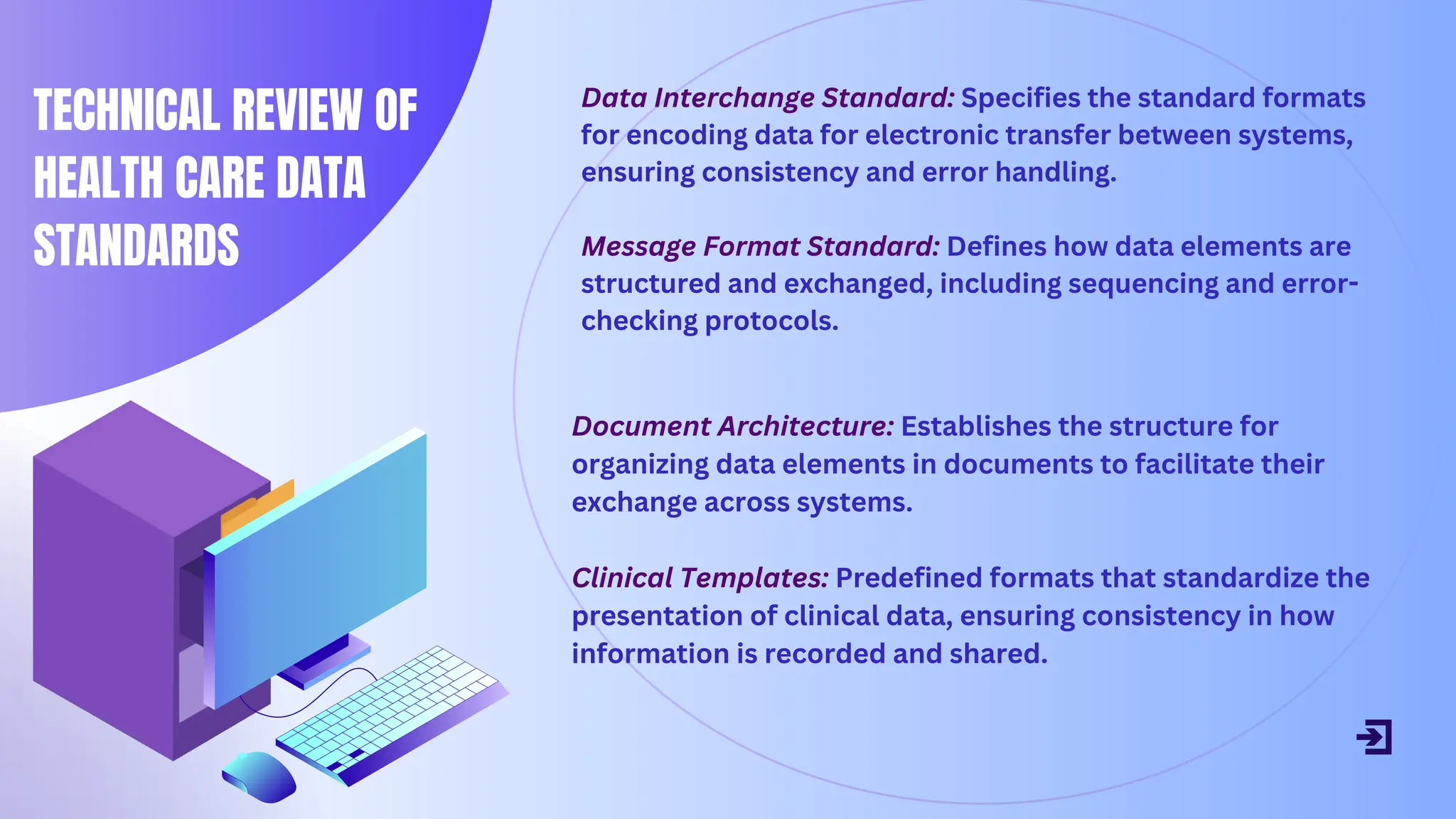
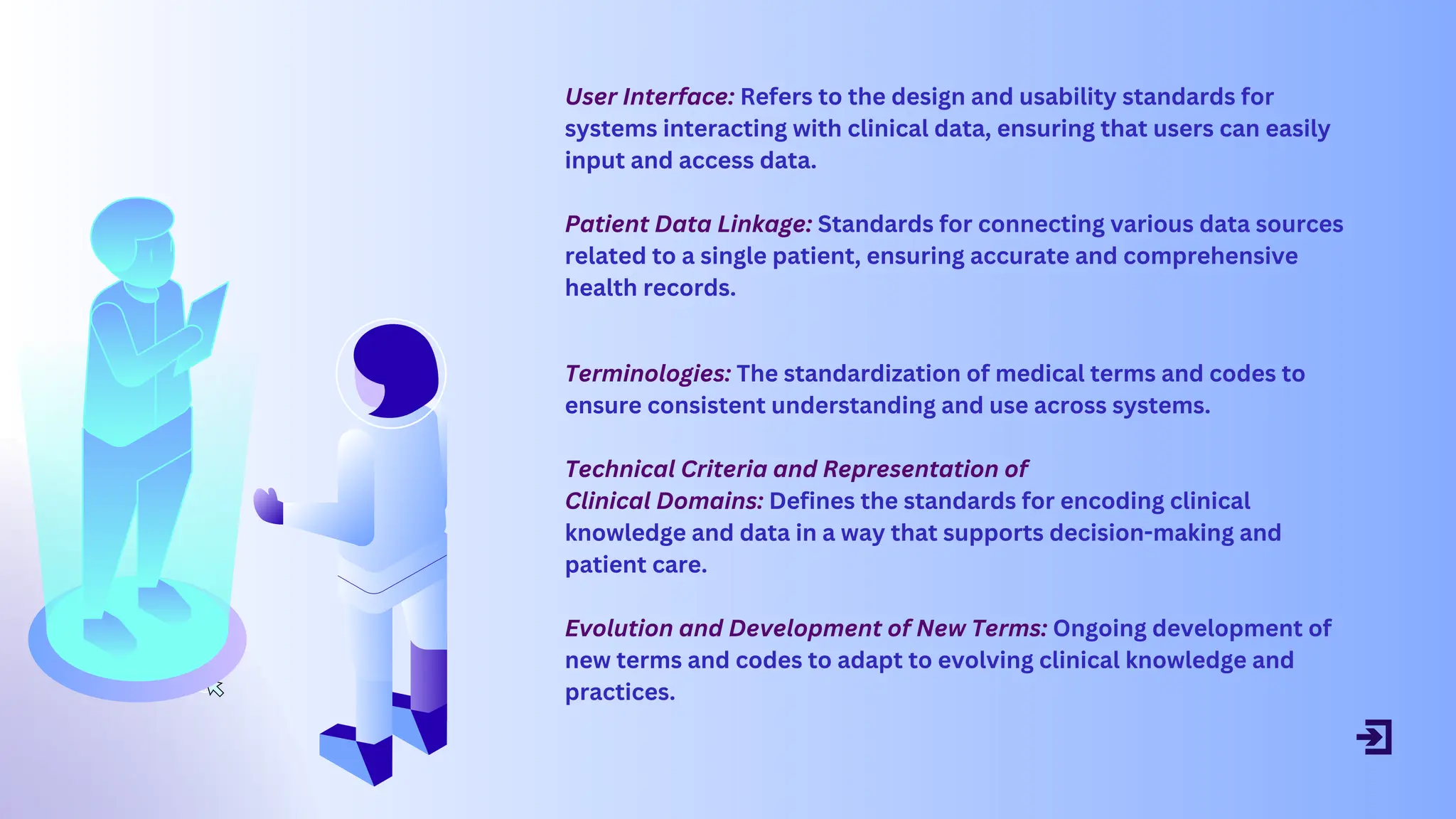
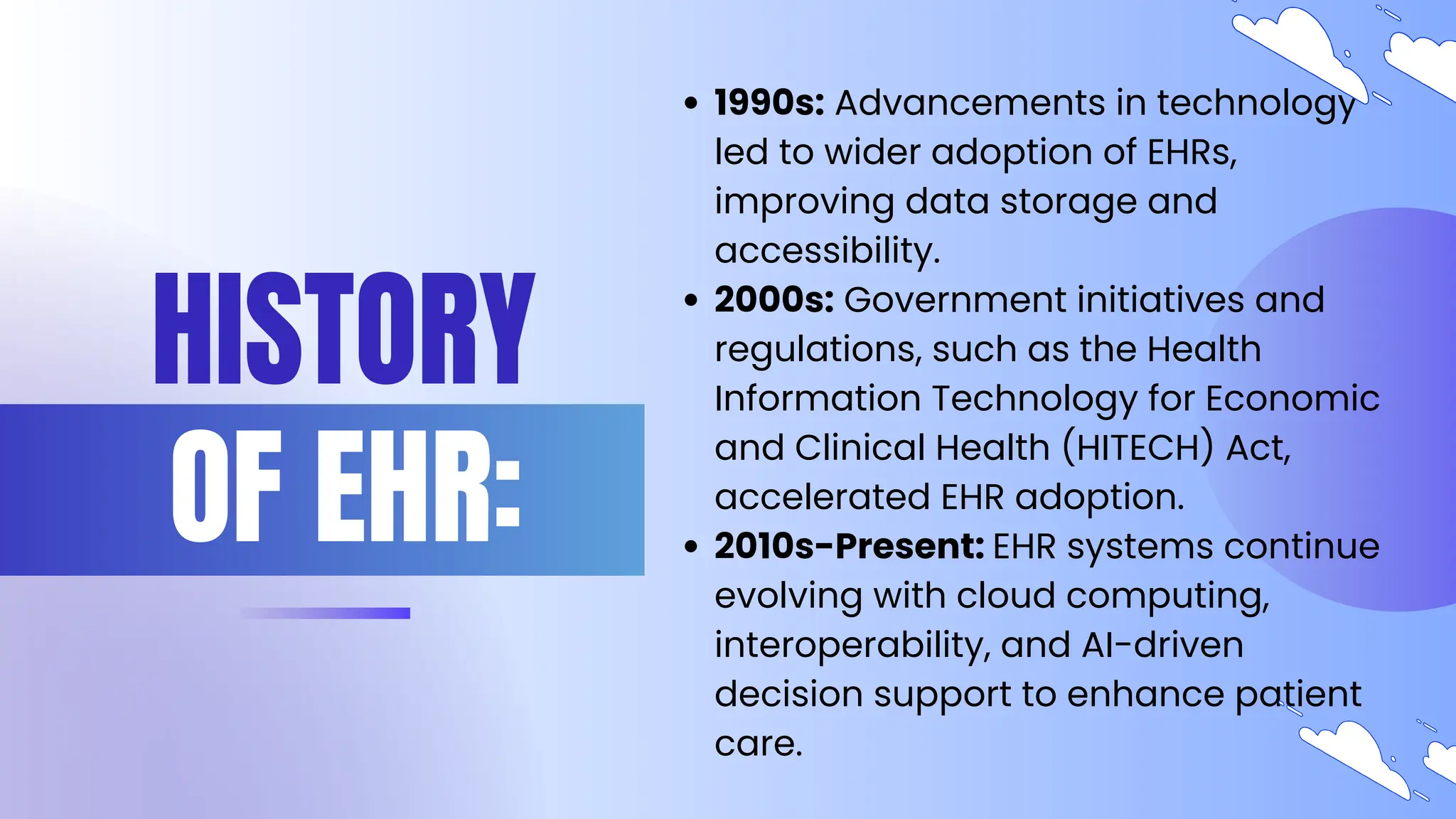
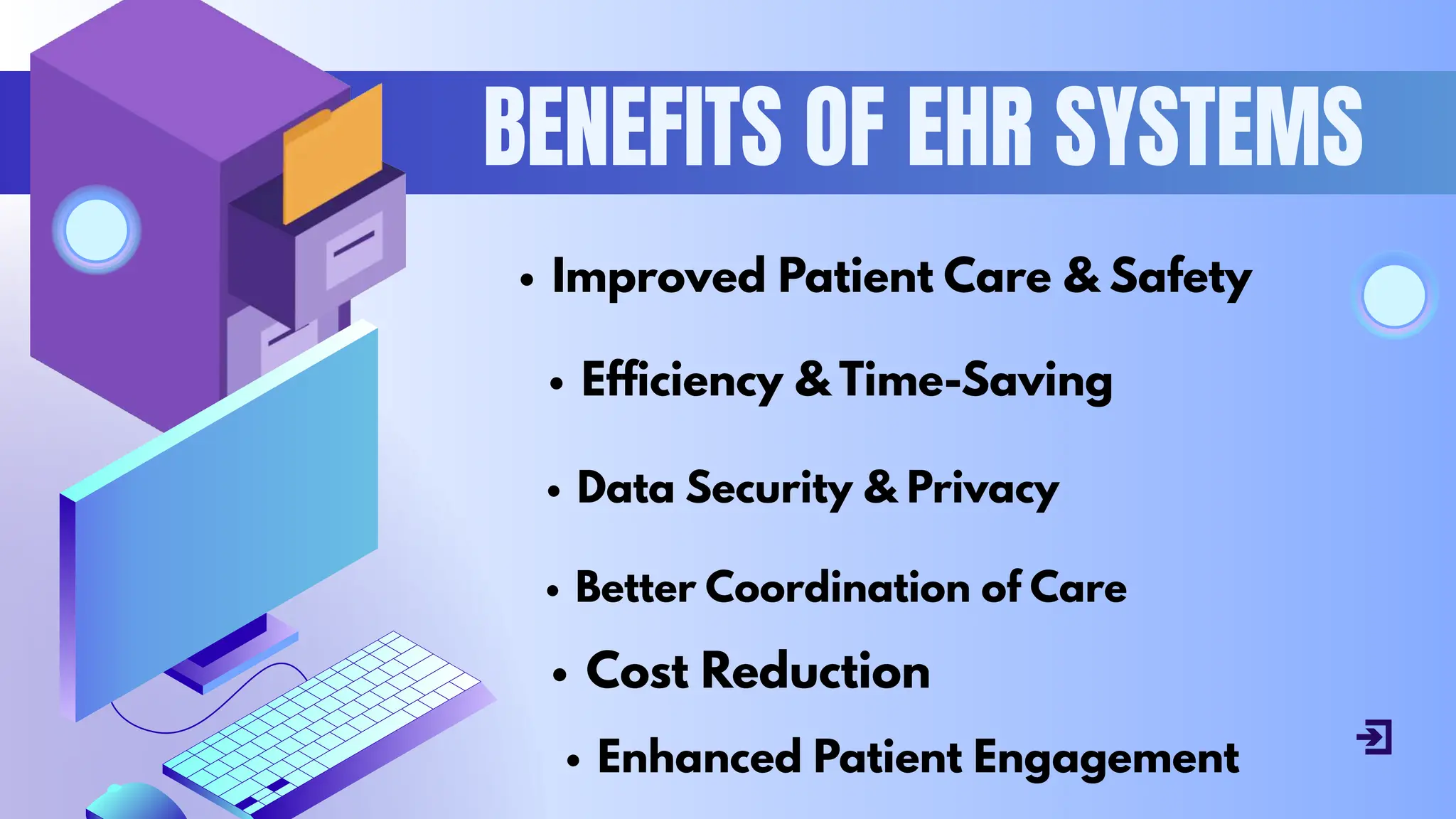
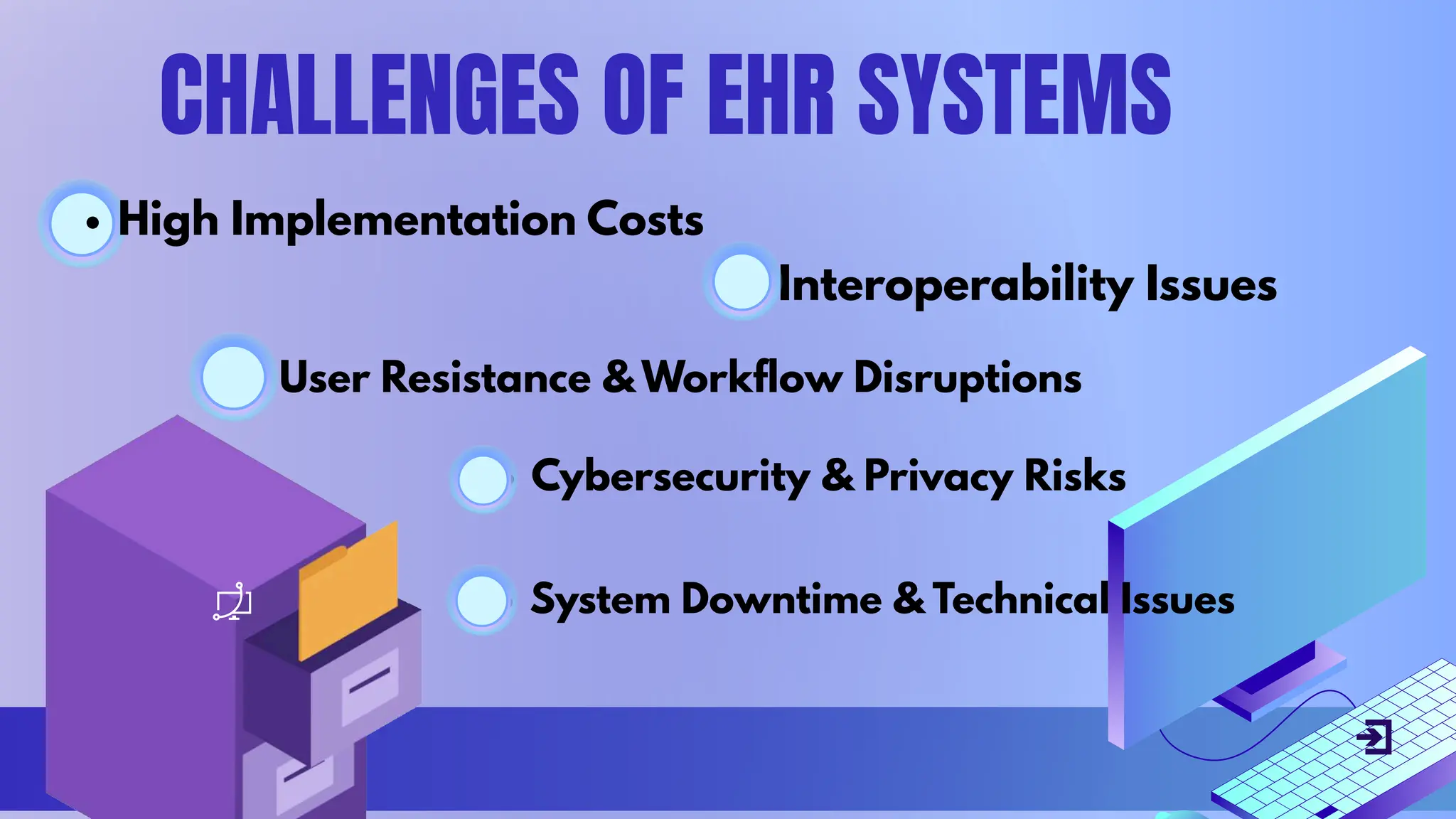
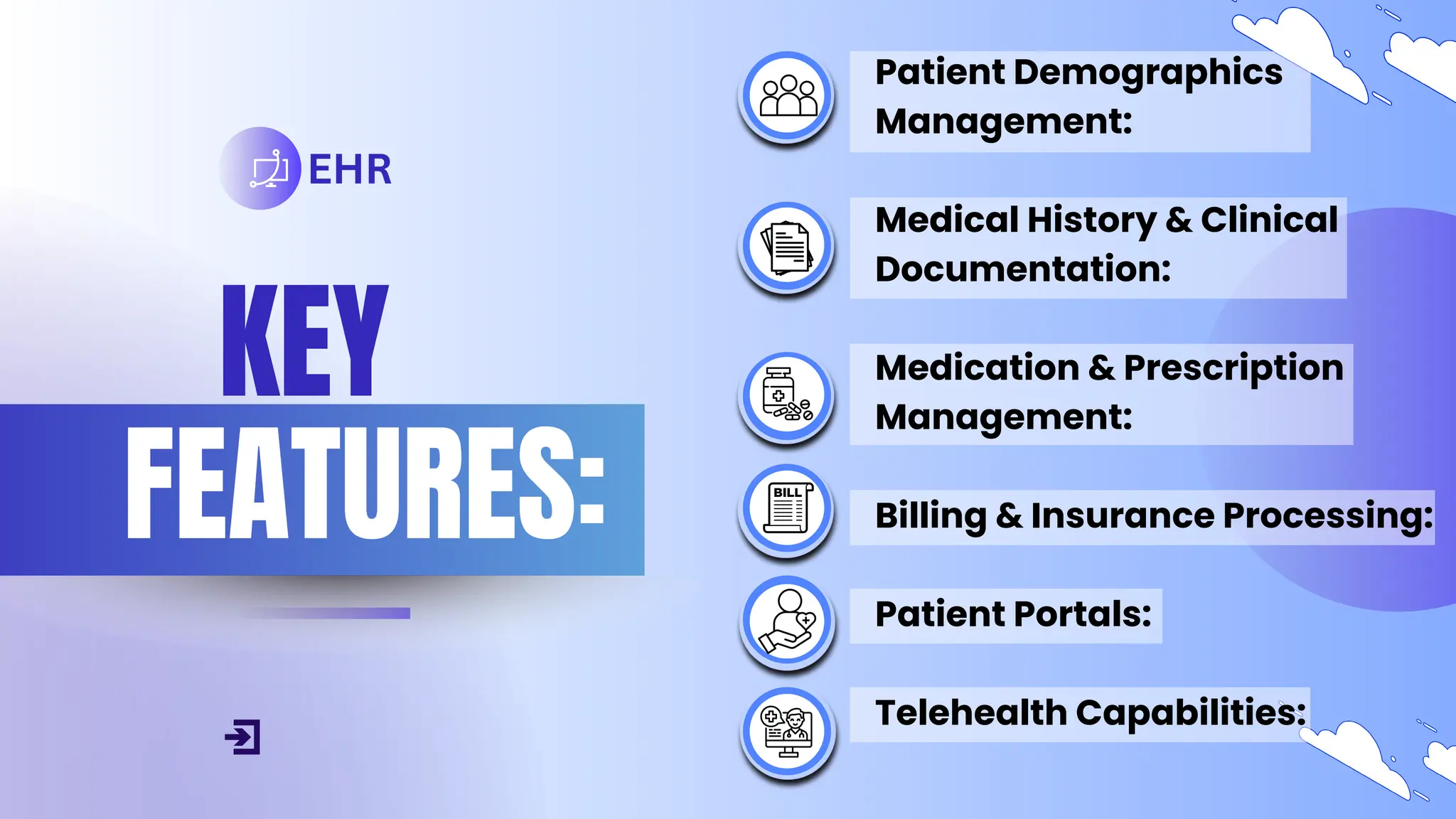
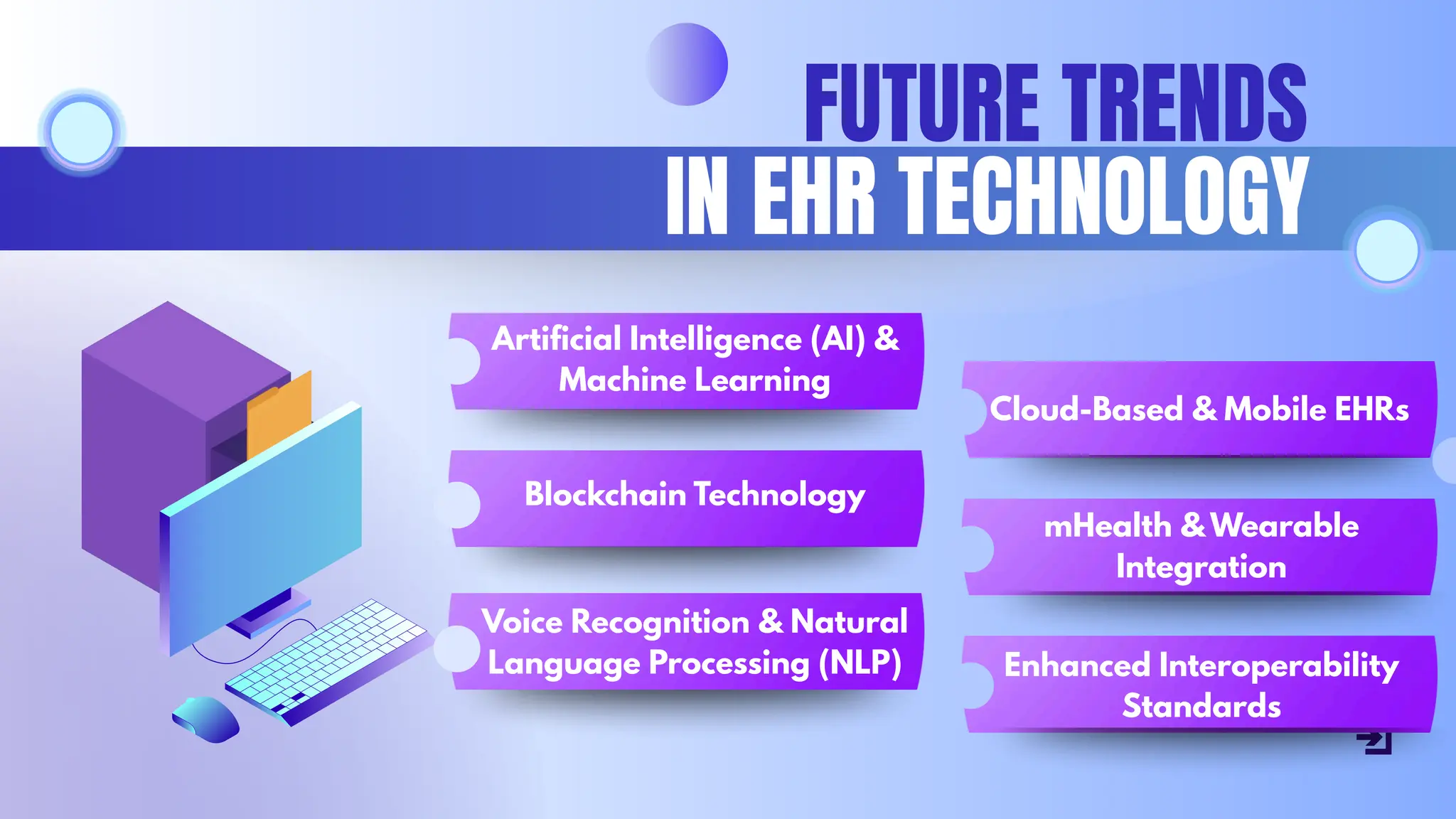
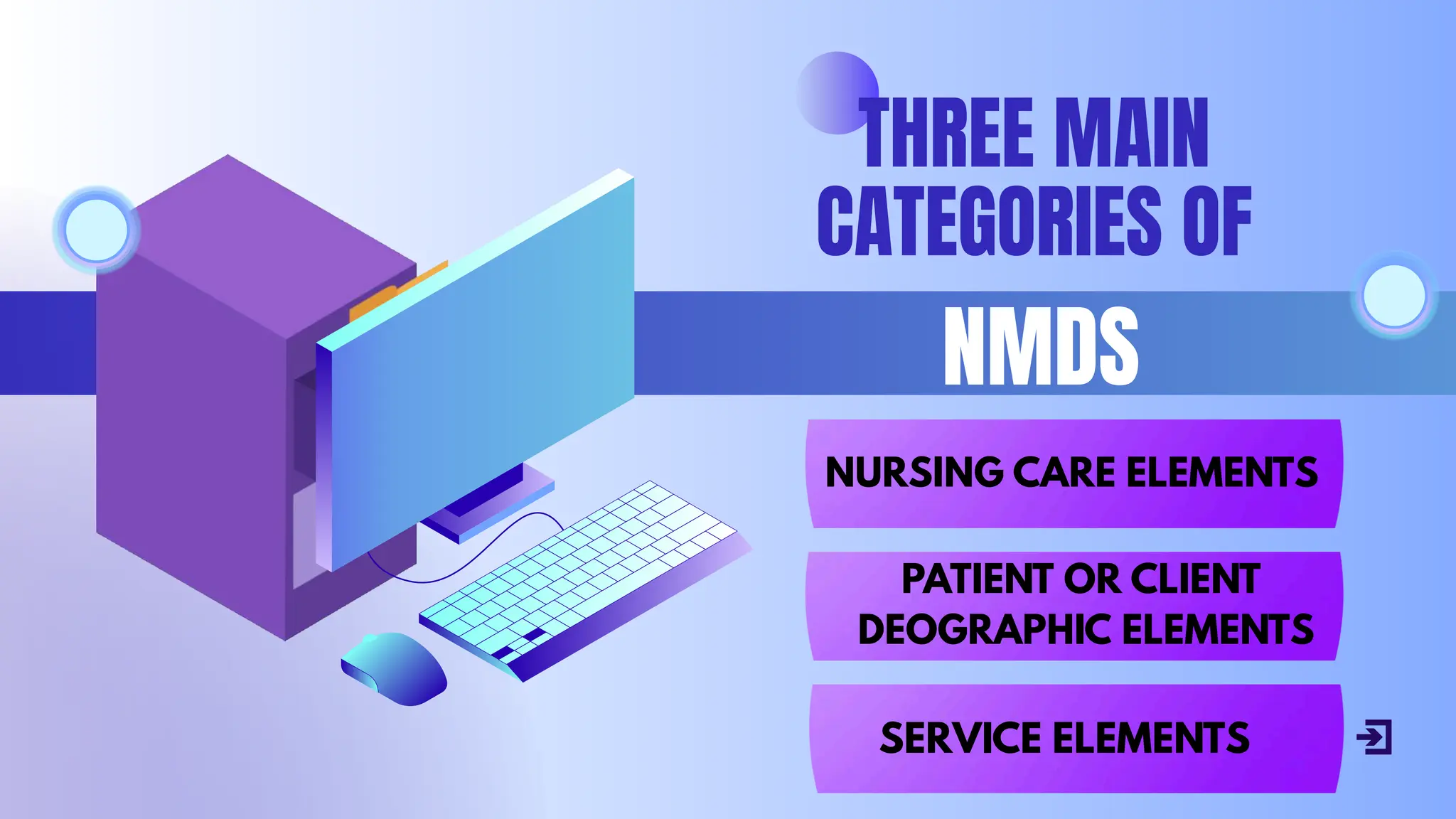
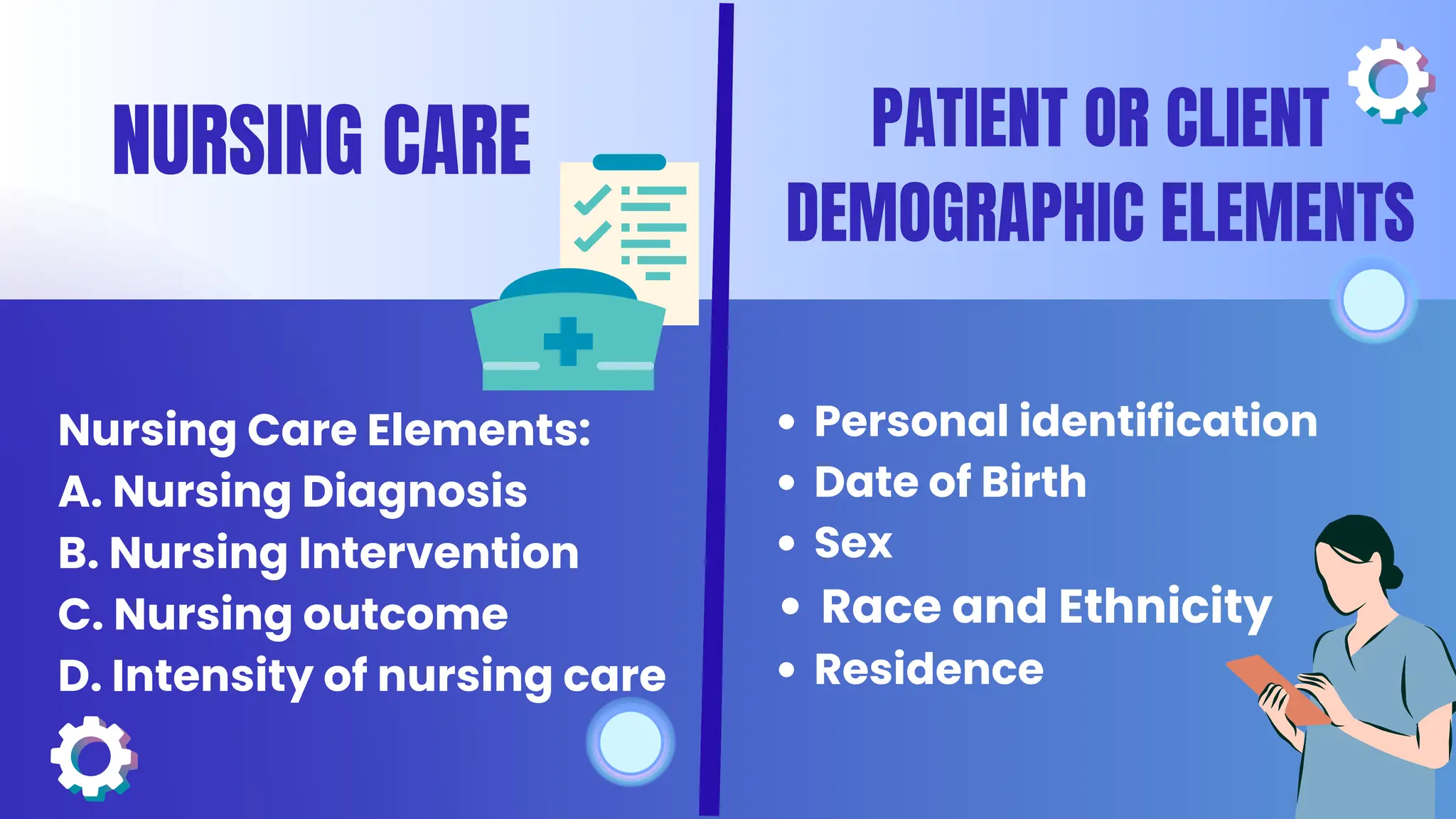
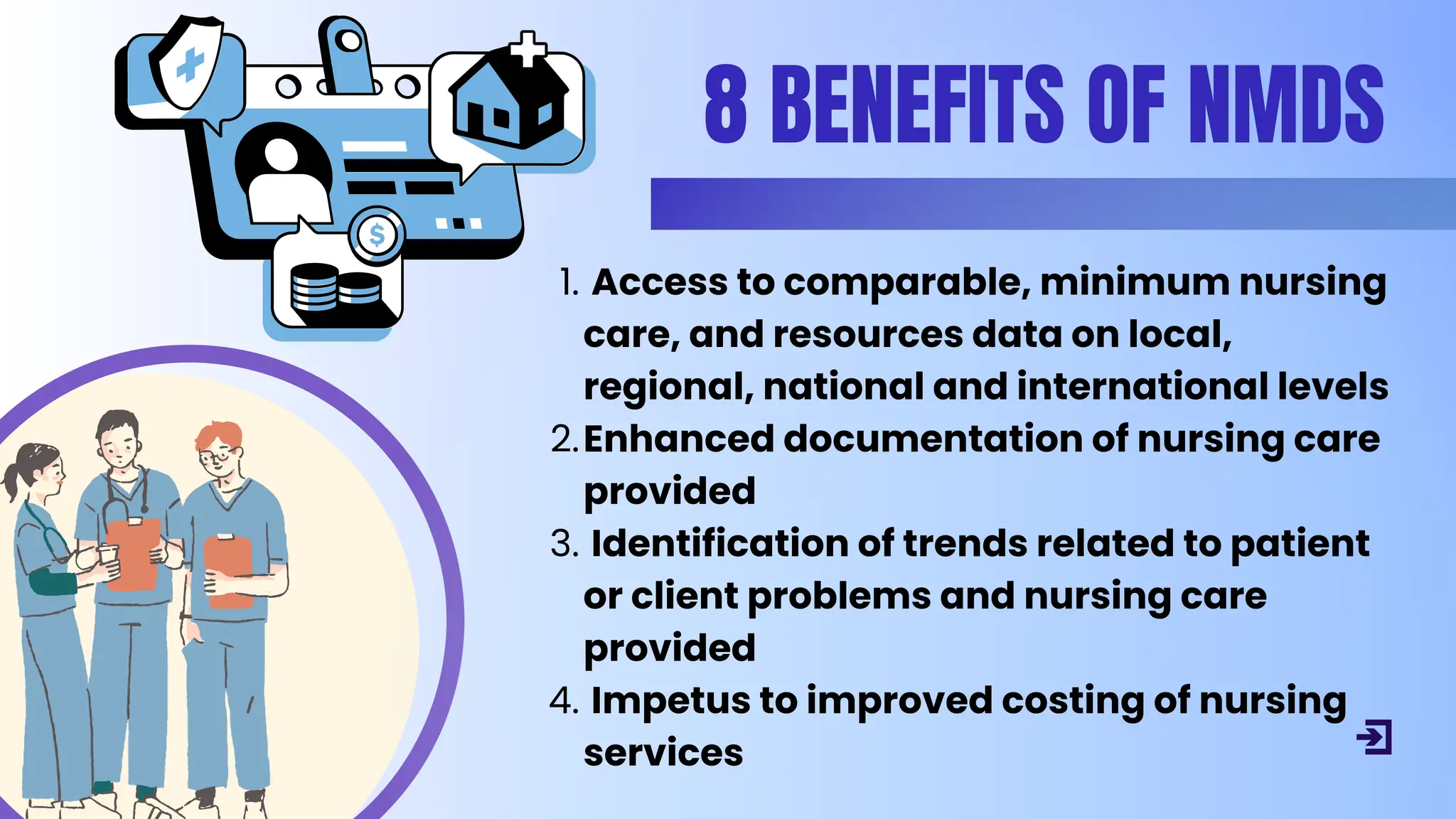
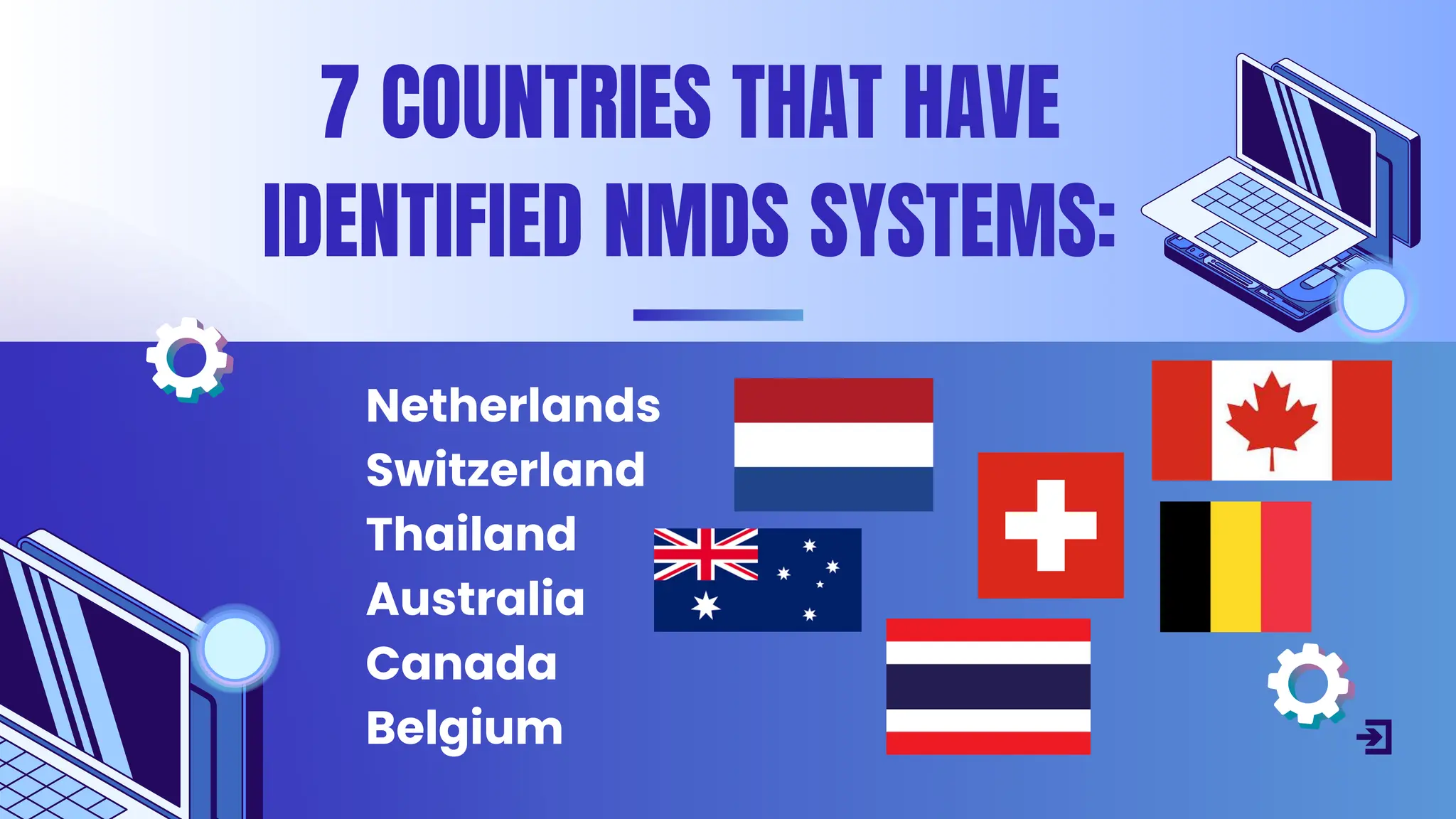
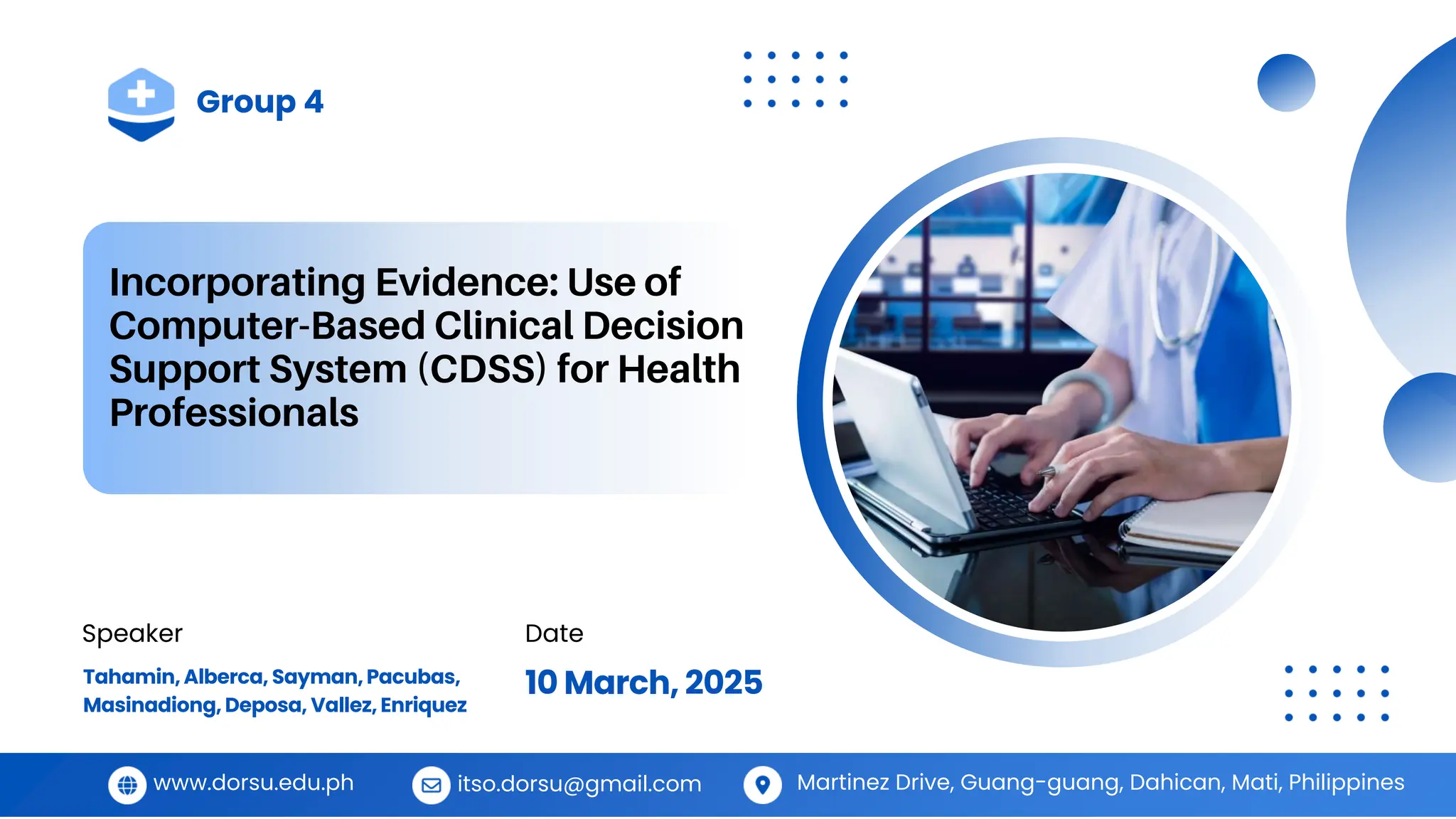
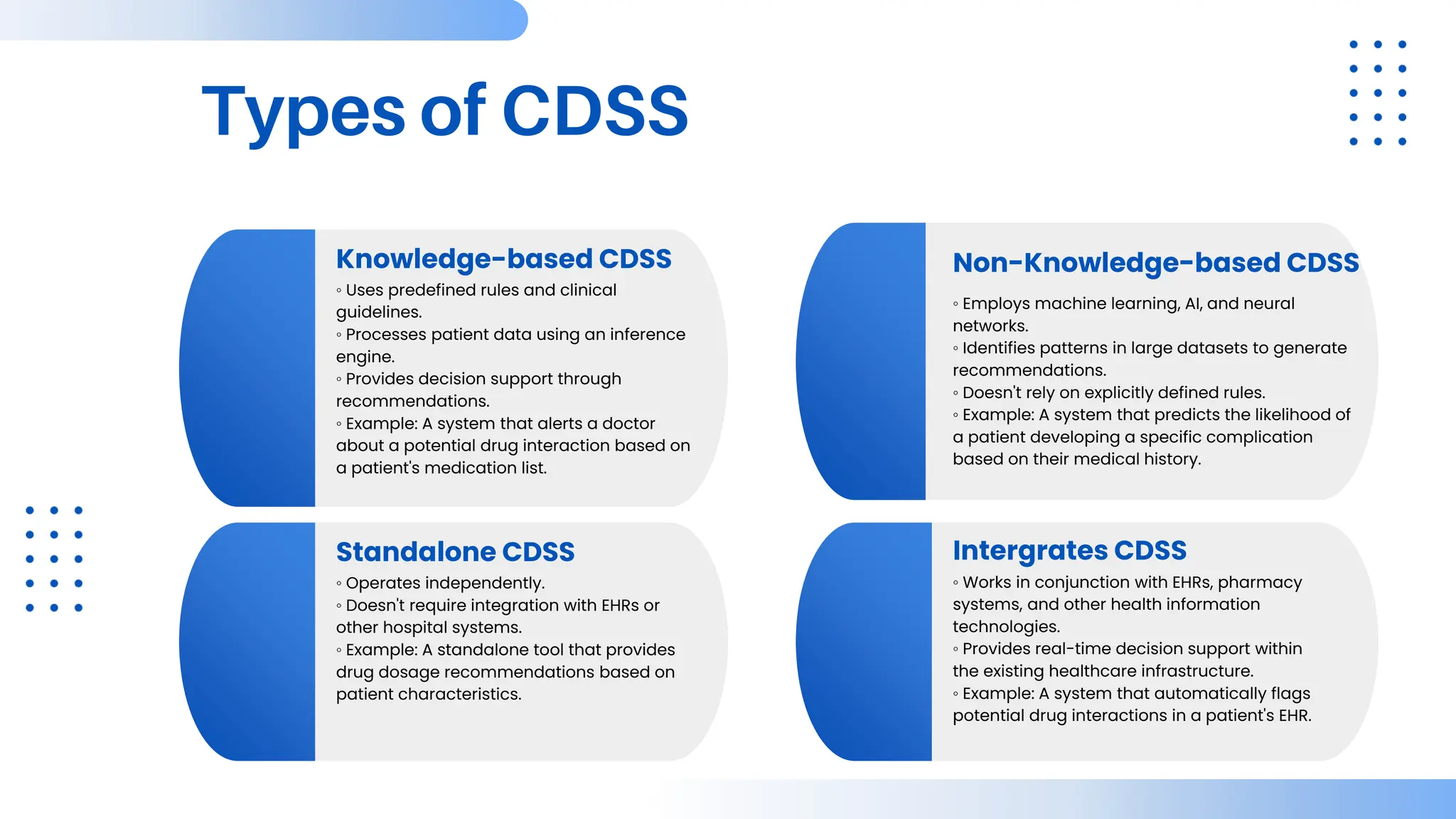
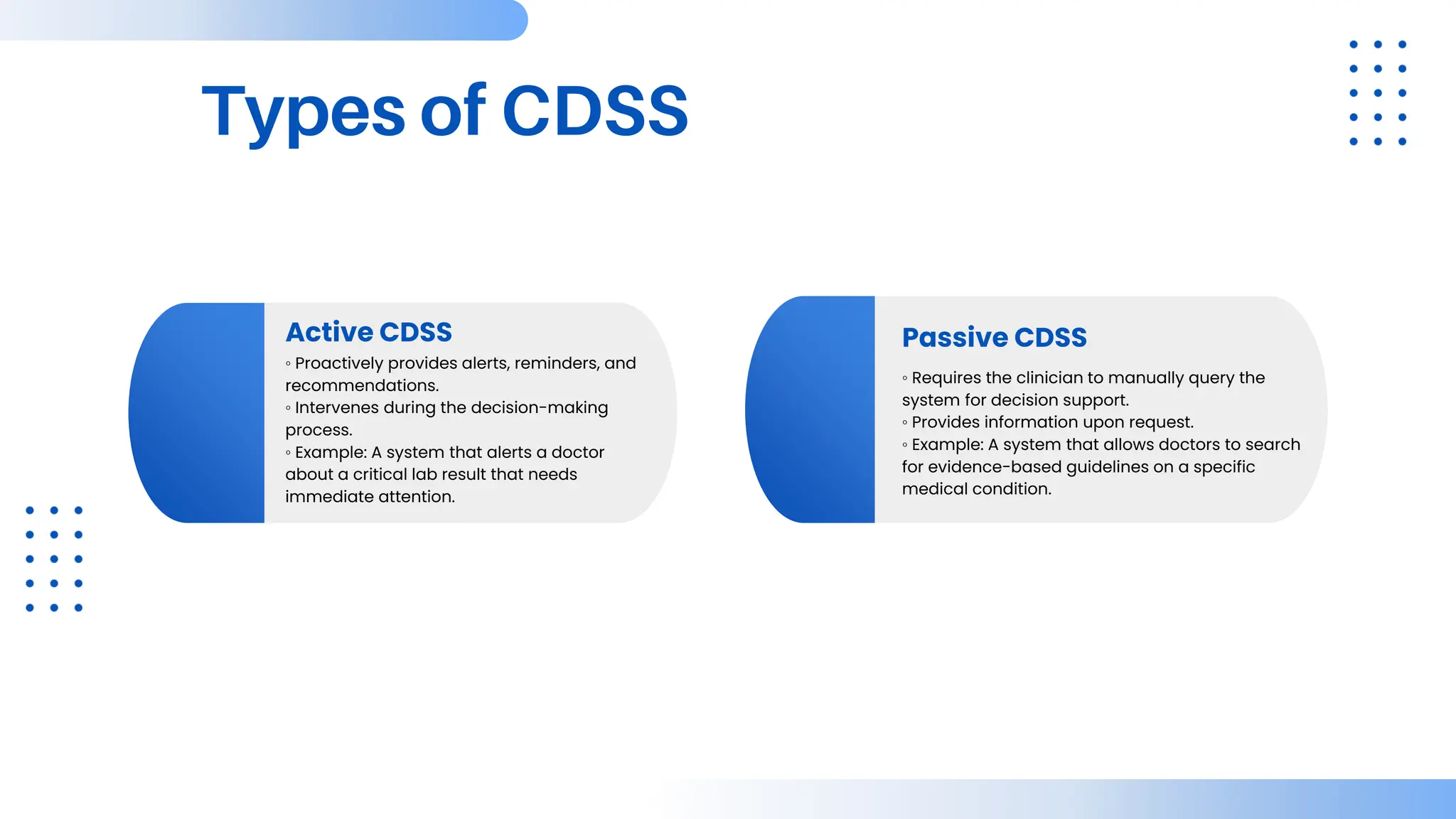
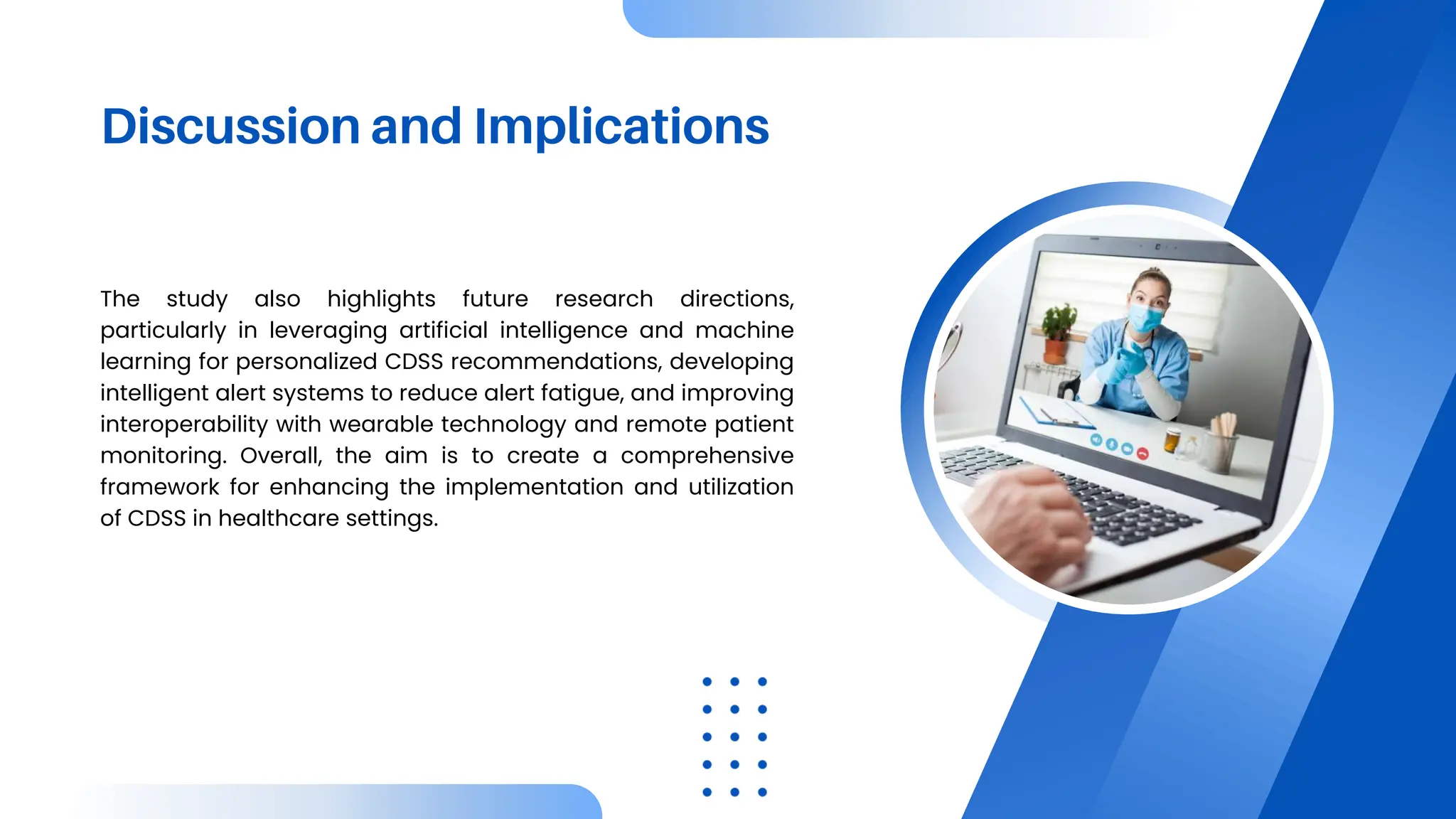
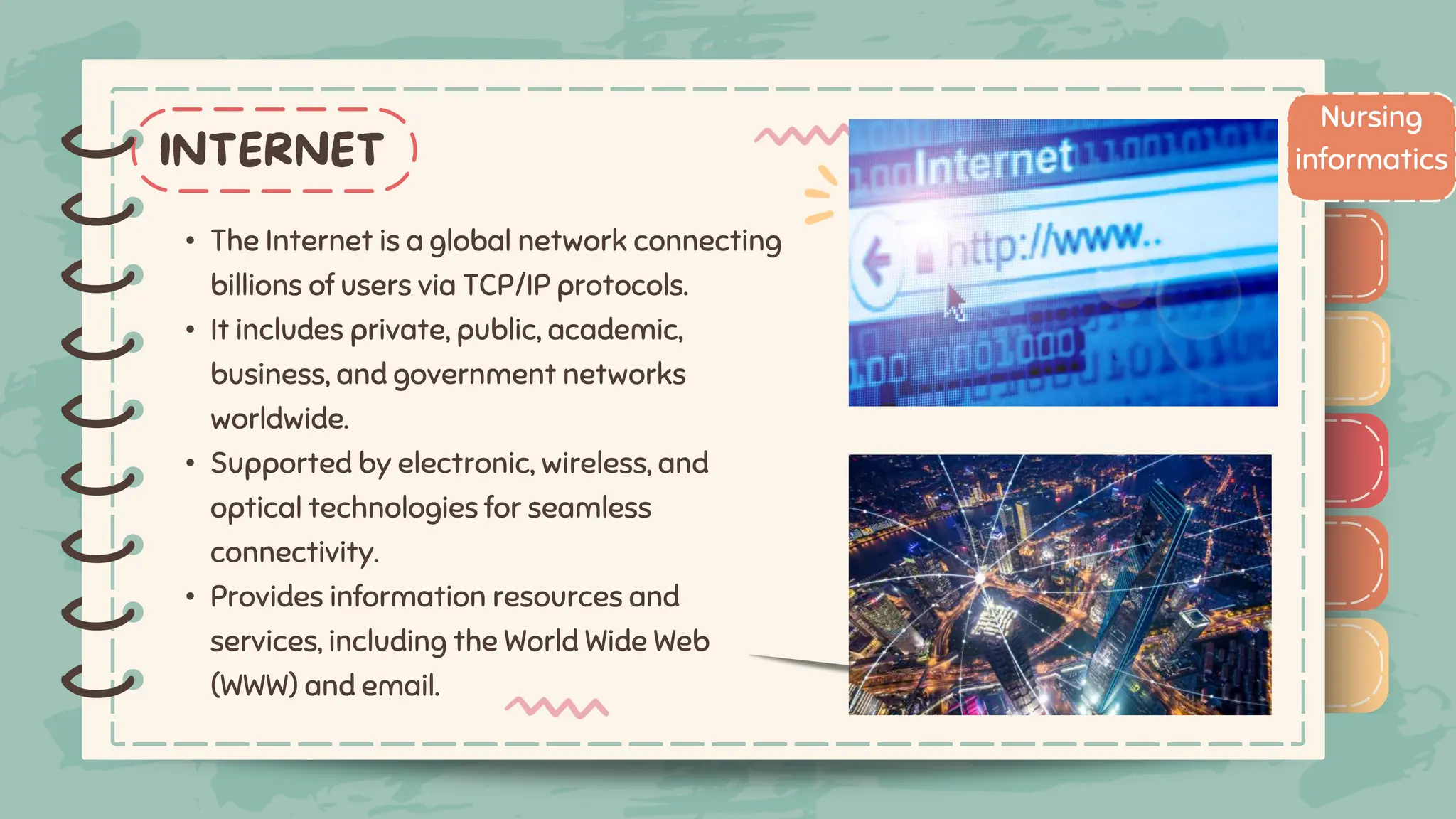
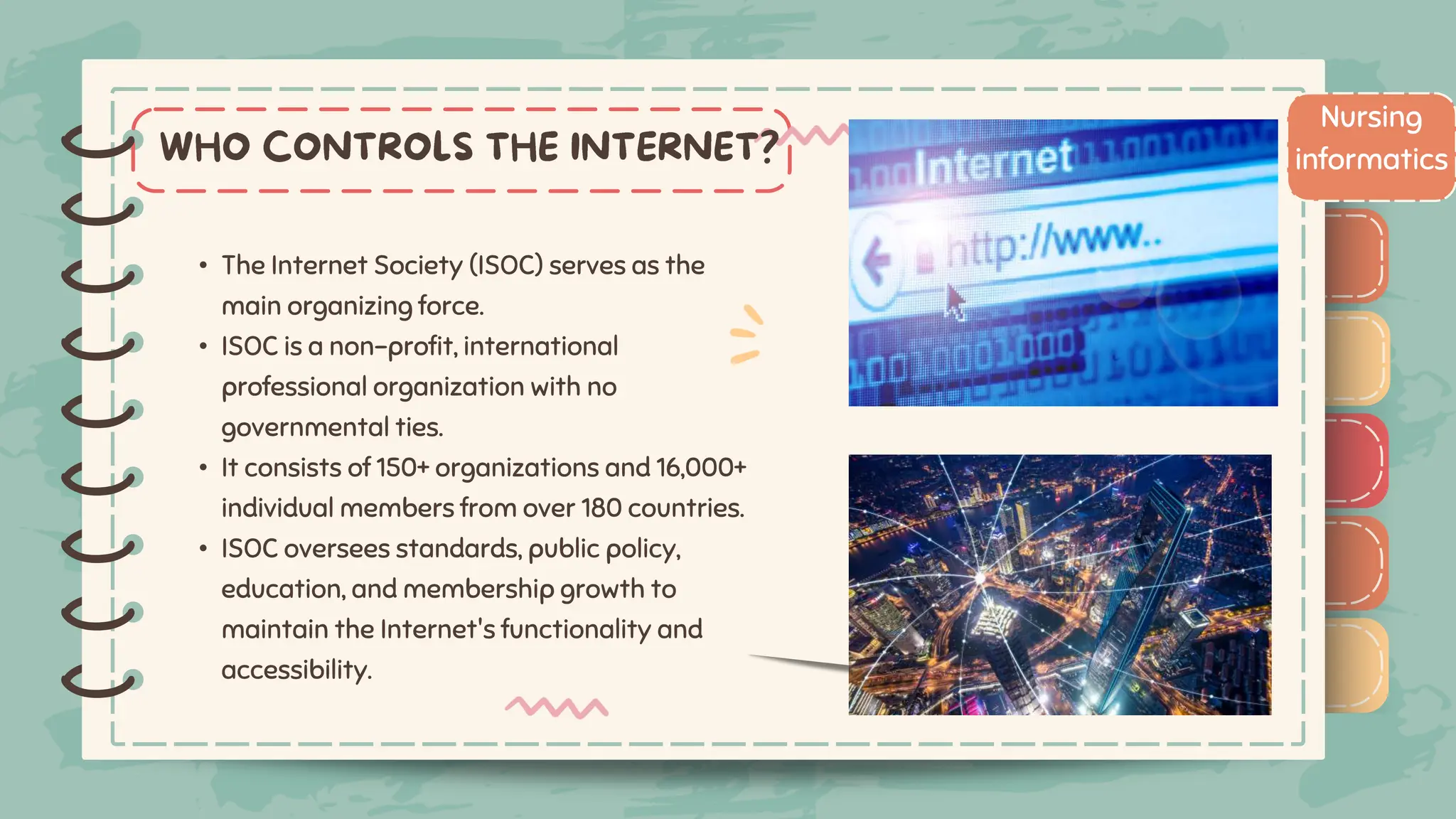
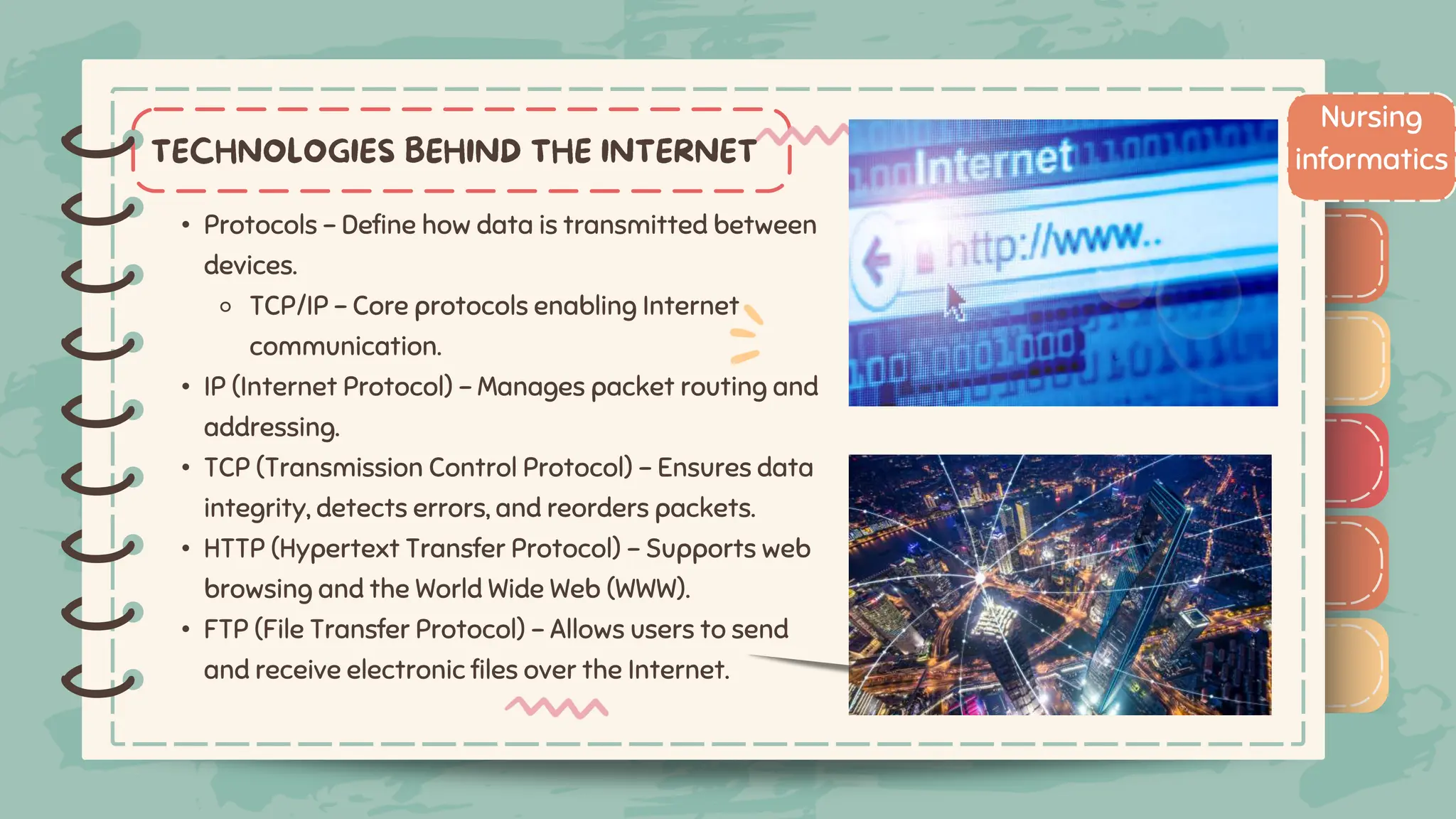
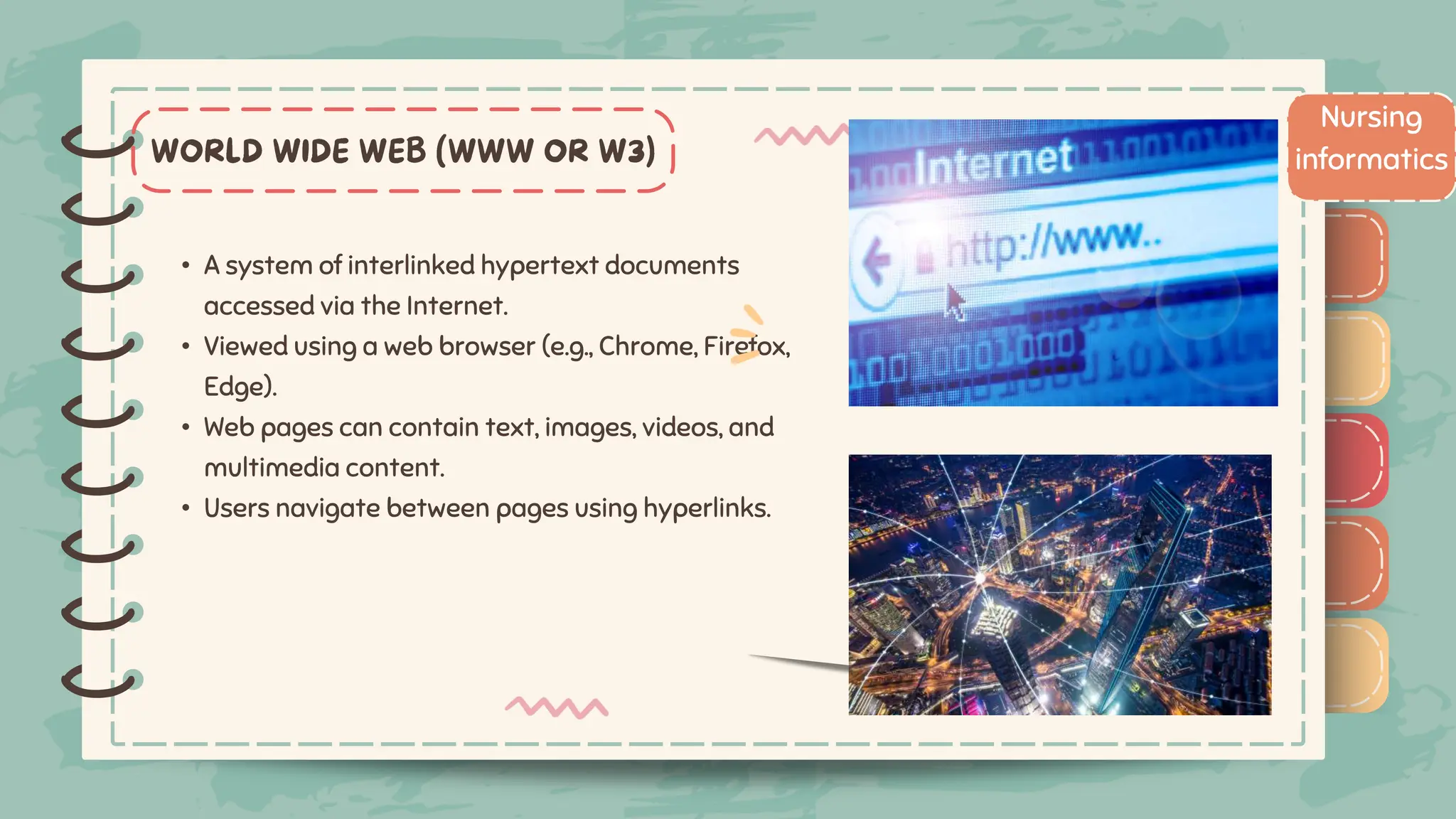
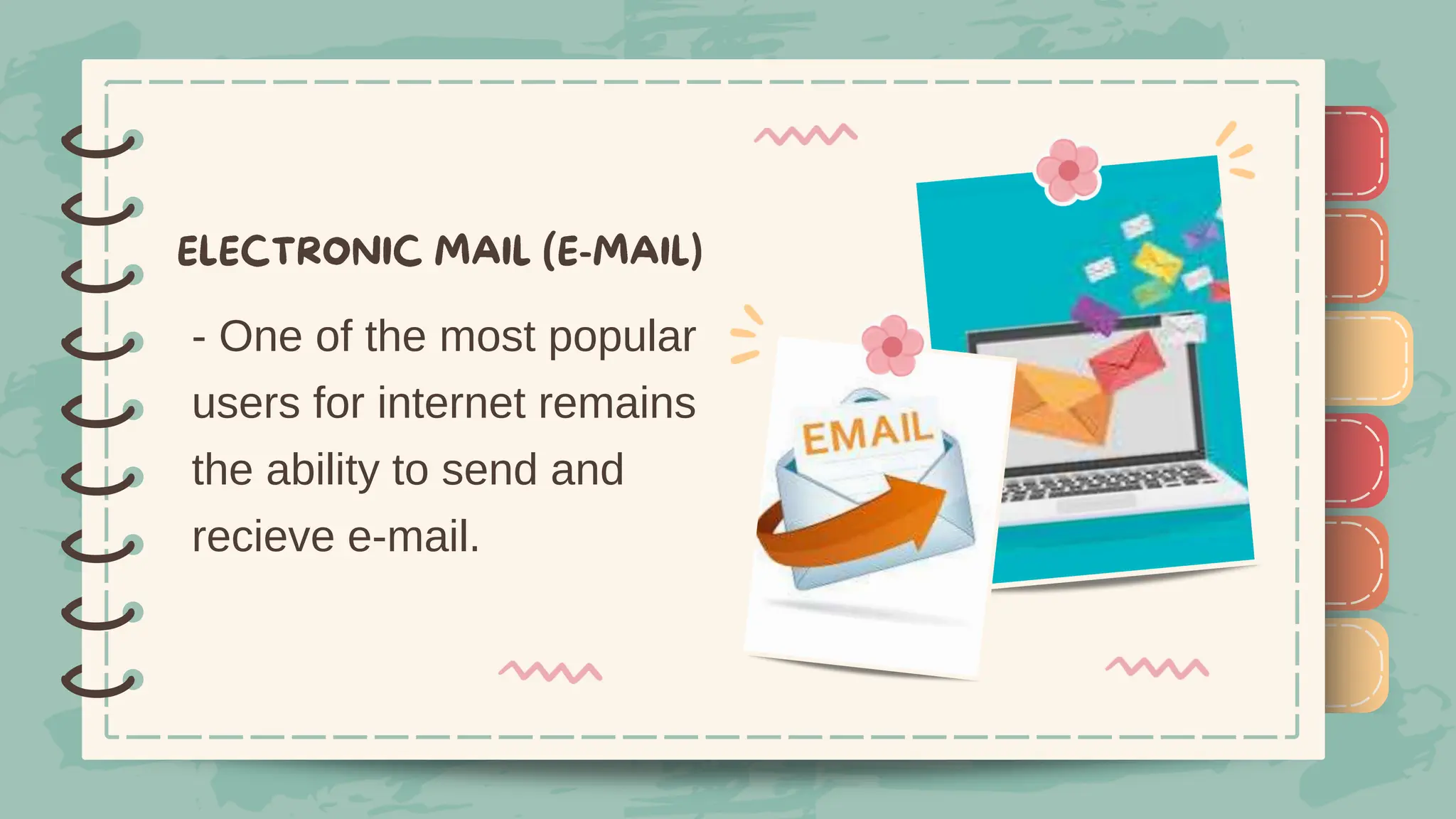
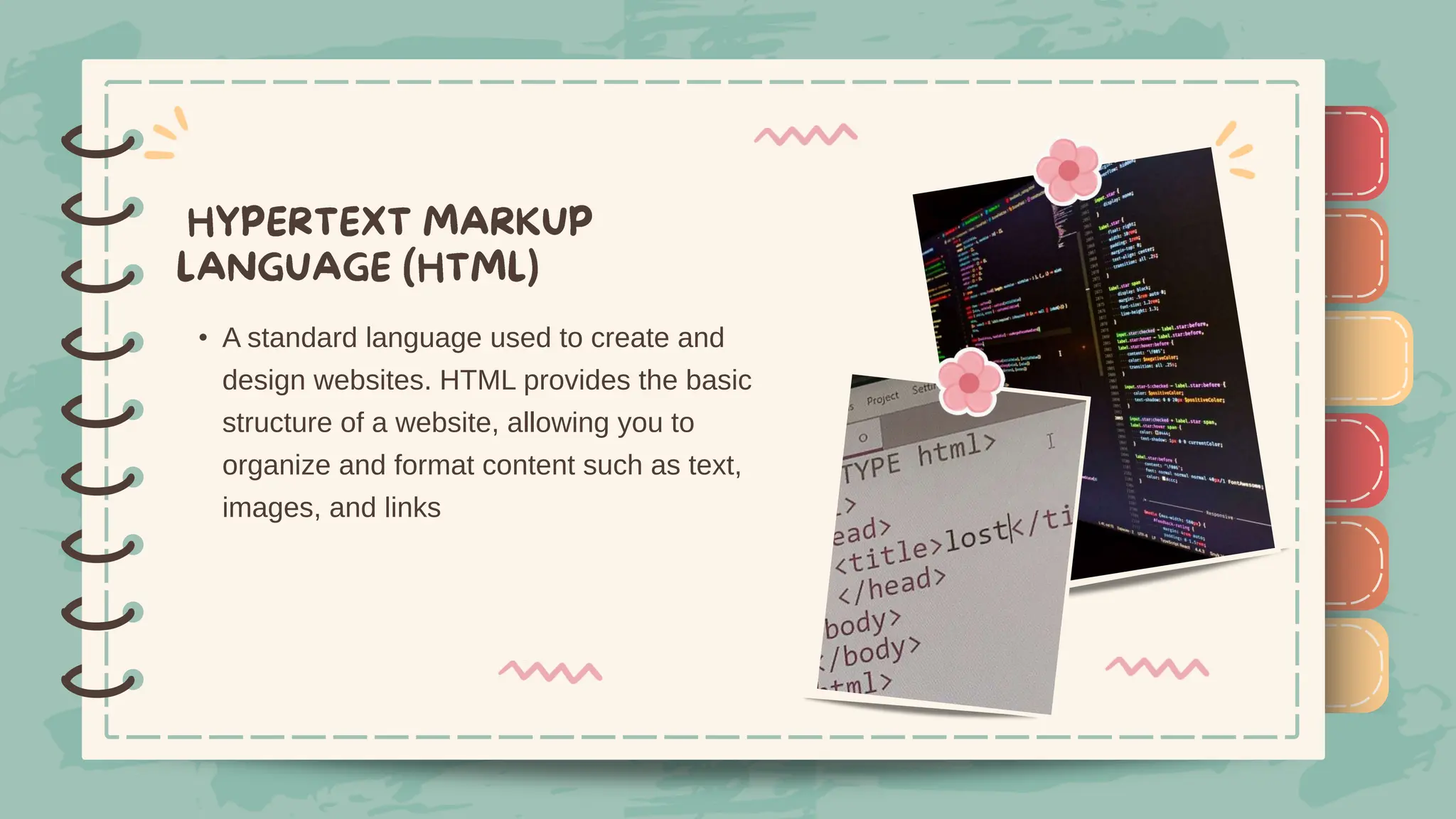
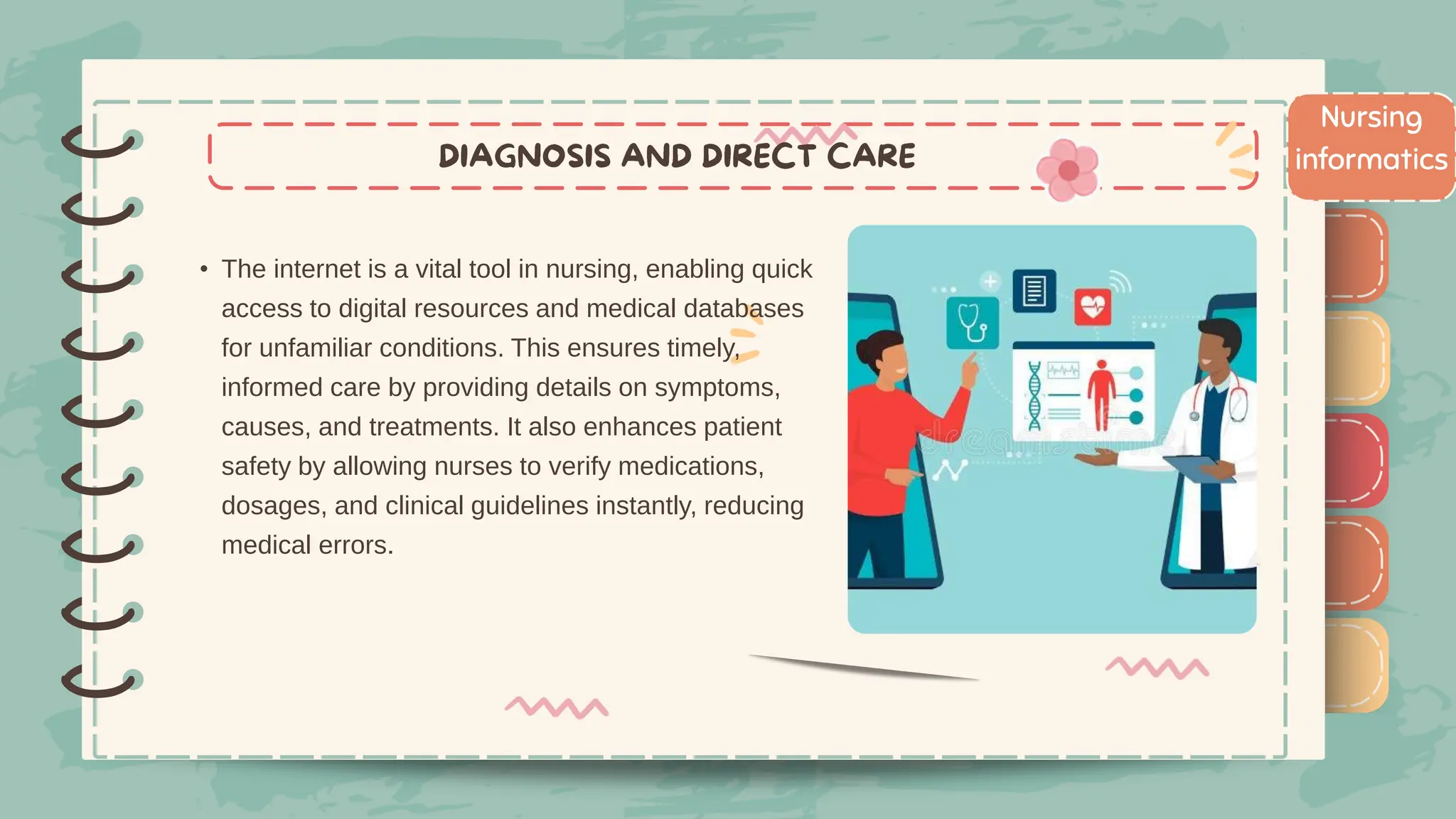
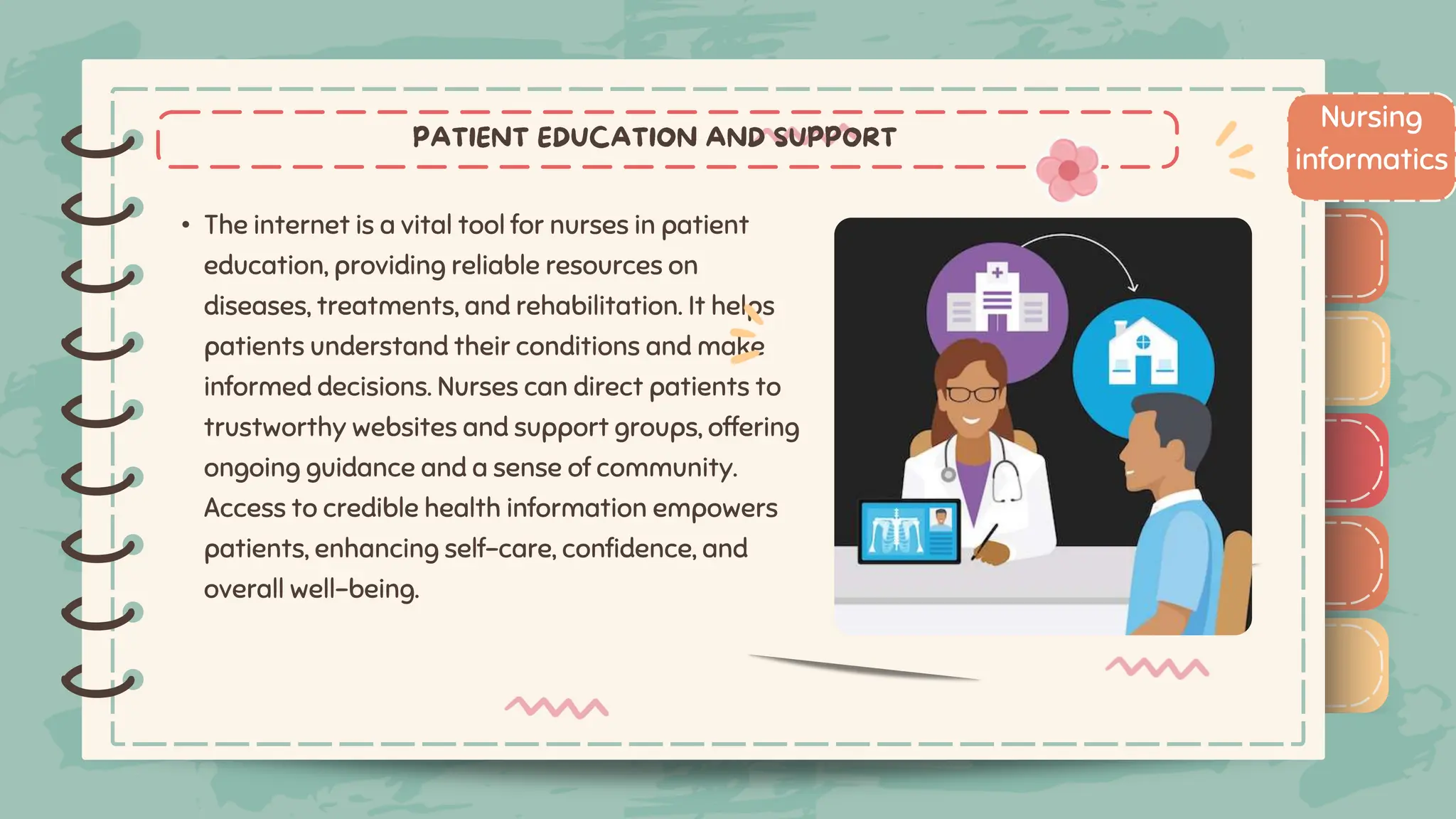
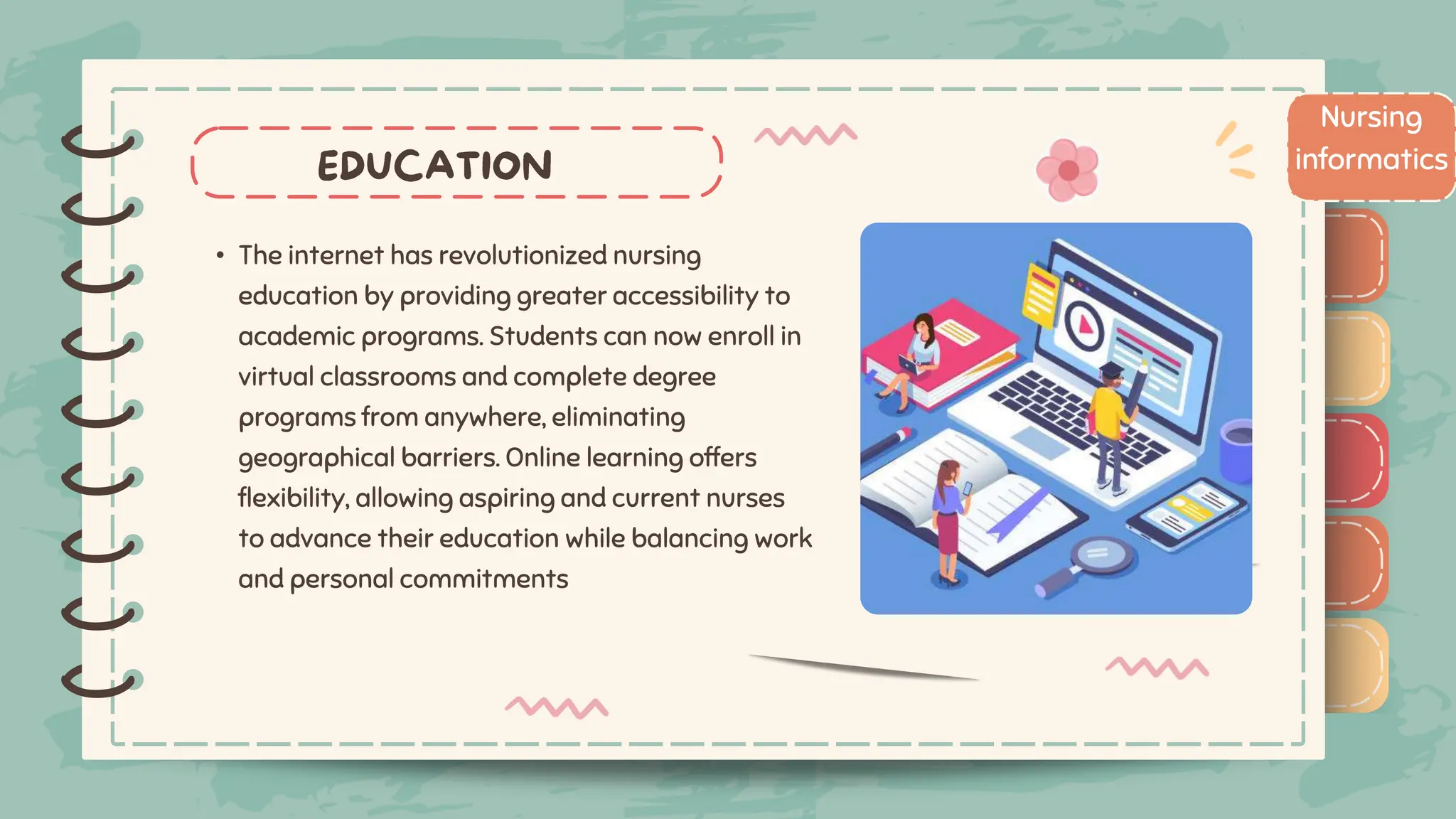
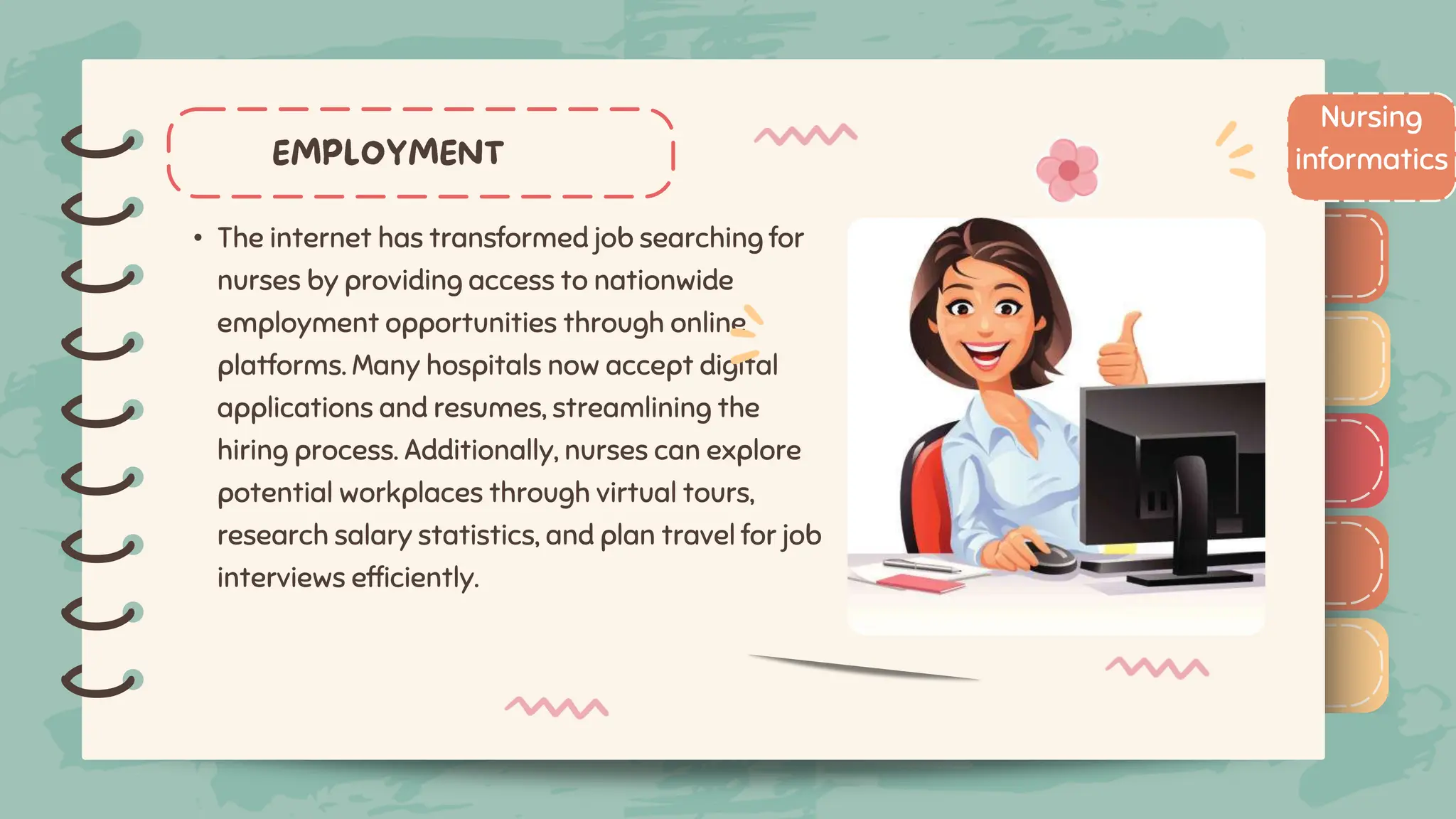
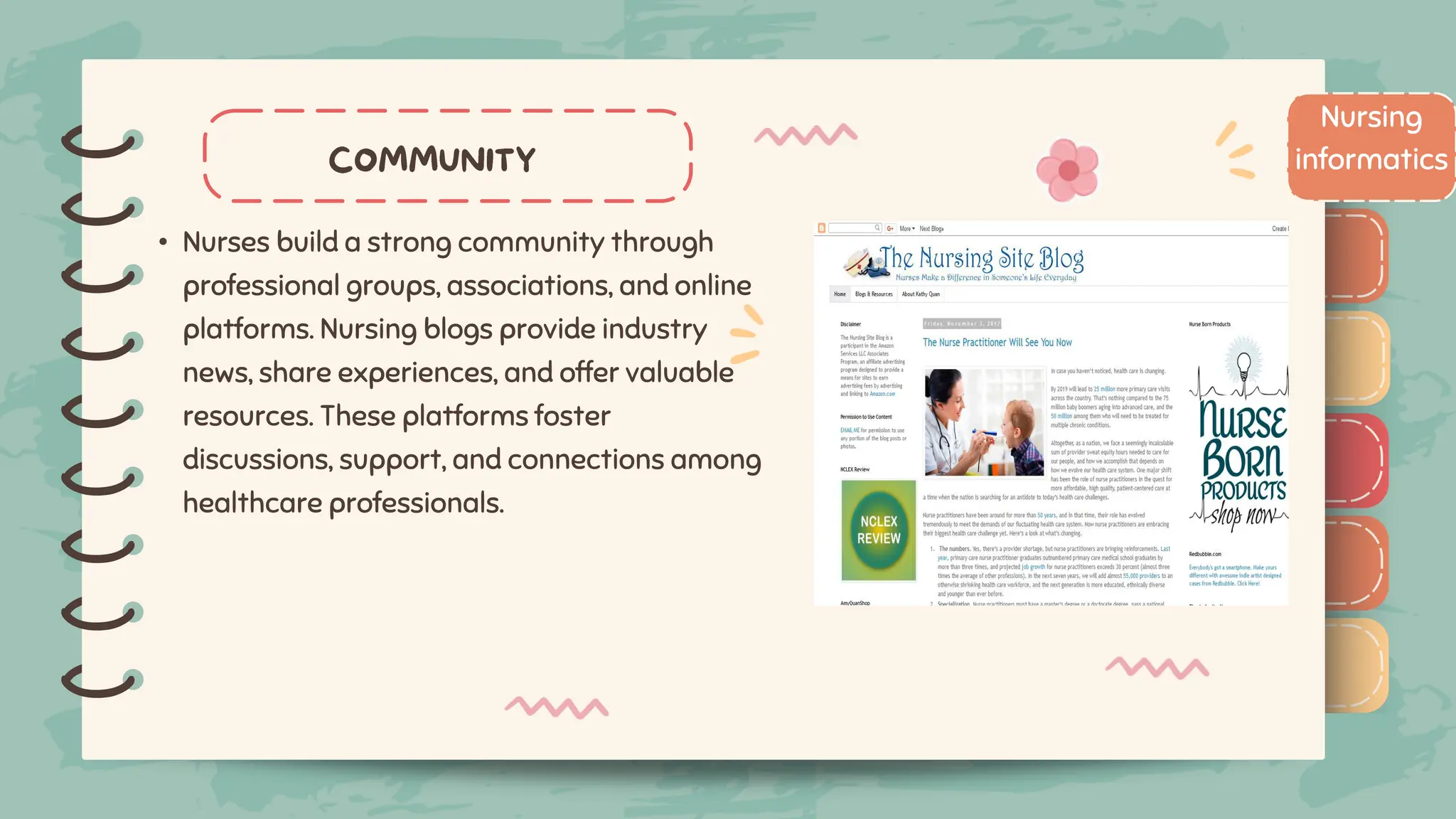

![• Examples of NMDS Applications:
• Clinical Practice: NMDS data can inform clinical decision-making, improve patient care, and
identify areas for improvement
. • Healthcare Management: NMDS data can be used for resource allocation, quality improvement,
and performance evaluation.
• Education: NMDS data can be used to develop and evaluate nursing curricula and training
programs.
• Research: NMDS data can be used to conduct research on nursing care, outcomes, and trends.
The Nursing Minimum Data Set (NMDS) is a standardized framework designed to collect
essential data regarding nursing practice and patient care. It serves as a systematic means for
capturing crucial nursing information across diverse healthcare settings, ultimately facilitating
research, policy development, and quality improvement. By establishing a common set of nursing-
related data, the NMDS seeks to enhance the visibility of nursing contributions to healthcare
outcomes and promote evidence-based practice. Summary of NMDS The NMDS provides a
structured approach to gathering relevant data on nursing care, patient demographics, nursing
diagnoses, interventions, and outcomes. By implementing a minimum dataset, healthcare
organizations can track and analyze key nursing activities and their effects on patient health. This
initiative supports enhanced communication among healthcare providers, aids in workforce
planning, and contributes to the quality assurance of nursing practices.
The NMDS includes three broad categories of elements:
A. Nursing care
B. Petite event demographics Nursing care elements
• Nursing diagnosis
• Nursing intervention
• Nursing outcome
• Intensity of nursing care] Patient or Client demographic elements
• Personal identification
• Date of Birth [ Sex
• Race and Ethnicity Residence THE U.S. NMDS DATA ELEMENTS Service elements
• Unique facility or service agency number Angue healer or superstack oral provider •Episode
admission or encounter data
Discharge or termination date
•Disposition of patient or client
Expected payer for most of this bill "The aim of the NMDS is not to be redundant of other data
sets, but rather to identify what are the minimal data needed to be collected from records of
patients receiving care"
• The NMDS was developed by building on the foundation established by U.S Uniform Hospital
Discharge Data Set Eight benefits of NMDS
Access to comparable, minimum nursing care, and resources data on local,](https://image.slidesharecdn.com/nursinginformaticsmerged-250415042714-628b3971/75/Nursing-Informatics-merged-prelim-and-midterm-pdf-112-2048.jpg)