NOISE
POLLUTION
 DONE BY: ATHUL
    ASWANTH
     FAHEEM
      GIBU
  SABAREENATH
     SUPRAJ
     RAYAN
A SOUND, ESPECIALLY
ONE THAT IS LOUD OR
UNPLEASANT OR THAT
CAUSES DISTURBANCE IS
CALLED A NOISE.
What is Noise Pollution?
 Noise pollution is excessive,
displeasing human, animal, or
machine-created environmental
noise that disrupts the activity or
balance of human or animal life.
 The word noise may be from the
Latin word nauseas, which means
disgust or discomfort.
IT IS A TYPE OF
ENERGY POLLUTION IN
WHICH DISTRACTING,
IRRITATING, OR
DAMAGING SOUNDS ARE
FREELY AUDIBLE.
As with other forms
of energy pollution (such as heat and
light pollution), noise pollution
contaminants are not physical
particles, but rather waves that
interfere with naturally-occurring
waves of a similar type in the same
environment.
MEASURING
  SOUND
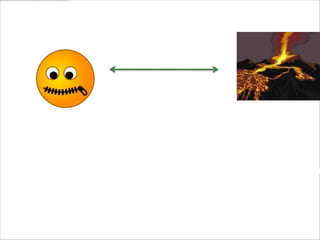
Sound is measured by the unit
decibels (dB).
Eg:
            Silence – 0 dB
  Normal Conversation – 30 dB
   Radio; Telephone ring; busy
traffic; orchestra; loud TV – 70 db
  Shouting in one’s ear – 114 db
    Volcanic Eruption – 272 db
Noise may permanently damage hearing. A
sudden loud noise can cause severe damage
to the eardrum.
  Noise increases the chances of occurrence
of diseases such as headache, blood
pressure, heart failure, etc.
  Noise leads to increased heart
beat, constriction of blood vessels and
dilation of pupil.
  Noise is a problem especially for patients
who need rest.
  Noise may cause damage to liver, brain
Noise can have a detrimental effect on
animals, increasing the risk of death by
changing the delicate balance in predator
or prey detection and avoidance, and
interfering the use of the sounds in
communication especially in relation to
reproduction and in navigation.
  Acoustic overexposure can lead to
temporary or permanent loss of hearing.
An impact of noise on animal life is
the reduction of usable habitat that noisy
areas may cause, which in the case of
endangered species may be part of the
path to extinction.
  Noise pollution has caused the death of
certain species of whales
That beached themselves after being
exposed to the loud sound of
military sonar.
Noise pollution has
many effects on plants:
  It affects their growth
and some may even die
due to very loud noise.
  It affects the
Community development or urban
management should be done with long-term
planning, along with an aim to reduce noise
pollution.
  Social awareness programs should be taken
up to educate the public about the causes and
effects of noise pollution.
   Minimization of domestic noise coming from
radio , tape recorders , television sets , mixers
, washing machine , etc. by their selective and
judicious use.
the usage of loudspeakers in the
habitant zones should not be
permitted.
 noise pollution can be reduced to
certain limit by fixation of silencers in
automobiles.
 reduction of excess noise levels by
optimum selection of machinery tools
or equipment.
Noise pollution'
Noise pollution'

Noise pollution'

  • 1.
    NOISE POLLUTION DONE BY:ATHUL ASWANTH FAHEEM GIBU SABAREENATH SUPRAJ RAYAN
  • 2.
    A SOUND, ESPECIALLY ONETHAT IS LOUD OR UNPLEASANT OR THAT CAUSES DISTURBANCE IS CALLED A NOISE.
  • 3.
    What is NoisePollution? Noise pollution is excessive, displeasing human, animal, or machine-created environmental noise that disrupts the activity or balance of human or animal life. The word noise may be from the Latin word nauseas, which means disgust or discomfort.
  • 4.
    IT IS ATYPE OF ENERGY POLLUTION IN WHICH DISTRACTING, IRRITATING, OR DAMAGING SOUNDS ARE FREELY AUDIBLE.
  • 5.
    As with otherforms of energy pollution (such as heat and light pollution), noise pollution contaminants are not physical particles, but rather waves that interfere with naturally-occurring waves of a similar type in the same environment.
  • 6.
  • 7.
    Sound is measuredby the unit decibels (dB). Eg: Silence – 0 dB Normal Conversation – 30 dB Radio; Telephone ring; busy traffic; orchestra; loud TV – 70 db Shouting in one’s ear – 114 db Volcanic Eruption – 272 db
  • 10.
    Noise may permanentlydamage hearing. A sudden loud noise can cause severe damage to the eardrum. Noise increases the chances of occurrence of diseases such as headache, blood pressure, heart failure, etc. Noise leads to increased heart beat, constriction of blood vessels and dilation of pupil. Noise is a problem especially for patients who need rest. Noise may cause damage to liver, brain
  • 13.
    Noise can havea detrimental effect on animals, increasing the risk of death by changing the delicate balance in predator or prey detection and avoidance, and interfering the use of the sounds in communication especially in relation to reproduction and in navigation. Acoustic overexposure can lead to temporary or permanent loss of hearing.
  • 14.
    An impact ofnoise on animal life is the reduction of usable habitat that noisy areas may cause, which in the case of endangered species may be part of the path to extinction. Noise pollution has caused the death of certain species of whales That beached themselves after being exposed to the loud sound of military sonar.
  • 17.
    Noise pollution has manyeffects on plants: It affects their growth and some may even die due to very loud noise. It affects the
  • 19.
    Community development orurban management should be done with long-term planning, along with an aim to reduce noise pollution. Social awareness programs should be taken up to educate the public about the causes and effects of noise pollution. Minimization of domestic noise coming from radio , tape recorders , television sets , mixers , washing machine , etc. by their selective and judicious use.
  • 20.
    the usage ofloudspeakers in the habitant zones should not be permitted. noise pollution can be reduced to certain limit by fixation of silencers in automobiles. reduction of excess noise levels by optimum selection of machinery tools or equipment.