New Gene Editing
Technologies and Consumer
Acceptance
Kevin M. Folta
Professor and Chairman
Horticultural Sciences Department
kfolta.blogspot.com
@kevinfolta kfolta@ufl.edu
www.talkingbiotechpodcast.com
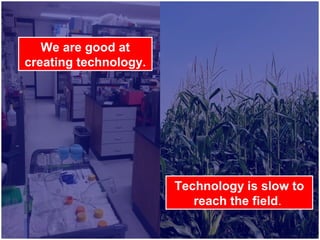
We are good at
creating technology.
Technology is slow to
reach the field.
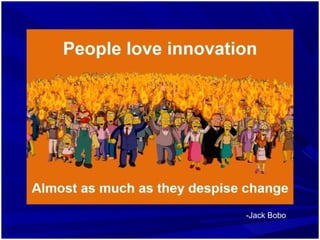
-Jack Bobo
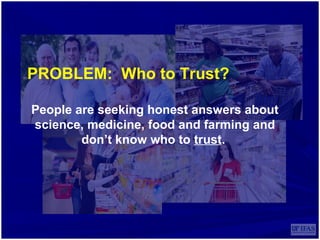
PROBLEM: Who to Trust?
People are seeking honest answers about
science, medicine, food and farming and
don’t know who to trust.
PROBLEM: Asymmetry
People with little information, or
maliciously false information are
telling our story.
When people don’t know what to
trust they:
•Err to the side of precaution
•Are prone to lifestyle-based choices
•Accept messaging that seems consistent with
their values
•Make mistakes
•Enact bad policy
•Adopt actions that have consequences for the
poor.
How this affects agriculture
•Regulatory hurdles slow seed and trait
development
•Restrictions on inputs
•Suspicion, loss of “social license”
•Loss of freedom to operate
•Lower farm profits
•Many others
Solution
Farm media, crop scientists
and agricultural producers
must take leadership in a
broader conversation.
Stop only talking to each other-
and find new ways to reach
non-traditional audiences.
Not so simple
Scientists and agricultural producers are
typically not trained to do this
They don’t necessarily want to do this
Make mistakes when they do this
Face push back when they do this
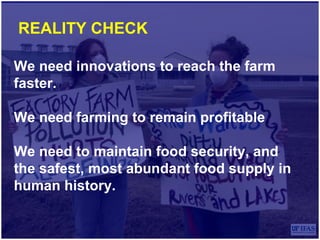
REALITY CHECK
We need innovations to reach the farm
faster.
We need farming to remain profitable
We need to maintain food security, and
the safest, most abundant food supply in
human history.
What is Gene Editing?What is Gene Editing?
Gene editing will revolutionize medicine and
agriculture, eventually.
There is a movement in place that opposes
the technology, and will continue to fight
the technology.
Fast and precise genetic changes of plants
and animals can be made in a short time.
We need to understand and actively
communicate what this technology is and
isn’t.
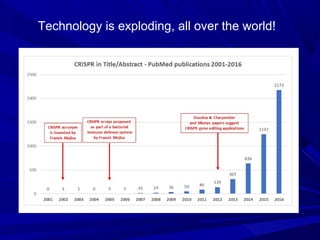
Technology is exploding, all over the world!
Technical Explosion – Development and Regulation
Sweden and The Netherlands do not see why these would
be regulated.
USDA appears to be in a similar situation- not “regulated
articles” (plants) Can supply “non-GMO” food demands
New Zealand, US Organic standards say these are “GMO”
China invested $4 Billion in this technology
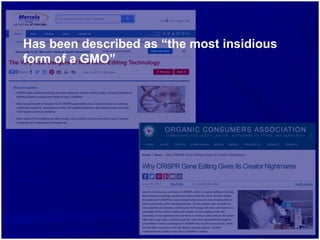
Has been described as “the most insidious
form of a GMO”
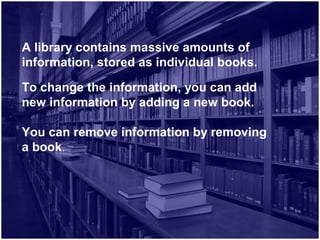
A library contains massive amounts of
information, stored as individual books.
To change the information, you can add
new information by adding a new book.
You can remove information by removing
a book.
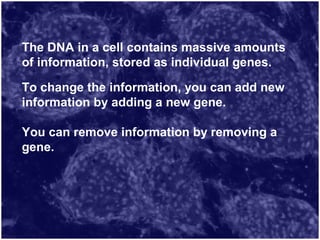
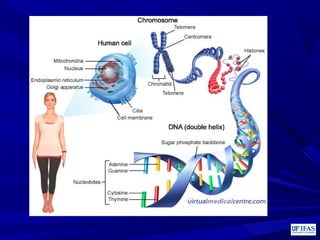
The DNA in a cell contains massive amounts
of information, stored as individual genes.
To change the information, you can add new
information by adding a new gene.
You can remove information by removing a
gene.
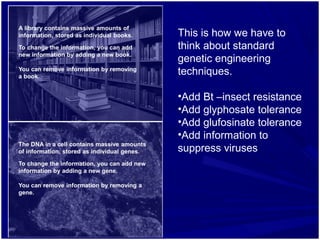
This is how we have to
think about standard
genetic engineering
techniques.
•Add Bt –insect resistance
•Add glyphosate tolerance
•Add glufosinate tolerance
•Add information to
suppress viruses
What is we went into the library and could
change the meaning of a book by erasing (or
adding) a few extra letters?
What if we could go into the DNA of a cell and
change the information in a gene by erasing
(or adding) a few letters?
.
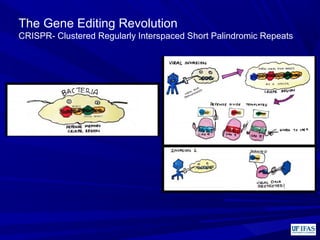
The Gene Editing Revolution
CRISPR- Clustered Regularly Interspaced Short Palindromic Repeats
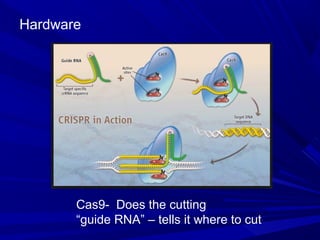
Hardware
Cas9- Does the cutting
“guide RNA” – tells it where to cut
TALEN (TAL Effector Nuclease)
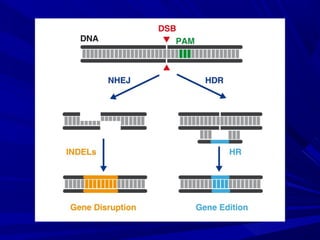
Removal of specific sequences to change the
function of a gene.
In use for years.
TALEN
Hardware
Something to do the cutting
Information to direct it to the right place to cut
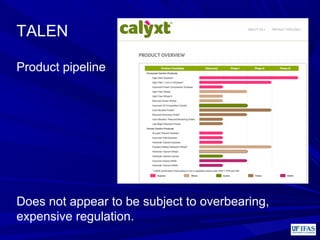
TALEN
Product pipeline
Does not appear to be subject to overbearing,
expensive regulation.
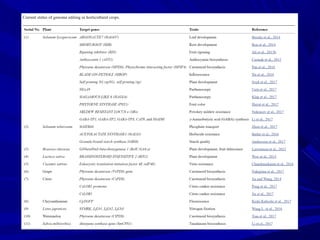
Applications
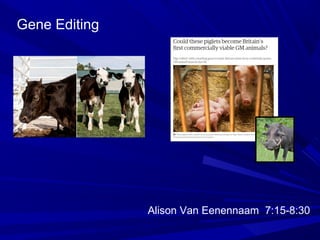
Gene Editing
Alison Van Eenennaam 7:15-8:30
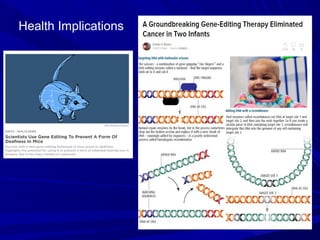
Health Implications
PPO Suppression- Anything New?
Bruce’s Sport
1962 ‘Sultana’ grape
Non Browning Apples
Silencing a gene that leads to discoloration
Suppression of Powdery Mildews in Wheat
Gene
Gene
X
Barley
Gets Powdery Mildew
Resistant!
Gene
X Same Mutation Created -- Resistant!
Gene Gets Powdery Mildew
Wheat
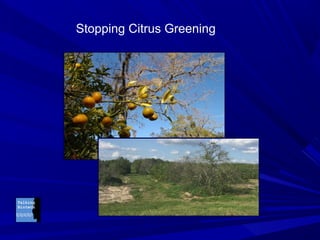
Stopping Citrus Greening
How do we communicate concepts in
gene editing?
Consumers are seeking information
Are there
residues in my
food?
Where do the
ingredients
come from?
Is it nutritious?
Will my family
like it?
Do I trust the
company?
Is this a good
value?
Are herbicides
harming the
environment?
What are these
long words on
the label?
Is this one of
those GMO
things?
Is it full of the
glutens?
What dose Dr.
Oz think?
Scientists, industry
professionals, agricultural
producers, etc.
Make some critical
mistakes in engaging
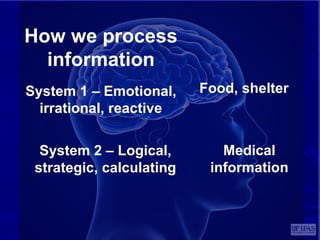
How we process
information
System 1 – Emotional,
irrational, reactive
System 2 – Logical,
strategic, calculating
Medical
information
Food, shelter
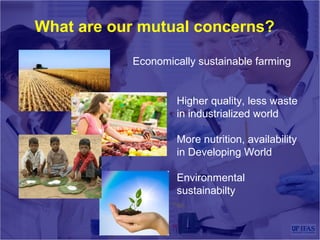
What are our mutual concerns?
Economically sustainable farming
Higher quality, less waste
in industrialized world
More nutrition, availability
in Developing World
Environmental
sustainabilty
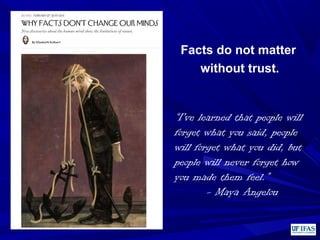
Facts do not matter
without trust.
“I've learned that people will
forget what you said, people
will forget what you did, but
people will never forget how
you made them feel.”
- Maya Angelou
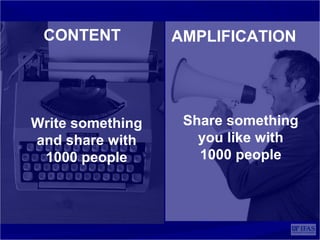
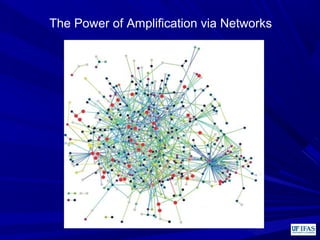
CONTENT AMPLIFICATION
Write something
and share with
1000 people
Share something
you like with
1000 people
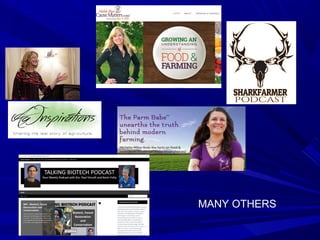
MANY OTHERS
The Power of Amplification via Networks
We Go Forward Together
New technology is developed faster
than it can be deployed
Gene Editing (CRISPR- TALEN etc)
will revolutionize medicine and
agriculture
The technologies allow precise
changes to DNA, allowing new
traits to be created
Opposition is mounting in USA
and EU
Free use of this technology will require
strong communications efforts-
including by ag producers Share the science, talk about
how it satisfies shared values
Exploit the powerful potential of
social media and internet space
kfolta.blogspot.com
@kevinfolta
kfolta@ufl.edu
www.talkingbiotechpodcast.com
iTunes, Stitcher, Player FM
Thank you.
All funding, reimbursement:
www.kevinfolta.com/transparency
All slides:
www.slideshare.net/kevinfolta
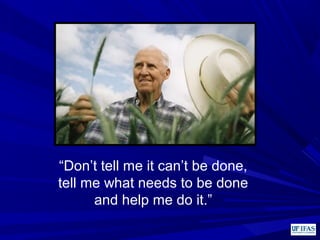
“Don’t tell me it can’t be done,
tell me what needs to be done
and help me do it.”

New Gene Editing Technologies and Consumer Acceptance

  • 1.
    New Gene Editing Technologiesand Consumer Acceptance Kevin M. Folta Professor and Chairman Horticultural Sciences Department kfolta.blogspot.com @kevinfolta kfolta@ufl.edu www.talkingbiotechpodcast.com
  • 2.
    We are goodat creating technology. Technology is slow to reach the field.
  • 3.
  • 5.
    PROBLEM: Who toTrust? People are seeking honest answers about science, medicine, food and farming and don’t know who to trust.
  • 6.
    PROBLEM: Asymmetry People withlittle information, or maliciously false information are telling our story.
  • 7.
    When people don’tknow what to trust they: •Err to the side of precaution •Are prone to lifestyle-based choices •Accept messaging that seems consistent with their values •Make mistakes •Enact bad policy •Adopt actions that have consequences for the poor.
  • 8.
    How this affectsagriculture •Regulatory hurdles slow seed and trait development •Restrictions on inputs •Suspicion, loss of “social license” •Loss of freedom to operate •Lower farm profits •Many others
  • 9.
    Solution Farm media, cropscientists and agricultural producers must take leadership in a broader conversation. Stop only talking to each other- and find new ways to reach non-traditional audiences.
  • 10.
    Not so simple Scientistsand agricultural producers are typically not trained to do this They don’t necessarily want to do this Make mistakes when they do this Face push back when they do this
  • 11.
    REALITY CHECK We needinnovations to reach the farm faster. We need farming to remain profitable We need to maintain food security, and the safest, most abundant food supply in human history.
  • 12.
    What is GeneEditing?What is Gene Editing?
  • 13.
    Gene editing willrevolutionize medicine and agriculture, eventually. There is a movement in place that opposes the technology, and will continue to fight the technology. Fast and precise genetic changes of plants and animals can be made in a short time. We need to understand and actively communicate what this technology is and isn’t.
  • 14.
    Technology is exploding,all over the world!
  • 15.
    Technical Explosion –Development and Regulation Sweden and The Netherlands do not see why these would be regulated. USDA appears to be in a similar situation- not “regulated articles” (plants) Can supply “non-GMO” food demands New Zealand, US Organic standards say these are “GMO” China invested $4 Billion in this technology
  • 16.
    Has been describedas “the most insidious form of a GMO”
  • 17.
    A library containsmassive amounts of information, stored as individual books. To change the information, you can add new information by adding a new book. You can remove information by removing a book.
  • 18.
    The DNA ina cell contains massive amounts of information, stored as individual genes. To change the information, you can add new information by adding a new gene. You can remove information by removing a gene.
  • 19.
    This is howwe have to think about standard genetic engineering techniques. •Add Bt –insect resistance •Add glyphosate tolerance •Add glufosinate tolerance •Add information to suppress viruses
  • 20.
    What is wewent into the library and could change the meaning of a book by erasing (or adding) a few extra letters?
  • 21.
    What if wecould go into the DNA of a cell and change the information in a gene by erasing (or adding) a few letters? .
  • 24.
    The Gene EditingRevolution CRISPR- Clustered Regularly Interspaced Short Palindromic Repeats
  • 25.
    Hardware Cas9- Does thecutting “guide RNA” – tells it where to cut
  • 29.
    TALEN (TAL EffectorNuclease) Removal of specific sequences to change the function of a gene. In use for years.
  • 30.
    TALEN Hardware Something to dothe cutting Information to direct it to the right place to cut
  • 31.
    TALEN Product pipeline Does notappear to be subject to overbearing, expensive regulation.
  • 32.
  • 33.
    Gene Editing Alison VanEenennaam 7:15-8:30
  • 34.
  • 35.
    PPO Suppression- AnythingNew? Bruce’s Sport 1962 ‘Sultana’ grape
  • 36.
    Non Browning Apples Silencinga gene that leads to discoloration
  • 39.
    Suppression of PowderyMildews in Wheat Gene Gene X Barley Gets Powdery Mildew Resistant! Gene X Same Mutation Created -- Resistant! Gene Gets Powdery Mildew Wheat
  • 40.
  • 42.
    How do wecommunicate concepts in gene editing?
  • 43.
    Consumers are seekinginformation Are there residues in my food? Where do the ingredients come from? Is it nutritious? Will my family like it? Do I trust the company? Is this a good value? Are herbicides harming the environment? What are these long words on the label? Is this one of those GMO things? Is it full of the glutens? What dose Dr. Oz think?
  • 44.
    Scientists, industry professionals, agricultural producers,etc. Make some critical mistakes in engaging How we process information System 1 – Emotional, irrational, reactive System 2 – Logical, strategic, calculating Medical information Food, shelter
  • 45.
    What are ourmutual concerns? Economically sustainable farming Higher quality, less waste in industrialized world More nutrition, availability in Developing World Environmental sustainabilty
  • 46.
    Facts do notmatter without trust. “I've learned that people will forget what you said, people will forget what you did, but people will never forget how you made them feel.” - Maya Angelou
  • 47.
    CONTENT AMPLIFICATION Write something andshare with 1000 people Share something you like with 1000 people
  • 49.
  • 50.
    The Power ofAmplification via Networks
  • 51.
    We Go ForwardTogether New technology is developed faster than it can be deployed Gene Editing (CRISPR- TALEN etc) will revolutionize medicine and agriculture The technologies allow precise changes to DNA, allowing new traits to be created Opposition is mounting in USA and EU Free use of this technology will require strong communications efforts- including by ag producers Share the science, talk about how it satisfies shared values Exploit the powerful potential of social media and internet space
  • 52.
    kfolta.blogspot.com @kevinfolta kfolta@ufl.edu www.talkingbiotechpodcast.com iTunes, Stitcher, PlayerFM Thank you. All funding, reimbursement: www.kevinfolta.com/transparency All slides: www.slideshare.net/kevinfolta
  • 53.
    “Don’t tell meit can’t be done, tell me what needs to be done and help me do it.”