Certified Nurse Aide Program
• Professor Ploom, MSN RN
PMHN-BC
WELCOME TO MODULE
ONE!
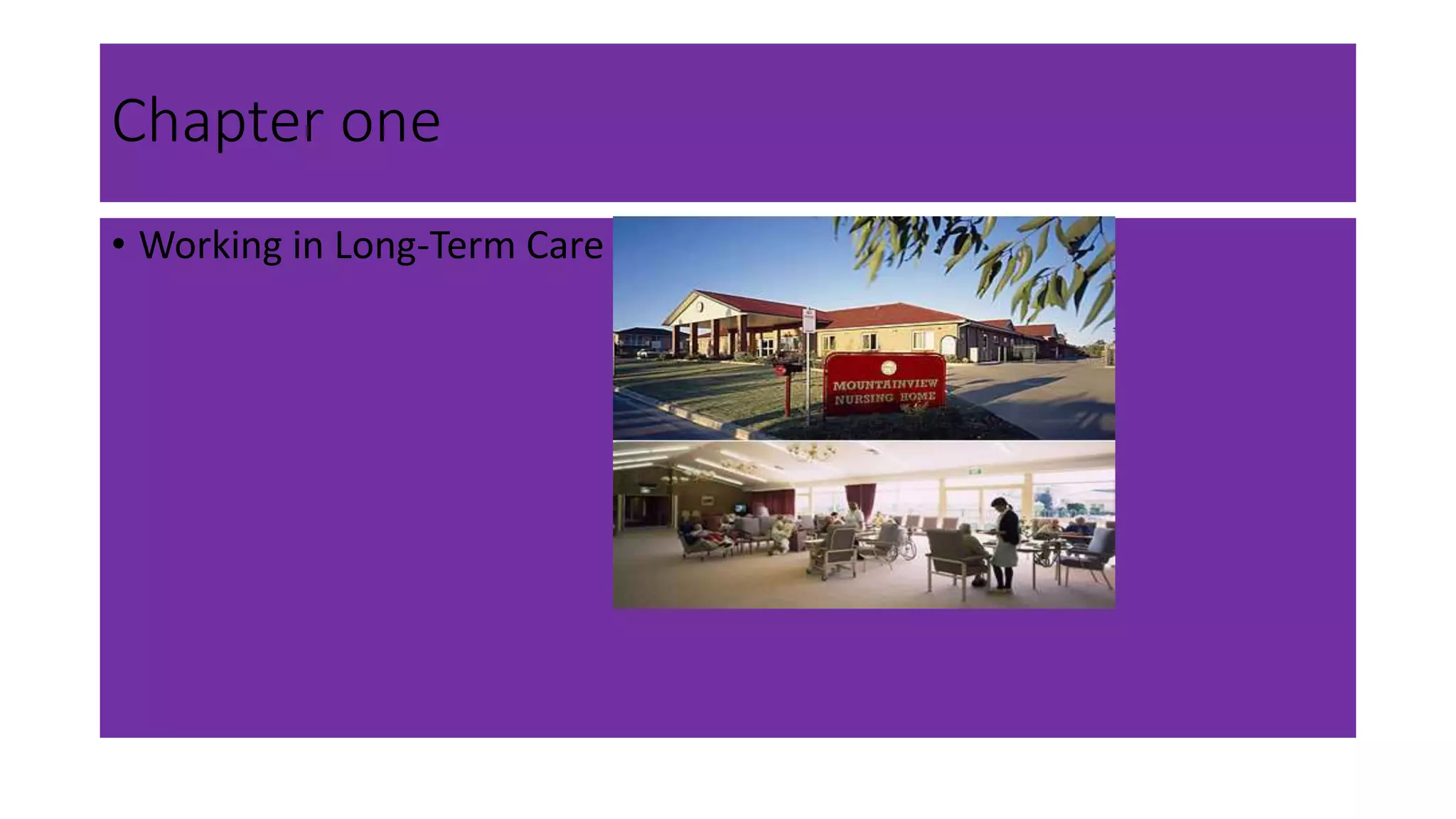
Chapter one
• Working in Long-Term Care
Nursing homes aka NF (nursing facility)
• Care needs range from simple to complex
• Medical, nursing, dietary, recreational, rehab and social services are
provided
• Persons called residents
• Typically older, disabled or recovering from illness, surgery or injury
• Cannot care for self at home
Assisted living residences (ALRs)
• Personal care, support services, health care and activities in a home-
like setting
• Person has a room or apartment and help is given with meds, meals
and personal care
• Housekeeping, laundry, transportation and social services are met
Skilled nursing facilities (SNFs)
• For persons who many or severe health problems
• Can be a part of nursing home or hospital
• May have trachs, IVs, serious wounds, or be on life support
Types of illnesses served
• Chronic- on-going, slow or gradual in onset, no cure but can be
controlled and managed
• Acute- sudden illness from which the person is expected to recover
and may require hospital care
• Communicable illness-can be spread from one person to another
• Rehab-helping person to return to highest possible level of physical
and mental function; to prevent deconditioning (weakness related to
illness or lack of exercise)
Hospice
• Health care agency or program for persons who no longer respond to
treatments and have less than 6 months to live
• Focus is on comfort, not cure
Subacute units
• For those recently released from hospital but still too sick,
deconditioned or weak to go home
• May stay for 3-6 months
• Can be housed in nursing home or hospital setting
Organizational chart
• Nursing homes usually owned by an individual or a corporation
• May be owned by government agencies
• Each has an administrator, and directors who oversee each
department
• Must have a medical director
• See page 4
Nursing department
• DON is an RN
• Nurse managers assist the DON
• Shift managers or charge nurses coordinate resident care for a
particular shift
• Nurses also serve as staff development coordinator, infection control
nurse and quality assurance nurse
• Nurse educators oversee orientation of new hires, train NAs, provide
inservices to meet state requirements and educate staff on new
equipment and changing information
Nursing department
• DON is an RN
• Nurse managers assist the DON
• Shift managers or charge nurses coordinate resident care for a
particular shift
• Nurses also serve as staff development coordinator, infection control
nurse and quality assurance nurse
• Nurse educators oversee orientation of new hires, train NAs, provide
inservices to meet state requirements and educate staff on new
equipment and changing information
The nursing team
• RN- 2 to 4 years of education; assess, make nursing diagnosis, plan
and evaluate nursing care; carry out MD orders and delegate them to
LPNs and Nas
• LPN- 1 to 2 years of education; supervised by RN; may serve as
treatment and medication nurse
• NAs- minimum of 75 hours of education (90 hours in NJ); work giving
basic nursing care under supervision of a licensed nurse
Nursing Care Patterns
• Functional nursing: focuses on tasks and jobs; one nurse gives all
meds, another may perform treatments while aide gives basic care
• Team nursing: an RN (team leader) delegates tasks to staff who report
observations and care given
• Primary nursing: involves total care given by one RN with nursing care
team assisting as needed
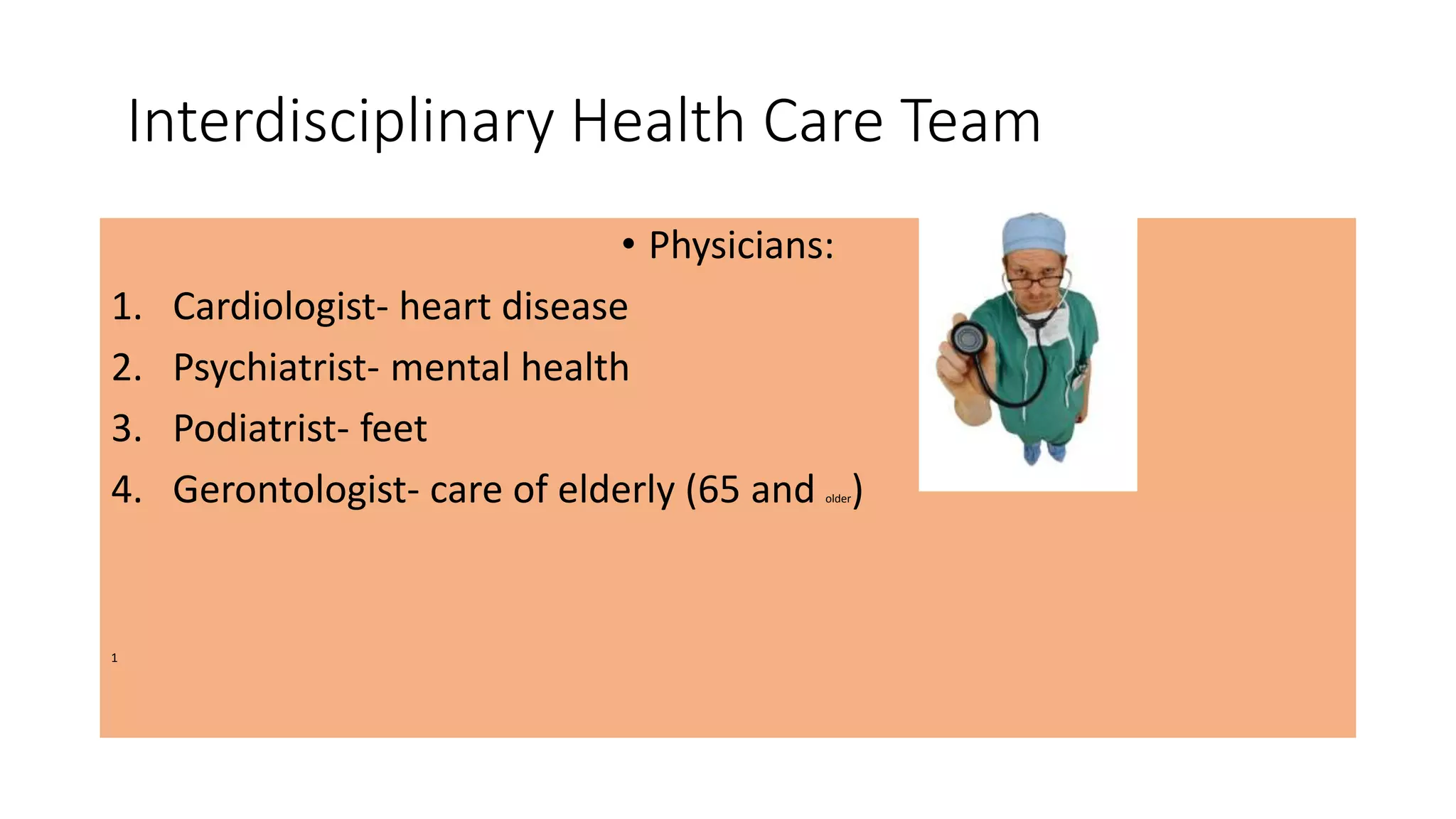
Interdisciplinary Health Care Team
• Physicians:
1. Cardiologist- heart disease
2. Psychiatrist- mental health
3. Podiatrist- feet
4. Gerontologist- care of elderly (65 and older)
1
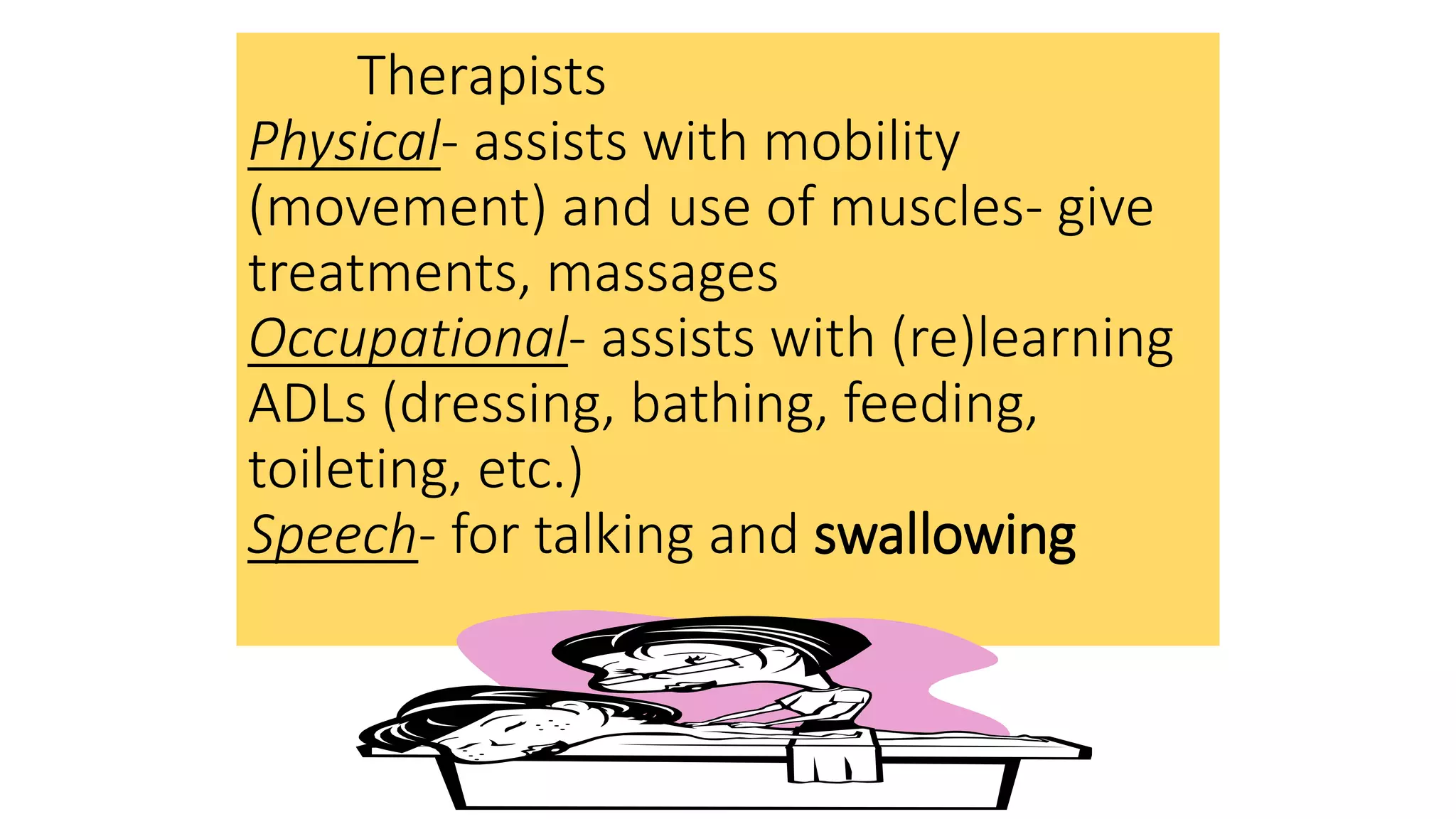
Therapists
Physical- assists with mobility
(movement) and use of muscles- give
treatments, massages
Occupational- assists with (re)learning
ADLs (dressing, bathing, feeding,
toileting, etc.)
Speech- for talking and swallowing
Also….
• Dietician
• Clergy
• Social Worker
• Pharmacist
• Recreational Director
• Resident (!)
FYI
• If you have a concern about a resident or a resident makes a request-
always go to the NURSE
• DO NOT approach other licensed professionals such as social worker,
dietician or clergy!!
Policies and procedures of LTCFs
• Policies: a course of action that should be taken every time a certain
situation occurs (such as maintaining confidentiality)
• Procedures: a method or way of doing something (example, admitting
a resident)
VIP of health care team
• Resident
• Resident’s family and significant others
Care conferences
• Held every 4 months
• All team members invited as well as resident and family
• Discuss how team can best meet the unique, individual needs of the
resident
Paying for healthcare
• Private insurance-bought by person
• Group insurance-bought by a group or organization for individuals; an
employee benefit
• Medicare-federal insurance for persons over 65 or with certain
disabilities
• Medicaid-sponsored by federal gov’t and operated by the states; for
low income, older, blind and disabled persons; because there is no
premium, the amount paid for covered services is limited
Managed Care
• Insurers contract with MD and hospital for reduced rates; limits
choice of where to go and who to see as well as the care the doctor
can provide
• Requires pre-approval for health care
• Goal is to reduce unneeded services and procedures
Meeting Standards
• Health care facilities must meet certain standards set by gov’t and
state
• Licensure-issued by the state
• Certification-required to receive MC and MA
• Accreditation-voluntary to signal quality and excellence
Common Policies in LTCFs
• Plan of care must be followed
• NAs must report important events or changes in a residents condition
to the nurse
• Personal problems are not discussed with the resident
• NAs should not take money or gifts from a resident or family member
• Be on time for work
The survey process
• Each year a team of surveyors from the state tour a facility for 5-7
days
• During the inspection they interview residents, review charts, watch a
med pass, observe aides giving care and interacting with residents,
observe meals, they review polies and procedures used, records, and
hiring practices
• Staff may also be interviewed
• Problems lead to deficiencies and fines- time is given to correct the
deficit, usually 60 days or less
Chapter 2: Resident Rights
• The resident rights are reviewed & signed during admission
• If a person does not speak English, an interpreter must be made available
• Residents have the right to information and can see their chart, bill, etc.
• Can refuse treatment
• Have the right to privacy- pull the curtain, close the door, cover the body
• Have the right to confidentiality-don’t discuss with people not involved in
resident’s care, in public settings, leave a chart open, walk away from an open
computer screen
• Personal choice
• Personal possessions can be brought from home
• Have the right to complain
• To work or not (can clean, sew, make own bed)
Resident rights, continued….
• Have the right to be free from abuse, neglect and mistreatment
• Have the right to a clean, safe environment
• Have the right to send and receive unopened mail
• Have the right to share a room if married
• Have the right to be free from restraints
• Have the right to participate in groups (form resident’s council, to discuss
their life in facility)
• Have the right to practice religion
• Have the right to be treated with dignity and respect
• Have the right to private phone calls and visits
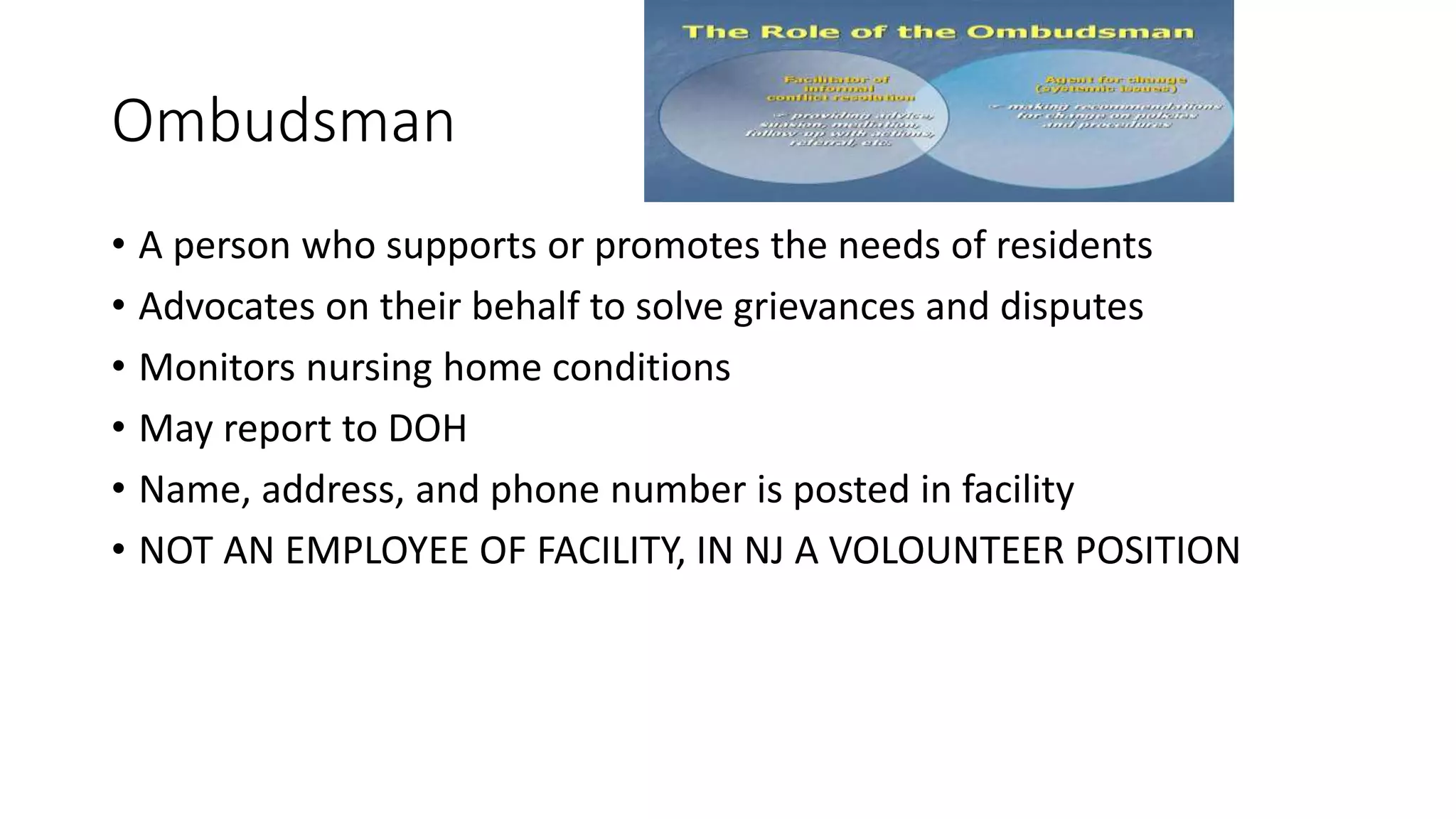
Ombudsman
• A person who supports or promotes the needs of residents
• Advocates on their behalf to solve grievances and disputes
• Monitors nursing home conditions
• May report to DOH
• Name, address, and phone number is posted in facility
• NOT AN EMPLOYEE OF FACILITY, IN NJ A VOLOUNTEER POSITION
Legal Aspects
• Criminal law: concerned with offenses against the safety of the public
(murder, rape, robbery, abuse) or society
• Civil law: concerned with relationships between persons such as
breach of contract or malpractice and usually is settled with money
• Torts: a wrong committed against a person or their property; can be
intentional or unintentional
• Unintentional torts: negligence/malpractice; failing to do what is
proper and expected
• Intentional torts: slander, libel, false imprisonment, invasion of
privacy, fraud, assault, battery
Defamation of character
• Slander: saying something that harms a person’s reputation
• “She looks high”
• Libel is writing something harmful to a person’s reputation
• Never make false statements
• Stick to the facts!
False imprisonment
• Unlawful restraint or restriction of a person’s freedom of movement
• Threatening to restrain
• Restraining without a doctor’s order
• Preventing a person from leaving a facility
Invasion of privacy and Fraud
• Taking a photo without permission and making public
• Opening a person’s mail
• Not knocking before entering a room
• Not closing the door
• Listening in on phone conversations
• Insisting that a visit be in a public area
• Fraud is representing yourself falsely “I’m the doctor”
Assault and Battery
• Assault is touching without permission
• Always get consent- explain what you are going to do
• Battery is touching without consent
• Inform even if unconscious, very confused or comatose!
• Consent can be obtained from parents (under 18), a healthcare proxy
or legal representative
• You are not responsible for ever getting written consent
• Consent can be written, verbal or implied
Wills
• Legal document of how a person wants property distributed after
death
• Do not witness, politely refuse
• Report request to the RN
ABUSE
• Can be verbal, physical, sexual, mental or financial
• Must always be reported if seen or suspected
• Must stop abuse if you observe it
• Children, disabled and elderly are vulnerable
• Signs of elderly abuse may include: poor hygiene, dehydration,
bruising, weight loss, fear, infections, not taking meds
• Report to RN, ombudsman, abuse hotline or DOH
• An incident report will be made and an investigation; allegations are
reported to DOF
Out of Scope of practice for CNA
• Must be supervised by a licensed nurse
• Never given medications
• Never insert/remove tubes or catheters (enemas are an exception)
• Never take orders from a doctor
• Never perform a sterile procedure
• Never tell the person/family about diagnosis, treatment
• Never diagnose or prescribe
• Never supervise others
• Never ignore a request
• Know your state laws!
• Read your job description- BEFORE signing! (pages 26-27)
Delegation…you can just say NO!
• Five Rights of Delegation for Certified Nursing Assistants
• The Right Task
• Before performing any assignment you must make sure that your state allows you to perform the task
• Before performing any job you must be trained to perform the task
• Is the assigned duty in the legal limits of your role and job description
• The Right Circumstance
• The CNA must have the experience performing the tasks on a resident with his or her condition and needs
• The nurse aide must have an understanding of the purpose of the task given to the resident
• You must be able to perform the task safely
• You must be able to use equipment and supplies that are in a safe manner to perform the tasks
• The Right Person
• The CNA must perform the assigned task on the correct resident
• Will need to have the appropriate training and experience to safely perform the task for the resident
Delegation, continued
• The Right Communications and Directions
• Do you understand the task the nurse assigned?
• Was the nurses directions clear?
• Did you review the assignment with the charge nurse?
• The Right Supervision
• The charge nurse should be available to answer any questions about the assignment
• The nurse must be available if the residents condition changes or if any problems should occur
• When it comes to delegation of the certified nursing assistant there are some things that a CNA
should never do.
• Never do anything you were not trained to do
• You should never do a task you do not feel comfortable performing
• Don’t do anything without the proper supervision
• Never do anything that requires nursing judgment
What employers look for…
• Are you dependable?
• Are you well groomed?
• Do you have the needed skills?
• Are you certified? You can work uncertified for 120
days…
• Do you have values and attitudes that fit with center?
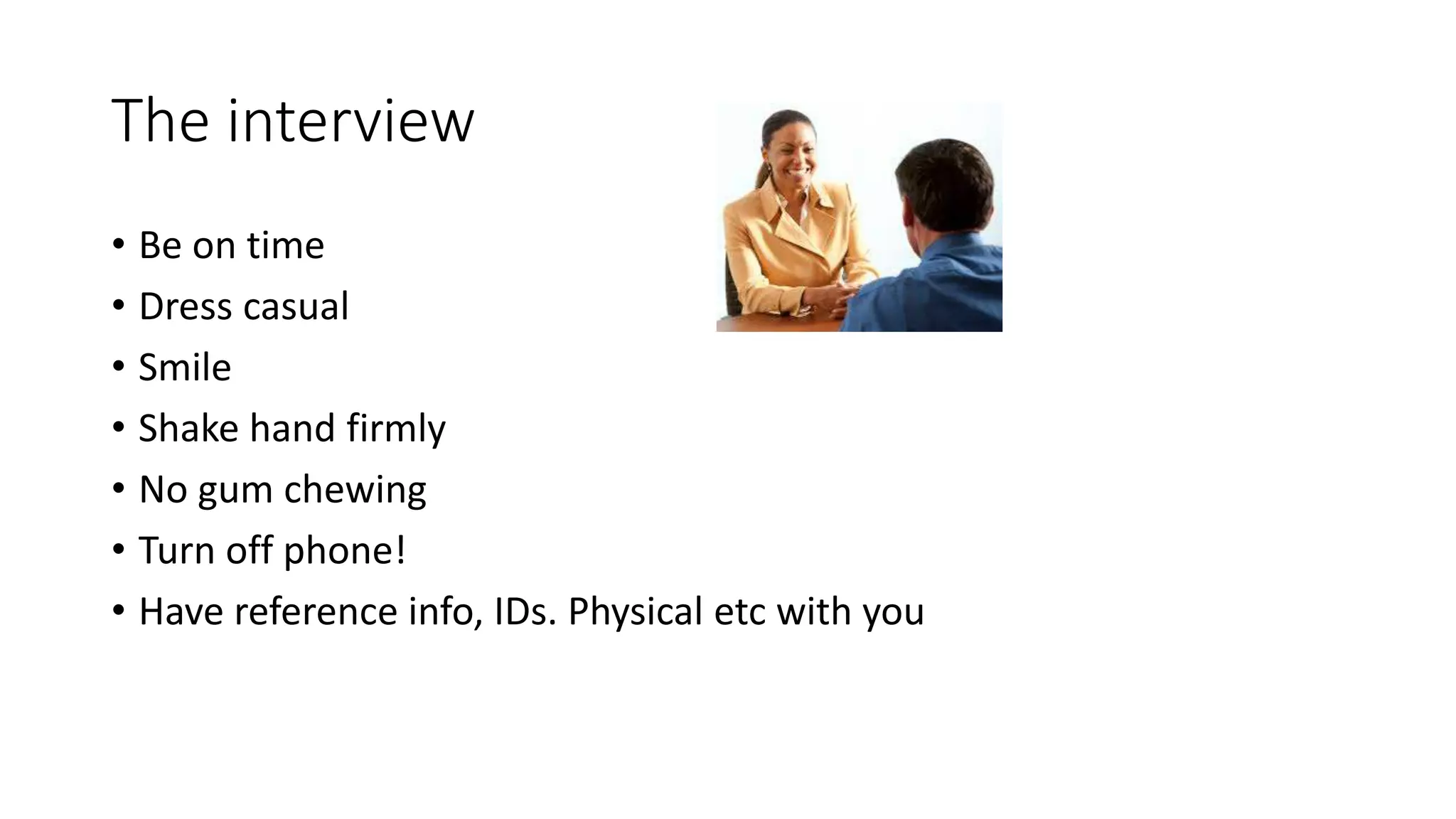
The interview
• Be on time
• Dress casual
• Smile
• Shake hand firmly
• No gum chewing
• Turn off phone!
• Have reference info, IDs. Physical etc with you
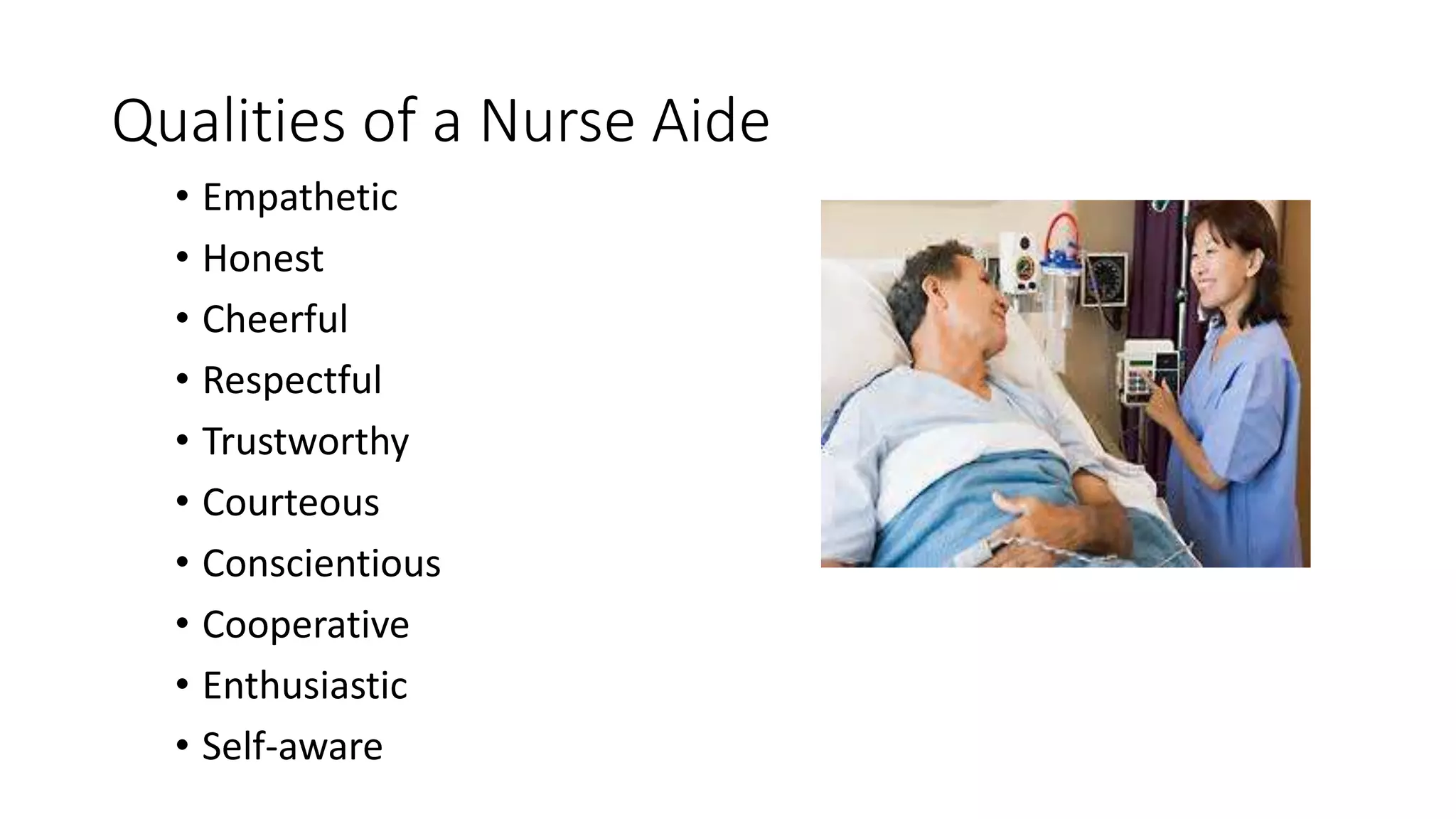
Qualities of a Nurse Aide
• Empathetic
• Honest
• Cheerful
• Respectful
• Trustworthy
• Courteous
• Conscientious
• Cooperative
• Enthusiastic
• Self-aware
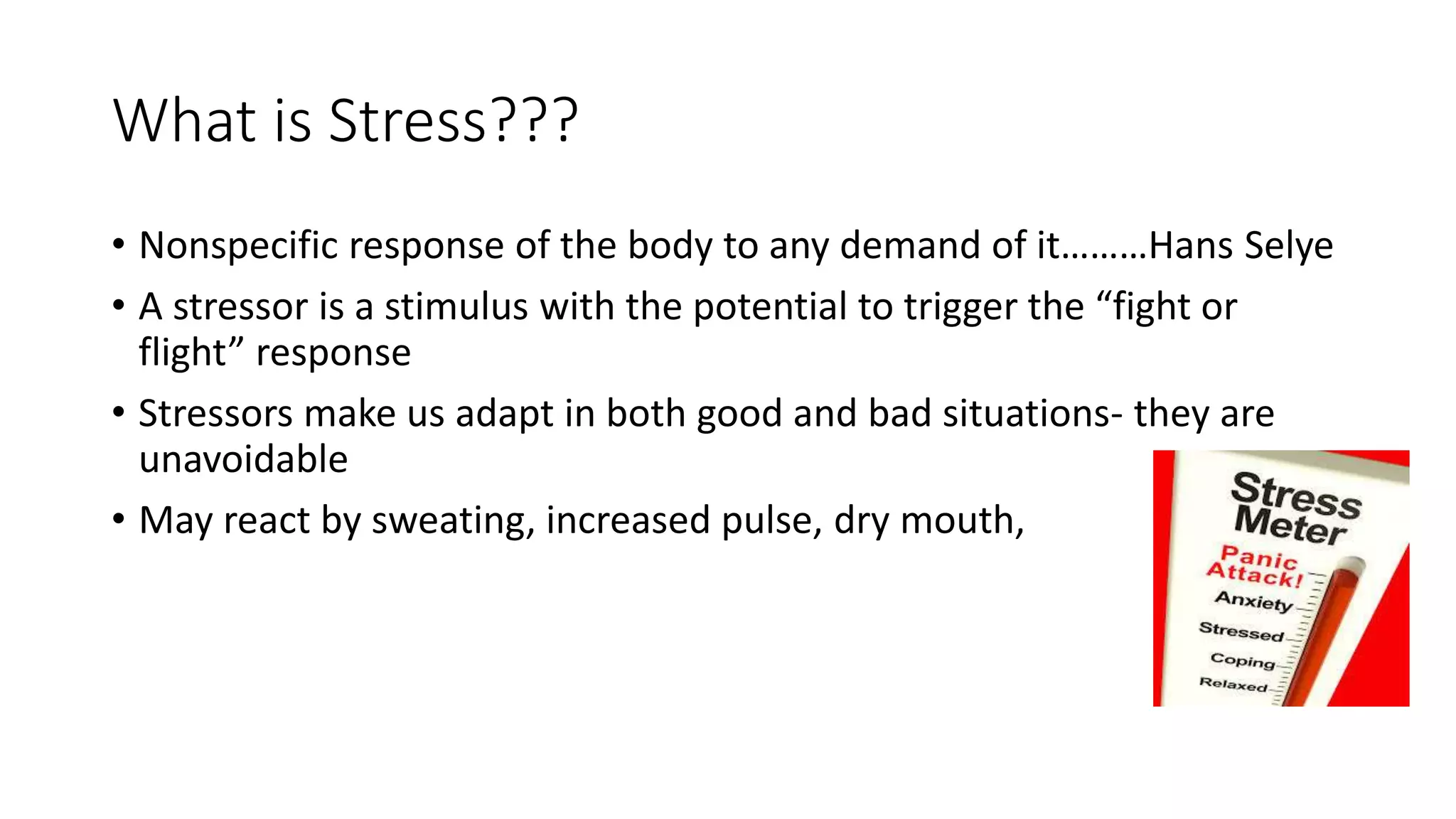
What is Stress???
• Nonspecific response of the body to any demand of it………Hans Selye
• A stressor is a stimulus with the potential to trigger the “fight or
flight” response
• Stressors make us adapt in both good and bad situations- they are
unavoidable
• May react by sweating, increased pulse, dry mouth,
Stress and burnout
This job can be stressful and burnout (lack of caring and apathy) can
result…be aware of
• Increase physical complaints
• Loss of patience
• Anger
• Calling out/coming in late
• Doing a poor job
Communicate with charge nurse, find relaxing things to do on days off, eat
well, get enough rest!!!
GIVE YOURSELF PRAISE
What to do about stress
• Focus on the positive! See the glass as ½ full instead of ½ empty
• Laugh instead of groaning, dance instead of pacing
• Fake it ‘til you make- smile tho’ your heart is breaking; look for the
silver lining
• Try a formal approach: workshops, massage therapy, anger
management, support groups
• Stop “awfulizing” and let joy in
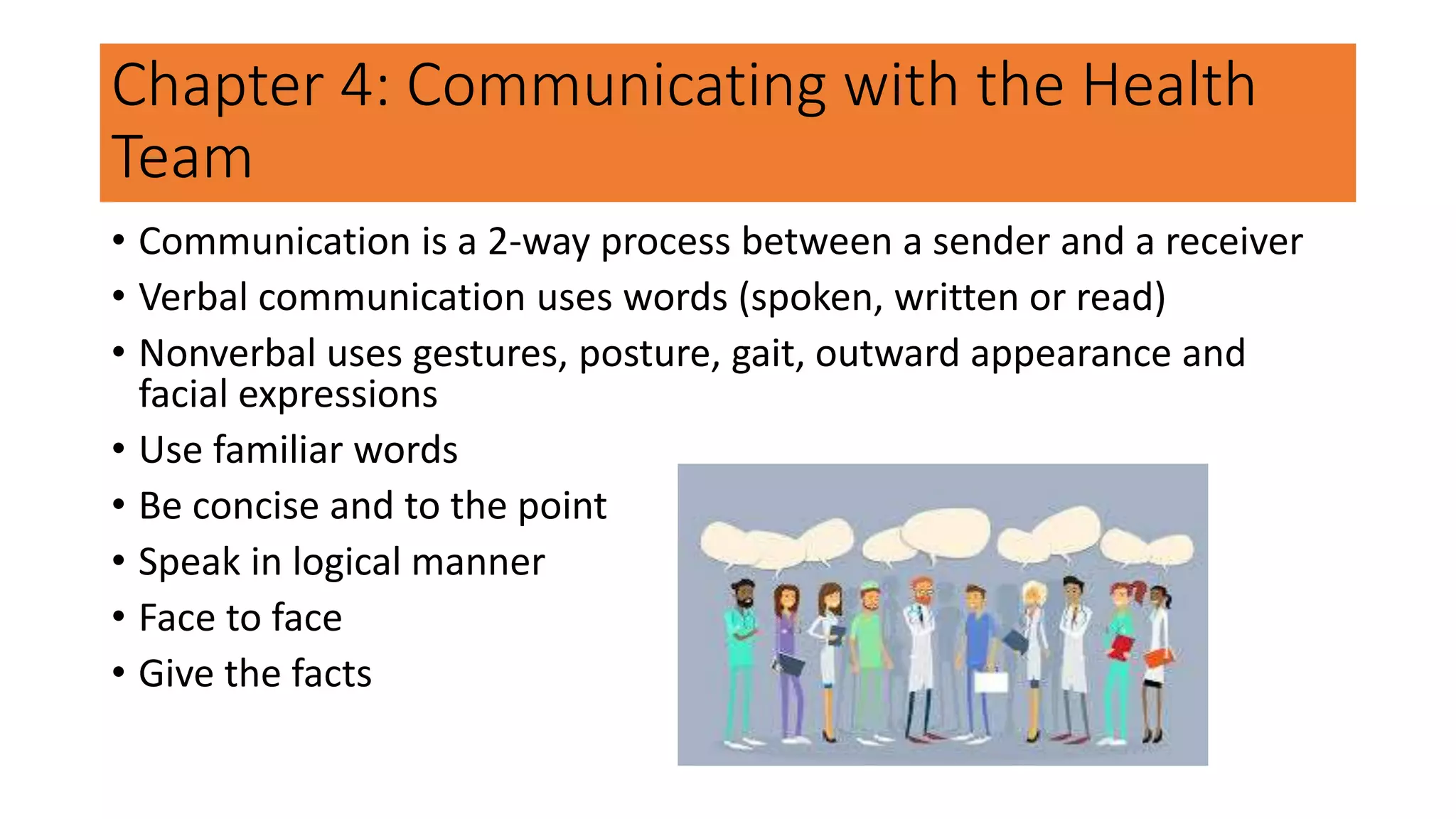
Chapter 4: Communicating with the Health
Team
• Communication is a 2-way process between a sender and a receiver
• Verbal communication uses words (spoken, written or read)
• Nonverbal uses gestures, posture, gait, outward appearance and
facial expressions
• Use familiar words
• Be concise and to the point
• Speak in logical manner
• Face to face
• Give the facts
The medical record
• Now electronic health records
• Completed with blue or black ink
• No erasable ink or white out- correct mistakes with one line and initial
• Document after the fact
• Only document your work
• Don’t skip lines
• Sign, date and time your documentation
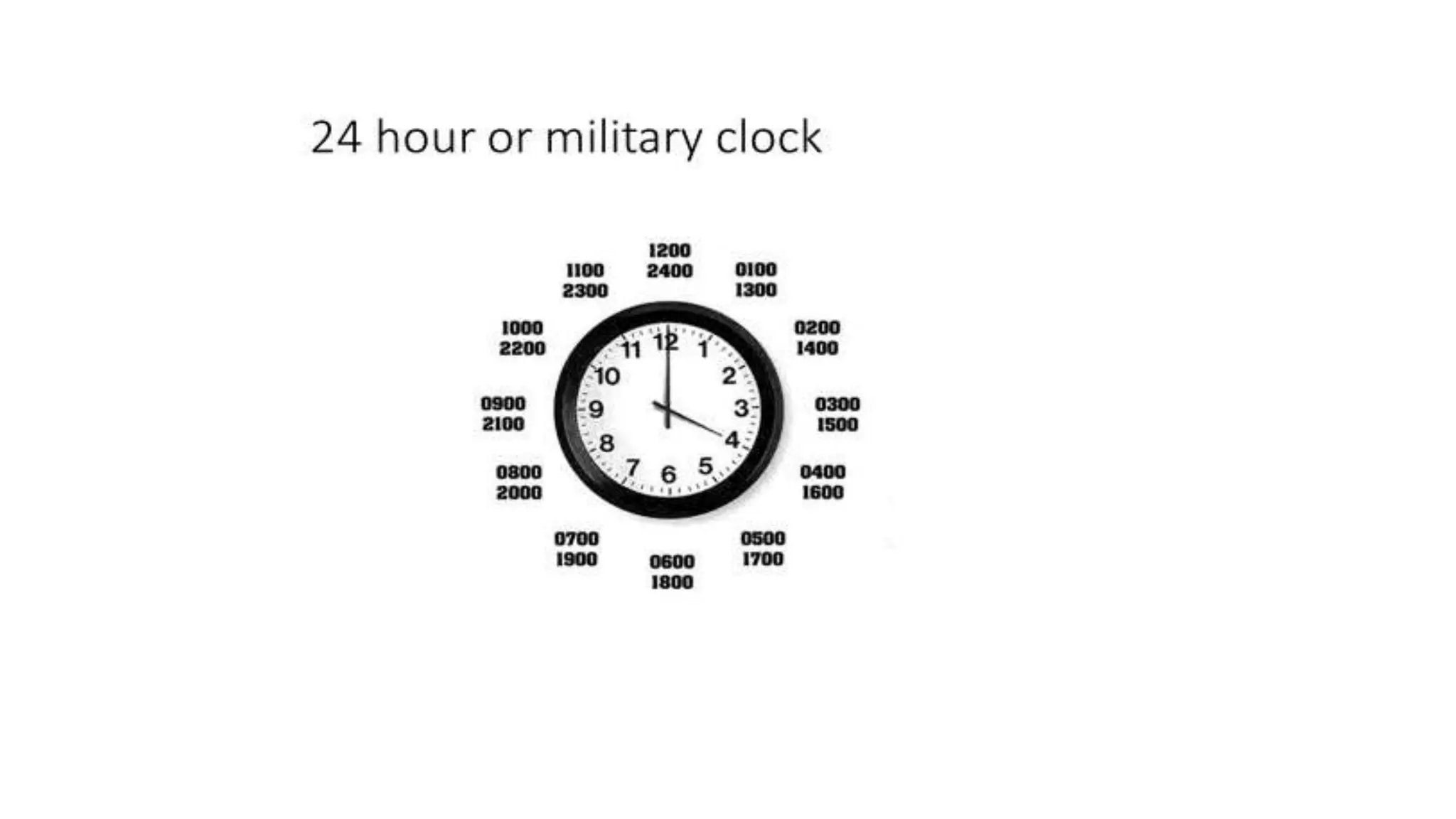
• Know 24 hour clock (page 66)
• Whenever there is a change in condition or you have a concern
• In a timely manner
• Facts only
• What you see, hear, smell, feel
• Give as much info as you can (name, room and bed number,
complaint)
The kardex and care plan
• A kardex is a type of file card summarizing the care that must be given
to a resident, includes diagnosis, age, special needs (pg. 63)
• A care plan is completed by the RN. It includes goals for care and
interventions (tasks to complete the goals)- always follow the care
plan
• EX. Problem: 6 lb weight loss
• Goals: Mr. Jones will consume 75% of meals each day
• Interventions: Feed slowly
• allow for choice
• Encourage swallowing
Care Conferences
• Resident and family invited
• Staff meet to discuss, update care plan and set new goals
• CNA may be asked to attend and offer input on resident’s abilities and
needs
• Includes many members of healthcare team
• Held every 3-4 months
Medical Terminology
• Prefix- at beginning of word
• Root- word element that contains the basic meaning of the word
• Suffix- at end of word
• Poly-cyt- hemia
• Poly means many
• Cyt refers to cells
• Hemia refers to blood
Common terms and abbreviations
• Emesis- vomit
• Incontinence- loss of control of bowel or bladder function
• Voiding-urinating
• Atrophy- decrease in size of a muscle
• Contractures- permanent decrease in length of muscle
• Defecation-having a bowel movement
• ADLs- activities of daily living
• NPO-nothing by mouth
• Stat-immediately
• Prn-whenever necessary
• Dypshasia-difficulty speaking
• Dysphagia-difficulty swallowing
• Hemiparesis-weakness on one half the body
Abbreviations you should know
• BID- twice a day
• TID-three times a day
• QID-four times a day
• Q-every
• QHS-every hour of sleep
• CPR-cardiopulmonary resuscitation
• DNR-do not resuscitate
• W/C-wheelchair
• VS-vital signs
• TPR-temperature, pulse and respirations
• SOB-shortness of breath
• HOB-head of bed
Suffixes you should know
• Algia-pain
• Ectomy-removal
• Ism-condition
• Itis-inflammation or infection
• Ology-study of
• Phagia-to eat
• Phasia-to speak
• Ostomy-create an opening
• Otomy-incision into
Prefixes you should know
• A, an-absence
• dys-difficult, abnormal
• Hemi-half
• Hyper-high
• Tachy-fast
• Brady-slow
Conflict resolution on the job
• Define the problem
• Collect info about the problem; what are the facts
• ID possible solutions
• Carry out solution
• Evaluate the results
Tech Safety
• Never share your password
• Close chart before walking away
• Log off
• Use a cover sheet with faxes
• Change password often
• Position screen so others cannot read it
FYI: Omnibus Budget Reconciliation Act, 1987
• Requires at least 75 hours of training to become a CNA
• Must complete a competency exam and skills test
• Must complete 12 hours of educational programs/year
• Must be listed in the nurse aide registry
Barriers to communication
• Noise Emotions
• Slang Discomfort
• Profanity
• Cliches
• Giving advice
• Speaking another language
• Not listening
• Interrupting
Behavior Issues
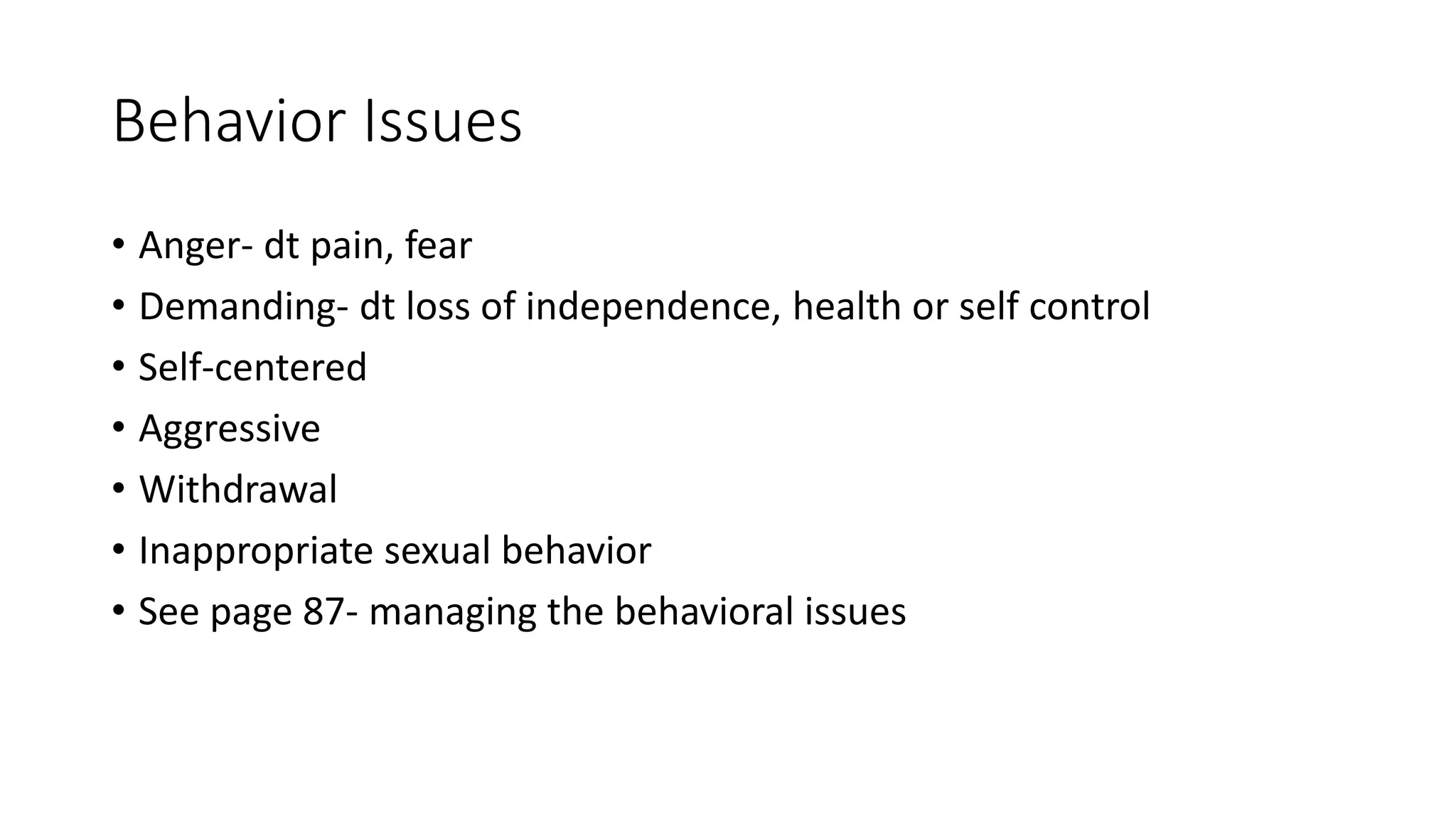
• Anger- dt pain, fear
• Demanding- dt loss of independence, health or self control
• Self-centered
• Aggressive
• Withdrawal
• Inappropriate sexual behavior
• See page 87- managing the behavioral issues
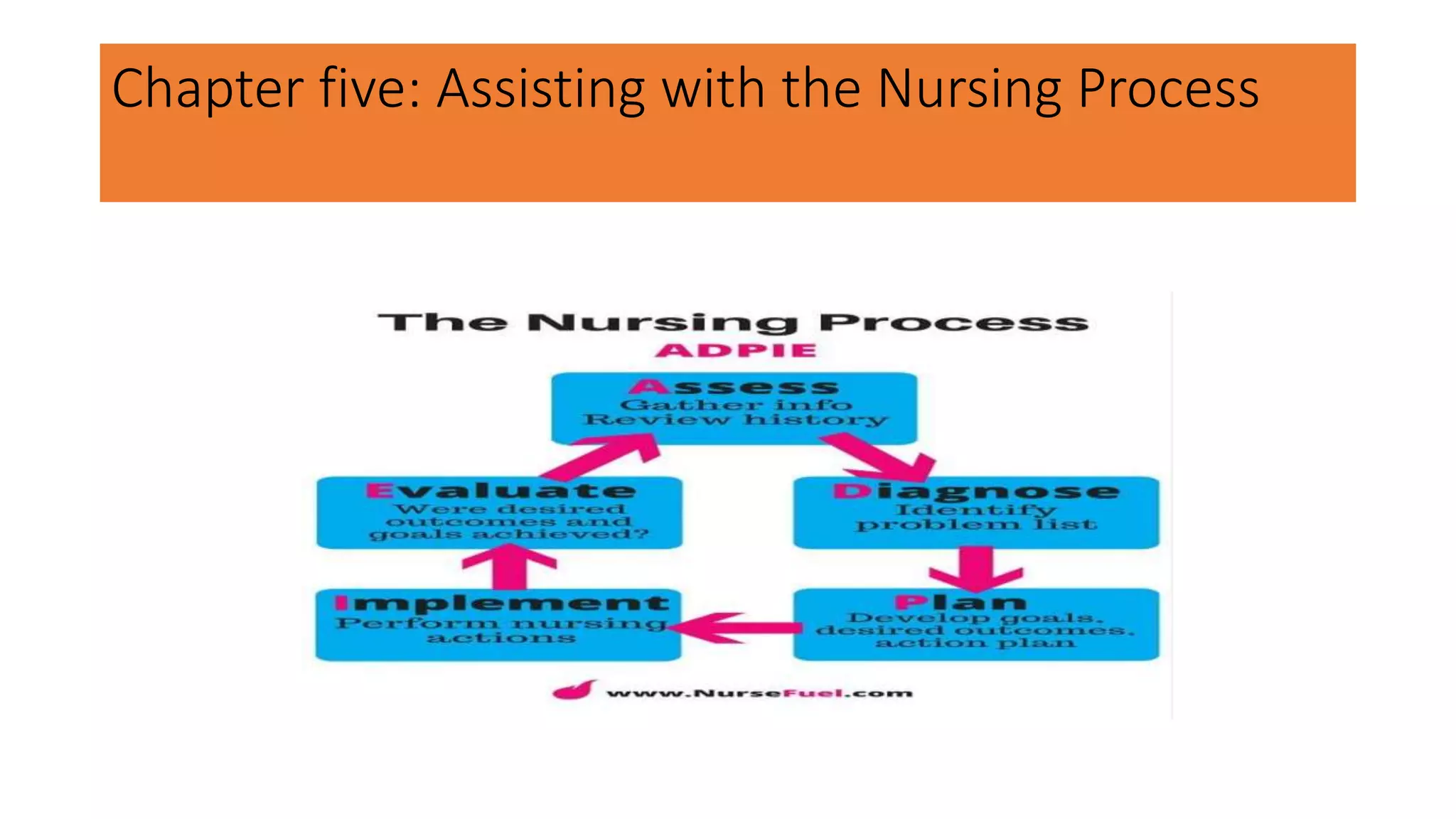
Chapter five: Assisting with the Nursing Process
Assessment
• How nurses collect information
• Only RNs can assess
• Done by observation, touch (palpating), listening (auscultation), and
smell
• Data collected is based on objective signs and subjective symptoms
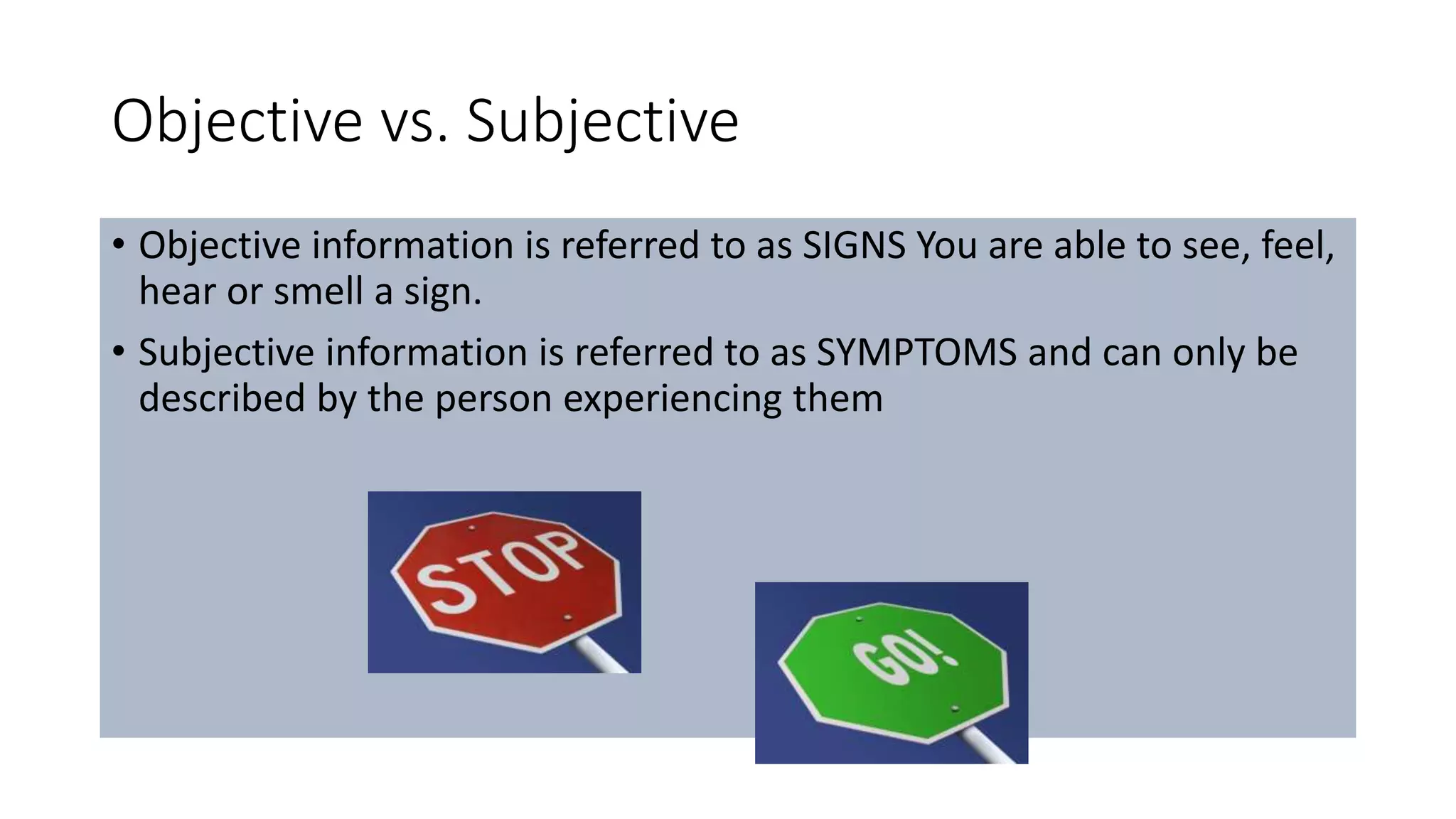
Objective vs. Subjective
• Objective information is referred to as SIGNS You are able to see, feel,
hear or smell a sign.
• Subjective information is referred to as SYMPTOMS and can only be
described by the person experiencing them
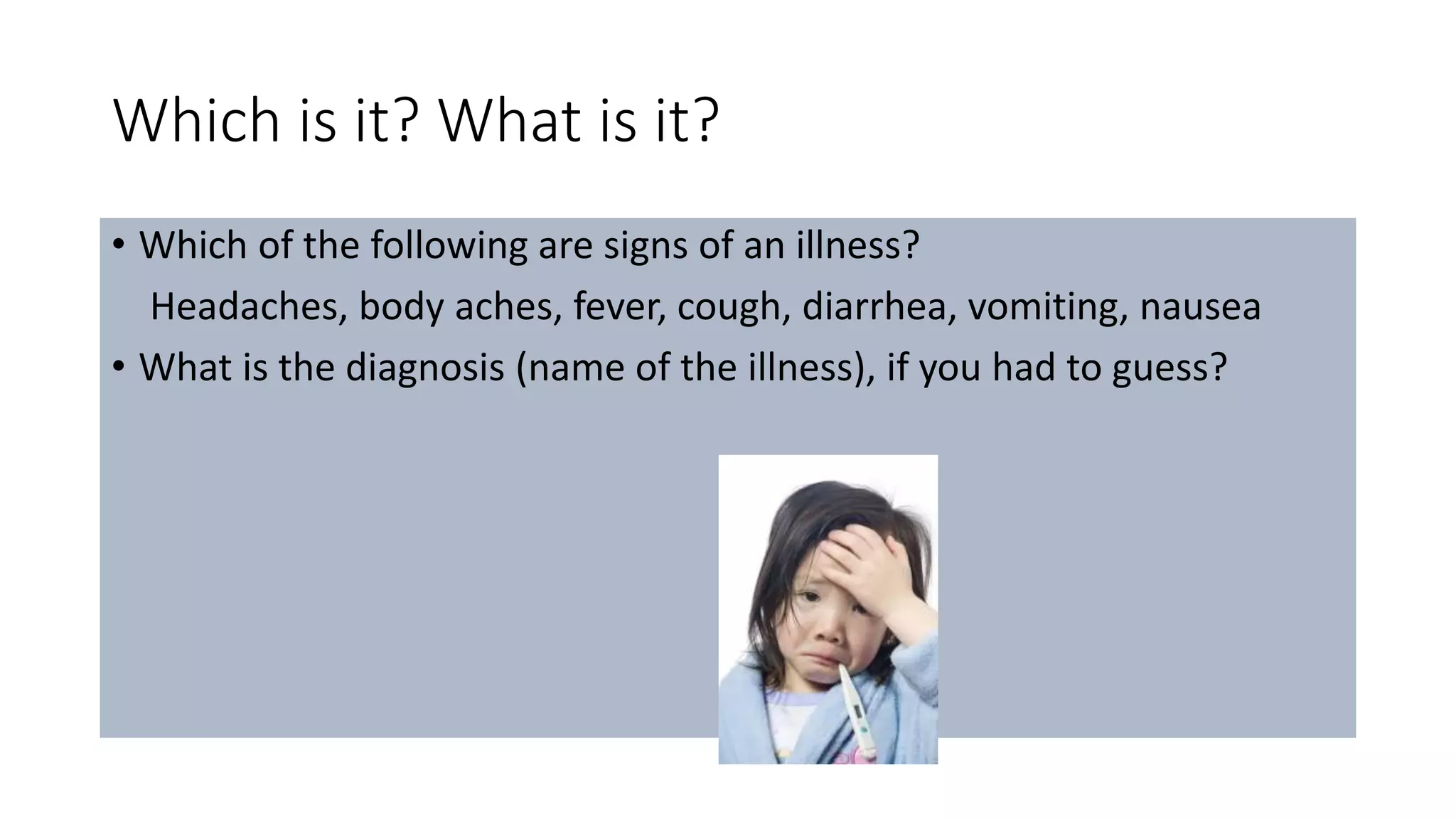
Which is it? What is it?
• Which of the following are signs of an illness?
Headaches, body aches, fever, cough, diarrhea, vomiting, nausea
• What is the diagnosis (name of the illness), if you had to guess?
Report the following at once (stat)
• Nonresponsiveness
• New onset or sudden confusion
• Change in mobility
• Chest pain
• SOB
• Emesis that looks like wet coffee grinds
• LOC
• Vital signs outside of normal range
• bleeding
Nursing diagnosis
• Determined after assessment completed
• May be a real problem or a potential one
• Example: Medical diagnosis (dx) is heart attack
• Nursing dx is alteration in comfort r/t cardiac ischemia
• See NANDA-I pages 78-79
Goals for treatment
• Based on the nursing dx goals are set
• They are measurable and realistic
• They are prioritized (being able to breathe more important than not
feeling depressed)
• Ex. The resident will verbalize pain level of 4 or <
Interventions
• Once assessment is made, a nursing dx is made and goals are set
interventions are determined to reach the goal(s)
• Ex. Medicate 30minutes to 1hour before AM care
• Encourage deep breathing exercises during pain episodes
• Encourage distraction
• TENS unit as ordered
Evaluation
• The last step is evaluation of the intervention
• Problems that are resolved can be discontinued on care plan
• The NA role in the nursing process is to pass on your observations to
the nurse and follow the care plan interventions as they apply to your
role
Chapter 13: Preventing Infection
• A infection is a disease state resulting from the invasion of
microorganisms (microbes)
• There are five types of microbes: bacteria, viruses, fungi, protozoa
and rickettsiae
• Bacteria live & grow in moist, warm, dark environment, some with or
without oxygen
• Viruses live off their host, becoming a permanent part of the victim
for life
• Bacterial infections are curable with antibiotics- must be used
correctly, not overused or can lead to resistance
2 major bad guys
• Bacteria- live in warm, moist, dark places with or without oxygen-cause infections
that can be cured with ANTIBIOTICS such as gastritis or tonsillitis
• Methicillin Resistant Staphylococcus Aureus (MRSA) is a serious infection when
found in elderly or children- caused by staph that normally lives on skin entering
a wound and is now resistant to antibiotics, called a “superbug” – prevented by
covering open areas on skin & frequent handwashing
• Vancomycin Resistant Enterococcus (VRE) is caused by contact with blood, urine
or stool- wash hands!
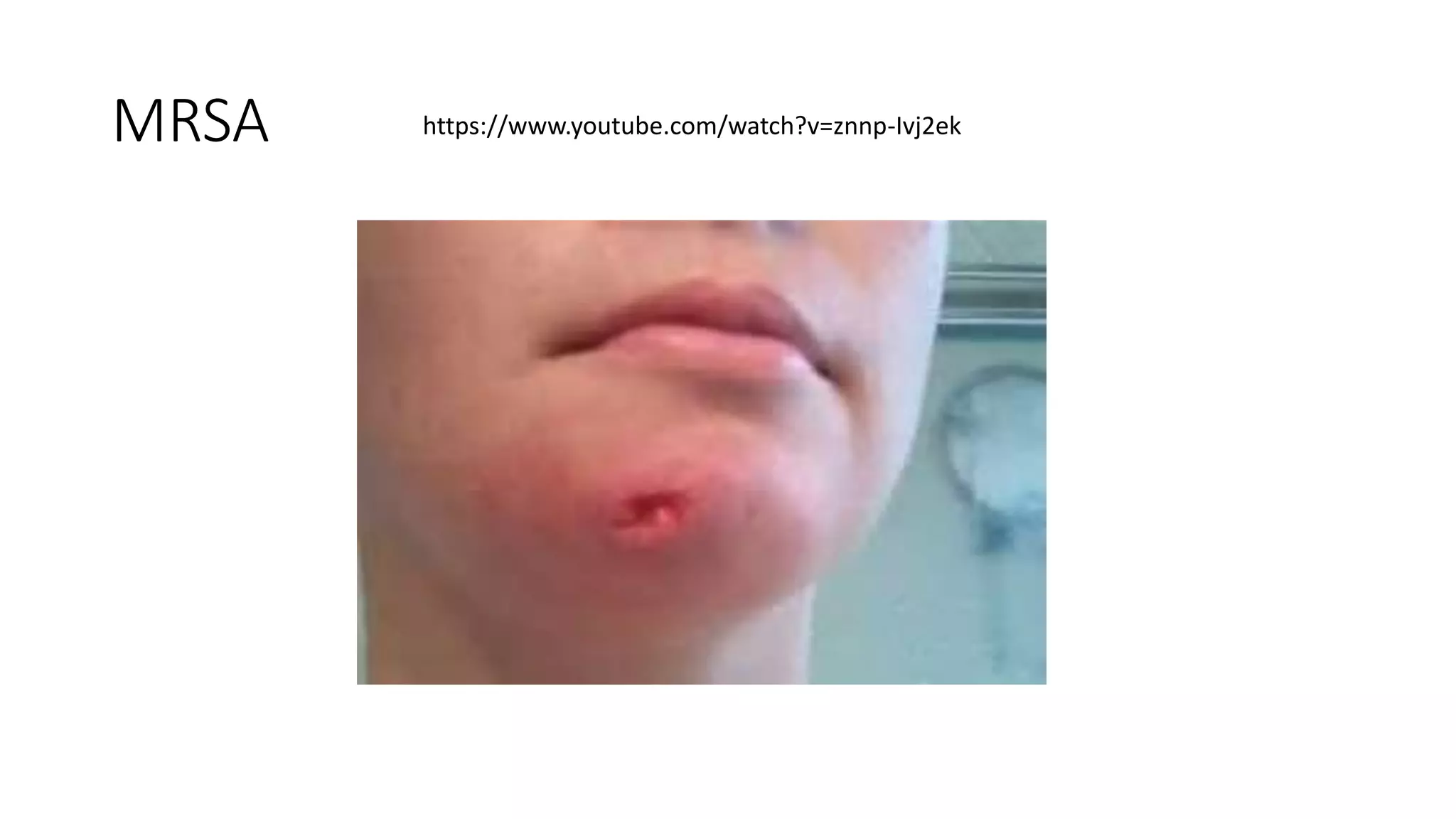
MRSA https://www.youtube.com/watch?v=znnp-Ivj2ek
c. difficile
• Spore forming bacteria that is a part of normal flora
• If it overgrows, produces a toxin and watery diarrhea
• Increase risk with enemas, NGT, GI surgery, overuse of antibiotics
• s/sx: foul smelling bloody, mucus filled diarrhea, cramps, anorexia
• Wash hands! Contact precautions- gown and gloves when in the room
What is normal flora?
• These are microbes that live and grow in a certain area. They are in a
respiratory and GI tract, and in our skin. They are not pathogens so
they do NOT cause disease. It is transmitted from its natural site to
another site or host, it becomes a pathogen.
• For example, e. coli lives in our colon, if it enters the urinary system, it
can cause a UTI
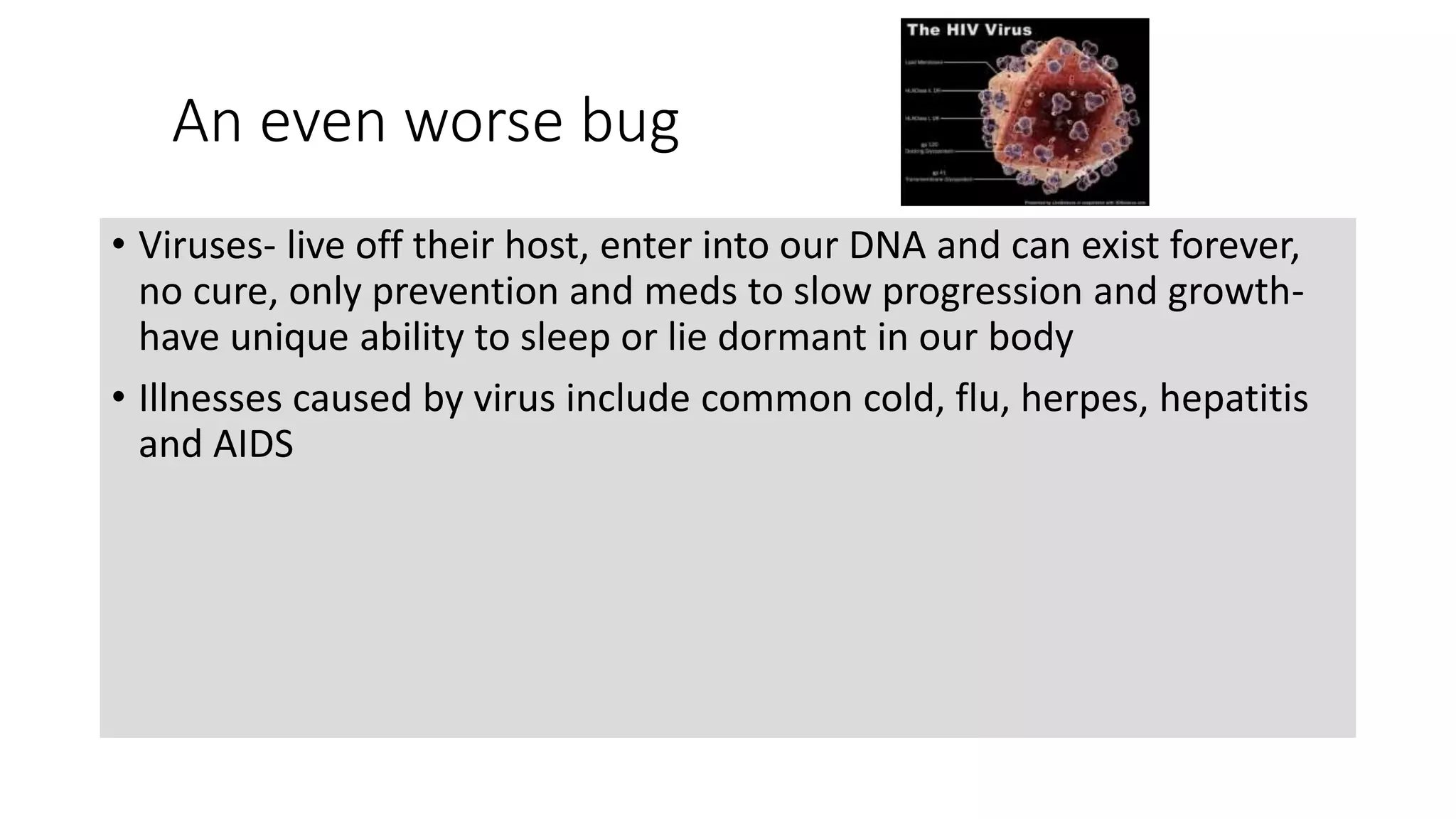
An even worse bug
• Viruses- live off their host, enter into our DNA and can exist forever,
no cure, only prevention and meds to slow progression and growth-
have unique ability to sleep or lie dormant in our body
• Illnesses caused by virus include common cold, flu, herpes, hepatitis
and AIDS
Defense! Defense!
Your body has built in defense mechanisms
To protect you from infectious invaders such as:
• External defenses: skin, eyelashes, tears,
• Internal defenses: white blood cells, mucus, lymph
nodes and tonsils
handwashing
• No#1 defense against spread of infection
• 15-20 seconds of friction…soap….warm water
• Hands held below elbows
• Restart if sink touched
• Wash before and after
• Wash immediately after removing gloves
• Inspect hands for chafing, open areas and cover
How do you know it’s infected??
• Local- red, hot, swollen, painful, drainage
• Systemic-fever, vomiting, diarrhea, fatigue,
loss of appetite
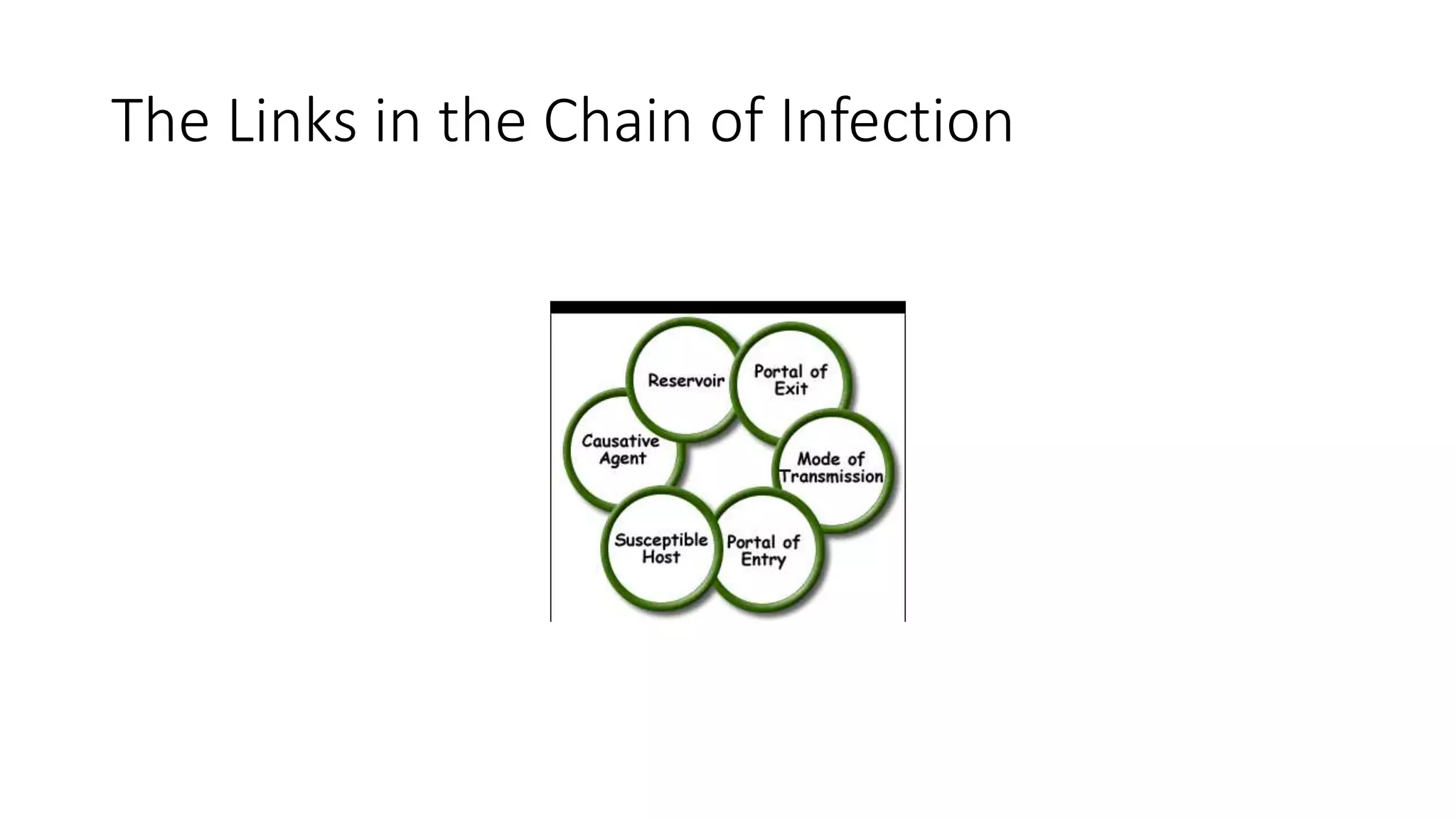
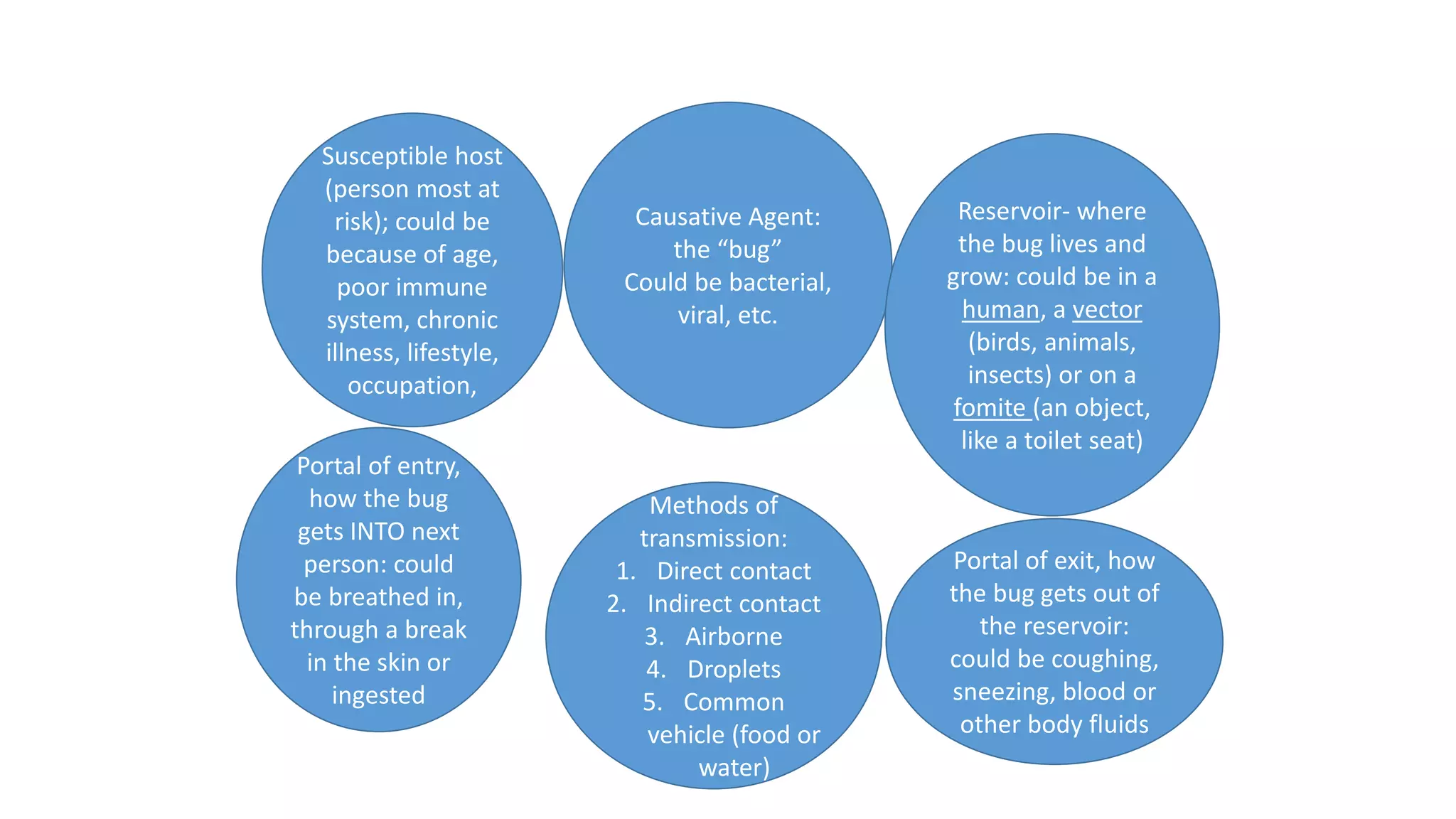
The Links in the Chain of Infection
Causative Agent:
the “bug”
Could be bacterial,
viral, etc.
Reservoir- where
the bug lives and
grow: could be in a
human, a vector
(birds, animals,
insects) or on a
fomite (an object,
like a toilet seat)
Portal of exit, how
the bug gets out of
the reservoir:
could be coughing,
sneezing, blood or
other body fluids
Methods of
transmission:
1. Direct contact
2. Indirect contact
3. Airborne
4. Droplets
5. Common
vehicle (food or
water)
Portal of entry,
how the bug
gets INTO next
person: could
be breathed in,
through a break
in the skin or
ingested
Susceptible host
(person most at
risk); could be
because of age,
poor immune
system, chronic
illness, lifestyle,
occupation,
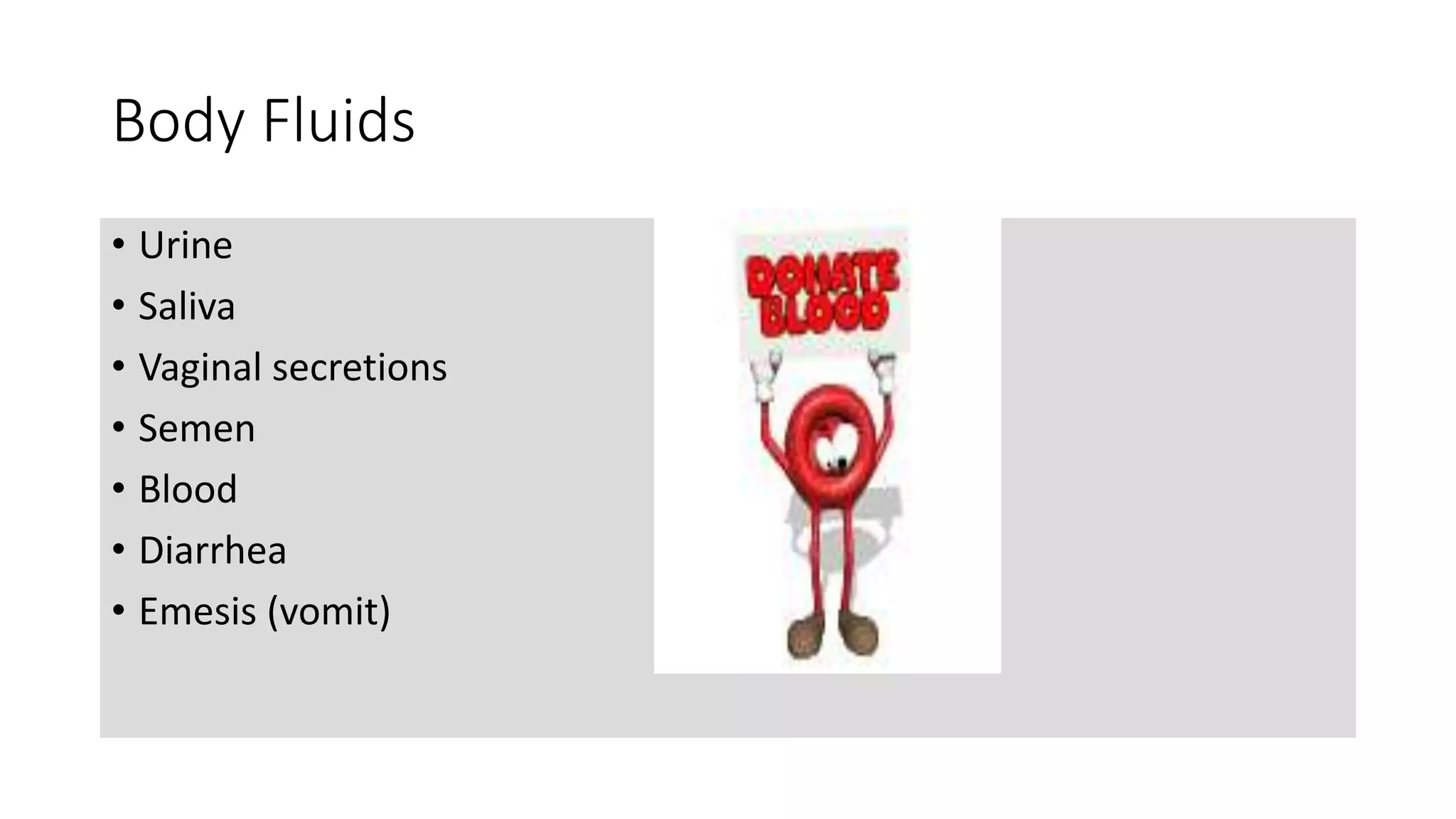
Body Fluids
• Urine
• Saliva
• Vaginal secretions
• Semen
• Blood
• Diarrhea
• Emesis (vomit)
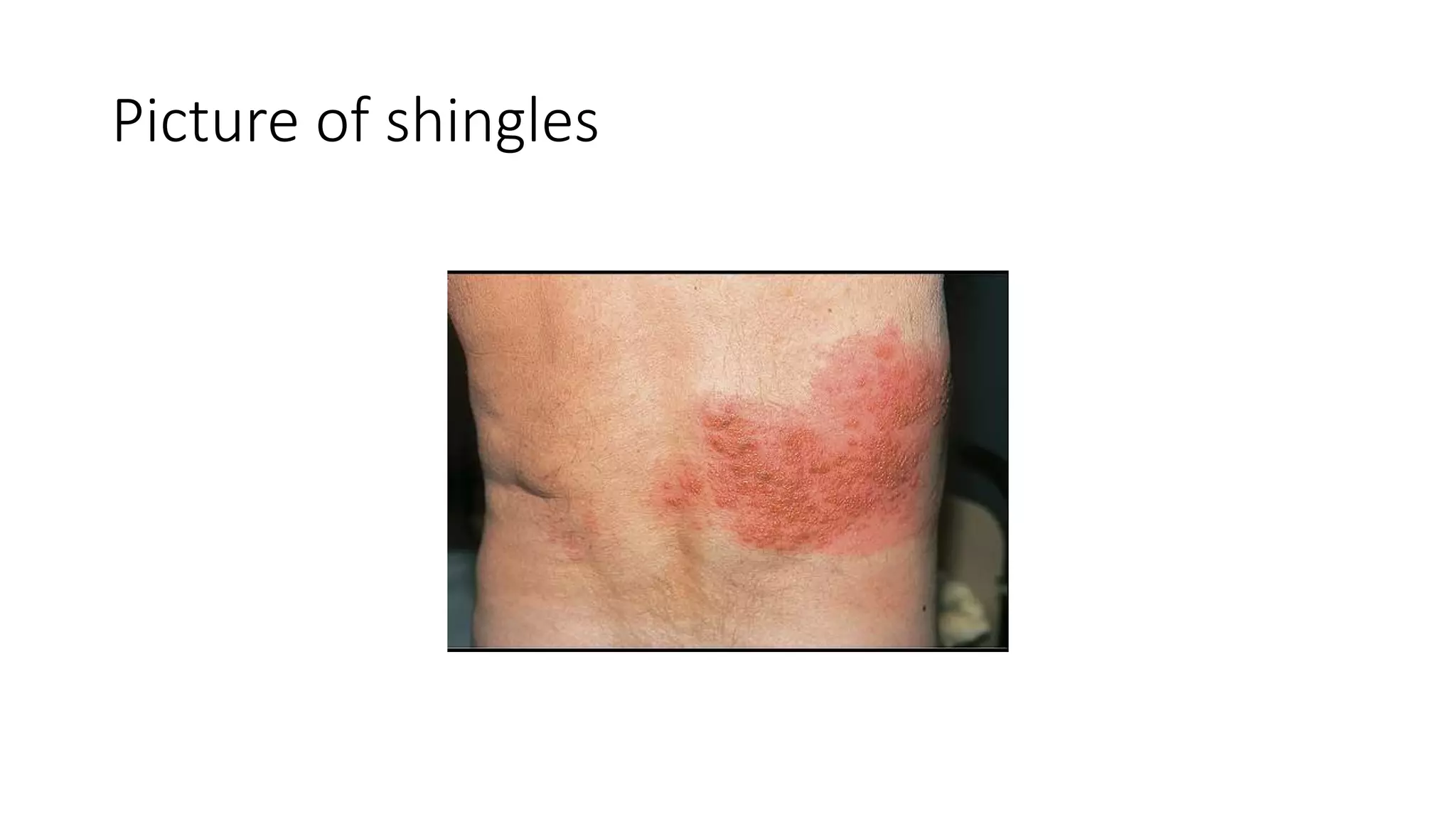
Shingles (Herpes Zoster)
• Caused by the varicella virus (same virus that causes chickenpox)
• After a person has had the chickenpox, the virus lies dormant until
they are older (50-60) and wakes up
• S/SX- Outbreaks of shingles start with itching, numbness, tingling or
severe pain in a belt-like pattern on the chest, back, or around the
nose and eyes.
• People with shingles are place in direct contact precautions- staff will
wear gown and gloves
• Treatment-Zovirax
Picture of shingles
Standard Precautions
Because many diseases are asymptomatic, but
communicable, we practice standard
precautions, treating ALL residents/patients as if
they are potentially infected. This includes:
• Cleaning (with warm water), rinsing (with cool water) drying and storing
equipment
• Wearing gloves if there is the possibility of contact with a body fluid
• Disposing of sharps in a BIOHAZARD container
• Handwashing before and after direct contact
•
Practicing standard precautions
• Wash hands
• Wear gloves & Remove immediately after task done
• Never recap
• Avoid nicks and cuts
• Follow waste disposal policies
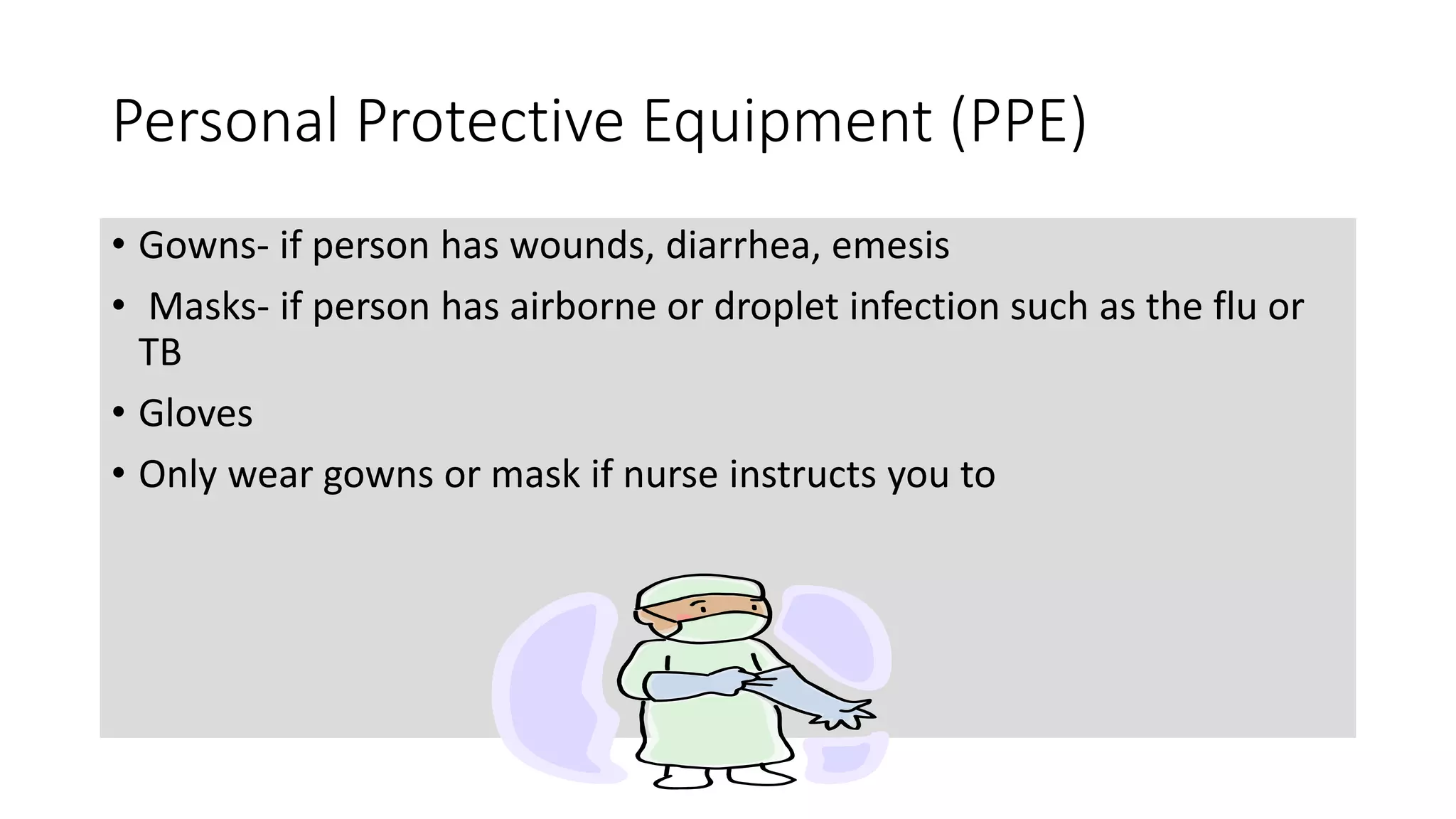
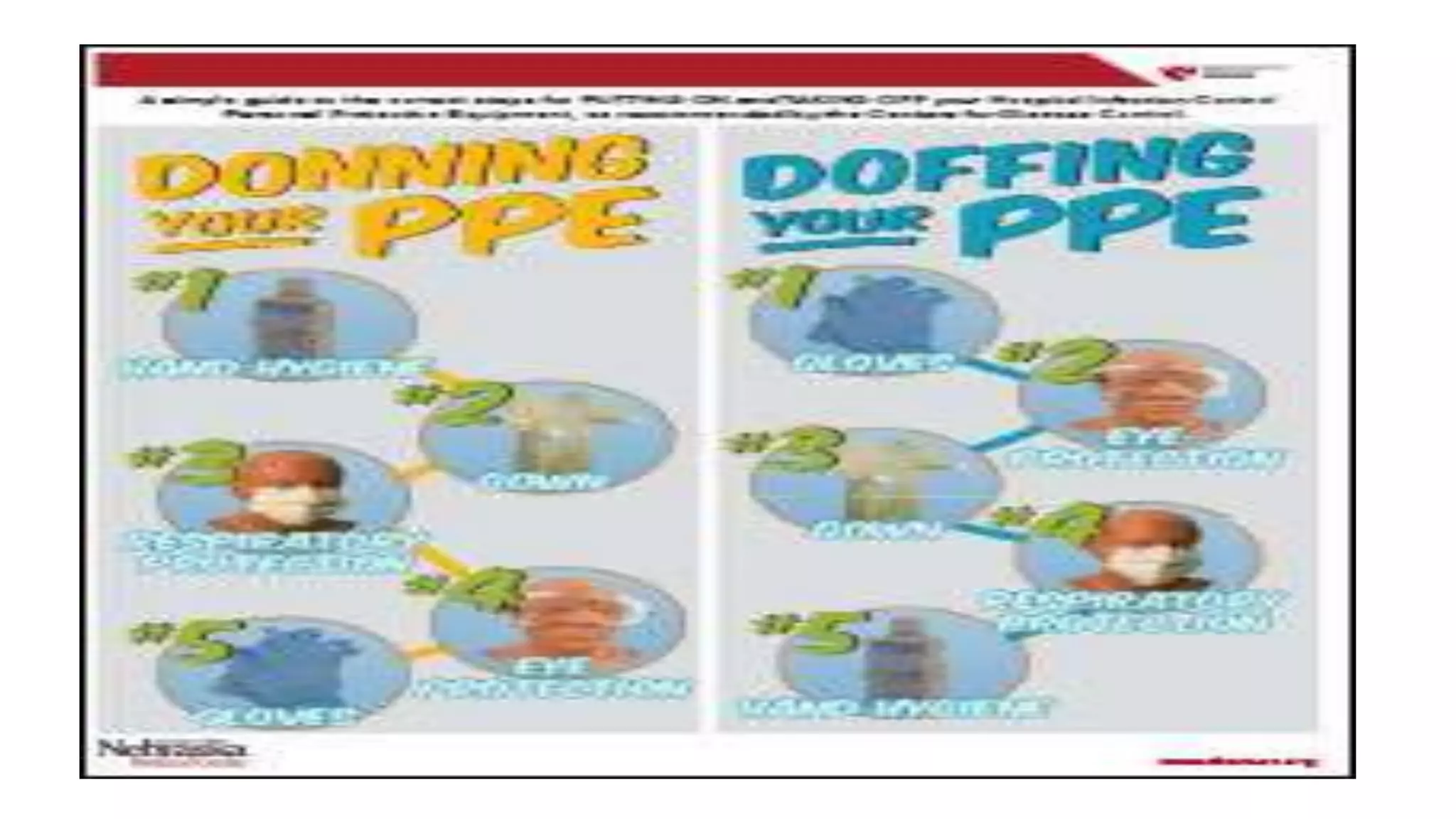
Personal Protective Equipment (PPE)
• Gowns- if person has wounds, diarrhea, emesis
• Masks- if person has airborne or droplet infection such as the flu or
TB
• Gloves
• Only wear gowns or mask if nurse instructs you to
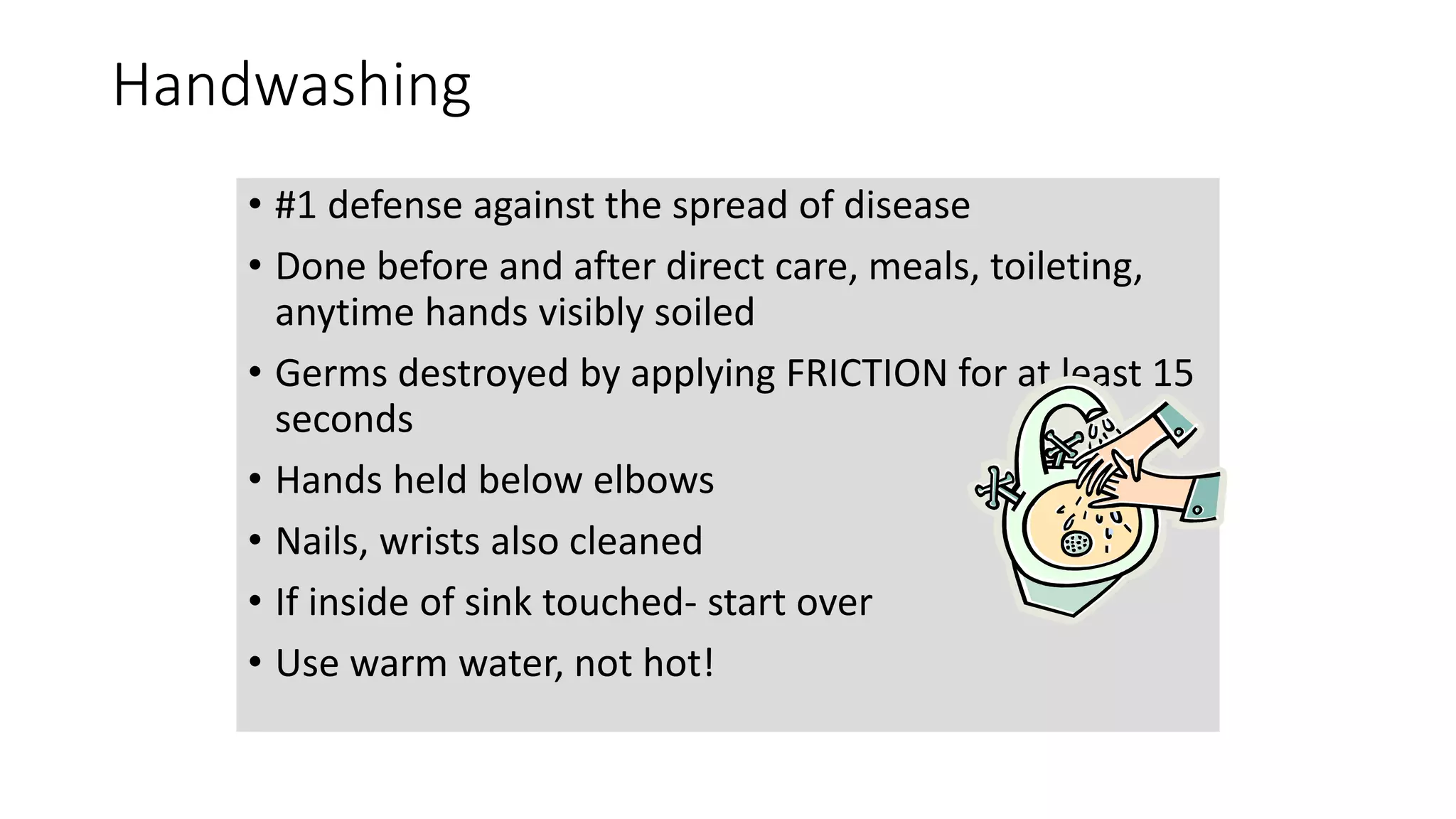
Handwashing
• #1 defense against the spread of disease
• Done before and after direct care, meals, toileting,
anytime hands visibly soiled
• Germs destroyed by applying FRICTION for at least 15
seconds
• Hands held below elbows
• Nails, wrists also cleaned
• If inside of sink touched- start over
• Use warm water, not hot!
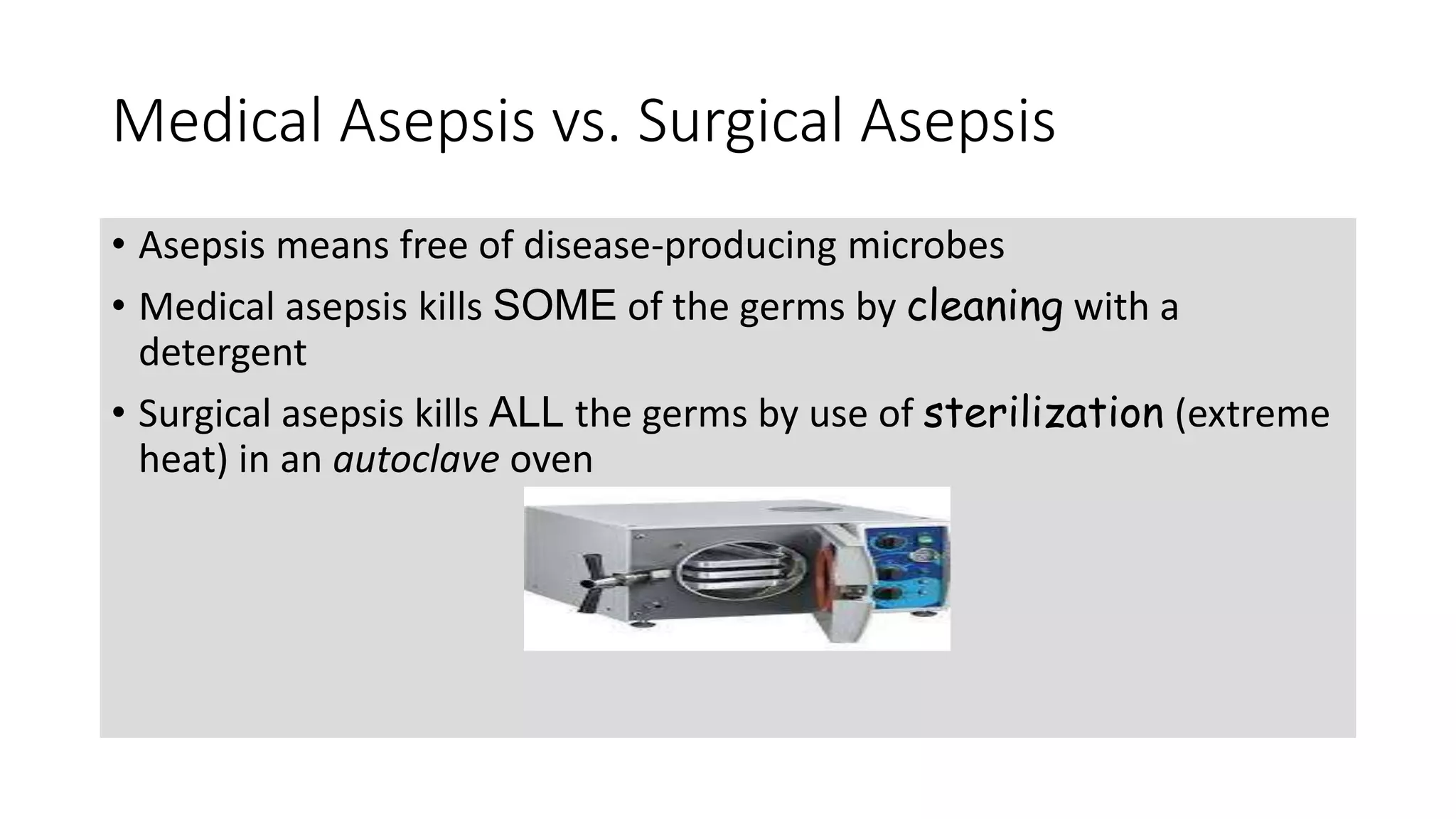
Medical Asepsis vs. Surgical Asepsis
• Asepsis means free of disease-producing microbes
• Medical asepsis kills SOME of the germs by cleaning with a
detergent
• Surgical asepsis kills ALL the germs by use of sterilization (extreme
heat) in an autoclave oven
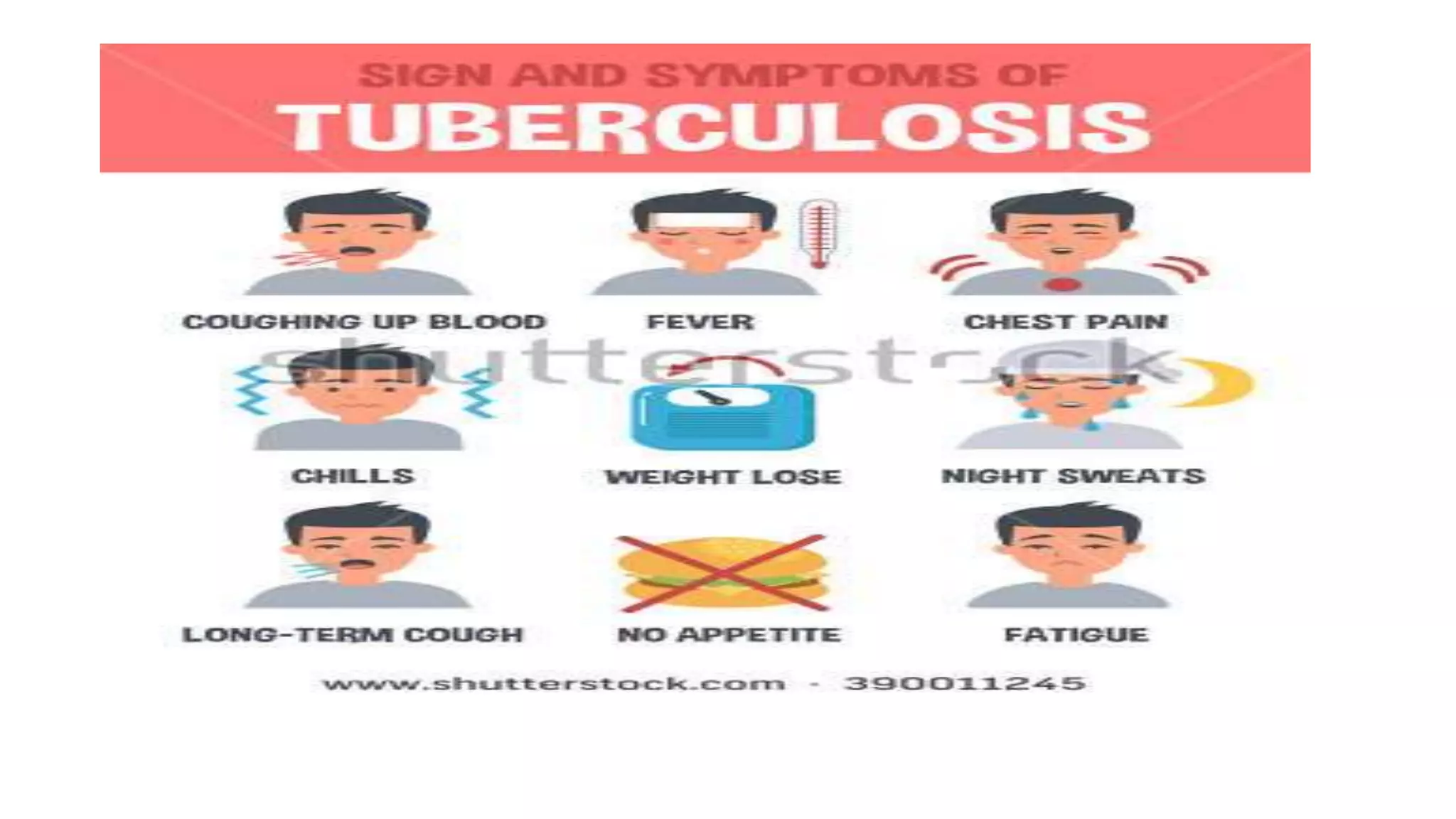
Chain of Infection for TB
• Signs and symptoms: complaints of cough with bloody sputum, wt
loss, nightsweats, fatigue
• Diagnostic testing: PPD, CXR, positive sputum test
• Treatment: airborne precautions (isolation) for 2 weeks then meds for
up to 2 years
Airborne Precautions
If a person has TB they will be placed in
Airborne precautions which includes
• Private room
• Door closed at all times
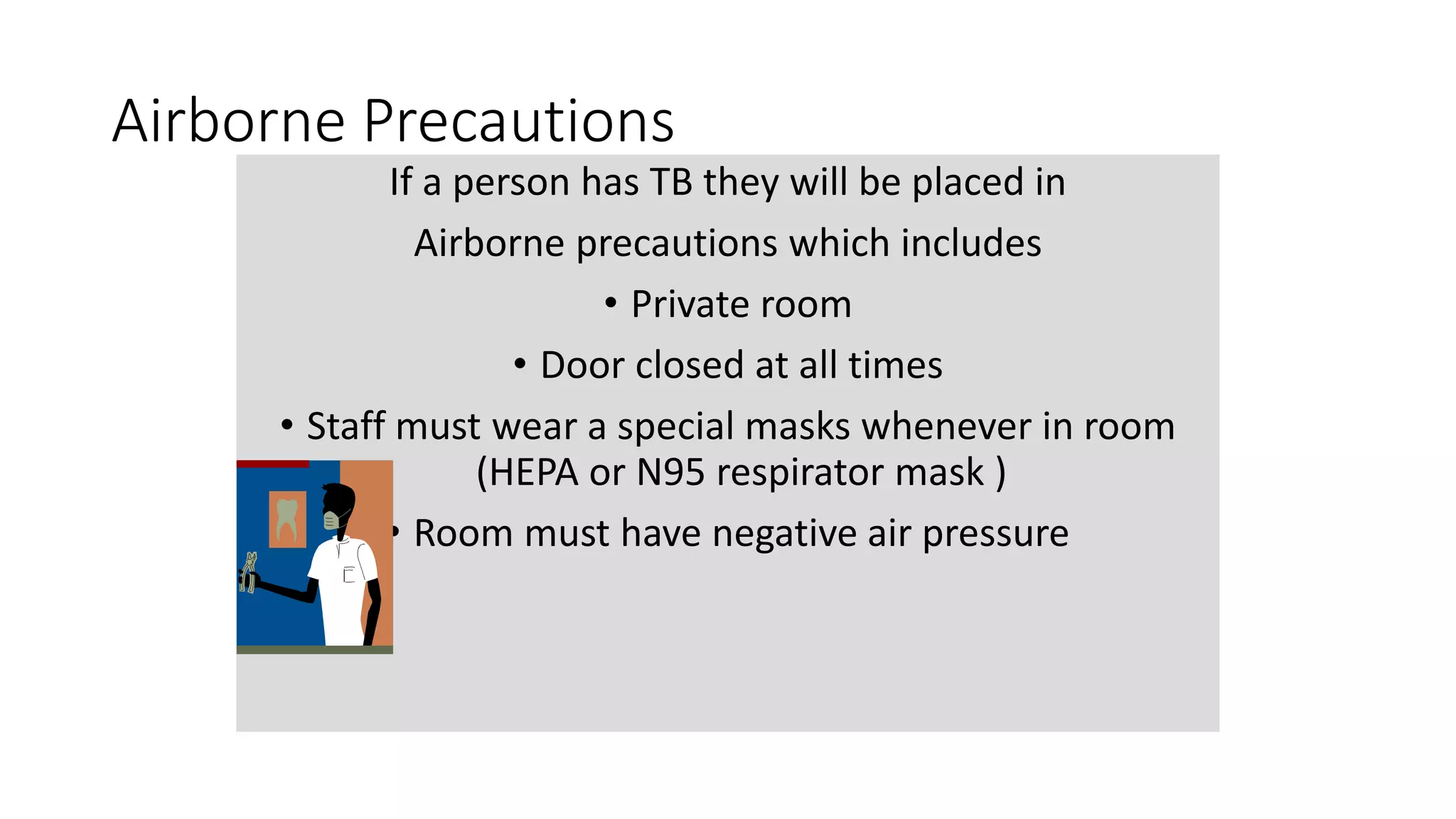
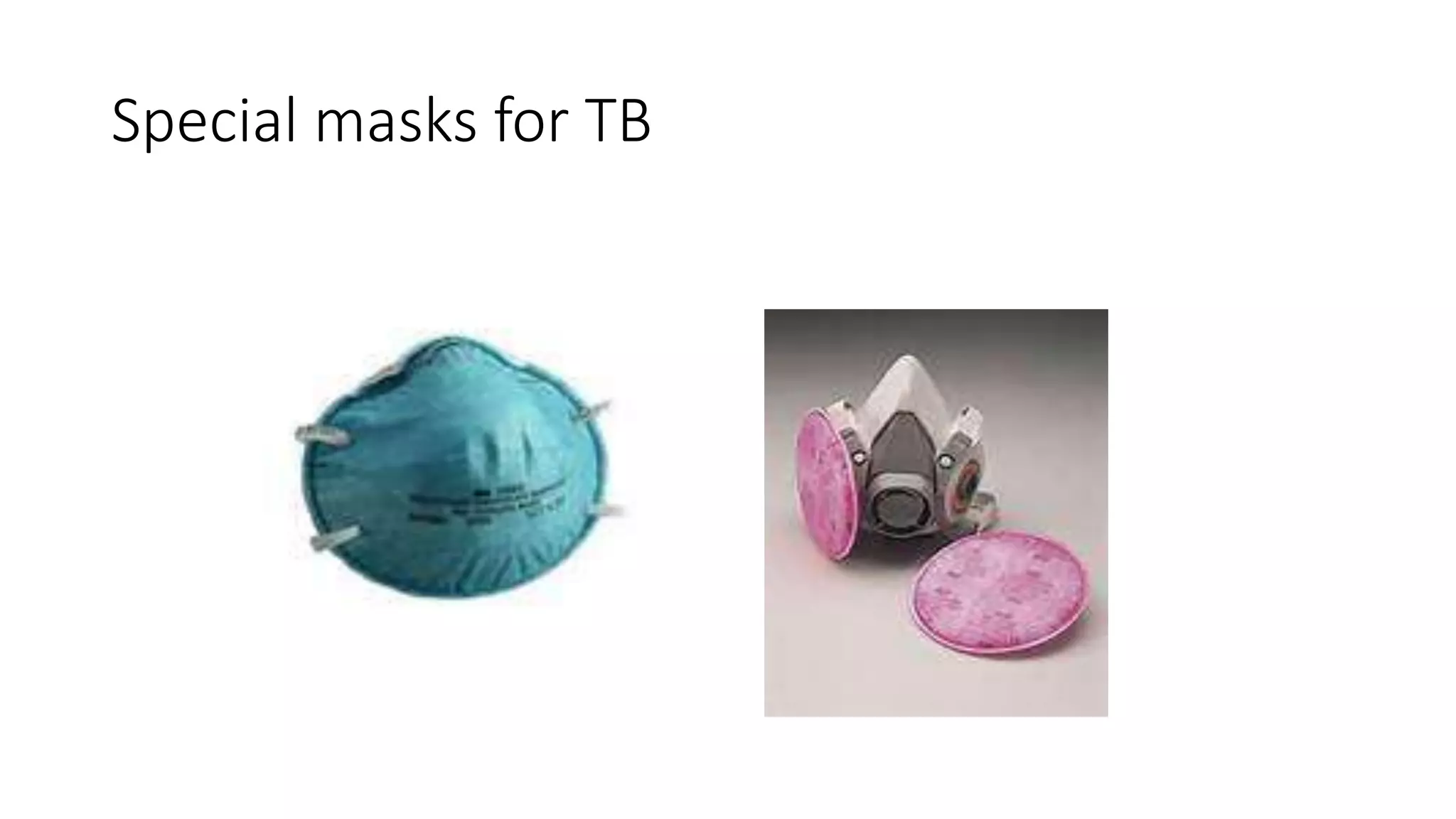
• Staff must wear a special masks whenever in room
(HEPA or N95 respirator mask )
• Room must have negative air pressure
Special masks for TB
Blood borne pathogens
• HIV and Hep B are only transmitted after contact with an infected person’s
blood
• Your employer must have an exposure plan if you have an accidental
exposure
• See page 204
• HBV can be prevented with a vaccine- shots are given at 1 month, 2
months and then 6 months. It will be offered to you free of charge during
your orientation
• To keep safe, don’t eat at work area, put on makeup, handle contact
lenses, recap needles, throw disposable razor in trash, and wash hands
immediately after removing gloves
• If you have an exposure, report at once, you will be tested, counseled, can
be treated prophylactically and if you need treatment, it will be free of
charge
A word about gloves
• One time use only
• Never worn outside resident room
• Inspect for tears, if broken must be changed
Nosocomial or hospital acquired infections
• An infection that occurs as the result of being hospitalized
• From roommate, equipment or staff
Reverse Isolation
• Staff wear all PPE
• Patient is immunocompromised and may get sick from those
entering room
• Chemo patients, transplant patients, HIV patients
• No flowers, fruit- sterile environment
Other types of precautions
• Droplets- for person with flu, meningitis or pneumonia-
wear mask if within 3ft of person, wear gloves entire
time in room
• Direct Contact- for person with infected wound, c-diff,
wear gloves and gown
Biohazard means dangerous to life!
Red Bag It
Items that are contaminated with
blood, such as a used needle/syringe or
a disposable razor, should be thrown in
the BIOHAZARD
sharps container; soiled linen that is
contaminated with blood goes in a red
bag
Chapter 29:
• Admitting, Discharge and Transfer
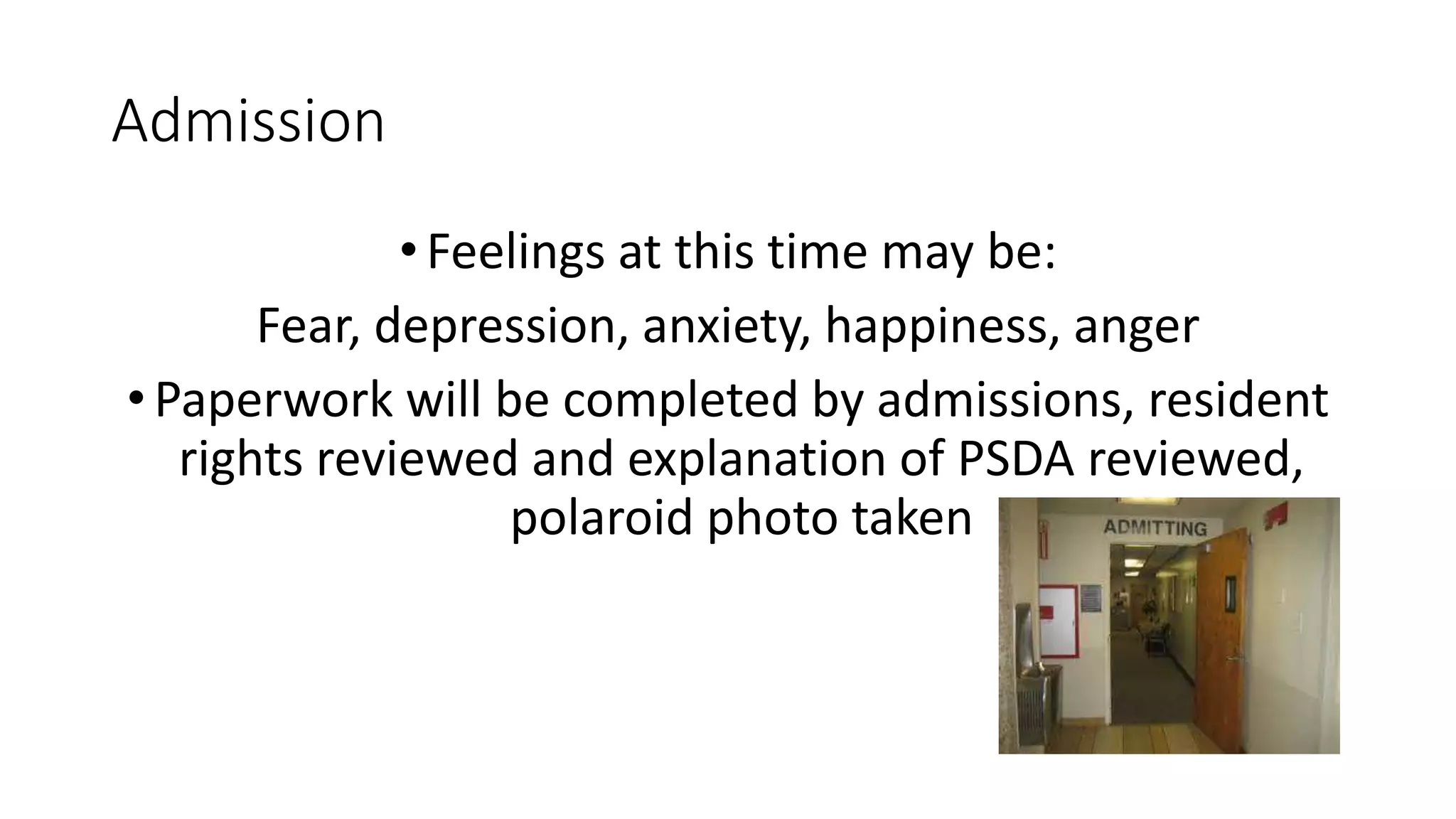
Admission
•Feelings at this time may be:
Fear, depression, anxiety, happiness, anger
•Paperwork will be completed by admissions, resident
rights reviewed and explanation of PSDA reviewed,
polaroid photo taken
Prep before arrival
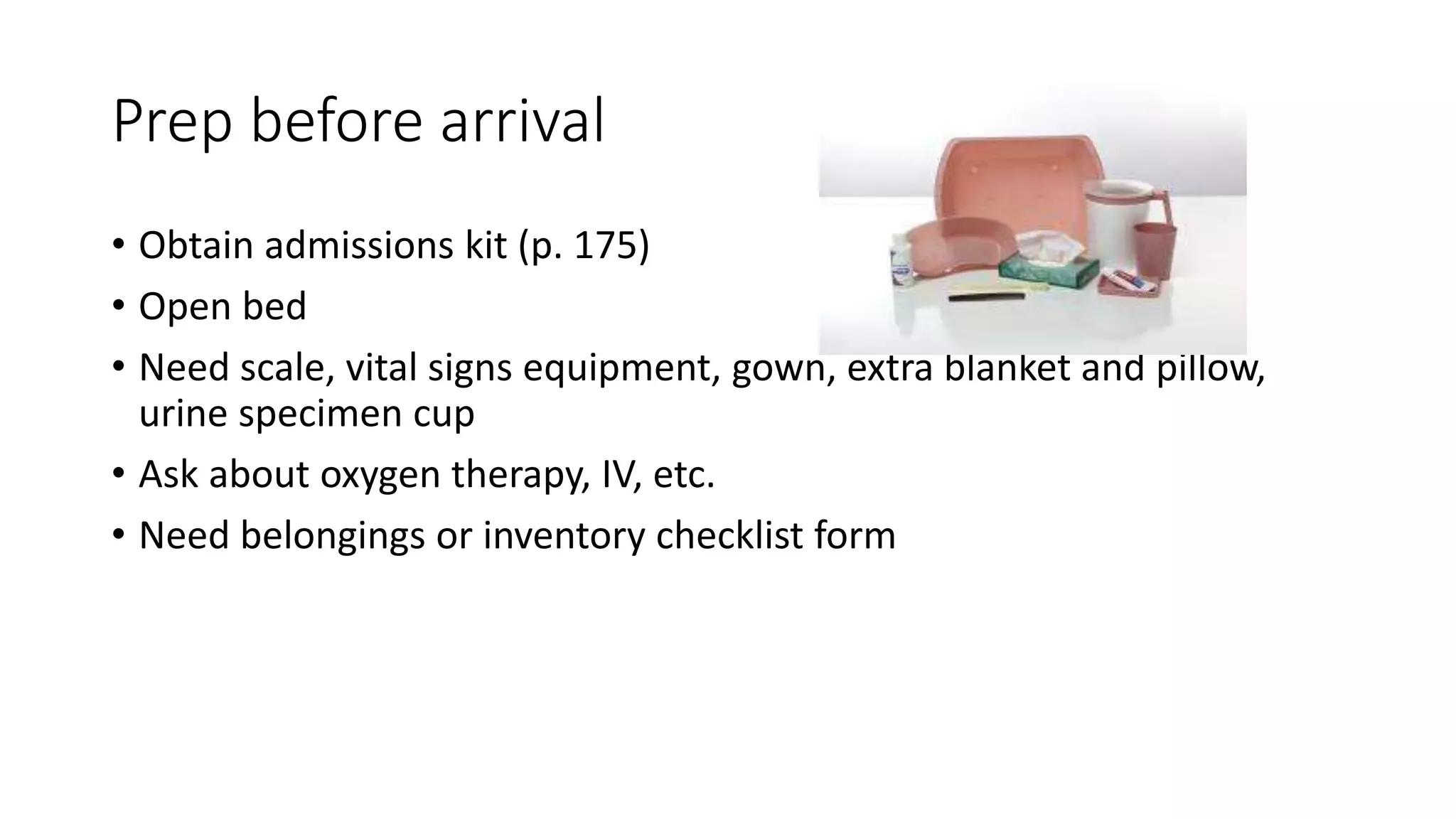
• Obtain admissions kit (p. 175)
• Open bed
• Need scale, vital signs equipment, gown, extra blanket and pillow,
urine specimen cup
• Ask about oxygen therapy, IV, etc.
• Need belongings or inventory checklist form
Upon Admission
• Greet and call by name the person prefers
• Take to room and assist into gown
• Obtain weight and ht, VS if requested by RN
• Complete inventory checklist, count and secure money,
document valuables
• Orient to room/unit- call bell, BR, DR, nurse’s station, activity
room
• Introduce to others, including roommate
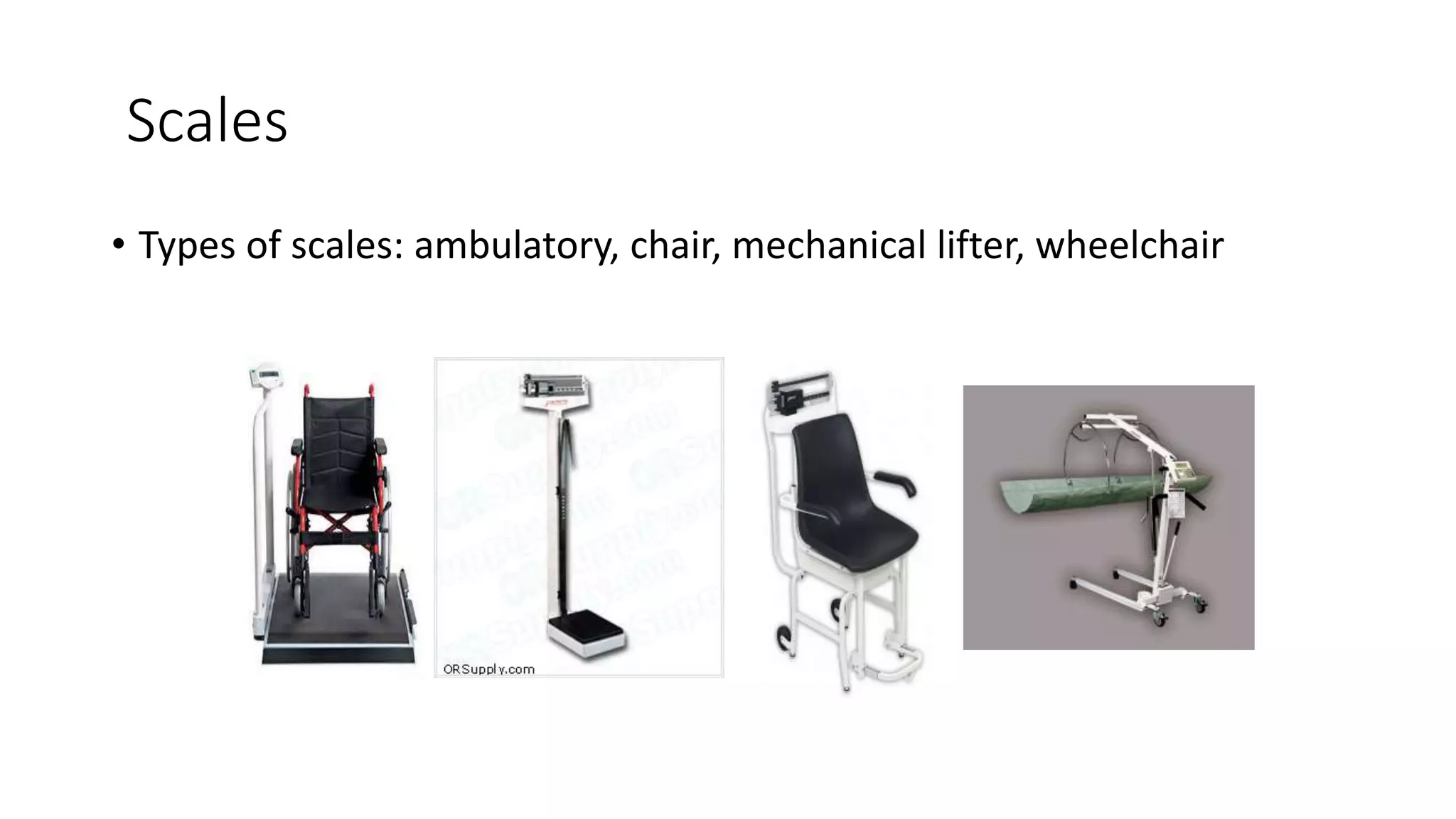
Scales
• Types of scales: ambulatory, chair, mechanical lifter, wheelchair
Measuring height
• 12 inches in a foot
• 5’4= 12 x 5=60 +4=64 inches
• Of unable to stand, use tape measure from head to heel
Transfer
• May be to another facility or unit
• Pack up belongings, can take admission kit, water pitcher, etc with
him
• Use inventory list to pack personal belongings
• Obtain transport
• May experience same feelings as did at time of admission
• Intro to new unit and staff
Discharge
• Don’t pack until nurse tells you discharge is for sure
• Obtain discharge vital signs
• Pack up belongings
• Obtain transport
• Document who resident left with, time, vs, condition and by what
type of transport
• https://cna.plus/infection-control-test/
• https://cna.plus/cna-practice-test-legal-ethical-2/
• https://cna.plus/cna-practice-test-legal-ethical/
• https://cna.plus/residents-rights/
• https://cna.plus/residents-rights-2/
Chapter 6: Understanding the Resident
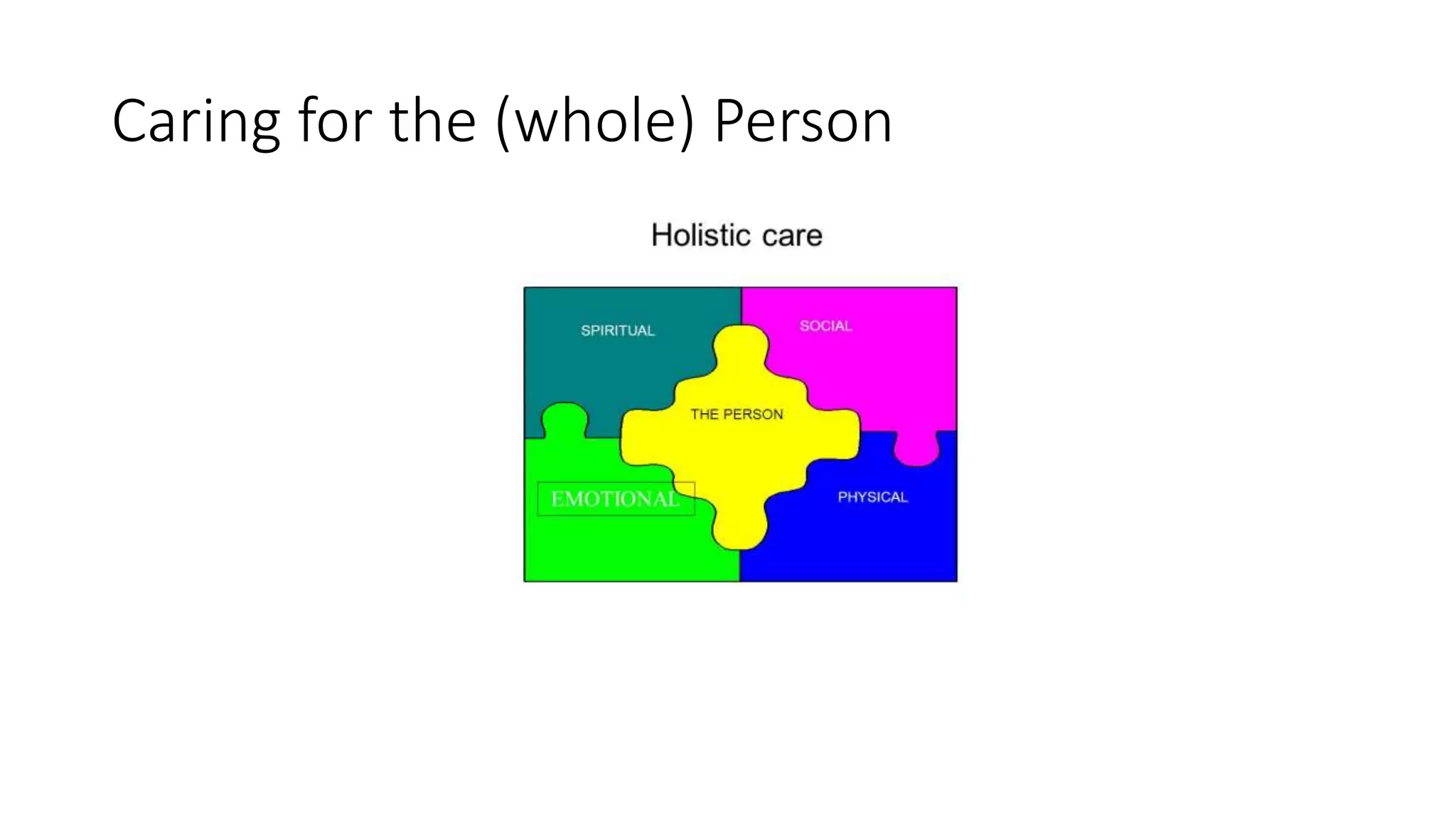
Caring for the (whole) Person
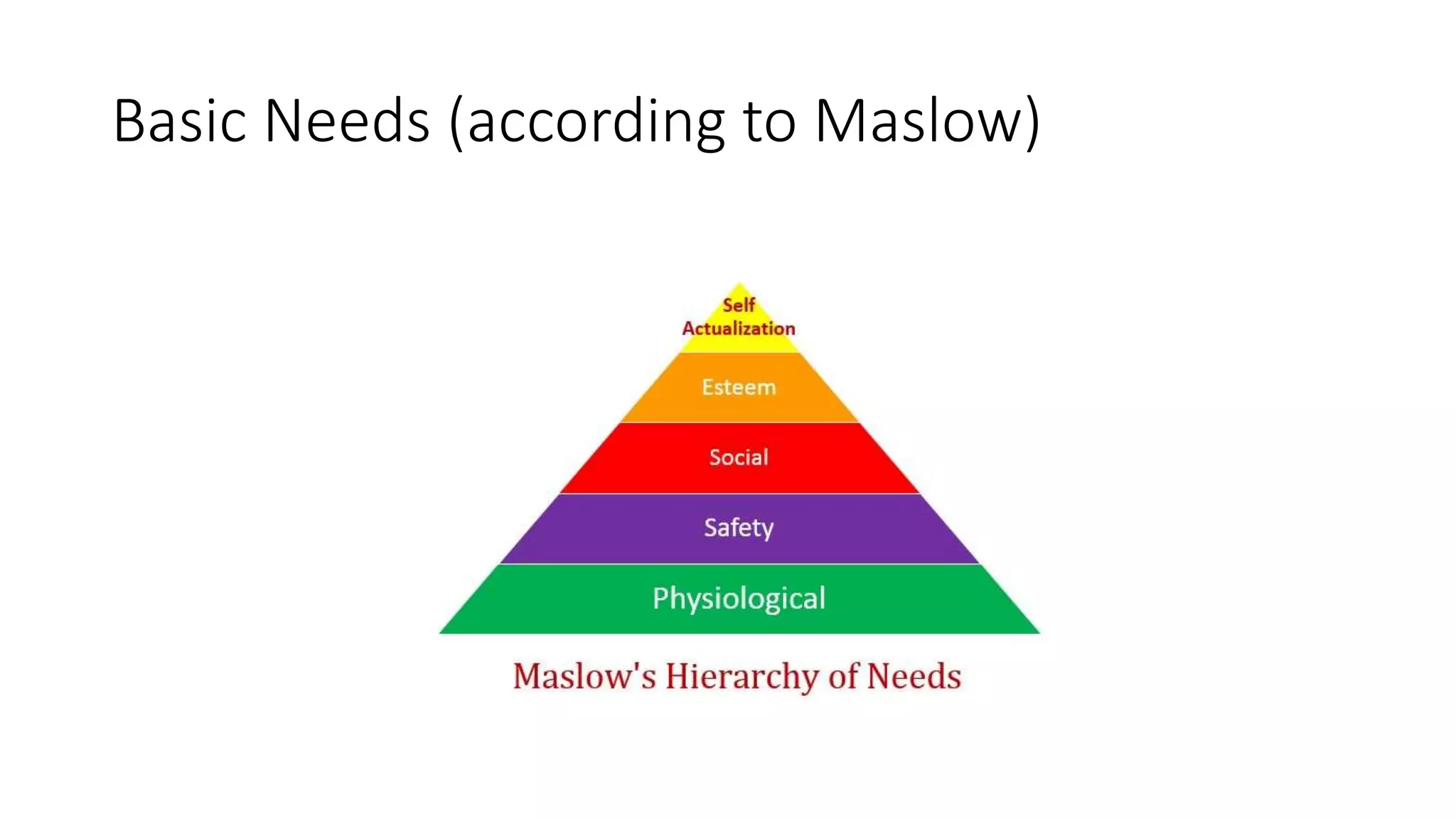
Basic Needs (according to Maslow)
MEETING BASIC HUMAN NEEDS
• Physical needs- provide meals, snacks, fresh drinking water, clean bed,
oxygen, rest and sleep
• Safety & Security-answer call bells, raise side rails, clean up spills, report
safety hazards, check ID bracelet, clutter free environment, infection
control precautions
• Love and belonging- give good care, encourage participation in activities,
family visits, support groups
• Self esteem- allow resident to do as much as possible for self, groom nicely,
compliments
• Self actualization- allow resident to discuss past accomplishments, interests
Culture makes a difference….
• Cultural background effects music, food
• and style of dress preferences, attitudes,
• values, religion, language, health practices,
• death rituals
• The best way to respect a person’s cultural beliefs is to educate
yourself, ask questions and attempt to support as much as possible
A word about religion…
• Listen, but don’t share your own beliefs and opinions….
• make referrals to nurse for clergy visits…..
• you can pray with a person if they request it…..
• be respectful of person’s religious beliefs…..
Nursing Center Residents
• Alert, oriented
• Confused and disoriented
• Complete Care
• Short-term
• Life-long
• Residents with mental health problems
• Terminally ill
Behavior Issues
• Anger- dt pain, fear
• Demanding- dt loss of independence, health or self control
• Self-centered
• Aggressive
• Withdrawal
• Inappropriate sexual behavior
• See page 87- managing the behavioral issues
Begin Module Two
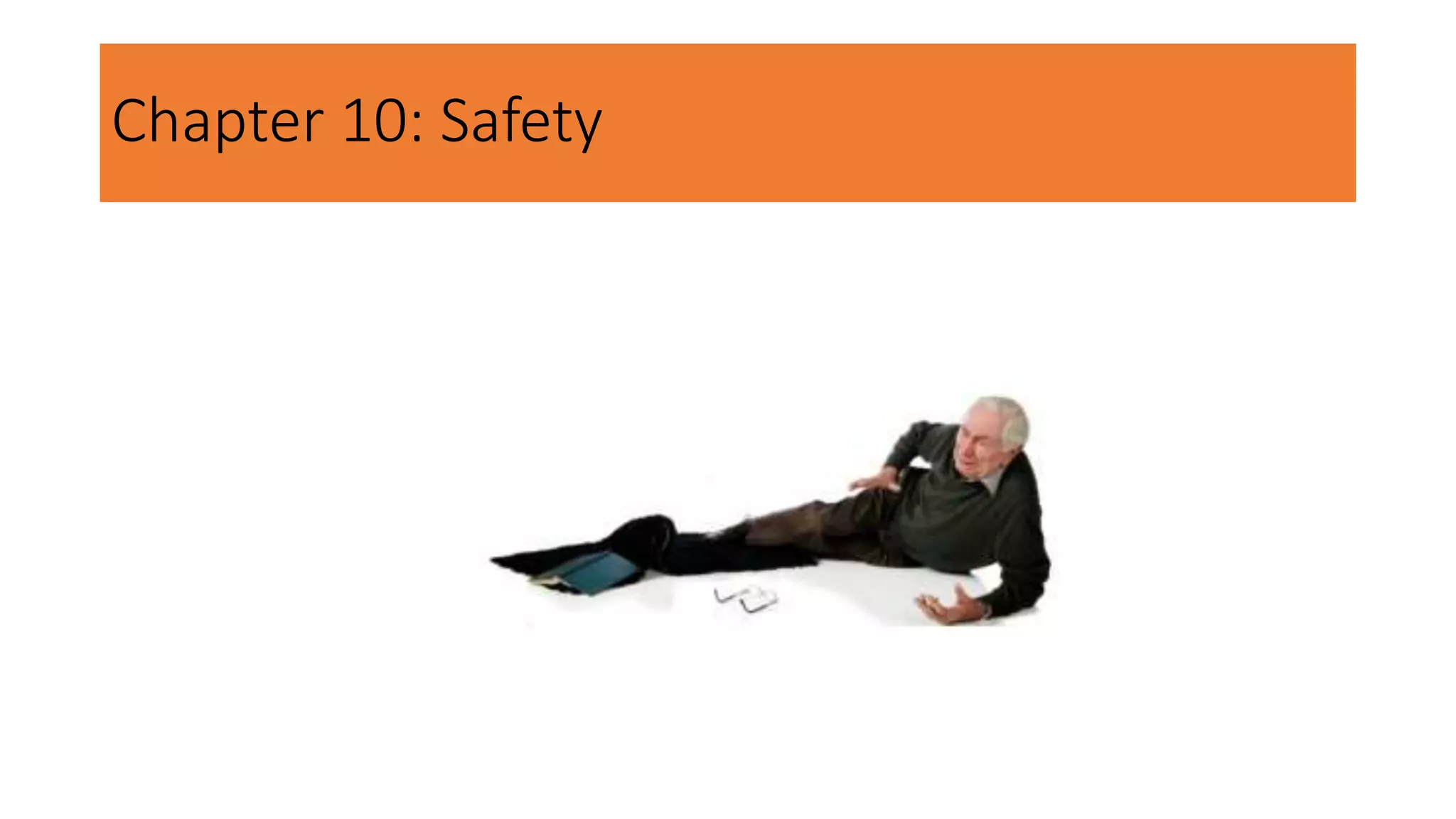
Chapter 10: Safety
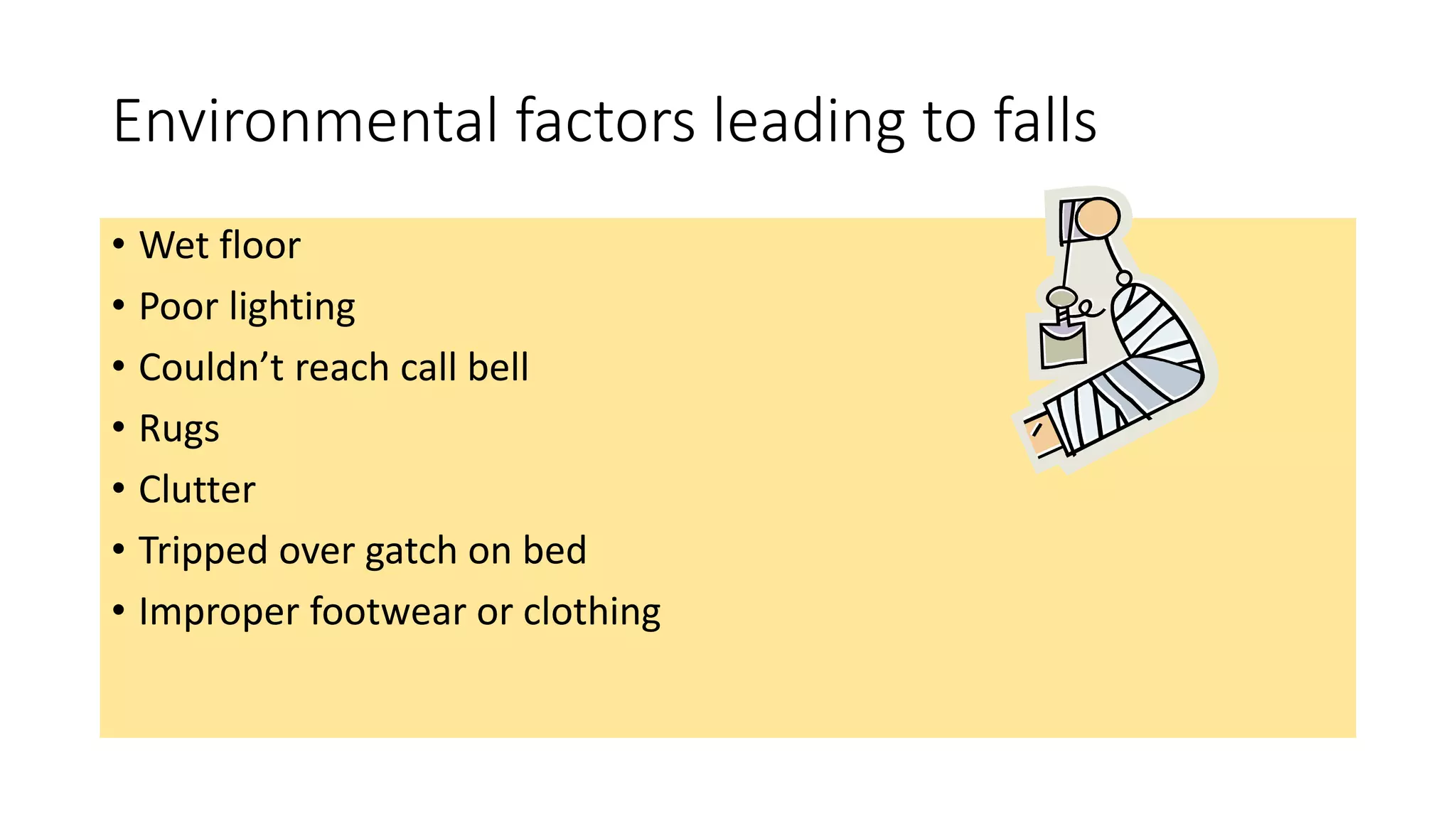
Environmental factors leading to falls
• Wet floor
• Poor lighting
• Couldn’t reach call bell
• Rugs
• Clutter
• Tripped over gatch on bed
• Improper footwear or clothing
Preventing Falls
• Clutter free
• Non-skid footwear
• Properly fitting clothes
• Keep personal items, and call bell nearby
• Answer call lights right away
• Clean up spills
• Report loose handrails stat
• Good lighting
• Lock brakes on bed and w/c with transfers
• Leave bed in low position after care given
• Toilet freq
Identifying the Resident
• #1 check ID bracelet
• Ask the person his or her name “can you tell me your name?”
• Ask someone to verify for you
• Do NOT rely on name plate outside
• PHOTO ID SYSTEMS
• IF AWAKE AND ORIENTED, MAY REFUSE TO WEAR BRACELET
Preventing Burns
• Supervise smoking
• Assist at meal time
• Check bath water temp
• No heating pads
• First degree burn-red, painful- like sunburn
• Second degree-blisters
• Third degree-skin is charred, both layers burned and underlying structures
Preventing suffocation
• Cut food into small pieces
• Make sure dentures fit properly
• Report dysphagia
• Don’t leave unattended in/near water
• Position properly
• Use restraints correctly
PREVENTING POISONING
• MAKE SURE CHEMICAL CAPPED, OUT OF SIGHT, LOCKED AWAY
• NEVER REUSE A BOTTLE OR USE AN UNLABELED BOTTLE
• PROTECT LABELS FOR GETTING WET WHEN POURING
• Put away toiletries after use
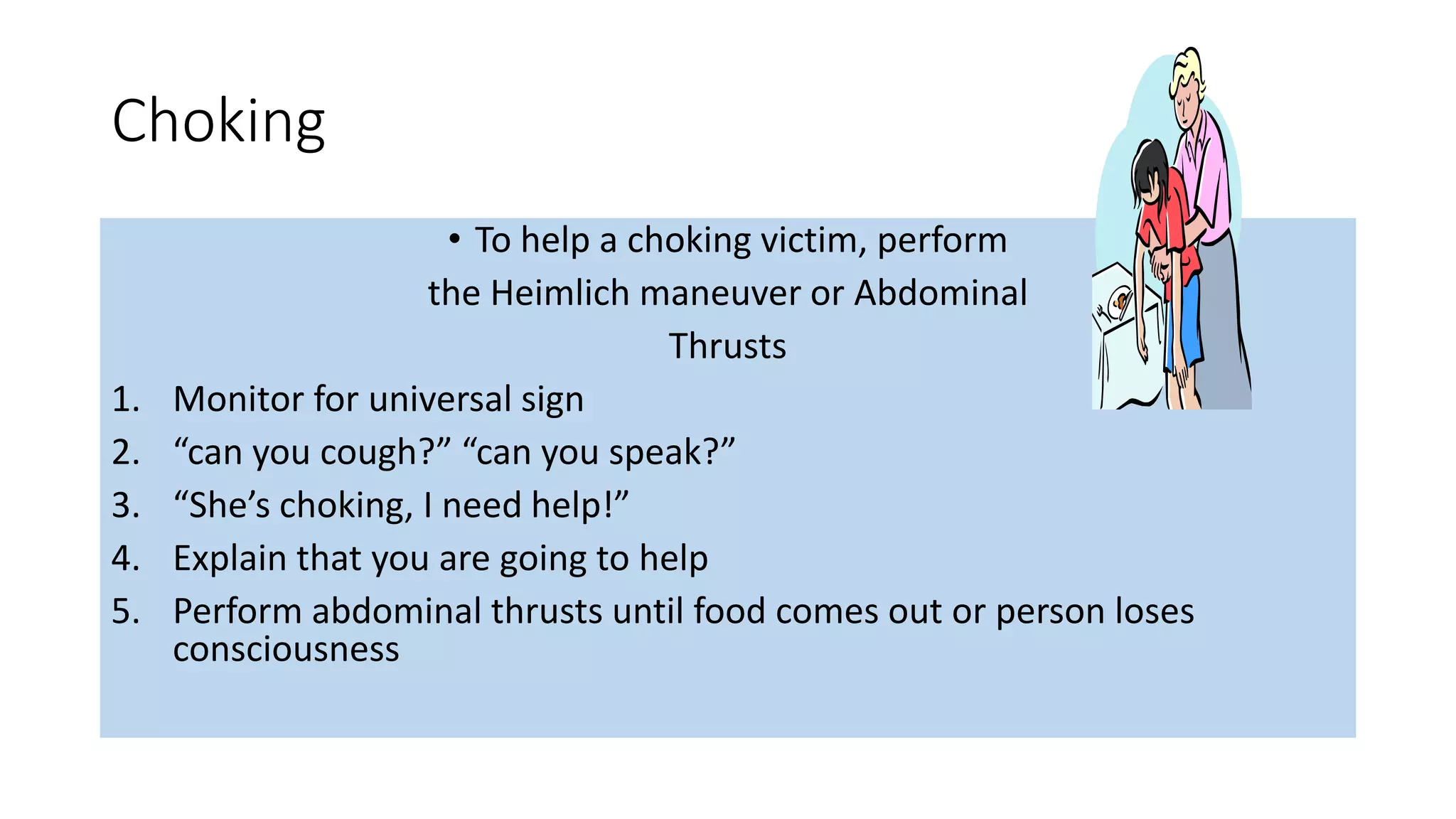
Choking
• To help a choking victim, perform
the Heimlich maneuver or Abdominal
Thrusts
1. Monitor for universal sign
2. “can you cough?” “can you speak?”
3. “She’s choking, I need help!”
4. Explain that you are going to help
5. Perform abdominal thrusts until food comes out or person loses
consciousness
Choking continued
• If a person is obese or pregnant, instead of abdominal thrusts you will
perform chest thrusts
• Never perform heimlich manuever if the person is able to speak or
cough
• Stay with person, offer reassurance, do not pat on back or give liquids
• F.y.i. choking on thin liquids more likely than thick ones
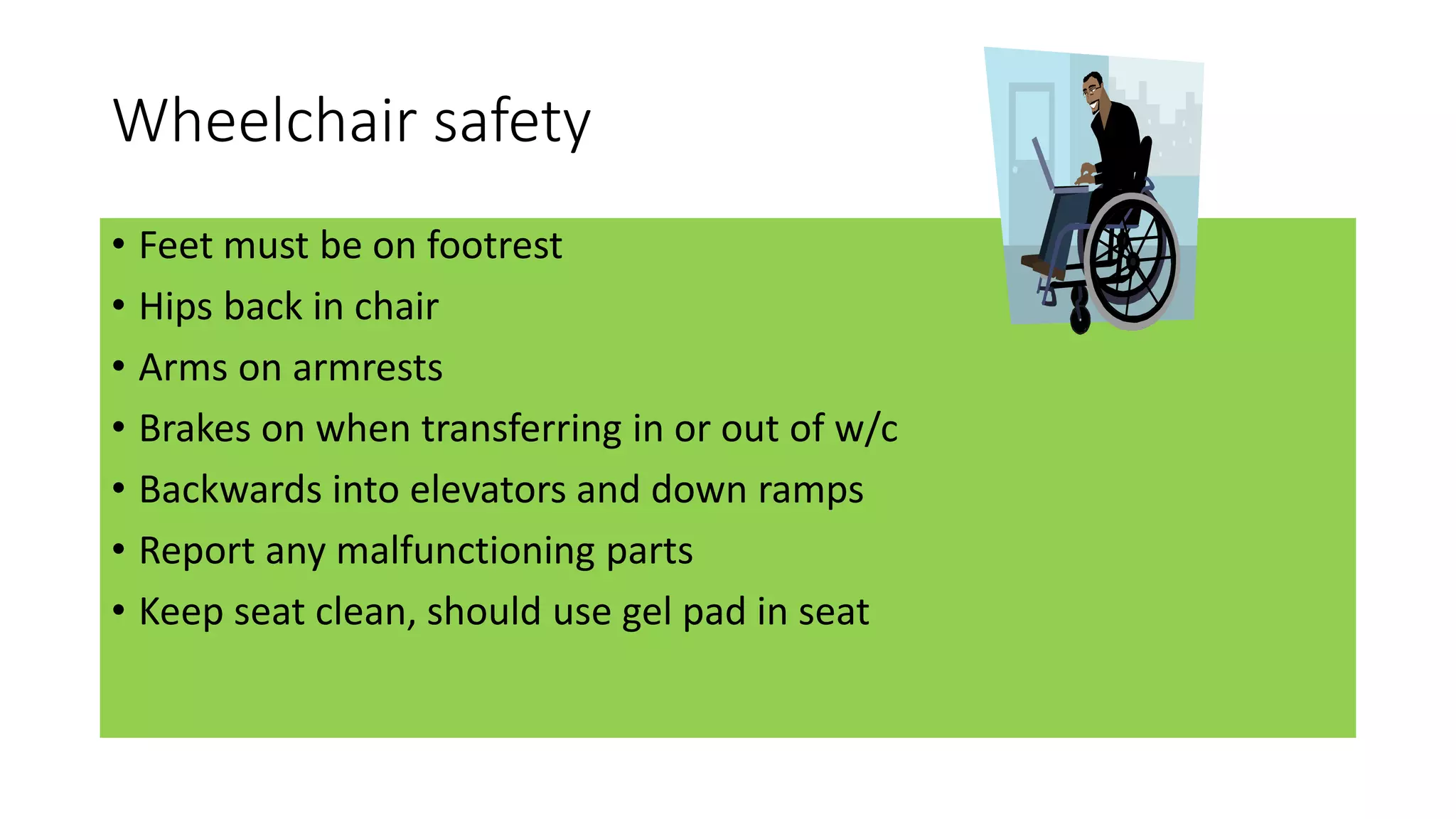
Wheelchair safety
• Feet must be on footrest
• Hips back in chair
• Arms on armrests
• Brakes on when transferring in or out of w/c
• Backwards into elevators and down ramps
• Report any malfunctioning parts
• Keep seat clean, should use gel pad in seat
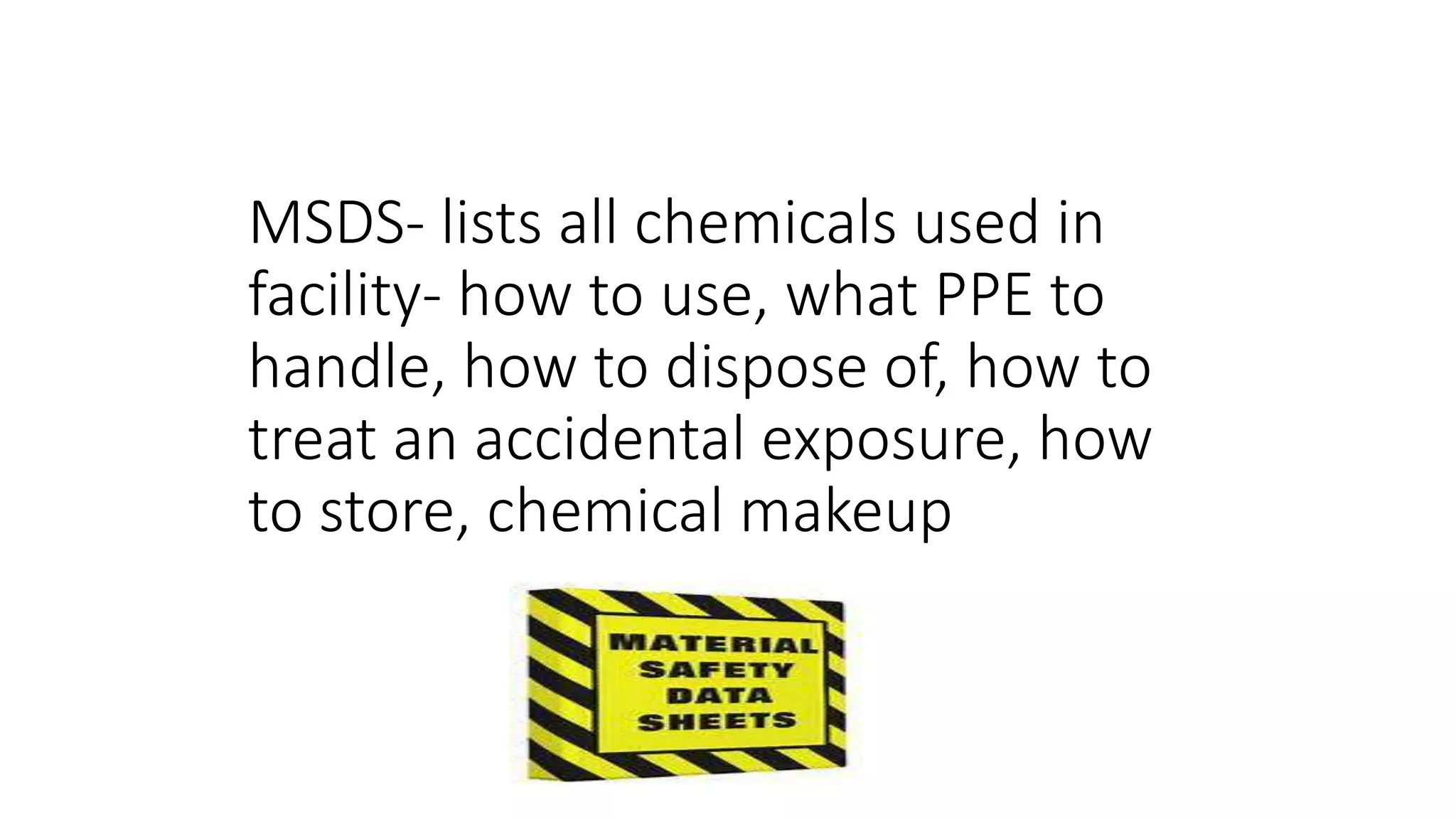
MSDS- lists all chemicals used in
facility- how to use, what PPE to
handle, how to dispose of, how to
treat an accidental exposure, how
to store, chemical makeup
Fire Safety
• Fires need oxygen, something that burns and friction to be sustained
• Immediately when someone yells “fire” you respond by activating the
R-A-C-E system
• R= remove everyone to a safe area
• A=activate the alarm
• C=contain the fire (close doors and windows_
• E=extinguish, if you can
Fire cont.
• If you have to evacuate- remove the ambulatory (walkers) first, then
wheelchair users and bedridden
• Evacuate horizontally, from top floor down
• To carry a w/c or bedbound person, you can carry him/her with a
peer or drag to fire exit in a blanket supporting the head
• Never use an elevator in a fire
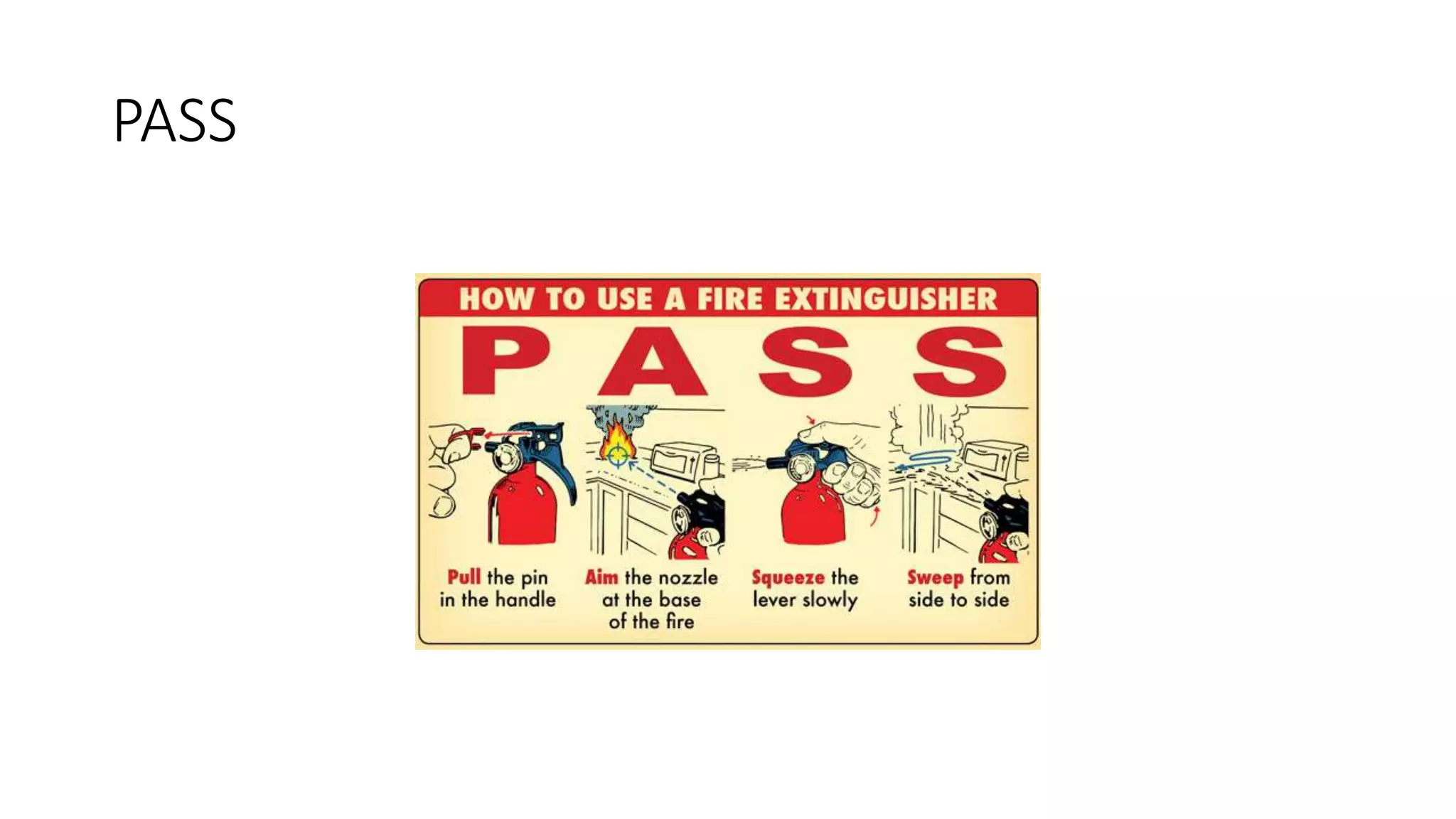
Use of fire extinguishers
• ABC fire extinguishers work on
Paper, wood, electrical, oil, gas, grease and cloth fires
• To use the extinguisher active P-A-S-S
• P=pull the pin
• A=aim at the base of the flames
• S=squeeze the handle
• S=sweep back and forth
• Stand about 6 ft away
PASS
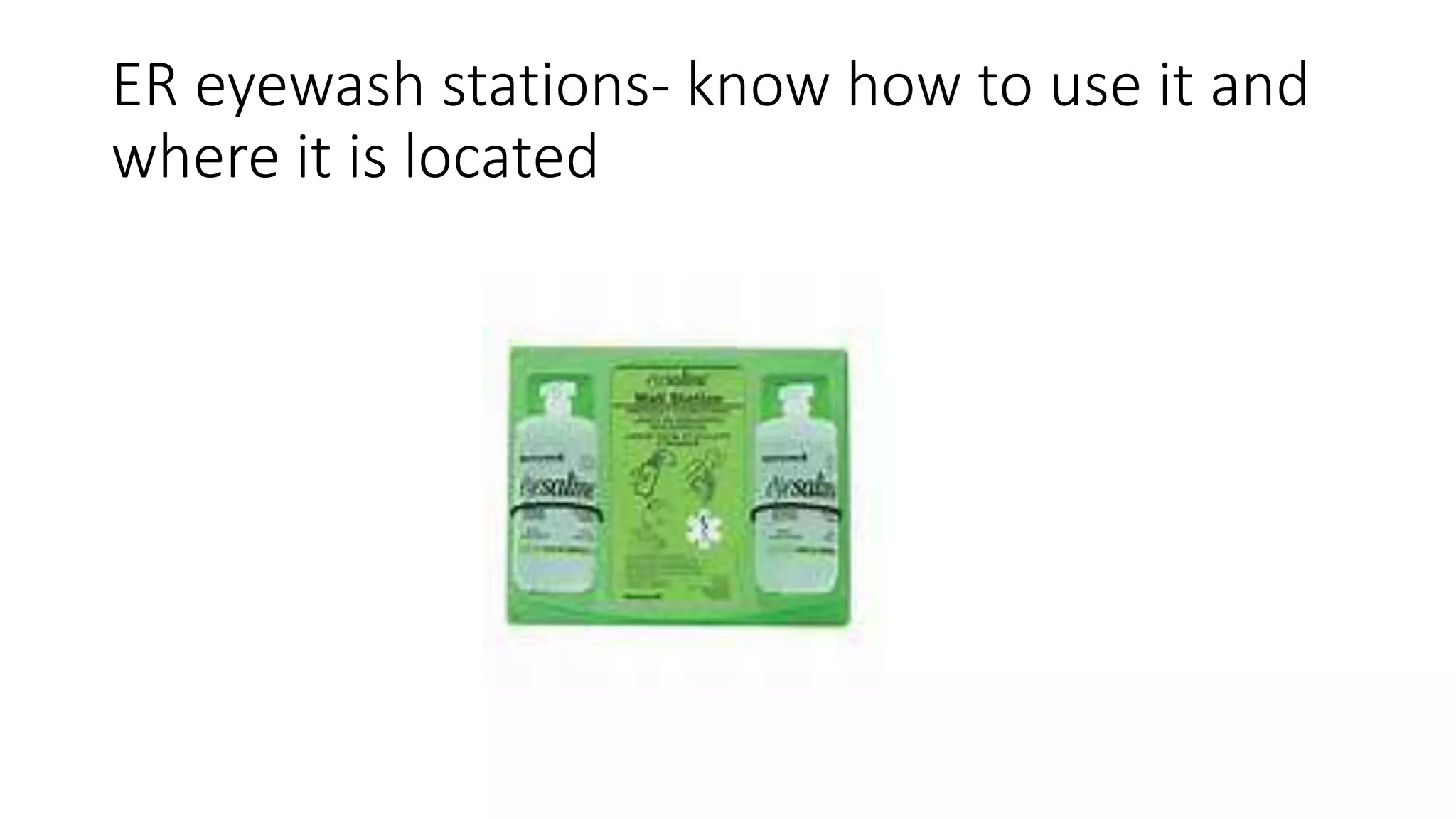
ER eyewash stations- know how to use it and
where it is located
Color Coded Wristbands
• Red- allergy alert
• Yellow-fall risk
• Purple-DNR
• Symbols to communicate info: star=suicidal, foot=fall risk
• Red=DNR T=turn and reposition every 2 hours
Personal Belonging
• Inventory of all belongings, valuables, etc.
• Count money, place in sealed envelope and give to RN
• Document eyeglasses, dentures, hearing aids, prosthetics, jewelry
• Complete an inventory checklist (page 153)
Incident Reports
• Involving visitor, staff, resident
• Falls, losses, thefts, damages, mistake in care
• Done ASAP while info, witnesses available
• NOT part of medical record- for quality assurance, insurance and
litigation
Chapter 11: Preventing Falls
• Seniors move slower, are confused, have poor vision and hearing, are
incontinent, have joint problems, poor balance, may be dizzy….big fall
risk
• Most falls between 4-8pm and change of shift
• Bedrails may be ordered for safety- check care plan- must have order
and consent to use b/c can be dangerous
• Hand bars and grab rails in restroom and hallways
• Wheel locks on bed and w/c
• Transfer/gait belt
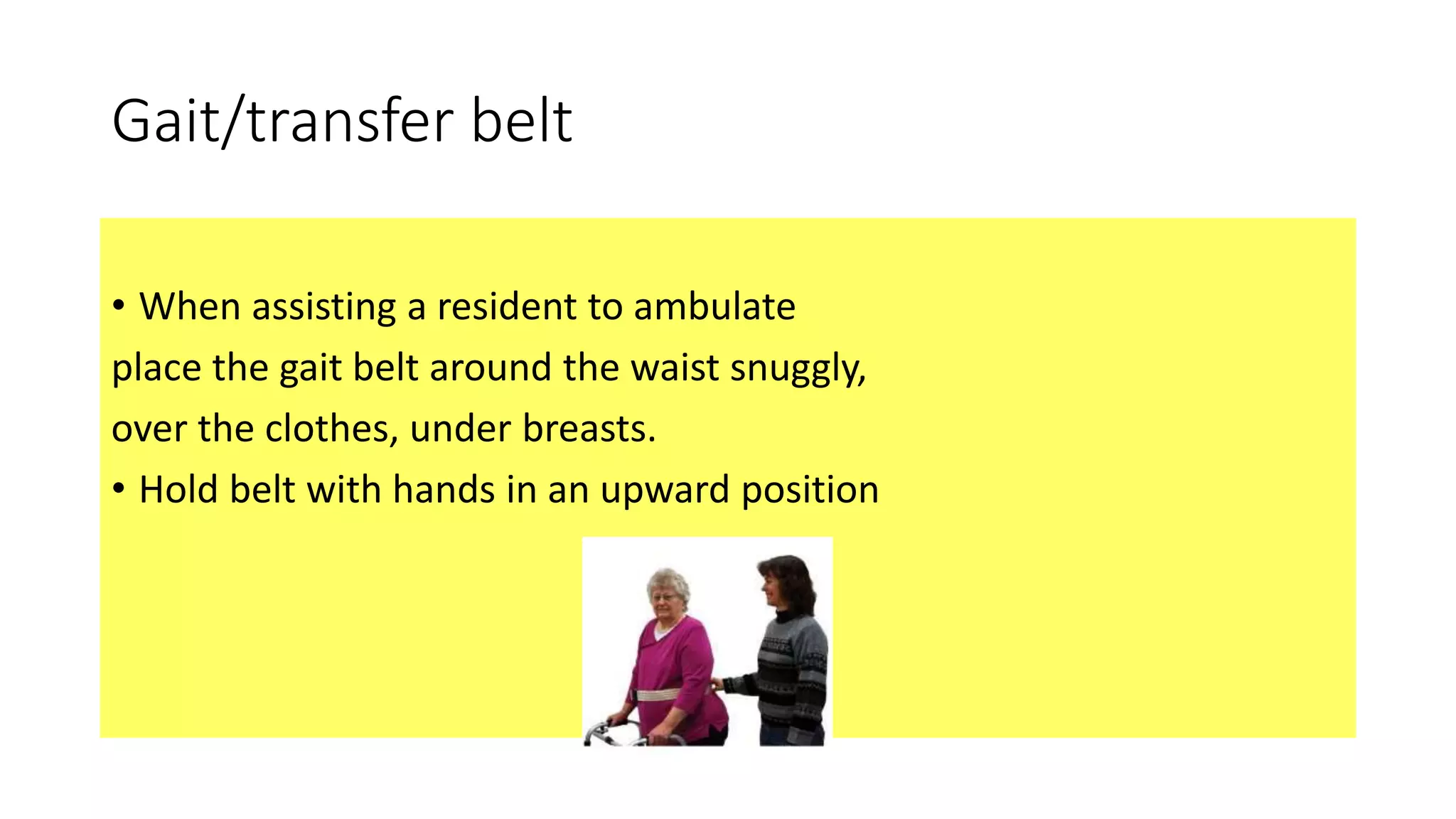
Gait/transfer belt
• When assisting a resident to ambulate
place the gait belt around the waist snuggly,
over the clothes, under breasts.
• Hold belt with hands in an upward position
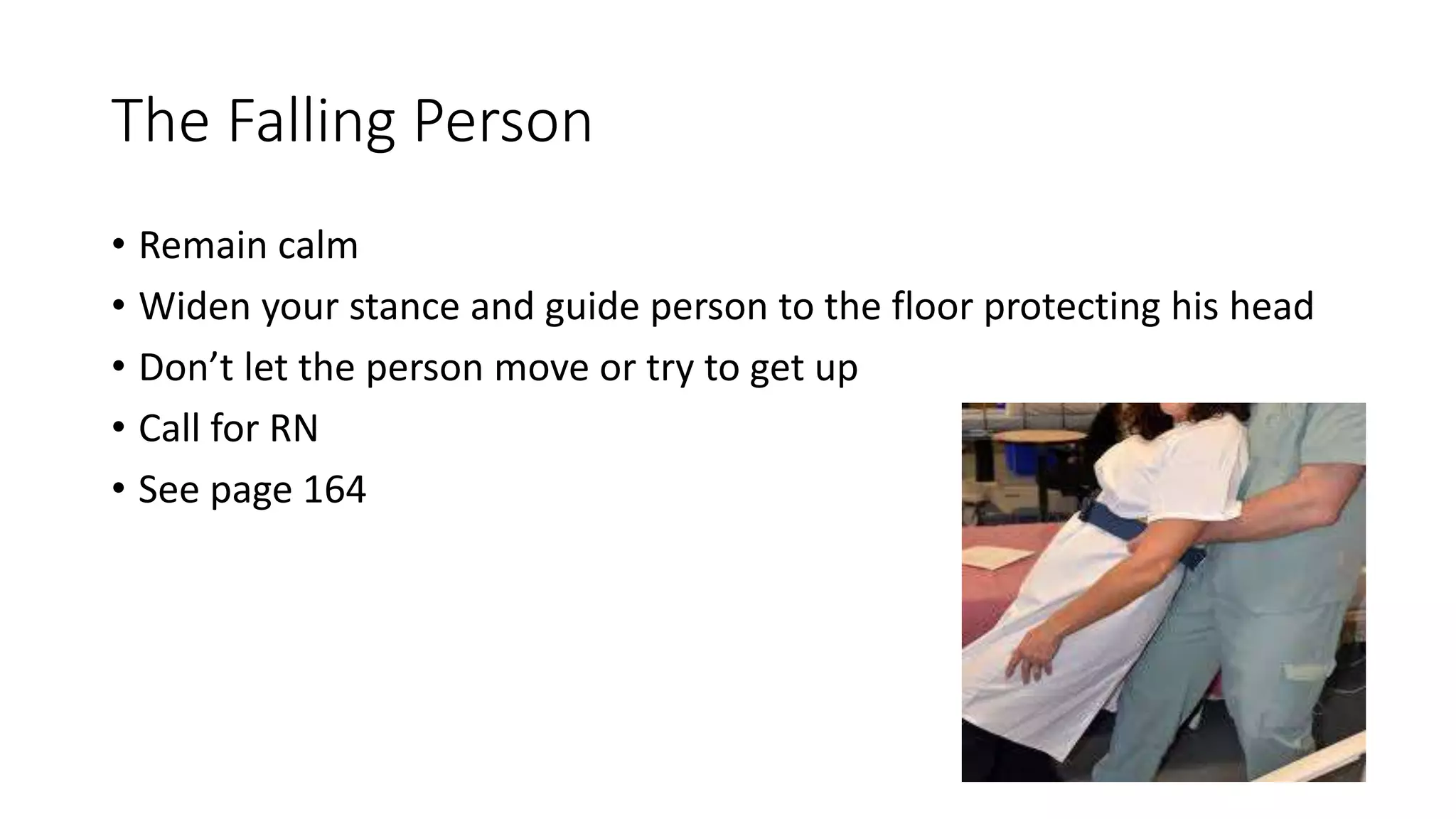
The Falling Person
• Remain calm
• Widen your stance and guide person to the floor protecting his head
• Don’t let the person move or try to get up
• Call for RN
• See page 164
Chapter 12: Restraint Use
• Physical restraint: a device to restrict movement
• Chemical- drugs used for discipline or convenience and not required
to treat a condition
• Remove easily- if client can figure out how to remove, NOT a restraint,
such as a seat belt
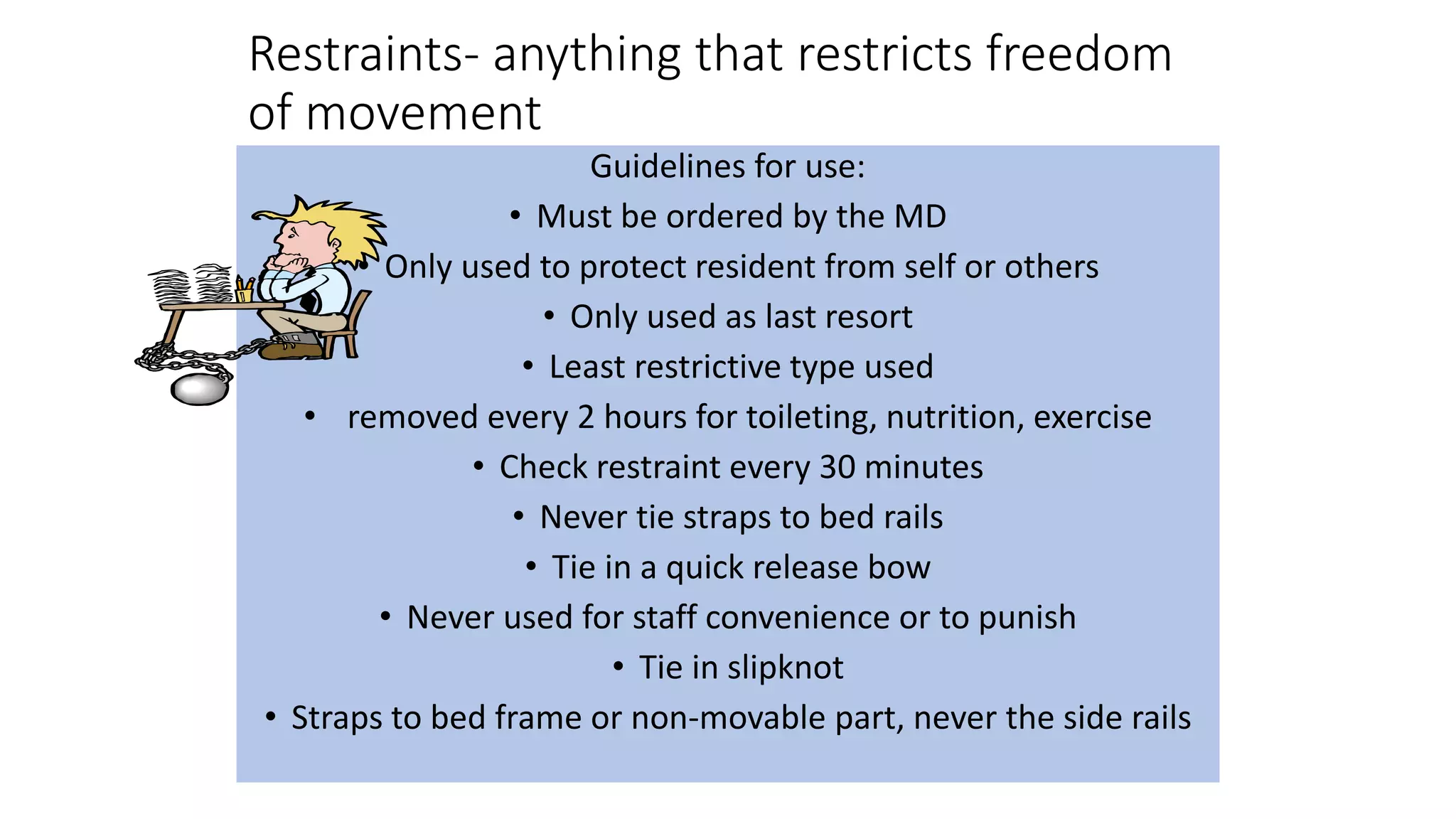
Restraints- anything that restricts freedom
of movement
Guidelines for use:
• Must be ordered by the MD
• Only used to protect resident from self or others
• Only used as last resort
• Least restrictive type used
• removed every 2 hours for toileting, nutrition, exercise
• Check restraint every 30 minutes
• Never tie straps to bed rails
• Tie in a quick release bow
• Never used for staff convenience or to punish
• Tie in slipknot
• Straps to bed frame or non-movable part, never the side rails
More guidelines for restraint use
• Keep call bell within reach
• Document time on and off
• Check skin for irritation, discoloration
• Check fit by slipping 2-3 fingers inside restraint
• Vest restraint criss-crossed in front
• Don’t make a restraint (such as tying a sheet around a resident’s
waist)
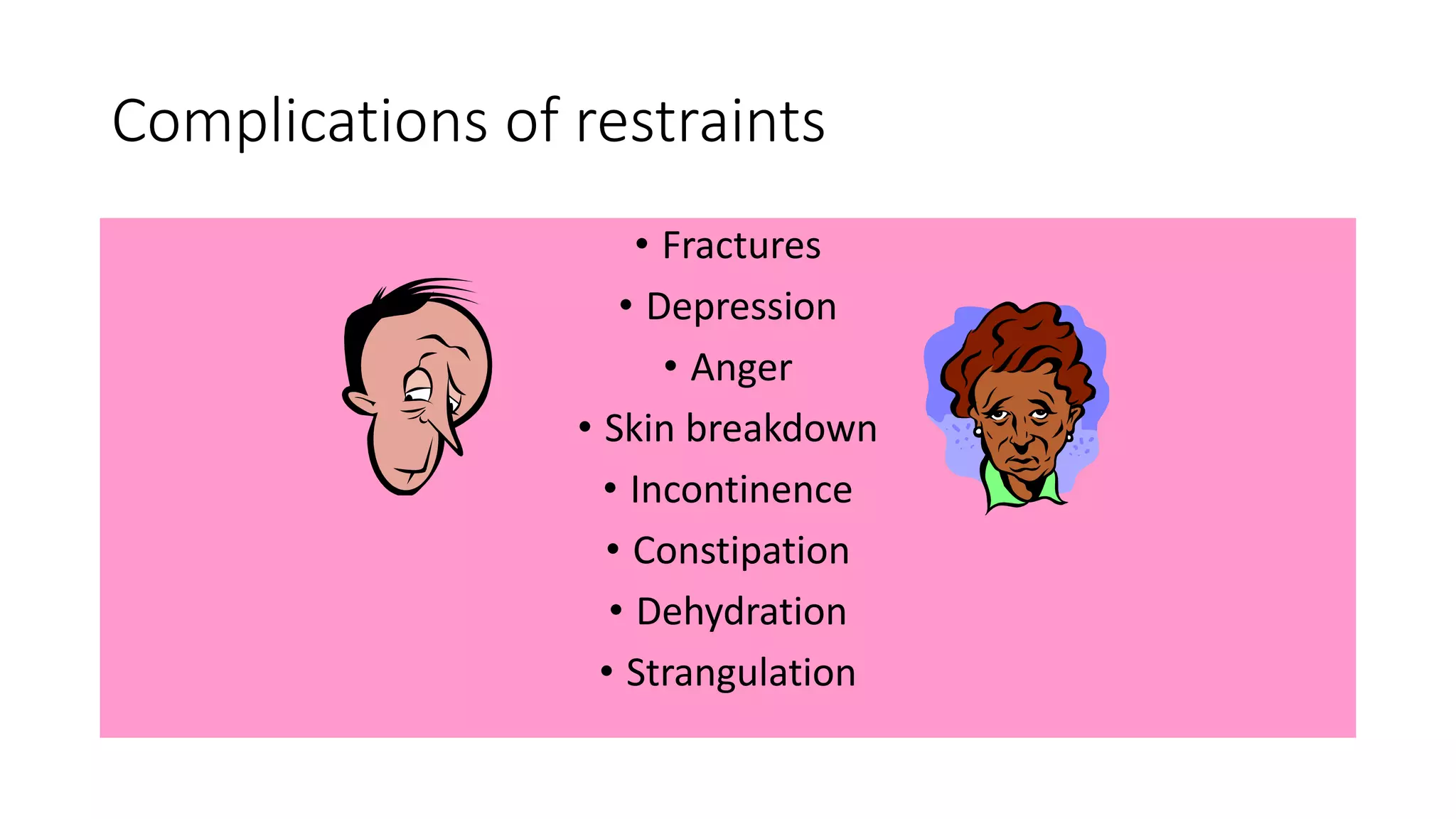
Complications of restraints
• Fractures
• Depression
• Anger
• Skin breakdown
• Incontinence
• Constipation
• Dehydration
• Strangulation
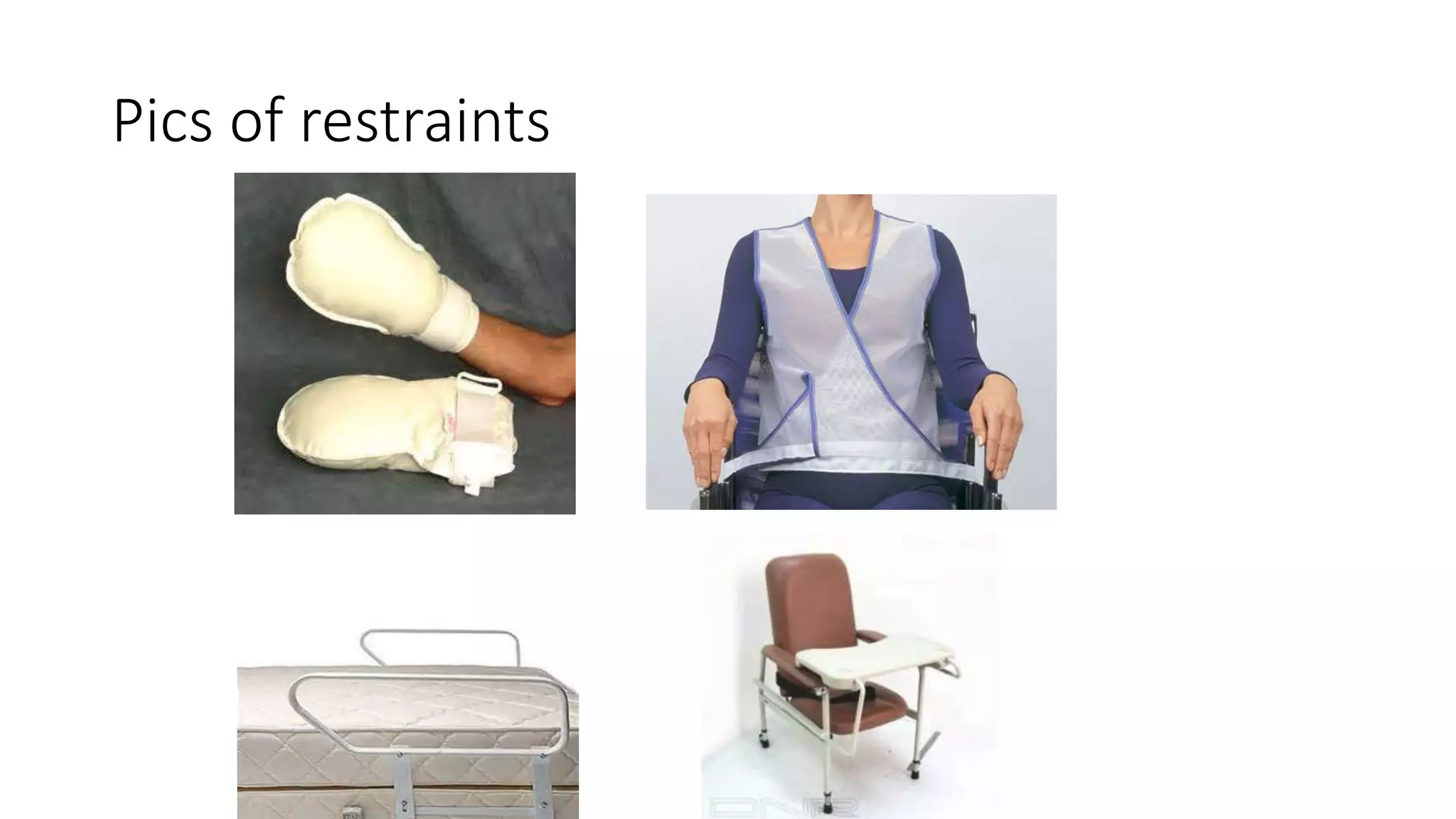
Pics of restraints
Types of restraints
• Vest or chest- criss cross in front
• Wrists
• Mittens
• Waist or belt
• Side rails
• Geriatric chair with tray attached
• Passive restraints aren’t attached to the body
• Active restraints are attached to the body
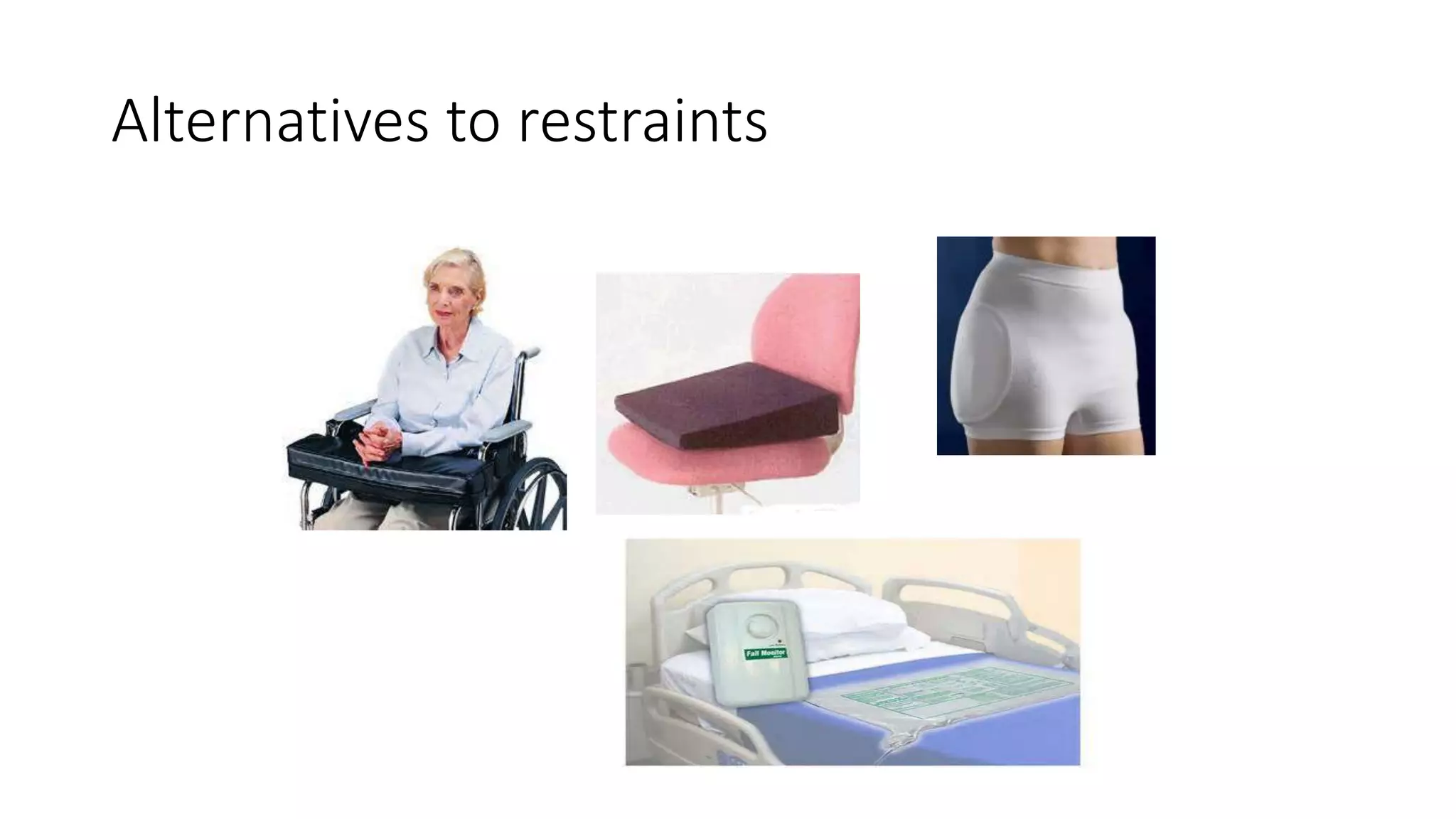
Alternative to restraints
• Lap buddy or tray
• Bed and chair alarms
• Low bed
• Hip protectors
• Wedge cushions
• Bed bolsters
Alternatives to restraints
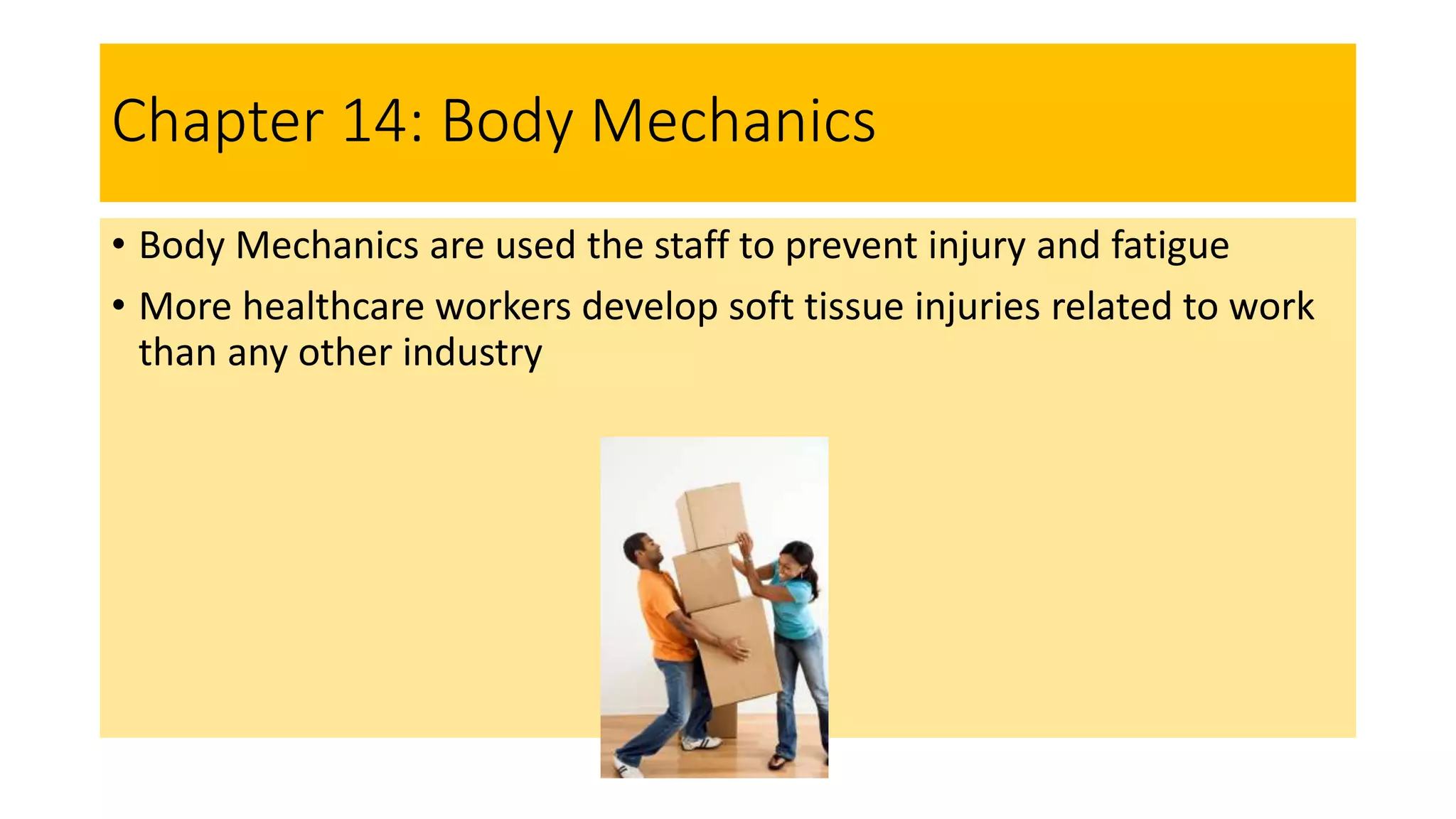
Chapter 14: Body Mechanics
• Body Mechanics are used the staff to prevent injury and fatigue
• More healthcare workers develop soft tissue injuries related to work
than any other industry
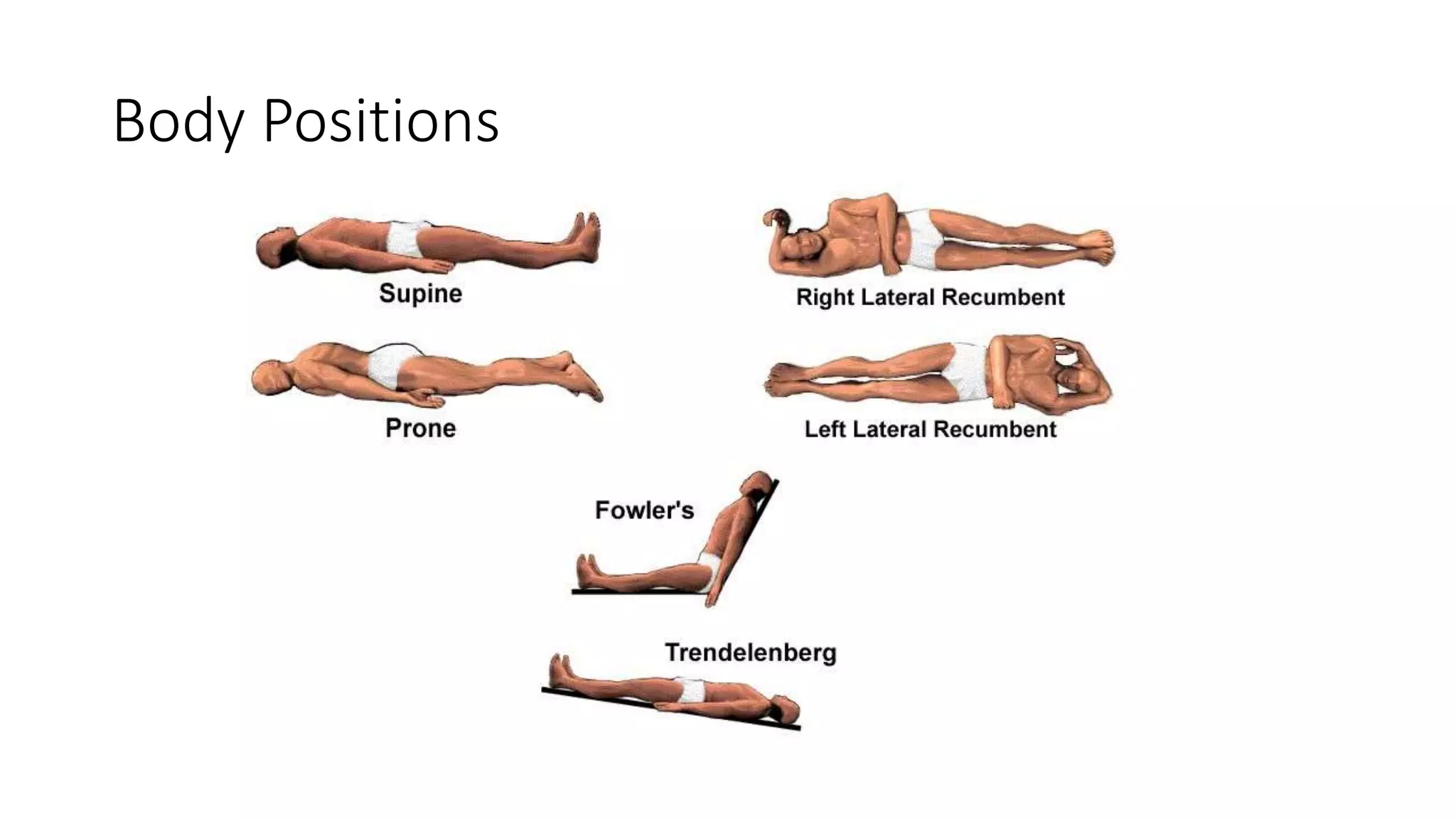
Body Positions
Chair Positioning
• Hips back in seat
• Feet flat on floor
• Backs of knees and calves slightly away from edge of seat
• Arms on armrest or lap
• May need postural support- pillows
chapter 14
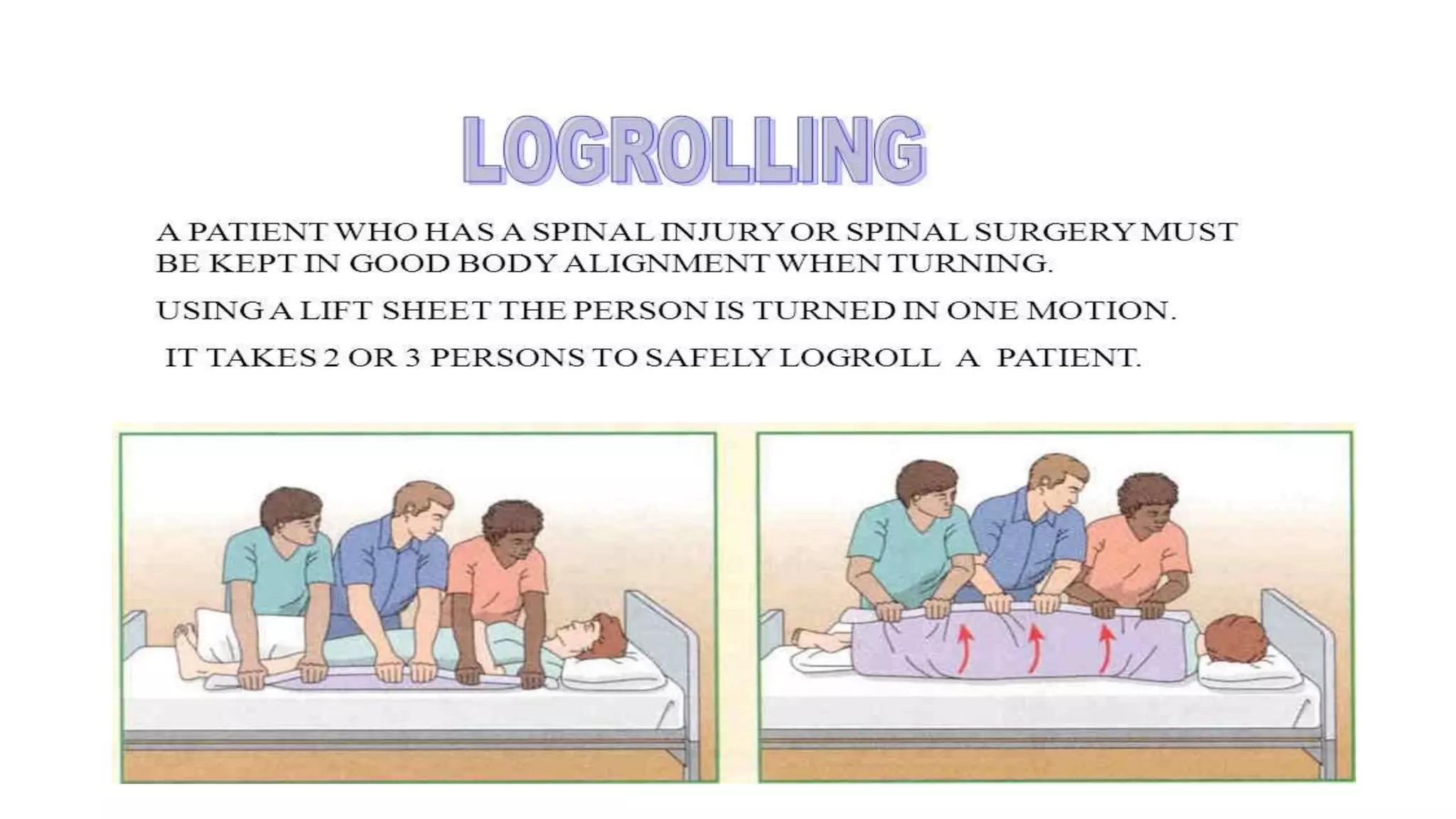
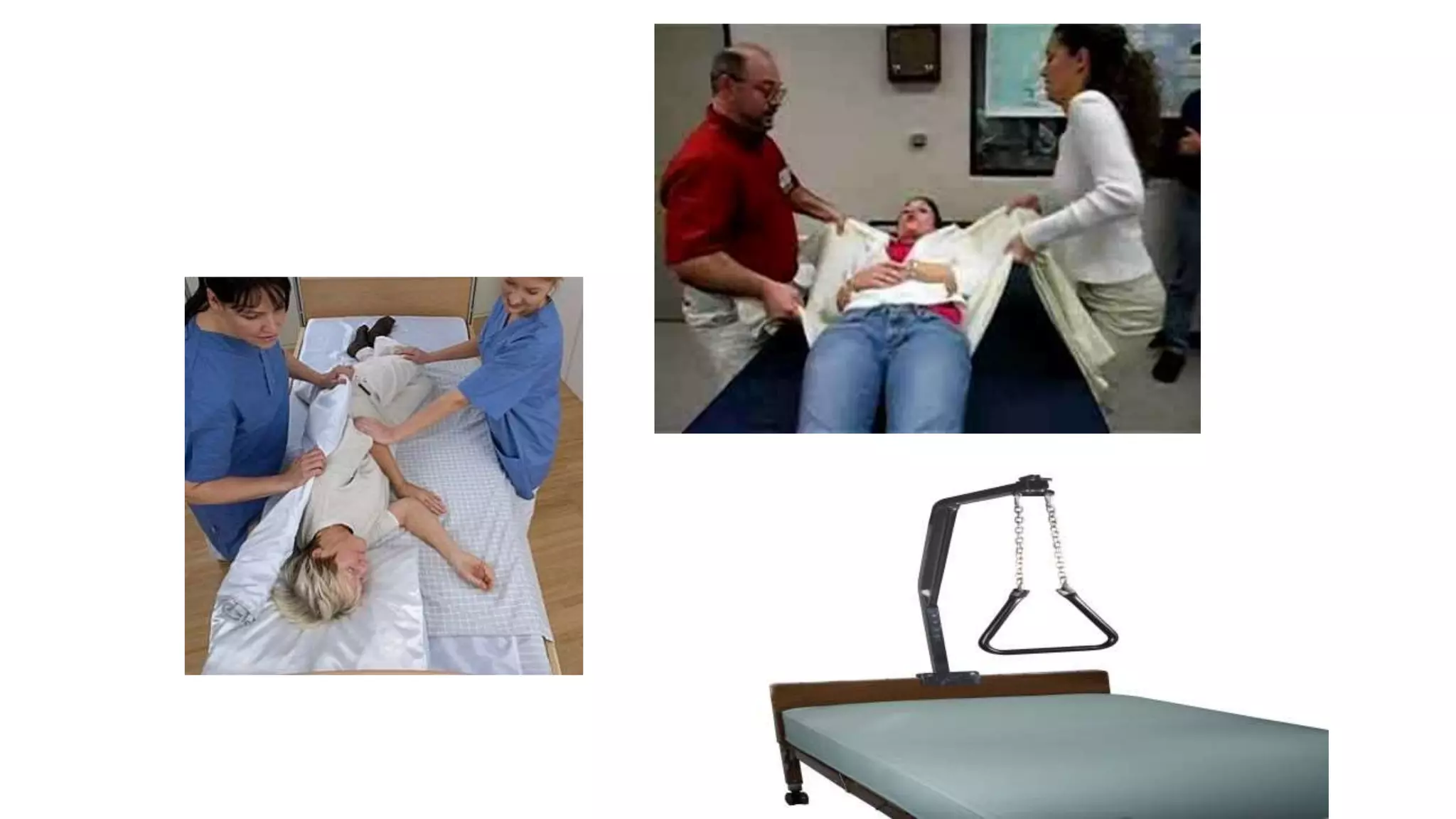
• Ways to move a person in bed: logrolling, in sections, with a
drawsheet, trapeze bar
• Avoid friction and shearing (when skin sticks to surface while moves
in other direction) by using a drawsheet
• A drawsheet is a ½ sheet placed from shoulders to mid-thigh
• Pp 225-229, 231
• When turning, raise side rail to which person will be turned!
• Logrolling keeps the body aligned or straight, place hands on shoulder
and hip, move body as one unit; protects neck and spine
Dangling
• Sitting on edge of bed with feet hanging freely, not touching the floor
• Prevents orthostatic hypotension, a drop in BP with a sudden position
change
• If resident dizzy or faint, lie back down and notify RN
Transferring
• Use gait/transfer belt- placed tightly around waist, over clothes and held
with hands upward (pg. 241)
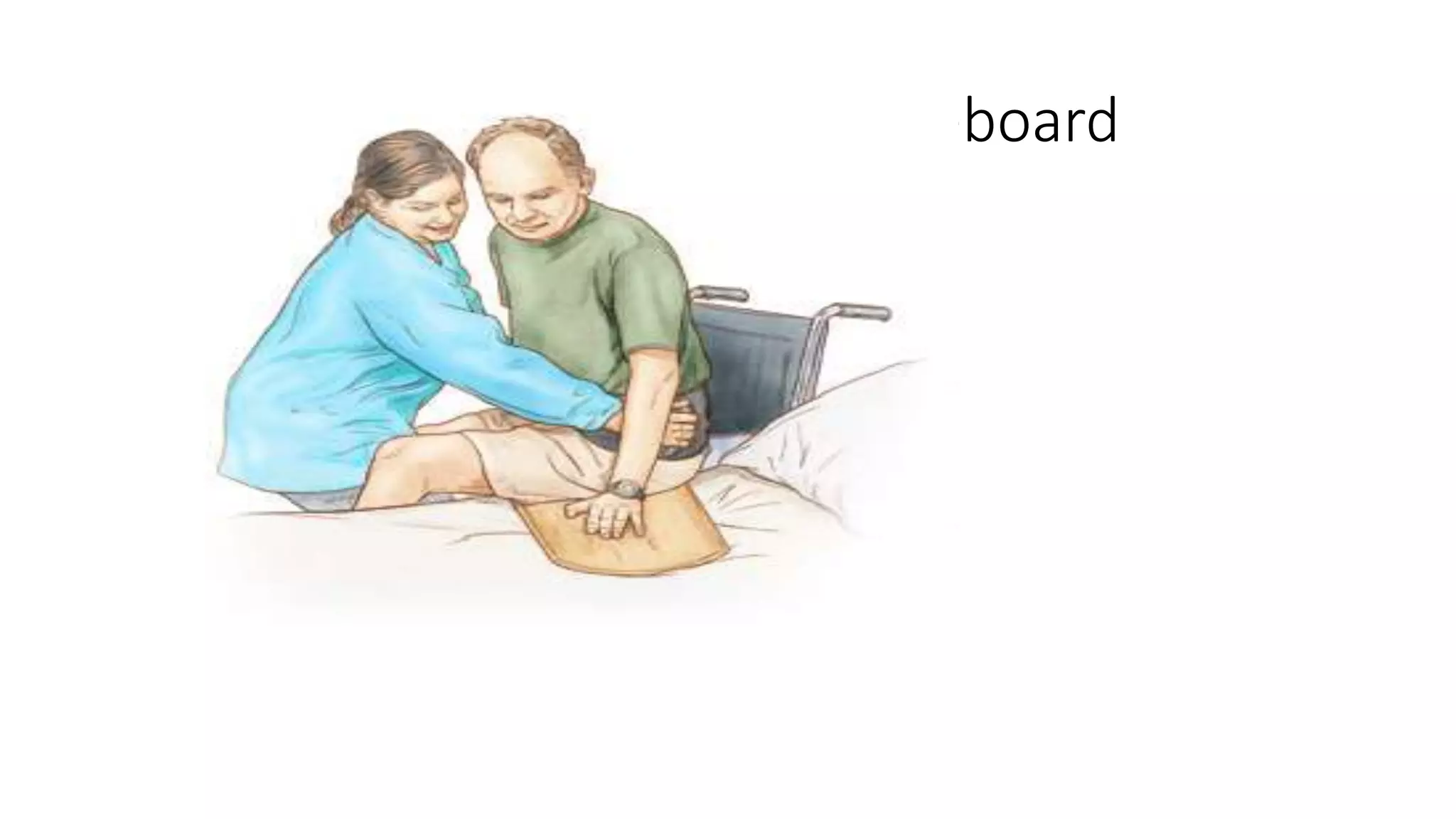
• Slide board
• When moving a person with a weak side, place wheelchair on STRONG side
• Mechanical lifter (p. 244, 246)- requires (2) people to use
• To stretcher, may require several staff, use drawsheet or lift pad (p. 249)
• INTO WHEELCHAIR:
• Hips back in seat
• Arms on armrest
• Feet on footrest
slideboard
CHAPTER 15: THE RESIDENT’S UNIT
• Should be comfortable temperature (71-81 degrees)
• Odor free
• Ventilated
• Quiet
• Well-lit
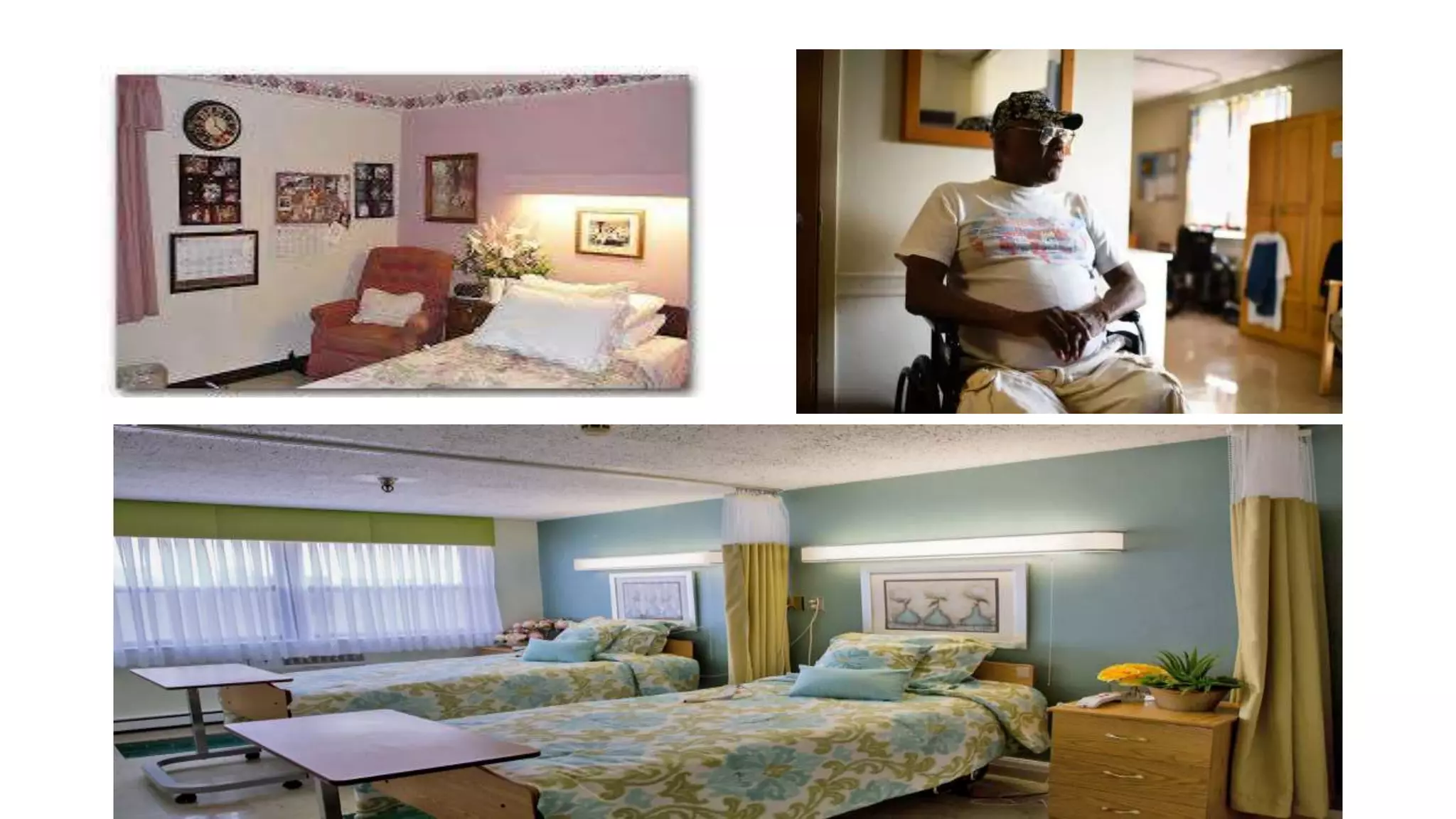
• Should be homelike
• Have essential furniture; bed, bedside stand, overbed table, wardrobe
(with shelves and a clothes rack) , privacy curtain (goes all the way
around bed), stationary chair (with armrest), call bell, sink and toilet
BEDS
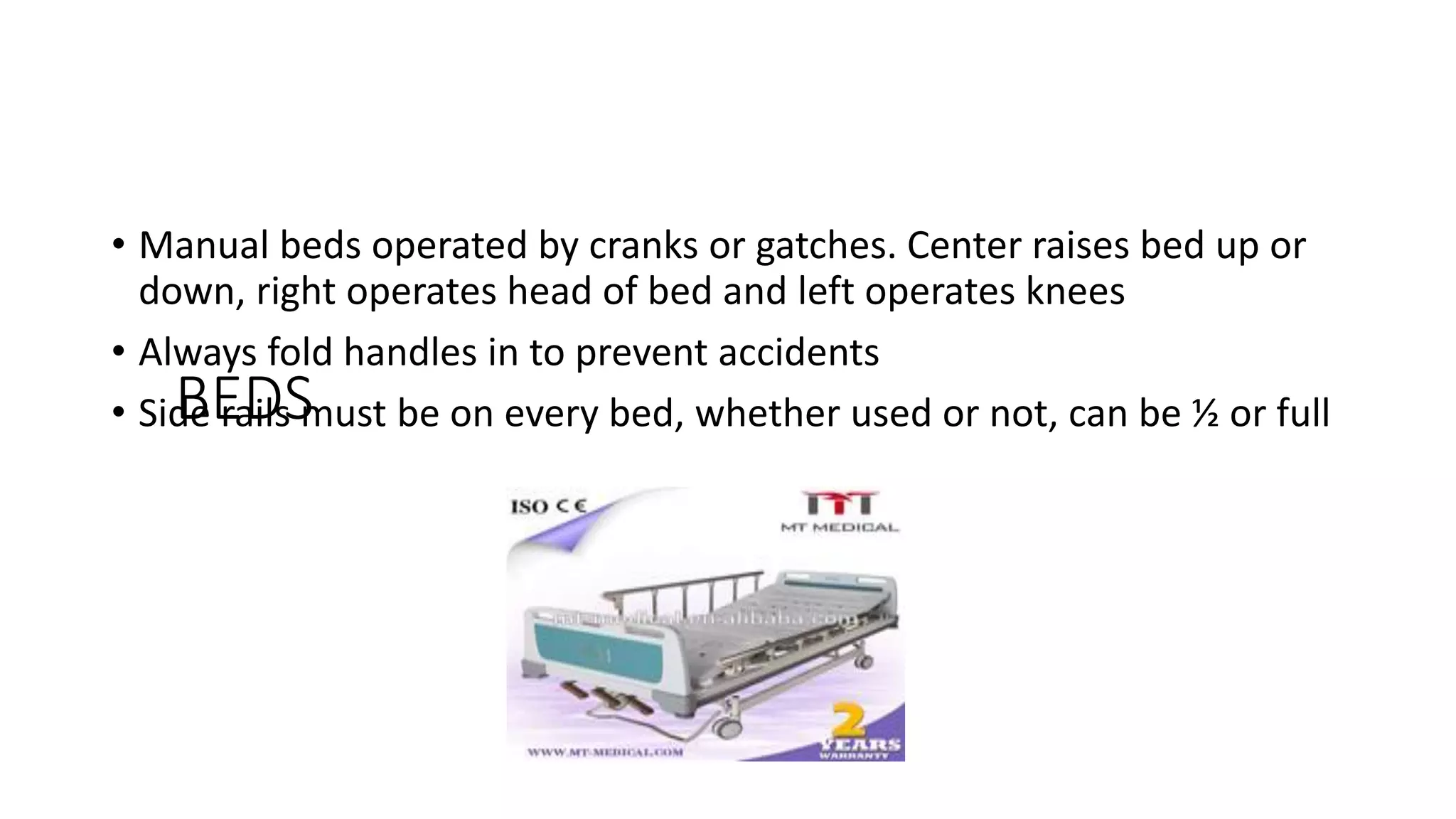
• Manual beds operated by cranks or gatches. Center raises bed up or
down, right operates head of bed and left operates knees
• Always fold handles in to prevent accidents
• Side rails must be on every bed, whether used or not, can be ½ or full
Bed Positions
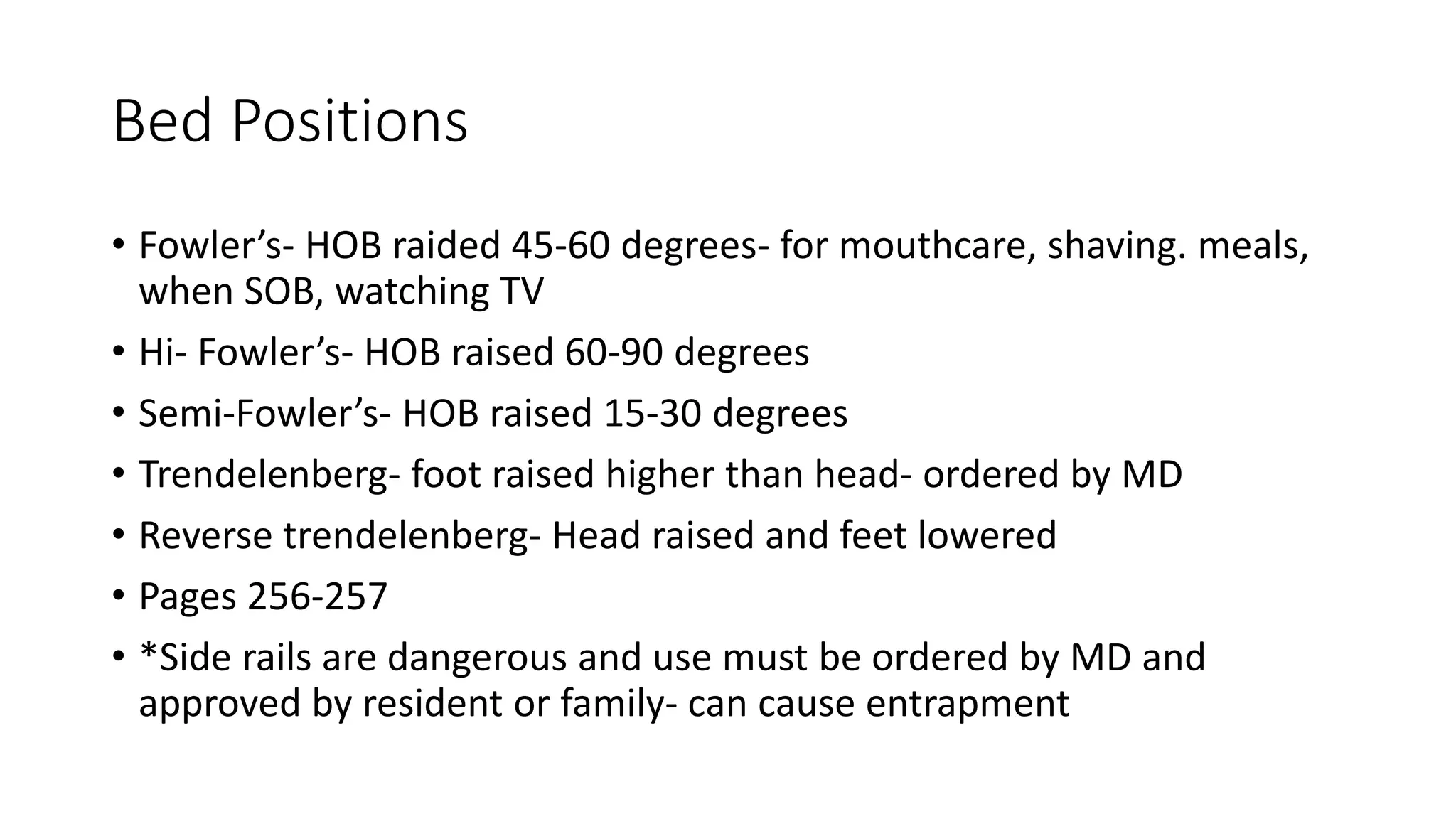
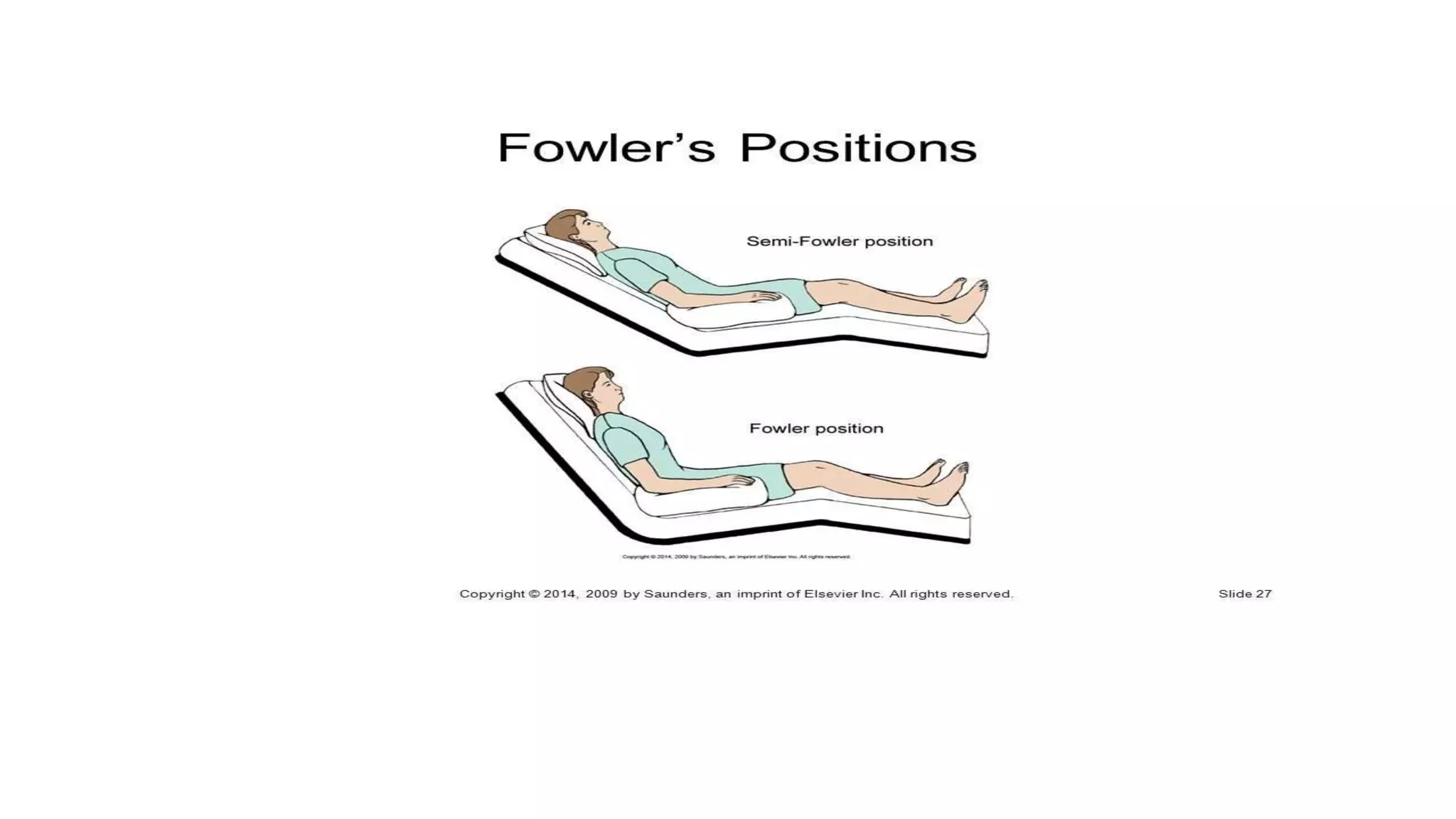
• Fowler’s- HOB raided 45-60 degrees- for mouthcare, shaving. meals,
when SOB, watching TV
• Hi- Fowler’s- HOB raised 60-90 degrees
• Semi-Fowler’s- HOB raised 15-30 degrees
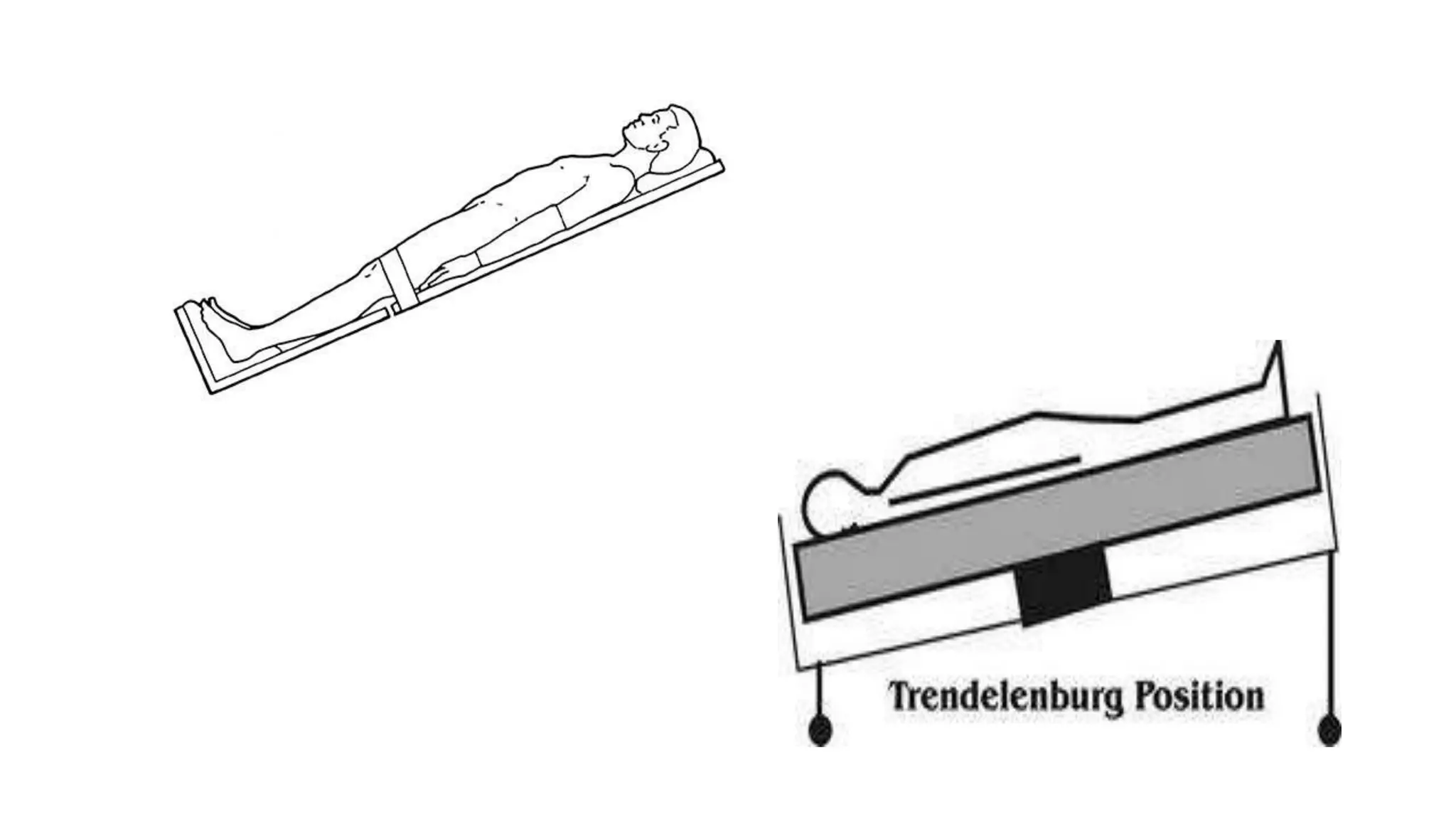
• Trendelenberg- foot raised higher than head- ordered by MD
• Reverse trendelenberg- Head raised and feet lowered
• Pages 256-257
• *Side rails are dangerous and use must be ordered by MD and
approved by resident or family- can cause entrapment
Chapter 8: the older person
• Sex
• Sexuality- promote by makeup, jewelry, grooming, privacy during
relations
• Types: hetero, homo, bi, transv, transgender, transsexual
• Give privacy during intimate times, post do not disturb sign on door
CHAPTER 39: CONFUSION AND DEMENTIA
• Changes in the nervous system with aging:
• Nerve cells are lost
• Nerve conduction slows
• Responses and reactions slow
• Reflexes slow
• Taste and smell decrease
• Hearing and vision decrease
• Touch and sensitivity to pain decrease
• Sleep patterns change
• Memory is shorter
• Forgetfulness occurs
Dementia
• Dementia is impaired cognition
• Memory, thinking, reasoning, ability to understand, judgment
and behavior are effected
■ Dementia is impaired cognition
■ Memory, thinking, reasoning, ability to understand, judgment and behavior are
effected
■ An be caused by drugs. ETOH, tumors depression, CV problems, infection, head injuries,
MS, PD, stroke, syphilis, AIDS
■ No.1 cause of dementia is Alzheimer’s Disease (AD)
Delirium & Depression
• State of sudden, severe confusion and rapid brain changes
• Occurs with a mental or physical illness and is considered a medical ER
• It is temporary and reversible
• Causes include an acute illness, heart or lung diseases
• Look for changes in alertness, sensation, awareness, movement and
memory, problems concentrating, speech nonsensical, and emotional
changes
• Depression characterized by 2-4 weeks of helpless, hopeless feelings,
tearful, anhedonia, change in sleep and appetite, thoughts of death,
withdrawal
•
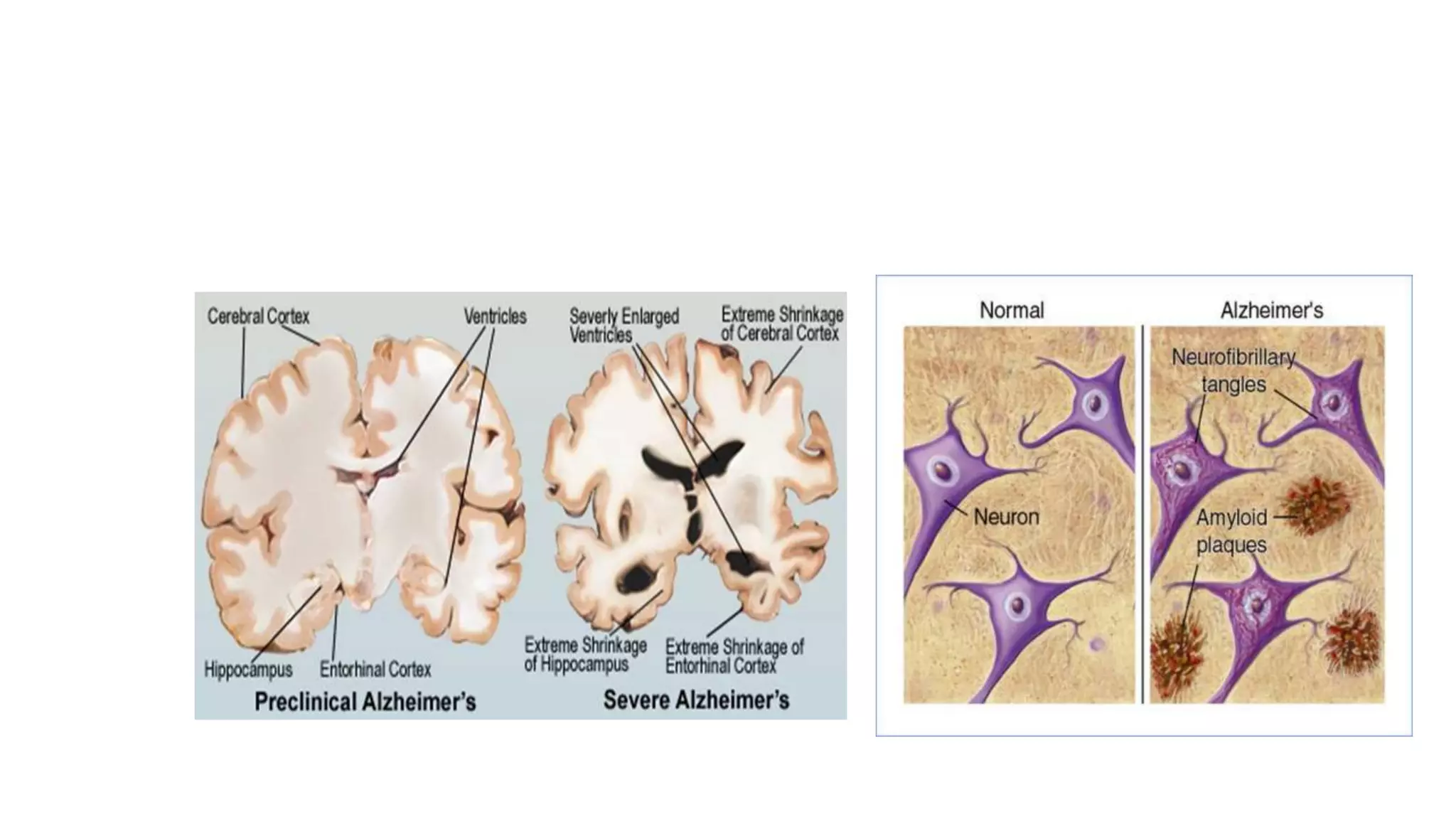
Alzheimer’s Disease (AD)
• Progressive
• Fatal, familial, avg life expectancy 8-10 years
• Early onset is inherited
• Affects more women than men
• Includes dementia, depression and delirium
• Gradual loss of short-term memory may be first symptom
Warning signs of AD
• Perseveration
• Repeating same story over and over
• Forgetting how to cook, play cards, pay bills, dress self, balance
checkbook
• Getting lost in familiar places
• Losing household items
• Neglecting to bathe, wearing same clothes
Stages of AD
• Mild: memory loss, poor judgment, disoriented to place and time,
moodiness, difficulty with everyday tasks
• Moderate: restlessness,> memory loss, wandering, dulled senses,
incontinence, needing help with ADLS, loses impulse control,
perseveration, agitation, violence, communication problems
(dysphasia)
• Severe: seizures, aphasia, total care, dysphagia, bedbound,
coma,death
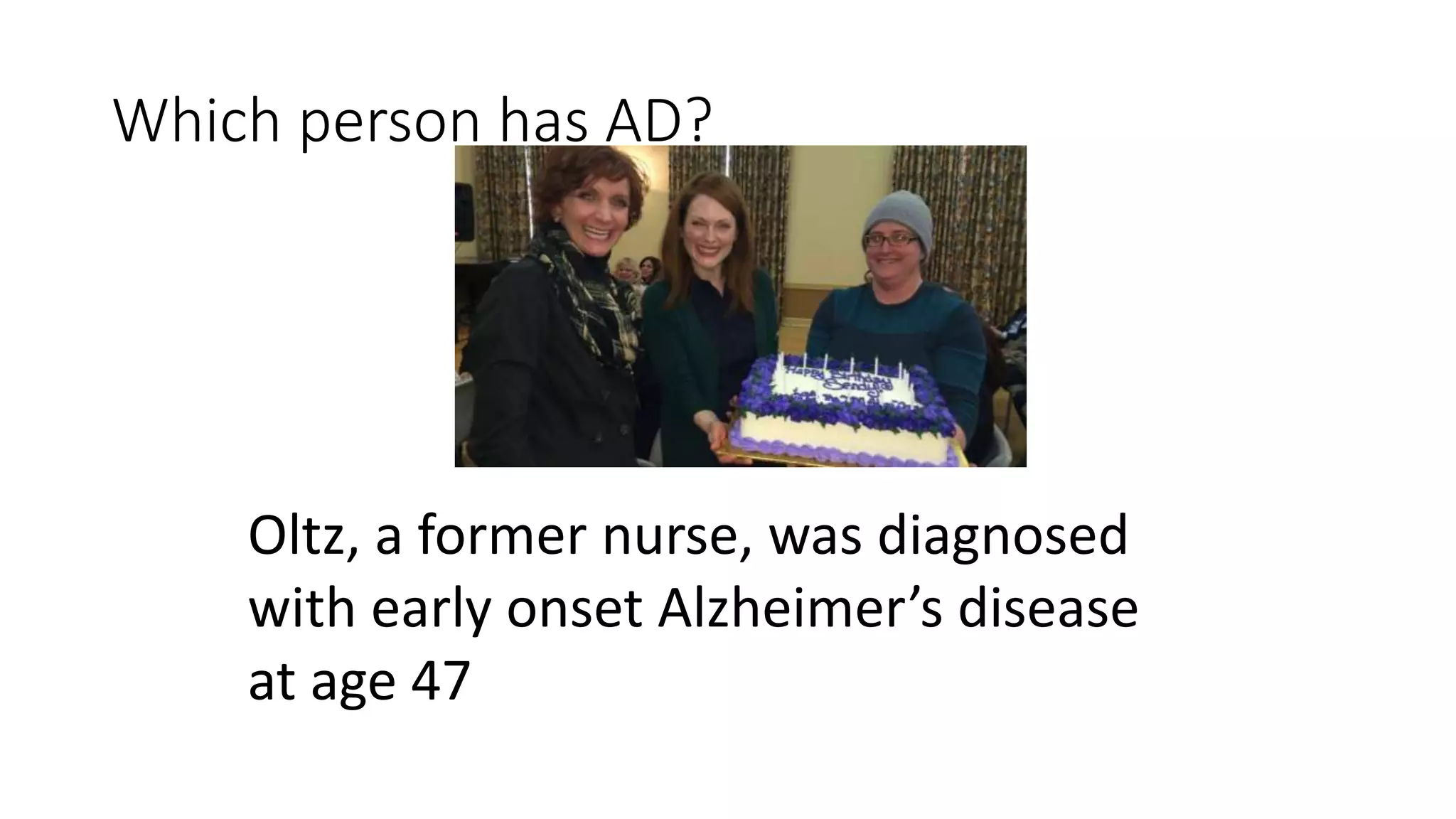
Which person has AD?
Oltz, a former nurse, was diagnosed
with early onset Alzheimer’s disease
at age 47
Hooray For Hollywood!!
• Still Alice**
• Away From Her
• Savages
• Iris
• The Notebook
• Aurora Borealis
• Cocoon 2
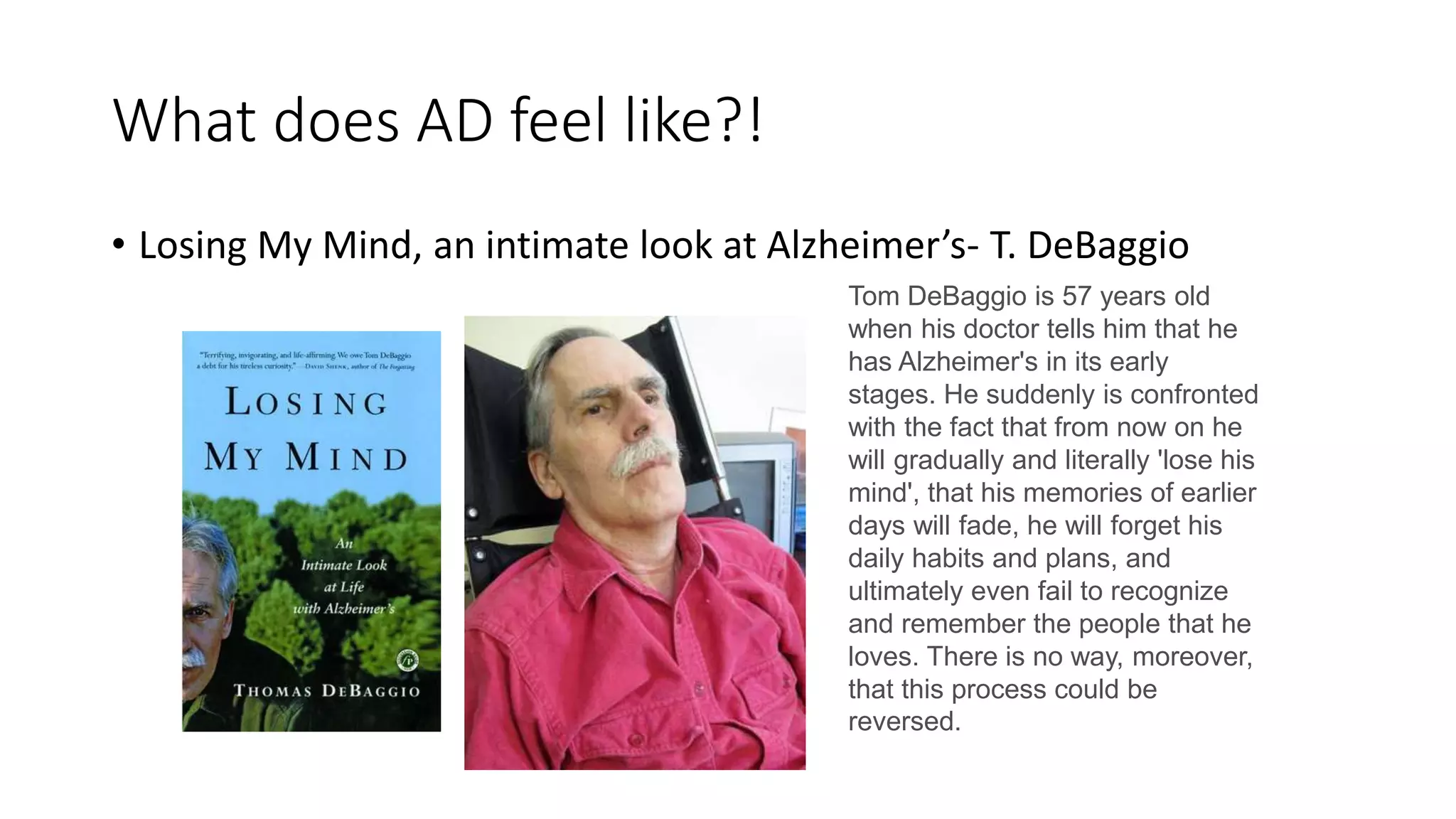
What does AD feel like?!
• Losing My Mind, an intimate look at Alzheimer’s- T. DeBaggio
Tom DeBaggio is 57 years old
when his doctor tells him that he
has Alzheimer's in its early
stages. He suddenly is confronted
with the fact that from now on he
will gradually and literally 'lose his
mind', that his memories of earlier
days will fade, he will forget his
daily habits and plans, and
ultimately even fail to recognize
and remember the people that he
loves. There is no way, moreover,
that this process could be
reversed.
Strategies for working with AD
• Follow a routine
• Promote self-care
• Explain procedures
• Call by name throughout conversation
• Know triggers
• Don’t tease
• Don’t tire out
Behaviors common in AD
• Delusions- false, fixed beliefs-
• Hallucinations- false sensory preceptions
• Sundowning- restlessness and agitation in PM hours
• Pacing
• Hoarding
• Pillaging
• Inappropriate sexual behaviors
• Catastrophic reactions
• Perseveration- repetitive words or behaviors
• Elopement- leaving the building or wandering off
Managing behaviors
• Don’t argue- distract or let person discuss feelings
• Allow pacing in safe area with regular breaks
• Place stop signs outside rooms to prevent pillaging
• Ankle bracelets for wanderers
“I want to go home!”
• Redirect
• Talk about home
• Gently remind him that he will be staying ‘here’ for
awhile
• Don’t argue, don’t play along
Reality Orientation
• Keeping residents who suffer from dementia aware of who, what and
why is important
• Call by name each time you address them
• ID yourself each day
• Use phrases like “good morning”, tell them where you are taking
them, what you are doing to them
• The facility should post large calendars, clocks and orientation boards
throughout the facility
Validation Therapy
• Therapy based on these principles:
1. All behavior has meaning
2. A person may return to the past to resolve issues and emotions
3. Caregivers need to listen and provide empathy
4. Attempts are NOT made to correct the person’s thoughts or bring
back to reality
Examples of Validation Therapy
• Mrs. Johannson goes room to room looking for her infant son. In
reality, he died 45 years ago. Instead of telling her this, the CNA says,
“tell me about your baby”
• Mrs. Lewis sits in the hallway all day waiting for the train. She believes
her husband is due home, but in reality he died in WWII. The
caregiver asks, “what is your husband’s name?”
CHAPTER 43: BASIC EMERGENCY CARE
ER care and First Aid
• If a resident doesn’t respond- shake and shout- if still no response yell
for help and if CPR certified initiate
• Never leave a victim, never move unless they are in immediate
jeopardy (gas or electrical hazard)
Shock
• Call for help
• Keep victim warm
• Raise feet higher than head
• If vomiting or bleeding from mouth- head to the side
• Keep NPO
• Offer comfort and reassurance
■ Call for help
■ Keep victim warm
■ Raise feet higher than head
■ If vomiting or bleeding from mouth- head to the side
■ Keep NPO
■ Offer comfort and reassurance
Myocardial Infarction
• AKA- heart attack
• Causes-blockage of blood supply and O2 to heart’s muscle dt blood
clot, buildup of plaque, aneurysm
• s/sx crushing or stabbing (can be burning) chest pain that radiates to
arm and jaw, SOB, pallor, diaphoresis, feeling of doom, nausea
• Call for help, lie down, loosen clothes, NPO
Hemorrhage
• Std precautions
• Call for help
• Apply direct pressure
• If bright red blood, don’t release- arterial bleed
• elevate arm or leg above heart level
Minor burns
• Call nurse
• Cool, clean water (no ice) on a cloth
• No ointments
• Once pain has eased, cover with sterile dressing and gauze
• If a serious burn- do not attempt to remove clothes-
A bit on other ERs
• Nosebleed (epitaxis)- standard precautions, head forward, pinch
bridge of nose
• Bleeding-if bright red blood suggests ARTERIAL bleed- apply direct
pressure and do not release, std. precautions, call for help, if arm or
leg, raise above heart level
• Fainting- have person lean forward, head as low as possible
seizures
• Involuntary contractions of muscles can be due to high fever, tumor in
brain, epilepsy, drug OD, etc
• Call for help, note time, put on glove
• Person on floor
• Move away furniture
• Head to the side- supported by pillow
• Don’t restrain
• NOTHING in the mouth
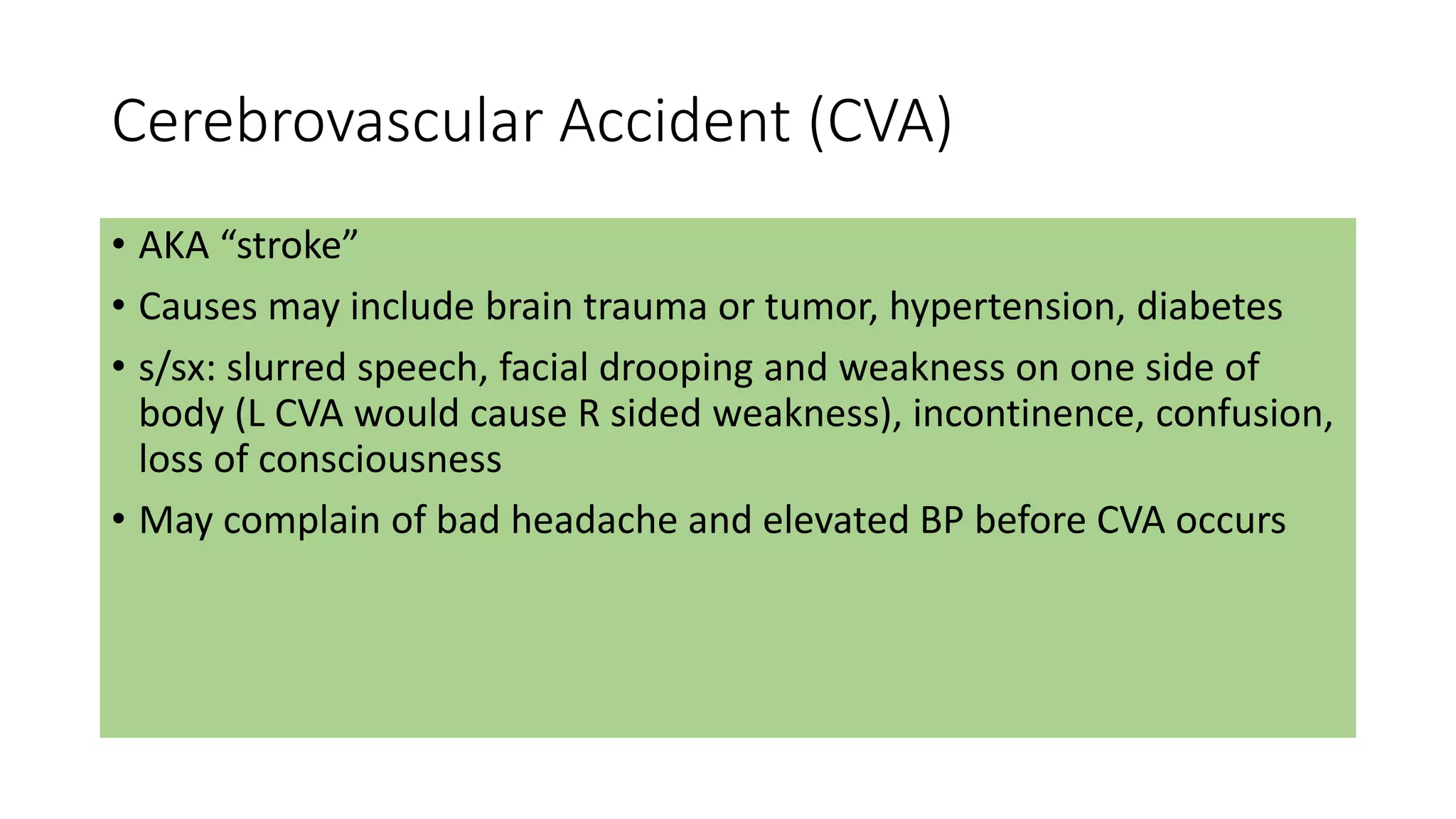
Cerebrovascular Accident (CVA)
• AKA “stroke”
• Causes may include brain trauma or tumor, hypertension, diabetes
• s/sx: slurred speech, facial drooping and weakness on one side of
body (L CVA would cause R sided weakness), incontinence, confusion,
loss of consciousness
• May complain of bad headache and elevated BP before CVA occurs
Emesis
• Head to side
• If appears like wet coffee grounds- notify nurse to see stat (internal
bleeding)
• Note amount
• Assist with oral hygiene
• Assist to change linens and clothes
What a disaster!!
• In case of an earthquake,
Place everyone under tables
• In case of a bomb threat, stay on phone, summon
help, ask as many questions as possible
What should you do?
• Tornado-seek shelter in a concrete building, lie flat, go in basement or
take cover under heavy furniture
• Lightening-avoid open spaces, stay out of water, go indoors, stay in
car, stay away from metal, don’t use phone or other electrical
appliances
• Hurricanes-seek shelter
Begin Module 3
• See slideshare

Mod 1 and 2 slides

  • 1.
    Certified Nurse AideProgram • Professor Ploom, MSN RN PMHN-BC
  • 2.
  • 3.
    Chapter one • Workingin Long-Term Care
  • 4.
    Nursing homes akaNF (nursing facility) • Care needs range from simple to complex • Medical, nursing, dietary, recreational, rehab and social services are provided • Persons called residents • Typically older, disabled or recovering from illness, surgery or injury • Cannot care for self at home
  • 5.
    Assisted living residences(ALRs) • Personal care, support services, health care and activities in a home- like setting • Person has a room or apartment and help is given with meds, meals and personal care • Housekeeping, laundry, transportation and social services are met
  • 6.
    Skilled nursing facilities(SNFs) • For persons who many or severe health problems • Can be a part of nursing home or hospital • May have trachs, IVs, serious wounds, or be on life support
  • 7.
    Types of illnessesserved • Chronic- on-going, slow or gradual in onset, no cure but can be controlled and managed • Acute- sudden illness from which the person is expected to recover and may require hospital care • Communicable illness-can be spread from one person to another • Rehab-helping person to return to highest possible level of physical and mental function; to prevent deconditioning (weakness related to illness or lack of exercise)
  • 8.
    Hospice • Health careagency or program for persons who no longer respond to treatments and have less than 6 months to live • Focus is on comfort, not cure
  • 9.
    Subacute units • Forthose recently released from hospital but still too sick, deconditioned or weak to go home • May stay for 3-6 months • Can be housed in nursing home or hospital setting
  • 10.
    Organizational chart • Nursinghomes usually owned by an individual or a corporation • May be owned by government agencies • Each has an administrator, and directors who oversee each department • Must have a medical director • See page 4
  • 11.
    Nursing department • DONis an RN • Nurse managers assist the DON • Shift managers or charge nurses coordinate resident care for a particular shift • Nurses also serve as staff development coordinator, infection control nurse and quality assurance nurse • Nurse educators oversee orientation of new hires, train NAs, provide inservices to meet state requirements and educate staff on new equipment and changing information
  • 12.
    Nursing department • DONis an RN • Nurse managers assist the DON • Shift managers or charge nurses coordinate resident care for a particular shift • Nurses also serve as staff development coordinator, infection control nurse and quality assurance nurse • Nurse educators oversee orientation of new hires, train NAs, provide inservices to meet state requirements and educate staff on new equipment and changing information
  • 13.
    The nursing team •RN- 2 to 4 years of education; assess, make nursing diagnosis, plan and evaluate nursing care; carry out MD orders and delegate them to LPNs and Nas • LPN- 1 to 2 years of education; supervised by RN; may serve as treatment and medication nurse • NAs- minimum of 75 hours of education (90 hours in NJ); work giving basic nursing care under supervision of a licensed nurse
  • 14.
    Nursing Care Patterns •Functional nursing: focuses on tasks and jobs; one nurse gives all meds, another may perform treatments while aide gives basic care • Team nursing: an RN (team leader) delegates tasks to staff who report observations and care given • Primary nursing: involves total care given by one RN with nursing care team assisting as needed
  • 15.
    Interdisciplinary Health CareTeam • Physicians: 1. Cardiologist- heart disease 2. Psychiatrist- mental health 3. Podiatrist- feet 4. Gerontologist- care of elderly (65 and older) 1
  • 16.
    Therapists Physical- assists withmobility (movement) and use of muscles- give treatments, massages Occupational- assists with (re)learning ADLs (dressing, bathing, feeding, toileting, etc.) Speech- for talking and swallowing
  • 17.
    Also…. • Dietician • Clergy •Social Worker • Pharmacist • Recreational Director • Resident (!)
  • 18.
    FYI • If youhave a concern about a resident or a resident makes a request- always go to the NURSE • DO NOT approach other licensed professionals such as social worker, dietician or clergy!!
  • 19.
    Policies and proceduresof LTCFs • Policies: a course of action that should be taken every time a certain situation occurs (such as maintaining confidentiality) • Procedures: a method or way of doing something (example, admitting a resident)
  • 20.
    VIP of healthcare team • Resident • Resident’s family and significant others
  • 21.
    Care conferences • Heldevery 4 months • All team members invited as well as resident and family • Discuss how team can best meet the unique, individual needs of the resident
  • 22.
    Paying for healthcare •Private insurance-bought by person • Group insurance-bought by a group or organization for individuals; an employee benefit • Medicare-federal insurance for persons over 65 or with certain disabilities • Medicaid-sponsored by federal gov’t and operated by the states; for low income, older, blind and disabled persons; because there is no premium, the amount paid for covered services is limited
  • 23.
    Managed Care • Insurerscontract with MD and hospital for reduced rates; limits choice of where to go and who to see as well as the care the doctor can provide • Requires pre-approval for health care • Goal is to reduce unneeded services and procedures
  • 24.
    Meeting Standards • Healthcare facilities must meet certain standards set by gov’t and state • Licensure-issued by the state • Certification-required to receive MC and MA • Accreditation-voluntary to signal quality and excellence
  • 25.
    Common Policies inLTCFs • Plan of care must be followed • NAs must report important events or changes in a residents condition to the nurse • Personal problems are not discussed with the resident • NAs should not take money or gifts from a resident or family member • Be on time for work
  • 26.
    The survey process •Each year a team of surveyors from the state tour a facility for 5-7 days • During the inspection they interview residents, review charts, watch a med pass, observe aides giving care and interacting with residents, observe meals, they review polies and procedures used, records, and hiring practices • Staff may also be interviewed • Problems lead to deficiencies and fines- time is given to correct the deficit, usually 60 days or less
  • 27.
    Chapter 2: ResidentRights • The resident rights are reviewed & signed during admission • If a person does not speak English, an interpreter must be made available • Residents have the right to information and can see their chart, bill, etc. • Can refuse treatment • Have the right to privacy- pull the curtain, close the door, cover the body • Have the right to confidentiality-don’t discuss with people not involved in resident’s care, in public settings, leave a chart open, walk away from an open computer screen • Personal choice • Personal possessions can be brought from home • Have the right to complain • To work or not (can clean, sew, make own bed)
  • 28.
    Resident rights, continued…. •Have the right to be free from abuse, neglect and mistreatment • Have the right to a clean, safe environment • Have the right to send and receive unopened mail • Have the right to share a room if married • Have the right to be free from restraints • Have the right to participate in groups (form resident’s council, to discuss their life in facility) • Have the right to practice religion • Have the right to be treated with dignity and respect • Have the right to private phone calls and visits
  • 29.
    Ombudsman • A personwho supports or promotes the needs of residents • Advocates on their behalf to solve grievances and disputes • Monitors nursing home conditions • May report to DOH • Name, address, and phone number is posted in facility • NOT AN EMPLOYEE OF FACILITY, IN NJ A VOLOUNTEER POSITION
  • 30.
    Legal Aspects • Criminallaw: concerned with offenses against the safety of the public (murder, rape, robbery, abuse) or society • Civil law: concerned with relationships between persons such as breach of contract or malpractice and usually is settled with money • Torts: a wrong committed against a person or their property; can be intentional or unintentional • Unintentional torts: negligence/malpractice; failing to do what is proper and expected • Intentional torts: slander, libel, false imprisonment, invasion of privacy, fraud, assault, battery
  • 31.
    Defamation of character •Slander: saying something that harms a person’s reputation • “She looks high” • Libel is writing something harmful to a person’s reputation • Never make false statements • Stick to the facts!
  • 32.
    False imprisonment • Unlawfulrestraint or restriction of a person’s freedom of movement • Threatening to restrain • Restraining without a doctor’s order • Preventing a person from leaving a facility
  • 33.
    Invasion of privacyand Fraud • Taking a photo without permission and making public • Opening a person’s mail • Not knocking before entering a room • Not closing the door • Listening in on phone conversations • Insisting that a visit be in a public area • Fraud is representing yourself falsely “I’m the doctor”
  • 34.
    Assault and Battery •Assault is touching without permission • Always get consent- explain what you are going to do • Battery is touching without consent • Inform even if unconscious, very confused or comatose! • Consent can be obtained from parents (under 18), a healthcare proxy or legal representative • You are not responsible for ever getting written consent • Consent can be written, verbal or implied
  • 35.
    Wills • Legal documentof how a person wants property distributed after death • Do not witness, politely refuse • Report request to the RN
  • 36.
    ABUSE • Can beverbal, physical, sexual, mental or financial • Must always be reported if seen or suspected • Must stop abuse if you observe it • Children, disabled and elderly are vulnerable • Signs of elderly abuse may include: poor hygiene, dehydration, bruising, weight loss, fear, infections, not taking meds • Report to RN, ombudsman, abuse hotline or DOH • An incident report will be made and an investigation; allegations are reported to DOF
  • 37.
    Out of Scopeof practice for CNA • Must be supervised by a licensed nurse • Never given medications • Never insert/remove tubes or catheters (enemas are an exception) • Never take orders from a doctor • Never perform a sterile procedure • Never tell the person/family about diagnosis, treatment • Never diagnose or prescribe • Never supervise others • Never ignore a request • Know your state laws! • Read your job description- BEFORE signing! (pages 26-27)
  • 38.
    Delegation…you can justsay NO! • Five Rights of Delegation for Certified Nursing Assistants • The Right Task • Before performing any assignment you must make sure that your state allows you to perform the task • Before performing any job you must be trained to perform the task • Is the assigned duty in the legal limits of your role and job description • The Right Circumstance • The CNA must have the experience performing the tasks on a resident with his or her condition and needs • The nurse aide must have an understanding of the purpose of the task given to the resident • You must be able to perform the task safely • You must be able to use equipment and supplies that are in a safe manner to perform the tasks • The Right Person • The CNA must perform the assigned task on the correct resident • Will need to have the appropriate training and experience to safely perform the task for the resident
  • 39.
    Delegation, continued • TheRight Communications and Directions • Do you understand the task the nurse assigned? • Was the nurses directions clear? • Did you review the assignment with the charge nurse? • The Right Supervision • The charge nurse should be available to answer any questions about the assignment • The nurse must be available if the residents condition changes or if any problems should occur • When it comes to delegation of the certified nursing assistant there are some things that a CNA should never do. • Never do anything you were not trained to do • You should never do a task you do not feel comfortable performing • Don’t do anything without the proper supervision • Never do anything that requires nursing judgment
  • 40.
    What employers lookfor… • Are you dependable? • Are you well groomed? • Do you have the needed skills? • Are you certified? You can work uncertified for 120 days… • Do you have values and attitudes that fit with center?
  • 41.
    The interview • Beon time • Dress casual • Smile • Shake hand firmly • No gum chewing • Turn off phone! • Have reference info, IDs. Physical etc with you
  • 42.
    Qualities of aNurse Aide • Empathetic • Honest • Cheerful • Respectful • Trustworthy • Courteous • Conscientious • Cooperative • Enthusiastic • Self-aware
  • 43.
    What is Stress??? •Nonspecific response of the body to any demand of it………Hans Selye • A stressor is a stimulus with the potential to trigger the “fight or flight” response • Stressors make us adapt in both good and bad situations- they are unavoidable • May react by sweating, increased pulse, dry mouth,
  • 44.
    Stress and burnout Thisjob can be stressful and burnout (lack of caring and apathy) can result…be aware of • Increase physical complaints • Loss of patience • Anger • Calling out/coming in late • Doing a poor job Communicate with charge nurse, find relaxing things to do on days off, eat well, get enough rest!!! GIVE YOURSELF PRAISE
  • 45.
    What to doabout stress • Focus on the positive! See the glass as ½ full instead of ½ empty • Laugh instead of groaning, dance instead of pacing • Fake it ‘til you make- smile tho’ your heart is breaking; look for the silver lining • Try a formal approach: workshops, massage therapy, anger management, support groups • Stop “awfulizing” and let joy in
  • 46.
    Chapter 4: Communicatingwith the Health Team • Communication is a 2-way process between a sender and a receiver • Verbal communication uses words (spoken, written or read) • Nonverbal uses gestures, posture, gait, outward appearance and facial expressions • Use familiar words • Be concise and to the point • Speak in logical manner • Face to face • Give the facts
  • 47.
    The medical record •Now electronic health records • Completed with blue or black ink • No erasable ink or white out- correct mistakes with one line and initial • Document after the fact • Only document your work • Don’t skip lines • Sign, date and time your documentation • Know 24 hour clock (page 66)
  • 49.
    • Whenever thereis a change in condition or you have a concern • In a timely manner • Facts only • What you see, hear, smell, feel • Give as much info as you can (name, room and bed number, complaint)
  • 50.
    The kardex andcare plan • A kardex is a type of file card summarizing the care that must be given to a resident, includes diagnosis, age, special needs (pg. 63) • A care plan is completed by the RN. It includes goals for care and interventions (tasks to complete the goals)- always follow the care plan • EX. Problem: 6 lb weight loss • Goals: Mr. Jones will consume 75% of meals each day • Interventions: Feed slowly • allow for choice • Encourage swallowing
  • 51.
    Care Conferences • Residentand family invited • Staff meet to discuss, update care plan and set new goals • CNA may be asked to attend and offer input on resident’s abilities and needs • Includes many members of healthcare team • Held every 3-4 months
  • 52.
    Medical Terminology • Prefix-at beginning of word • Root- word element that contains the basic meaning of the word • Suffix- at end of word • Poly-cyt- hemia • Poly means many • Cyt refers to cells • Hemia refers to blood
  • 53.
    Common terms andabbreviations • Emesis- vomit • Incontinence- loss of control of bowel or bladder function • Voiding-urinating • Atrophy- decrease in size of a muscle • Contractures- permanent decrease in length of muscle • Defecation-having a bowel movement • ADLs- activities of daily living • NPO-nothing by mouth • Stat-immediately • Prn-whenever necessary • Dypshasia-difficulty speaking • Dysphagia-difficulty swallowing • Hemiparesis-weakness on one half the body
  • 54.
    Abbreviations you shouldknow • BID- twice a day • TID-three times a day • QID-four times a day • Q-every • QHS-every hour of sleep • CPR-cardiopulmonary resuscitation • DNR-do not resuscitate • W/C-wheelchair • VS-vital signs • TPR-temperature, pulse and respirations • SOB-shortness of breath • HOB-head of bed
  • 55.
    Suffixes you shouldknow • Algia-pain • Ectomy-removal • Ism-condition • Itis-inflammation or infection • Ology-study of • Phagia-to eat • Phasia-to speak • Ostomy-create an opening • Otomy-incision into
  • 56.
    Prefixes you shouldknow • A, an-absence • dys-difficult, abnormal • Hemi-half • Hyper-high • Tachy-fast • Brady-slow
  • 57.
    Conflict resolution onthe job • Define the problem • Collect info about the problem; what are the facts • ID possible solutions • Carry out solution • Evaluate the results
  • 58.
    Tech Safety • Nevershare your password • Close chart before walking away • Log off • Use a cover sheet with faxes • Change password often • Position screen so others cannot read it
  • 59.
    FYI: Omnibus BudgetReconciliation Act, 1987 • Requires at least 75 hours of training to become a CNA • Must complete a competency exam and skills test • Must complete 12 hours of educational programs/year • Must be listed in the nurse aide registry
  • 60.
    Barriers to communication •Noise Emotions • Slang Discomfort • Profanity • Cliches • Giving advice • Speaking another language • Not listening • Interrupting
  • 62.
    Behavior Issues • Anger-dt pain, fear • Demanding- dt loss of independence, health or self control • Self-centered • Aggressive • Withdrawal • Inappropriate sexual behavior • See page 87- managing the behavioral issues
  • 63.
    Chapter five: Assistingwith the Nursing Process
  • 64.
    Assessment • How nursescollect information • Only RNs can assess • Done by observation, touch (palpating), listening (auscultation), and smell • Data collected is based on objective signs and subjective symptoms
  • 65.
    Objective vs. Subjective •Objective information is referred to as SIGNS You are able to see, feel, hear or smell a sign. • Subjective information is referred to as SYMPTOMS and can only be described by the person experiencing them
  • 66.
    Which is it?What is it? • Which of the following are signs of an illness? Headaches, body aches, fever, cough, diarrhea, vomiting, nausea • What is the diagnosis (name of the illness), if you had to guess?
  • 67.
    Report the followingat once (stat) • Nonresponsiveness • New onset or sudden confusion • Change in mobility • Chest pain • SOB • Emesis that looks like wet coffee grinds • LOC • Vital signs outside of normal range • bleeding
  • 68.
    Nursing diagnosis • Determinedafter assessment completed • May be a real problem or a potential one • Example: Medical diagnosis (dx) is heart attack • Nursing dx is alteration in comfort r/t cardiac ischemia • See NANDA-I pages 78-79
  • 69.
    Goals for treatment •Based on the nursing dx goals are set • They are measurable and realistic • They are prioritized (being able to breathe more important than not feeling depressed) • Ex. The resident will verbalize pain level of 4 or <
  • 70.
    Interventions • Once assessmentis made, a nursing dx is made and goals are set interventions are determined to reach the goal(s) • Ex. Medicate 30minutes to 1hour before AM care • Encourage deep breathing exercises during pain episodes • Encourage distraction • TENS unit as ordered
  • 71.
    Evaluation • The laststep is evaluation of the intervention • Problems that are resolved can be discontinued on care plan • The NA role in the nursing process is to pass on your observations to the nurse and follow the care plan interventions as they apply to your role
  • 72.
    Chapter 13: PreventingInfection • A infection is a disease state resulting from the invasion of microorganisms (microbes) • There are five types of microbes: bacteria, viruses, fungi, protozoa and rickettsiae • Bacteria live & grow in moist, warm, dark environment, some with or without oxygen • Viruses live off their host, becoming a permanent part of the victim for life • Bacterial infections are curable with antibiotics- must be used correctly, not overused or can lead to resistance
  • 73.
    2 major badguys • Bacteria- live in warm, moist, dark places with or without oxygen-cause infections that can be cured with ANTIBIOTICS such as gastritis or tonsillitis • Methicillin Resistant Staphylococcus Aureus (MRSA) is a serious infection when found in elderly or children- caused by staph that normally lives on skin entering a wound and is now resistant to antibiotics, called a “superbug” – prevented by covering open areas on skin & frequent handwashing • Vancomycin Resistant Enterococcus (VRE) is caused by contact with blood, urine or stool- wash hands!
  • 74.
  • 75.
    c. difficile • Sporeforming bacteria that is a part of normal flora • If it overgrows, produces a toxin and watery diarrhea • Increase risk with enemas, NGT, GI surgery, overuse of antibiotics • s/sx: foul smelling bloody, mucus filled diarrhea, cramps, anorexia • Wash hands! Contact precautions- gown and gloves when in the room
  • 76.
    What is normalflora? • These are microbes that live and grow in a certain area. They are in a respiratory and GI tract, and in our skin. They are not pathogens so they do NOT cause disease. It is transmitted from its natural site to another site or host, it becomes a pathogen. • For example, e. coli lives in our colon, if it enters the urinary system, it can cause a UTI
  • 77.
    An even worsebug • Viruses- live off their host, enter into our DNA and can exist forever, no cure, only prevention and meds to slow progression and growth- have unique ability to sleep or lie dormant in our body • Illnesses caused by virus include common cold, flu, herpes, hepatitis and AIDS
  • 78.
    Defense! Defense! Your bodyhas built in defense mechanisms To protect you from infectious invaders such as: • External defenses: skin, eyelashes, tears, • Internal defenses: white blood cells, mucus, lymph nodes and tonsils
  • 79.
    handwashing • No#1 defenseagainst spread of infection • 15-20 seconds of friction…soap….warm water • Hands held below elbows • Restart if sink touched • Wash before and after • Wash immediately after removing gloves • Inspect hands for chafing, open areas and cover
  • 80.
    How do youknow it’s infected?? • Local- red, hot, swollen, painful, drainage • Systemic-fever, vomiting, diarrhea, fatigue, loss of appetite
  • 81.
    The Links inthe Chain of Infection
  • 82.
    Causative Agent: the “bug” Couldbe bacterial, viral, etc. Reservoir- where the bug lives and grow: could be in a human, a vector (birds, animals, insects) or on a fomite (an object, like a toilet seat) Portal of exit, how the bug gets out of the reservoir: could be coughing, sneezing, blood or other body fluids Methods of transmission: 1. Direct contact 2. Indirect contact 3. Airborne 4. Droplets 5. Common vehicle (food or water) Portal of entry, how the bug gets INTO next person: could be breathed in, through a break in the skin or ingested Susceptible host (person most at risk); could be because of age, poor immune system, chronic illness, lifestyle, occupation,
  • 83.
    Body Fluids • Urine •Saliva • Vaginal secretions • Semen • Blood • Diarrhea • Emesis (vomit)
  • 84.
    Shingles (Herpes Zoster) •Caused by the varicella virus (same virus that causes chickenpox) • After a person has had the chickenpox, the virus lies dormant until they are older (50-60) and wakes up • S/SX- Outbreaks of shingles start with itching, numbness, tingling or severe pain in a belt-like pattern on the chest, back, or around the nose and eyes. • People with shingles are place in direct contact precautions- staff will wear gown and gloves • Treatment-Zovirax
  • 85.
  • 86.
    Standard Precautions Because manydiseases are asymptomatic, but communicable, we practice standard precautions, treating ALL residents/patients as if they are potentially infected. This includes: • Cleaning (with warm water), rinsing (with cool water) drying and storing equipment • Wearing gloves if there is the possibility of contact with a body fluid • Disposing of sharps in a BIOHAZARD container • Handwashing before and after direct contact •
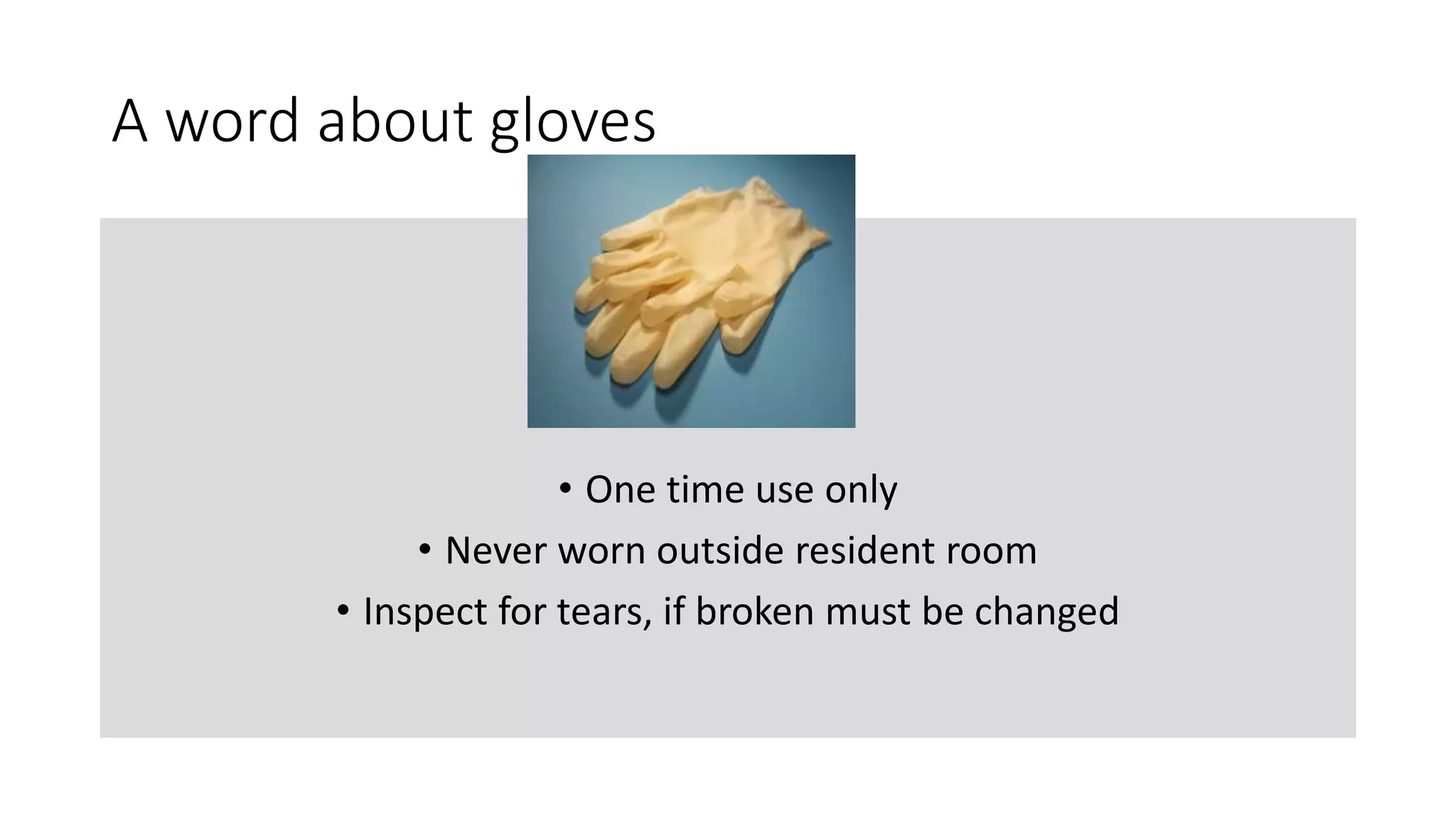
  • 87.
    Practicing standard precautions •Wash hands • Wear gloves & Remove immediately after task done • Never recap • Avoid nicks and cuts • Follow waste disposal policies
  • 88.
    Personal Protective Equipment(PPE) • Gowns- if person has wounds, diarrhea, emesis • Masks- if person has airborne or droplet infection such as the flu or TB • Gloves • Only wear gowns or mask if nurse instructs you to
  • 90.
    Handwashing • #1 defenseagainst the spread of disease • Done before and after direct care, meals, toileting, anytime hands visibly soiled • Germs destroyed by applying FRICTION for at least 15 seconds • Hands held below elbows • Nails, wrists also cleaned • If inside of sink touched- start over • Use warm water, not hot!
  • 91.
    Medical Asepsis vs.Surgical Asepsis • Asepsis means free of disease-producing microbes • Medical asepsis kills SOME of the germs by cleaning with a detergent • Surgical asepsis kills ALL the germs by use of sterilization (extreme heat) in an autoclave oven
  • 92.
    Chain of Infectionfor TB • Signs and symptoms: complaints of cough with bloody sputum, wt loss, nightsweats, fatigue • Diagnostic testing: PPD, CXR, positive sputum test • Treatment: airborne precautions (isolation) for 2 weeks then meds for up to 2 years
  • 94.
    Airborne Precautions If aperson has TB they will be placed in Airborne precautions which includes • Private room • Door closed at all times • Staff must wear a special masks whenever in room (HEPA or N95 respirator mask ) • Room must have negative air pressure
  • 95.
  • 96.
    Blood borne pathogens •HIV and Hep B are only transmitted after contact with an infected person’s blood • Your employer must have an exposure plan if you have an accidental exposure • See page 204 • HBV can be prevented with a vaccine- shots are given at 1 month, 2 months and then 6 months. It will be offered to you free of charge during your orientation • To keep safe, don’t eat at work area, put on makeup, handle contact lenses, recap needles, throw disposable razor in trash, and wash hands immediately after removing gloves • If you have an exposure, report at once, you will be tested, counseled, can be treated prophylactically and if you need treatment, it will be free of charge
  • 97.
    A word aboutgloves • One time use only • Never worn outside resident room • Inspect for tears, if broken must be changed
  • 98.
    Nosocomial or hospitalacquired infections • An infection that occurs as the result of being hospitalized • From roommate, equipment or staff
  • 99.
    Reverse Isolation • Staffwear all PPE • Patient is immunocompromised and may get sick from those entering room • Chemo patients, transplant patients, HIV patients • No flowers, fruit- sterile environment
  • 100.
    Other types ofprecautions • Droplets- for person with flu, meningitis or pneumonia- wear mask if within 3ft of person, wear gloves entire time in room • Direct Contact- for person with infected wound, c-diff, wear gloves and gown
  • 101.
  • 102.
    Red Bag It Itemsthat are contaminated with blood, such as a used needle/syringe or a disposable razor, should be thrown in the BIOHAZARD sharps container; soiled linen that is contaminated with blood goes in a red bag
  • 103.
    Chapter 29: • Admitting,Discharge and Transfer
  • 104.
    Admission •Feelings at thistime may be: Fear, depression, anxiety, happiness, anger •Paperwork will be completed by admissions, resident rights reviewed and explanation of PSDA reviewed, polaroid photo taken
  • 105.
    Prep before arrival •Obtain admissions kit (p. 175) • Open bed • Need scale, vital signs equipment, gown, extra blanket and pillow, urine specimen cup • Ask about oxygen therapy, IV, etc. • Need belongings or inventory checklist form
  • 106.
    Upon Admission • Greetand call by name the person prefers • Take to room and assist into gown • Obtain weight and ht, VS if requested by RN • Complete inventory checklist, count and secure money, document valuables • Orient to room/unit- call bell, BR, DR, nurse’s station, activity room • Introduce to others, including roommate
  • 107.
    Scales • Types ofscales: ambulatory, chair, mechanical lifter, wheelchair
  • 108.
    Measuring height • 12inches in a foot • 5’4= 12 x 5=60 +4=64 inches • Of unable to stand, use tape measure from head to heel
  • 109.
    Transfer • May beto another facility or unit • Pack up belongings, can take admission kit, water pitcher, etc with him • Use inventory list to pack personal belongings • Obtain transport • May experience same feelings as did at time of admission • Intro to new unit and staff
  • 110.
    Discharge • Don’t packuntil nurse tells you discharge is for sure • Obtain discharge vital signs • Pack up belongings • Obtain transport • Document who resident left with, time, vs, condition and by what type of transport
  • 111.
    • https://cna.plus/infection-control-test/ • https://cna.plus/cna-practice-test-legal-ethical-2/ •https://cna.plus/cna-practice-test-legal-ethical/ • https://cna.plus/residents-rights/ • https://cna.plus/residents-rights-2/
  • 112.
  • 113.
    Caring for the(whole) Person
  • 114.
  • 115.
    MEETING BASIC HUMANNEEDS • Physical needs- provide meals, snacks, fresh drinking water, clean bed, oxygen, rest and sleep • Safety & Security-answer call bells, raise side rails, clean up spills, report safety hazards, check ID bracelet, clutter free environment, infection control precautions • Love and belonging- give good care, encourage participation in activities, family visits, support groups • Self esteem- allow resident to do as much as possible for self, groom nicely, compliments • Self actualization- allow resident to discuss past accomplishments, interests
  • 116.
    Culture makes adifference…. • Cultural background effects music, food • and style of dress preferences, attitudes, • values, religion, language, health practices, • death rituals • The best way to respect a person’s cultural beliefs is to educate yourself, ask questions and attempt to support as much as possible
  • 117.
    A word aboutreligion… • Listen, but don’t share your own beliefs and opinions…. • make referrals to nurse for clergy visits….. • you can pray with a person if they request it….. • be respectful of person’s religious beliefs…..
  • 118.
    Nursing Center Residents •Alert, oriented • Confused and disoriented • Complete Care • Short-term • Life-long • Residents with mental health problems • Terminally ill
  • 119.
    Behavior Issues • Anger-dt pain, fear • Demanding- dt loss of independence, health or self control • Self-centered • Aggressive • Withdrawal • Inappropriate sexual behavior • See page 87- managing the behavioral issues
  • 120.
  • 121.
  • 122.
    Environmental factors leadingto falls • Wet floor • Poor lighting • Couldn’t reach call bell • Rugs • Clutter • Tripped over gatch on bed • Improper footwear or clothing
  • 123.
    Preventing Falls • Clutterfree • Non-skid footwear • Properly fitting clothes • Keep personal items, and call bell nearby • Answer call lights right away • Clean up spills • Report loose handrails stat • Good lighting • Lock brakes on bed and w/c with transfers • Leave bed in low position after care given • Toilet freq
  • 124.
    Identifying the Resident •#1 check ID bracelet • Ask the person his or her name “can you tell me your name?” • Ask someone to verify for you • Do NOT rely on name plate outside • PHOTO ID SYSTEMS • IF AWAKE AND ORIENTED, MAY REFUSE TO WEAR BRACELET
  • 125.
    Preventing Burns • Supervisesmoking • Assist at meal time • Check bath water temp • No heating pads • First degree burn-red, painful- like sunburn • Second degree-blisters • Third degree-skin is charred, both layers burned and underlying structures
  • 126.
    Preventing suffocation • Cutfood into small pieces • Make sure dentures fit properly • Report dysphagia • Don’t leave unattended in/near water • Position properly • Use restraints correctly
  • 127.
    PREVENTING POISONING • MAKESURE CHEMICAL CAPPED, OUT OF SIGHT, LOCKED AWAY • NEVER REUSE A BOTTLE OR USE AN UNLABELED BOTTLE • PROTECT LABELS FOR GETTING WET WHEN POURING • Put away toiletries after use
  • 128.
    Choking • To helpa choking victim, perform the Heimlich maneuver or Abdominal Thrusts 1. Monitor for universal sign 2. “can you cough?” “can you speak?” 3. “She’s choking, I need help!” 4. Explain that you are going to help 5. Perform abdominal thrusts until food comes out or person loses consciousness
  • 129.
    Choking continued • Ifa person is obese or pregnant, instead of abdominal thrusts you will perform chest thrusts • Never perform heimlich manuever if the person is able to speak or cough • Stay with person, offer reassurance, do not pat on back or give liquids • F.y.i. choking on thin liquids more likely than thick ones
  • 130.
    Wheelchair safety • Feetmust be on footrest • Hips back in chair • Arms on armrests • Brakes on when transferring in or out of w/c • Backwards into elevators and down ramps • Report any malfunctioning parts • Keep seat clean, should use gel pad in seat
  • 131.
    MSDS- lists allchemicals used in facility- how to use, what PPE to handle, how to dispose of, how to treat an accidental exposure, how to store, chemical makeup
  • 132.
    Fire Safety • Firesneed oxygen, something that burns and friction to be sustained • Immediately when someone yells “fire” you respond by activating the R-A-C-E system • R= remove everyone to a safe area • A=activate the alarm • C=contain the fire (close doors and windows_ • E=extinguish, if you can
  • 133.
    Fire cont. • Ifyou have to evacuate- remove the ambulatory (walkers) first, then wheelchair users and bedridden • Evacuate horizontally, from top floor down • To carry a w/c or bedbound person, you can carry him/her with a peer or drag to fire exit in a blanket supporting the head • Never use an elevator in a fire
  • 134.
    Use of fireextinguishers • ABC fire extinguishers work on Paper, wood, electrical, oil, gas, grease and cloth fires • To use the extinguisher active P-A-S-S • P=pull the pin • A=aim at the base of the flames • S=squeeze the handle • S=sweep back and forth • Stand about 6 ft away
  • 135.
  • 136.
    ER eyewash stations-know how to use it and where it is located
  • 137.
    Color Coded Wristbands •Red- allergy alert • Yellow-fall risk • Purple-DNR • Symbols to communicate info: star=suicidal, foot=fall risk • Red=DNR T=turn and reposition every 2 hours
  • 138.
    Personal Belonging • Inventoryof all belongings, valuables, etc. • Count money, place in sealed envelope and give to RN • Document eyeglasses, dentures, hearing aids, prosthetics, jewelry • Complete an inventory checklist (page 153)
  • 139.
    Incident Reports • Involvingvisitor, staff, resident • Falls, losses, thefts, damages, mistake in care • Done ASAP while info, witnesses available • NOT part of medical record- for quality assurance, insurance and litigation
  • 140.
    Chapter 11: PreventingFalls • Seniors move slower, are confused, have poor vision and hearing, are incontinent, have joint problems, poor balance, may be dizzy….big fall risk • Most falls between 4-8pm and change of shift • Bedrails may be ordered for safety- check care plan- must have order and consent to use b/c can be dangerous • Hand bars and grab rails in restroom and hallways • Wheel locks on bed and w/c • Transfer/gait belt
  • 141.
    Gait/transfer belt • Whenassisting a resident to ambulate place the gait belt around the waist snuggly, over the clothes, under breasts. • Hold belt with hands in an upward position
  • 142.
    The Falling Person •Remain calm • Widen your stance and guide person to the floor protecting his head • Don’t let the person move or try to get up • Call for RN • See page 164
  • 143.
    Chapter 12: RestraintUse • Physical restraint: a device to restrict movement • Chemical- drugs used for discipline or convenience and not required to treat a condition • Remove easily- if client can figure out how to remove, NOT a restraint, such as a seat belt
  • 144.
    Restraints- anything thatrestricts freedom of movement Guidelines for use: • Must be ordered by the MD • Only used to protect resident from self or others • Only used as last resort • Least restrictive type used • removed every 2 hours for toileting, nutrition, exercise • Check restraint every 30 minutes • Never tie straps to bed rails • Tie in a quick release bow • Never used for staff convenience or to punish • Tie in slipknot • Straps to bed frame or non-movable part, never the side rails
  • 145.
    More guidelines forrestraint use • Keep call bell within reach • Document time on and off • Check skin for irritation, discoloration • Check fit by slipping 2-3 fingers inside restraint • Vest restraint criss-crossed in front • Don’t make a restraint (such as tying a sheet around a resident’s waist)
  • 146.
    Complications of restraints •Fractures • Depression • Anger • Skin breakdown • Incontinence • Constipation • Dehydration • Strangulation
  • 147.
  • 148.
    Types of restraints •Vest or chest- criss cross in front • Wrists • Mittens • Waist or belt • Side rails • Geriatric chair with tray attached • Passive restraints aren’t attached to the body • Active restraints are attached to the body
  • 149.
    Alternative to restraints •Lap buddy or tray • Bed and chair alarms • Low bed • Hip protectors • Wedge cushions • Bed bolsters
  • 150.
  • 151.
    Chapter 14: BodyMechanics • Body Mechanics are used the staff to prevent injury and fatigue • More healthcare workers develop soft tissue injuries related to work than any other industry
  • 152.
  • 153.
    Chair Positioning • Hipsback in seat • Feet flat on floor • Backs of knees and calves slightly away from edge of seat • Arms on armrest or lap • May need postural support- pillows
  • 154.
    chapter 14 • Waysto move a person in bed: logrolling, in sections, with a drawsheet, trapeze bar • Avoid friction and shearing (when skin sticks to surface while moves in other direction) by using a drawsheet • A drawsheet is a ½ sheet placed from shoulders to mid-thigh • Pp 225-229, 231 • When turning, raise side rail to which person will be turned! • Logrolling keeps the body aligned or straight, place hands on shoulder and hip, move body as one unit; protects neck and spine
  • 157.
    Dangling • Sitting onedge of bed with feet hanging freely, not touching the floor • Prevents orthostatic hypotension, a drop in BP with a sudden position change • If resident dizzy or faint, lie back down and notify RN
  • 158.
    Transferring • Use gait/transferbelt- placed tightly around waist, over clothes and held with hands upward (pg. 241) • Slide board • When moving a person with a weak side, place wheelchair on STRONG side • Mechanical lifter (p. 244, 246)- requires (2) people to use • To stretcher, may require several staff, use drawsheet or lift pad (p. 249) • INTO WHEELCHAIR: • Hips back in seat • Arms on armrest • Feet on footrest
  • 159.
  • 160.
    CHAPTER 15: THERESIDENT’S UNIT • Should be comfortable temperature (71-81 degrees) • Odor free • Ventilated • Quiet • Well-lit • Should be homelike • Have essential furniture; bed, bedside stand, overbed table, wardrobe (with shelves and a clothes rack) , privacy curtain (goes all the way around bed), stationary chair (with armrest), call bell, sink and toilet
  • 162.
    BEDS • Manual bedsoperated by cranks or gatches. Center raises bed up or down, right operates head of bed and left operates knees • Always fold handles in to prevent accidents • Side rails must be on every bed, whether used or not, can be ½ or full
  • 163.
    Bed Positions • Fowler’s-HOB raided 45-60 degrees- for mouthcare, shaving. meals, when SOB, watching TV • Hi- Fowler’s- HOB raised 60-90 degrees • Semi-Fowler’s- HOB raised 15-30 degrees • Trendelenberg- foot raised higher than head- ordered by MD • Reverse trendelenberg- Head raised and feet lowered • Pages 256-257 • *Side rails are dangerous and use must be ordered by MD and approved by resident or family- can cause entrapment
  • 166.
    Chapter 8: theolder person • Sex • Sexuality- promote by makeup, jewelry, grooming, privacy during relations • Types: hetero, homo, bi, transv, transgender, transsexual • Give privacy during intimate times, post do not disturb sign on door
  • 167.
    CHAPTER 39: CONFUSIONAND DEMENTIA • Changes in the nervous system with aging: • Nerve cells are lost • Nerve conduction slows • Responses and reactions slow • Reflexes slow • Taste and smell decrease • Hearing and vision decrease • Touch and sensitivity to pain decrease • Sleep patterns change • Memory is shorter • Forgetfulness occurs
  • 168.
    Dementia • Dementia isimpaired cognition • Memory, thinking, reasoning, ability to understand, judgment and behavior are effected ■ Dementia is impaired cognition ■ Memory, thinking, reasoning, ability to understand, judgment and behavior are effected ■ An be caused by drugs. ETOH, tumors depression, CV problems, infection, head injuries, MS, PD, stroke, syphilis, AIDS ■ No.1 cause of dementia is Alzheimer’s Disease (AD)
  • 169.
    Delirium & Depression •State of sudden, severe confusion and rapid brain changes • Occurs with a mental or physical illness and is considered a medical ER • It is temporary and reversible • Causes include an acute illness, heart or lung diseases • Look for changes in alertness, sensation, awareness, movement and memory, problems concentrating, speech nonsensical, and emotional changes • Depression characterized by 2-4 weeks of helpless, hopeless feelings, tearful, anhedonia, change in sleep and appetite, thoughts of death, withdrawal •
  • 170.
    Alzheimer’s Disease (AD) •Progressive • Fatal, familial, avg life expectancy 8-10 years • Early onset is inherited • Affects more women than men • Includes dementia, depression and delirium • Gradual loss of short-term memory may be first symptom
  • 172.
    Warning signs ofAD • Perseveration • Repeating same story over and over • Forgetting how to cook, play cards, pay bills, dress self, balance checkbook • Getting lost in familiar places • Losing household items • Neglecting to bathe, wearing same clothes
  • 173.
    Stages of AD •Mild: memory loss, poor judgment, disoriented to place and time, moodiness, difficulty with everyday tasks • Moderate: restlessness,> memory loss, wandering, dulled senses, incontinence, needing help with ADLS, loses impulse control, perseveration, agitation, violence, communication problems (dysphasia) • Severe: seizures, aphasia, total care, dysphagia, bedbound, coma,death
  • 174.
    Which person hasAD? Oltz, a former nurse, was diagnosed with early onset Alzheimer’s disease at age 47
  • 175.
    Hooray For Hollywood!! •Still Alice** • Away From Her • Savages • Iris • The Notebook • Aurora Borealis • Cocoon 2
  • 176.
    What does ADfeel like?! • Losing My Mind, an intimate look at Alzheimer’s- T. DeBaggio Tom DeBaggio is 57 years old when his doctor tells him that he has Alzheimer's in its early stages. He suddenly is confronted with the fact that from now on he will gradually and literally 'lose his mind', that his memories of earlier days will fade, he will forget his daily habits and plans, and ultimately even fail to recognize and remember the people that he loves. There is no way, moreover, that this process could be reversed.
  • 177.
    Strategies for workingwith AD • Follow a routine • Promote self-care • Explain procedures • Call by name throughout conversation • Know triggers • Don’t tease • Don’t tire out
  • 178.
    Behaviors common inAD • Delusions- false, fixed beliefs- • Hallucinations- false sensory preceptions • Sundowning- restlessness and agitation in PM hours • Pacing • Hoarding • Pillaging • Inappropriate sexual behaviors • Catastrophic reactions • Perseveration- repetitive words or behaviors • Elopement- leaving the building or wandering off
  • 179.
    Managing behaviors • Don’targue- distract or let person discuss feelings • Allow pacing in safe area with regular breaks • Place stop signs outside rooms to prevent pillaging • Ankle bracelets for wanderers
  • 180.
    “I want togo home!” • Redirect • Talk about home • Gently remind him that he will be staying ‘here’ for awhile • Don’t argue, don’t play along
  • 181.
    Reality Orientation • Keepingresidents who suffer from dementia aware of who, what and why is important • Call by name each time you address them • ID yourself each day • Use phrases like “good morning”, tell them where you are taking them, what you are doing to them • The facility should post large calendars, clocks and orientation boards throughout the facility
  • 182.
    Validation Therapy • Therapybased on these principles: 1. All behavior has meaning 2. A person may return to the past to resolve issues and emotions 3. Caregivers need to listen and provide empathy 4. Attempts are NOT made to correct the person’s thoughts or bring back to reality
  • 183.
    Examples of ValidationTherapy • Mrs. Johannson goes room to room looking for her infant son. In reality, he died 45 years ago. Instead of telling her this, the CNA says, “tell me about your baby” • Mrs. Lewis sits in the hallway all day waiting for the train. She believes her husband is due home, but in reality he died in WWII. The caregiver asks, “what is your husband’s name?”
  • 184.
    CHAPTER 43: BASICEMERGENCY CARE
  • 185.
    ER care andFirst Aid • If a resident doesn’t respond- shake and shout- if still no response yell for help and if CPR certified initiate • Never leave a victim, never move unless they are in immediate jeopardy (gas or electrical hazard)
  • 186.
    Shock • Call forhelp • Keep victim warm • Raise feet higher than head • If vomiting or bleeding from mouth- head to the side • Keep NPO • Offer comfort and reassurance ■ Call for help ■ Keep victim warm ■ Raise feet higher than head ■ If vomiting or bleeding from mouth- head to the side ■ Keep NPO ■ Offer comfort and reassurance
  • 187.
    Myocardial Infarction • AKA-heart attack • Causes-blockage of blood supply and O2 to heart’s muscle dt blood clot, buildup of plaque, aneurysm • s/sx crushing or stabbing (can be burning) chest pain that radiates to arm and jaw, SOB, pallor, diaphoresis, feeling of doom, nausea • Call for help, lie down, loosen clothes, NPO
  • 188.
    Hemorrhage • Std precautions •Call for help • Apply direct pressure • If bright red blood, don’t release- arterial bleed • elevate arm or leg above heart level
  • 189.
    Minor burns • Callnurse • Cool, clean water (no ice) on a cloth • No ointments • Once pain has eased, cover with sterile dressing and gauze • If a serious burn- do not attempt to remove clothes-
  • 190.
    A bit onother ERs • Nosebleed (epitaxis)- standard precautions, head forward, pinch bridge of nose • Bleeding-if bright red blood suggests ARTERIAL bleed- apply direct pressure and do not release, std. precautions, call for help, if arm or leg, raise above heart level • Fainting- have person lean forward, head as low as possible
  • 191.
    seizures • Involuntary contractionsof muscles can be due to high fever, tumor in brain, epilepsy, drug OD, etc • Call for help, note time, put on glove • Person on floor • Move away furniture • Head to the side- supported by pillow • Don’t restrain • NOTHING in the mouth
  • 192.
    Cerebrovascular Accident (CVA) •AKA “stroke” • Causes may include brain trauma or tumor, hypertension, diabetes • s/sx: slurred speech, facial drooping and weakness on one side of body (L CVA would cause R sided weakness), incontinence, confusion, loss of consciousness • May complain of bad headache and elevated BP before CVA occurs
  • 193.
    Emesis • Head toside • If appears like wet coffee grounds- notify nurse to see stat (internal bleeding) • Note amount • Assist with oral hygiene • Assist to change linens and clothes
  • 195.
    What a disaster!! •In case of an earthquake, Place everyone under tables • In case of a bomb threat, stay on phone, summon help, ask as many questions as possible
  • 196.
    What should youdo? • Tornado-seek shelter in a concrete building, lie flat, go in basement or take cover under heavy furniture • Lightening-avoid open spaces, stay out of water, go indoors, stay in car, stay away from metal, don’t use phone or other electrical appliances • Hurricanes-seek shelter
  • 197.
    Begin Module 3 •See slideshare