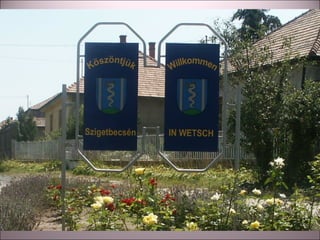
It seems on the Szigetbecse welcome table, that our community
is living by German nationality.
Our municipality has got 1400 inhabitants, approx. the 30% are
German Nationality. But when and how where these Germans
coming here?
More than thousand years are Germans living in the Carpathian
basin.
After the dislodgement of Turks in the beginning of the 1700s
Hungary under crowded and needed recruital. That is why the
National Assembly ordered the organised colonization.
In the 18th century the Germans have been colonysated to
Hungary in three stages.
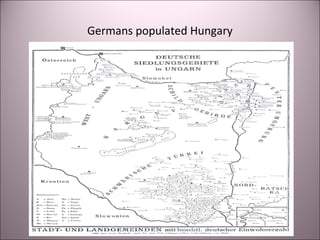
The majority of Germans came to Hungary from middle and south
part of Germany. The settlers arrived to Szigetbecse from
Bavarian and Styrian provinces.
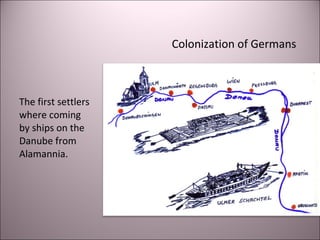
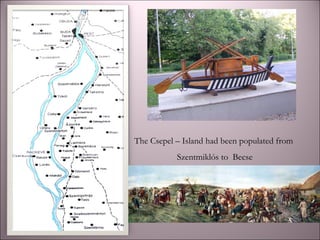
Colonization of Germans
The first settlers
where coming
by ships on the
Danube from
Alamannia.
The Csepel – Island had been populated from
Szentmiklós to Becse
Germans populated Hungary
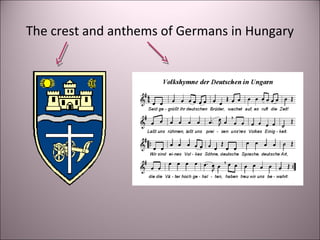
The crest and anthems of Germans in Hungary
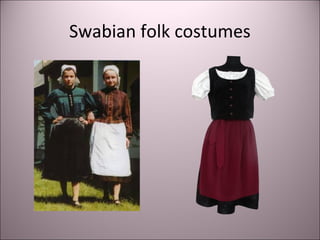
Swabian folk costumes
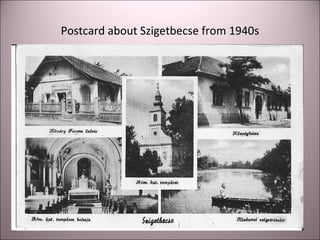
Postcard about Szigetbecse from 1940s
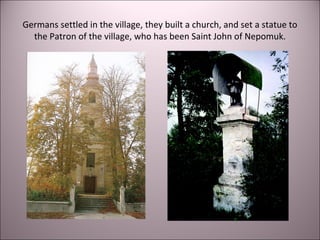
Germans settled in the village, they built a church, and set a statue to
the Patron of the village, who has been Saint John of Nepomuk.
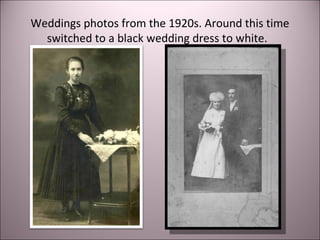
Weddings photos from the 1920s. Around this time
switched to a black wedding dress to white.
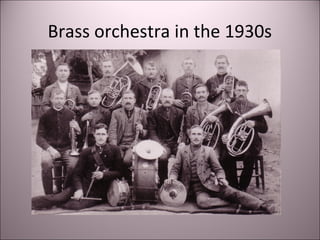
Brass orchestra in the 1930s
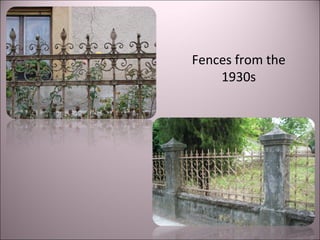
Fences from the
1930s
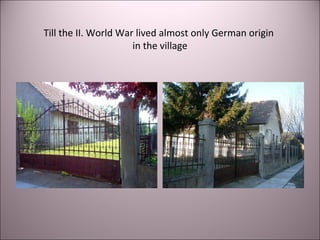
Till the II. World War lived almost only German origin
in the village
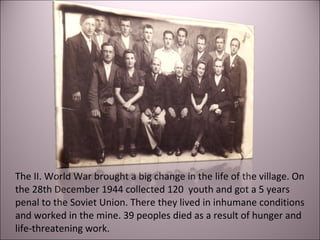
The II. World War brought a big change in the life of the village. On
the 28th December 1944 collected 120 youth and got a 5 years
penal to the Soviet Union. There they lived in inhumane conditions
and worked in the mine. 39 peoples died as a result of hunger and
life-threatening work.
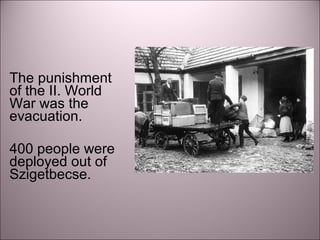
The punishment
of the II. World
War was the
evacuation.
400 people were
deployed out of
Szigetbecse.
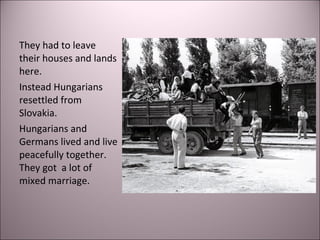
They had to leave
their houses and lands
here.
Instead Hungarians
resettled from
Slovakia.
Hungarians and
Germans lived and live
peacefully together.
They got a lot of
mixed marriage.
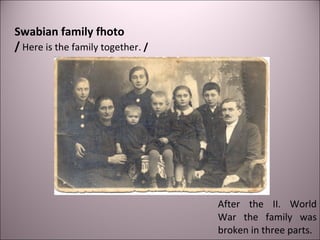
Swabian family fhoto
/ Here is the family together. /
After the II. World
War the family was
broken in three parts.
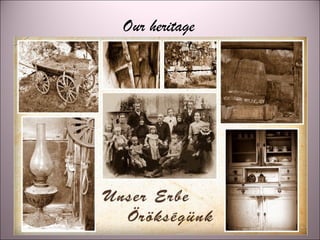
Our heritage
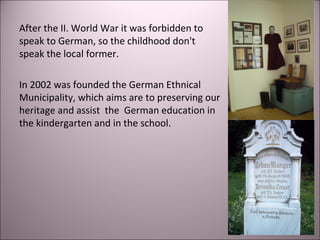
After the II. World War it was forbidden to
speak to German, so the childhood don't
speak the local former.
In 2002 was founded the German Ethnical
Municipality, which aims are to preserving our
heritage and assist the German education in
the kindergarten and in the school.
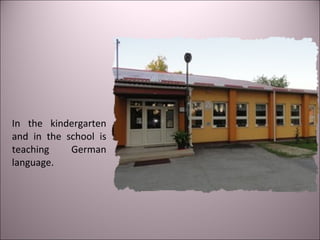
In the kindergarten
and in the school is
teaching German
language.
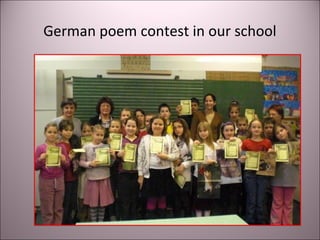
German poem contest in our school
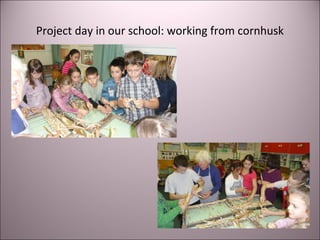
Project day in our school: working from cornhusk
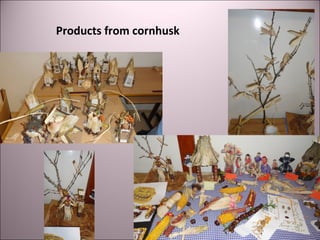
Products from cornhusk
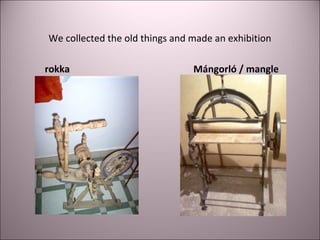
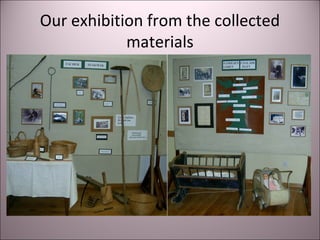
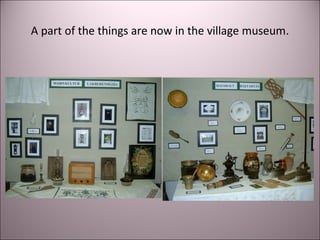
We collected the old things and made an exhibition
rokka Mángorló / mangle
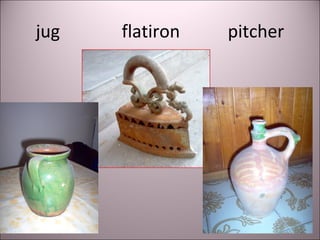
jug flatiron pitcher
Our exhibition from the collected
materials
A part of the things are now in the village museum.
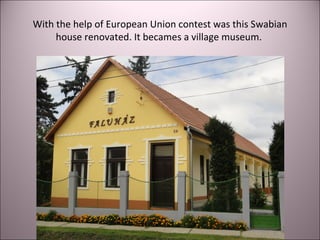
With the help of European Union contest was this Swabian
house renovated. It becames a village museum.
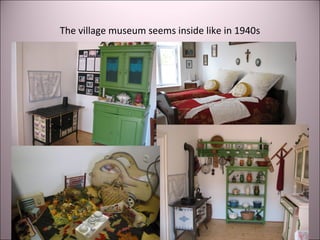
The village museum seems inside like in 1940s
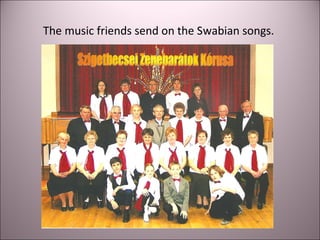
The music friends send on the Swabian songs.
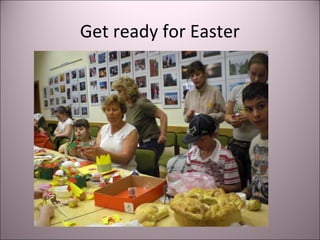
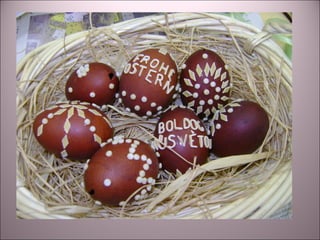
Get ready for Easter
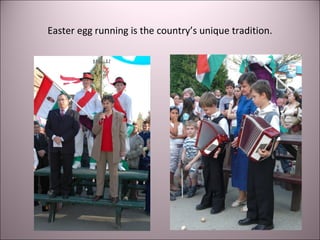
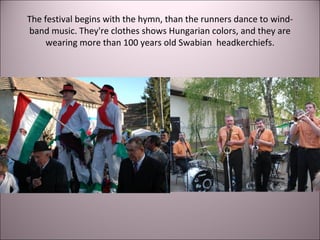
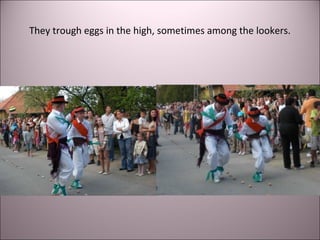
Easter egg running is the country’s unique tradition.
The festival begins with the hymn, than the runners dance to wind-
band music. They're clothes shows Hungarian colors, and they are
wearing more than 100 years old Swabian headkerchiefs.
They trough eggs in the high, sometimes among the lookers.
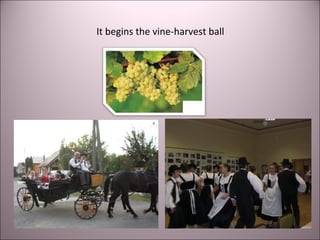
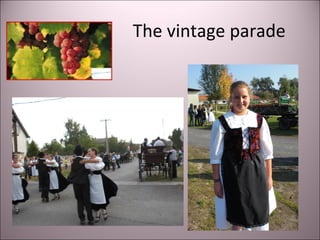
The vintage parade
It begins the vine-harvest ball
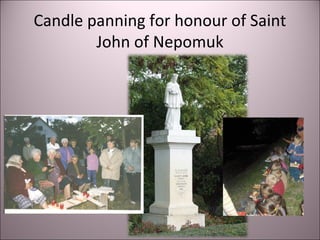
Candle panning for honour of Saint
John of Nepomuk
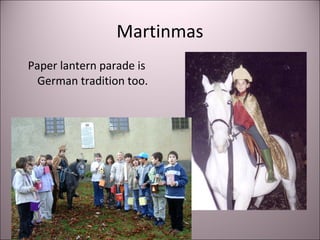
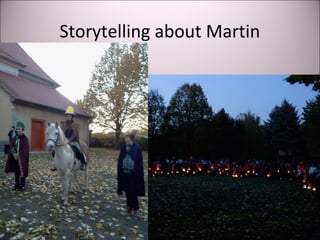
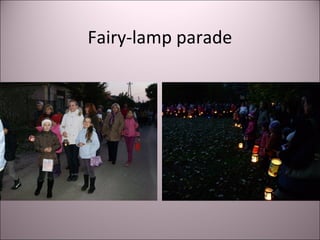
Martinmas
Paper lantern parade is
German tradition too.
Storytelling about Martin
Fairy-lamp parade
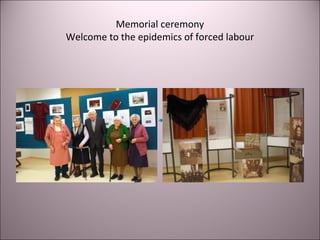
Memorial ceremony
Welcome to the epidemics of forced labour
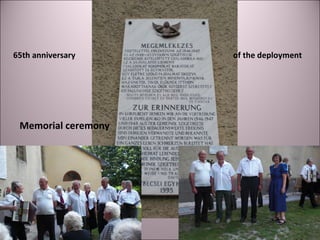
65th anniversary of the deployment
Memorial ceremony
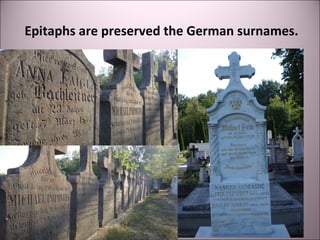
Epitaphs are preserved the German surnames.
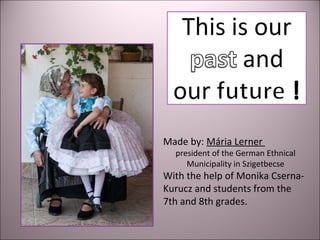
Made by: Mária Lerner
president of the German Ethnical
Municipality in Szigetbecse
With the help of Monika Cserna-
Kurucz and students from the
7th and 8th grades.
Thank you for watching!

Minority in Szigetbecse ppt